
1. Osaka to Misaki Drive: The Philosophy of Driving in Japan
For years, I viewed Japan through a very specific lens: the wide, polished glass of a conductor’s cab on the Kintetsu Railway. I spent my early career surrounded by the hypnotic rhythmic clatter of steel wheels on steel rails, adhering to schedules measured down to the precise second, operating under the world’s most efficient public transportation network. Trains are the absolute bloodstream of Kansai. They connect Osaka, Kyoto, Nara, and Kobe with breathtaking precision. Yet, standing on those platforms and looking out from those driver cabs, I always felt there was an invisible barrier between the passenger and the true heart of the Japanese landscape.
When you travel by rail, you see Japan through a curated frame. You move from major hub to major hub, constrained by timetables, station stops, and rigid track alignments. You miss the quiet mountain passes where the fog hangs low over ancient cedar groves; you pass right over the coastal backroads where the salt spray catches the golden hour light; and you remain entirely oblivious to those unmarked turnoffs that lead to family-run roadside eateries that have been serving local fisherman for three generations.
To truly unlock what I call "Secret Japan," you must step off the platform and get behind the wheel.
Starting a journey from the vibrant, neon-lit grid of Osaka and heading south toward Misaki—the tranquil, sun-drenched coastal municipality sitting at the very southwestern tip of Osaka Prefecture—is a masterclass in regional contrast. While millions of tourists crowd onto the train cars bound for the typical tourist traps, driving allows you to experience the subtle, beautiful shift as urban concrete gives way to rolling coastal hills, historic maritime hamlets, and swept sweeping vistas of Osaka Bay and the Kiichannel.
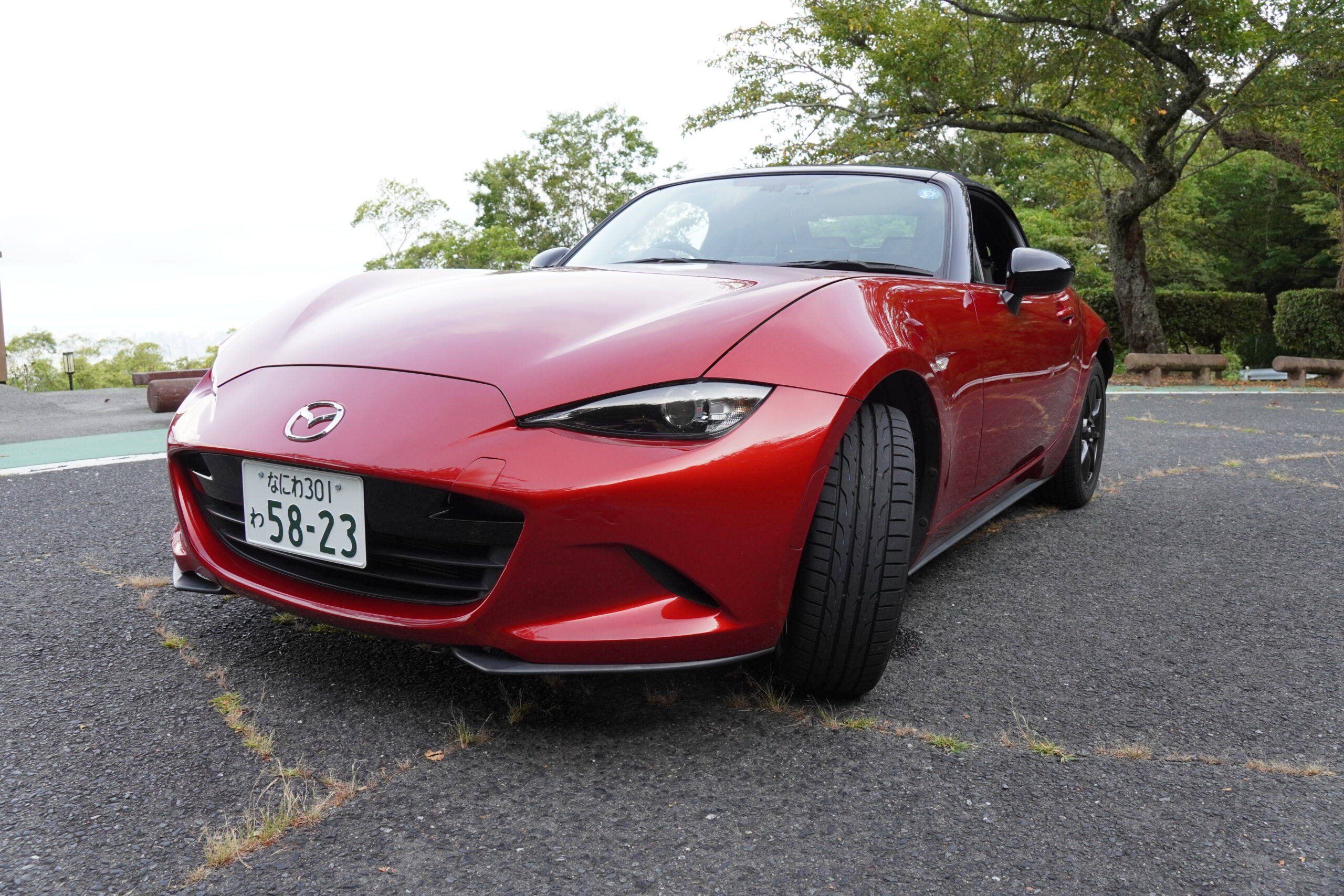
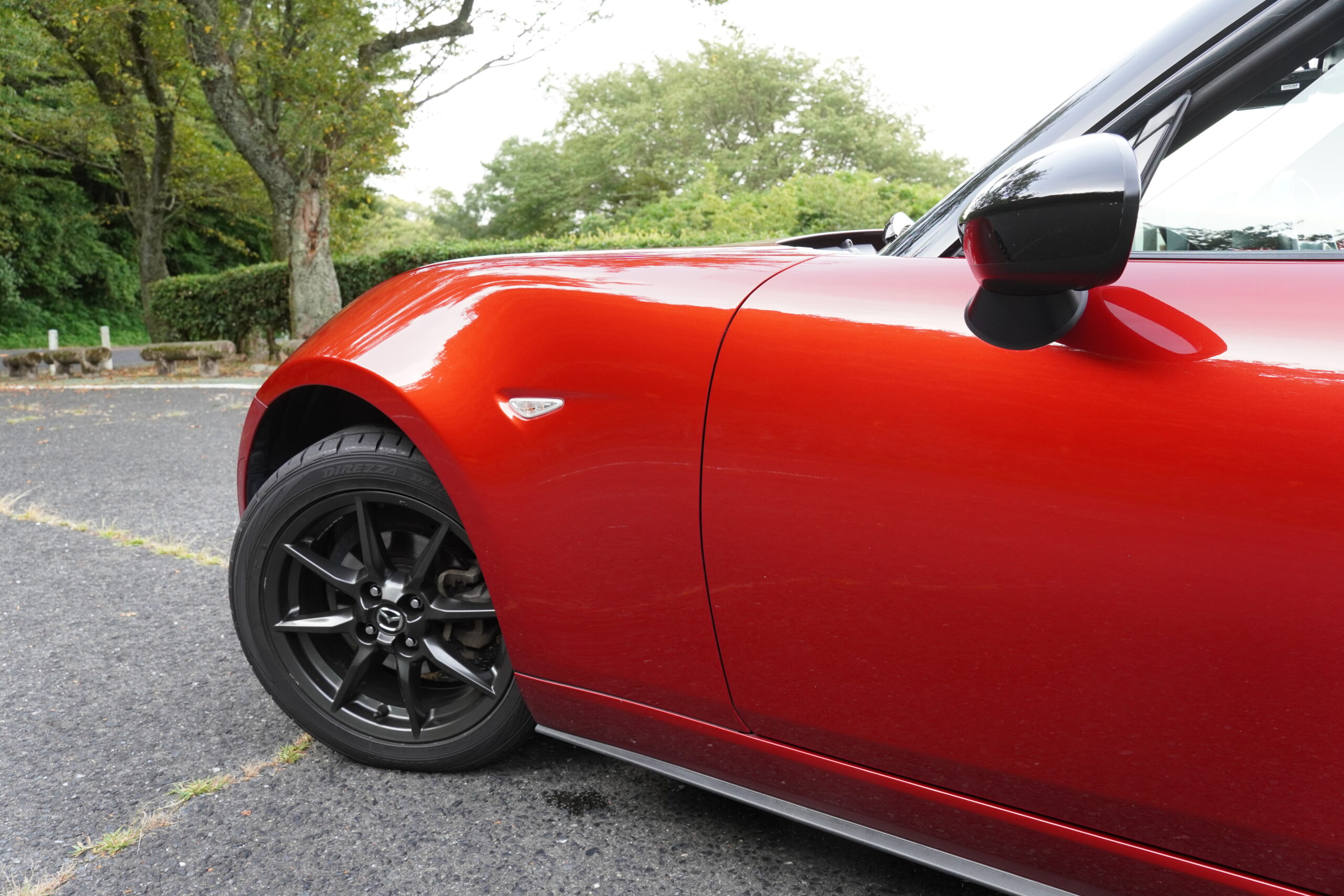
Choosing to drive a classic Japanese Domestic Market (JDM) driver's car—such as a manual Mazda Roadster (ND) or a sharp, lightweight Toyota 86 / Subaru BRZ—transforms the journey from simple transit into a deeply tactile sensory experience. On these coastal roads, the connection between driver, machine, and landscape becomes absolute. You aren't just observing Japan; you are actively navigating its contours, feeling the mechanical feedback through the steering wheel as you downshift into tight seaside curves, hearing the exhaust note echo off coastal seawalls, and breathing in the crisp maritime air. This is the art of independent exploration.

2. Osaka to Misaki Drive: The 2-Day Itinerary Deep Dive
Day 1: City Grid to Coastal Bliss
08:00 AM – Departure from Central Osaka
Your journey begins in the heart of Osaka as the city wakes up. Crawling out through the urban grid, the morning sun hits the glass facades of Namba and Umeda. Settling into the low-slung bucket seats of a Mazda Roadster ND or Toyota 86, the contrast is immediate. The mechanical hum of the engine idling at red lights creates an electric sense of anticipation. As you navigate onto the Hanshin Expressway Route 4 (湾岸線 - Wangan Line), the city starts to open up.
09:15 AM – The Coastal Highway Run (Hanshin Expressway to Route 26)
Merging onto the elevated stretches of the Wangan Line, the highway floats high above the industrial docks and shipping ports of Osaka Bay. The road surface here is wide and smooth. In a Mazda Roadster with the soft top dropped, the morning ocean air rushes into the cabin. To your right, the vast expanse of Osaka Bay glistens under the morning light; to your left, the dense urban sprawl gradually thins out, giving way to the blue-hued silhouettes of the Izumi Mountains in the distance.
As you transition off the expressway onto National Route 26, the road changes character. You leave the heavy logistics traffic behind and join the flow of local coastal life. The highway narrows slightly, dipping and weaving around gently rolling hills that mark the boundary between Osaka Prefecture and Wakayama.
10:30 AM – Pitstop at Marble Beach & Rinku Park
Before reaching Misaki, make a short detour to Marble Beach in Rinku Town. Unlike typical sand beaches, this shoreline is covered entirely with smooth, brilliant-white marble stones, creating a striking contrast against the deep blue waters of the bay and the massive span of the Kansai International Airport Sky Gate Bridge in the background.
Park the car, listen to the clinking of the marble stones under the gentle wash of the waves, and enjoy a quick espresso. It is a fantastic spot to take in the vast scale of Osaka Bay before entering the more rugged, traditional coastal territories further south.
12:00 PM – Arrival in Misaki & Fresh Seafood Lunch at Tannowa Port
Crossing into Misaki Town, the pace of life drops dramatically. The hyper-modern energy of northern Osaka feels a world away. Misaki has operated as a critical maritime gateway for centuries, serving as a historic fishing port and a transit point across the Kii Channel to Shikoku.
Head directly to the waterfront near Tannowa Port for lunch. Seek out a local shokudo (eatery) near the marina. Order the local specialty: freshly caught shirasu-don (baby sardine rice bowl, served either raw or light-boiled with fresh ginger, green onions, and local soy sauce) accompanied by grilled turban shell (sazae). The taste is clean, sweet, and distinctly maritime—a direct reflection of the pristine waters right outside the window.
01:30 PM – Exploring Kyowa & Historic Coastal Hamlets
After lunch, slide back into the driver's seat and take the narrow, winding local roads that hug the shoreline through the old hamlets of Tannowa and Fukura. The roads here demand precision and focus. In a Mazda Roadster or Toyota 86, the light steering and crisp clutch engagement make navigating these narrow passages pure fun.
You will pass traditional wooden homes with distinctive black-tiled roofs, small shrines tucked away under ancient pine trees, and localized boat docks where fishermen mend their nets. The air here smells of drying seaweed, cedar wood, and salt water.
03:30 PM – The Coastal Winding Run: Route 65 to Tannowa & Plover Beach (Kata Coast Viewpoint)
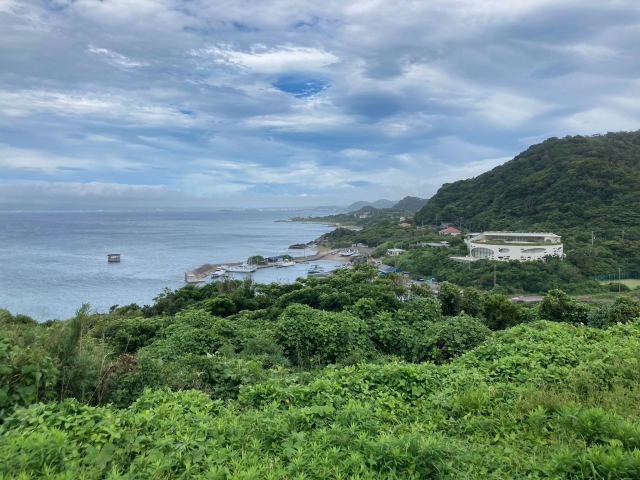
By mid-afternoon, it is time to experience the finest driving tarmac Misaki has to offer. Route 65 wraps around the southwestern perimeter of the Osaka coastline, linking small coves and elevated headlands.
Here, the engineering of a light, rear-wheel-drive sports car shines. Downshifting into third gear, the engine revs smooth and linear. The chassis responds instantly as you carve through smooth, sweeping curves that follow the natural topography of the coastline. To your right, the cliffs drop off into the sparkling waters of the Kii Channel. The physical sensation of lateral g-forces paired with the distant rumble of the exhaust creates an addictive rhythm.
05:15 PM – The Crown Jewel: Sunset at Cape Kyota (Sennanguns Misaki Park Coast)
As the sun begins its descent toward the horizon, park the car at a safe seaside vantage point along the Misaki coastal overlook. Misaki is famous across Kansai for having some of the most spectacular sunset views in the entire prefecture.
As the sun sinks behind the distant mountains of Awaji Island across the water, the sky transitions through a magnificent spectrum of colors: deep amber, burnt orange, vivid magenta, and finally a soft twilight violet. The light reflects off the polished hood of your car, turning the metallic paint into a canvas of shifting colors. Standing by the seawall with the cool evening breeze blowing in off the water, you realize this is a moment no train schedule could ever deliver.
07:00 PM – Local Dinner: Izakaya Dining in Misaki
For dinner, venture into a small, family-run izakaya in town. Sample locally caught sea bream (tai), tempura made with fresh seasonal coastal vegetables, and local Osaka-region sake. The atmosphere in these rural coastal spots is warm and unpretentious, far removed from the noisy, tourist-heavy venues in central Osaka.

Day 2: Maritime History, Mountain Passes, and the Return
08:30 AM – Morning Coastal Jog or Peaceful Harbor Stroll
Wake up to the slow, steady rhythm of the coast. Take a morning walk along the breakwater at Osaka Marine County or Tannowa Beach. The water in the early morning is calm like glass, reflecting the soft pink light of dawn.
09:30 AM – Inland Mountain Drive: The Izumi-Katsuragi Foothills
After checking out, fire up the engine and head inland toward the foothills of the Izumi Mountain range that borders Osaka and Wakayama. Leaving the ocean behind, Route 752 and local forestry roads wind upward through dense bamboo thickets and terraced farmland.
The roads here become significantly tighter and more technical. The quick steering ratio and exceptional balance of a Subaru BRZ or Mazda MX-5 prove their worth here. Hairpin turns, short acceleration zones, and tight blind corners require your full focus. The mechanical feedback—the weight of the steering wheel, the firm bite of the brakes, and the smooth mechanical click of changing gears—makes every turn satisfying.
11:30 AM – Cultural Visit to Atago Shrine & Historic Coastal Forts
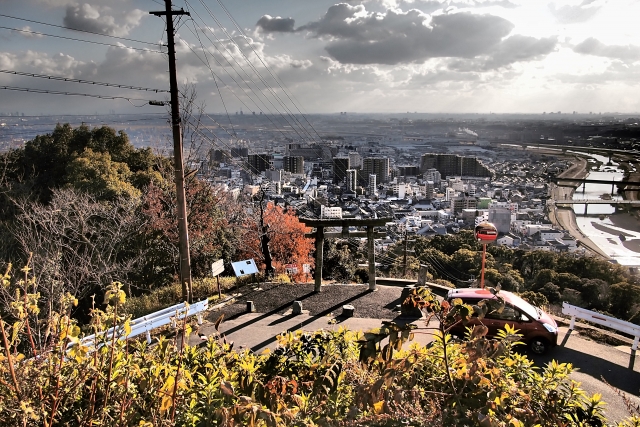
Nestled on a high ridge overlooking the sea sits Atago Shrine, a tranquil site historically visited by mariners praying for safe passage across the treacherous Kii Channel. A short walk up stone steps worn smooth by centuries of foot traffic leads to a panoramic lookout point. From here, you can see the entire arc of Osaka Bay, Awaji Island, and on clear days, the distant shoreline of Shikoku.
01:00 PM – Late Lunch: Mountain Produce & Local Soba
Dine at a rustic mountain side restaurant along the pass. Enjoy hand-cut zaru soba (chilled buckwheat noodles served with dipping sauce) topped with wild mountain vegetable tempura (sansai tempura). The crispness of the freshly fried vegetables pairs perfectly with the firm, nutty texture of the cold noodles.
03:00 PM – The Afternoon Coastal Cruise Back North
Rejoining the coastal routes, begin your slow, scenic drive back toward Osaka. Rather than rushing up the toll roads, stay on the local coastal bypasses for as long as possible. The afternoon sun sits low over the water, casting long shadows across the tarmac.
05:30 PM – Arrival Back in Central Osaka
As you re-enter the elevated expressway system and merge back into the flowing lines of Osaka’s evening traffic, the neon signs of the city begin to light up. The contrast between the quiet, sun-drenched headlands of Misaki and the buzzing energy of the metropolis feels incredible. You return not just with photographs, but with a vivid memory of the roads, the sounds, and the freedom of open-road driving.
3. Osaka to Misaki Drive: Expert Advice & Cultural Nuances
Driving in Japan offers a completely different window into the country's rich culture, but it comes with its own unique set of unwritten rules, courtesies, and roadside traditions that every international traveler should know.
The Magic of Michi-no-Eki (Roadside Stations)
One of the absolute greatest joys of road-tripping through Japan is discovering the network of Michi-no-Eki (Government-designated Roadside Stations). Far from dirty highway rest stops, these facilities are vibrant community hubs that celebrate local culture, agriculture, and cuisine.
Local Produce & Delicacies: Each station features a market showcasing produce harvested within miles of the location. In the Misaki region, expect to find freshly caught marine goods, locally grown citrus (such as mikan), handmade pickles, and regional sweets that you simply cannot buy in Osaka's convenience stores.
Facilities: They offer free, immaculately clean rest areas, 24/7 restrooms, detailed local tourist maps, and often small regional museums or scenic footbaths (ashiyu).
Pro Tip: Look out for the regional soft-serve ice cream (soft cream) flavors at each station. Near Misaki and the southern Osaka borders, try the sea-salt or local citrus-flavored soft creams.
Driving Etiquette on Japanese Roads
Japanese driving culture is remarkably polite, quiet, and structured. Understanding these small gestures will make your journey smooth and deeply rewarding:
The "Thank You" Hazards: If another driver slows down to let you merge into a tight lane or pull out from a side street, tap your hazard lights briefly (1 to 2 flashes) once you are in position. This is the universal, mandatory sign of gratitude on Japanese roads.
Speed Limits & Pace: Japanese speed limits on rural roads often seem surprisingly low (30–50 km/h). Drive smoothly, match the flow of local traffic, and pay close attention to pedestrians and cyclists in narrow village streets.
Passing in Narrow Streets: On rural roads near coastal hamlets like those in Misaki, roads can shrink down to single-lane tracks. If you see an oncoming car, pull into a small roadside cutout (pyua-a-way) or widen your gap, flash your high beams once to yield, and let them pass.
4. Osaka to Misaki Drive: Detailed Logistics & Pre-Trip Tips
Planning a smooth road trip in Japan requires understanding a few modern logistical details before you twist the key in the ignition.
The ETC System (Electronic Toll Collection)
Japan’s highway network relies heavily on tolls, which can be surprisingly expensive if paid in cash.
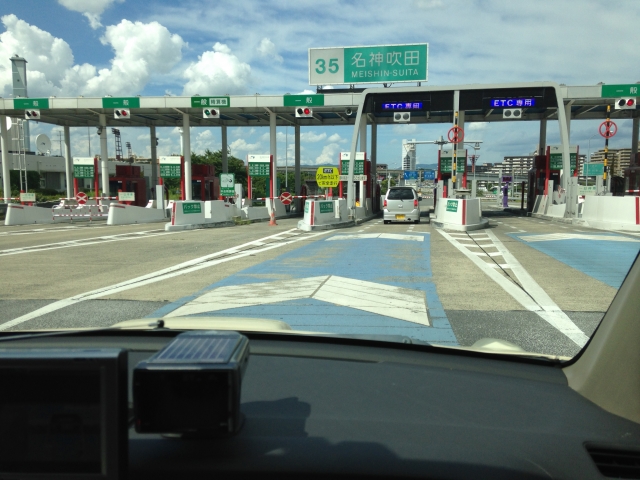
How it Works: Ensure your rental vehicle is equipped with an ETC card reader. Insert an active ETC card into the slot (usually located inside the glovebox or near the steering column) before setting off.
Why You Need It: The ETC card allows you to pass through the dedicated blue "ETC" gates at expressway toll plazas without stopping, automatically recording your tolls at discounted rates. When you return the rental car, the card is read, and you settle the exact total toll amount in one easy transaction.
Navigating Japanese Gas Stations (Gasorin Sutando)
Gas stations in Japan come in two main types: Full Service and Self Service (Serufu).
Full Service: Attendants will direct you to a pump, take your order, fuel the car, wipe your windshield and side mirrors with a wet towel, and even hold traffic for you when you pull out back onto the street.
Key Phrase: Tell the attendant "Regular" (unleaded), "Manten" (full tank), and "Kard-de" (paying by credit card).
High-Octane / Premium: If you are driving a performance JDM sports car like an 86, BRZ, or Roadster, ensure you request "High-Octane" (ハイオク - Hai-oku) rather than standard fuel.
Parking Rules & Tips
Parking in Japan is strictly enforced. You must never park on the side of the road unless explicit signage allows it.
Coin Parking: In cities and small coastal towns alike, look for automated coin-parking lots (Coin Parking). These feature small metal plates that rise underneath the car after a few minutes, locking it in place until you pay the fee at the central pay station.
Reversing In: In Japan, it is standard practice to back into parking spaces. This increases safety when pulling out, especially in busy lots or narrow seaside locations.
The Thrill of Driving a JDM Sports Car
Driving a lightweight, rear-wheel-drive Japanese sports car on these coastal roads is a transformative experience. A Mazda Roadster (MX-5) or Toyota 86 is built with a specific engineering philosophy: balance, lightweight construction, and driver engagement over raw, unmanageable horsepower. The short-throw manual gear shifter, perfectly positioned pedals for heel-toe downshifting, and communicative steering make every turn along the Misaki coastline feel effortless and intoxicating.
5. Osaka to Misaki Drive: Comprehensive FAQ
What driver's license documentation do I need to drive in Japan?
To legally drive a car in Japan, you must present a valid International Driving Permit (IDP) issued under the 1949 Geneva Convention, alongside your original domestic driver's license and your passport.
Is driving a manual transmission (MT) car difficult in Japan?
Driving a manual car in Japan is exceptionally rewarding due to the quality of the roads and the enthusiast-oriented engineering of JDM vehicles. However, remember that Japan drives on the left side of the road, meaning the gear shifter will be on your left hand. If you have experience driving manual vehicles, the transition takes only about 10–15 minutes of conscious adjustment.
What are the road conditions like in Misaki during winter?
The coastal regions of southern Osaka, including Misaki, enjoy a mild maritime climate. Snow and ice are extremely rare along the coast even during the coldest winter months (January and February). Coastal driving remains clear and enjoyable year-round, though winter evenings can bring crisp, cold sea breezes—perfect for turning on the seat heaters and dropping the soft top in a Roadster!
6. Osaka to Misaki Drive: The Final Thoughts
The real magic of Japan does not exist behind the glass of a bullet train window, nor does it sit within the crowded plazas of typical tourist destinations. It is found out on the open coastal roads, in the quiet salt air of ancient harbor towns, in the warm smoke of a roadside izakaya, and in the mechanical connection between a passionate driver, a pristine manual transmission, and a sweeping curve overlooking the sea at sunset.
Misaki is waiting. The roads are clear, the ocean is glowing under the afternoon sun, and the keys to an legendary Japanese driver's car are ready for you.
When you are ready to stop being a passive spectator and start truly driving Japan, make your way to Omoren Osaka Central (おもしろレンタカー大阪中央店). Pick up a meticulously maintained, iconically engineered JDM sports car—whether it’s a razor-sharp Mazda Roadster ND, a balanced Toyota 86, or a Subaru BRZ—and write your own unforgettably authentic chapter across the roads of Kansai. Drop the top, engage first gear, and set off into the sunset.