
Nara & Totsukawa Village: The Philosophy of Driving in Japan
As a former train conductor for the Kintetsu Railway, I spent years navigating the iron veins of Kansai. I know the soothing, rhythmic clatter of steel on steel, the absolute perfection of Japanese train schedules, and the precise, surgical efficiency with which railways carry millions of passengers across this country every single day. Railways are the lifeblood of urban Japan. They are a triumph of modern engineering.
However, when travelers ask me how to truly experience the deep, unfiltered soul of Japan, I offer a truth that might sound surprising coming from a former rail worker: the real Japan begins where the tracks end.
Japan’s modern rail network is brilliant at connecting hyper-dense urban nodes. Yet, the geography of Japan is dominated by steep, volcanic mountain ranges, dense cedar forests, hidden river valleys, and isolated mountain settlements. Public transport to these interior regions is sparse, strictly timed, and often consists of local buses running only a few times a day. If you rely solely on trains and public buses, you remain trapped in the "tourist corridor"—a pre-packaged, heavily trodden circuit of crowded station plazas and standardized sightseeing spots.
To unlock Secret Japan, you need four wheels, a manual transmission, and a driver’s mindset.
Starting a road trip from Osaka transforms your entire perspective on Kansai. Within thirty minutes of leaving the highway grid of the urban metropolis, the neon skyline recedes in your rearview mirror, replaced by the emerald canopy of the Kii Peninsula. The absolute freedom to stop at an unmapped roadside viewpoint, to trace the curves of a crystal-clear river, or to pause at a secluded wooden shrine enveloped in morning mountain mist—this is the true luxury of travel.
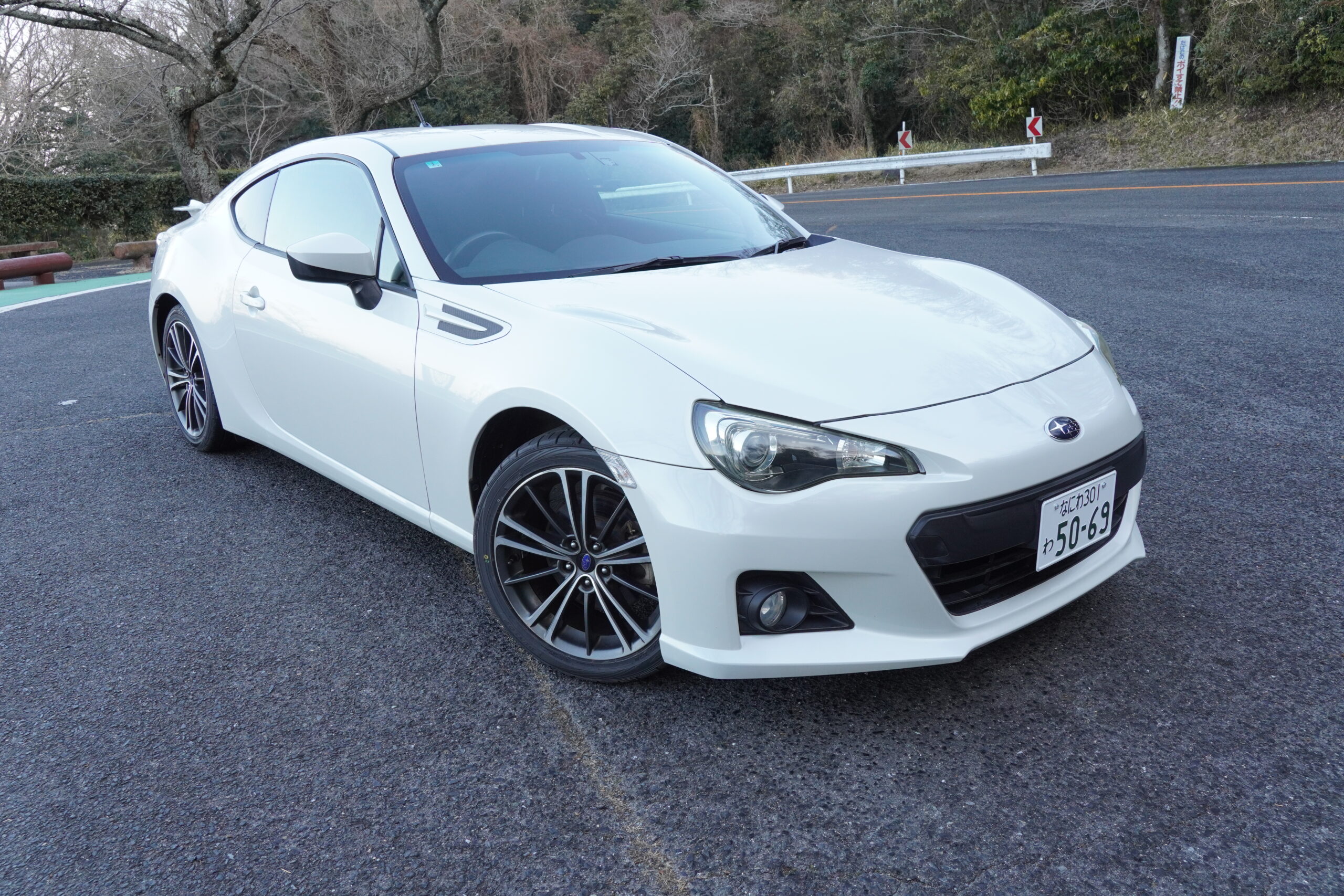
When you sit behind the wheel of a light, rear-wheel-drive sports car like the Subaru BRZ, Toyota 86, or Mazda Roadster (ND), driving becomes more than just transportation; it transforms into an intimate dialogue between driver, machine, and landscape.
The Kii Peninsula—specifically the deep, mysterious expanse of southern Nara Prefecture and Totsukawa Village—is one of Japan’s ultimate driving sanctuaries. Totsukawa is Japan’s largest village by land area, yet it has no train stations. None. To reach it, you must navigate legendary mountain passes, cross towering suspension bridges hanging over emerald gorges, and carve through endless chains of sweeping double-apex corners.
In autumn, this region erupts into a breathtaking kaleidoscope of fiery reds, deep oranges, and brilliant golds. As the cooler mountain air fills the intake of your sports car, every downshift echoes through the ancient valleys. This is not merely a sight-seeing trip—it is an immersive sensory journey through time, culture, and pure driving passion.

Nara & Totsukawa Village: The 2-Day Itinerary: Deep Dive
Day 1: Escaping the Metropolis to the Heart of the Kii Mountains
08:00 AM – Departure from Osaka: Awakening the Machine
Your adventure begins in the crisp air of an Osaka morning. Slide into the low-slung bucket seat of a sports car—such as the sharp, responsive Subaru BRZ or Toyota 86, or the lightweight, open-top Mazda Roadster (ND). Settle into position, adjust the mirrors, press the clutch, and hit the engine start button. The engine fires up with a refined, mechanical hum that promises pure driving pleasure.
Setting your navigation toward Route 168, you clear the suburban perimeter via the Hanshin Expressway before merging onto the South Osaka Road networks toward Nara. As the city apartment towers fade into rolling suburban hills, feel the weight of the steering settle in your hands. You are leaving the structured rhythm of the metropolis behind, heading straight toward the mist-shrouded peaks of the Yamato region.
09:30 AM – Entering the Gateway: Mount Yoshino Foothills & Route 168
Crossing into southern Nara Prefecture, the urban sprawl dissolves entirely, replaced by towering cryptomeria (Japanese cedar) forests and crisp mountain air. Route 168 serves as the primary artery penetrating the wild interior of the Kii Peninsula, running parallel to the crystal-clear waters of the Totsukawa River system.
As you enter the lower passes near Gojo, the road transitions from multi-lane asphalt into a rhythmic ribbon of two-lane tarmac. Here, the driver-focused ergonomics of your machine shine. In a Subaru BRZ or Toyota 86, the low center of gravity provided by the boxer engine keeps the chassis exceptionally flat through long, sweeping corners. Downshifting into 3rd gear, the engine note shifts to a sharp, purposeful intake roar as you track cleanly through tight turns.
The autumn landscape greets you with immediate drama: mountainsides carpeted in fiery maple, orange oak, and deep green pine, framing the gray asphalt ahead.
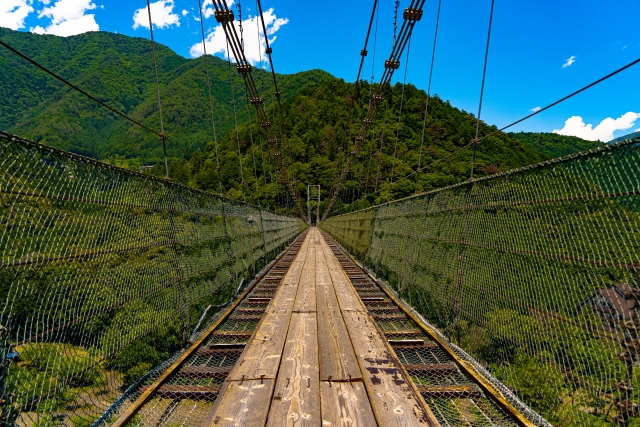
11:00 AM – The Sky Walk: Tanise Suspension Bridge (Tanise no Tsuribashi)
Arriving in the upper reaches of Totsukawa Village, your first major destination appears suspended high above the valley floor. Built in 1954 by the local villagers who pooled their life savings to replace a wooden bridge washed away by floods, the Tanise Suspension Bridge spans an astounding 297 meters (974 feet) across the valley, hanging 54 meters (177 feet) above the rocky bed of the Totsukawa River.
Historical & Geological Significance: Totsukawa Village has historically been isolated by its brutal terrain. The village sits atop deep slate and sandstone formations shaped by centuries of intense tectonic uplift and severe rainfall. The construction of this massive wire-bridge was an extraordinary feat of community resilience, linking two isolated settlements across a raging river gorge.
Sensory Experience: Parking your car, step out into the sharp autumn wind. Walking across the wooden planks of the suspension bridge demands a steady head—the bridge sways rhythmically with every footstep and wind gust. Looking down through the narrow wooden slats, the emerald water glints below, while 360-degree views of autumn foliage cover the surrounding canyon walls.
01:00 PM – Local Culinary Delight: Yamato Duck Soba & Mountain Delicacies
After returning to solid ground, head to a secluded riverside restaurant nestled near the base of the bridge. The local cuisine of Totsukawa reflects its rugged mountain heritage.
The Taste: Indulge in a hot bowl of Yamato Kamo Soba (buckwheat noodles served in a rich, savory broth topped with locally raised Yamato duck and freshly chopped mountain leeks). The duck meat is rich and tender, pairing perfectly with the earthy, hand-rolled buckwheat noodles.
Regional Specialty: Pair your noodles with Mehari-zushi—a traditional local delicacy consisting of warm rice wrapped in pickled mustard green leaves. Originally crafted as a quick, nutrient-dense lunch for local foresters, the subtle sourness of the pickled leaves cuts through the warmth of the rice, providing a delightful culinary connection to the forestry workers who carved these roads centuries ago.
02:30 PM – Carving the Canyon: Route 168 Deep Section to Upper Totsukawa
With lunch complete, return to the driver's seat for the technical highlight of Day 1. The central stretch of Route 168 passing through Totsukawa Village is a legendary driving road. Smooth, freshly paved tarmac alternates between wide, flowing S-curves and tight, technical hairpin turns carved directly into cliffside bedrock.
If you are piloting a Mazda Roadster (ND), drop the soft top. The crisp autumn air fills the cabin, carrying the scent of pine needle sap and damp mountain earth. The ND's lightweight chassis reacts effortlessly to subtle steering inputs; heel-and-toe downshifts from 3rd to 2nd gear before turn-in yield immediate, satisfying mechanical feedback. In the Subaru BRZ or Toyota 86, the precise electric power steering allows you to place the front wheels exactly along the apex, feeling the rear tires hook up smoothly as you roll back onto the throttle at corner exit.
The road traces the contours of the valley, threading through dark, cool tunnels carved through mountain rock, only to burst back out into brilliant sunlight illuminating golden foliage across the canyon walls.
04:30 PM – Sanctum of Healing: Check-in at Totsukawa Onsen Village
By late afternoon, turn off the main route toward Totsukawa Onsen, a tranquil hot spring settlement tucked along the banks of a tranquil lake formed by the Futano Dam.
Totsukawa Onsen holds a prestigious distinction in Japan: in 2004, it became the first municipal hot spring area in the country to declare a 100% Gensen Kakenagashi policy. This means every hot spring bath in the village uses pure, unadulterated thermal mineral water flowing directly from the source, without added tap water, re-heating, or chemical circulation filters.
Check-in: Settle into a traditional Ryokan (Japanese inn) overlooking the mountain river.
The Soak: Slide into an outdoor rotenburo (open-air bath) made of smooth river stone or fragrant hinoki (cypress) wood. The natural hydrogen-carbonate water feels silky against the skin, soothing muscles tired from dynamic driving. As twilight falls over the valley, watch the cool mountain mist roll down the autumn-colored slopes, listening only to the soft rush of the river below.
07:00 PM – Kaiseki Dinner: Forest & River Harvest
Dinner at the ryokan is an elaborate banquet celebrating local, seasonal autumn ingredients:
Freshwater Fish: Ayu (sweetfish) or Iwana (char) salted and slow-roasted over charcoal coals until the skin is crispy and the flesh delicate.
Wild Game & Fungi: Slices of wild boar cooked in a rich, savory miso nabemono (hotpot), accompanied by wild shiitake, maitake, and local mountain roots harvested earlier that morning.

Day 2: Sacred Mountain Passes, Ancient Shrines, and Coastal Return
07:30 AM – Morning Tranquility & Traditional Breakfast
Wake up to the cool air of the valley. A brief morning soak in the hot spring invigorates the body before a traditional breakfast featuring Chagayu (green tea rice porridge)—a classic Nara specialty—served with salted plum, grilled salmon, and local mountain vegetables.
08:30 AM – Spiritual Foundations: Tamaki Shrine (Tamaki Jinja)
Check out of your ryokan and set the navigation toward Mount Tamaki. The drive up to Tamaki Shrine requires navigating a narrow, twisting mountain road that climbs steeply from the valley floor through dense cedar timberlands.
The Drive: This climb tests driver concentration. Narrow single-lane sections require careful speed management and active eye movement around blind corners. The rear-wheel-drive platform provides excellent traction on the steep incline, pulling effortlessly out of slow switchbacks.
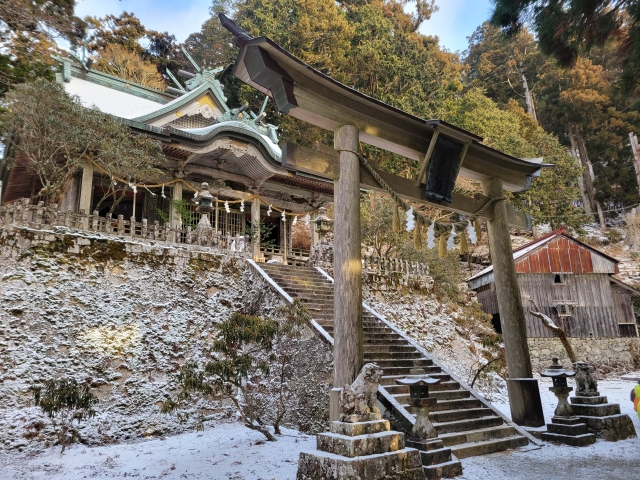
The Shrine: Situated near the summit of Mount Tamaki at an elevation of 1,076 meters, Tamaki Shrine was founded in 57 BC and forms a crucial component of the Sacred Sites and Pilgrimage Routes in the Kii Mountain Range (a UNESCO World Heritage Site).
Sensory & Spiritual Atmosphere: Walk along the stone path lined with ancient Sugi (cedar) trees, some estimated to be over 3,000 years old. Deep, moss-covered stone lanterns stand amid towering trunks. The air here is noticeably cooler and profoundly quiet. The shrine's hand-carved wooden structures show centuries of weathered elegance, free from artificial paints. Stand before the sacred cedar trunks and feel the ancient, spiritual energy (shin-ki) that has drawn emperors, ascetics, and pilgrims here for over a millennium.
11:00 AM – Crossing into Wild Territory: Route 425 to Shimokitayama
Leaving Mount Tamaki, drive down toward National Route 425. Known among Japanese driving enthusiasts as one of the "Three Great Formidable National Highways" (Nihon San-dai Koku-do), Route 425 is legendary for its wild, unpolished nature.
Technical Driving Notes: The section connecting Totsukawa to Shimokitayama features narrow asphalt, tight cliffside turns, rustic bridges, and breathtaking, untouched vistas. This is where a compact, perfectly balanced sports car like the Mazda Roadster or Subaru BRZ excels over large luxury vehicles. The light kerb weight and communicative chassis give you absolute confidence navigating tight corners, while the tactile feel of a manual transmission keeps you fully engaged in rhythm with the road.
Visuals: Golden foliage hangs directly over the narrow tarmac, forming natural colorful tunnels. Waterfall streams cascade down mossy rock faces directly alongside the road edge.
01:30 PM – Coastal Transition: Kumano & Route 42
Descending out of the deep mountain valleys, head east toward the coast, meeting National Route 42 along the Pacific coastline at Kumano.
Contrast in Scenery: In under an hour, the dramatic visual landscape transforms completely—from closed cedar valleys to vast, open oceanic horizons. The deep blue Pacific Ocean crashes against rugged basalt cliffs, with bright autumn sunlight glinting off the water.
Lunch: Stop at a coastal seafood restaurant near Kumano. Order Katsuo no Tataki (seared bonito), lightly seared over straw flames, served with sliced fresh garlic, ponzu, and local citrus. The firm texture and smoky flavor of the fresh ocean catch offer a vibrant contrast to the mountain game of the previous evening.
03:00 PM – Geological Marvel: Onigajo (The Demon’s Castle)
Before starting the return leg back to Osaka, explore Onigajo, a dramatic 1.2-kilometer stretch of coastline featuring massive eroded granite cliffs, natural sea caves, and sculpted rock terraces.
Geology: Formed by millions of years of intense seismic uplift and relentless wave erosion from the Pacific Ocean, the rock formations resemble giant, clawed stone caverns and twisted terraces.
Atmosphere: Walk along the narrow cliffside pathway constructed into the face of the stone wall. Feel the ocean spray, listen to the thunderous roar of waves crashing into subterranean caverns, and marvel at the stark contrast between these ocean cliffs and the quiet, mountain forests of Totsukawa you navigated only hours earlier.
04:30 PM – The Expressway Run: Nishi-Meihan Return to Osaka
Join the Ise-Wangan and Nishi-Meihan Expressways for the smooth journey back toward Osaka. As evening sets in, switch the sports car into a relaxed cruising gear. The ergonomic seats keep fatigue at bay, while the engine purrs smoothly at highway speeds.
Watching the autumn sun set behind the silhouette of the Osaka mountain ridge, you feel a profound sense of satisfaction. In two days, you have covered hundreds of kilometers of technical mountain roads, experienced ancient spiritual shrines, soaked in pure thermal springs, and felt the raw joy of piloting a finely tuned Japanese driver's machine through some of the country's most spectacular terrain.
Nara & Totsukawa Village: Expert Advice & Cultural Nuances
Driving through rural Japan is an incredibly rewarding experience, but it comes with unique cultural nuances and roadside traditions that every international traveler should know.
The Culture of "Michi-no-Eki" (Roadside Stations)
Do not mistake a Japanese Michi-no-Eki for a simple highway rest stop. Developed as a national network to support local rural economies, these government-designated roadside rest areas are vibrant hubs of local culture, agriculture, and cuisine.
What to Expect: Every Michi-no-Eki reflects the precise identity of its surrounding municipality. At Michi-no-Eki Totsukawa Gojo, for example, you will find locally harvested mountain honey, fresh shiitake mushrooms, handmade wooden crafts made from regional cedar, and fresh mehari-zushi.
Driver Courtesy: Michi-no-Eki offer clean, free 24/7 public restrooms, vending machines, regional ice cream flavors (try jabara citrus or green tea flavors), and up-to-date road condition maps. They are ideal spots to stretch your legs, check tire pressures, and interact with local residents and fellow automotive enthusiasts.
Navigating Hidden Culinary Gems
When driving through rural mountain routes like Route 168 or Route 425, formal English signage is rare. Some of the finest culinary experiences are housed in unassuming wooden structures marked only by a fabric noren (curtain) hanging over the door.
Look for the Noren: If the curtain is hanging outside, the shop is open for business. A small sign reading 営業中 (Eigyo-chu) means "Open."
Etiquette: Walk in, greet the owner with a polite "Konnichiwa", and point to the menu board or daily special (Osume-me). Cash (Yen) remains king in rural mountain villages; always carry sufficient physical currency, as small roadside eateries often do not accept international credit cards.
Mountain Driving Etiquette & Safety
Driving dynamic sports cars on winding mountain passes (Tooge) requires situational awareness and local driving courtesy:
Yielding to Locals: Local residents in light commercial minitrucks (Kei trucks) know these mountain roads intimately. If a local vehicle approaches close behind you, pull slightly into the next designated turnout (Savoido) or slow down slightly along a straight section, signaling left to let them pass smoothly.
Narrow Pass Passings: On single-lane roads like sections of Route 425, look far ahead for small turnout bays. If an oncoming vehicle approaches, the car closest to a wide section should pause to let the other pass. A brief double-blink of your hazard lights is the universal Japanese road sign for "Thank You."
Wildlife Awareness: Autumn is an active season for mountain wildlife in the Kii Range. Keep an eye out for Kamoshika (Japanese serow), wild deer (Shika), and monkeys, particularly during early morning and late afternoon hours along shaded forest sections.
Nara & Totsukawa Village: Detailed Logistics & Pre-Trip Tips
Navigating Japan’s modern road network in a sports car is seamless once you understand the core logistical systems. Here is everything you need to know for a smooth journey in 2026.
The ETC (Electronic Toll Collection) System
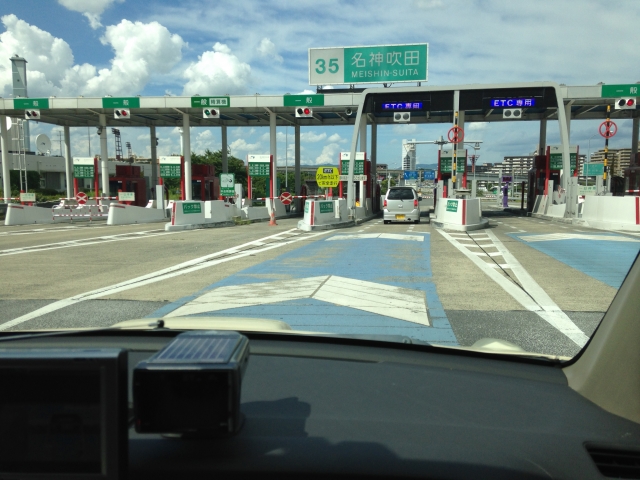
Japan’s highway network relies heavily on toll roads. While cash lanes exist, using an ETC Card (a small IC card inserted into a dedicated reader inside your rental vehicle) is essential for an efficient trip.
How It Works: As you approach a highway toll plaza, enter the lane clearly marked with blue ETC signs. Slow down to 20 km/h; the barrier bar will lift automatically as your card is read wirelessly.
Settlement: You rent the ETC card from your car rental agency upon departure. When you return the vehicle, the agency reads the card’s electronic chip and calculates your exact total toll fees for seamless payment in cash or card.
Refueling at Japanese Gas Stations
Gas stations (Gasorin Susutando) in Japan operate as either Full Service (Full) or Self-Service (Self).
Full-Service Protocol: An attendant will guide you to a pump with hand gestures. Roll down your window and state three things:
Fuel Type: High-octane premium gasoline is required for high-performance sports cars like the Subaru BRZ, Toyota 86, and Mazda Roadster. Say: "High-Okku" (High-Octane).
Volume: To fill the tank completely, say: "Mantan" (Full Tank).
Payment Method: Say "Kard-o" (Credit Card) or "Kesh-u" (Cash).
Example phrase: "High-Okku, Mantan, Kard-o de onegaishimasu" (High-octane, full tank, credit card please).
Bonus Service: Attendants will often wipe your windshield, mirrors, and take trash from your cabin while your car is fueling!
Parking Etiquette in Japan
Parking in Japan follows clear, disciplined rules:
Always Back In: Japanese drivers back into parking spaces almost exclusively. It ensures clear visibility when pulling back out into traffic.
Designated Spaces Only: Never park on the side of rural mountain roads unless there is a clearly marked asphalt or gravel parking turnout. Parking on narrow road bends blocks local agricultural traffic and emergency vehicles.
The Thrill of the Manual JDM Experience
Piloting a lightweight rear-wheel-drive Japanese Domestic Market (JDM) machine—be it a crisp 6-speed manual Subaru BRZ, a nimble Toyota 86, or an ultra-agile Mazda Roadster (ND)—brings an unforgettable layer of mechanical engagement to your Japanese holiday.
Modern automatic sports cars are fast, but nothing compares to the tactile satisfaction of executing a clean heel-and-toe downshift as you set up your braking point for a mountain hairpin corner in Nara. The short clutch travel, precise gear engagement, line-of-sight vision over the sloping bonnet, and linear throttle response allow you to feel completely integrated with the vehicle chassis. It turns every mountain pass into a memorable driving story.
Nara & Totsukawa Village: Comprehensive FAQ
Q1: What documentation do I need to rent and drive a car in Japan?
To drive legally in Japan, you must present three physical documents at the rental counter:
Your original, valid driver’s license from your home country.
A valid International Driving Permit (IDP) issued under the 1949 Geneva Convention.
Your physical passport.
Crucial Note: Ensure your IDP is issued strictly under the 1949 Geneva Convention framework. IDPs issued under the 1968 Vienna Convention are not accepted under Japanese traffic law. Drivers from specific countries (such as Switzerland, Germany, France, Taiwan, Belgium, and Monaco) require an official Japanese translation of their home license provided by the Japan Automobile Federation (JAF) or their respective embassy, rather than an IDP. Always verify your country's specific treaty requirements before traveling!
Q2: Is driving a sports car like a BRZ, 86, or Roadster difficult on narrow Japanese mountain roads?
Not at all. Vehicles like the Subaru BRZ, Toyota 86, and Mazda Roadster (ND) are remarkably compact compared to modern Western performance cars or full-sized SUVs. Their small footprints, excellent outward visibility, clear mirror sightlines, and tight turning radiuses make them uniquely suited for navigating narrow Japanese mountain passes like Route 168 and Route 425 with ease and precision.
Q3: What are the winter road conditions in Totsukawa and southern Nara?
While late September through mid-November offers ideal dry road conditions with brilliant autumn foliage, winter (late December through February) can bring ice and snowfall to elevated mountain passes such as Mount Tamaki. If traveling during late autumn or winter, always ensure your rental car is equipped with winter/studless snow tires or check current regional road weather advisories before heading deep into the Kii Mountain Range.
Nara & Totsukawa Village: The Final Thoughts
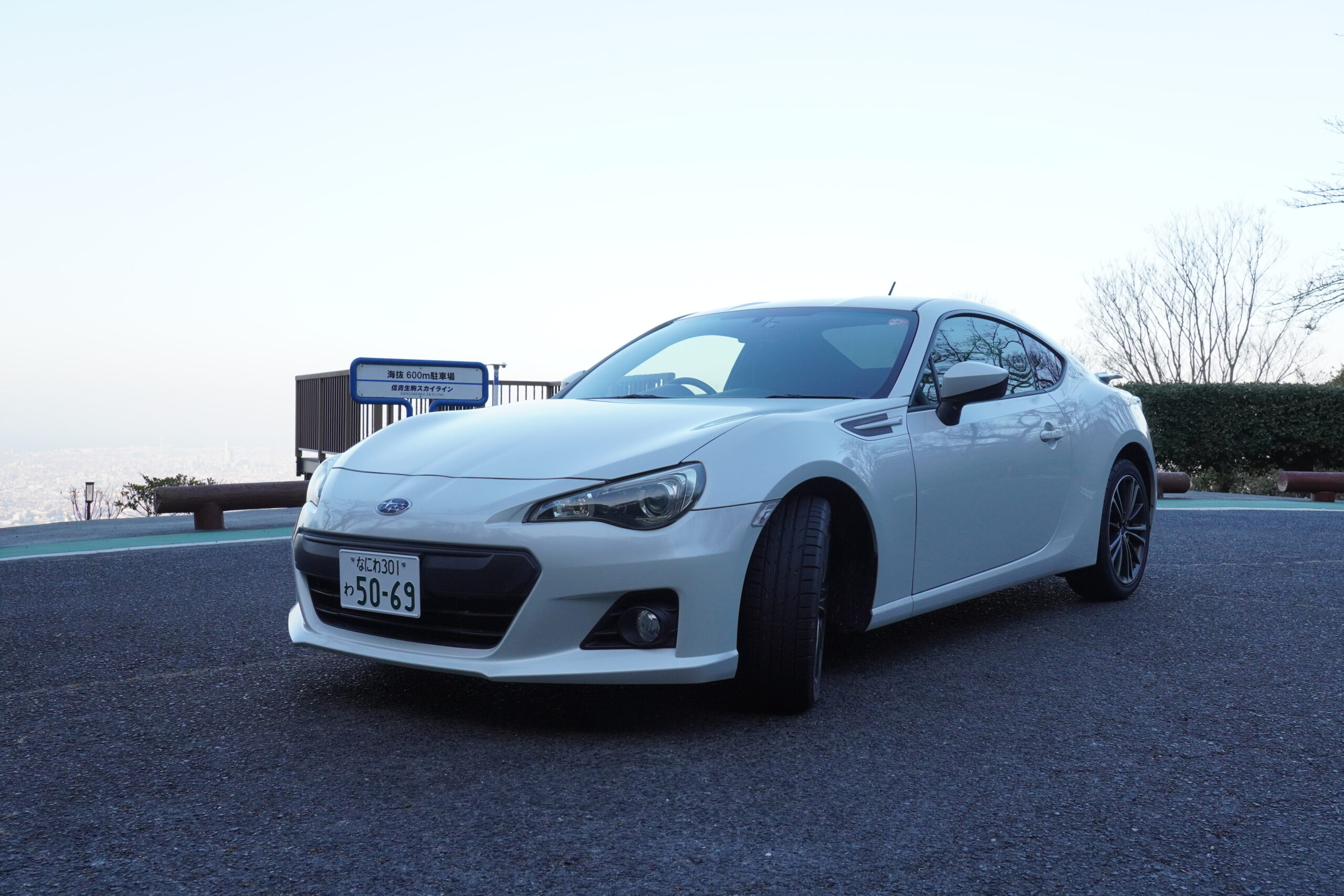
The neon lights of Dotonbori and the bustling temples of Kyoto offer incredible urban experiences, but they only reveal one layer of Japan’s multi-faceted identity. To know the true, atmospheric heart of this country, you must venture beyond the limits of the railway lines. You must feel the texture of mountain tarmac beneath performance tires, breathe in the fragrance of ancient cedar forests through open car windows, and discover hidden hot spring villages nestled deep in sacred valleys.
The winding asphalt of Nara and Totsukawa Village is waiting for you. The crisp autumn air is setting in, the mountain canopy is blazing with fiery red and gold foliage, and the mountain roads are calling.
Stop viewing Japan through a train window. Step into the driver's seat, take control of the gearshift, and write your own unforgettable JDM driving story through the winding heart of Secret Japan.
Start Your Journey with Omoshiro Rent-a-Car Osaka Chuo
Ready to take the wheel of an iconic Japanese sports car for your Kansai adventure?
At Omoshiro Rent-a-Car Osaka Chuo, we specialize in providing meticulously maintained, high-performance Japanese domestic market vehicles—including manual transmission Subaru BRZ, Toyota 86, and Mazda Roadster (ND)—tailored specifically for car lovers, international travelers, and adventurous road-trippers.
Located right in the heart of Osaka with seamless English support, we make picking up your dream machine fast, easy, and stress-free.
Book your machine today at Omoshiro Rent-a-Car Osaka Chuo and unlock the ultimate Japanese driving experience!