
The Philosophy of Driving in Japan: Why Four Wheels Outperform Two Rails
For years, my life was defined by the rhythmic clack-clack of tracks. As a conductor for Kintetsu Railway, I saw Japan through a framed window—a linear, predictable, and undeniably beautiful sequence of stations and suburbs. But there is a fundamental limitation to the rail: it dictates your destination. It stops where the planners decided it should stop, and it leaves you exactly where thousands of other tourists are standing.
When I traded my conductor’s uniform for the driver’s seat, I discovered a different Japan—a "Secret Japan" that only reveals itself to those willing to leave the tracks behind. In the Kansai region, specifically when starting from Osaka, the car is not merely a vehicle; it is a key. It is the difference between visiting a temple and experiencing the silence of a mountain pass as the sun crests over the Sea of Japan.
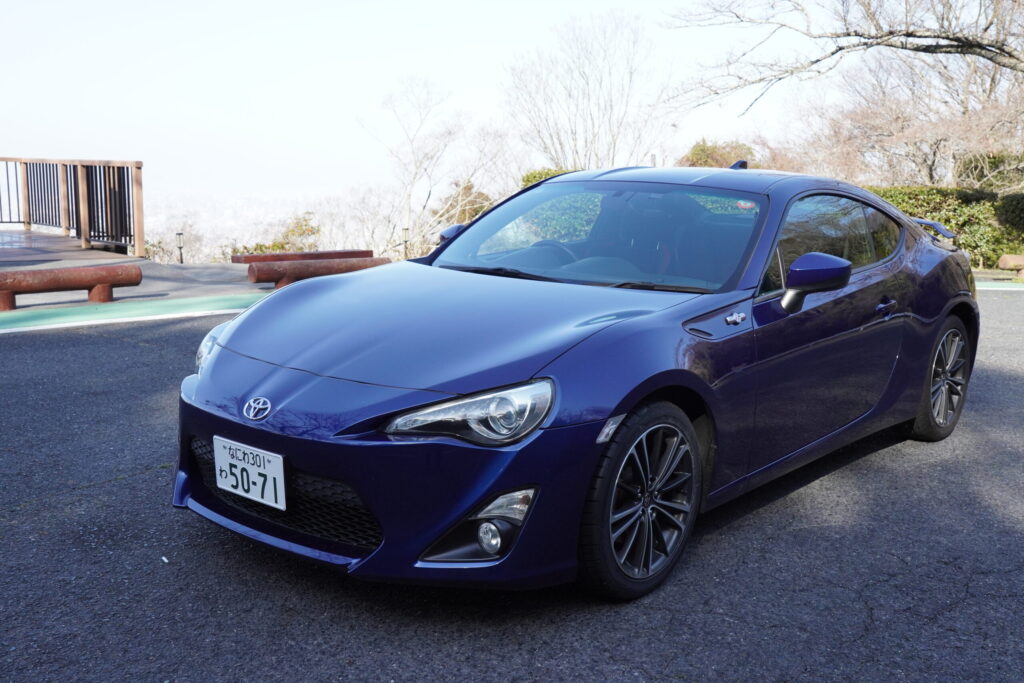
The philosophy of driving here is about the connection—between the machine, the winding asphalt of the Kyoto backroads, and the raw, untamed landscape. When you take the wheel of a manual transmission car like the 86 or BRZ, you aren't just a passenger; you are an extension of the vehicle. You feel the tactile resistance of the gear shift, the subtle vibration of the chassis against the road, and the precise mechanical symphony of the boxer engine as you carve through corners that no train could ever traverse.
Driving in Japan is the ultimate act of independence. It allows you to chase the golden hour into the rural heart of Kyoto Prefecture, to stop at a remote roadside Michi-no-Eki for a bowl of locally grown soba, and to venture into the mist-covered peaks where the ancient spirits of the forest still seem to linger. If you want to see the Japan of postcards, take the train. If you want to feel the Japan that breathes, take the wheel.

The 86 Kyoto Deep Dive: A 2-Day Odyssey into the Unknown
This route is designed for the driver who craves the harmony of man and machine. You aren't just going to Kyoto; you are going to the hidden edges of the prefecture where the roads are narrow, the turns are demanding, and the scenery is unparalleled.
Day 1: The Ascent into the Cloud Kingdom (Osaka → Miyama → Amanohashidate)

- 08:00 AM | Departure from Osaka The city fades quickly as you push north. As you leave the concrete sprawl, the 86 comes alive. Its low center of gravity makes highway transition ramps a preview of the joy to come.
- 10:30 AM | The Serenity of Miyama You arrive in Miyama, the village of thatched-roof houses. Here, time has effectively stopped. You park the car and walk among the kayabuki homes. The scent of woodsmoke and damp earth is intoxicating. Unlike the crowded streets of central Kyoto, the only sound here is the wind through the valley.
- 12:30 PM | Mountain Lunch Seek out a local restaurant serving "Jidori" (free-range) chicken. The flavor, grilled over charcoal, is a testament to the local terroir.
- 02:00 PM | The Winding Road to the Sea Now, the real test begins. The mountain passes leading toward the northern coast are tight and technical. The 86’s steering is razor-sharp. You’ll downshift into second, the engine’s exhaust note echoing off the cedar trees, as you navigate the switchbacks that lead you toward the Sea of Japan.
- 04:30 PM | Arrival at Amanohashidate You’ve reached one of Japan’s "Three Views." But instead of standing in the tourist throng, drive a bit further to a quiet viewpoint overlooking the sandbar. As the sun sets, the horizon turns from deep blue to a burning amber. You lean against your car, the heat radiating from the cooling engine, and watch the day conclude.
Day 2: The Rugged Coastline and the Echoes of History (Amanohashidate → Ine → Kyoto)
- 09:00 AM | Coastal Cruising Drive along the northern coastline. The road hugs the cliffs, with the deep, moody Sea of Japan crashing against the rocks below. The 86 feels right at home here—sporty, nimble, and perfectly suited for the rhythmic curves of the coastal road.
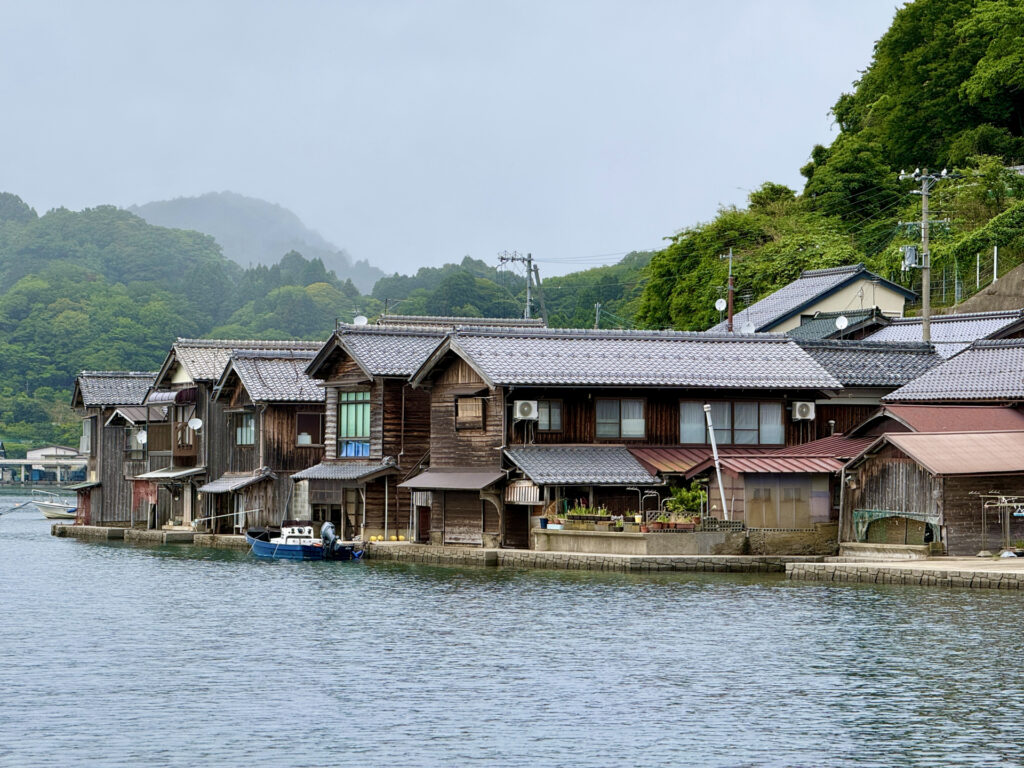
- 11:00 AM | Ine’s Boathouses (Funaya) Stop in the fishing village of Ine. The boathouses built directly over the water are unique in the world. The reflection of the buildings on the glassy surface of the bay is a photographer's dream.
- 01:30 PM | The Backroads of the Tango Peninsula Avoid the main highways. Take the secondary roads that snake through the rural hills. This is where you encounter the "real" Japan—terraced rice paddies that look like steps for gods, and tunnels that open up into breathtaking, hidden valleys.
- 04:00 PM | The Return Leg As you head back toward the urban center, the drive changes from a technical challenge to a contemplative journey. You’ll pass through sleepy towns where the locals will wave as you drive by in your machine.
- 07:00 PM | Back in Osaka You return the car, exhausted but electrified. The distance you covered and the elevation you gained would have been impossible on public transit. You didn't just visit these places; you conquered the road to reach them.

Expert Advice & Cultural Nuances: Mastering the Japanese Road
Driving in Japan is a culture of respect and precision.
- The Michi-no-Eki Phenomenon: The "Roadside Station" is the heart of Japanese driving culture. They are far more than gas stations; they are localized treasure troves. Stop at every one you see. They offer the freshest local produce, regional crafts, and often, the best regional delicacies (like local wagyu beef croquettes or seasonal fruits). They are also the best places to interact with locals.
- Driving Etiquette: Japanese drivers are incredibly polite. Use your hazard lights briefly to "thank" someone who lets you merge—a small but essential gesture of kindness on the road.
- Hidden Gems: When you see a small, narrow path branching off toward a shrine or a mountain lookout, take it (if the road allows). The most profound sights in Japan are often found down the roads that don't appear on the primary GPS route.
Detailed Logistics & Pre-Trip Tips
Driving in 2026 is seamless if you are prepared.
- ETC (Electronic Toll Collection): Make sure your rental car is equipped with an ETC card reader. Without it, paying tolls manually is a chore. The ETC card allows you to breeze through gates on the expressways without stopping.
- Fueling Up: When you pull into a gas station, look for the word "Mantan" (Full). If the staff asks, just say "Mantan, onegai-shimasu." Most stations in rural areas are "full-service," meaning the attendant will pump the gas for you, wipe your windows, and even take your trash.
- Parking: In cities, parking is almost always in mechanical garages. Watch for the height limits and always double-check the "maximum charge" signs so you aren't surprised by the price.
- The Manual Thrill: For a true enthusiast, driving a manual car on Japan’s roads is a transformative experience. The 86/BRZ’s platform is legendary for its balance. On a winding pass, the ability to select the exact gear for a corner, hearing the engine blip as you downshift, is the pinnacle of the driving experience.
Comprehensive FAQ: Your Journey, Simplified
What documents do I need to drive in Japan? To drive legally, you must carry your original driver's license from your home country, along with a valid International Driving Permit (IDP) issued in accordance with the 1949 Geneva Convention. You must also have your passport. Please ensure your IDP is issued by the appropriate authorities in your home country before you travel.
I’m nervous about driving a manual transmission car. Should I? If you are an enthusiast, yes. The 86 is designed for driver engagement. Take it slow, find a quiet road, and get a feel for the clutch. The satisfaction of mastering a manual in a country with such magnificent roads is unparalleled.
How does insurance work? Always opt for full coverage (CDW/NOC). It provides peace of mind, allowing you to focus on the road rather than worrying about the unexpected.
Is it difficult to drive in the winter? The northern parts of Kyoto receive significant snow. If you are traveling between December and March, ensure your rental is equipped with winter tires. If you have any doubt about the road conditions, ask the local shop staff—they are the ultimate experts on their local terrain.
Final Thoughts
You’ve read about the winding mountain passes, the scent of the sea air on the northern coast, and the mechanical pulse of the 86. You know that the train will only ever show you the surface. Are you ready to see what lies beyond the tracks?
For those who demand more from their journey—who seek the thrill of the corner, the freedom of the open road, and the soul of the machine—your adventure starts here. We specialize in the cars that make the journey the destination. Book your 86 today at おもしろレンタカー大阪中央店, and let’s go find your Secret Japan.