
There is a distinct, almost melancholic poetry to the rhythm of Japan’s rail network. For years, I stood at the vanguard of that precision as a conductor for Kintetsu Railway, watching the Japanese countryside slice past the reinforced glass of a sleek express train. I knew the heartbeat of the tracks, the exact micro-second adjustments of the timetable, and the silent, orderly choreography of millions of commuters. Trains are marvels of human engineering, veins of absolute efficiency that bind the megalopolises of Tokyo, Kyoto, and Osaka into a singular, synchronized organism. Yet, from the elevated perspective of a train window, the Japanese landscape often presents itself as a curated exhibition—a series of fleeting, picturesque dioramas observed from a distance, untouchable and unalterable.
To truly understand the visceral, breathing soul of Japan, you must step off the platform, drop the clutch, and surrender to the asphalt.
The concept of "Secret Japan" does not live beside the automated ticket gates or within the polished marble concourses of terminal stations. It begins where the concrete gives way to winding mountain passes, where the guardrails thin out, and where the rhythmic hum of electric bogies is replaced by the mechanical, spine-tingling baritone of a naturally aspirated boxer engine. Operating out of Osaka as a JDM car rental specialist, I see international travelers arrive with preconceived notions of Japan shaped by neon-lit urban centers and bullet trains. They marvel at the density, but they crave the expanse. They yearn for the quiet resonance of ancient cedar groves, the scent of morning mist clinging to terraced rice paddies, and the raw, unfiltered freedom of the open road.
Starting your journey from Osaka—the pulsating culinary and cultural capital of the Kansai region—acts as the ultimate launchpad. Within minutes of leaving the urban sprawl behind, the landscape shifts dramatically. The towering skyscrapers of Umeda and Namba dissolve into the rolling, green-velvet contours of the Yamato Plain and the rugged spine of the Kii Peninsula. This is the ancient heartland of Japan, where emperors once established their capitals, where monks carved sanctuaries out of sheer cliff faces, and where the road itself becomes a canvas for automotive artistry.
Why choose a car over a train for an expedition like Murō-ji Temple in Nara? Because a train can take you to a station, but it cannot take you there. It cannot pull over on a secluded ridge because the morning sun is piercing through a sea of clouds, bathing the valley in a liquid golden hue. It cannot allow you to feel the mechanical feedback of a precise downshift as you carve through a second-gear hairpin turn in the Yamato highlands.
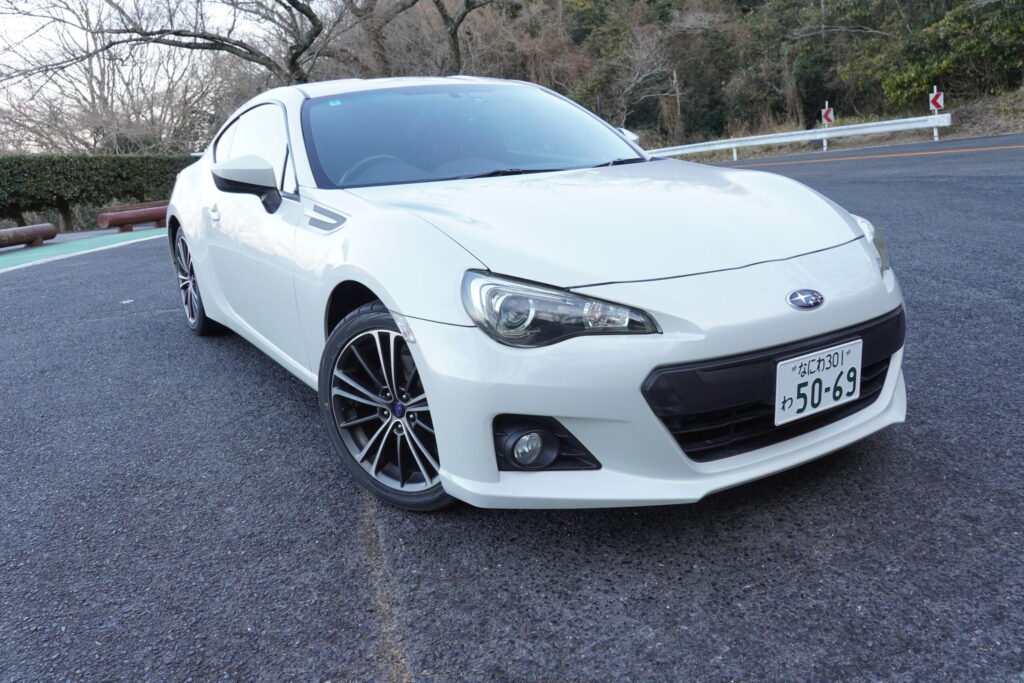
For the driver, the machine is not merely a tool of transit; it is an extension of the nervous system. And when that machine is a Toyota 86 or a Subaru BRZ—the quintessential modern Japanese sports car—every single input transforms the journey into a dialogue with the earth. With its low center of gravity, rear-wheel-drive layout, and sublime chassis balance, the BRZ is engineered precisely for these undulating mountain passes. It does not just conquer the road; it dances with it. The communicative steering transmits every nuance of the tarmac directly to your palms, letting you feel the precise grip limits as you apex a cambered corner.
When you pilot a sports car through the rural byways of Nara, you are engaging in a centuries-old tradition of pilgrimage, modernized for the enthusiast. You are moving at your own cadence, stopping at unmapped shrines, drinking crystal-clear spring water straight from mountain runoffs, and discovering hidden hamlets untouched by mass tourism. This is the essence of Secret Japan: an intimate, tactile communion with a landscape that refuses to be rushed, best experienced through the windscreen of a finely tuned JDM icon.

BRZ for Visiting Murō-ji Temple in Nara: The Ultimate Power Spot Driving Journey – The 2-Day Itinerary: Deep Dive
Day 1: Escaping the Concrete Labyrinth to the Sacred Mist of Uda
08:00 AM – The Awakening in Osaka
The morning air in Osaka carries the scent of roasted coffee beans mixed with the residual dampness of the night rain. You stand beside a pristine Subaru BRZ, its sleek, aerodynamic silhouette gleaming under the early morning sun. The body panels, sculpted for optimal airflow, catch the light, while the stance—low, aggressive, and purposeful—hints at the mechanical athleticism waiting to be unleashed.
You slide into the deeply bolstered driver’s seat. The cabin is an ergonomic sanctuary designed for the purist: a tactile manual shifter sits comfortably at your right hand, three analog-focused pedals invite your feet to dance, and the low-slung dashboard ensures an unobstructed view of the road ahead. You depress the clutch, press the ignition button, and the 2.4-liter horizontally opposed boxer engine barks to life before settling into a low, purposeful mechanical purr. The distinct boxer idle vibrates softly through the chassis, a mechanical heartbeat that instantly connects man, machine, and road.
08:30 AM – Conquering the Hanshin Expressway
Navigating out of Osaka requires focus and precision. You guide the BRZ onto the Hanshin Expressway, threading through the vertical canyons of concrete and steel. The traffic is dense, a chaotic symphony of delivery trucks, commuters, and taxis. Yet, the BRZ shrinks around you. Its compact dimensions and razor-sharp steering allow you to place the car with surgical accuracy within your lane.
As you leave the city center, the elevated expressway opens up, offering sweeping vistas of the Yodo River basin. You roll down the window just a fraction to catch the metallic, industrial scent of the urban fringe giving way to the sprawling suburban hills. The transmission snicks effortlessly into sixth gear as you cruise eastward, the engine humming smoothly at a relaxed RPM, tracking the gradual transformation of the topography.
10:00 AM – The Ascent into the Yamato Highlands (Route 165 to Route 369)
Leaving the major highway behind near Sakurai, you transition onto regional roads that begin to climb into the Yamato Highlands. The flat, urban grid dissolves entirely, replaced by undulating two-lane asphalt that snakes its way alongside the clear, rushing waters of the Uda River. This is where the true character of the BRZ emerges.
The road begins to twist, presenting a series of undulating elevation changes and tightening radius turns. You drop down to third gear, the revs rising with an eager, metallic rasp as you match the engine speed with a smooth heel-toe downshift. The rear-wheel-drive chassis bites into the asphalt with ferocious composure. There is no understeer, no wallow—just pure, telepathic turn-in.
You carve through a series of sweeping S-curves shaded by a dense canopy of towering Japanese cedars (sugi). Shafts of sunlight pierce through the emerald-green foliage, casting dancing zebra stripes of light and shadow across the hood of the car. The air cools noticeably, carrying the crisp, earthy aroma of damp pine needles and ancient soil. Every corner is an invitation, a fluid choreography of steering, braking, and throttle application that turns the mundane act of driving into pure meditation.
11:30 AM – The Threshold of Uda City and Muro
You descend into the tranquil basin of Uda City, a region steeped in mythological history and agricultural heritage. The valley is a patchwork of emerald rice paddies, traditional farmhouses with dark tiled roofs, and ancient stone markers guiding travelers along paths established over a thousand years ago.
You park the BRZ in a quiet municipal lot near the foot of the Muro district. Stepping out of the low-slung cabin, the sudden silence is deafening—a stark contrast to the relentless mechanical roar of the expressways. The air here is thin, sweet, and charged with an inexplicable, serene energy. The local breeze carries the faint scent of roasting green tea and damp moss.
12:30 PM – Culinary Immersion: Savoring Mountain Flavors
For lunch, you slip into a centuries-old wooden eatery tucked away on the cobbled main street leading toward Murō-ji. The interior smells of aged cedar, tatami mats, and simmering dashi broth.
You are served Kuzu-kiri (translucent arrowroot noodles served with sweet black sugar syrup) and a steaming bowl of Muro somen noodles, handcrafted using the pristine local mountain water and natural winter freezing techniques. The noodles are impossibly delicate, sliding down the throat with a silken texture that instantly revitalizes the senses after hours of intense driving focus. Accompanied by crisp, tempura-fried wild mountain vegetables (sansai) harvested from the surrounding slopes—bitter butterbur shoot (fukinoto) and earthy angelica tree buds (taranome)—every bite is an explosion of pure, unadulterated terroir. The food tastes of the very mountains you just carved through.
02:00 PM – Entering the Sacred Realm of Murō-ji Temple
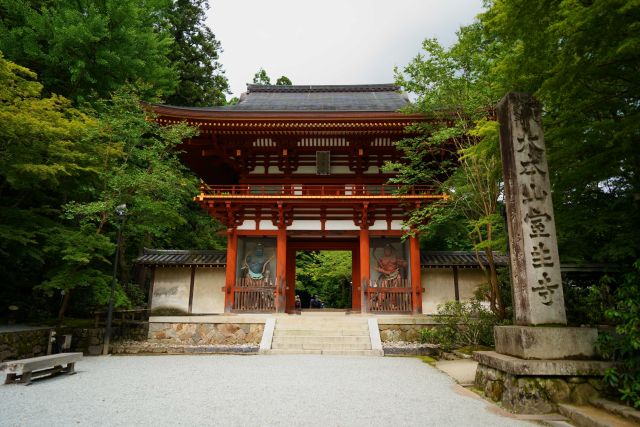
Walking across the vermilion Hashiri-bashi bridge that spans the crystal-clear Murō River, you cross the boundary between the mortal world and the sacred sanctuary of Murō-ji. Unlike the sprawling, heavily touristed temple complexes of Kyoto, Murō-ji clings tenaciously to the steep, densely forested slopes of Mount Muro, demanding physical exertion and mental presence from every pilgrim.
Historically known as "Women's Kōya" (Nyonin Kōya), Murō-ji offered spiritual liberation to women centuries ago when the neighboring Mount Kōya strictly forbade female entry. This progressive sanctuary feels intensely intimate, almost secretive.
As you ascend the stone steps, giant, centuries-old cryptomeria (sugi) trees tower overhead, their massive trunks scarred by time, soaring hundreds of feet into the overcast sky to form a living cathedral ceiling. The ground is carpeted in a lush, emerald-green velvet of over fifty distinct species of moss, soaking up the atmospheric moisture that constantly rolls down the mountain slopes. The air is thick with the scent of smoldering sandalwood incense drifting softly from the main hall.
You pause before the Hondo (Main Hall), dating back to the Kamakura period, and gaze up at the priceless Buddhist statues enshrined within the dim, sacred interior. The craftsmanship is staggering—intricate wooden deities whose expressions radiate an eternal, transcendent peace.
Continuing higher up the steep, weathered stone stairway carved directly into the mountain flank, you reach the crown jewel of Murō-ji: the Five-Story Pagoda (Gojūnotō). Standing at just over 16 meters, it is the smallest outdoor five-story pagoda in Japan, yet its visual impact is monumental. Its delicate, copper-sheeted eaves jut out gracefully against the backdrop of impenetrable dark-green cedar foliage. There is an architectural perfection to its proportions, a tranquil defiance of gravity that leaves you utterly spellbound. Standing here, surrounded by absolute silence save for the distant call of a mountain bird and the rustle of wind through cedar needles, you feel the profound "power spot" energy of the earth grounding straight through the soles of your feet.
05:00 PM – Sunset Drive to a Ryokan Retreat
As daylight begins to fade, painting the western sky in bruised shades of violet, amber, and burnt orange, you return to the BRZ. The boxer engine fires up with a reassuring growl, its warmth a welcome contrast to the cooling mountain air.
You navigate the unlit country lanes toward a secluded hot spring (onsen) ryokan nestled deep within the Uda valley. The headlights cut through the gathering gloom, illuminating the winding asphalt ribbon. Driving at night in the Japanese countryside requires heightened sensory awareness; the darkness is absolute, broken only by the sharp beam of your LED headlights catching reflective markers on ancient stone walls.
07:00 PM – Thermal Rejuvenation and Kaiseki Artistry
Arriving at the ryokan, you are greeted by attendants bowing with exquisite grace. You shed your driving shoes and step onto polished cypress wood floors.
The evening culminates in a magnificent multi-course kaiseki dinner served directly in your traditional tatami room. Course follows exquisite course: sashimi of pristine river trout sliced paper-thin, marbled local Yamato beef sizzling on a miniature hoba leaf over charcoal, and delicate simmered pumpkin infused with ginger.
Afterward, you slip into the steaming outdoor rotenburo bath. The water is mineral-rich, clear, and scalding hot. As you submerge your shoulders into the therapeutic water beneath a canopy of stars untouched by urban light pollution, the physical tension of the drive melts away completely. The sound of the nearby mountain stream bubbling over river stones creates a hypnotic lullaby, preparing your mind and body for the deep, restorative sleep of a true traveler.

Day 2: Ridge-Riding, Ancient Stones, and the Mechanical Symphony Home
08:00 AM – Morning Mist and Mechanical Awakening
Dawn breaks over the Uda valley as a thick, ethereal sea of white fog blankets the floor, swallowing the lower reaches of the cedar forests while leaving the mountain peaks bathed in brilliant golden sunlight. The BRZ sits outside your ryokan room, its metallic paint beaded with heavy morning dew that catches the early rays like crushed diamonds.
You pack your weekend bag into the surprisingly accommodating trunk, sliding it past the rear shock towers. With a twist of the key and the push of the button, the flat-four engine clears its throat, vibrating with eager anticipation. Today is a day dedicated to elevation, technical driving, and deep historical resonance.
09:00 AM – The Ridge Run: Conquering the Yamanami Passages
You point the nose of the BRZ toward the southern ridges of Nara prefecture, utilizing narrow agricultural links and unmapped ridge roads that demand absolute concentration. This is driving at its most raw and rewarding.
The road climbs relentlessly in a series of tightly stacked switchbacks carved into the sheer slate rock. You blip the throttle on downshifts, the synchronized revs echoing off the stone retaining walls with a sharp, metallic bark. The BRZ rotates eagerly around its mid-point, its low center of gravity eliminating body roll entirely as you transition rapidly from left-hander to right-hander.
The steering wheel communicates every microscopic change in road surface adhesion—from smooth, freshly laid asphalt to patches of damp morning leaf litter. It is an immersive, high-definition driving experience that completely engages the cerebral cortex. There are no distractions here—no screens, no city noise—just the pure physics of vehicle dynamics and the rhythmic cadence of man and machine working in flawless unison.
11:00 AM – Asuka Village: Cycling Through the Cradle of Japanese Civilization
By late morning, you descend from the high technical passes into the historic basin of Asuka Village—the cradle of Japanese civilization, where the imperial court flourished during the Asuka period (538–710 AD).
Unlike Kyoto’s rigid grid systems, Asuka is a sprawling, open-air museum where ancient history is seamlessly woven into daily rural life. Massive, megalithic stone monuments sit casually in the middle of cultivated strawberry patches and golden wheat fields.
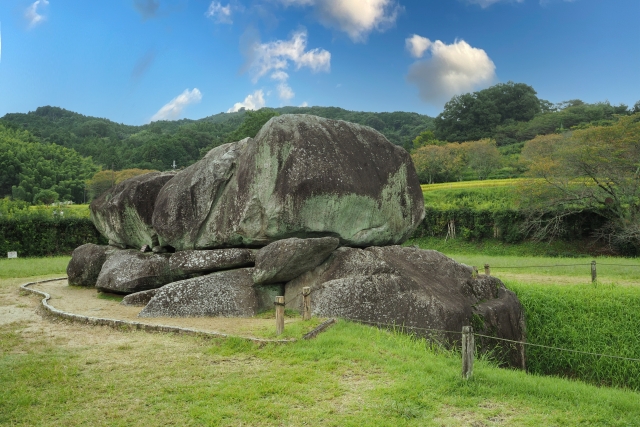
You park the BRZ adjacent to a weathered stone fence and walk out to examine the Ishibutai Kofun—a monumental 7th-century stone burial mound constructed from massive granite blocks weighing up to 75 tons each. Standing inside the hollow core of the ancient tomb, gazing up at the cyclopean ceiling stones that have defied earthquakes and monsoons for over a millennium, you feel the staggering weight of Japanese antiquity. The stones are silent, yet they whisper tales of horse-riding nomadic conquerors, Korean artisans, and the birth of a unified Japanese state.
01:00 PM – Local Gastronomy: Asuka Nabe and Ancient Flavors
For lunch, you stop at a rustic, family-run restaurant specializing in Asuka-nabe—an ancient delicacy said to have been introduced to the imperial court by Tang Dynasty monks or Korean emissaries in the 7th century.
The dish features chicken, root vegetables, mushrooms, and tofu simmered in a rich, velvety broth made from dashi and local cow's milk. It sounds unconventional to the modern palate, but as the bubbling broth warms you from the inside out, the rich, savory depth is nothing short of transcendent. Paired with pickled daikon radish and locally brewed unpasteurized sake (namazake), it is a culinary experience that bridges the ancient and the modern with effortless grace.
03:00 PM – The Final Stint: Treading the Yamatoji Line Back to Osaka
The afternoon sun begins its slow descent toward the western horizon, casting long, dramatic shadows across the Yamato Plain. It is time to point the BRZ back toward the glittering sprawl of Osaka.
Instead of taking the boring, direct toll roads, you chart a course along the parallel winding valley roads that trace the historical routes of ancient trade caravans. The BRZ settles into a comfortable, loping stride in fourth gear, the engine purring smoothly at mid-range RPMs as you effortlessly overtake slow-moving agricultural trucks on brief, clear straightaways.
The transition from the meditative silence of the Nara mountains back to the vibrant energy of the Osaka metropolitan area is gradual. First come the quiet suburbs with their neat residential gardens, then the bustling commercial districts, and finally, the soaring towers of the city center.
05:30 PM – Returning the Machine
As you pull back into the rental depot, cutting the ignition for the final time, the cooling engine ticks softly, releasing heat into the evening air. You sit in the driver's seat for a quiet moment, your hands resting on the steering wheel, feeling the lingering phantom vibrations of the road in your fingertips.
Over the past forty-eight hours, you haven't just visited Nara; you have felt its topography, tasted its history, and lived its rhythm through the mechanical soul of a true JDM icon. You didn't just look at Japan—you drove it.
BRZ for Visiting Murō-ji Temple in Nara: The Ultimate Power Spot Driving Journey – Expert Advice & Cultural Nuances
Navigating Japan by car requires an understanding of unspoken local etiquettes and cultural nuances that elevate your journey from a standard tourist drive into an authentic, respectful cultural exchange.
The Japanese "Michi-no-Eki" (Roadside Station) Culture
One of the greatest joys of driving through rural Nara is discovering the network of Michi-no-Eki (Roadside Stations). These are not sterile highway rest stops, but vibrant community hubs celebrating local agriculture, craftsmanship, and culinary identity.
- What to Expect: Every Michi-no-Eki features a massive farmers' market stocked with hyper-local produce—giant strawberries, organic honey, freshly harvested mountain mushrooms, and artisan miso pastes.
- Etiquette Tip: Always carry a small insulated cooler bag in your trunk. The local fruits and unpasteurized dairy products you find at these stations are world-class, but they sell out quickly by early afternoon. When purchasing fresh goods, handle them with care; bruising delicate fruits is considered deeply impolite. Furthermore, utilize the pristine public restrooms maintained at every station—they are temples of cleanliness, and it is customary to remove your outdoor driving shoes if designated slippers are provided at indoor specialty display areas.
Uncovering Rural Hidden Gems
When exploring regions like Uda and Asuka, the most memorable discoveries lie down single-lane agricultural paths where English signage vanishes entirely.
- Navigating Narrow Roads: Japanese rural roads can be remarkably tight, flanked by open drainage ditches (mizo) on either side. Maintain absolute lane discipline. If you encounter an oncoming vehicle on a narrow single-lane road, local courtesy dictates that the driver with the better view of a wider passing alcove will gracefully reverse or pull over, punctuated by a polite bow of the head or a flash of hazard lights as a "thank you" (arigatou) signal.
- Local Interactions: Don't hesitate to pull over at small, unlisted pottery studios or family-run tea houses. While English proficiency in deep rural Nara is limited, a respectful bow, a friendly smile, and a sincere Sumimasen (Excuse me) or Konnichiwa (Good afternoon) will open doors to profound human connections.
Driving Safety & Mountain Etiquette
Driving a rear-wheel-drive sports car like the BRZ through mountain passes requires respect for changing microclimates and road conditions.
- Animal Crossing: Mountain roads in Nara are frequently crossed by wild deer (shika) and Japanese wild boars (inoshishi), especially during dusk and dawn. Maintain vigilant headlight sweeps and reduce speed on heavily wooded shaded corners where moisture and fallen leaves can reduce tire adhesion.
- Engine Braking: When descending steep mountain gradients from Murō-ji, avoid riding the brakes, which can lead to brake fade. Instead, drop the BRZ into second or third gear and utilize the natural compression braking of the boxer engine to maintain a controlled, steady descent speed.
BRZ for Visiting Murō-ji Temple in Nara: The Ultimate Power Spot Driving Journey – Detailed Logistics & Pre-Trip Tips
Navigating the logistical framework of driving in Japan in 2026 is remarkably streamlined, provided you master a few critical protocols regarding toll roads, fueling, and vehicle handling.
Modern Japanese Traffic & Toll Infrastructures
Japan's expressway network is exceptionally well-maintained, fast, and remarkably punctual, but it operates on a toll-based system.
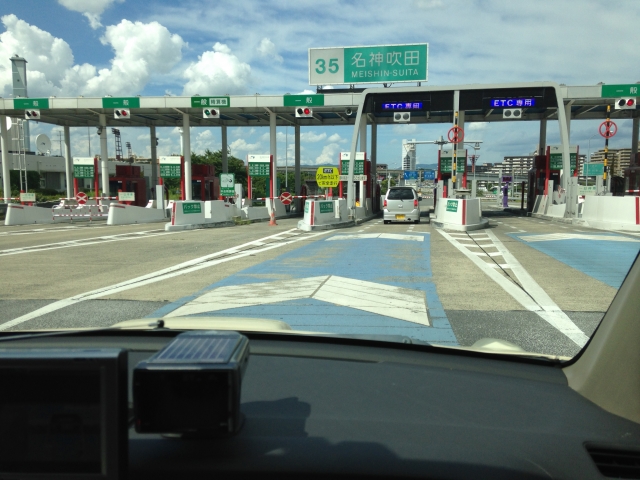
- The Magic of ETC (Electronic Toll Collection): Ensure your rental vehicle is equipped with an ETC card reader and that you secure an ETC card before departure. This allows you to breeze through automated expressway toll gates without stopping. Entering a manual lane without the correct ticket can cause significant confusion; the ETC system handles dynamic pricing seamlessly and saves you hours of queuing at manual booths.
- Navigation Systems: Modern JDM rentals feature advanced multilingual GPS navigation units. However, for maximum efficiency, always input destinations using their unique Mapcode or official telephone number rather than street names, as Japanese addressing systems are based on block divisions rather than linear street names.
Fueling Up: Mastering the Japanese Gas Station
Refueling your BRZ at a Japanese service station is a straightforward ritual, but encountering a fully attended (full-service) versus self-service (self) station requires knowing a few key Japanese phrases.
- The "Mantan" Command: When pulling into a full-service station (where attendants pump your fuel, clean your windows, and empty your trash), roll down your window and clearly state: "Mantan, onegai shimasu" (Full tank, please).
- Fuel Grade Identification: In Japan, regular gasoline is sold at pumps marked with Red handles (Gasorin), while high-octane fuel—mandatory for high-compression sports engines like the BRZ—is marked with Yellow handles (Haio). Always double-check the fuel flap of your rental car before inserting the nozzle.
- Payment Protocols: Payment can be made via international credit cards or cash at the attendant's booth inside the office after fueling is complete.
Parking Dynamics in Urban & Rural Settings
Parking in Japan is a precise science governed by rigid rules.
- Zero Tolerance for Illegal Parking: Never park on the street (chusha ihan), even for "just five minutes" to snap a photo. Impound fines are exorbitant, and local police ticket ruthlessly. Always utilize designated coin parking lots (coin parking) or municipal lots.
- Coin Parking Operation: Most surface coin lots feature a mechanical locking flap that rises beneath your car after you park. Note your parking stall number, return to the central pay machine before leaving, enter your stall number, and insert cash or a credit card to release the flap.
The Joy of the JDM Manual Experience
Piloting a manual transmission JDM sports car like the BRZ on winding Japanese asphalt is an automotive rite of passage. The clutch bite point is crisp, the gear throws are short and mechanical, and the feedback is unfiltered. Embracing the rhythm of manual shifting through foreign mountain passes transforms a standard driving holiday into an unforgettable symphony of mechanical engagement.
BRZ for Visiting Murō-ji Temple in Nara: The Ultimate Power Spot Driving Journey – Comprehensive FAQ
What documentation do I need to drive legally in Japan as an international visitor?
To legally drive a motor vehicle in Japan, foreign visitors must possess a valid driver's license from their home country along with an International Driving Permit (IDP) issued in accordance with the 1949 Geneva Convention. Visitors from certain countries (such as Switzerland, Germany, France, Belgium, Monaco, and Taiwan) operate under specific bilateral agreements requiring an official Japanese translation of their domestic license issued by the Japan Automobile Federation (JAF) instead of a standard IDP. Always ensure your home country's license is valid for the entire duration of your stay, and carry your original passport at all times while operating a motor vehicle.
What insurance coverage is standard, and what should I look out for?
Reputable car rental providers in Japan include basic liability insurance (covering bodily injury, property damage, and vehicle damage) within the standard rental fee. However, always verify that your rental package includes a comprehensive Collision Damage Waiver (CDW) and covers Non-Operation Charge (NOC) fees in the event of an accident or minor scrape. Purchasing supplementary roadside assistance covering towing and mechanical breakdown provides absolute peace of mind when exploring remote mountain passes.
I am anxious about driving a manual transmission car in a foreign country. Is it difficult?
Driving a manual car in Japan is entirely manageable, provided you are comfortable with basic clutch control. The primary mental adjustment for visitors from English-speaking Western countries is driving on the left side of the road and operating the manual gear shifter with your left hand. Within thirty minutes of navigating light suburban traffic outside Osaka, muscle memory takes over, and the intuitive layout of JDM sports cars makes the transition remarkably smooth and deeply rewarding.
What are the road conditions like in Nara during winter, and do I need winter tires?
While winters in the low-lying basins of Nara and Osaka are generally mild, the mountain passes surrounding Murō-ji and the Yamato Highlands can experience sudden, heavy snowfall and black ice from December through late February. If you are planning a winter driving expedition, verify with your rental provider that your vehicle is equipped with high-quality studless winter tires (studdable snow tires) and carry mandatory snow chains, as local police frequently enforce chain requirements on high-altitude routes.
BRZ for Visiting Murō-ji Temple in Nara: The Ultimate Power Spot Driving Journey – The Final Thoughts
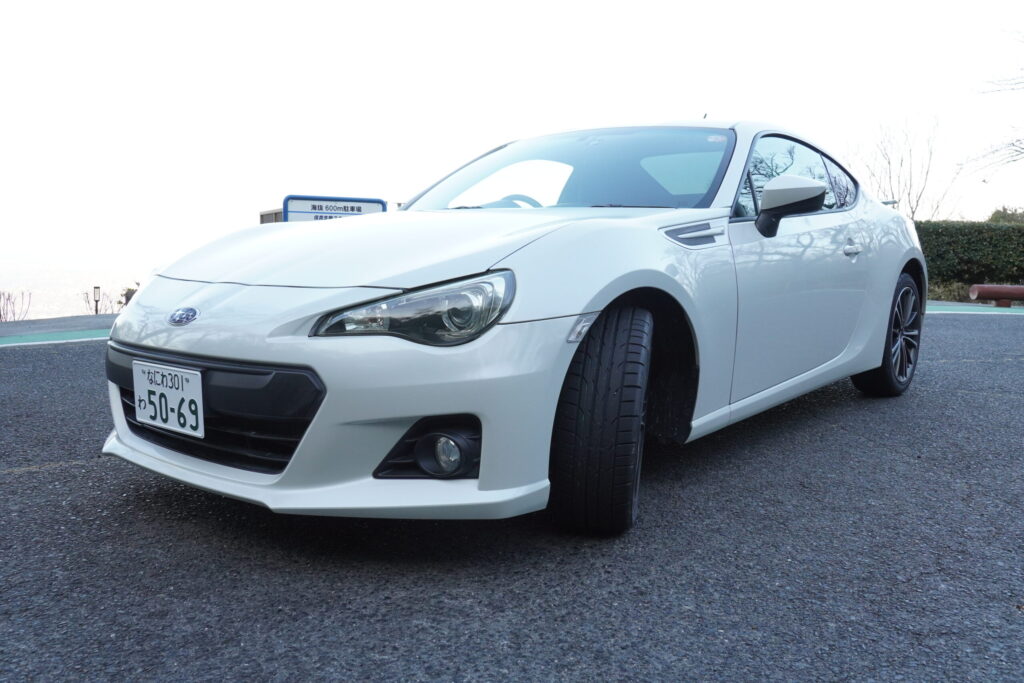
The ancient cedars of Murō-ji are whispering, the misty mountain ridges of the Yamato Highlands are calling, and the crisp, mechanical exhaust note of a finely tuned JDM sports car is waiting to be unleashed. Do not settle for the predictable rhythm of automated train timetables or the sterile glass windows of crowded tourist buses. The true soul of Secret Japan—unfiltered, tactile, and overwhelmingly beautiful—belongs exclusively to those willing to turn the key, drop the clutch, and take control of the wheel.
Your machine is primed, the asphalt is clear, and the horizon is infinite. Secure your Subaru BRZ today through おもしろレンタカー大阪中央店 (Omoren Osaka Chuo), step into the driver's seat, and start your ultimate Japanese driving adventure right now.