
1. Tajima - The Philosophy of Driving in Japan
To truly understand Japan, you must leave the railway tracks behind.
For nearly a decade, I wore the sharp uniform and crisp white gloves of a Kintetsu Railway conductor. I operated trains that ran with legendary, second-exact precision across the Kansai region. Rail travel in Japan is an engineering marvel, a triumphs of efficiency that sweeps millions of travelers from neon-soaked cityscapes to famous, postcard-perfect temples. But as a railway man, I harbored an undeniable truth: the train only takes you to where everyone else is already going. Train tracks are fixed, unyielding steel ribbons. They lock you into rigid schedules, strict platforms, and overcrowded tourist hubs. When you step off at a major station, you are simply sharing a predetermined, homogenized experience with thousands of other visitors.
The true, unfiltered soul of Japan—what I call Secret Japan—is completely inaccessible by train. It lives beyond the terminal stops, hidden deep in the winding topographic contours of the archipelago. It exists in the ancient mountain passes where mist hangs heavy over Japanese cedar forests, in sleepy fishing villages where elderly fishermen mend nets along jagged sea cliffs, and in quiet roadside shrines untouched by commercial tourism. To unlock these places, you do not need an IC transport card. You need three pedals, a manual stick shift, and a machine built for driving pureness.
When you embark on a road trip starting from Osaka, the urban landscape melts away with staggering speed. Within forty-five minutes of leaving the highway, the concrete jungle gives way to emerald-green ravines and sweeping, rhythmic asphalt. Driving in Japan is not merely transportation; it is an intimate, sensory dialogue with the terrain. Japanese road design in the mountainous regions is a masterpiece of civil engineering—a continuous ribbon of banked hairpin turns, smooth sweeping curves, and immaculate pavement laid over dramatic geography.
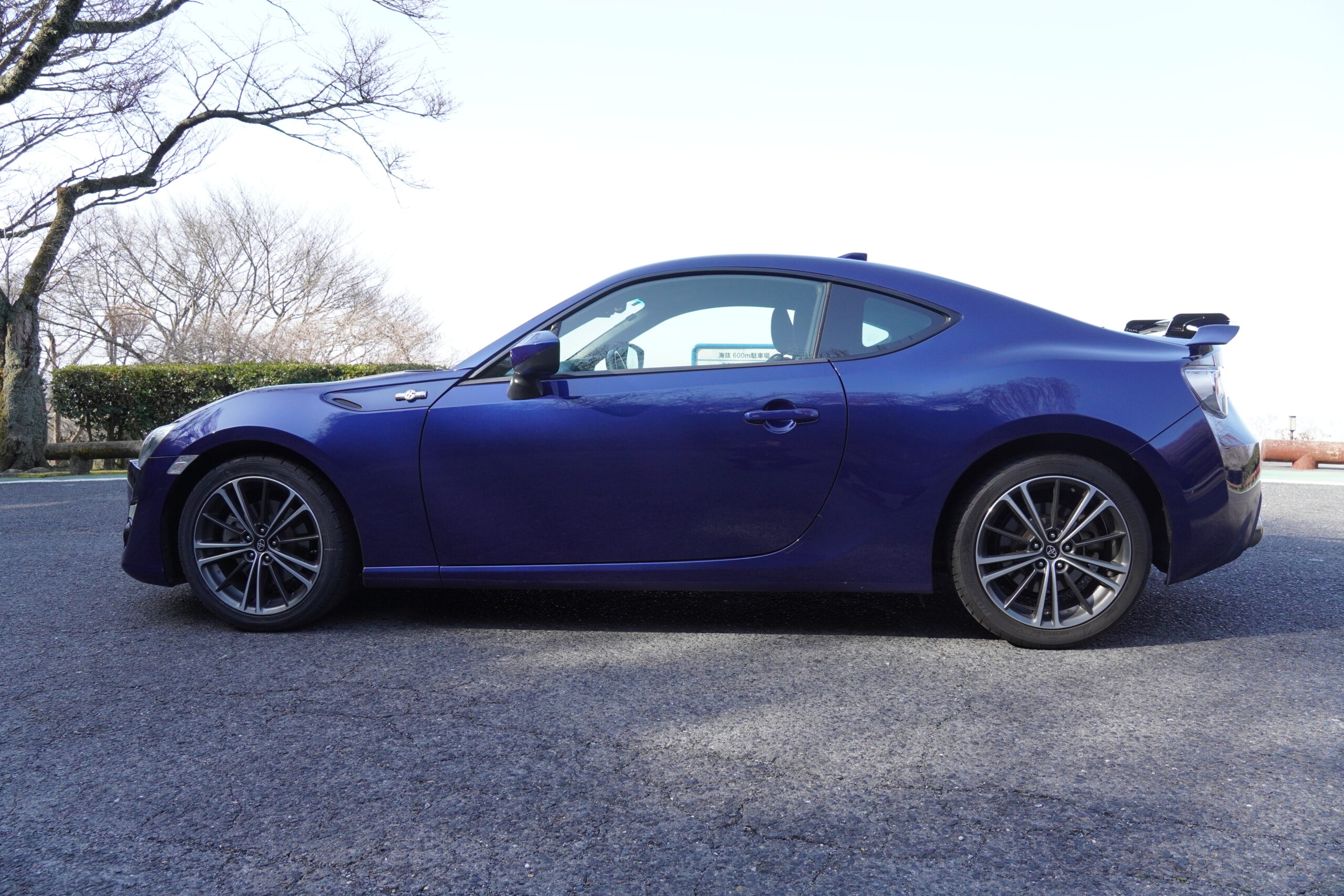
For the automotive enthusiast and the adventurous traveler, this is paradise. But to experience it correctly, the choice of machine is paramount. Forget generic, soul-draining automatic crossover rentals that isolate you from the road. To dance with Japan’s mountain passes, you need a lightweight, rear-wheel-drive JDM (Japanese Domestic Market) icon. The mechanical candidates for this specific journey are clear: the razor-sharp Toyota 86 or Subaru BRZ, or the pure, lightweight roadster freedom of the Mazda Roadster (ND MX-5).
In these driver-centric machines, every gear change resonates through your mechanical senses. You feel the tactile bite of the clutch, the instant engine response as you blip the throttle on a heel-toe downshift, and the feedback through the steering wheel as the tires track along the apex of an elevation-changing hairpin. You are not just observing the Japanese landscape through a window; you are actively carving your way through its history, geography, and culture. Welcome to Tajima—the northern realm of Hyogo Prefecture—where mountain passes meet the wild coastline of the Sea of Japan, waiting to be conquered behind the wheel.

2. Tajima - The 2-Day Itinerary: Deep Dive
This detailed 2-day itinerary is meticulously timed to maximize your driving pleasure, culinary discoveries, and geographical exploration. From the high-elevation peaks of the Tajima Mountains down to the dramatic, wave-carved geological formations of the San'in Kaigan Geopark, every hour is crafted for driver immersion.
Day 1: Conquest of the Tajima Highlands and the Castle in the Sky
07:00 AM – Departure from Osaka: Awakening the Machine
The morning air in Osaka is crisp as you wake the engine. The flat-four boxer of the Toyota 86/BRZ turns over with a throat-clearing growl, or the high-compression SkyActiv 2.0-liter engine of the Mazda Roadster ND settles into a eager, rhythmic idle. Adjust your mirrors, slide the manual shifter into first gear, and feel the light, precise bite of the clutch. Leaving the city before the morning rush hour, you merge onto the Hanshin Expressway, heading northwest toward the Chugoku Expressway. As the urban high-rises dilute into suburban hills, the road begins to open up. You transition onto the Bantan Expressway (Route 312 corridor), pointing your hood directly toward the mountainous spine of Hyogo Prefecture.
08:30 AM – Takeda Castle Ruins: The Morning Mist and Mountain Geology
Location: Asago City, Hyogo Prefecture
Arriving in Asago, the towering silhouette of Mt. Shiroyama looms above the Maruyama River valley. Perched atop this 353-meter peak lie the magnificent stone foundations of Takeda Castle, known throughout Japan as the "Castle in the Sky" (Tenku no Shiro). Built in 1441 by the Ouchi clan and later expanded under Yamana Sozen, this fortress uses the natural ana-zumi style of stone masonry, where unshaped fieldstones are expertly fitted together without mortar to withstand earthquakes and weathering.
If you arrive in autumn or early morning, a thermal temperature inversion causes thick, cotton-like fog to fill the valley below, leaving the stone ruins floating atop a sea of clouds. Even without the mist, standing on these ancient stone ramparts yields a breath-taking 360-degree panoramic view of the Tajima basin. The air is cold, pine-scented, and quiet—a stark contrast to the buzzing neon of Osaka you left just ninety minutes prior.
10:30 AM – The Drivers' Ascent: Route 429 and Ikuno Pass
Leaving Takeda, slot the gear shifter down into 2nd gear. We bypass the boring expressways and enter the true domain of the sports car: Japan's prefectural routes (Ken-do). Route 429 snakes west through deep cedar canopies toward the historic Ikuno Silver Mine area.
The road surface here is immaculate. The Mazda Roadster ND shines in these technical, tight sections. Its double-wishbone front suspension and lightweight chassis absorb the subtle camber of the road, giving you telepathic steering feedback. As you brake hard into a tight left-hand hairpin, heel-toe downshift into second gear—rev-matching with a satisfying blip of the throttle—and feel the rear tires dig in as you roll back onto the accelerator. The smell of aromatic Japanese cedar (sugi) fills the open cabin as sunlight filters through the dense forest canopy, creating a dappled pattern of light across the damp asphalt.
12:30 PM – Tajima Beef Gastronomy in Yabu
Culinary Deep Dive: The True Ancestor of Wagyu
Pulling into the historic town of Yabu, it is time to nourish the body with one of Japan’s most exclusive culinary treasures. Most travelers have heard of Kobe beef, but few realize that Kobe beef is merely a brand name for Tajima cattle (Tajima-usushi). Tajima is the purebred ancestral stock for nearly all premium Black Wagyu in Japan. For over several centuries, the isolated, mountainous geography of the Tajima region created a pure genetic line of cattle bred for dense muscle and extreme intramuscular fat distribution.
We stop at a local, family-run Sizzling Teppan farm-restaurant hidden along the riverbank. Order the Tajima-gyu Sirloin Steak set. The meat arrives finely marbled with intricate web-like streaks of white fat. When it hits the white-hot iron plate, it produces a furious, musical sizzle, instantly filling the room with an sweet, buttery aroma. The first bite requires no heavy chewing; the meat literally melts at human body temperature, releasing an explosion of rich, savory umami balanced by locally harvested wasabi and coarse sea salt from the nearby coast.
02:00 PM – The High-Altitude Summit: The Hachi Highlands (Hachifushi Pass)
Road Profile: Prefectural Route 87 / Hachi Plateau Alpine Route
With lunch complete, click your seatbelt tight—the most exhilarating drive of Day 1 lies ahead. We head upward toward the Hachi Highlands (Hachi Kogen), an alpine plateau sitting beneath the 1,510-meter peak of Mount Hyouno, the second highest mountain in the Kansai region.
This road is an engineering marvel designed for elevation gain. It begins with sweeping third-gear sweepers through thick birch forests before tightening into a series of technical, steep hairpins. Here, the Toyota 86 and Subaru BRZ showcase their mechanical brilliance. The ultra-low center of gravity provided by the flat-four boxer engine allows the car to transition side-to-side through quick S-bends with virtually zero body roll.
As you cross the 900-meter elevation mark, the forest opens abruptly to sweeping alpine meadows. The air temperature drops significantly. Pull over at the Hachi Kogen Lookout. To the south, mountain ranges roll across the horizon like waves of green sea; to the north, on a clear day, you can catch your first glint of the blue Pacific-bound waters of the Sea of Japan. The cooling exhaust of your JDM sports car ticks rhythmically in the quiet alpine wind—a satisfying mechanical melody after a hard climb.
04:30 PM – Descending into Kinosaki Onsen: The Realm of Willow Trees
Location: Toyooka City, Hyogo Prefecture
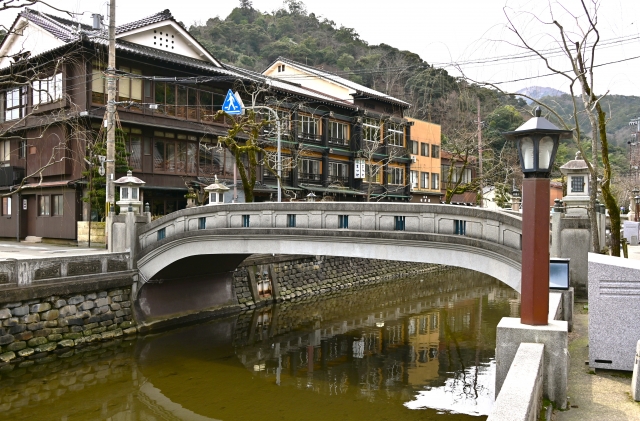
Descending the northern slopes via Route 9 and Route 312, you follow the broad currents of the Maruyama River as it approaches the coast. By late afternoon, you cross the stone bridges into Kinosaki Onsen, a magical, 1,300-year-old hot spring town that feels completely preserved in the Taisho era.
Park your car at your traditional ryokan (Japanese inn). The contrast between the high-tech, mechanical intensity of your afternoon drive and the timeless, serene atmosphere of Kinosaki is profound. Check in, slip off your boots, and don a traditional yukata (cotton kimono) and geta (wooden clogs). The wooden clogs make a relaxing clack-clack sound on the damp stone streets as you walk along the central canal, lined with weeping willow trees and traditional wooden architecture lit by warm gas lanterns.
07:00 PM – Kaiseki Feast & Onsen Hopping (Sotoyu Meguri)
Dinner at your ryokan is a seasonal celebration of Tajima’s double bounty: land and sea. Depending on the season, you will be served Matsuba-gani (Snow Crab) harvested directly from the nearby Tsuiyama Port, served boiled, grilled over charcoal, or as sashimi alongside fresh local sashimi and mountain vegetables.
After dinner, embark on the ultimate Kinosaki ritual: Sotoyu Meguri (hopping between the seven public bathhouses). Each bathhouse possesses unique spiritual and geological characteristics:
Ichino-yu: Built into a natural rock cave, offering rustic cave-bathing.
Goshono-yu: Designed like Kyoto's Imperial Palace, featuring a sweeping outdoor waterfall bath surrounded by forest.
Mandara-yu: Known for its outdoor wooden tubs infused with deep mountain spring water.
Submerging into the hot, mineral-rich thermal waters after hours of working the clutch and steering wheel heals every muscle in your body. Fall asleep on plush futons laid out on fragrant woven tatami mats, with the gentle rustle of willow leaves outside your window.

Day 2: The Coastal Geopark, Mountain Passes, and the Return
08:00 AM – Awakening along the Coastal Highway (San'in Kaigan Geopark)
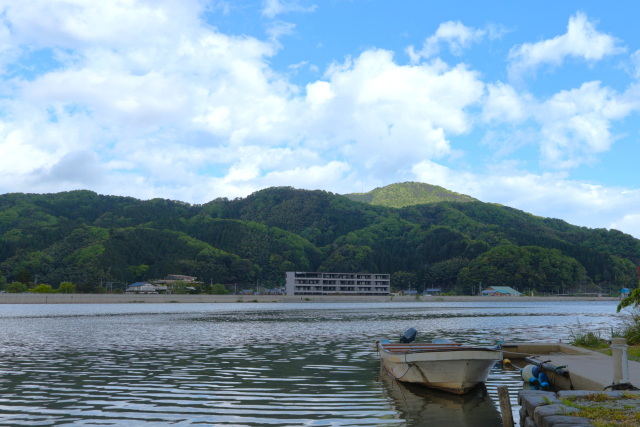
Wake early to the fresh, salty breeze blowing off the Sea of Japan. After a hearty breakfast of grilled local horse mackerel, miso soup, and steamed rice, check out of your ryokan and return to your JDM sports car. Today’s drive focuses on dramatic geological coastlines and high-speed coastal sweeping roads.
Head north onto Route 178, entering the UNESCO-recognized San'in Kaigan Global Geopark. This coastal region records the dynamic geological formation of the Sea of Japan, created over 20 million years ago when the Japanese archipelago detached from the Asian continent.
09:30 AM – Driving the Sea Cliffs: The San'in Highway (Route 178)
Road Profile: Coastal Winding / High-Elevation Sea Views
Route 178 from Kinosaki through Takeno toward Kasumi is one of the most underrated driving roads in East Asia. The road climbs high onto volcanic sea cliffs before plunging down into tiny, hidden cove inlets.
Lower your windows—or fold down the soft top if you are piloting the Mazda Roadster. The air is cold, rich with marine salt, and the sound of crashing waves echoes against the rock walls. The asphalt features smooth, banked, rhythmic turns that allow you to establish a fluid driving cadence. The Toyota 86/BRZ’s precise chassis composure shines here: as you accelerate hard out of third-gear sweeping corners, the car stays planted, handling mid-corner pavement dips without a hint of instability. To your right are deep green pine forests; to your left, a sheer 100-meter drop down to crystal-clear turquoise waters smashing against dark basalt rocks.
11:30 AM – Amarube Viaduct (Amarube Kyoryo): Engineering Masterpiece
Location: Kami Town, Tajima Region
Continuing west, you arrive at Amarube. Here stands a towering testament to Japanese structural engineering: the Amarube Viaduct. Originally constructed in 1912, the original steel trestle bridge was a iconic bright-red steel structure standing 41.5 meters high and 310 meters long, built entirely over a coastal village to span a treacherous ravine between two cliffside railway tunnels.
In 2010, it was upgraded to a modern, sleek concrete bridge, but portions of the historic red steel framework were preserved as the "Sky Station" skywalk. As a former train conductor, walking onto this elevated platform fills me with reverence. Standing on the glass floor viewing deck, watching a local single-car diesel train emerge from the dark mountain tunnel and glide across the bridge high above the sea is an unforgettable visual experience. The engineering bravery required to build this line along the rugged Tajima coastline in the early 20th century is astonishing.
01:00 PM – Coastal Gastronomy: Shibayama Port Seafood Market
Lunch: The Catch of the Sea of Japan
Head back slightly east to Shibayama Port, one of Japan’s most famous deep-water crab fishing harbors. We pull into a dockside seafood market restaurant operated by local fishing families.
Order the Kensaki-Ika (Swordtip Squid) Live Sashimi Set in summer or the Matsuba-gani Crab Donburi in winter. The squid is prepared immediately after being pulled from the seawater tanks. The meat is completely translucent, delicate, and sweet, serving up a crisp texture that snaps cleanly with every bite. Accompanied by local seaweed soup, vinegared rice, and fresh sea urchin (uni), this meal is an authentic celebration of the sea you have been driving along all morning.
02:30 PM – Inland Sweep: Route 9 and the Oya Mountain Pass
Road Profile: Fast Technical Mountain Descent
It is time to point the sports car back toward the south, but our driving adventure is far from over. Instead of taking mundane expressways, we take Route 9 inland, then split onto Prefectural Route 6 towards Oya.
This route takes you through the heart of Tajima’s ancient mining and timber country. The road twists through dark, moss-covered gorges, tracking alongside rushing mountain streams. The Oya Pass features a series of downhill hairpins that test your footwork. Practice smooth trail-braking: applying gentle brake pressure into the entry of the turn to load up the front tires, steering smoothly to the apex, and smoothly unwinding the wheel as you feed power back through the rear limited-slip differential (LSD). The mechanical harmony between car, driver, and mountain road creates a pure flow state where time seems to slow down.
05:00 PM – Sunset Cruise & Return to Osaka
As the afternoon sun begins to dip below the mountain ridges, casting a warm golden light across the Tajima highlands, you merge back onto the Kitakinki-Toyooka Expressway.
As you cruise south toward Osaka, the high-rpm engine notes soften to a relaxed highway rhythm. You reflect on the past two days: the elevation changes, the scent of burning charcoal and sea salt, the healing hot springs, and above all, the incredible driving roads that 99% of foreign tourists in Japan will never even know exist. You arrive back in Osaka by early evening, completely energized by the freedom of the road.
3. Tajima - Expert Advice & Cultural Nuances
Driving through rural Japan requires an appreciation for unique local infrastructure, cultural norms, and hidden gems that standard travel guides overlook.
The Magic of Michi-no-Eki (Roadside Stations)
In Western nations, gas station rest stops are often sterile, uninspired places meant purely for refueling. In Japan, driving culture has elevated rest stops into a cultural destination through the Michi-no-Eki (Roadside Station) network. Designed to support rural economies and welcome road travelers, these stations are clean, architecturally fascinating hubs that feature local agricultural markets, regional restaurants, and spotless rest facilities.
While driving through Tajima, make mandatory stops at these key Michi-no-Eki:
Michi-no-Eki Tajima Mahoroba (Asago City): Designed like an ancient Yayoi-period earthwork mound. Excellent place to buy local Tajima black soybeans, local jams, and warm Tajima beef croquettes—crispy on the outside, savory and hot on the inside.
Michi-no-Eki Amarube (Kami Town): Located right beneath the towering concrete arches of the Amarube Viaduct. Offers fresh seafood bowls, sweet local milk soft-serve ice cream, and fascinating historical exhibits displaying parts of the original 1912 steel bridge.
Michi-no-Eki Yabu (Yabu City): Famous for its local oil-ya ramen and locally grown green onions (Kujo-negi).
Hidden Culinary Gems off the Main Road
Soba in Izushi Town: Just south of Kinosaki lies Izushi, a historic castle town known as the "Little Kyoto of Tajima." Izushi is famous for Izushi Sara Soba—buckwheat noodles served in small, individual porcelain plates (typically 5 plates per serving). Eat them with a dipping sauce mixed with fresh mountain yam (tororo), raw egg, and freshly grated green wasabi.
Tajima Milk Soft-Serve: The lush alpine pastures of Tajima produce some of Japan’s highest-fat, richest dairy. Look for soft-serve ice cream stalls featuring Tajima Gyunyu (Tajima Milk)—it is impossibly creamy, sweet, and refreshing after hours behind the wheel.
Etiquette and Cultural Nuances on Japanese Roads
The "Hazard Light Thank You" (Hazaado): When a driver yields to let you merge into traffic or pull out of a driveway, it is standard Japanese driving courtesy to flash your hazard lights twice (blink-blink). This subtle gesture is universally understood across Japan as "thank you."
Speed Limits vs. Traffic Flow: Rural Japanese mountain roads often have posted speed limits that seem surprisingly low (30–50 km/h). Drive with respect, safety, and awareness. Local drivers will often pull into turnout lanes (daikotai) to let faster, enthusiastic sports cars pass safely. If someone behind you is driving faster, pull over politely and wave them by.
Quiet Village Etiquette: When driving a loud or sports-tuned JDM vehicle through quiet rural villages or near residential areas at night (especially in Kinosaki Onsen), keep the engine revs low and drive gently. Noise respect is deeply valued in traditional Japanese communities.
4. Tajima - Detailed Logistics & Pre-Trip Tips
Navigating Japanese roads requires clear knowledge of local transportation logistics, fueling protocols, and mechanical preparations.
The ETC Card System (Electronic Toll Collection)
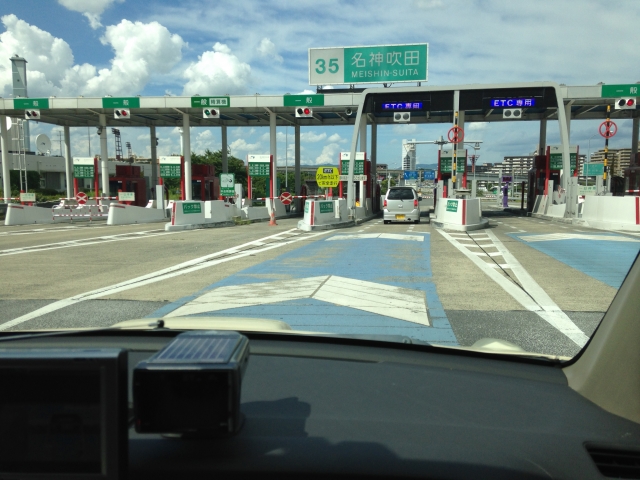
Japan’s highway network relies heavily on tolls. While you can pay with cash or credit cards at manual toll gates, it is dramatically smoother and cheaper to use an ETC (Electronic Toll Collection) Card.
How it works: An ETC card is a smart chip card inserted into an electronic reader unit built inside the car (usually hidden in the glove box or beneath the dashboard).
Using the Gate: When approaching a highway toll booth, select the purple lanes marked ETC専用 (ETC Only). Slow down to 20 km/h. The overhead sensor reads your card, beeps, displays the toll amount, and the gate arm lifts automatically without stopping.
Why you need it: ETC cards grant access to substantial highway discounts (up to 30% off during late-night hours and weekends) and eliminate the hassle of pulling out wallets at every toll booth. Request an rental ETC card from your rental provider at pickup.
Fueling Up: Mastering the Japanese Gas Station (Gasorin Stando)
Refueling in Japan is straightforward once you understand the basic color-coding system and key terminology.
Full-Service (Mantan) vs. Self-Service (Serufu)
At full-service stations, staff will guide you to a pump with clear hand signals. Roll down your window and use these key phrases:
"High-Octane, Mantan, Kado de" (High-Octane / Premium, Full Tank, Payment by Credit Card).
High-performance engines in the Toyota 86, Subaru BRZ, and Mazda Roadster ND require High-Octane (Yellow Nozzle) fuel to deliver optimal performance and prevent engine knock.
Staff will often clean your windshield, offer to take your trash, and guide you safely back into traffic with hand gestures as you leave.
At Self-Service (Serufu) stations:
Touch the static electric discharge pad before touching the fuel nozzle.
Select your payment method on the touch screen (English language buttons are usually available).
Select the Yellow Nozzle (ハイオク / High-Octane).
Fill until the nozzle clicks, replace the pump, and collect your change/receipt at the nearby cash machine if paying cash.
Parking Rules in Rural Japan
Back-In Parking Culture: In Japan, virtually everyone reverse-parks (kanzen chosha) into parking stalls. It is considered safer because it allows you to pull forward out of the space with maximum visibility.
No Street Parking: On-street parking is generally illegal throughout Japan unless explicitly marked. Always use designated parking lots (P-mark). In towns like Kinosaki, use the municipal paid parking structures on the perimeter of the historic center.
Driving a Manual JDM Sports Car: The Pure Thrill
Driving a 6-speed manual sports car on Japanese mountain roads is a tactile delight:
Toyota 86 / Subaru BRZ: Features a short-throw, mechanical-feeling 6-speed manual gearbox. The pedals are placed perfectly for heel-toe rev-matching downshifts. The steering is heavy, linear, and direct.
Mazda Roadster (ND MX-5): Light, agile, and communicative. The short-throw shifter clicks into gear with crisp precision. Driving with the top down along the Sea of Japan coastline, listening to the engine hum, is an unforgettable memory.
5. Tajima - Comprehensive FAQ
Q1: What international documentation is required to rent and drive a car in Japan?
To drive legally in Japan, you must present three documents at the rental counter:
Your original Passport.
Your valid Home Country Driver’s License.
A valid International Driving Permit (IDP) issued strictly under the 1949 Geneva Convention on Road Traffic.
CRITICAL LEGAL NOTICE: Japan strictly recognizes IDPs issued under the 1949 Geneva Convention. Permits issued under the 1968 Vienna Convention are NOT valid in Japan. Your IDP must be a physical paper booklet (digital images/copies on smartphones are strictly illegal). Drivers holding licenses from Taiwan, Switzerland, Germany, France, Belgium, Monaco, or Slovenia must present their home license alongside an official Japanese translation issued by JAF (Japan Automobile Federation) or their respective embassy, rather than an IDP. Ensure your IDP is issued within its one-year validity window.
Q2: Is driving a manual transmission (MT) car on the left side of the road difficult for foreigners?
Driving on the left side of the road with the driver's seat on the right side of the car takes about 15 to 30 minutes of acclimatization. Because the shift lever is operated with your left hand, start slowly in a calm traffic area. The pedals remain in the exact same orientation (Clutch on the left, Brake in the middle, Gas on the right). Japanese drivers are courteous, predictable, and road infrastructure is clearly marked, making the transition seamless.
Q3: What kind of insurance coverage should I get?
Always opt for comprehensive full-coverage insurance, including CDW (Collision Damage Waiver) and NOC (Non-Operation Charge) Waiver. This ensures total peace of mind against unexpected paint scratches on narrow mountain roads, glass chips, or minor parking mishaps, leaving you free to focus entirely on enjoying your drive.
Q4: Are mountain roads in Tajima safe during winter?
From late November through March, the Tajima region experiences heavy snowfall (known as Japan Sea winter weather patterns). Winter driving requires studless snow tires, high attention, and mountain experience. However, from April through November, the roads are completely clear, dry, immaculate, and offer ideal driving conditions.
6. Tajima - The Final Thoughts: CTA
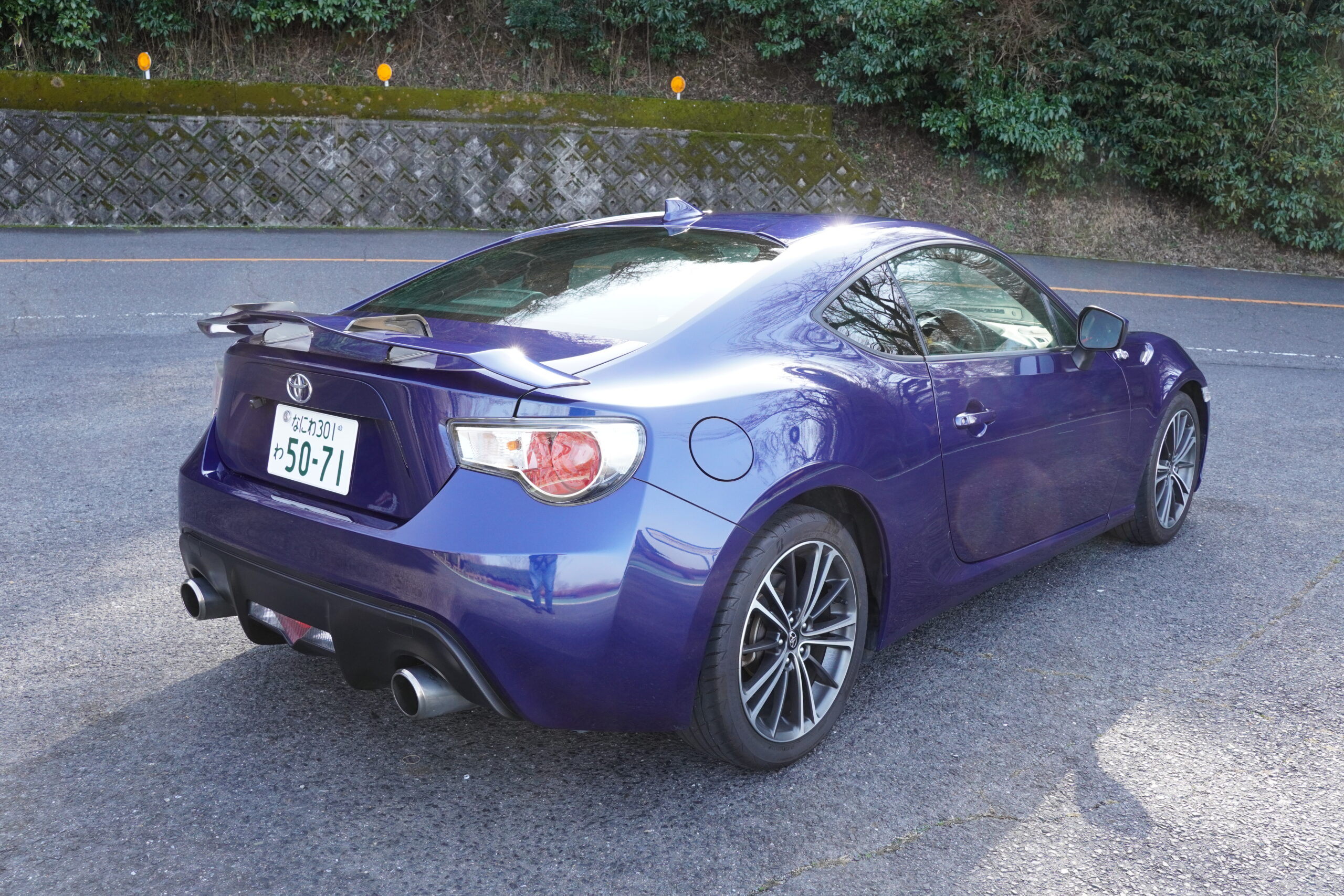
The true beauty of Japan does not reveal itself through the window of a high-speed train, nor can it be found on standard tourist tour buses. It is hidden waiting in the hairpins of the Tajima highlands, in the mist clinging to the ruins of Takeda Castle, along the crashing waves of the San'in Geopark coastline, and over steaming bowls of crab and Tajima beef.
It is waiting for someone who loves the road, who appreciates the mechanical feedback of a well-balanced chassis, and who understands that the journey itself is the destination.
To unlock this experience, you need the right key.
When you land in Osaka, do not settle for a soulless, plastic rental box. Head directly to Omoshiro Rent-a-Car Osaka Central (おもしろレンタカー大阪中央店).
As a former Kintetsu train conductor who spent a lifetime understanding Japanese transit, I built this shop out of a pure, uncompromising passion for driving. We specialize exclusively in meticulously maintained, driver-focused Japanese Domestic Market (JDM) machines. Whether you want to carve the Tajima mountain passes behind the wheel of a razor-sharp Toyota 86 / Subaru BRZ or feel the coastal wind in a lightweight Mazda Roadster (ND), our fleet is prepped, balanced, and ready for the touge.
We speak English, understand automotive passion, provide seamless ETC card setups, and give you expert local route guidance so you can step straight off the plane and into the driver's seat of your dream road trip.
The mountain passes of Tajima are calling. The asphalt is dry, the curves are waiting, and your JDM machine is fueled up.
Reserve your sports car today at Omoshiro Rent-a-Car Osaka Central, turn the key, and discover the Secret Japan you were always meant to drive.