
Kyoto Tango Peninsula Drive - The Philosophy of Driving in Japan
For over a decade, I saw Japan through a very specific frame: the cab window of a Kintetsu train. As a former conductor on one of Japan’s most expansive private railway networks, I developed a profound respect for the country’s public transit. Train travel in Japan is a marvel of precision, punctuality, and engineering elegance. You board at Osaka, settle into a pristine plush seat, watch the suburban sprawl fade into farmland, and arrive at your destination down to the exact second. It is effortless, comfortable, and reliable.
Yet, as a conductor, I also realized the inherent limitation of the iron rails. Trains are designed to connect hubs; they are constrained by steel tracks, rigid schedules, and pre-determined corridors. When you travel solely by rail, you experience Japan in a linear format—jumping from node to node, missing the vast, breathtaking connective tissue in between. The true essence of the country—what I call "Secret Japan"—remains just out of reach, hidden beyond the final station terminal.
To unlock the hidden depth of Kansai, you must step off the platform and get behind the wheel.
Starting a journey from Osaka by car fundamentally transforms your relationship with Japanese geography. Within thirty minutes of leaving the urban core, the gray concrete grid gives way to emerald green mountains, twisting river passes, and coastal highways that feel tailored for driving enthusiasts. Traveling by car gives you complete autonomy over time and space. You are no longer bound by the timetable taped to a platform wall. If a sudden blanket of mist catches the morning sunlight over a mountain pass, you can pull over. If a modest sign points down an unmarked dirt path toward an uncrowded lookout over the Sea of Japan, you can follow it.
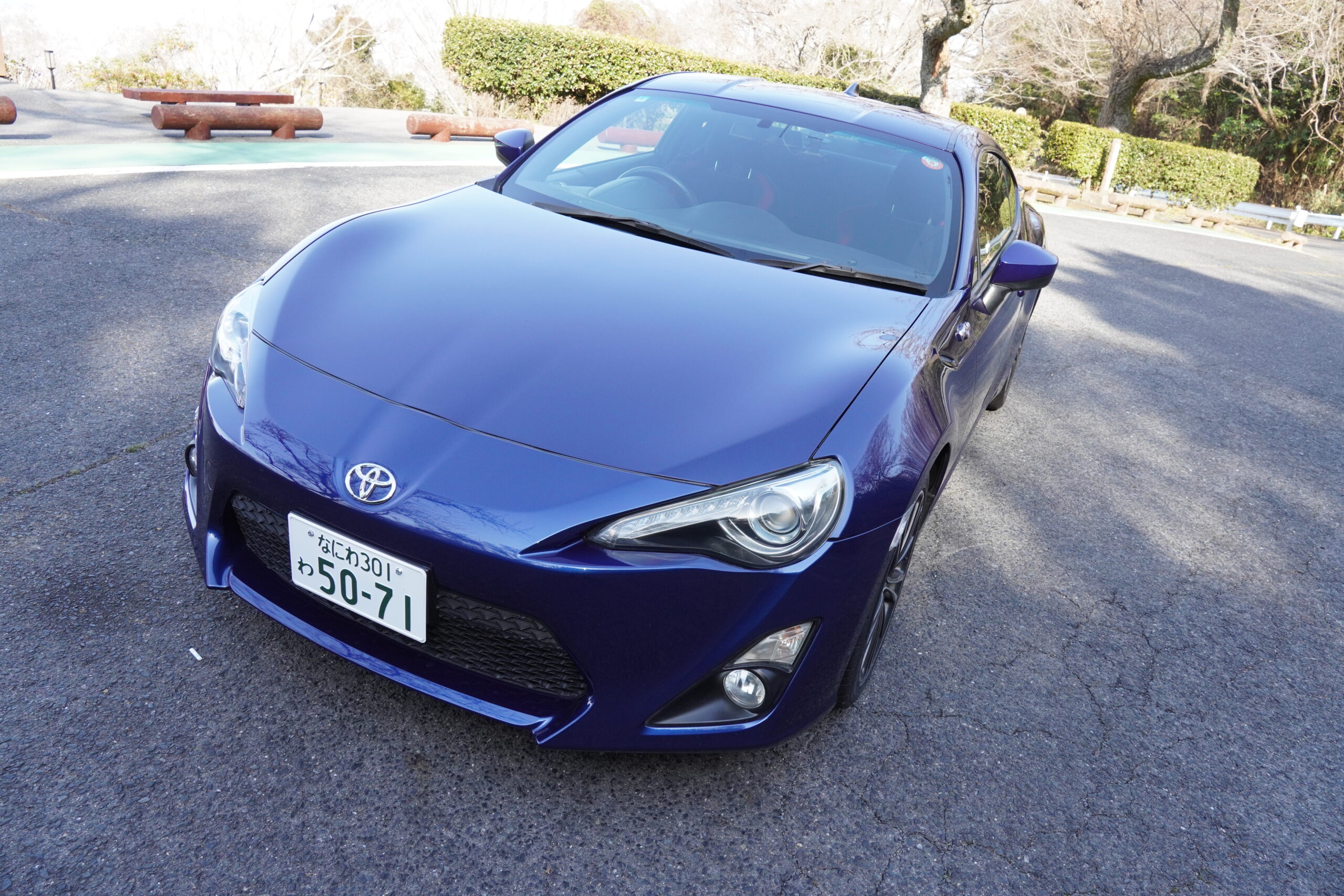
Choosing a driver's machine like the Toyota 86 or Subaru BRZ, or an agile roadster like the Mazda MX-5 (ND Miata), turns the act of travel into an engaging experience. The Toyota 86, with its low center of gravity, front-engine/rear-wheel-drive balance, and communicative steering, is crafted specifically for winding coastal stretches and tight mountain hairpins. As you slip into the low-slung bucket seat, grasp the leather-wrapped wheel, and shift into gear, the road ceases to be a mere conduit between tourist spots. The road becomes the destination itself.
The Tango Peninsula, projecting into the Sea of Japan at the northern edge of Kyoto Prefecture, represents the pinnacle of this driving philosophy. While millions of international travelers crowd the historic alleyways of southern Kyoto City, taking crowded buses between temples, Northern Kyoto operates at a totally different tempo. Here, deep mountain passes terminate in rugged, pristine sea cliffs. Historic fishing villages sit flush against turquoise waters, and coastal highways carve precise lines along towering granite bluffs.
You cannot access the secret heart of the Tango Peninsula efficiently by train. The regional lines run sparingly and bypass the finest coastal passes. To experience the sea air rushing through an open window, the precise mechanical snick of a manual gearbox on a tight apex, and the freedom of uncrowded coastlines, you need four wheels, a balanced chassis, and an open road.

Kyoto Tango Peninsula Drive - The 2-Day Itinerary: Deep Dive
Day 1: From Osaka’s Urban Core to the Rugged Coastline of Ine
07:00 AM – Departure from Central Osaka
Your journey begins early in Osaka. The city is just waking up as you fire up the engine. The flat-four boxer engine of the Toyota 86 settles into a steady rumble. Navigating the initial arterial routes onto the Hanshin Expressway, you head north toward the Maizuru-Wakasa Expressway. Early departure is key—it allows you to clear the urban congestion before the morning rush and hit the open mountain corridors just as the sun brightens the valley floors.
08:30 AM – The Mountain Arterials: Route 173 and Route 9
Leaving the expressways behind, transition onto Route 173, heading north through Tamba Province. Here, the landscape shifts dramatically. The dense suburban neighborhoods fade into lush pine forests, limestone outcroppings, and rural farming hamlets where morning mist clings to traditional kayabuki (thatched) roofs.
The roads here feature gentle sweeping curves, allowing you to settle into a rhythm. The Toyota 86 feels right in its element: the chassis stays planted through smooth transitions, and the naturally aspirated engine delivers linear power as you accelerate out of sweeping turns.
10:30 AM – Arrival at Amanohashidate (The Bridge to Heaven)
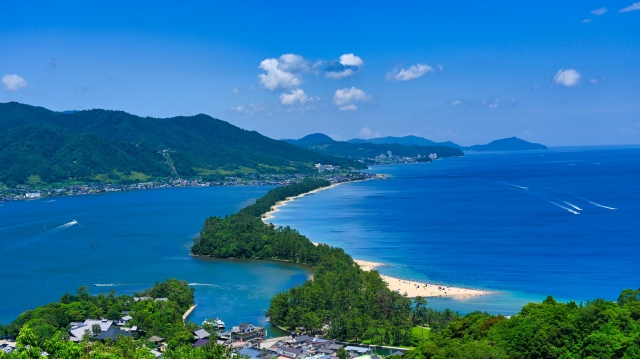
Continuing north along Route 176, the air grows cooler and takes on a subtle salt tang. You have arrived at Amanohashidate, long celebrated as one of Japan’s "Three Scenic Views" (Nihon Sankei).
Geological & Historical Depth: Amanohashidate is a naturally formed sandbar spanning 3.3 kilometers across Miyazu Bay. Over thousands of years, ocean currents from the Sea of Japan deposited sand and sediment, creating a narrow land bridge lined with over 8,000 ancient pine trees. In Japanese mythology, it was believed to be a fallen ladder that the gods used to travel between heaven and earth.
The Experience: Park the car near the south station and ride the single-chair lift up to Kasamatsu Park. From the viewing platform, perform the traditional matanoki—bending over to look at the sandbar through your legs. From this inverted perspective, the pine-covered strip appears to float across the horizon like a green dragon ascending into the sky. Take an hour to walk along the pine forest paths, listening to the waves crashing on both sides of the narrow sand strip.
12:30 PM – Seafood Lunch at Miyazu Port
Return to the vehicle and make the short drive around the bay to the local fish market near Miyazu Port. The Sea of Japan is renowned for producing exceptionally sweet, firm-fleshed seafood due to its cold water currents.
The Meal: Order a bowl of Kaisen-don (raw seafood rice bowl) topped with locally caught sea urchin, sweet shrimp, and seasonal yellowtail (buri). The fish is remarkably fresh, yielding a natural sweetness complemented by freshly grated real green wasabi and locally brewed soy sauce.
02:00 PM – The Coastal Sweep: Route 178 North
After lunch, strap back into the bucket seat and point the hood of the 86 toward Route 178, the primary coastal artery surrounding the Tango Peninsula. This section of road is pure driving pleasure. The tarmac wraps closely along the contours of the shoreline, climbing up coastal headlands before dropping back down toward small inlet bays.
Work through the short-throw manual shifter—dropping down to 3rd gear for tight, rising curves, then letting the engine rev freely as the road straightens out along sea-level straights. The steering wheel delivers precise feedback, transmitting every detail of the road surface directly to your palms. To your left are dark granite rocks; to your right, the vast expanse of the Sea of Japan.
03:30 PM – The Venetian Fishing Village of Ine
Arrive in Ine, an extraordinarily well-preserved coastal town tucked into a sheltered bay at the eastern tip of the peninsula.
Architectural Heritage: Ine is famous for its Funaya (wooden boat houses). Built directly on the water’s edge along a narrow 5-kilometer strip of coastline, these double-story structures feature a ground floor that serves as a private garage for fishing boats, while the upper level houses the family living quarters. Today, around 230 Funaya still stand, giving the village the appearance of floating seamlessly on the calm, turquoise bay.
Exploration: Park your car at the public lot near the entrance of the bay and explore the narrow alleyways on foot or by renting a local bicycle. The atmosphere is quiet and timeless. Water laps gently against the foundations of the wooden houses, and local fishermen tend to their nets. Visit Gukai, a tiny local coffee shop built inside a converted Funaya, and sip a pour-over coffee while watching small fishing boats glide silently across the mirror-like water.
05:30 PM – Sunset at Cape Kyogamisaki
Rejoin Route 178 and drive toward the northernmost tip of the Tango Peninsula: Cape Kyogamisaki. The road climbs steeply, winding up through thick coastal foliage before breaking out onto high sea cliffs.
The View: Cape Kyogamisaki is dominated by a historic white stone lighthouse built in 1898, perched 140 meters above sea level on basalt cliffs. Park at the trailhead and walk up to the lighthouse platform. As the afternoon wanes, watch the sun dip toward the western horizon, casting a deep orange and violet light over the Sea of Japan. The wind off the ocean is crisp, carrying the scent of salt and wild pine.
07:00 PM – Evening Check-in at a Local Ryokan
Drive down from the cape to your overnight stay at a traditional coastal ryokan (Japanese inn) along the Taiza shore.
Dinner & Onsen: After checking in, change into a light cotton yukata and soak in an open-air hot spring (rotenburo) overlooking the crashing waves. Follow the bath with a multi-course kaiseki dinner featuring local specialty Taiza gani (snow crab), served grilled over binchotan charcoal, as sashimi, and cooked in a rich hotpot broth.

Day 2: Winding Mountain Passes and Ancient Craftsmanship
08:00 AM – Morning Coastal Fog & Breakfast
Wake to the sound of breaking waves. After a breakfast of grilled salted mackerel, miso soup, pickled vegetables, and steamed rice, load your gear into the trunk of the 86. As you start the car, early morning coastal fog blankets the cliffs, creating a moody, atmospheric landscape.
09:00 AM – The Technical Section: Route 656 and Kyotango Mountain Passes
Leave the coast and cut inland using Route 656 and regional mountain passes. This is where the communicative chassis of your Japanese sports car shines bright.
Unlike the high-speed sweeping corners of Route 178, these inland passes are tight, technical, and narrow. The road twists through cedar forests, rising steadily over mountain ridges. Here, absolute horsepower matters far less than chassis balance, turn-in precision, and gearing. The Toyota 86 responds instantly to subtle inputs—heel-and-toe downshifting into 2nd gear for hairpin turns, balancing the throttle through the mid-corner, and accelerating smoothly on exit. The cabin fills with the deep tone of the boxer engine echoing off the tree-lined embankments.
10:30 AM – The Silk Weaving Heritage of Tango Fabric
Descend into the Kaya Valley, the historical heartland of Tango Chirimen (silk crepe textile).
Cultural Context: For over 300 years, the Tango region has produced high-grade silk used for traditional Japanese kimono. The unique characteristic of Tango Chirimen is its textured, pebbled surface (shibo), created by twisting the silk threads tightly during the weaving process and then treating them in hot water.
Hands-on Visit: Stop at a local silk workshop in the historic Chirimen Yosano preservation district. Step inside a wooden workshop to hear the rhythmic, mechanical clicking of vintage shuttle looms operating at full speed. You can speak with local artisans who have preserved these weaving traditions for generations, learning how the geography and humid climate of the Tango Peninsula created ideal conditions for silk production.
12:30 PM – Lunch: Handmade Tango Soba
Drive north toward the base of Mount Oe to find a small, family-run soba shop hidden in the rural forest.
The Meal: Order Ju-wari Soba (100% buckwheat noodles handmade using local spring water). The noodles are served cold on a bamboo mat alongside crispy vegetable tempura made from mountain herbs gathered that morning. Dip the fragrant noodles into a rich tsuyu broth made from dried bonito flakes and kelp. The flavor is earthy, clean, and deeply satisfying.
02:00 PM – Sunset Highway: Route 312 to Kumihama Bay
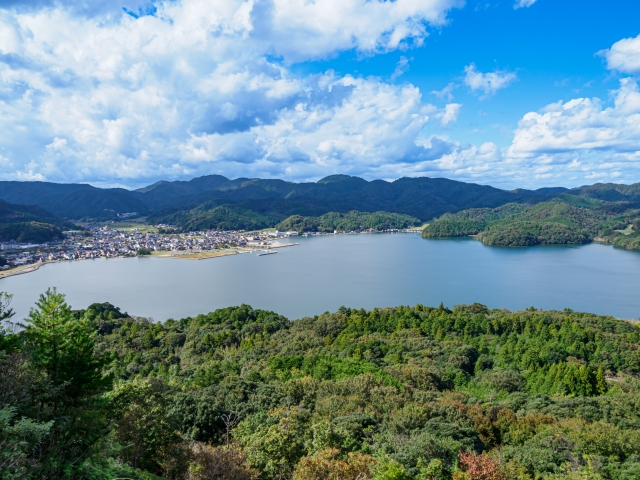
Head west toward Kumihama Bay, a large coastal lagoon separated from the open sea by a narrow sand spit.
The road around Kumihama Bay (Route 312) offers smooth tarmac, wide visibility, and gentle curves that run along the water's edge. Roll down the windows and let the fresh coastal air fill the cabin. The reflection of the mountains on the quiet lagoon surface creates a peaceful backdrop for the final leg of your northern Kyoto drive.
04:00 PM – The Return Drive: Ayabe Pass to Osaka
Begin your southbound journey back toward Osaka via the Kyoto Jukan Expressway. As the late afternoon light softens the landscape, set a steady cruising pace. The Toyota 86 transforms effortlessly from an agile mountain Carver into a composed highway cruiser.
06:30 PM – Arrival in Osaka
Enter the glittering expanse of Osaka’s city limits as twilight turns to night. The neon signs of the city reflect off the long, sculpted hood of your car. You return to the urban core with a renewed perspective on Japan—having discovered a realm of coastal cliffs, ancient fishing villages, and technical mountain passes that remain completely unseen by those who never leave the train platform.
Kyoto Tango Peninsula Drive - Expert Advice & Cultural Nuances
Driving through rural Japan is an immersive experience enriched by subtle cultural norms, hidden infrastructure, and unique road-trip traditions. To make the most of your journey through the Tango Peninsula, keep these insider nuances in mind.
The Culture of the Michi-no-Eki (Roadside Stations)
Foreign travelers often expect Japanese highway rest stops to be functional, industrial facilities with standard vending machines and basic restrooms. In reality, Japan’s network of Michi-no-Eki (government-designated roadside rest stations) represents one of the country's best travel innovations.
Created to encourage rural tourism and support local economies, each Michi-no-Eki serves as a mini-showcase for its specific region.
What to Look For: In the Tango area, stop at Michi-no-Eki Sea-Side Mart Food Park or Michi-no-Eki Ine-no-Funaya. Here, you will find ultra-local produce sold directly by nearby farmers, seafood fresh off local boats, and regional artisanal goods like silk crafts and specialty soy sauces.
Local Treats: Never pass up the regional soft-serve ice cream (soft-cream). In Northern Kyoto, look out for Kuromatte (black soybean) soft-cream, Uji Match swirls, or seasonal flavors made with regional sweet potatoes and peaches.
Etiquette on Narrow Country Roads (Kando)
While primary routes like Route 178 are well-paved and wide, exploring hidden spots in the Tango Peninsula often leads to single-lane country backroads (kando).
Passing Bays: When two vehicles meet on a narrow mountain road, the driver closer to a wider pull-out section (退避所 - Taihisho) should stop and wait. It is customary to flash your hazard lights once or twice as a brief "thank you" gesture if another driver pulls over to let you pass.
Patience Over Speed: In rural areas, you will often catch up to local elderly farmers driving lightweight, silver Kei trucks (K-car). Keep a respectful follow distance. Rural drivers will frequently pull onto the shoulder and signal for you to pass when it is safe to do so.
Finding Hidden Local Gems
The best culinary experiences in rural Japan are rarely listed on standard English travel apps. Look out for handmade wooden signs along mountain roads featuring the characters 手打そば (Handmade Soba), 海鮮 (Seafood), or 営業中 (Open for Business). Small family-owned diners (shokudo) near working harbors often serve the freshest catches at very reasonable prices, even if they lack an English menu. A polite "Orakusama desu" (thank you for the meal) goes a long way.
Kyoto Tango Peninsula Drive - Detailed Logistics & Pre-Trip Tips
Navigating Japanese roads in a manual sports car requires a clear understanding of practical logistics, road infrastructure, and rental expectations. Here is what you need to know before turning the key.
Expressway Logistics & ETC Cards
Japan’s highway network is remarkably well-maintained, fast, and efficient, but it relies almost entirely on electronic toll collection.
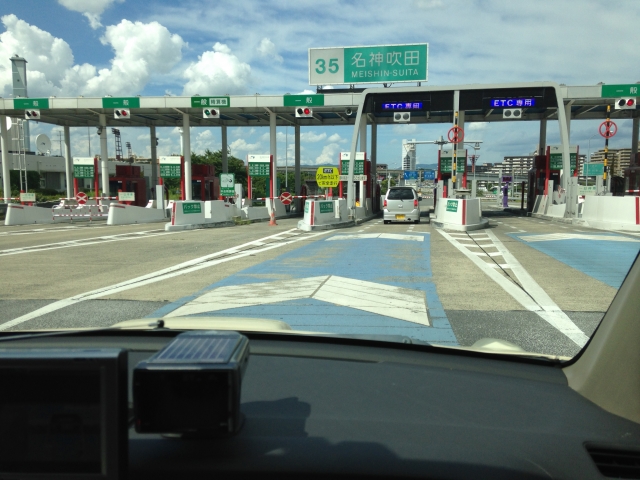
How ETC Works: The Electronic Toll Collection (ETC) system uses a small transponder box installed inside the vehicle's glovebox or center console. When renting a car, always request an ETC card. You insert this IC card into the unit before setting off.
Toll Gates: As you approach highway toll plazas, drive through the lanes marked with blue ETC signs at a speed below 20 km/h. The barrier gate will lift automatically, and the toll fee is logged digitally. Upon returning the rental car, the shop will read the card data and calculate your exact total toll charges, saving you from carrying pockets of cash or stopping at manual toll booths.
Fueling Up at Japanese Gas Stations
Gas stations (Gasorin Sutando) in Japan come in two forms: Full Service and Self Service (Serufu).
Fuel Types:
Regular (Red nozzle): Standard 90-91 RON unleaded fuel.
High-Octane / High-Oc (Yellow nozzle): Premium 98–100 RON fuel. Note: Performance vehicles like the Toyota 86, Subaru BRZ, and Mazda MX-5 require High-Octane fuel to run correctly.
Diesel (Green nozzle): For diesel engines only.
At a Full-Service Station: Attendants will guide you into the bay. Tell them: "High-Octane, Mantan, Kado de" (High-Octane, Full tank, Credit card). The attendants will fill your tank, wipe your windshield and side mirrors with clean micro-fiber towels, and help guide you safely back into traffic.
Parking Customs
Back-In Parking: In Japan, reverse parking is the standard norm. Whether at a hotel, a convenience store, or a scenic lookout, pull past the space, shift into reverse, and center your car between the lines. This custom makes pulling out into traffic much safer and faster.
Coin Parking: In cities and tourist hubs, use automated "Coin Parking" lots. Once parked, a small mechanical flap will rise under the center of the car after a few minutes. To leave, type your parking space number into the payment machine, pay the displayed cash or card amount, wait for the flap to drop completely flat, and drive away smoothly.
The Pure Joy of Driving a JDM Manual Sports Car
Modern vehicles are increasingly saturated with heavy automatic transmissions, artificial engine noises, and intrusive electronic driver aids. Renting a classic rear-wheel-drive JDM machine like the Toyota 86, Subaru BRZ, or Mazda Roadster (ND) restores the visceral thrill of driving.
With a low center of gravity and direct mechanical linkages, these cars do not hide the road from you—they connect you to it. Every downshift requires precise footwork; every corner rewards clean weight transfer and accurate steering inputs. Driving a high-revving Japanese sports car along narrow, coastal Japanese roads creates a lasting sense of connection between driver, machine, and landscape.
Kyoto Tango Peninsula Drive - Comprehensive FAQ
What driver's license documentation do I need to rent and drive a car in Japan?
To legally drive a car in Japan, you must present three documents at the rental counter:
Your valid Original Driver's License from your home country.
Your valid Passport.
A valid International Driving Permit (IDP) issued under the 1949 Geneva Convention on Road Traffic.
Important Note: Ensure your IDP is explicitly issued under the 1949 Geneva Convention. Permits issued under the 1968 Vienna Convention or other treaties are not recognized under Japanese law. Drivers from select countries (such as Switzerland, Germany, France, Taiwan, Belgium, and Monaco) must present an official Japanese translation of their native driver's license produced by the Japan Automobile Federation (JAF) or their nation's consulate in Japan, rather than an IDP.
Is driving a manual transmission (MT) car in Japan difficult for visitors?
Driving a manual transmission car in Japan is straightforward once you adjust to left-hand traffic. Because Japan drives on the left side of the road, the driver's seat is on the right side of the vehicle. This means you will operate the manual gear stick with your left hand. The pedal configuration remains identical to left-hand-drive cars (Clutch on the left, Brake in the middle, Accelerator on the right). For those comfortable driving a manual back home, the mechanical muscle memory adapts within 15 to 20 minutes of smooth driving.
Should I be concerned about winter road conditions on the Tango Peninsula?
Yes, if you travel between late December and early March. The Tango Peninsula faces the Sea of Japan, exposing it to cold weather systems coming from Siberia, which bring heavy snow (Yukiguni). If you plan a drive during these winter months, ensure your rental vehicle is fitted with studless winter snow tires (Sutaddoresu), monitor local road reports carefully, and exercise caution on elevated mountain passes where black ice can form. Spring, summer, and autumn offer clear, temperate driving conditions.
Is comprehensive insurance coverage available for rental vehicles?
Yes. It is highly recommended to select full coverage insurance options—such as Collision Damage Waiver (CDW) and Non-Operation Charge (NOC) coverage—when booking your vehicle. This protects you from out-of-pocket expenses in the rare event of minor scratches, wheel damage, or unexpected roadside assistance needs while navigating narrow rural roads.
Kyoto Tango Peninsula Drive - The Final Thoughts
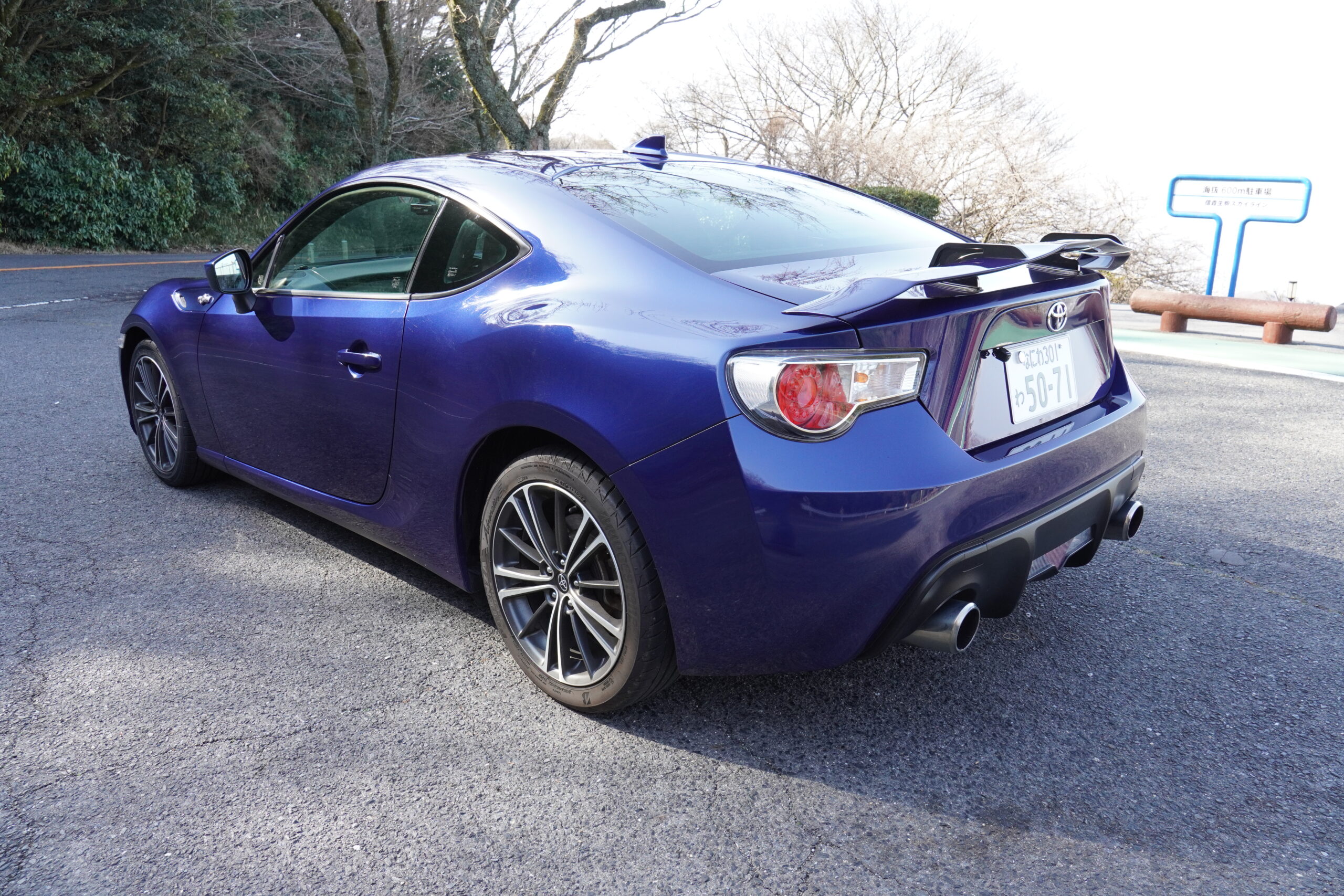
The true beauty of Japan does not reveal itself through the window of a crowded tour bus or from the aisle seat of a high-speed bullet train. It is found on the open, winding coastal highways of the Tango Peninsula—where the dark pine forest meets the deep blue expanse of the Sea of Japan, where ancient fishing villages sit quietly along mirror-like bays, and where every mountain pass presents an invitation to drop down a gear and feel the road beneath you.
If you are ready to break free from standard tourist itineraries, step off the platform, and experience the unfiltered magic of driving in Japan, your adventure begins at the steering wheel.
For drivers, enthusiasts, and travelers seeking an authentic JDM experience in Kansai, Omoresen (Omoshiro Rent-A-Car) Osaka Chuo Shop offers an exceptional fleet of sports cars. From lightweight icons like the Mazda Roadster (ND) to well-balanced, rear-wheel-drive machines like the Toyota 86 and Subaru BRZ, every car in the garage is carefully maintained to deliver pure driving pleasure.
Don't just visit Japan—drive it. Reserve your performance vehicle with Omoren Osaka Chuo Shop today, collect your keys in the heart of Osaka, and create an unscripted journey across the coastal roads of the Tango Peninsula. The open road is waiting.