
For decades, my life was dictated by the steel rails of the Kintetsu line. I navigated the intricate dance of timetables, the rhythmic clickety-clack, and the fleeting glimpses of landscapes from a conductor's window. It was a life of precision, efficiency, and profound connection to the heartbeat of Japan's urban and suburban arteries. Yet, even then, a different pulse beat within me – one that yearned for the open road, the untamed winding paths, and the whispers of places trains simply cannot reach.
This is the fundamental philosophy of driving in Japan, a stark contrast to the unparalleled convenience of its public transport system. While Japan's bullet trains and local lines are marvels of engineering, connecting bustling metropolises with seamless grace, they are, by their very nature, linear. They guide you along predetermined paths, depositing you at well-trodden stations, gateways to the 'Classic Japan' that everyone knows. But for the adventurer, the connoisseur of authentic experiences, the enthusiast who yearns to peel back the layers of the conventional, the train presents an invisible barrier.
Imagine starting your journey in the vibrant sprawl of Osaka, a city that pulsates with an electrifying energy. From here, the conventional wisdom might dictate a train to Nara Park to see the deer, or Kyoto's Fushimi Inari. And while these are undeniably beautiful, they represent just one facet of this incredibly diverse nation. The true magic, the 'Secret Japan' that so many dream of discovering, lies beyond the reach of the turnstile. It's nestled deep in the mist-shrouded valleys, atop snow-dusted peaks, and hidden within ancient temple compounds where silence is the truest sermon.
This is where the allure of the car becomes not just a convenience, but a necessity, an instrument of discovery. With the keys to a true Japanese icon – perhaps a nimble Toyota 86 or a spirited Subaru BRZ – you unlock an unparalleled freedom. You dictate the pace, the detours, the spontaneous stops that transform a mere journey into an odyssey. The highways leading out of Osaka become conduits to adventure, gradually shedding their urban skin for the verdant embrace of the countryside. You’re not just a passenger; you are the architect of your own experience, the navigator of your destiny.
As we delve into Nara's winter, seeking out its snowscapes, the minimalist beauty of its karesansui gardens, and the profound tranquility that winter bestows, you'll understand why the car isn't just a mode of transport here. It is an extension of your spirit, a vessel carrying you into the very soul of Japan. The rumble of the engine, the precise feedback from the steering wheel, the exhilarating push as you downshift into a perfectly executed corner – these are the sensations that connect you intimately with the land, allowing you to breathe in its history, feel its textures, and witness its hidden wonders up close, far from the madding crowd. This is the Japan that truly comes alive when you’re behind the wheel.
Nara's Winter, Snowscapes, Karesansui, Tranquility - The 2-Day Itinerary: Deep Dive
Prepare yourself, for this is not merely a drive; it is an immersion. A carefully crafted symphony of asphalt, engine notes, crisp winter air, and profound discovery. We will depart from the neon pulse of Osaka, venturing into the hushed, snow-kissed heart of Nara Prefecture, seeking out its most serene winter secrets. Our chariot? A meticulously maintained Toyota 86 – a pure expression of driving joy, its balanced chassis and eager Boxer engine perfectly suited for the winding roads ahead. For those who yearn for the tactile precision of a manual gearbox, this is your pilgrimage.
Day 1: Osaka's Energy to Nara's Frozen Embrace
08:00 AM - 09:00 AM: The Awakening of the Machine (Osaka City)
The city of Osaka awakens, a symphony of gentle traffic hums and the distant clang of a streetcar. But for us, the real symphony begins the moment your hands close around the steering wheel of the 86. The scent of leather, the subtle thrum of the engine as it idles, the satisfying snick of the short-throw shifter into first gear – these are the prelude. You'll feel the connection instantly. This isn't just a car; it's a finely tuned instrument. Take a moment to familiarize yourself with its controls, its precise pedal feel, and the clear sightlines that hint at its sporting intent. The 86, with its naturally aspirated 2.0-liter Boxer engine, isn't about brute force; it's about balance, feedback, and a driving experience that puts you, the driver, firmly in command. This is where the dance begins.
09:00 AM - 10:30 AM: Escape from the Urban Labyrinth (Osaka to Nara Border)
Leaving the bustling streets of central Osaka, we smoothly merge onto the Hanwa Expressway, then transition to the Nishi-Meihan Expressway. The urban landscape gradually recedes, replaced by the gentler hills and agricultural plains that mark the transition into Nara Prefecture. This initial stretch is about gaining rhythm, allowing the 86 to stretch its legs, the engine settling into a confident hum. The early morning light often paints the eastern sky with soft pastels, a subtle invitation to the tranquility that awaits. The scenery, while not yet dramatic, already hints at the natural beauty of the Kansai region. Watch for the occasional glimpse of traditional farmhouses nestled amongst the fields, their dark tiled roofs stark against the winter-dormant landscape.
10:30 AM - 12:00 PM: Ascending to Serenity - The Winding Roads to Soni Kogen
Our destination for the first true taste of winter is Soni Kogen (Soni Highlands). Leaving the expressway near the Uda area, the roads quickly transform. Gone are the multi-lane arteries; now, you’re on prefectural routes, narrower and more intimate, beginning their sinuous climb into the mountains. This is where the 86 truly comes alive. The steering, direct and communicative, feeds every nuance of the road surface back to your fingertips. The Boxer engine, with its low center of gravity, sings a responsive tune as you precisely modulate the throttle through sweeping bends. Each corner is an opportunity for a perfectly timed downshift, the short throws of the manual gearbox a joy to operate. The air grows noticeably crisper, and as we gain elevation, the first dusting of snow may appear on the roadside, clinging to the branches of the Japanese cedars that line the route. The drive itself becomes a meditation, a dance between machine and mountain.
12:00 PM - 01:30 PM: Soni Kogen's Winter Canvas (Soni Kogen)
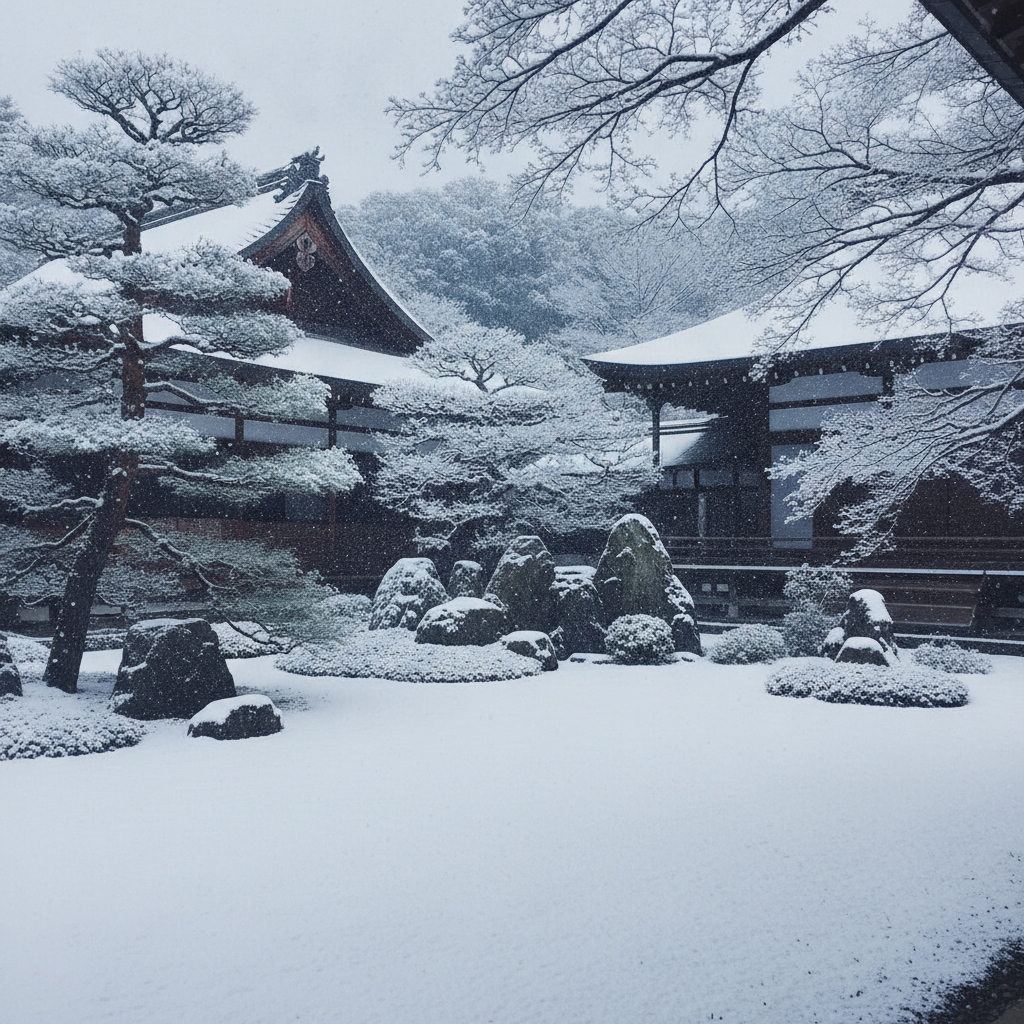
Arriving at Soni Kogen in winter is like stepping into a hushed, ethereal painting. While famous for its autumn pampas grass, in winter, this vast plateau transforms. If conditions are right, a pristine blanket of snow silences the landscape, muffling the world in a profound quietude. The undulating hills, usually golden, now gleam with an otherworldly white, punctuated by the dark skeletal forms of trees. The air is bracing, clean, invigorating. Take a deep breath; you can almost taste the purity. This is not the dramatic, towering snowscapes of Hokkaido, but a more subtle, contemplative beauty. Walk the pathways, the fresh snow crunching softly beneath your boots. The panoramic views of the surrounding, often mist-shrouded, mountains create a sense of boundless space and profound peace. The only sound might be the gentle whisper of the wind, carrying the scent of distant pines. This is where you understand the true meaning of seijaku – tranquil silence.
01:30 PM - 02:30 PM: A Taste of Nara's Warmth (Local Soni Restaurant)
After embracing the invigorating cold, your appetite will be sharp. Head to a local eatery in the village near Soni Kogen. Here, away from tourist traps, you'll find genuine warmth and sustenance. Seek out a restaurant offering Nara-zuke (pickles famous in Nara) alongside hearty winter fare. Perhaps a steaming bowl of nabe (hot pot) with locally sourced vegetables and tender pork, or a rich, earthy udon or soba. The flavors are clean, honest, and deeply comforting – a perfect antidote to the winter chill. The conversation, often quiet and punctuated by the clinking of ceramic bowls, offers a glimpse into local life. The warmth of the food, the simple wooden interior, the kindness of the proprietors – it’s an authentic Japanese experience, far from the polished tourist brochures.
02:30 PM - 04:00 PM: Tracing Ancient Paths to Sacred Silence (Driving to Murouji Temple)
Refreshed, we embark on the next leg of our journey, heading towards Murouji Temple. The drive is a delight, winding through valleys and along riverbanks, the roads less traveled but well-maintained. The 86 effortlessly devours the route, its short wheelbase and responsive throttle making light work of the tightest hairpins. You’ll pass through small, timeless villages where smoke curls from chimneys and snow-laden roofs create a picture-postcard scene. Pay attention to the geology; the ancient mountains here tell tales of volcanic activity and millennia of erosion, shaping the very roads you now traverse. The transition from the open expanse of Soni Kogen to the more enclosed, spiritual embrace of the temple grounds is palpable, a gradual descent into a realm of deep history and profound faith.
04:00 PM - 05:30 PM: Murouji Temple - A Sanctuary in Stone and Snow
Murouji Temple, often called the "Koya-san for Women," is an ancient Buddhist temple nestled deep in the mountains. In winter, especially with a fresh dusting of snow, its magic is amplified. The approach itself is enchanting: a path lined with massive ancient cedars, their branches heavy with snow, creating a natural archway. The air here is profoundly still, broken only by the crunch of your footsteps or the distant call of a winter bird. The temple complex features several beautiful structures, including a five-story pagoda – the smallest outdoor pagoda in Japan – standing elegantly amidst the snow. It’s here that we seek out the exquisite karesansui garden. Though modest, its raked gravel, meticulously arranged rocks, and moss-covered stones take on an almost mystical quality under a veil of white. The "dry waterfall" or "dry stream" compositions, designed to evoke the flow of water without a single drop, are breathtakingly poignant in winter, mirroring the stillness of a frozen stream. The absence of crowds allows for a deep, introspective experience. Stand, gaze, and let the profound silence and subtle artistry wash over you. This is the essence of tranquil contemplation, a place where time itself seems to slow.
05:30 PM - 06:30 PM: Golden Hour Descent to Lodging (Drive to Uda City)
As dusk begins to settle, painting the sky with hues of orange, purple, and deep blue, we embark on a short drive to our overnight accommodation in the Uda area. The descent from Murouji is a visual feast, the winter light casting long, dramatic shadows across the snow-dusted landscape. The 86's headlights cut through the gathering twilight, illuminating the road ahead with crisp precision. This drive is a moment of reflection, allowing the day's profound experiences to settle. The feeling of the road, the hum of the tires, the gentle purr of the engine – it’s a perfect capstone to a day of discovery. Our chosen lodging, perhaps a cozy ryokan or guesthouse in Uda, will offer traditional Japanese comfort, allowing you to immerse yourself fully in the local culture.
06:30 PM Onwards: Unwinding in Uda - Kaiseki and Onsen
Upon arrival, shed the layers of your winter adventure and prepare for an evening of pure Japanese indulgence. A traditional ryokan will welcome you with warm hospitality, perhaps a cup of sencha green tea. Many establishments in this region boast their own onsen (hot springs) or communal baths. Submerging yourself in the steaming, mineral-rich waters after a day of driving and exploring the cold mountains is an unparalleled pleasure. Feel the warmth penetrate your muscles, dissolving any tension. Following your bath, a meticulously prepared kaiseki dinner awaits. This multi-course meal is a culinary art form, featuring seasonal ingredients, often locally sourced, presented with exquisite beauty. Each dish is a tiny masterpiece – delicate sashimi, expertly grilled fish, tempura light as air, and warming winter stews. The flavors are subtle, refined, and a testament to Japan's culinary heritage. As the winter night deepens, listen to the profound silence outside, punctuated perhaps by the distant hoot of an owl. This tranquility, experienced from the comfort of your warm futon, is a reward in itself.
Day 2: Morning Serenity and a Homeward Journey of Beauty
08:00 AM - 09:00 AM: A Quiet Dawn and Traditional Breakfast
Wake with the winter sun, which often casts a soft, diffused light through the paper screens of your room. The air is still crisp, but the promise of a new day, another opportunity for quiet exploration, hangs in the air. A traditional Japanese breakfast, featuring steamed rice, miso soup, grilled fish, various pickles, and perhaps a small omelet, is a healthy and fortifying start. It’s a meal designed to awaken the senses gently, preparing you for the day's journey.
09:00 AM - 10:30 AM: Ishibutai Kofun and Asuka's Ancient Heart
Our first stop of the day takes us into the heart of Asuka Village, Japan's ancient capital, a region steeped in history and myth. While not a snowscape or karesansui, the drive itself through these ancient landscapes, dotted with burial mounds and verdant hills, is immensely rewarding. Our destination: the Ishibutai Kofun. This megalithic stone chamber, once part of a massive burial mound, stands exposed to the elements, its colossal granite blocks forming a stark, powerful presence. In winter, with frost clinging to its rough surfaces, it possesses an even greater sense of antiquity and mystery. The scale of the stones, the precision with which they were cut and placed over a thousand years ago, is awe-inspiring. It serves as a reminder of Japan's deep historical roots and the power of human endeavor, a silent guardian of the passing centuries. This region, Asuka, is the cradle of Japanese civilization, and driving through it in the 86 feels like cruising through history, connecting with the very genesis of the nation.
10:30 AM - 12:00 PM: Tanzan Shrine's Winter Splendor and Karesansui
From Asuka, a scenic drive through gently rolling hills brings us to Tanzan Shrine. Perched on the slopes of Mt. Tonomine, this shrine is famous for its gorgeous 13-story wooden pagoda, unique in Japan. In winter, especially after a fresh snowfall, the entire complex becomes an ethereal vision. The vermilion lacquer of the buildings, usually vibrant, gains a striking contrast against the pristine white snow, and the dark green of the pine trees. It's a photographer's dream. But for our purpose of seeking tranquility and karesansui, Tanzan Shrine offers a specific, subtle beauty. Beyond the main shrine, look for the smaller, less conspicuous garden areas. Often, these are simpler karesansui, perhaps just a scattering of carefully placed rocks amidst raked gravel, framed by snow-dusted evergreens. Here, the profound silence of winter enhances the meditative quality of these gardens. The air is still and cold, allowing you to hear the subtle sounds of the natural world – perhaps the distant drip of melting snow or the rustle of a winter branch. This is a place where you can truly feel the spiritual energy that has permeated these grounds for centuries, connecting you to a deep sense of peace.
12:00 PM - 01:30 PM: Lunch Amidst Nature's Quietude (Scenic Restaurant near Tanzan Shrine)
For lunch, seek out a charming, perhaps family-run, restaurant nestled in the hills surrounding Tanzan Shrine. These establishments often specialize in local country cuisine, sometimes incorporating wild mountain vegetables or foraged ingredients. Imagine a bowl of steaming somen noodles, served hot (nyumen) with a rich broth, or a simple, perfectly grilled freshwater fish from a nearby stream, accompanied by Nara's famous sake. The views from these restaurants, overlooking the snow-kissed valleys and forests, are often breathtakingly beautiful and contribute to the overall sense of tranquility. It's an opportunity to savor authentic flavors while being fully enveloped by the quiet majesty of winter.
01:30 PM - 03:30 PM: The Undulating Paths of Yoshino to Kamiichi
Now, we turn our 86 westward, beginning the beautiful journey back towards Osaka, but not without one more spectacular drive. We'll skirt the edges of the famed Yoshino region, traditionally known for its cherry blossoms, but equally stunning in winter's austere beauty. The roads here are a driver's paradise. Picture perfect winding asphalt, carved into the mountainsides, offering breathtaking vistas around every corner. The 86, with its nimble chassis and perfectly balanced weight distribution, feels like an extension of your own will. The engine responds with eager enthusiasm to every throttle input, the exhaust note a subtle, refined growl that complements the quiet majesty of the snow-laden peaks. You'll encounter switchbacks that demand precise steering and smooth braking, flowing seamlessly into long, sweeping curves that invite you to carry speed with confidence. The scenery morphs from deep, forested valleys to expansive views across the Yoshino River, its waters glinting like steel under the winter sun. The journey through Yoshino, even in its winter sleep, is a profound reminder of Japan's raw, untamed beauty, a beauty best experienced from behind the wheel of a truly engaging machine.
03:30 PM - 05:00 PM: Final Leg - Returning to Osaka's Embrace
As we descend from the mountains and gradually merge back onto the expressways, the landscapes slowly transition. The snow recedes, the trees regain their full color, and the density of human habitation increases. The transition back to urban life is softened by the memories of the profound tranquility and exhilaration you've just experienced. The 86, which felt so at home on the mountain roads, now smoothly cruises the highway, a silent testament to its versatility. This final leg is a time for reflection – savoring the crisp air, the precise handling, the journey that transcended mere sightseeing. The vibrant energy of Osaka looms on the horizon, a fitting contrast to the serene winter world you’ve just explored. You've not just driven through Nara; you've experienced its winter heart, felt its pulse, and discovered its secrets from a uniquely intimate perspective that only a car can provide.
Nara's Winter, Snowscapes, Karesansui, Tranquility - Expert Advice & Cultural Nuances

Having navigated the intricate dance of Japan's rail system for years, and now exploring its roads extensively, I've gathered insights that go beyond the guidebooks. To truly unlock the magic of a Japanese road trip, especially one as unique as our winter Nara adventure, understanding a few cultural nuances and embracing local habits is key.
Embrace the "Michi-no-Eki" Culture
Forget your preconceived notions of roadside rest stops. Japan's "Michi-no-Eki" (Roadside Stations) are cultural hubs, local markets, and culinary showcases rolled into one. They are far more than just a place to refuel and use the impeccably clean restrooms. Each Michi-no-Eki is a proud representation of its local area. Here, you'll find an astonishing array of fresh, seasonal produce harvested by local farmers – from unique winter vegetables to regional fruits you won't see in city supermarkets. Look for artisanal crafts, handmade souvenirs, and local delicacies that make perfect gifts or spontaneous snacks. Many offer delicious, affordable meals, often featuring ingredients sourced directly from the surrounding farms. It’s an ideal place to experience regional flavors, stretch your legs, and truly connect with the local community. Don't just drive past them; make them intentional stops. They are windows into the authentic heart of rural Japan.
The Art of Discovering Hidden Gems
The beauty of driving your 86 is the freedom to deviate. While I've outlined a magnificent itinerary, some of the most profound discoveries happen off the main path. How do you find these hidden gems? Keep your eyes open for small, hand-painted signs – often in Japanese, but sometimes with a subtle English hint – pointing to a "temple," "waterfall," or "viewpoint." These are often local secrets, seldom frequented by foreign tourists. Don't be afraid to take a narrow lane that looks intriguing (but always exercise caution and good judgment). Engage with locals; even a simple "sumimasen" (excuse me) and a pointing gesture on a map can open doors to recommendations for a charming local eatery or a lesser-known, tranquil spot. The sense of discovery, of unearthing a place that feels uniquely yours, is one of the most rewarding aspects of driving in Japan. It's about letting curiosity guide you, understanding that the best stories are often found on the least-traveled roads.
Navigating Japan's Roads with Grace: Driving Etiquette
Japanese drivers are, for the most part, incredibly polite and orderly. Emulate this. Keep to the left side of the road, naturally, but also pay attention to unspoken rules. Signal early and clearly, especially when changing lanes or turning. While speed limits are generally lower than in many Western countries, they are rigorously enforced, particularly on local roads and through towns. Respect pedestrian crossings; pedestrians always have the right of way, and Japanese drivers will stop well in advance. On narrow mountain roads, be prepared for occasional tight squeezes, and be patient. If a local driver flashes their headlights at you, it often means "thank you" or "I'm letting you pass." The horn is rarely used, generally only in emergencies. Driving here is less about aggressive maneuvering and more about harmonious coexistence on the asphalt. Enjoy the precision of the 86's handling, but always prioritize safety and courtesy. Remember, you're not just a driver; you're a guest on these ancient roads.
Nara's Winter, Snowscapes, Karesansui, Tranquility - Detailed Logistics & Pre-Trip Tips
Embarking on a JDM road trip in Japan requires a little preparation, but the rewards are immense. Let's delve into the practicalities, ensuring your journey is as smooth and exhilarating as the Toyota 86 you'll be piloting.
Navigating 2026's Traffic Landscape
By 2026, Japan's roads will continue to be meticulously maintained, but traffic patterns evolve. Major urban centers will remain dense, but once you break free into the rural and mountainous regions of Nara, the roads open up. While electric vehicles are certainly on the rise, for the purist driving enthusiast, the internal combustion engine (ICE) JDM car like the 86 remains the undisputed king of engagement. Charging infrastructure is expanding, but for a true driver's car like ours, traditional gasoline stations are ubiquitous and reliable. The key takeaway remains: while public transport excels in city-to-city travel, for the unique, secluded beauty of Nara's winter landscapes and karesansui gardens, a car is not just convenient; it's essential for access to the true 'Secret Japan.'
The ETC Card: Your Gateway to Seamless Travel
The Electronic Toll Collection (ETC) card is an absolute game-changer for driving in Japan. It functions much like an automatic toll pass. Instead of stopping at toll booths, fumbling for cash or credit cards, you simply drive through the designated ETC lane. A sensor reads your card, and the toll is automatically recorded. It saves immense time, reduces stress, and allows for a smoother, uninterrupted flow on the expressways. Ensure your rental comes equipped with an ETC card (and the associated reader unit). The sensation of gliding through a toll gate while others queue up is surprisingly satisfying and contributes significantly to the effortless feel of your Japanese road trip. It’s an example of Japan’s dedication to efficiency and convenience, extended to its road network.
Mastering the Japanese "Mantan" and Fueling Up
When you pull into a Japanese gas station, you'll encounter a level of service that's a cultural experience in itself. Many stations are full-service, especially in rural areas. When asked what you want, simply say "Mantan" (満タン - pronounced mahn-tahn), which means "full tank." Specify the fuel type – for the 86, it will be "Regular" (レギュラー - regyuraa) or "High Octane" (ハイオク - haioku). The attendants will often guide you to the pump, fill your tank, clean your windows, and even direct you back into traffic with a polite bow. It's a testament to the unparalleled service culture. If you encounter a self-service station (セルフ - serufu), the pump instructions usually have English options, and payment is typically made at a central console before fueling. Don't be shy; if in doubt, a quick "sumimasen" (excuse me) will usually bring assistance.
The Art of Parking in Japan
Japanese parking spaces can be compact, reflecting the country's efficient use of space. Be prepared for multi-story car parks, coin-operated lots (パーキング - paakingu), and even automated parking systems. At temples and tourist spots, designated parking areas are usually available, sometimes with a small fee. Pay attention to signs, especially those indicating "満車" (mansha - full) or "空車" (kuusha - empty). The 86's compact dimensions and excellent visibility make parking relatively straightforward, even in tighter spots. Always back into spaces where possible, as it makes exiting easier and safer. Patience and precision are key; take your time, and you'll master Japanese parking with ease.
The High Octane Thrill of Driving a JDM (MT) Car
For true enthusiasts, driving a Japanese Domestic Market (JDM) car with a manual transmission is not just about getting from A to B; it's about the visceral connection, the dance between human and machine. The Toyota 86, or its Subaru BRZ sibling, embodies this philosophy. Its perfectly weighted clutch, precise gearbox, and rev-happy Boxer engine transform every twist and turn into an engaging experience. You feel every nuance of the road, every shift in weight. The tactile feedback through the steering wheel, the exhilarating sound of the engine building revs, the satisfaction of a perfectly executed heel-and-toe downshift – these are the moments that elevate a simple drive into an unforgettable adventure. It's about being an active participant in your journey, mastering the art of driving, and truly understanding the passion and precision engineered into these iconic Japanese sports cars.
Nara's Winter, Snowscapes, Karesansui, Tranquility - Comprehensive FAQ
Do I need an International Driving Permit (IDP) to drive in Japan?
Absolutely. To drive legally in Japan, international visitors from countries that are party to the 1949 Geneva Convention on Road Traffic must carry an International Driving Permit (IDP) issued by their home country, along with their valid domestic driver's license and passport. The IDP is only valid for one year from its date of issue or one year from the date of entry into Japan, whichever comes first. Please note that IDPs issued under other conventions, such as the Vienna Convention, are not recognized in Japan. For visitors from Germany, Switzerland, France, Belgium, Monaco, and Taiwan, you will need to obtain an official Japanese translation of your domestic license from the Japan Automobile Federation (JAF) or your country's embassy/consulate in Japan, in addition to your valid domestic license and passport. It is always recommended to double-check the latest requirements based on your country of origin before your trip. Always carry all three documents (IDP, home license, passport) with you while driving.
What about insurance for my rental car?
Reputable rental car companies in Japan typically include basic liability and collision damage waiver (CDW) insurance with their rentals. This covers damages to the rental car up to a certain deductible. However, for complete peace of mind, especially on unfamiliar roads, consider opting for additional coverage, often called "non-operation charge" (NOC) or full waiver. This waives the deductible and covers charges if the car becomes unusable due to an accident. Always clarify the scope of your insurance coverage before driving off.
I'm nervous about driving a manual transmission (MT) car. Should I still try?
If you have some experience with MT, even if rusty, I strongly encourage you to embrace the challenge! Driving an 86 or BRZ with a manual transmission on Japan's winding roads is an immensely rewarding experience that connects you more intimately with the vehicle and the road. If you're completely new to MT, it might be best to gain some experience before your trip. However, if you're keen, start slowly, practice in less congested areas, and let the car's forgiving nature guide you. The satisfaction of mastering the machine on these incredible roads is unparalleled.
What are the winter road conditions like in Nara, and do I need special tires?
While Nara City itself rarely sees heavy snow, the mountainous regions we're exploring, especially Soni Kogen and the higher elevations around Murouji and Yoshino, can experience significant snowfall and icy conditions in winter. It is absolutely crucial to have your rental car equipped with proper winter tires (スタッドレスタイヤ - studless tires) or, in severe conditions, snow chains (タイヤチェーン - tire chain). Always check the local weather forecast and road conditions before heading into the mountains. Drive cautiously, maintain a safe distance, and avoid sudden braking or acceleration on potentially slippery surfaces. Your safety is paramount.
Nara's Winter, Snowscapes, Karesansui, Tranquility - The Final Call
You've journeyed with me, not just through words, but through the very essence of a Japanese winter dream. From the exhilarating sweep of the Toyota 86 through snow-dusted mountain passes to the profound silence of a karesansui garden veiled in white, you've glimpsed a Japan rarely seen, deeply felt. This isn't just a vacation; it's an exploration, a sensory feast, an intimate communion with the soul of a nation, all powered by the thrill of the open road and a precision-engineered machine.
Such an adventure, so rich in detail and personal freedom, demands more than just any rental car. It demands a partner in discovery – a vehicle that resonates with the spirit of Japanese engineering, a car that's not merely transport but a part of the experience itself. A manual transmission JDM car, like the iconic 86 or BRZ, offers that unparalleled connection, transforming every mile into a memory.
It's this very passion for driving, for Japan, and for delivering truly unforgettable experiences that defines us. As a former Kintetsu conductor who now lives and breathes the open roads of Japan, I understand the unique blend of efficiency and exhilaration this country offers. We believe in providing access to the kind of cars that elevate your journey, cars that are meticulously maintained, often customized, and always a joy to drive.
Are you ready to trade the predictable for the profound? To swap crowded trains for the unfettered freedom of the open road? Your winter escape to Nara's hidden snowscapes and tranquil gardens awaits. Secure the vehicle that will transform your trip from ordinary to extraordinary. Visit Omoshiro Rent-a-Car Osaka Chuo branch today and book your Toyota 86 or Subaru BRZ. Let us help you craft your own unforgettable chapter in the story of Secret Japan. The roads are calling; answer with a JDM legend.
