
1. Driving in Kansai: The Philosophy of Driving in Japan
As a former conductor for the Kintetsu Railway, my life used to run on strict schedules, steel rails, and predictable tracks. Rail transport in Japan is undeniably world-class—punctual, efficient, and beautifully integrated into the urban and regional grid. Yet, standing on the platform day after day, I realized something crucial about exploring Japan: trains take you to the famous destinations, but a car takes you into the heart of the country.
When you limit your journey to public transport, your trip is dictated by timetables, crowded transfer stations, and strict walking paths. You see Japan through a glass window frame, passing by dramatic ridge lines, mist-shrouded valleys, and sleepy mountain hamlets that no train track will ever touch. Kansai, with Osaka at its beating heart, is surrounded by an intricate web of magnificent, lesser-known mountain passes, coastal routes, and highlands that remain completely out of reach for traditional rail travelers.
To experience what I call "Secret Japan," you need total autonomy. You need four wheels, a precise manual gearbox, and the freedom to turn down an unmarked mountain lane simply because the road looks enticing. Leaving Osaka behind in a driver-focused machine like the Subaru BRZ or Mazda Roadster (ND) shifts the entire dynamic of your journey. You are no longer just a spectator watching Japan go by; you become an active participant in the landscape.
The transition from Osaka’s urban sprawl to the quiet, ancient roads of Hyogo Prefecture is startlingly fast. Within an hour of driving, the neon signs and concrete overpasses give way to steep, emerald-green mountains, cedar forests, and clear river valleys. Driving through the Kannabe Highlands (Kannabe Kogen) offers a profound sense of discovery—a volcanic plateau where cool mountain air, twisty tarmac, and deep culinary traditions converge. This guide is crafted for those who refuse to settle for the standard tourist loop, offering an immersive look at how to master this stunning corner of Hyogo on four wheels.

2. Kannabe Highlands 2-Day Itinerary: Deep Dive
Day 1: From Osaka’s Energy to the Volcanic Slopes of Kannabe
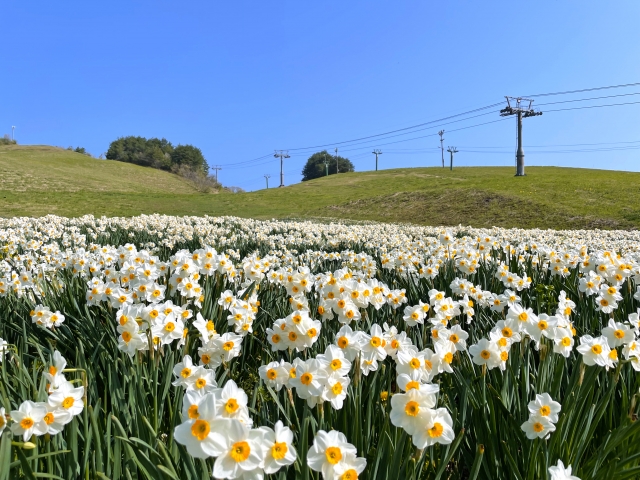
08:00 AM – Departure from Central Osaka
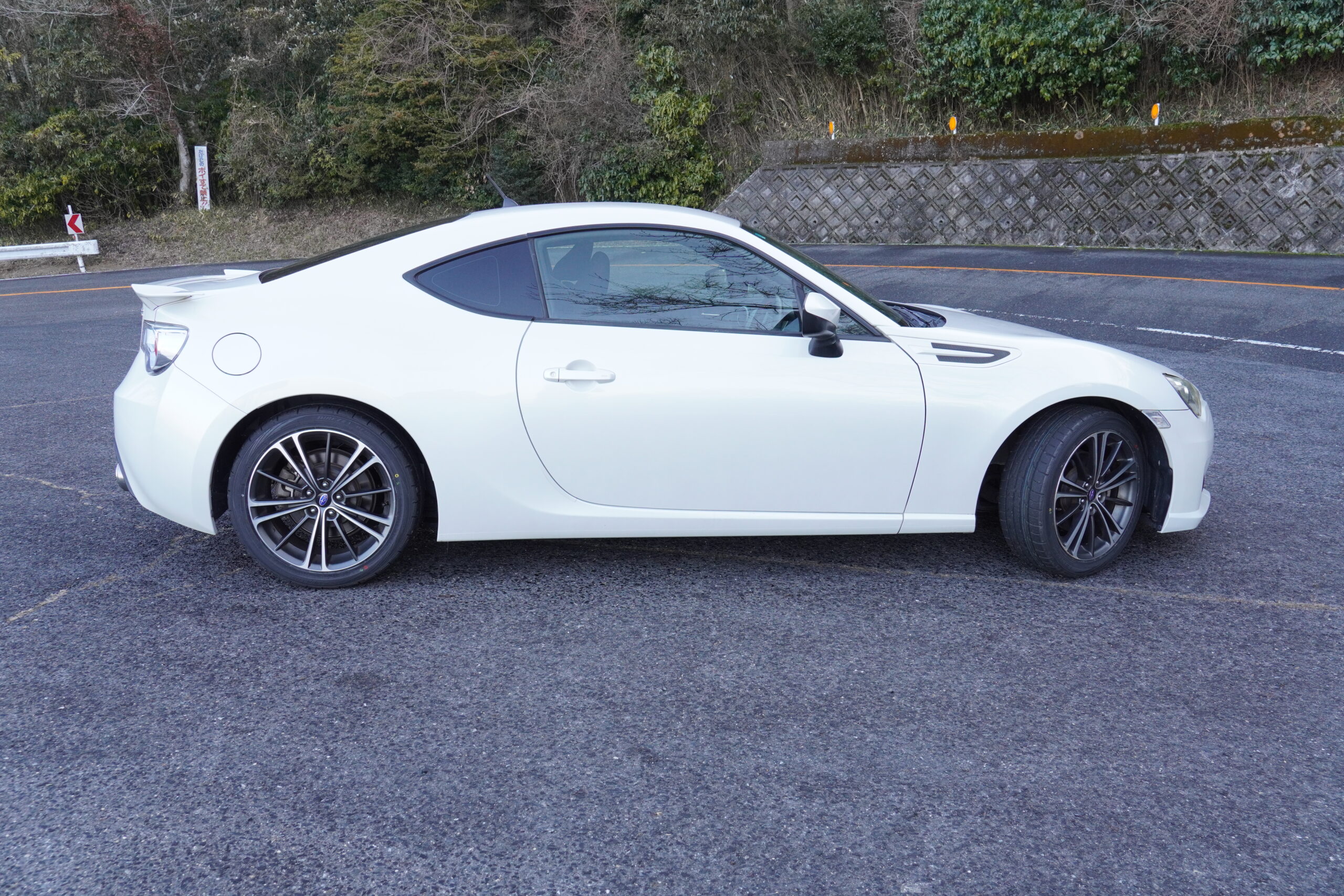
Your journey begins early in the morning as Osaka wakes up. Securing a manual sports car—such as the lightweight, perfectly balanced Subaru BRZ—sets the tone for the trip. Pressing the engine start button and feeling the rumble of the naturally aspirated boxer engine signals the start of an extraordinary road trip. Clear Osaka via the Hanshin Expressway, heading northwest toward the Chugoku Expressway. The morning sun reflects off the glass skyscrapers as you navigate the gentle highway curves, slowly leaving the metropolitan rush behind.
09:30 AM – The Gateway to Hyogo: Inagawa and Route 12
Drive Experience: Transition off the main expressway onto Route 12 near Inagawa. The urban density dissolves into rolling foothills. Here, the road narrows and begins to curve gently along the Inagawa River. The Subaru BRZ’s low center of gravity comes alive instantly; the steering feels communicative, transmitting every minor nuance of the asphalt directly to your hands.
Sights & Atmosphere: The air transforms from highway exhaust to the crisp scent of pine and wet earth. Small wooden houses with dark tiled roofs cluster along the valley floor, surrounded by small rice paddies shimmering in the morning light.
11:00 AM – Historic Pitstop: Sasayama Castle Town (Tamba-Sasayama)
History & Culture: Arrive at Tamba-Sasayama, an ancient castle town built in 1609 by order of Tokugawa Ieyasu. The town was strategically placed to guard against western feudal lords. The stone walls of Sasayama Castle still stand as silent sentinels over preserved samurai residences (bukeyashiki).
Gastronomy: Park near the castle grounds and explore the traditional merchant streets. Tamba is legendary for its agricultural treasures: wild boar hot pot (Botan Nabe), sweet black soybeans (Tamba Kuromame), and seasonal chestnut sweets. Grab a fresh roasted chestnut pastry or black soybean gelato before heading back to the car.
01:00 PM – Ascending the Kitakinki Expressway toward Kannabe
The Drive: Join the Kitakinki-Toyooka Expressway heading north. As you climb higher into northern Hyogo, the geological landscape dramatic changes. Majestic mountains loom on either side, carved over millennia by volcanic activity and heavy rainfall. The BRZ settles into a stable, rhythmic cruise, its chassis completely unfazed by high-speed sweeper bends.
Geological Context: The Kannabe Highlands are part of the San'in Kaigan Geopark, a region recognized for its rich geological diversity, including extinct volcanoes, basalt columns, and dramatic coastal landforms.
03:00 PM – Arrival at the Foot of Mount Kannabe
Geological Marvel: Mount Kannabe is the youngest volcano in the Kansai region, having last erupted roughly 25,000 years ago. Its iconic, horseshoe-shaped crater remains remarkably intact, blanketed in lush green grass during summer and deep orange foliage in autumn.
Sensory Experience: Step out of the vehicle and take in the cool, crisp highland air. The temperature here is noticeably lower than in Osaka. The silence of the plateau is broken only by the rustle of mountain grass and the faint whisper of wind through the surrounding birch trees.
04:30 PM – Exploring Hatta Waterfalls and Basalt Formations
Local Sightseeing: Before checking in to your accommodation, take a short drive down Route 269 to the Hatta Waterfalls (Hatta no Taki). The road winding down to the ravine features short, punchy hairpin turns where heel-toe downshifting in a sports car becomes second nature.
Visuals & Sound: A brief walking trail brings you to a waterfall cascading over hexagonal basalt columns formed by cooling lava flows. The roaring water kicks up a fine mist that cools the face, framed by vibrant maples and ancient moss-covered rocks.
06:30 PM – Highland Ryokan Check-in and Autumn Feast
Hospitality: Check into a traditional mountain ryokan or cozy alpine lodge in the Kannabe area. Settle onto tatami mats and enjoy a restorative soak in an onsen (hot spring) rich in minerals that soothe tired muscles after hours of technical driving.
Dinner: Autumn in Kannabe is a culinary celebration. Indulge in local Tajima Beef—the genetic ancestor of world-famous Kobe beef—grilled over charcoal, accompanied by freshly harvested highland vegetables, sweet corn, and seasonal wild mushrooms (matsutake).

Day 2: Winding Mountain Passes, Tottori Borders, and Coastal Returns
07:30 AM – Morning Crater Walk and Highland Sunrise
Activity: Wake up early to hike to the rim of the Mount Kannabe crater. The gentle 20-minute climb rewards you with a panoramic 360-degree view of the highland basin shrouded in early morning fog. As the morning sun pierces through the mist, the valley lights up in brilliant gold and amber hues.
09:00 AM – The Technical Test: Route 482 and Tajima Mountain Pass
The Driving Route: Strap into the driver's seat and head west on Route 482 toward the border of Tottori Prefecture. This stretch of tarmac is a paradise for driving enthusiasts. It consists of S-curves, sweeping elevation changes, and tight technical hairpin corners carved into the mountain side.
Vehicle Dynamics: The BRZ shines brightly on these roads. The linear power delivery of the engine lets you meter out power with extreme precision out of tight corners, while the stiff chassis keeps body roll virtually nonexistent. Downshifting into second gear, feeling the mechanical engagement of the gearbox, and listening to the engine rev up to its redline turns driving into pure kinetic art.
11:30 AM – The Wonders of Tajima: San'in Kaigan Coastline Drive
Coastline Transition: Descend from the highlands toward the Sea of Japan, joining Route 178 along the San'in Kaigan Coast.
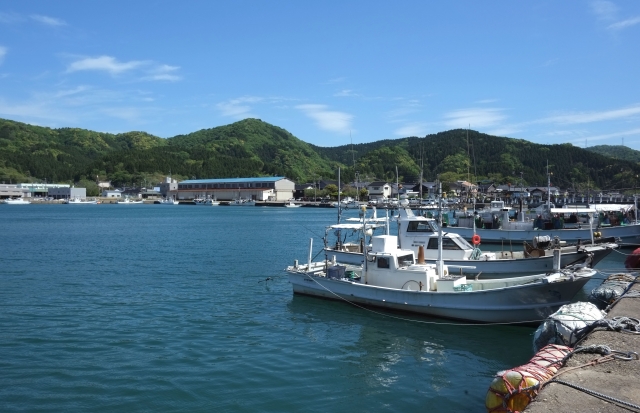
Scenery: The contrast is breathtaking. Dense forested mountains drop abruptly into deep blue sea waters. The coastal road carves along sea cliffs, offering vistas of sea stacks, hidden coves, and crashing waves against rugged granite shorelines.
01:00 PM – Lunch at Kasumi Port: Fresh Tajima Seafood
Culinary Highlight: Stop at Kasumi Port, famous across Japan for its seafood. In autumn and winter, the port comes alive with the arrival of Matsuba-gani (Snow Crab) and Kasumi-gani (Red Snow Crab). Sit down at a portside diner for a seafood bowl (kaisen-don) loaded with sweet, succulent crab meat, fresh sea urchin, and tender yellowtail.
03:00 PM – The Return Journey via Scenic National Routes
The Route: Begin heading south back toward Osaka by taking Route 312 through Asago. Stop briefly near the ruins of Takeda Castle—often called the "Castle in the Sky"—perched high on a mountain ridge.
Reflective Drive: As afternoon turns to dusk, the sunset casts long shadows across the valley. Cruising smoothly down the highway as the dashboard gauges glow amber creates a quiet, contemplative atmosphere to process the two days of exploration.
07:00 PM – Arrival in Osaka
Return to the vibrant neon-lit streets of Osaka, completing an unforgettable loop through mountains, volcanos, and coastlines.
3. Expert Advice & Cultural Nuances
Mastering Michi-no-Eki (Roadside Stations)
Japan’s Michi-no-Eki are not mere highway service areas; they are cultural institutions and gateways to local regions. Designed to promote local agriculture and tourism, these roadside rest stops are essential stops during any driving trip through rural Hyogo.
Michi-no-Eki Tajima Mahoroba: Located along the Kitakinki Expressway, this massive rest stop resembles an ancient tomb village. It features fresh regional produce, Tajima beef snacks, and local handicrafts.
Michi-no-Eki Kannabe Kogen: Situated right at the base of the highland plateau. Here, you can enjoy a hot bath at the built-in hot spring facility, buy fresh highland vegetables directly from local farmers, and taste specialty chestnut soft-serve ice cream.
Respecting the Touge (Mountain Pass) Culture
Japan’s mountain roads (touge) carry a rich motoring heritage, but they are also shared public space for locals, farmers, and commercial traffic.
Smoothness over Speed: The true mark of a skilled driver on Japanese mountain roads is smooth, precise vehicle control rather than aggressive speeding. Keep your vehicle firmly within your lane, as mountain roads can narrow unexpectedly without centerlines.
Yielding Etiquette: If a local commercial truck or slower vehicle pulls into a turnout bay (kyukei-jo), give a brief, polite double-flash of your hazard lights after passing to express gratitude.
4. Detailed Logistics & Pre-Trip Tips
Navigating Japan by car in 2026 is remarkably streamlined if you prepare properly before setting off.
Navigating Tolls with the ETC Card
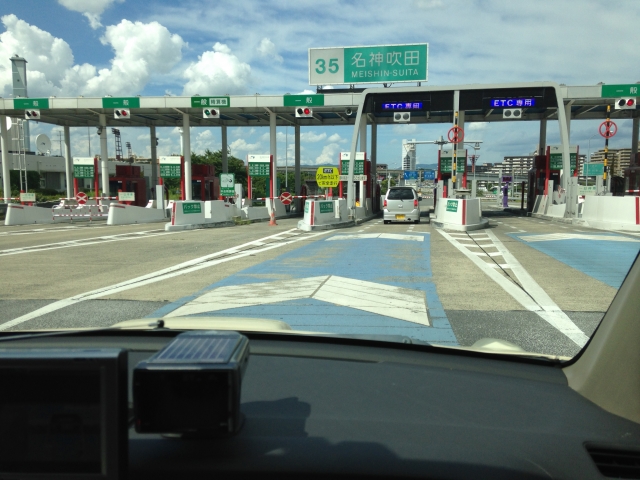
Japan’s extensive expressway network relies heavily on the Electronic Toll Collection (ETC) system. When renting a vehicle, always request an ETC card from the rental counter. The card fits into a dedicated reader unit inside the glovebox or dashboard. As you approach highway toll gates:
Choose the blue ETC-only lanes.
Slow down to 20 km/h as the physical barrier reads your card and lifts automatically.
Toll charges are settled seamlessly when you return the vehicle.
Gas Station Communication Cheat Sheet
While self-service gas stations (Self-u) are common along major arteries, rural stations in Hyogo often feature full-service service. Knowing basic phrases makes fueling effortless:
"High-octane mantan, kashikomi-da" – High-octane (Premium), full tank, please. (Recommended for performance cars like the BRZ or Roadster).
"Regular mantan, kashikomi-da" – Regular unleaded, full tank, please.
"Genkin" – Paying with cash.
"Kajukado" – Paying with credit card.
Parking Conventions
In Japan, reverse parking (backing into parking spaces) is the standard rule across all public and private car parks. It ensures safe, clear visibility when pulling back out into traffic lanes. Always ensure your wheels are straight once parked.
5. Comprehensive FAQ
Q: What driving documentation do I need as an international traveler?
A: To legally drive in Japan, you must carry three physical documents at all times:
Your original home country driver’s license.
An International Driving Permit (IDP) strictly issued under the 1949 Geneva Convention. Permits issued under the 1968 Vienna Convention or other formats are not recognized in Japan.
Your physical passport.
(Drivers from specific countries such as Germany, Switzerland, France, Taiwan, Belgium, and Monaco require an official Japanese translation of their home license issued by JAF instead of an IDP).
Q: I haven't driven a manual transmission (MT) car in a few years. Are Japanese roads difficult for MT driving?
A: Modern sports cars available in Japan, such as the Subaru BRZ, Toyota GR86, and Mazda Roadster, feature highly forgiving clutches, hill-start assist systems, and crisp gear engagement. While Japanese mountain roads feature steep gradients, traffic outside major cities is light and orderly, making it an ideal environment to quickly regain your manual driving rhythm.
Q: Is it safe to drive in the Kannabe Highlands during late autumn and winter?
A: Late spring through early autumn offers dry, pristine road conditions. From late November through March, snowfall is common in northern Hyogo. During winter months, rental vehicles must be equipped with studless winter tires (snow tires), and drivers should monitor local weather alerts before tackling higher elevation passes.
6. The Final Thoughts: Start Your Engine in Osaka
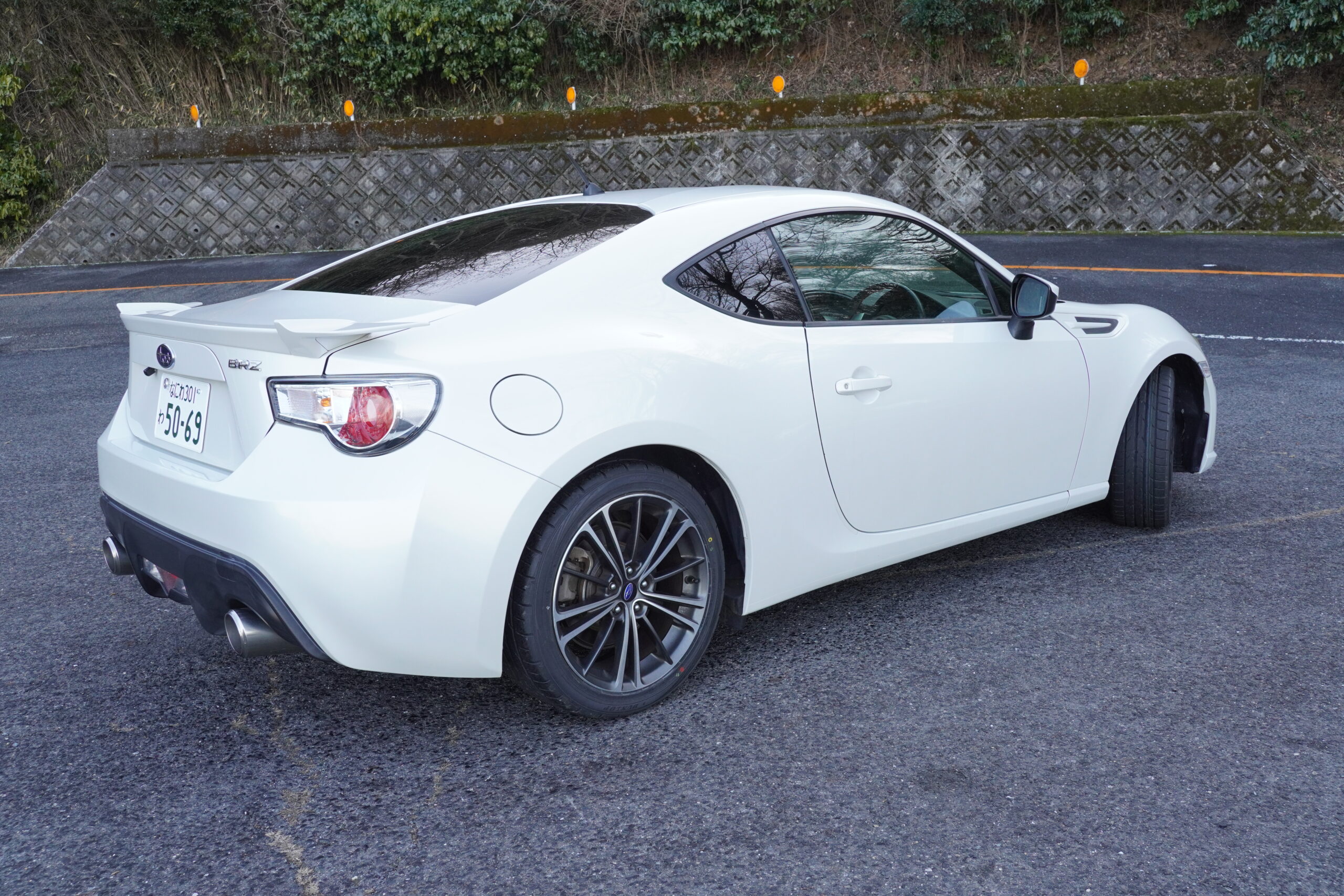
The true magic of Japan does not reveal itself from the window of a bullet train travelling at 300 kilometers per hour. It unfolds slowly when you downshift into third gear, clip the apex of a mountain bend, and emerge into a sunlit highland valley where ancient traditions still thrive. The Kannabe Highlands offer an unforgettable blend of technical roads, pristine natural beauty, and rich culinary heritage—all within easy reach of Osaka.
To turn this dream road trip into reality, you need more than just a standard rental car. You need a machine built for driving pleasure—a meticulously maintained sports car that turns every kilometer of tarmac into an experience.
When you are ready to embark on your ultimate Japanese road trip, look no further than Omoren Osaka Chuo (おもしろレンタカー大阪中央店). Located conveniently in central Osaka, they specialize in an exceptional fleet of iconic Japanese sports cars, including manual Toyota 86s, Subaru BRZs, and Mazda Roadsters. Their enthusiast-focused service ensures your vehicle is perfectly prepared for the mountain passes ahead.
Stop watching Japan pass by behind train windows. Reserve your manual sports car at Omoren Osaka Chuo today, grab the key, and go discover the roads you were meant to drive.