
Osaka’s Hidden Horizon: The Philosophy of Driving in Japan
For most who visit Osaka, the experience is framed by the glass windows of a train. I should know. I spent the better part of a decade inside the driver’s cabin of the Kintetsu Railway, watching the Japanese landscape blur into a series of predictable, efficient intervals. I know the exact pitch of the train’s deceleration as it approaches Namba Station, and I know how the light hits the tracks at dusk between Osaka and Nara. Rail travel in Japan is a marvel of human engineering—it is disciplined, punctual, and safe. But it is also, by definition, a constrained experience.
When you travel by rail, you are a passenger of the infrastructure. You arrive at the station, you walk the predetermined path, and you see the curated version of a city that the tourism board wants you to see. But the true spirit of Japan—the "Secret Japan"—does not live at the train station. It lives in the spaces between. It lives on the winding, narrow mountain passes that climb into the northern hills of Osaka and the quiet, forgotten coastline trails that stretch into the misty horizons of the Nnose and Ibaraki districts.
To witness this, you cannot be a passenger. You must be the pilot. Driving in Japan is not merely about transportation; it is about the tactile connection between the machine and the asphalt. As an owner of a specialized JDM (Japanese Domestic Market) rental garage, I have spent my life dedicated to the mechanics of this connection. There is a specific language spoken between a Subaru BRZ and the roads of Osaka’s northern periphery—a language of throttle input, chassis balance, and the mechanical symphony of a flat-four engine. When you take the wheel of a BRZ, you stop looking at the landscape and start moving through it. You discover the ancient shrines tucked behind bamboo thickets, the local cafes where the menu is written in charcoal on cedar planks, and the breathtaking views of the Osaka plains that no commuter train will ever offer.

Osaka’s Hidden Horizon: The 2-Day Itinerary: Deep Dive
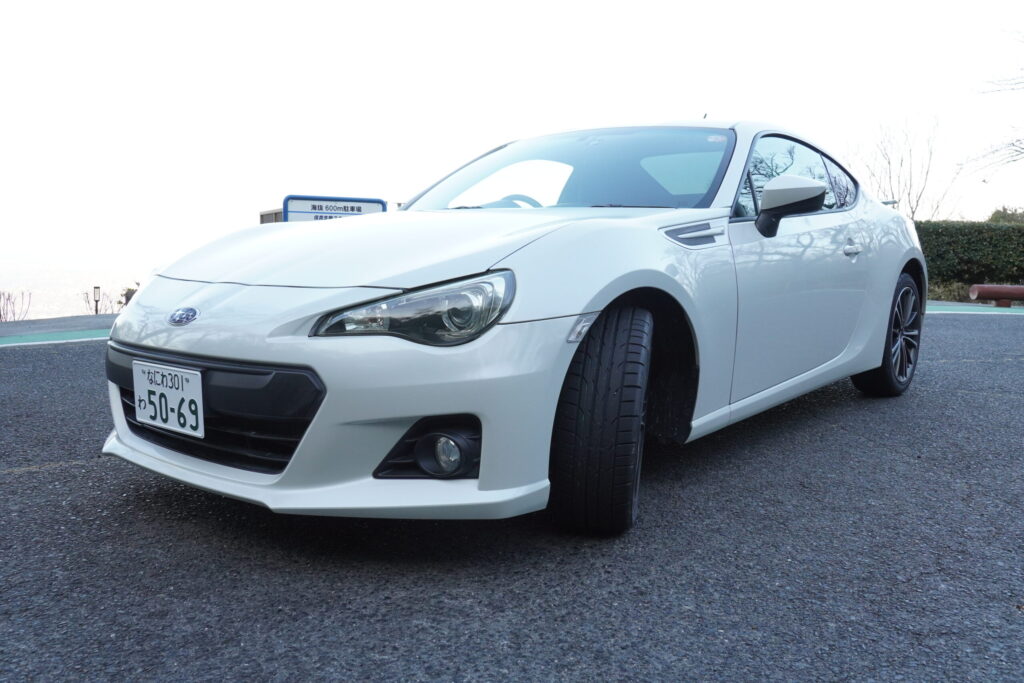
This is an odyssey of asphalt and spirit. We are leaving the chaotic sprawl of Dotonbori behind. We are trading the neon lights for the golden light of the mountain forests. Your instrument of choice: the Subaru BRZ. It is a car that thrives on the technical, twisting roads of Osaka’s overlooked mountain regions.
Day 1: The Mountain Ascent and Ancient Echoes
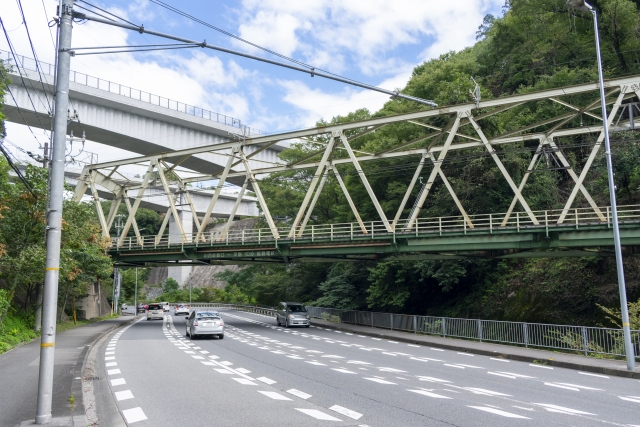
08:00 – The Departure from the Concrete Jungle We pull out of the garage, the engine’s idle a low, rhythmic heartbeat. We bypass the main highways, opting for the smaller, winding roads that snake toward the northern border of Osaka Prefecture. Feel the shifter. This is a real, manual transmission—a vanishing art form that invites you to be present with every gear change.
10:30 – The Mitsu-no-Mori Forest We arrive at the base of the northern mountains. The air here is different—sharper, cooler, and scented with cedar. The road begins to tighten. The BRZ is in its element here. Its low center of gravity allows it to carve through the hairpins with clinical precision. You’ll notice the geology shift; the land becomes jagged, volcanic, a testament to the tectonic power that formed this island nation.
12:30 – Culinary Seclusion in Nnose In the town of Nnose, we stop at a small, family-run eatery nestled against a hillside. We order Sobagaki—hand-kneaded buckwheat—a dish that has been served to travelers for centuries. There is no signage on the road, just a simple wooden gate. The flavor is earth, water, and history.
14:30 – The High Pass of Mount Myoken This is the technical highlight of the day. The climb to Mount Myoken is a series of switchbacks that demand respect. As the BRZ surges through the corners, the steering feedback is telepathic. You are not just driving; you are communicating with the road. The view from the top? A vast, rolling canvas of green that seems to touch the sky. It is here, far from the skyscrapers of Umeda, that you find the silence required to appreciate the majesty of the Kansai region.
16:30 – The Descent into Twilight We wind our way down the mountain, watching the sun begin to dip toward the horizon. The light turns a deep, burning orange, reflecting off the hood of your car. There is a sense of accomplishment in the way the engine brakes smoothly through the descent.
19:00 – Ryokan Sanctuary We check into a local mountain Ryokan. The evening ends with a soak in the hot springs, the water washing away the adrenaline of the day, preparing you for the coastal horizon that awaits tomorrow.

Day 2: The Coastal Horizon and Modern JDM Culture
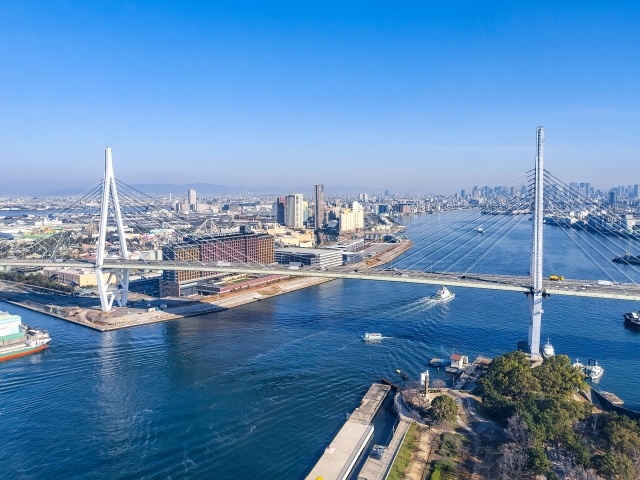
09:00 – The Road to the North-Western Coast Day two is about flow. We head toward the western reaches of the Osaka/Hyogo border. The road here follows the contours of the rugged coastline. The BRZ settles into a cruising rhythm, the engine humming a melodic tune in sixth gear.
11:30 – The Secret Overlook We pull over at an unnamed vista point overlooking the Sea of Japan. The wind is fierce, smelling of salt and ancient trade routes. This is the Japan that doesn’t make it into the brochures—the Japan of weathered fishing villages and windswept cliffs.
13:30 – Seafood by the Tide We find a tiny kitchen right on the waterfront. We eat whatever the boats brought in that morning. Fresh, raw, and vibrant. The simplicity of the meal is a stark, beautiful contrast to the complex engineering of the car you drove to get here.
15:30 – The Final Technical Stretch We take the long, meandering road back toward the city. The asphalt here is well-maintained, smooth as glass. We push the BRZ just enough to appreciate the refined suspension, savoring the way it absorbs the road's imperfections while keeping you firmly connected to the tarmac.
17:30 – Returning to the Neon Glow As we re-enter the Osaka city limits, the transformation is surreal. From the silence of the mountains to the vibrant pulse of the city, the BRZ seems just as at home weaving through the urban landscape as it did on the mountain passes. You have seen the hidden corners, the silent heights, and the rugged coasts. You are no longer just a traveler; you are a driver who has claimed a piece of Japan for yourself.
Osaka’s Hidden Horizon: Expert Advice & Cultural Nuances
Japan’s "Michi-no-Eki" (Roadside Stations) are the lifeblood of the road-tripper. These are not just gas stations; they are localized treasure chests. You will find regional produce—peaches from the valleys, freshly pressed honey from the mountains—that you will not find in any urban supermarket.
When you encounter a local driver, observe the "hazard light thank you." It is the universal language of the Japanese road. When someone lets you merge, tap your hazard lights twice. It is a small gesture, but it signifies that you understand the etiquette of the road.
Avoid the "tourist traps." If you see a cluster of large tour buses, keep driving. The best food, the most spiritual shrines, and the most dramatic views are found in places where you see only local license plates. When you park, keep your car within the lines; precision is a sign of respect for the space and for the other drivers. And above all, listen to the mountain. Driving in Japan is a practice of observation. If the mist thickens, slow down. If the local villagers are walking on the shoulder, give them wide berth. The road is a shared space, and your presence is a temporary gift.
Osaka’s Hidden Horizon: Detailed Logistics & Pre-Trip Tips
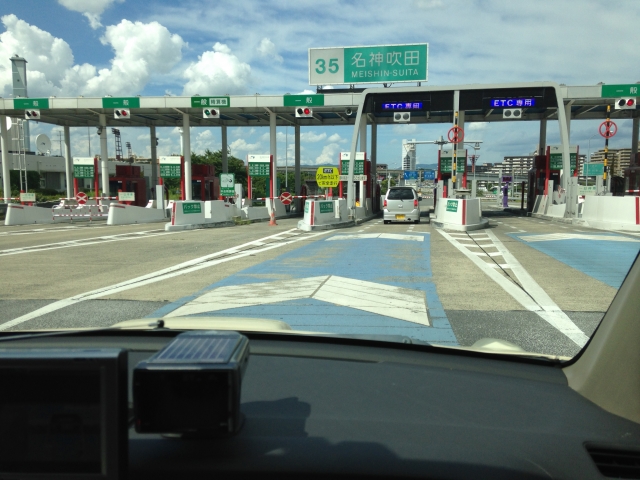
Driving in Japan in 2026 is an exercise in streamlined efficiency. The most critical tool in your arsenal is the ETC (Electronic Toll Collection) system. Ensure your rental is equipped with an ETC card reader. This allows you to breeze through the toll gates without stopping, preserving your momentum on the highway.
When refueling, don’t panic if the station is self-service. The interface is almost always available in English, but if you choose a full-service station, the process is pure ritual. Roll down your window, point to the gauge, and say, "Mantan, onegaishimasu" (Fill it up, please). The attendants will handle the rest with a level of care and speed that is quintessentially Japanese.
For parking, always look for the "Coin Parking" signs—small, square signs with a green 'P'. These are your best friends in cities where street parking is strictly forbidden. The BRZ, being a rear-wheel-drive, naturally aspirated machine, requires attention to detail. It is a manual transmission, which means you are responsible for the torque management. This is the joy of JDM motoring. You are the engineer of your own velocity.
Osaka’s Hidden Horizon: Comprehensive FAQ
Q: Do I need a special license? A: Yes. To drive in Japan, you must possess a valid driver's license from your home country, along with an International Driving Permit (IDP) issued according to the 1949 Geneva Convention. You must carry both your original domestic license and your passport at all times. Please note that Japan strictly adheres to this convention, so ensure your IDP is correctly issued by your home country's automobile authority before you travel.
Q: I’m nervous about driving a manual car. Is it difficult? A: The BRZ is remarkably forgiving. While it is a performance-oriented machine, its clutch engagement is intuitive. If you have experience with manual transmissions, you will find the Japanese roads—and the quality of the cars—to be a dream.
Q: What about insurance? A: Full coverage is standard and essential. It provides the peace of mind required to focus on the drive rather than the risks.
Q: Are the mountain roads dangerous in the winter? A: Northern Osaka can see snowfall. Always check local advisories. However, from spring through autumn, these roads are a driver’s paradise.
Osaka’s Hidden Horizon: The Final Thoughts
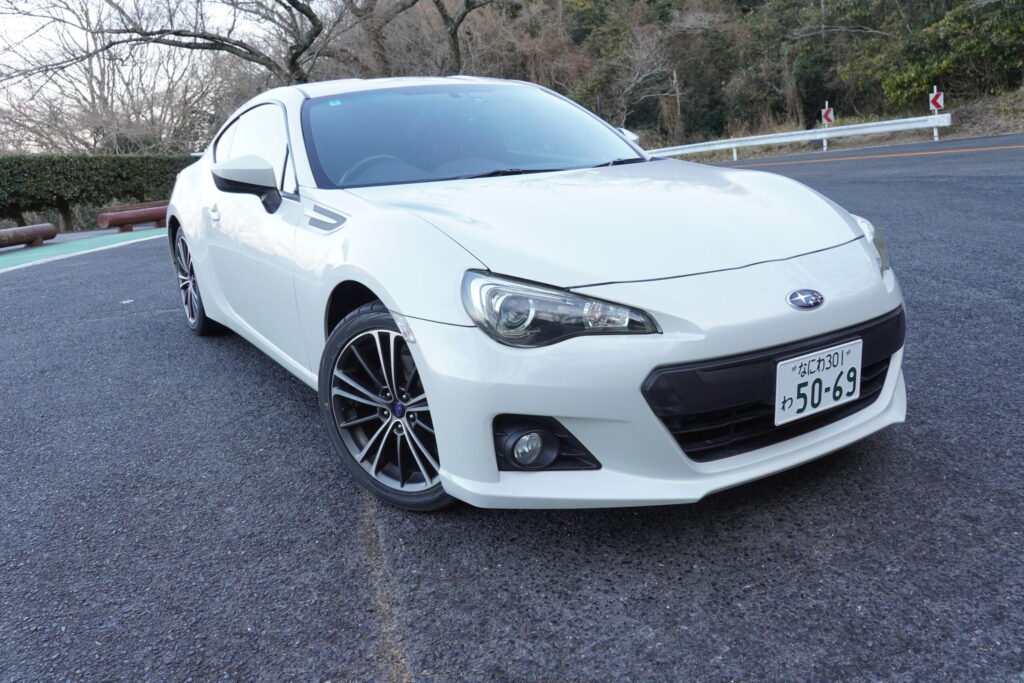
You have spent enough time behind the glass. You have spent enough time following the schedules dictated by others. The mountains of northern Osaka are waiting, and the coastline is calling. There is a version of Japan that you cannot find in a travel guidebook—a version that requires the roar of a flat-four engine, the sharp bite of a corner, and the independence of a steering wheel in your hands.
The machines at Omoren Osaka Chuo are not just cars; they are portals to that hidden Japan. They are meticulously maintained to ensure that when you find the perfect line through a mountain hairpin, the car responds with total clarity. Your journey into the heart of Osaka’s hinterlands begins when you turn the key. Don’t just visit Japan. Drive it. Visit us, secure your BRZ, and find the horizon that has been waiting for you all along.