
1. Mazda MX-5 Miata Driving Tour: Exploring NARA & MURou – The Philosophy of Driving in Japan
As a former conductor on the Kintetsu Railway line, I spent years watching Japan stream past through train windows. The steel rails of the Kansai network are marvels of civil engineering—punctual, hyper-efficient, and undeniably seamless. For millions of travelers, riding the express train from Osaka’s Namba Station straight into Nara Park or toward Yoshino is the ultimate way to experience the ancient heart of Japan. Yet, standing in the driver's cab, watching the rails narrow into the horizon, I always harbored a secret context: the train only takes you to where the crowd is supposed to go.
When you step off the platform and onto the asphalt, particularly behind the wheel of a pure, lightweight sports car like the Mazda MX-5 Miata (ND Roadster), the geometry of your Japanese journey changes entirely. Public transit binds you to rigid timetables, crowded platforms, and fixed corridors. You see the curated surface of Japan. But driving—specifically navigating the winding, mist-veiled passes of the Kii Peninsula—unlocks what I call "Secret Japan."
The Osaka plain gives way to steep, emerald-green ridges surprisingly fast. Within forty-five minutes of leaving the urban grid, you find yourself carving through mountain gaps that railways completely bypass. Cars grant access to the intimate, unscripted spaces: narrow agricultural tracks where cedar needle carpet meets damp tarmac, isolated moss-covered shrines tucked into river bends, and traditional mich-no-eki (roadside stations) serving wild boar curry and hot yuzu tea.
For the driver, Japan is a paradise of subterranean asphalt culture and untouched topography. The roads of Nara Prefecture, particularly the route leading into the deep, sacred valleys of Murou, were not designed for mass transit. They follow ancient pilgrimage trails, twisting alongside roaring mountain streams and cutting through dense, old-growth forests of Cryptomeria cedar. To experience this realm in a responsive, front-midships, rear-wheel-drive sports car like the Mazda ND Roadster is to engage in a visceral dialogue with the landscape. You do not merely observe the scenery; you feel every rise, camber, and elevation change through the telepathic steering and snick-snick precision of a manual gearshift.

2. Mazda MX-5 Miata Driving Tour: Exploring NARA & MURou – The 2-Day Itinerary: Deep Dive
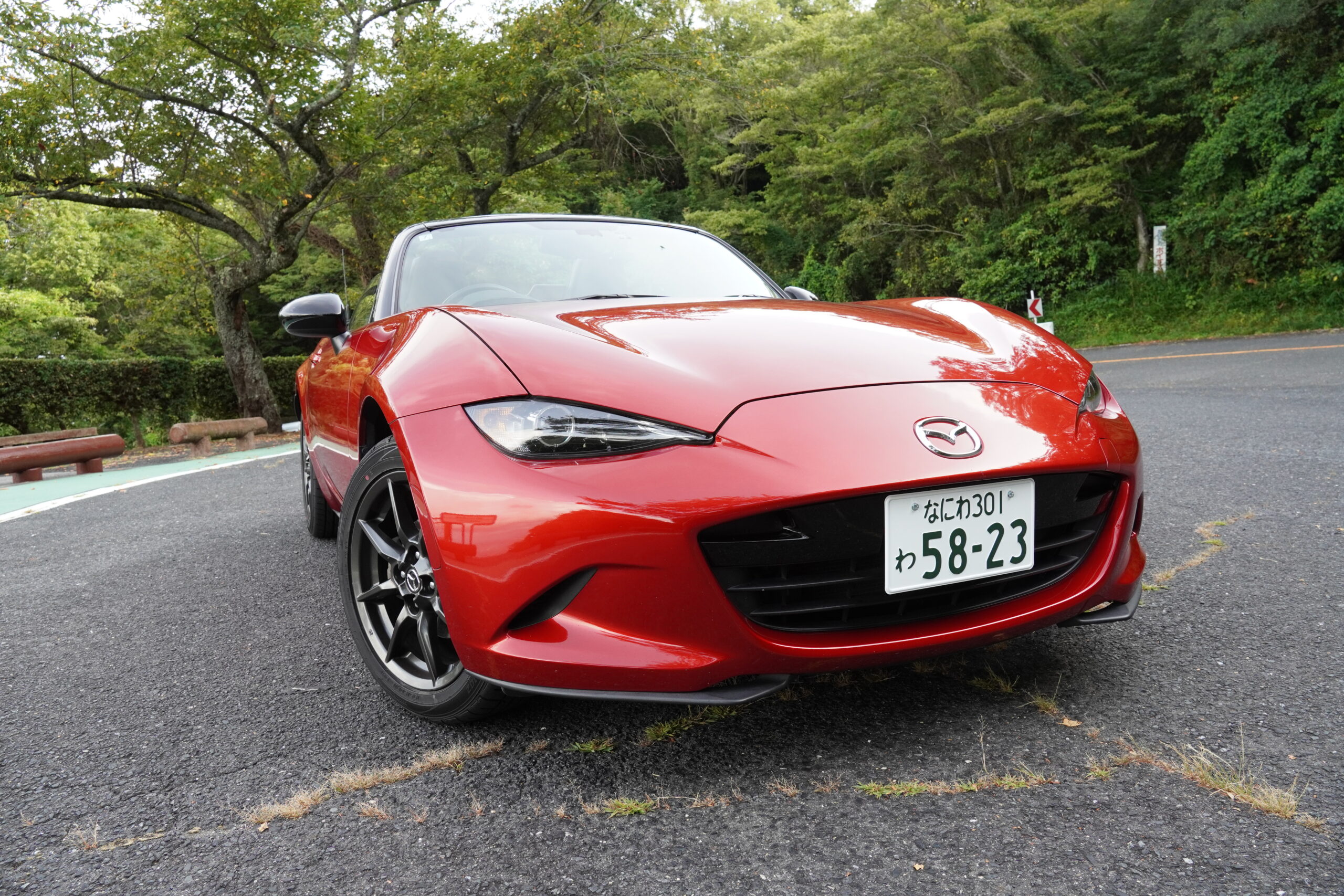
Day 1: The Transition from Osaka Concrete to Murou Mist
08:00 AM – Departure from Osaka Central
Your journey begins in the dense urban heart of Osaka. As you fire up the naturally aspirated engine of your Mazda MX-5 Miata, the dual exhaust yields a crisp, purposeful idle. Negotiating the multi-level ramps of the Hanshin Expressway, the city’s concrete canyons tower around you. Keep your speed steady, mirror checks sharp, and enjoy the urban maze before heading east toward the Naha-Nishimehan Expressway interchange.
09:15 AM – Crossing the Border: The Nishi-Meihan & Meihan National Highway
Leaving the city behind, the flat urban sprawl quickly transitions into rolling green hills as you enter Nara Prefecture. The Meihan National Highway (Route 25) is legendary among local drivers. Originally designed as a bypass, it behaves like an alpine autobahn. The standout section is the infamous Omega Curve—a sweeping, downhill hairpin bend near Tenri that demands precise chassis control. The MX-5 shines here: as you downshift to 3rd gear, blip the throttle, and tip the light nose into the apex, the car stays perfectly flat, hugging the asphalt with effortless poise.
10:30 AM – The Gateway Route: Prefectural Route 28 to Murou Valley
Exiting the main highway at Hari, you leave multi-lane pavement behind and dive onto Nara Prefectural Route 28. The air changes instantly. It grows cooler, rich with the scent of wet pine, ozone, and damp autumn earth. The road narrows into a classic Japanese mountain pass (touge). Leaf-littered ribbons of asphalt weave through towering groves of Yoshino cedar. Open the convertible soft top. The crisp morning breeze fills the cockpit while the mechanical raspy hum of the 2.0-liter SkyActiv engine echoes off stone retaining walls.
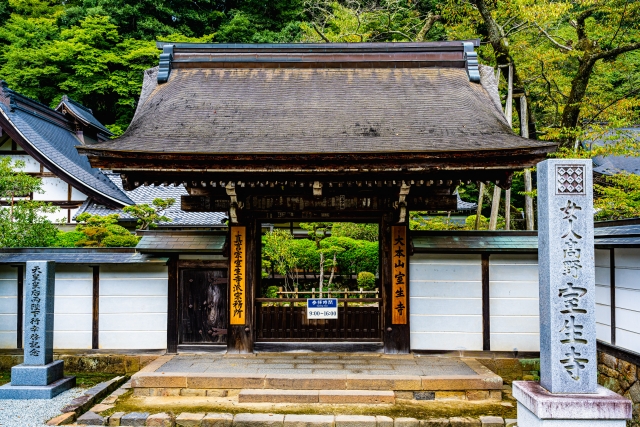
11:00 AM – Murou-ji Temple (室生寺): The Sanctuary of the Deep Woods
Arriving at Murou-ji, park your car in the small gravel lot by the Murou River. Founded in the late 8th century during the Nara period, Murou-ji stands in quiet, magnificent contrast to the grand, state-sponsored temples of Nara city. Historically known as "Nyonin Koya" (Koya-san for Women), it welcomed female pilgrims when the holy mountain of Koyasan was strictly forbidden to women.
Cross the vermilion Taikobashi bridge spanning the crystal-clear river. Walking up the wet, stone-paved steps under a canopy of fiery red maple leaves (momiji), you reach the Kondo (Main Hall) and Gojuno-to (Five-Story Pagoda). Standing as the smallest outdoor five-story pagoda in Japan, this architectural masterpiece sits deep inside a dark cedar forest, looking as though it grew naturally from the mountain soil. The humidity coats the wooden beams in a soft, antiqued patina, and the scent of burning cedar incense fills the damp air.
01:15 PM – Local Gastronomy: Sansai Ryori and Hand-Cut Soba
After exploring the temple grounds, walk across the river narrow strip to a traditional timber-framed eatery. Order a piping hot bowl of sansai soba (buckwheat noodles topped with wild mountain vegetables harvested from the surrounding slopes) accompanied by freshly made persimmon leaf sushi (kaki-no-ha zushi), a traditional Nara delicacy of salted mackerel or salmon wrapped tightly in cured persimmon leaves.
02:40 PM – The Murou Art Forest (室生山上公園 芸術の森)
A short 10-minute drive uphill brings you to the Murou Art Forest. Designed by Israeli sculptor Dani Karavan, this open-air museum harmonizes abstract, modern geometric installations with the natural contours of the mountain topology. Driving the MX-5 up the steep access roads allows you to test the engine's mid-range torque, smoothly climbing past terraced rice paddies that gleam like mirror glass in the afternoon light. Park and stroll through the silent park where wind, water, and rustling forest leaves create a meditative ambient soundtrack.
04:30 PM – Sunset Ridge Drive: The Yamanobe-no-Michi Backroads
As the autumn sun drops toward the horizon, head south-west along Route 169 toward the Ryumon Mountain Range. The twilight sky bleeds deep violet, amber, and crimson through the treeline. The MX-5's headlights cut through the descending mountain mist, illuminating mossy stone walls and quiet hamlets.
06:30 PM – Check-in: Traditional Onsen Ryokan in Ryuzin/Yoshino Outskirts
End your first day at a secluded ryokan tucked beside a mountain torrent. After parking the sports car, step into a natural open-air thermal bath (rotenburo). Soak your driving-weary muscles in steam-rich, mineral-laden volcanic water while listening to the dark river churn below. Conclude the night with a lavish multi-course kaiseki dinner featuring local Yamato beef, char-grilled river trout, and autumn chestnut rice.

Day 2: The Sacred Ring – Yoshino, Asuka, and the Return Pass
07:30 AM – Dawn Engines & Cold Mountain Air
Start early. Morning is the golden hour for Japanese driving enthusiast culture. Wipe the cold dew off the MX-5's aluminum hood, start the engine, and feel the gentle thrum of the drivetrain warming up in the crisp mountain chill.
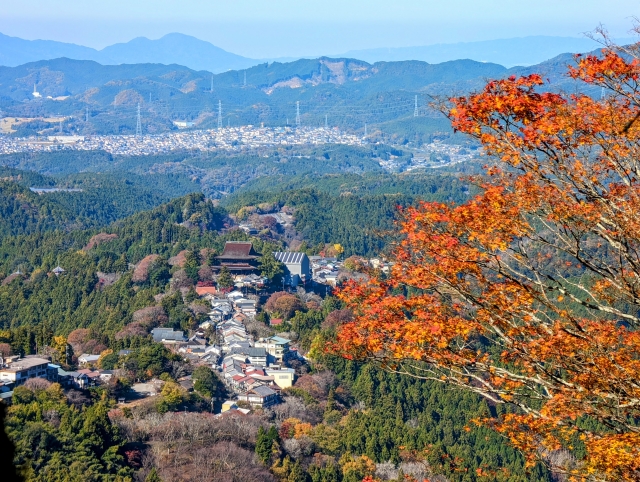
08:30 AM – The Ascent to Mount Yoshino (吉野山)
While Mount Yoshino is world-famous for spring cherry blossoms, its autumn foliage is equally staggering, offering a much more tranquil driving environment. Route 15 winding up the mountain features smooth asphalt, tight switchbacks, and wide visibility arcs.
The MX-5 thrives in this environment. Weighing around 1,000 kg, the car responds instantly to tiny steering inputs. You flick the wheel left, tap the brake pedal to shift weight onto the front tires, and feel the rear chassis track round with complete predictability. At the Kinpusen-ji Temple, gaze up at the massive Zao-do hall, a towering timber structure housing three 7-meter-tall blue-skinned deity statues.
11:30 AM – Descending to the Cradle of Japan: Asuka Valley
Descend from the high mountains into the gentle, ancient agricultural bowl of Asuka. This region served as the birthplace of the unified Japanese state in the 6th and 7th centuries.
Drive along narrow farming lanes winding between terraced rice fields, ancient stone monoliths, and giant burial mounds (kofun). Stop by the Ishibutai Kofun, a colossal stone tomb constructed from 30 megatons of granite boulders, sitting exposed under the autumn sky. The contrast between the sleek, modern curves of your JDM sports car and these prehistoric stone monuments highlights the fascinating layers of time in Japan.
01:30 PM – Countryside Lunch: Asuka Nabe
Enjoy a late lunch in a converted 150-year-old farm dwelling. Try Asuka Nabe, a historic hot-pot dish made with milk, chicken broth, local vegetables, and wild mushrooms—a rich, comforting meal crafted centuries ago by monks from mainland Asia.
03:00 PM – The Return Pass: Katsuragi Drive
To complete the circuit back toward Osaka, avoid the dull highway grids and take the Katsuragi Mountain Route. This tight, technical road ribbons along the border between Nara and Osaka Prefectures. As you tackle a rhythm of tight hairpin curves and steep crests, the Mazda ND Roadster showcases its legendary balance. The chassis bends effortlessly into corners, providing continuous feedback through your seat and hands.
05:30 PM – Returning to the Osaka Skyline
As night falls, the tranquil forest backdrop gives way to neon urban highways. Descending the mountain pass into the glowing cityscape of Osaka offers an unforgettable visual transition—moving from centuries-old mystical valleys directly into a futuristic metropolis.
3. Mazda MX-5 Miata Driving Tour: Exploring NARA & MURou – Expert Advice & Cultural Nuances
The Magic of Michi-no-Eki (Roadside Stations)
To drive in Japan without stopping at Michi-no-Eki is to miss out on one of the country's finest culinary and cultural phenomena. These state-sanctioned rest stops are far more than gas stations and parking lots; they are hyper-local showcases of regional culture and produce.
In the Nara and Murou regions, rest stops like Michi-no-Eki Hari TSU-TSU-JI double as legendary gathering points for automotive and motorcycle enthusiasts. On any crisp weekend morning, you will find clean custom sports cars parked side-by-side: tuned JDM icons, vintage classics, and lightweight roadsters. Inside the main hall, local farmers sell freshly harvested wild mountain greens (sansai), handmade roasted green tea (hojicha), and fresh rice cakes (daifuku).
Navigating Narrow Passes (Koku-do vs. Kiku-do)
In Japan’s mountainous terrain, some national highways are humorously dubbed Koku-do (酷道, "cruel roads") due to their extreme narrowness. These routes often shrink down to a single lane carved between a sheer cliff face and a unprotected river drop-off.
When driving a lightweight, compact vehicle like the MX-5, navigating these roads is a joy rather than a stress point. However, always exercise key driving etiquette:
Blind Corners: Watch for convex mirrors mounted on utility poles. If you see headlights or motion reflected in the mirror, pull into a small passing space (mikiri) and wait for the oncoming vehicle to clear.
Yielding: By unwritten rule, the car traveling uphill generally has the right of way, though common sense and courtesy should always prevail.
Honking: A quick, polite double-tap of the horn when navigating blind, single-lane turns cut into rock faces is standard safety practice.
4. Mazda MX-5 Miata Driving Tour: Exploring NARA & MURou – Detailed Logistics & Pre-Trip Tips
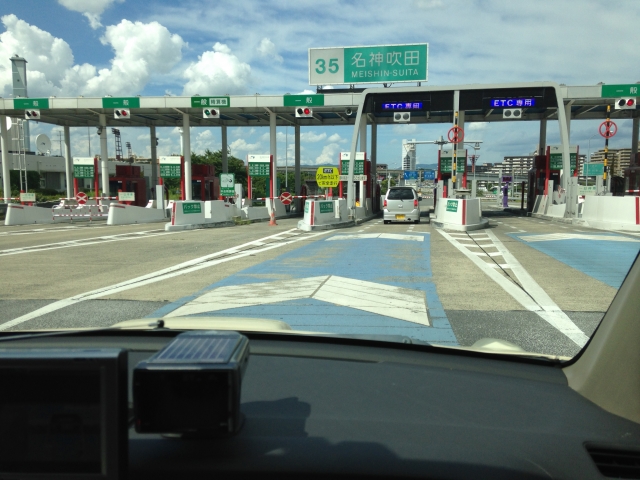
Navigating Japanese roads requires an understanding of the local transit infrastructure.
The ETC Card System
Japan’s expressways operate on a toll system. While cash lanes exist, they are increasingly rare and cause unnecessary friction at highway exits. An ETC (Electronic Toll Collection) Card inserted into the reader built into your rental vehicle allows you to pass through automated toll gates at 20 km/h without stopping. Toll fees accumulate electronically and are settled upon returning your car.
Fueling Up: The Japanese Gas Station Experience
Gas stations in Japan are classified as either Self (セルフ) or Full Service (フル).
At a full-service station, attendants direct your parking, wash your windshield, and take your trash. Use these fundamental phrases:
"Regular" (レギュラー - Regurā): Standard unleaded fuel (Red nozzle).
"High-Octane" (ハイオク - Hai-oku): Premium high-octane fuel (Yellow nozzle—Required for performance engines like the MX-5 and Mazda RX-8).
"Mantan" (満タン): "Fill it up, please."
"Kashikoma-mashita": "Understood."
The Joy of Manual JDM Performance
Driving a classic 6-speed manual Mazda MX-5 Miata on real Japanese touge roads is a sensory masterclass. The pedal placement facilitates seamless heel-and-toe downshifting. The lightweight clutch pedal offers clear engagement feedback, and the front-midship engine placement ensures neutral 50:50 weight distribution through long corners. You feel connected directly to the mechanical heart of Japan's automotive golden age.
5. Mazda MX-5 Miata Driving Tour: Exploring NARA & MURou – Comprehensive FAQ
Q1: What international documentation is required to drive in Japan?
To legally drive a motor vehicle in Japan, you must present three physical documents at the time of rental:
Your valid Original Domestic Driver's License from your home country.
An International Driving Permit (IDP) issued under the 1949 Geneva Convention.
Your physical Passport.
Important Note: IDPs issued under the 1968 Vienna Convention or other treaties are strictly not valid in Japan. Visitors holding licenses from specific countries (such as Switzerland, Germany, France, Taiwan, Belgium, and Monaco) must provide an official Japanese translation of their native license provided by JAF (Japan Automobile Federation) instead of an IDP.
For detailed, step-by-step guidance on licensing requirements, please consult the official license guidelines provided on our rental portal.
Q2: Is driving a manual transmission (MT) car on Japanese mountain roads difficult?
While Japanese mountain passes feature steep inclines and tight turns, Japanese drivers are famously courteous, and roads are exceptionally well-maintained. The Mazda MX-5 features an intuitive clutch feel and Hill Launch Assist, making manual operation smooth even on steep slopes.
Q3: How are road conditions in Nara and Murou during Autumn?
Autumn (October to December) offers ideal driving conditions: crisp air, clear skies, and dry roads. Higher mountain elevations can drop in temperature quickly by late afternoon, so keep an extra warm layer in the trunk. Snow is rare in early to mid-autumn, but always stay updated on local mountain weather forecasts.
6. Mazda MX-5 Miata Driving Tour: Exploring NARA & MURou – The Final Thoughts: Take the Wheel
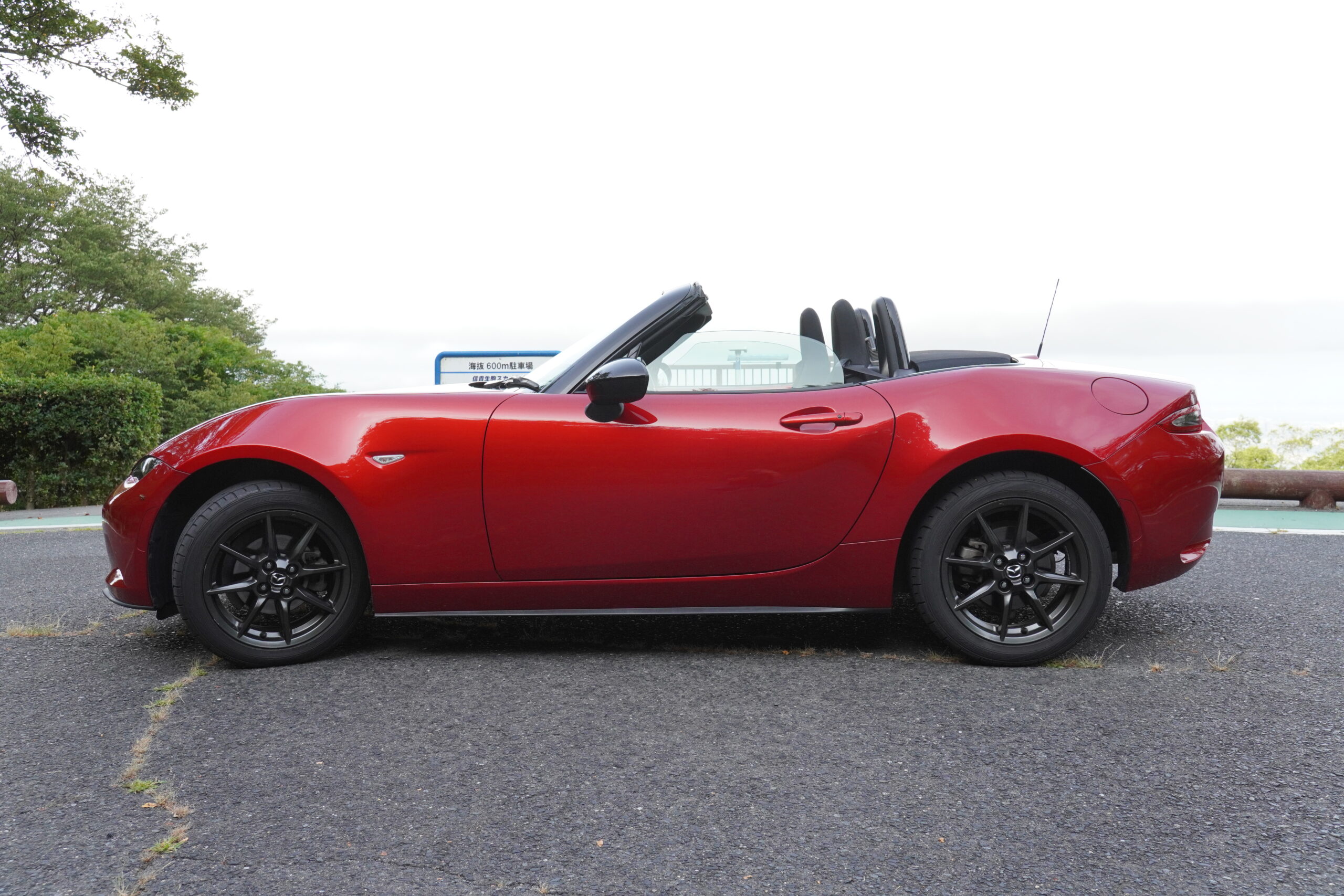
The legendary roads of Nara and the sacred, mist-veiled forests of Murou are waiting. You can choose to join the standard tourist crowds on public train lines, looking out at the scenery from a distance. Or you can take control of your own journey, fire up a high-revving sports engine, feel the feedback of real JDM steering in your hands, and forge your own adventure into Secret Japan.
Your perfect road trip starts the moment you turn the key. At Omoshiro Rent-a-Car Osaka Central, we maintain a curated fleet of pure, enthusiast-grade sports cars—including tuned Mazda MX-5 Miatas (ND), Toyota 86s, and Subaru BRZs—serviced meticulously for the ultimate driving tour.
Don't just visit Japan. Drive it.
[Reserve Your JDM Sports Car at Omoshiro Rent-a-Car Osaka Central Today]