
86 in Wakayama Cada-The Philosophy of Driving in Japan
As a former conductor on the Kintetsu Railway, I spent years navigating the fixed steel rails of Kansai’s rail network. I watched passengers press their faces against train windows as vibrant landscapes flashed by at speed. Rail transit in Japan is an engineering masterpiece—punctual to the second, impeccably clean, and remarkably efficient. However, steel rails follow pre-ordained paths. They bypass the solitary coastal hairpin turn, the secluded mountain passes, and those tiny coastal fishing villages tucked away behind rugged bluffs.
To truly experience Japan, you must step off the platform and get behind the wheel. Moving from the conductor's booth to the driver’s seat opens up what I call "Secret Japan." This isn't the hyper-touristic routine of hopping from major station to major station. It is the raw freedom of stopping at an unmapped coastal lookout when the afternoon sunlight hits the Pacific Ocean, or taking an extra loop around a mountain twisty simply because the road beckons.
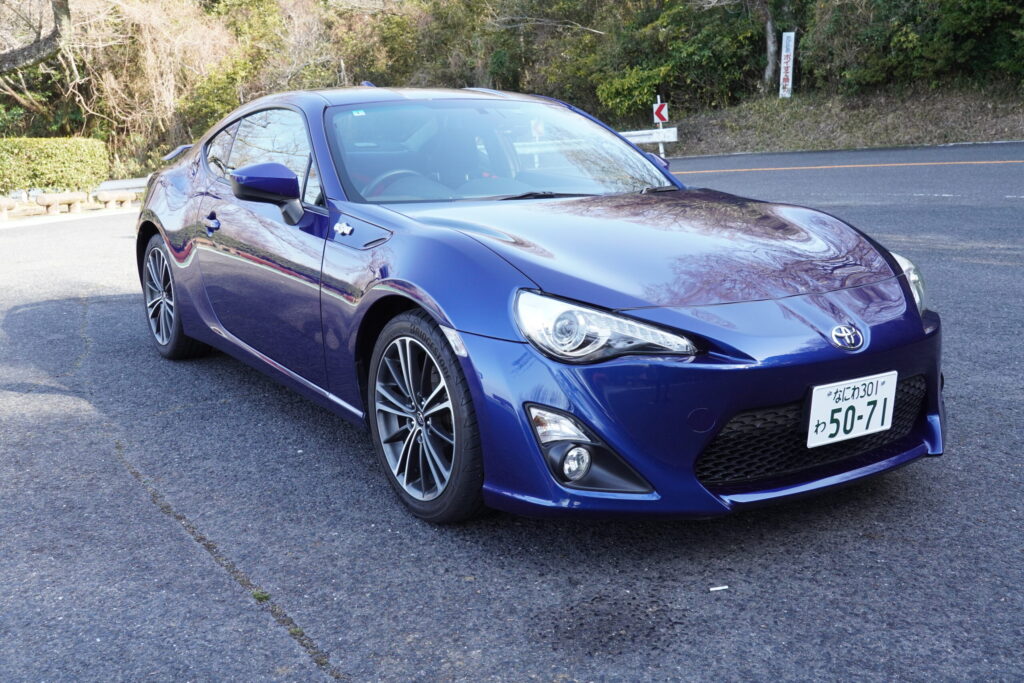
Starting a road trip from Osaka transforms the urban sprawl of Kansai into an gateway for automotive exploration. While central Osaka is a vibrant grid of neon and elevated expressways, escaping south toward Wakayama via a lightweight, front-engine, rear-wheel-drive sports car—specifically the analog, atmospheric Toyota 86 or Subaru BRZ—redefines your journey.
Public transportation delivers you to destinations; a driver’s car connects you directly to the topography. In an 86, every minor rise in elevation, subtle camber change on a asphalt curve, and shift in coastal road surface communicates directly through a communicative steering rack and three responsive pedals. Behind the wheel, you don't merely observe the landscape—you actively pilot your way through it.

86 in Wakayama Cada-The 2-Day Itinerary: Deep Dive
Day 1: City Grid to Coastal Freedom
09:00 AM – Departure from Central Osaka
Your journey begins in the heart of Osaka. As you fire up the naturally aspirated boxer engine of your Toyota 86, the tachometer needle sweeps past the gauge face before settling into a steady idle. Snapping the short-throw shifter into first gear, you navigate the urban traffic of Namba and Midosuji. The firm suspension setup immediately translates the city pavement texture straight into the bucket seat. You smoothly merge onto the Hanshin Expressway Route 15 (Sakai Route), heading south toward Hanshin Expressway Route 4 (湾岸線 - Wangan Line).
10:00 AM – Cruising the Wangan Expressway (Osaka Bay Coastline)
As the dense skyline of downtown Osaka fades in your rearview mirror, the wide lanes of the Wangan Expressway open up across the industrial shoreline of Osaka Bay. The 2.0L or 2.4L boxer engine hums rhythmically at highway speeds. Sweeping over massive cable-stayed bridges such as the Minato Bridge, you catch wide vistas of cargo ships gliding across blue waters. The balanced chassis of the 86 remains rock-solid against ocean crosswinds. The asphalt stretches onward through Sakai and Izumiotsu, offering clear views of the distant, mist-cloaked mountains of Wakayama rising ahead.
11:30 AM – Crossing into Wakayama Prefecture & Highway Route 26
Leaving the elevated Wangan line, transition onto the Hannan-Sennan turnpike and cross the prefectural border via National Route 26. The straight highway gives way to gentle hills and pine-forested terrain. Shift down into 4th gear to keep the engine right in its powerband; the throttle response is instantaneous. The air changes dramatically—the urban scent of asphalt and exhaust disappears, replaced by the salty tang of ocean air mixed with forest cedar.
Osaka (City Center)
   │
   ▼ (Hanshin Expressway Wangan Line)
Sakai & Izumiotsu Coastline
   │
   ▼ (National Route 26 South)
Wakayama Border
   │
   ▼ (Prefectural Route 75 / Coastal Pass)
Cada Coast (Kada, Wakayama City)
12:45 PM – Arrival in Cada (Kada Port) & Seafood Lunch
Steering the 86 down Prefectural Route 75 toward the coast, you descend into Cada (加太 - Kada), a quiet, historic fishing town situated at the western tip of the Kii Peninsula facing the Kitan Strait. Park near the harbor where local fishing trawlers bob against concrete piers.
Walk to a local harbor eatery to sample Kada’s famous seafood. Order a bowl of Shirasu-don (fresh baby sardines served over warm rice with grated ginger and soy sauce) alongside freshly grilled Sazae (turban shell sea snails cooked over charcoal in their own juices). The delicate sweetness of the fish paired with the smoky, briny aroma of grilled shellfish offers an authentic taste of local coastal culinary traditions.
+-------------------------------------------------------------------+
|               KADA LOCAL SEAFOOD SPECIALTIES                      |
+-------------------------------------------------------------------+
|  • Fresh Shirasu-don (Raw or boiled sea-sardine rice bowl)        |
|  • Charcoal-Grilled Sazae (Turban shell snails with dashi/soy)    |
|  • Sea Bream (Tai) Sashimi & Salt-crusted Bake                    |
+-------------------------------------------------------------------+
02:15 PM – Exploring Awashima Shrine (淡嶋神社)
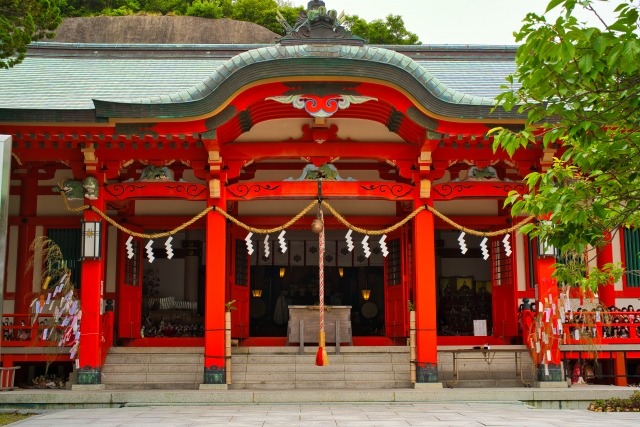
A short walk along the coastal seawall brings you to Awashima Shrine. Steeped in centuries of regional history, this shrine is famous throughout Japan for housing thousands of traditional Hina dolls and figurines donated from across the nation. Walking through the shrine grounds, rows of painted wooden and porcelain figures gaze quietly beneath vermilion gates. Historically a sanctuary where women prayed for health and safe childbirth, Awashima Shrine possesses a calm atmosphere unique to coastal spiritual sites.
03:30 PM – Driving the Miyama Battery Ruins (深山砲台跡) & Coastal Headlands
Return to the low-slung cabin of your 86, depress the light clutch pedal, and click the shifter into gear. Head up the steep, twisting access road leading to the Miyama Battery Ruins (Miyama Hotai-ato). This road features tight hairpins and climbing apexes carved directly into the seaside hills.
In a low-center-of-gravity rear-wheel-drive sports car, this winding climb is an absolute joy. The mechanical limited-slip differential smoothly puts down traction as you power out of second-gear corners. At the top of the hill sit red-brick military ruins built during the Meiji period to defend Osaka Bay. Mossy archways and quiet stone tunnels merge seamlessly with lush vegetation, providing panoramic views across the Kitan Strait toward Tomogashima Island and Awaji Island.
05:15 PM – The Prime Event: Sunset Drive along Route 28 (Cada Coastal Highway)
As the sun drops toward the horizon, descend back to the Cada coastal road (Route 28). This stretches along coastal rock formations and seawalls. Drop your window an inch or two to let the cool ocean wind fill the cabin, mixing with the mechanical roar of the intake when you step on the gas.
The sky transforms through shades of amber, burnt orange, and deep violet. The horizon lights up as the setting sun casts a long, golden glare across the calm waters of the ocean. Pull into a coastal turnout, step out of the car, and listen to the metallic cooling ticks of your hot exhaust mixing with the steady rhythm of breaking waves. Watching the sunset backlight the silhouette of your sports car against the backdrop of the Pacific Ocean is a quintessential Japanese road trip memory.
07:00 PM – Check-in at a Kada Onsen Ryokan & Sea Bream Dinner
Check into a coastal Ryokan (traditional Japanese inn) along the Cada coast. Slide open the shoji screens of your tatami room to reveal night views over the dark waters. Unwind in an open-air natural hot spring bath (Rotenburo) perched over the rocky shoreline, listening to the rhythmic ocean spray.
For dinner, enjoy a traditional multi-course Kaiseki featuring Kada’s famous Tai (red sea bream). Served as translucent sashimi, simmered Ara-ni in sweet soy reduction, and steamed in sea salt, the local red sea bream is prized for its firm texture and deep flavor.

Day 2: Winding Mountain Passes and Historical Coastal Roads
08:30 AM – Morning Coastal Warm-up
Wake early to the scent of salt air and a traditional breakfast of grilled horse mackerel, miso soup, and fresh rice. Fire up the 86 while the morning fog still hovers over the harbor. The quiet, cool ocean morning offers optimal air intake density, making the boxer engine feel crisp and eager.
09:30 AM – The Pass to Saikazaki (雑賀崎) – The Amalfi of Japan
Drive south from Cada toward Wakayama City, bypassing downtown in favor of the coastal route leading toward the Saikazaki Peninsula. The road winds along sheer seaside cliffs, requiring precise steering inputs and smooth heel-toe downshifts from 3rd to 2nd gear.
Saikazaki is a cliffside fishing village where colorful houses cascade down steep hillsides directly into a quiet harbor, earning it the nickname "The Amalfi of Japan." Drive up to the Saikazaki Lighthouse lookout point to enjoy sweeping 270-degree views of the ocean coastline.
                    [ Saikazaki Lighthouse Lookout ]
                                   │
      ▲ (Winding Coastal Cliff Pass - Smooth 3rd -> 2nd Gear Downshifts)
      │
[ Saikazaki Fishing Village ] ── (Terraced cliffside homes over harbor)
11:30 AM – Wakayama Castle & Historical Promenade
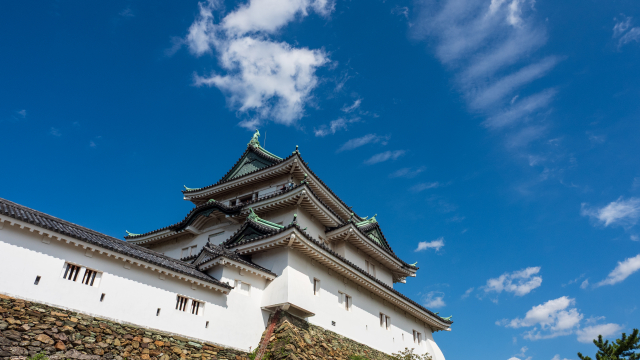
Head inland for twenty minutes to explore Wakayama Castle (和歌山城). Built atop Mount Torafusu in 1585 by Tokugawa Ieyasu’s feudal lords, this impressive castle features white walls and stone ramparts surrounded by dense greenery. Park in the public lot near the Okaguchimon Gate and walk up the stone pathways to the main keep (Tenshu). From the top observation deck, you can look out across the entire urban valley and trace the route you took along the sea.
01:00 PM – Authentic Wakayama Ramen (Ide Shoten Style)
No automotive tour of Wakayama is complete without sampling its world-famous ramen style, locally known as Chuta-kei or Inohachi. Drive to a classic local ramen spot to order a bowl of Tonkotsu-Shoyu Ramen. The soup features a rich, dark broth made by simmering pork bones for hours before seasoning it with aged local soy sauce. Served with thin, straight noodles, tender Chashu pork, and a slice of fishcake (Narutomaki), it delivers a deep savory punch. Pair it with a Hayazushi (a small, pickled mackerel sushi wrapped in a bamboo leaf), which sits on the table as a traditional side accompaniment.
02:30 PM – Kimiidera Temple (紀三井寺)
Drive south to Kimiidera, an ancient temple founded in 770 AD on the slopes of Mount Nagosani. Climb the 231 steep stone steps (known as the Danjobaza) to reach the main hall. The exertion is rewarded with sweeping views of Wakanoura Bay. The temple grounds house three natural freshwater springs that have flowed continuously for over a millennium.
+-------------------------------------------------------------------+
|                     DAY 2 ITINERARY SUMMARY                       |
+-------------------------------------------------------------------+
| Time     | Destination             | Highlight                    |
|----------|-------------------------|------------------------------|
| 09:30 AM | Saikazaki Coastal Pass  | Cliffside driving & views    |
| 11:30 AM | Wakayama Castle         | Historic architecture        |
| 01:00 PM | Local Ramen Diner       | Tonkotsu-Shoyu & Hayazushi   |
| 02:30 PM | Kimiidera Temple        | Mountain vista & ancient halls|
| 04:30 PM | Mount Ishizuchi / Pass  | Technical winding drive      |
| 06:30 PM | Return Highway to Osaka | Sunset highway cruise        |
+-------------------------------------------------------------------+
04:30 PM – Winding Highway: The Drive Back via Mount Katsuragi Passes
Instead of taking the direct highway back, branch onto the winding rural passes connecting Wakayama back to southern Osaka via the Katsuragi mountain range. Roads like Route 480 feature elevation changes, tight curves, and dense cedar canopy covers.
Here, the lightweight chassis, balanced weight distribution, and tactile feedback of the 86 shine brightest. Brake late before entry, trace a clean line through the apex, and power out as the analog tachometer sweeps toward redline. This dynamic driving feedback is something a commuter train or tour bus simply cannot offer.
06:30 PM – Sunset Return to Osaka
As twilight falls, re-enter the Hanshin Expressway network bound for central Osaka. The city skyline lights up in brilliant neon hues against the dark evening sky, welcoming you back after two full days of coastal road exploration.
86 in Wakayama Cada-Expert Advice & Cultural Nuances
Driving through suburban and coastal Japan offers an incredible cultural experience, provided you understand the subtle nuances of the road.
The Magic of Michi-no-Eki (道の駅)
Japan’s road trip culture relies on "Michi-no-Eki" (Government-designated Roadside Stations). Far more than standard highway service areas with gas stations, these community hubs highlight local regional identity.
When driving through Wakayama, stop at local roadside stations like Michi-no-Eki Deep-Miyama or Michi-no-Eki Yura. Here, local farmers bring in fresh produce every morning. You'll find seasonal harvests including sweet Kishu Mikan oranges, artisanal Umeboshi (pickled plums), local craft soy sauces, and fresh soft-serve ice cream made with regional milk. Michi-no-Eki stations also feature clean, free public restrooms, parking facilities, and detailed regional driving maps.
+-------------------------------------------------------------------+
|               WHY MICHI-NO-EKI ARE ESSENTIAL                      |
+-------------------------------------------------------------------+
| 1. Regional Delicacies: Farm-fresh Kishu Mikan, Umeboshi, Gelato   |
| 2. Driving Rest Points: Clean facilities & spacious parking slots |
| 3. Local Navigation: Detailed physical road maps & guides         |
+-------------------------------------------------------------------+
Driving Etiquette and Road Safety
Japanese road culture is built on mutual respect and courtesy:
Hazard Light Gratitude: When another driver lets you merge into a tight traffic lane, flash your hazard lights twice. This simple action—known locally as the "thank you hazards" (Sanki Hazado)—is a fundamental piece of driving etiquette.
Narrow Pass Yielding: Rural coastal passes around Cada often feature narrow one-lane stretches (離合 - Rigō spots). If an oncoming vehicle approaches, pull into the nearest wide turnout on your side to let them pass, accompanied by a polite nod or slight hand wave.
Speed Limits and Speed Traps: Speed limits on rural roads in Japan are generally set at 40–50 km/h, and 80–100 km/h on expressways. Be mindful of speed cameras (Orbis) mounted on elevated highway structures, as well as unmarked police patrol cars (覆面パトカー - Fukumen Patokā).
86 in Wakayama Cada-Detailed Logistics & Pre-Trip Tips
Navigating Japanese roads requires a clear understanding of practical driving logistics.
+-------------------------------------------------------------------+
|                     JAPAN DRIVING LOGISTICS CHECKLIST             |
+-------------------------------------------------------------------+
|  [ ] ETC Card installed in unit for seamless toll booth passes    |
|  [ ] Knowledge of Full-Service Fuel Vocabulary ("Mantan", etc.)    |
|  [ ] Understanding of White-Line Parking & Reverse Parking Culture|
|  [ ] Manual Transmission (MT) Familiarity for JDM Sports Cars     |
+-------------------------------------------------------------------+
The ETC Card System
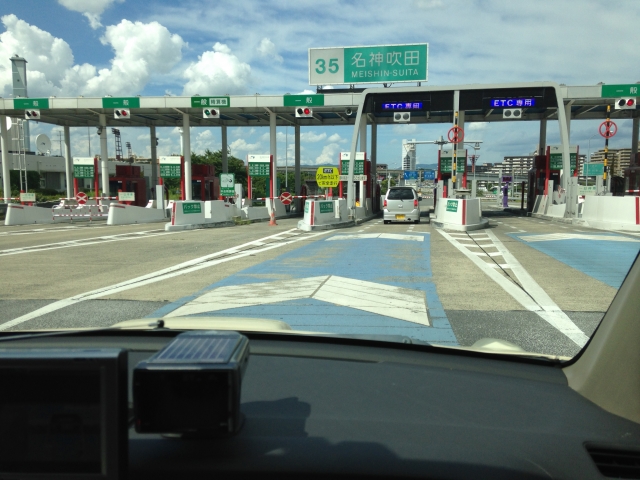
Toll roads in Japan are ubiquitous and highly automated. Expressways like the Hanshin Expressway and the Hanwa Expressway rely heavily on the ETC (Electronic Toll Collection) system.
When picking up your rental vehicle, ensure you rent an ETC card to insert into the car's built-in reader unit. When approaching toll plazas, drive through the lanes clearly marked in purple with "ETC 専用" at speeds under 20 km/h. The toll gate bar will automatically lift, logging your route. This saves significant time and allows you to avoid stopping to pay cash at manual toll booths.
Fueling Up at Japanese Gas Stations
Gas stations (Gasorin Stand-do) operate as either Self-Service ("セルフ - Serufu") or Full-Service.
If you stop at a Full-Service station, an attendant will guide you to a pump with vocal hand signals. Lower your window and communicate using these simple phrases:
"High-Octane, Mantan, Kede-to" (Premium Unleaded, Full Tank, Payment by Credit Card).
"Regular, Mantan, Cash-u" (Regular Unleaded, Full Tank, Cash).
Note: Sports cars like the Toyota 86 / Subaru BRZ require High-Octane fuel (ハイオク - Hai-oku) to maintain optimal performance and prevent engine knocking.
The attendants will often wash your windshield, hand you a damp cloth to clean your dashboard, and guide you back into traffic as you depart.
+-------------------------------------------------------------------+
|                   JAPANESE GAS STATION VOCABULARY                 |
+-------------------------------------------------------------------+
|  • "Mantan" (満タン)              = Full Tank                      |
|  • "Hai-oku" (ハイオク)           = Premium High-Octane Fuel       |
|  • "Regular" (レギュラー)          = Standard Unleaded Fuel         |
|  • "Kādo de" (カードで)           = Payment by Credit Card         |
+-------------------------------------------------------------------+
Parking Norms
In Japan, reverse parking (backing into parking spaces) is standard practice. It improves safety when pulling out into traffic or tight pedestrian zones. Always align your vehicle cleanly between the white lines, fold in your side mirrors when parked in narrow areas, and ensure you park strictly within designated spaces. Street parking without explicit signage or parking meters is strictly prohibited across Japan.
Driving a Manual (MT) JDM Sports Car
Driving a lightweight sports car equipped with a 6-speed manual transmission across winding coastal roads offers an unmatched sense of connection. Matching revs on downshifts, feeling the clutch friction point, and controlling engine braking through descending turns brings a rewarding level of driver engagement.
86 in Wakayama Cada-Comprehensive FAQ
Q1: What valid driver's documents do I need to rent and drive a car in Japan?
To drive legally in Japan, you must present an International Driving Permit (IDP) issued under the 1949 Geneva Convention, alongside your original valid domestic driver’s license and your physical passport showing your official Japan entry stamp.
Important Note: Permits issued under the 1968 Vienna Convention are not accepted in Japan. Drivers holding licenses from specific countries (such as Switzerland, Germany, France, Belgium, Monaco, and Taiwan) can drive using their home license paired with an official Japanese translation authorized by JAF (Japan Automobile Federation) or their respective embassies. Always ensure you carry all original physical documents with you at all times—digital copies or photos are not recognized by authorities.
Q2: Is driving a manual transmission (MT) car difficult on Japanese roads?
Driving an MT sports car in Japan is remarkably straightforward once you clear the busy urban streets. Main expressways and rural mountain passes feature well-maintained asphalt surfaces and clear signage. Remember that traffic in Japan drives on the left side of the road, meaning the driver’s seat is on the right, and you will operate the gear shifter with your left hand.
Q3: How are road conditions during winter along the Cada coast?
Unlike the mountainous regions of Nagano or Hokkaido, the coastal Cada area in Wakayama benefits from a mild ocean climate. Snowfall along the coast is extremely rare, making the drive enjoyable year-round. However, if you plan to venture deep into high-altitude mountain passes during mid-winter (December through February), keep an eye out for potential morning black ice in shaded mountain corners.
86 in Wakayama Cada-The Final Thoughts
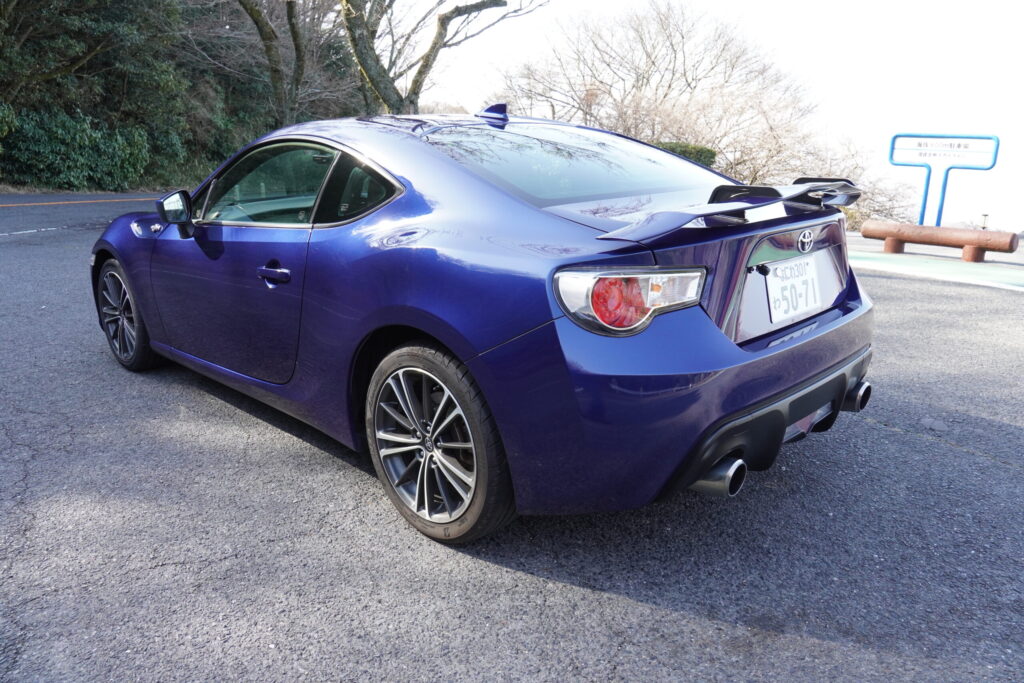
The coastal highways, quiet seaside vistas, and winding turns of Wakayama are waiting for you. Bypassing the crowd-heavy tourist corridors to navigate the beauty of the Kii Peninsula behind the wheel of an authentic sports car offers an unforgettable driving experience.
+-------------------------------------------------------------------+
|               YOUR JDM DRIVING ADVENTURE AWAITS                   |
+-------------------------------------------------------------------+
|  Vehicle: Toyota 86 / Subaru BRZ (Pure Analog Sports Cars)        |
|  Location: Osaka Central Pick-up                                  |
|  Destination: The Winding Coastal Roads of Cada, Wakayama         |
+-------------------------------------------------------------------+
Ready to turn this ultimate driving itinerary into reality? Head over to Omoshiro Rent-a-Car Osaka Chuo (おもしろレンタカー大阪中央店). Conveniently located in central Osaka, they offer an incredible lineup of iconic Japanese sports cars—including pure, manual-transmission Toyota 86 and Subaru BRZ models maintained to perfection. Reserve your dream JDM machine today, turn the key, and set out to discover the true "Secret Japan" on the open road.