
1. Lake Biwa - The Philosophy of Driving in Japan
As a former conductor for the Kintetsu Railway, I spent years of my life watching Japan pass by through the rectangular frames of train windows. I knew every station, every chime, and the precise rhythm of the rails. Trains are the arteries of Japan, efficient and predictable, but they are also confining. They take you to the destination, but they steal the journey.
When I traded my conductor’s cap for the steering wheel of a JDM sports car, my perspective on Japan shattered and reformed. To see Japan from the cockpit of a car—specifically a balanced, rear-wheel-drive machine like the Subaru BRZ—is to reclaim your agency. You are no longer a passenger of the infrastructure; you are the navigator of the landscape.
Nowhere is this contrast more profound than in Shiga Prefecture, home to Lake Biwa. While the train lines hug the coast, the true soul of Shiga hides in the winding mountain passes of the Hira and Ibuki ranges, the remote lakeside hamlets where the sunlight hits the water differently, and the silent, mist-covered shrines that no train platform can touch.
"Secret Japan" isn't a place; it is a pace. It is the ability to pull over when you see a sudden explosion of cherry blossoms, or to deviate from your GPS because a narrow, tree-lined path looks like it leads to a forgotten era. In a BRZ, the road becomes a conversation between you and the asphalt. As you navigate the technical corners surrounding the lake, you feel the mechanical precision of the engine—the intake roar, the tactile feedback of the gearbox—making you an extension of the machine. This is not just commuting; this is kinetic meditation. To visit Shiga by train is to visit a postcard. To visit Shiga by car is to live the story.

2. Lake Biwa - The 2-Day Itinerary: Deep Dive
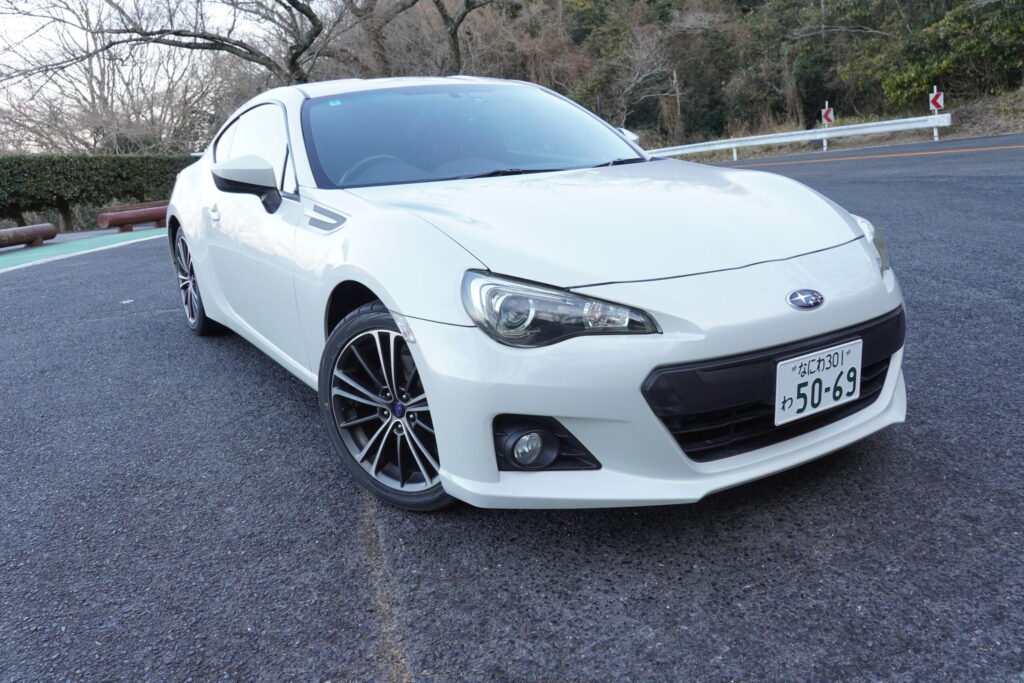
Day 1: The Ascent and the Horizon
08:00 – The Departure from Osaka The morning air in Osaka is thick with the promise of asphalt. You are behind the wheel of a Subaru BRZ. The boxer engine ignites with a purposeful growl—a sharp, mechanical awakening that signals you are no longer in the city. You head north toward the Kosei region, leaving the concrete jungle for the sweeping curves of the mountain routes.
10:00 – The Hira Mountains Winding Pass You leave the main arterial roads and find yourself climbing into the Hira mountain range. This is where the BRZ shines. The road twists upward, a ribbon of gray through emerald forests. You shift down into second gear, the engine climbing to its torque peak. The scent of damp cedar and earth fills the cabin as you tackle the hairpins. The chassis is telepathic; you feel every grain of road surface through the steering wheel.
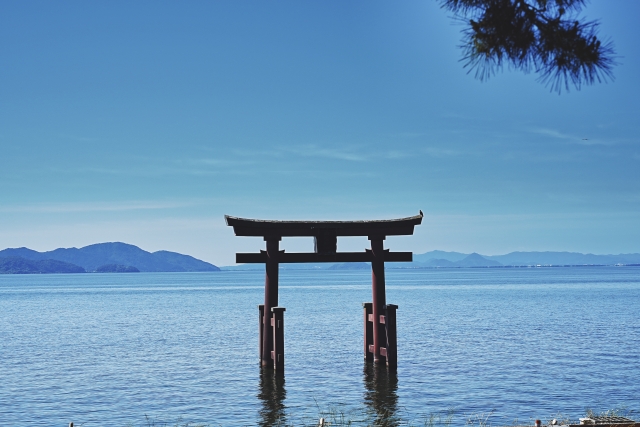
12:00 – Lakefront Solitude at Shirahige Shrine You descend toward the western shore, and suddenly, the horizon expands. The Great Torii gate stands immersed in the water of Lake Biwa, a vermilion sentinel against the vast, shifting blue. You park, the ticking of the cooling engine the only sound in the crisp air. Here, the history of the lake—the ancient waterways that served Kyoto—feels tangible. You walk the shoreline, the wind carrying the scent of freshwater, a stark contrast to the salt-heavy air of the coast.
14:00 – The Culinary Hidden Gem Tucked away in a small village near Takashima, you find a lakeside cafe housed in a renovated traditional kura (storehouse). You order local Omi beef—the marbled fat melting instantly on the tongue, a culinary masterpiece born from Shiga’s pristine water and rice fields. The coffee is roasted locally, its bitterness balanced by the sight of the lake glistening through the shoji screens.
17:00 – Sunset at the Okubiwako Parkway As the sun begins its descent, you take the Okubiwako Parkway. This is a driver’s dream—a series of undulating curves that dance along the northern rim of the lake. The sky turns a bruised violet and liquid gold. The BRZ settles into a rhythm, the exhaust note echoing off the rock faces. This is the "Secret Japan" you sought: no tourists, just you, the machine, and the dying light on the deepest lake in Japan.

Day 2: The Path of the Samurai
09:00 – The Mist of Mount Ibuki You start the day by heading toward the eastern shore, climbing the slopes of Mount Ibuki. The morning mist clings to the valleys like a shroud. You navigate the fog with the precision of a pilot, the headlights cutting through the white haze. The driving here is technical; the road is tight and demanding, requiring total focus.
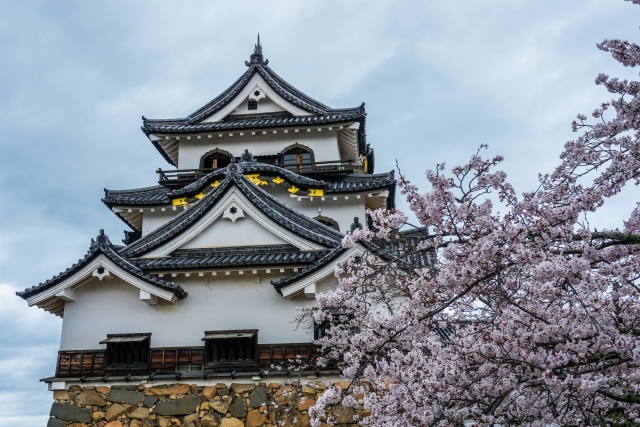
11:30 – Hikone Castle and the Spirit of the Past You reach Hikone, home to one of Japan’s few original wooden castles. Unlike the reconstructed concrete fortresses elsewhere, Hikone is raw, weathered, and imposing. Walking the steep stone steps up to the keep, you look back to see your BRZ parked in the lot below—a sliver of modern engineering resting in the shadow of feudal history.
13:30 – Lakeside Cafe Hopping The eastern shore, or Ko-to, is dotted with bohemian cafes reclaimed from old boat houses. You spend the afternoon drifting between them. Each serves a different variation of local fermented funazushi or artisanal desserts. The pace is slow, intentional, and reflective.
16:00 – The Final Stretch As you begin the loop back toward Osaka, you take the scenic route through the rural heart of Shiga. The rice paddies are mirrors for the sky, and the narrow roads demand precise lane placement—a perfect final test for the BRZ’s nimble handling. You aren't just driving home; you are dissecting the nuances of the landscape one corner at a time.
3. Lake Biwa - Expert Advice & Cultural Nuances
Japan’s Michi-no-Eki (Roadside Stations) are not merely rest stops; they are cultural hubs. In Shiga, stop at these stations to find produce you won't see in Tokyo or Osaka. The local farmers bring in everything from seasonal persimmons to wild boar sausages. When you enter a Michi-no-Eki, look for the "Product of Shiga" labels—these are the hidden gems of the prefecture.
When driving through rural villages, keep in mind the "local right-of-way." Elderly farmers operating tractors have the right of way, even on narrow roads. If you encounter a car coming in the opposite direction on a single-lane mountain pass, look for the designated "passing pockets." Whoever is closer to the pocket pulls over and waits. A small wave of acknowledgment goes a long way here; it is the polite language of the Japanese road.
Never bypass the smaller, unlisted shrines. If you see a small stone torii gate leading into a forest, stop. These are the places where the local spirits reside, untouched by commercial tourism.
4. Lake Biwa - Detailed Logistics & Pre-Trip Tips
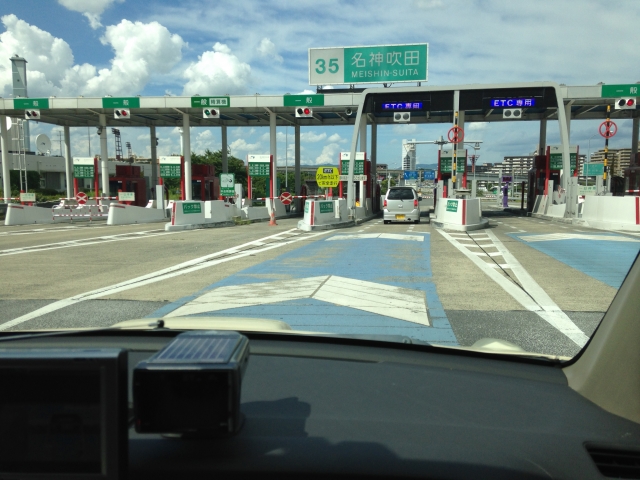
Driving in Japan in 2026 is an exercise in efficiency. Your primary tool is the ETC (Electronic Toll Collection) card. Do not attempt to navigate the expressways without one; it is the difference between a seamless journey and a logistical nightmare at toll gates.
When you stop for fuel, you will often find full-service stations. If you prefer to fuel yourself, look for "Self." When the attendant approaches, the phrase "Mantan de onegaishimasu" (Full tank, please) is your golden key. They will handle the rest, often offering to wipe your windshield—a level of service that speaks to the pride of Japanese automotive culture.
Parking in tourist hotspots can be tight. Practice your reverse parking; Japanese lots are often compact and require precision. As for the BRZ, understand that its beauty lies in its balance. It is not designed for brute-force straight-line speed, but for the fluidity of the mountain pass. Treat the throttle with respect, keep your eyes up, and let the rear-wheel-drive dynamics do the work in the corners.
5. Lake Biwa - Comprehensive FAQ
Do I need a special license? Yes. To drive in Japan, you must hold a valid driver’s license from your home country, accompanied by an International Driving Permit (IDP) issued under the 1949 Geneva Convention. You must present your original license, the IDP, and your passport. Without all three, you cannot legally operate a vehicle.
I’ve never driven a Manual Transmission (MT) car before. Is it difficult? The roads in Shiga are perfect for learning, but we recommend you have basic experience. The BRZ’s gearbox is crisp and forgiving. If you are anxious, remember: the clutch is your best friend. Take it slow in the mountain passes, and don't be afraid to shift early.
Are the mountain roads dangerous in winter? Shiga sees significant snowfall. If you are traveling between December and March, snow tires are not optional—they are a necessity. Always check the live road conditions before departing.
What if I get into an accident? All rental cars are equipped with insurance. However, in the event of any incident, no matter how small, you must call the police immediately (dial 110) and then notify your rental provider. Do not move the car until the police arrive and have filed a report.
6. Lake Biwa - The Final Thoughts
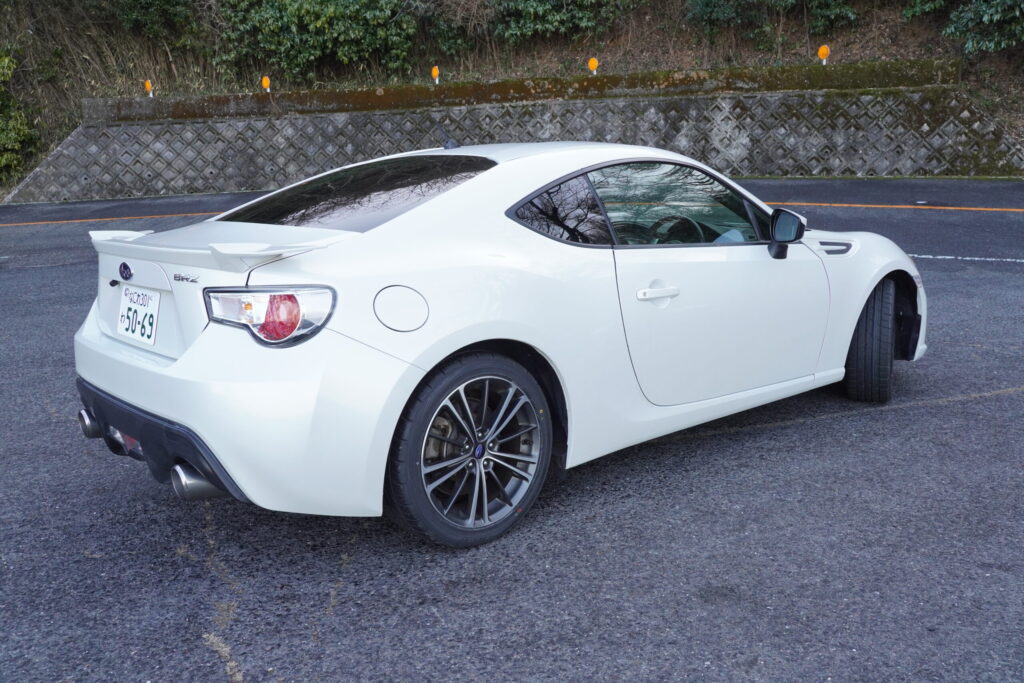
The map is open, the engine is warm, and the roads of Shiga are calling for a driver who understands the difference between a commute and a pilgrimage. You have read about the winding passes of the Hira Mountains and the serene, reflective waters of Lake Biwa. Now, it is time to experience the visceral thrill of a perfectly tuned sports car beneath you.
Don't settle for the constraints of a train schedule. Experience the true freedom of the Japanese landscape on your own terms. Whether you are craving the mechanical symphony of a manual gearbox or the breathtaking solitude of a hidden lakeside sunrise, your adventure begins the moment you grab the keys.
Visit おもしろレンタカー大阪中央店 (Omoshiro Rent-A-Car Osaka Central) to secure your BRZ today. The roads are waiting—are you ready to drive?