
1. Driving a Subaru BRZ Through Asuka Village: The Philosophy of Driving in Japan
For over a decade, I wore the crisp uniform of a train conductor for Kintetsu Railway, one of Japan’s most expansive private rail networks. I spent my days watching the vibrant green landscapes of Kansai glide past cab windows at precisely eighty kilometers per hour. I memorized timetables down to the second, called out signal aspects with practiced hand gestures, and watched millions of travelers hop from train platforms to historic temple gates across Osaka, Kyoto, and Nara.
Railways in Japan are an incredible engineering marvel—punctual, hyper-efficient, and undeniably convenient. But as a railway insider who eventually traded steel wheels on iron rails for four rubber tires on winding mountain asphalt, I came to realize a fundamental truth about Japanese travel: the train only shows you what Japan wants you to see.
When you ride a train, you are bound to a linear vector. You arrive at major hub stations surrounded by thousands of fellow tourists, file through predictable exit gates, and walk down well-trodden tourist corridors. You miss the quiet bamboo groves that rustle on the ridge three miles west of the tracks. You miss the fog-shrouded rice terraces carved into hillsides where ancient emperors once walked. You miss the secluded roadside ramen stalls where local farmers gather at dusk, and you miss the thrilling, pure mechanical harmony of carving through mountain passes in an authentic Japanese sports car.
This is the concept of "Secret Japan"—the hidden, soul-stirring world that only unlocks when you grab a steering wheel, drop your left foot onto a clutch pedal, and venture off the beaten path.
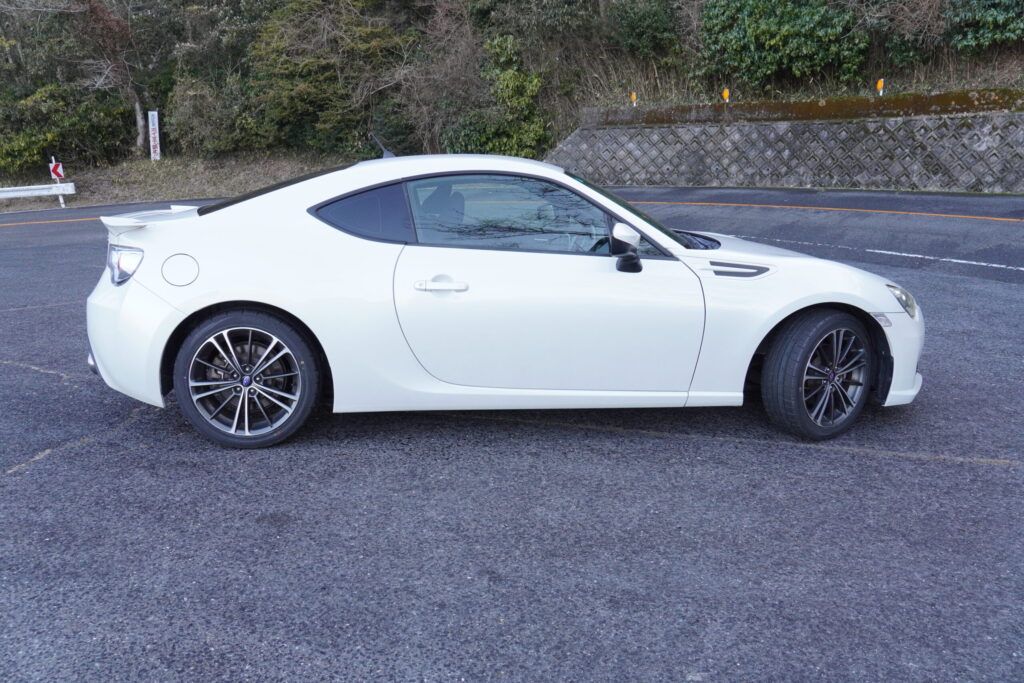
Departing from the neon pulse of Osaka and heading southeast into Nara Prefecture, there is no better instrument for this journey than a lightweight, rear-wheel-drive Subaru BRZ. Engineered with a low center of gravity thanks to its naturally aspirated 2.4-liter boxer engine, razor-sharp steering feedback, and a short-throw six-speed manual gearbox, the BRZ is not built for mindless drag-strip speed; it is built for mechanical connection, feedback, and rhythm.
Asuka Village (Asuka-mura), nestled in the gentle cradling mountains of southern Nara, is the cradle of Japanese civilization. Long before Kyoto or Nara City became imperial capitals, Asuka was the political, spiritual, and cultural heart of Japan during the 6th and 7th centuries. Here, amid emerald rice paddies, ancient megalithic stone monuments, and wooden village houses, time slows down. Driving a Subaru BRZ through Asuka is not about pushing the tachometer to the redline—it is about a relaxed, sensory-rich pilgrimage through Japan’s deep past, where every gear shift connects you to the road and every turn reveals a landscape unchanged for over fourteen centuries.

2. The 2-Day Itinerary: Deep Dive into Asuka & Southern Nara
Day 1: From Osaka’s Concrete Jungle to the Sacred Cradle of Asuka
08:00 AM – Departure from Central Osaka: The Urban Gateway
Your journey begins in the early morning light of Osaka. As you slip into the low-slung bucket seat of the Subaru BRZ, press the engine start button, and feel the characteristic horizontal rumble of the boxer engine settling into a steady idle, the city is just awakening. Adjusting the side mirrors, you slot the gear shifter into first gear and ease off the clutch.
Navigating Osaka’s elevated highway network—the Hanshin Expressway—requires intent. You merge into the traffic flow, guided by the precise hydraulic-like tactile feel of the BRZ's front end. We head east towards the Minami-Osaka road system, leaving the towering skyscrapers behind as the urban sprawl slowly relaxes into sub-urban hillsides.
09:15 AM – Crossing the Yamato-Kogen Foothills via Route 165
Leaving the highway, you transfer onto Route 165, threading the needle between Osaka and Nara prefectures through the Mount Nijō corridor. Mount Nijō, a twin-peaked dormant volcano, has stood as a sacred gateway to the Yamato Basin since prehistoric times.
Here, the asphalt begins to curve gently. Downshifting into third gear, the BRZ’s boxer engine comes alive with a smooth, linear intake note. The steering wheel vibrates gently in your hands, transmitting every change in road texture—from smooth high-grade asphalt to textured concrete grooves designed for rain drainage. The morning mist clings to the pine trees along the pass, and the scent of damp forest wood mixes with the subtle metallic aroma of warm brakes.
10:30 AM – Entering Asuka Village: The Timeless Rice Terraces of Inabuchi
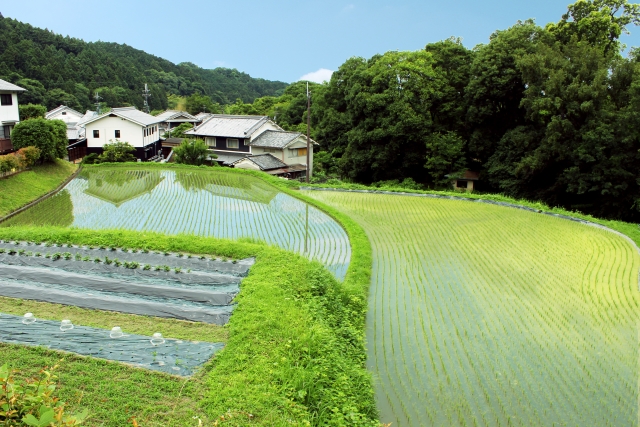
As you enter the boundaries of Asuka Village, the modern world melts away completely. Narrow country lanes bounded by stone walls replace multi-lane thoroughfares. Our first destination is the Inabuchi Rice Terraces (Inabuchi no Tanada).
Carved into the steep hillsides of Mount Konomori, these rice terraces have been cultivated for over a thousand years. Parking the BRZ along a designated pull-off, you step out into crisp, pine-scented country air. The view is a sweeping tapestry of layered green paddies, fed by natural mountain springs. Depending on the season, the paddies are either shimmering pools reflecting the sky (spring), lush emerald waves (summer), brilliant golden stalks heavy with grain (autumn), or silent, frosted steps (winter).
Walking along the narrow stone paths (aze-michi), you hear the rhythmic trickle of irrigation water in wooden flumes and the call of Japanese bush warblers (uguisu). This landscape represents Satoyama—the traditional Japanese philosophy of sustainable harmony between human agriculture and wild nature.
12:00 PM – Lunch: Asuka-Nabe at a Historic Kominka
After soaking in the vistas of Inabuchi, drive five minutes down into the heart of the village for lunch. Parking in a gravel lot surrounded by traditional wooden lattice buildings (machiya), stop at a local farm-to-table eatery housed in a restored 150-year-old home.
Order Asuka-Nabe (飛鳥鍋), a local hot-pot dish with roots dating back to the 7th century when court diplomats introduced dairy cows from the Asian mainland. Fresh chicken, locally harvested shiitake mushrooms, burdock root, daikon radish, and seasonal greens are simmered gently in a rich, comforting broth made from dashi, soy sauce, and fresh local milk. The broth is silky, savory, and deeply nourishing. Pair it with fresh ancient red rice (kodai-mai) cultivated in Asuka's own fields, tasting the earthy, nutty heritage of Yamato agriculture.
01:30 PM – Unraveling Ancient Megaliths: Ishibutai Kofun & Kameishi
With lunch digested, head toward Asuka’s most enigmatic archaeological treasures. Drive the BRZ down the quiet lane to Ishibutai Kofun.
Ishibutai is a massive 7th-century megalithic stone tomb, believed to be the burial site of Soga no Umako, a powerful statesman of the Asuka period. Over centuries, the earthen mound covering the tomb eroded away, exposing giant granite boulders weighing over 2,300 metric tons combined. Step inside the cavernous interior burial chamber—the air inside is cool, damp, and echoes with reverence. The precise engineering required to move and stack these colossal granite slabs fourteen centuries ago remains a marvel.
A short 5-minute drive through gentle sweeping curves brings you to Kameishi (The Turtle Stone), a massive carved granite monolith shaped like a crouching turtle. Legend says that if the stone turtle—which currently faces southwest—ever rotates to face west toward Kyoto, the entire Yamato basin will flood and turn into mud.
03:30 PM – Cruising up to Oka-dera Temple
Back in the saddle of the BRZ, slot the shifter into second gear and ascend the narrow, steep cobblestone approach toward Oka-dera Temple (Dragon Glass Temple). Built on the slopes of Mount Oka, this temple is famous for holding the largest clay Buddha statue in Japan (dating to the 8th century) and its vibrant seasonal flowers—hydrangeas floating in stone water basins (hanatouzo) during early summer, or brilliant red Japanese maples in autumn.
The short climb tests the BRZ's low-end torque. The immediate throttle response of the naturally aspirated 2.4L engine allows you to navigate the tight hairpin turns between stone lanterns with effortless poise. Park at the top, ring the giant bronze temple bell, and look out over the entire Asuka valley as late afternoon sunlight paints the valley floor in hues of amber and gold.
05:30 PM – Evening Drive to Ryokan Check-in & Yamato Kaiseki
As twilight sets in, drive south toward the quiet hot spring town of Toshino / Yoshino foothill inn. The road smoothly transitions into Route 169, running parallel to the clear waters of the Yoshino River.
Check into a traditional Japanese inn (ryokan). After slipping into a cotton yukata robe, soak your driving muscles in an outdoor thermal hot spring bath (rotenburo) constructed from scented Hinoki cypress wood. Dinner is a multi-course Yamato Kaiseki feast featuring local river fish (sweetfish or ayu), hand-harvested wild mountain vegetables (sansai), and tender Yamato beef cooked on a sizzling hot river stone.

Day 2: Winding Passes, Sacred Cedar Forests & High-Ridge Panoramas
08:30 AM – Morning Cold-Start & The Ryujin Skyline Approach
Morning breaks over the Nara mountains. The morning chill settles on the metallic paint of the Subaru BRZ. Upon turning the key, the engine fires up with a crisp, purposeful snarl. Today is about experiencing the true driving dynamics of the chassis on some of Western Japan's finest driving roads.
Leaving the inn after a breakfast of grilled salmon, miso soup, and fresh mountain eggs, set your sights west toward the legendary mountain passes connecting southern Nara to Mount Kōya.
09:30 AM – The Technical Twists of Route 309 & Mitarai Valley
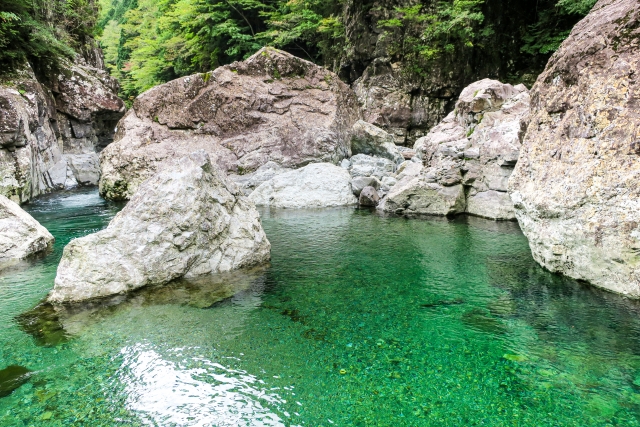
Head into the rugged terrain along Route 309 toward Mitarai Valley (Mitarai-keikoku). The road narrows down, hugging dramatic granite cliffs carved by crystal-clear emerald streams.
This section highlights why a compact, balanced sports car like the BRZ is superior to a wide luxury SUV on Japanese mountain roads (touge). The BRZ's narrow track width leaves plenty of margin for error on tight single-lane bridges, while its double-wishbone rear suspension absorbs minor pavement dips smoothly.
Park near the wooden suspension bridge over Mitarai Gorge. Walk out over the roaring turquoise waters fed by snowmelt and mountain rain. The air here is pure ozone and pine resin. Massive granite boulders dot the riverbed, polished smooth by millennia of mountain torrents.
11:30 AM – Climbing to Mount Yoshino Summit Lookout
Rejoining the main mountain arteries, execute a series of crisp heel-toe downshifts—matching engine revs seamlessly as you drop into hairpin corners climbing up toward the upper ridgelines of Mount Yoshino.
While Mount Yoshino is world-famous for its 30,000 cherry blossom trees in spring, driving here during the rest of the year offers serene solitude. The road twists through dense stands of tall Yoshino Cedar (Yoshino-sugi) and Hinoki cypress trees that have been cultivated sustainably for over 500 years. Sunlight filters through the dense canopy in ethereal green shafts (komorebi).
At the mountain crest lookout, park the BRZ. Looking back across the vast green valleys, you can trace the faint blue ribbon of the roads you just conquered—a view impossible to capture from any train car.
01:00 PM – Lunch: Miwa Somen & Persimmon Leaf Sushi
Descend the mountain toward the historic town of Sakurai at the northern edge of the Asuka region. Stop at a historic noodle house near the base of Mount Miwa.
Enjoy two famous local delicacies:
Miwa Somen: Ultra-thin wheat noodles aged for over a year to develop a springy, firm texture. Served ice-cold in a delicate dashi broth with grated ginger and green onions.
Kaki-no-Ha Zushi (柿の葉寿司): Mackerel or salmon sushi wrapped snugly in cured persimmon leaves. Historically developed as a preservation method for coastal fish transported into landlocked Nara, the tannins in the persimmon leaf infuse the sushi rice with a subtle, aromatic woodiness while keeping the fish extraordinarily tender.
02:30 PM – Omiwa Shrine: Japan’s Oldest Spiritual Site
After lunch, walk through the massive cedar wood torii gate into Omiwa Shrine (Omiwa-jinja). Unlike most Japanese shrines, Omiwa has no main shrine hall (honden) to house a deity—because the entire mountain behind it, Mount Miwa itself, is worshipped as the living body of the deity.
Walk up the stone path flanked by ancient giant red cedars. The atmosphere is dense with spiritual energy (kikyoku). Ancient rituals here still utilize mountain spring water from the sacred Gusai-chō well, believed to possess healing properties.
04:30 PM – Golden Hour Cruise: The Yamato-Sanzan Sunset
As afternoon turns to dusk, drive along the country backroads connecting the Yamato Sanzan—the three sacred mountains of Mount Unebi, Mount Mimi-nashi, and Mount Kagu.
The BRZ glides across the flat valley basin between these iconic solitary hills. The setting sun paints the sky in shades of deep orange, violet, and crimson, casting long silhouettes of ancient burial mounds across golden rice fields.
06:30 PM – Smooth Return Drive to Osaka
With evening settled, enter the Nishi-Meihan Expressway for a relaxed, effortless highway cruise back toward Osaka. Engaging cruise control on the highway, the BRZ transforms from an agile mountain Carver into a comfortable long-distance tourer, bringing you back to the city lights within 45 minutes.
3. Expert Advice & Cultural Nuances of Driving in Kansai
The Wonder of Japan’s "Michi-no-Eki" (Roadside Stations)
To foreign travelers, the term "roadside station" might evoke images of bland concrete rest stops with generic vending machines. In Japan, Michi-no-Eki (道の駅) are cultural destinations in their own right.
Created to stimulate regional economies and provide rest areas for motorists, Michi-no-Eki serve as local hubs showcasing the distinct agricultural pride of their specific village or region:
Fresh Local Produce: Farmers drop off morning harvests of vegetables, persimmons, citrus, and wild herbs daily.
Regional Soft-Serve Ice Cream (Soft-Cream): Every Michi-no-Eki features hyper-local flavor creations. In Asuka, look for Asuka Milk or Ancient Black Rice soft-serve ice cream; in Yoshino, look for Kuzu (arrowroot) or Yuzu citrus flavors.
Craft Goods: Hand-carved cedar wood crafts, local jams, sake, and traditional snacks.
At Michi-no-Eki Asuka-Atsukashibito-no-Mori, located right next to Asuka Station, you can pick up fresh seasonal fruits, hot tea, and local maps while chatting with friendly community volunteers.
Navigating Narrow Country Lanes (Narrow Road Etiquette)
Driving through historic villages like Asuka means encountering roads originally laid out during the Heian and Edo periods—long before automobiles existed!
Passing Bays (Lippō): On narrow single-lane mountain routes, you will frequently see small carved-out paved alcoves marked with blue signs. If you see an oncoming car approaching, pull into the nearest bay on your left and flash your headlights once to let them pass.
The "Thank You" Hazard Flash: When a driver yields the right-of-way to you, give two brief blinks of your hazard lights as a courteous gesture of gratitude. It is a universal driving language in Japan that builds instant goodwill.
Pedestrian Primacy: Cyclists and elderly villagers walking along village roads always have absolute right-of-way. Maintain a slow, respectful speed (20–30 km/h) through residential farmland pockets.
4. Detailed Logistics & Pre-Trip Tips for International Drivers
Navigating Japan’s Expressways & ETC (Electronic Toll Collection)
Japan’s motorways are impeccably maintained, smooth, and fast—but they are almost entirely tolled.
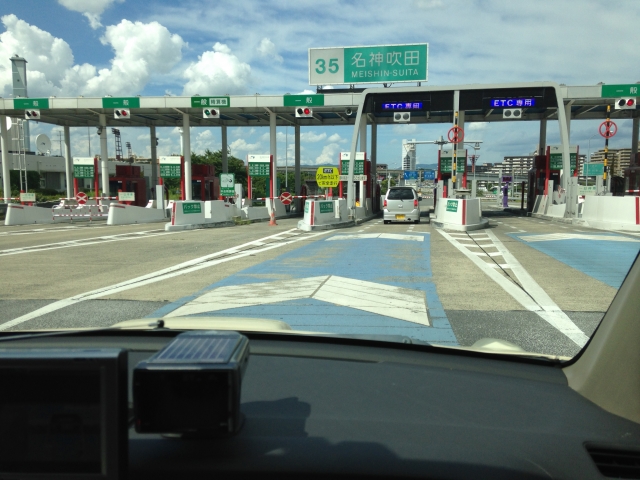
The ETC System: Expressways use an automated toll system called ETC (Electronic Toll Collection). When renting a sports car, always ensure you request an ETC Card inserted into the vehicle’s card reader (usually located in the glovebox or center console).
Toll Gates: When approaching expressway toll plazas, drive slowly (under 20 km/h) through the blue ETC lanes. The gate barrier will beep, read the card wirelessly, and automatically lift. The accumulated toll fees are settled effortlessly when you return the rental vehicle.
Gas Station Etiquette: "Mantan" and Self-Service
Refueling in Japan is straightforward once you know the vocabulary:
Full-Service (Kanjuzen): Attendants will guide your car in, wash your windshield, collect trash, and fill your tank.
To request a full tank of premium gas: Say "Hi-Oku, Mantan, Keshudaisai" (High-octane premium, full tank, pay by credit card).
Self-Service (Self): Look for machines with English language options.
Yellow Handle: Premium/High-Octane (Hi-Oku) — Always use High-Octane for performance cars like the Subaru BRZ!
Red Handle: Regular Gasoline (Regurā).
Green Handle: Diesel (Keiyu).
Master the Manual Gearbox (JDM Manual Transmission Joy)
Driving a 6-speed manual JDM sports car on the left side of the road (right-hand drive) is an bucket-list thrill for automotive enthusiasts:
Pedal Layout: The clutch, brake, and throttle pedals are in the exact same order (left-to-right) as left-hand-drive vehicles.
Shifting: You will shift gears with your left hand. Because gear patterns remain identical (1st gear is top-left), it takes most drivers less than 15 minutes of quiet driving to build intuitive muscle memory.
5. Comprehensive Driving FAQ for Overseas Visitors
Q1: What driver's license documentation do I need to legally drive in Japan?
Answer: To legally drive in Japan, international visitors must present three documents at the rental counter before receiving their keys:
Your original valid Domestic Driver’s License issued by your home country.
A valid International Driving Permit (IDP) issued strictly under the 1949 Geneva Convention.
Your original Passport.
Crucial Note: IDPs issued under the 1968 Vienna Convention or other treaties are not legally recognized under Japanese law. Visitors holding licenses from specific countries/territories without 1949 Geneva IDP issuance (such as Switzerland, Germany, France, Taiwan, Belgium, Monaco) must obtain an official Japanese translation of their native license from the Japan Automobile Federation (JAF) or their country's official consulate prior to driving.
Q2: What insurance coverage is necessary when renting a sports car?
Answer: Full coverage collision damage waiver (CDW) and Non-Operation Charge (NOC) protection are highly recommended. These policies ensure zero out-of-pocket financial liability in the rare event of minor scratches, parking scrapes, or mechanical issues during your road trip.
Q3: I haven't driven a manual transmission car in a few years. Is the Subaru BRZ difficult to drive?
Answer: Not at all! Modern Subaru BRZ models feature smooth clutch engagement points, hill-start assist (which prevents the car from rolling backward on steep incline starts), and exceptionally forgiving engine torque curves. It is one of the most user-friendly manual sports cars ever built.
Q4: Are roads in Nara safe during winter?
Answer: Asuka Village and the low Yamato Basin rarely receive heavy snowfall. However, higher mountain passes like Mount Yoshino or Mount Kōya can experience morning black ice or light snow between late December and February. High-quality rental fleets equip snow tires (studless tires) during winter months to ensure absolute traction safety.
6. The Final Thoughts: Reserve Your JDM Adventure in Osaka
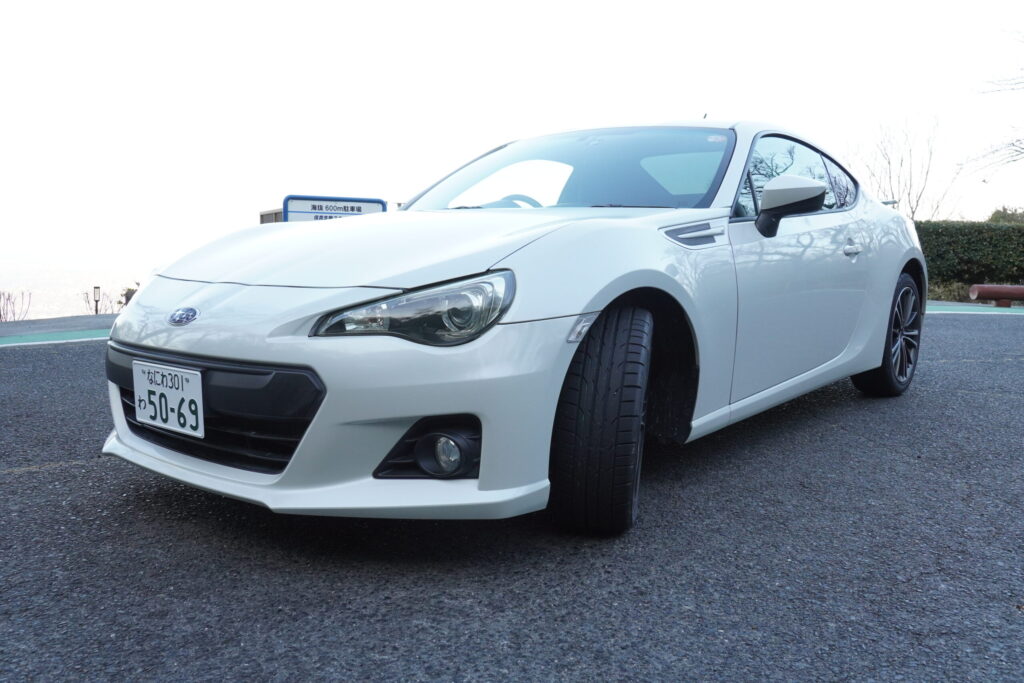
There is a vast difference between simply visiting Japan and truly experiencing it. You can sit in a crowded train car, staring at the back of a seat while iconic landscapes flash past behind double-paned glass—or you can take control of your own journey, feel the mechanical pulse of a legendary Japanese sports car beneath your hands, and forge your own path through the ancient, misty valleys of Nara.
When you return to Osaka after two days of carving through rice terrace passes, breathing pine-scented mountain air, and savoring centuries-old culinary crafts, you won’t just have photos—you will have memories etched deep into your soul.
Ready to unlock Secret Japan for yourself?
Start your journey at Omoshiro Rent-a-Car Osaka Chuo. Located right in the heart of Osaka with effortless highway access, they specialize in flawlessly maintained JDM legends and modern sports icons—including manual Subaru BRZs, Toyota 86s, and high-performance custom drives. Your ultimate Japanese road trip is waiting. Reserve your vehicle today, turn the key, and discover what lies beyond the railway tracks!