
Kyoto Kifune Summer Drive: The Philosophy of Driving in Japan
For over a decade, I experienced Japan's transport network from a perspective few international travelers ever see: the conductor’s platform of a Kintetsu electric train. I knew the rhythmic clatter of steel wheels on rails, the precise timetable schedules executed to the second, and the seamless connectivity that makes Kansai’s public transit world-famous. Trains are undeniably efficient, clean, and poetic in their own right. Yet, standing at the rear of a commuter train, watching the iron tracks converge behind us, I always harbored a secret truth. Rail lines only take you where the mass crowd is meant to go. They bind you to schedules, rigid stations, platform screen doors, and crowded carriages.
When you truly want to discover Secret Japan—the mist-laden mountain passes, the hidden shrines tucked deep inside ancient cedar forests, the roadside eateries where grandmothers simmer broth according to century-old recipes—you must step off the platform and take the wheel.
                                    ┌────────────────────────────────────────────────────────┐
                                    │                     KIFUNE SHRINE                      │
                                    │               (Kawadoko Dining & Headwaters)           │
                                    └───────────────────────────┬────────────────────────────┘
                                                                │
                                                                │  Route 361 / Narrow Mountain Pass
                                                                │  (Technical Hairpins & Cedar Forests)
                                                                │
                                    ┌───────────────────────────┴────────────────────────────┐
                                    │                    KURAMA-DERA TEMPLE                  │
                                    │                (Mountain Ridge Hiking Trail)           │
                                    └───────────────────────────┬────────────────────────────┘
                                                                │
                                                                │  Route 38 / Kurama Highway
                                                                │  (Sweeping Curves along Kibune River)
                                                                │
                                    ┌───────────────────────────┴────────────────────────────┐
                                    │                    TAKARAGAI & ICHINOSE                │
                                    │               (Gateway to Northern Kyoto Ranges)       │
                                    └───────────────────────────┬────────────────────────────┘
                                                                │
                                                                │  Kyoto City Arterials & Kamo River Drives
                                                                │
┌───────────────────────────────────────────────────────────────┴───────────────────────────────────────────────────────────────┐
│                                                  OSAKA CENTRAL START POINT                                                  │
│                                           (Hanshin Expressway → Meishin Highway)                                           │
└───────────────────────────────────────────────────────────────────────────────────────────────────────────────────────────────┘
Driving in Japan, particularly from an urban hub like Osaka into the northern valleys of Kyoto, is an act of pure liberation. Kansai reveals a completely different persona once you cross from the expressway grid onto the winding prefecture routes (prefectural roads or pref-routes). The immediate suburban clutter fades into rolling emerald hills, pine-scented air replaces city exhaust, and the road surface becomes a canvas for mechanical engagement.
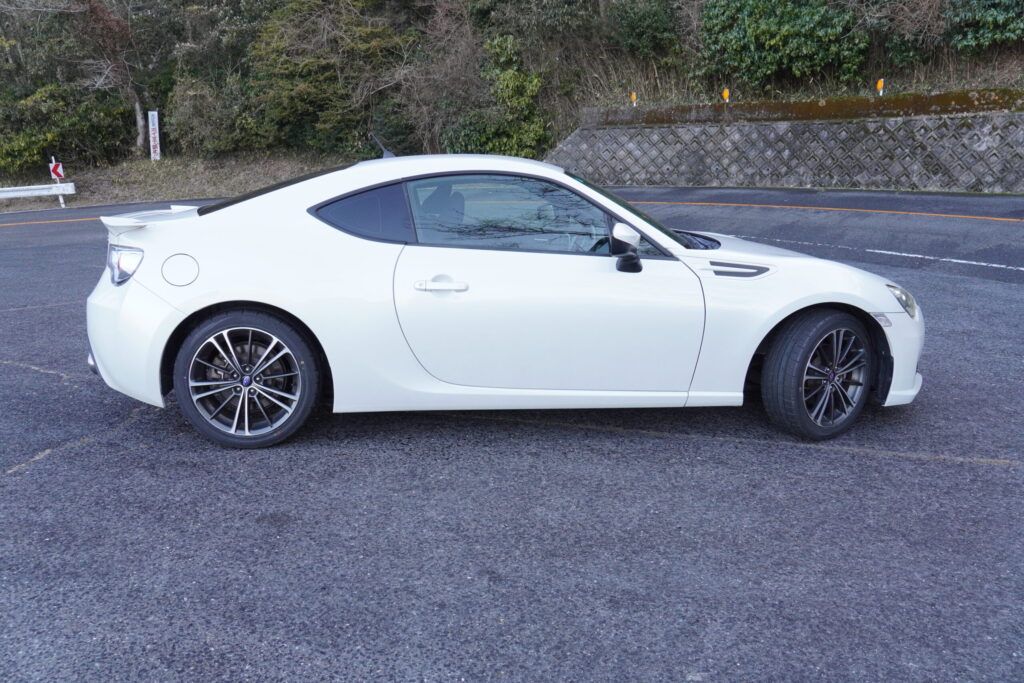
To experience this geography properly, you need a vehicle that speaks the language of the road. Enter the Subaru BRZ. Engineered with an ultra-low center of gravity, a naturally aspirated boxer engine, a crisp manual transmission, and lightweight rear-wheel-drive architecture, the BRZ is not designed for mindless high-speed cruising. It is built for technical control, balance, and pure feedback. When navigating the tight, single-lane passes surrounding Northern Kyoto's Kifune (Kibune) valley, a heavy luxury sedan feels encumbered and clumsy. The BRZ, conversely, slips through narrow tree-lined twists with surgical precision, communicating every shift in asphalt texture directly to your palms through its compact leather steering wheel.
Summer in Kansai can be intense. The humidity of Osaka and downtown Kyoto settles heavily over the concrete basins. But as you head north toward Kifune, climbing into the Kitayama mountain range, the temperature drops noticeably by several degrees. Here, cool mountain streams cut through sheer granite canyons, shielded by tall Japanese red cedars (sugi). Kifune is legendary as Kyoto's premier summer retreat (避暑地 - Hishochi), famous for Kawadoko—raised wooden platforms built mere inches above the rushing river where guests dine on chilled summer delicacies.
While train tourists queue up at Demachiyanagi Station to board the Eizan Electric Railway and scramble for limited local buses, you, behind the wheel of a sports car, experience the journey as an active narrative. You select your gear, rev-match on downshifts before crisp hairpin turns, stop at secluded mountain overlooks, and feel the soul of Japanese automotive engineering sync seamlessly with ancient geography.

Kyoto Kifune Summer Drive: The 2-Day Itinerary Deep Dive
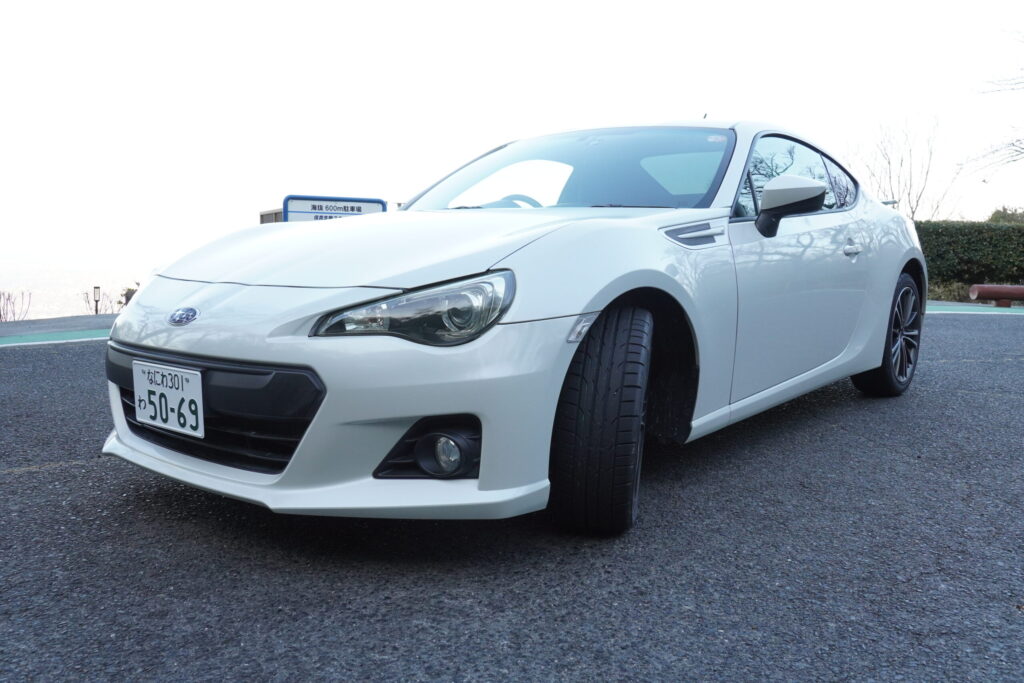
This detailed two-day itinerary takes you from the bustling energy of Osaka deep into the cool, forested valleys of Northern Kyoto and Kifune, before returning via scenic mountain passes.
====================================================================================================
                                      TWO-DAY DRIVING ITINERARY OVERVIEW
====================================================================================================

DAY 1: OSAKA TO THE NORTHERN FORESTS
----------------------------------------------------------------------------------------------------
  07:00 AM  │ Departure from Osaka Central (Hanshin / Meishin Expressway)
  08:30 AM  │ Scenic Run along the Kamo River Route (Route 38)
  09:30 AM  │ Arrival at Kifune Shrine (Kibune-jinja) – Early Morning Serenity
  11:30 AM  │ Traditional Kawadoko Riverbed Lunch at Kifune
  02:00 PM  │ Kurama-dera Mountain Trail & Technical Pass Drive
  05:00 PM  │ Check-in at Hanase / Kibune Onsen Ryokan
  07:30 PM  │ Kaiseki Dinner & Evening Stargazing

DAY 2: HIGHLAND PASSES & SECRET KYOTO CULTURES
----------------------------------------------------------------------------------------------------
  08:00 AM  │ Morning Cold-Start & Technical Drive on Route 477 (Hanase Pass)
  10:00 AM  │ Exploration of Miyama Thatched Village (Kayabuki no Sato)
  01:00 PM  │ Local Soba Lunch & Roadside Station "Michi-no-Eki" Rest
  03:30 PM  │ Arashiyama Hinterland Drive & Lake Biwa Overlook Pass
  07:00 PM  │ Evening Return & Vehicle Drop-off in Osaka
====================================================================================================
Day 1: Osaka to the Sacred Streams of Kifune
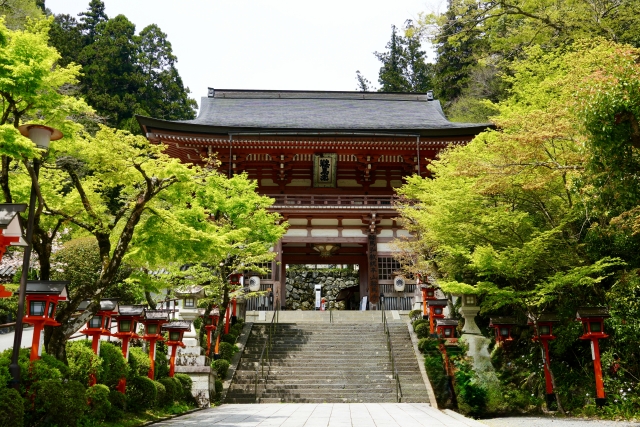
07:00 AM – The Morning Cold Start & Leaving Osaka
Your adventure begins in central Osaka as the morning sun casts crisp horizontal light across the metropolis. Slipping into the low-slung bucket seats of the Subaru BRZ, you drop the clutch, press the starter button, and hear the 2.4-liter naturally aspirated boxer four hum to life. The signature rumble settles into a steady idle.
Leaving the city center, merge onto the Hanshin Expressway before joining the Meishin Expressway heading northeast toward Kyoto. At this hour, traffic is smooth. The BRZ settles into sixth gear, cruising effortlessly. Pay attention to how stable the chassis feels over expansion joints; the sports suspension keeps the car flat, planted, and ready for action.
08:30 AM – The Kamo River Route & Route 38 Northbound
Take the Kyoto-Minami or Kamogawa exit, steering away from the central tourist traps of Gion and Kiyomizu-dera. Instead, follow the eastern arterial roads parallel to the Kamo River. As you progress north through Takaragaike, urban concrete transforms into rustic suburban homes, which rapidly give way to dense pine forests.
Merge onto Kyoto Prefectural Route 38 (Kurama Highway). The road narrows, following the gentle contours of the Kibune River. Here, you get your first taste of the BRZ's agility. Downshifting to 3rd gear, the engine climbs into its powerband. The steering responds instantly to minor inputs as you track around gentle sweeping curves. Sunlight flickers through the high cedar canopy, casting rhythmic patterns across the hood. The air streaming through the open window turns cool, damp, and fragrant with cedar resin.
       [Route 38: Kurama Highway]
                 │
                 ├── 3rd Gear Sweeping Curves
                 ├── Cool Cedar Canopy Shade
                 └── Rapid Elevation Gain (+300m)
                 │
       [Route 361: Kifune Access Road]
                 │
                 ├── Extreme Single-Lane Narrowing
                 ├── Blind Hairpin Bends (Honk at Mirrors)
                 └── Moss-Covered Asphalt Texture
09:30 AM – Arrival at Kifune Shrine (Kibune-jinja)
Arriving early is crucial. The mountain road leading up to Kifune Shrine (Route 361) is famously narrow—at times shrinking to a single vehicle width with stone walls on one side and a roaring river on the other. In a manual BRZ, this requires controlled clutch work and precise placement. The car’s compact dimensions (under 1.8 meters wide) make navigating these narrow passages stress-free compared to bulky SUVs.
Park your vehicle at one of the small designated parking areas near the base of the shrine. Step out into the cool mountain air—temperatures here are routinely 5°C to 7°C lower than down in central Kyoto.
                                  ▲  KIFUNE SHRINE (INNER SANCTUM)
                                  │
                                [===]  Red Wooden Torii Gate
                                  │
                                 / \
                                /   \  Stone Staircase flanked by
                               /  *  \ Red Kasuga Lanterns
                              /   *   \
                             /    *    \
                            /___________\
                                  │
                            [Kibune River]
Walk up the legendary stone staircase framed by vibrant red Kasuga lanterns and shaded by ancient Cryptomeria trees. Kifune Shrine is dedicated to Takaokami no Kami, the Shinto deity of water and rain. For centuries, emperors, sake brewers, and travelers have journeyed here to pray for pure water and safe passage.
The Sacred Water Divination (Mizu-ura Mikuji): Purchase a blank paper fortune from the shrine shop. Place the blank paper onto the surface of the shrine’s sacred spring water. As the paper absorbs the liquid, dark Japanese characters magically appear, revealing your fortune regarding travel, health, and luck.
11:30 AM – The Kawadoko Dining Experience
By late morning, the riverbanks come alive with the setup of Kawadoko (川床). From May through September, local establishments construct temporary wooden decks suspended just a few inches above the rushing waters of the Kibune River. Sitting cross-legged on tatami mats laid over these platforms, you feel the icy spray of the river cooling the air beneath you—a natural air conditioning system refined over centuries during the Edo Period.
====================================================================================================
                        KAWADOKO (RIVERBED DINING) STRUCTURAL PROFILE
====================================================================================================

      [ Canopy of Maple Leaves & Bamboo Blinds ]
   ------------------------------------------------    <-- Blocks direct sunlight
                         │
                         ▼
      [ Guests Seated on Tatami Dining Platform ]
   ================================================    <-- Suspended 1-2 feet above water
   ~~~~~~~~~~~~~~~~~~~~~~~~~~~~~~~~~~~~~~~~~~~~~~~~
     ~~~~~~~~~~~~~~~~  KIBUNE RIVER  ~~~~~~~~~~~~~~~   <-- Rushing mountain water cools air by 5-7°C
   ~~~~~~~~~~~~~~~~~~~~~~~~~~~~~~~~~~~~~~~~~~~~~~~~
Order a traditional summer Kaiseki lunch featuring Ayumi (Sweetfish). The fish are grilled over charcoal with a light dusting of sea salt, impaled on bamboo skewers in a wave pattern to simulate swimming. Accompanying this are chilled Somen noodles served in ice-chilled bamboo troughs, seasonal vegetable tempura, and cold mountain tea. The sound of rushing river water, the whisper of wind through maple leaves, and the delicate flavors of fresh stream fish create an unforgettable sensory experience.
02:00 PM – Kurama-dera & Technical Mountain Pass Driving
After lunch, return to the BRZ. It’s time to explore the higher ridge roads connecting Kifune to neighbor valley Kurama.
Start the engine and engage 1st gear. Route 38 climbs steeply toward Kurama-dera, a mountain temple founded in 770 AD atop Mount Kurama. Legendary as the training ground of Minamoto no Yoshitsune under the guidance of the mythical Tengu (long-nosed mountain spirits), this area exudes a mystical, untamed atmosphere.
                    [Mount Kurama Ridge]
                           /   \
                          /     \  Root-Knotted Mountain Trail
                         /       \ (Kinome-doki-michi)
                        /         \
    [Kifune Shrine] ───┘           └─── [Kurama-dera Temple]
           ▲                                  ▲
           └──────── Prefectural Route 38 ────┘
                  (3.5km Technical Drive)
Instead of hiking the full ridge, drive the technical 3.5-kilometer stretch connecting the lower stations. This short pass features tight hairpins, off-camber curves, and elevation changes that showcase the BRZ's chassis dynamics. The electric power steering provides feedback as you feel the front tires load up under braking, while the rear limited-slip differential (LSD) tracks cleanly as you roll back onto the throttle out of second-gear corners.
05:00 PM – Check-in at a Secluded Mountain Ryokan
Head further north into the Hanase or Kibune hinterlands to check into a traditional Japanese inn (Ryokan). Vehicles like the BRZ look stunning parked against the dark timber and white plaster of a historic mountain lodge.
After registering, change into a Yukata (light cotton kimono) and step into the inn’s open-air hot spring bath (Rotenburo). Soaking in mineral-rich geothermal waters while gazing out at mist rising off the forest trees revives your body after a day of technical driving.
07:30 PM – Mountain Kaiseki Dinner & Night Silence
Enjoy an evening feast centered around Sansai (wild mountain vegetables), wild boar or local beef hotpot (Botan Nabe or Sukiyaki), and local Kyoto rice cooked over wood fires. As night falls, mountain silence descends. Away from light pollution, step outside to see thousands of stars framed by the silhouetted peaks of the Kitayama range.

Day 2: Highland Passes & Secret Kyoto Cultures
08:00 AM – Morning Cold Start & Hanase Pass (Route 477)
Awake to crisp mountain air. After a traditional breakfast of grilled salmon, miso soup, pickled plum, and steamed rice, load your gear into the BRZ's trunk (surprisingly practical with fold-down rear seats).
====================================================================================================
                              DAY 2 HIGHLAND PASS TECHNICAL PROFILE
====================================================================================================

  [ Route 477: Hanase Pass ]
  ├── Elevation: ~750m Peak
  ├── Asphalt Quality: Varied (Coarse Grip to Smooth Patchwork)
  ├── Challenge Level: High (Tight Switchbacks, Narrow Single-Lanes)
  └── BRZ Dynamics: Ideal 2nd/3rd Gear Balance, Exceptional Braking Modulation

  [ Route 19 to Miyama ]
  ├── Elevation: Descending River Valleys
  ├── Asphalt Quality: Smooth High-Grip Pavement
  ├── Challenge Level: Moderate (Flowing Rhythm Curves)
  └── BRZ Dynamics: Pure Chassis Roll Control & Rev-Matching Heaven
Engine on. Today you tackle one of Kyoto’s most famous mountain driving roads: National Route 477, including the legendary Hanase Pass (花背峠 - Hanase-toge).
Route 477 is legendary among Japanese sports car enthusiasts. The ascent features a continuous series of switchback hairpins climbing past 700 meters in elevation. In the BRZ, flicking between 2nd and 3rd gears becomes second nature. Heel-and-toe downshifting before entering tight right-angle bends keeps the engine revs right in the power band. The lightweight car shifts its weight predictably, settling onto its outside tires with balanced stability.
10:00 AM – Miyama Thatched Village (Kayabuki no Sato)
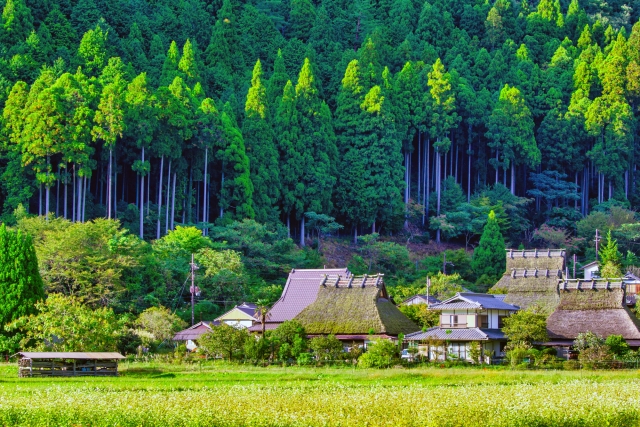
Descend the northern side of Route 477 and blend onto Route 19 towards Miyama (美山). Miyama is home to Kayabuki no Sato, an isolated hamlet featuring one of the highest concentrations of historic thatched-roof farmhouses (Kayabuki) in Japan.
       /\             /\             /\          [Historic Thatched Roofs]
      /  \           /  \           /  \         (Kayabuki Construction)
     /____\         /____\         /____\
    |  田  |        |  田  |        |  田  |      [Traditional Timber Frames]
^^^^^^^^^^^^^^^^^^^^^^^^^^^^^^^^^^^^^^^^^^^^^^^^ ^^^^^^^^^^^^^^^^^^^^^^^^^^^^
          [Buckwheat / Rice Fields in Summer Bloom]
Park the BRZ at the entrance parking grounds. Walking through this living village feels like stepping back into the Edo period. Unlike preserved open-air museums, Kayabuki no Sato is a functioning community where residents tend vegetable plots and manage cedar forests. The thick thatched roofs—constructed from bundled pampas grass—insulate interiors against both summer heat and winter snow.
Local Landmark: Stop by the Miyama Folk Museum to see how timber trusses are tied using natural ropes without a single iron nail, allowing buildings to flex naturally during earthquakes.
01:00 PM – Handmade Soba & Roadside Station Exploration
For lunch, head to a local workshop in Miyama for fresh Ju-wari Soba (100% pure buckwheat noodles). Buckwheat thrives in the cold mountain soil of northern Kyoto. Watch as the chef rolls, folds, and slices the dough by hand using long cedar rolling pins. Served cold on a bamboo mat (Zaru Soba) with light dipping sauce, grated mountain horseradish, and spring onions, it offers a crisp, refreshing lunch.
After lunch, visit Michi-no-Eki Miyama Fureai Plaza (Michi-no-Eki / Roadside Station). These state-of-the-art rest stops are hubs of regional culinary culture. Pick up fresh Miyama milk gelato, wild honey, handcrafted wooden crafts, and locally bottled cider before hitting the road again.
+--------------------------------------------------------------------------------------------------+
|                            MICHI-NO-EKI (ROADSIDE STATION) DISCOVERIES                           |
+--------------------------------------------------------------------------------------------------+
|  [ Fresh Miyama Dairy Gelato ]    Soft-serve made daily from grass-fed mountain cattle.          |
|  [ Craft Mountain Cider ]         Natural sparkling juice pressed from regional apples.         |
|  [ Hand-carved Cedar Crafts ]     Aromatic tableware made from local forest timber.               |
|  [ Regional Snack Specialties ]   Freshly grilled dango dusted with roasted soybean powder.      |
+--------------------------------------------------------------------------------------------------+
03:30 PM – The Hinterland Return via Arashiyama Pass & Lake Biwa Overlook
Begin your return loop toward Osaka. Instead of taking standard expressways immediately, follow Route 162 (Shuizan Highway), a wide, flowing ribbon of asphalt that cuts through deep green gorges.
                                [Miyama Valley]
                                       │
                                       ▼ Route 162 (Shuizan Highway)
                        [Sweeping High-Speed Curves]
                                       │
                                       ▼ Route 362 Loop
                        [Arashiyama Northern Ridge Overlook]
                                       │
                                       ▼ Meishin Expressway
                                [Osaka Return]
Here, the BRZ can stretch its legs. The road surface is smooth, offering predictable grip through fast, sweeping bends. The balance between engine torque and precise RWD handling allows you to carve through turns effortlessly.
As you approach the northern ridge above Arashiyama, stop at a high mountain pull-off. Below lies the expanse of the Kyoto basin, framed to the east by the shimmering blue water of Lake Biwa in the distance.
07:00 PM – Evening Arrival & Return in Osaka
Join the expressway grid for the final leg back to Osaka. As twilight turns to dark, the city lights emerge, illuminating the elevated highways. You step out of the cockpit refreshed, invigorated, and carrying memories of mountain passes, cool stream breezes, and pure driving engagement.
Kyoto Kifune Summer Drive: Expert Advice & Cultural Nuances
Driving in rural Japan offers an incredible look into local culture, provided you understand the subtle nuances and unwritten rules of the road.
====================================================================================================
                            JAPANESE ROAD ETIQUETTE & CULTURAL PROTOCOLS
====================================================================================================

  1. THE HAZARD FLASH OF GRATITUDE
     └─ Flash hazard lights twice when merging or when another driver yields on narrow mountain roads.

  2. MICHI-NO-EKI (ROADSIDE STATIONS)
     └─ More than rest stops: regional culinary hubs with local produce, clean restrooms, and parking.

  3. NARROW PASS PASSING PROTOCOL (譲り合い - Yuzuriai)
     └─ On single-lane mountain passes, pull into widened gravel alcoves (待避所) to let faster locals pass.

  4. GAS STATION INTERACTIONS
     └─ "Mantan" = Full tank. Specify fuel type clearly: "High-Octane" (Premium) for sports cars.
====================================================================================================
1. The Secrets of Michi-no-Eki (Roadside Stations)
Japan’s national network of Michi-no-Eki (道の駅) represents one of the greatest infrastructure innovations for road trippers. More than simple service areas, these driver stops are run in partnership with regional municipalities to promote local agriculture, crafts, and food culture.
Facilities: Expect spotless 24-hour restrooms, local tourist maps, free Wi-Fi, and EV charging stations.
Culinary Gems: Every station features unique local treats—from soft-serve ice cream flavored with local tea or citrus to fresh regional produce brought in daily by local farmers.
2. Driving Etiquette: "Yuzuriai" (Mutual Courtesy)
Japanese traffic culture operates on high levels of mutual respect and consideration. This is especially true on narrow, single-lane mountain passes (Toge) around Kifune and Kurama.
The Gratitude Hazards: When another driver pulls over to let you pass, or yields right-of-way at a tight junction, flash your hazard lights twice after passing. This is the universal Japanese thank-you gesture on the road.
Passing Bays (Taihisho - 待避所): On narrow mountain passes, you will see small paved or gravel cutouts along the mountain wall. If a local tailgating driver appears behind your sports car—often a local farmer in a surprisingly quick Kei-truck—simply pull into the next passing bay, flash your signal, and let them pass.
3. Deciphering Mountain Road Markings
Japanese road surface markings provide crucial safety cues on technical roads:
+--------------------------------------------------------------------------------------------------+
|                                JAPANESE ROAD SURFACE MARKINGS                                    |
+--------------------------------------------------------------------------------------------------+
|  [ Yellow Center Line ]    Strictly NO passing/overtaking allowed. Crossing is illegal.          |
|  [ White Dashed Line ]     Passing permitted when clear and safe.                                 |
|  [ Red Chicanes/Rumbles ]  Chassis vibration strips indicating an upcoming tight hairpin curve. |
|  [ Green Edge Painting ]   Designated pedestrian/school path on roads without sidewalks.        |
+--------------------------------------------------------------------------------------------------+
Kyoto Kifune Summer Drive: Detailed Logistics & Pre-Trip Tips
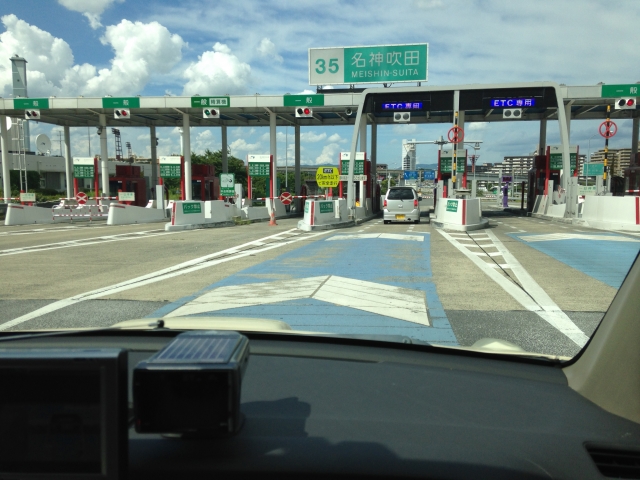
Planning a smooth Japanese road trip requires understanding key logistical systems—from electronic tolling to gas station interactions and sportscar setup.
┌──────────────────────────────────────────────────────────────────────────────────────────────────┐
│                                   JAPAN ROAD TRIP LOGISTICS SHEET                                │
├──────────────────────────────────────────────────────────────────────────────────────────────────┤
│  • TOLL SYSTEM:       ETC (Electronic Toll Collection) Card inserted into in-dash reader.     │
│  • FUEL TYPE:         High-Octane / Premium Gas (ハイオク - Haioku) for JDM Sports Cars.         │
│  • FUEL PHRASE:       "Haioku Mantan, Keshudain Pay" (High-Octane Full Tank, Credit Card).      │
│  • SPEED LIMITS:      Expressways: 80–120 km/h | Rural Passes: 40–50 km/h | Towns: 30 km/h.     │
│  • PARKING:           Coin Parking / Flap Locks. Wait for flap to drop completely after pay. │
└──────────────────────────────────────────────────────────────────────────────────────────────────┘
1. Navigating the Toll System with ETC
Japan’s high-speed expressway network is private, seamless, and fully automated via the ETC (Electronic Toll Collection) system.
How It Works: Your rental vehicle comes equipped with an ETC card reader unit (usually hidden inside the glovebox or below the dashboard). Ensure an active ETC card is securely inserted before starting your engine. A green indicator light and voice confirmation indicate readiness.
Navigating Gates: As you approach highway toll plazas, select the dedicated purple ETC lanes. Maintain a speed of 20 km/h or less as you approach. The overhead antenna reads your card, the gate opens automatically, and the toll balance displays on an overhead screen. Charges settle electronically when returning your rental car.
   [ ETC LANE: Purple Overhead Sign ]  ---> Slow to 20km/h ---> Gate Opens Automatically
   [ CASH / MIXED: Green/Blue Sign ]   ---> Complete Stop ---> Pay Cash / Credit Card
2. Mastering Japanese Gas Stations
Gas stations (Gasorin Stand) in Japan operate as either Full Service or Self Service (Serufu).
Full-Service Etiquette
Pull up to the pump matching your fuel door location.
Attendants will guide you in with hand signals. Roll down your window.
State your fuel type, volume, and payment method:
Phrase: "Haioku, Mantan, Kado de" (High-Octane, Full Tank, Credit Card).
For sports cars like the Subaru BRZ, always specify High-Octane (ハイオク - Haioku) to ensure peak performance and protection for high-compression engines.
Attendants will wipe your windshield, side mirrors, and hand you a wet towel for interior dust while fueling completes.
Key Fuel Terms
High-Octane / Premium (ハイオク - Haioku): Yellow Pump Handle (Required for BRZ/86).
Regular Gasoline (レギュラー - Regura): Red Pump Handle.
Diesel (軽油 - Keiyu): Green Pump Handle (DO NOT use in sports cars!).
Full Tank (満タン - Mantan).
3. Coin Parking & Flap Locks
When parking in urban areas or near Kifune, you will often encounter automated flap-lock parking lots (Coin Parking).
   1. Park vehicle centered between lines over lower steel flap plate.
   2. After 3-5 minutes, steel flap raises automatically to lock car in place.
   3. To exit: Enter your spot number at central payment machine, pay fee.
   4. Flap lowers completely flat to the ground.
   5. Drive away within 5 minutes before flap resets.
CRITICAL WARNING: Always visually confirm that the steel flap has dropped completely flush with the pavement before backing up or pulling out. In low-slung sports cars like the BRZ, striking an un-lowered flap lock can scratch lower bumper trim or underbody components.
Kyoto Kifune Summer Drive: Comprehensive FAQ
====================================================================================================
                                 FREQUENTLY ASKED QUESTIONS (FAQ)
====================================================================================================
Q1: What driving documentation is required to rent and drive a car in Japan?
To legally rent and operate a motor vehicle in Japan, you must present three key documents upon vehicle pickup:
Your original valid driver's license from your home country.
An International Driving Permit (IDP) issued under the 1949 Geneva Convention on Road Traffic.
Your original Passport.
Important Note on IDP Validity: International Driving Permits issued under the 1968 Vienna Convention or other agreements are NOT legally recognized in Japan. Ensure your issuing authority provides an authentic 1949 Geneva Convention permit. Drivers holding licenses from specific jurisdictions (such as Switzerland, Germany, France, Belgium, Monaco, and Taiwan) must provide an official Japanese translation of their native license issued by JAF (Japan Automobile Federation) or their nation’s embassy in Japan, along with their original license and passport.
Q2: Is driving a manual transmission (MT) sports car difficult on narrow mountain passes?
Not if you select the right vehicle platform. A lightweight sports car like the Subaru BRZ features smooth clutch engagement, precise mechanical gear gates, and hill-start assist functionality. The car’s compact proportions make navigating narrow mountain roads much easier than driving a wide SUV or large luxury sedan.
Q3: What is the weather like in Kifune during the summer, and do I need specialized driving gear?
Summer in the mountain valleys of Kifune and Kurama is pleasant, with temperatures averaging 5°C to 7°C cooler than downtown Kyoto or Osaka. Standard summer driving attire—comfortable flat-soled driving shoes, sunglasses, and lightweight clothing—is ideal. Snow gear or winter tires are not needed during summer months (May through September).
Q4: Are rental vehicles covered by insurance in Japan?
Yes, reputable rental providers include standard legal liability insurance covering personal injury, property damage, and vehicle damage. Upgraded collision damage waivers (CDW) and Non-Operation Charge (NOC) protection plans are highly recommended to ensure complete peace of mind while enjoying technical mountain roads.
Kyoto Kifune Summer Drive: The Final Thoughts
┌──────────────────────────────────────────────────────────────────────────────────────────────────┐
│                                                                                                  │
│     YOUR DEFINITIVE JDM ADVENTURE AWAITS                                                          │
│                                                                                                  │
│     Skip the crowded train cars and fixed schedules.                                             │
│     Take control of a tuned Subaru BRZ or Toyota 86, turn the key,                               │
│     and experience the cool mountain air, emerald forests, and legendary hairpin passes          │
│     of Secret Japan on your own terms.                                                           │
│                                                                                                  │
└──────────────────────────────────────────────────────────────────────────────────────────────────┘
The train platform will always be there, bound by steel rails and fixed schedules. But the real spirit of Japan—the hidden mountain passes, the fragrant cedar air, the rush of cold streams under bamboo dining decks, and the raw joy of a balanced chassis dancing through a double-apex hairpin—belongs exclusively to those who take the wheel.
When you are ready to experience Kansai not as a mere spectator on a commuter train, but as an active driver carving your own path through the landscape, your key is waiting.
At Omoresort Car Rental Osaka Central (おもしろレンタカー大阪中央店), we specialize in providing meticulously maintained, enthusiast-grade JDM sports cars—including the pure, driver-focused Subaru BRZ and Toyota 86. Located conveniently in the heart of Osaka, our shop serves as your launchpad for unforgettable road trips into Kyoto, Nara, Mie, and beyond.
Expert Mechanical Setup: Every sports car in our fleet undergoes rigorous maintenance checks to ensure peak braking performance, tire grip, and engine responsiveness.
Full English Support: From smooth contract processing to ETC card setups, GPS unit navigation in English, and local route recommendations, we ensure your driving experience is seamless from start to finish.
Enthusiast-Centric Service: We love cars, we love driving, and we know the best secret routes across Japan.
Stop observing Japan through a train window. Fire up a high-revving boxer engine, feel the clutch bite, and drop into gear for the ultimate summer escape.
[Reserve Your JDM Sports Car at Omoresort Car Rental Osaka Central Today]