
Mount Rokko Driving Tour: The Philosophy of Driving in Japan
For over a decade, my life was ruled by the absolute precision of Japanese steel on fixed iron rails. As a conductor for Kintetsu Railway, I lived in a world where time was measured in seconds, platforms were bounded by strict yellow safety lines, and the view outside the window was framed by fixed tracks. Railways are the undisputed engineering marvel of modern Japan—efficient, immaculate, and punctual to a fault. Yet, after millions of kilometers watching the Japanese landscape whip past through a train driver’s window, I realized something fundamental: the true soul of Japan begins where the tracks end.
When international travelers visit the Kansai region, the default itinerary is virtually identical for everyone: board the Shinkansen at Shin-Osaka, take the local train to Kyoto, ride the loop line around Osaka, and board a crowded bus up toward standard tourist hubs. But relying solely on public transportation forces you onto a pre-scripted conveyor belt. You move from station to station with thousands of other tourists, locked into scheduled stops, constrained by last-train countdowns, and completely isolated from the real terrain that connects these iconic places.
       [ Osaka Starting Point ]
                  │
                  ▼
   Hanshin Expressway / Route 43
                  │
                  ▼
     [ Mount Rokko Touge Entry ]
      /                       \
     ▼                         ▼
Omote-Rokko Driveway     Ura-Rokko Driveway
(Hairpins & Elevation)   (Technical Curves)
     \                         /
      ▼                       ▼
   [ Rokko Garden Terrace & Night View ]
Driving in Japan—specifically using Osaka as a launching pad—flips this dynamic entirely. The Kansai geography is a rich tapestry of coastal highways, dense pine forests, and dramatic volcanic mountain passes known locally as touge (峠). When you sit behind the wheel, Japan transforms from a passive spectator experience into an active, sensory adventure. You gain access to "Secret Japan": isolated mountain ridges obscured by morning mist, roadside shrines hidden in cedar groves, family-run soba shops clinging to cliffs, and panoramic coastal vistas that no train track could ever reach.
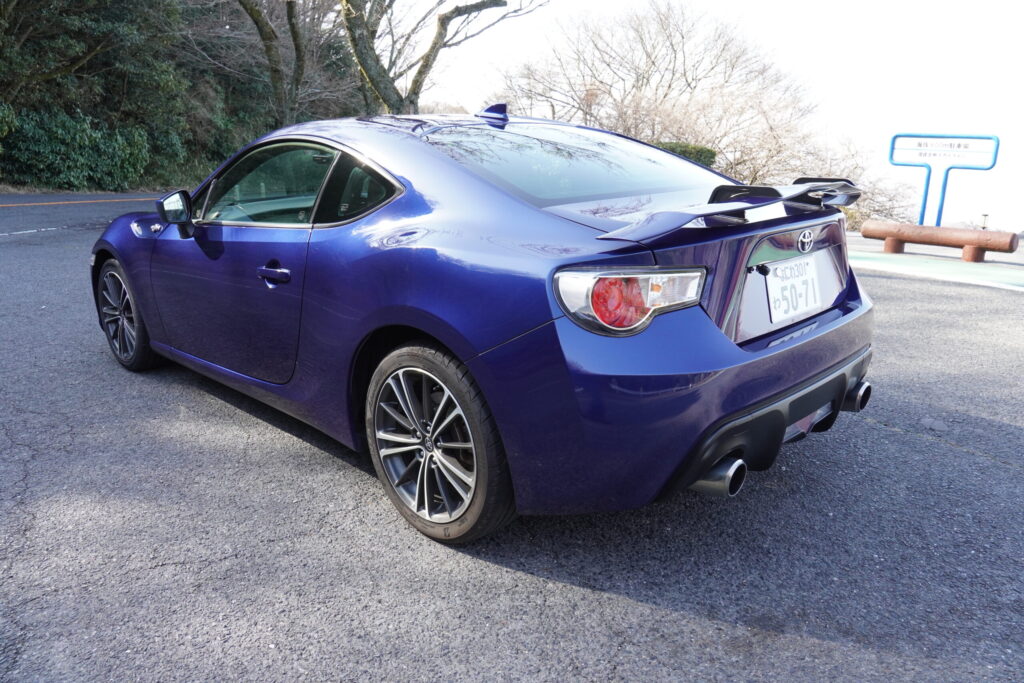
Choosing a car over a train ticket does not mean rejecting Japan's incredible transportation culture; it means mastering it on your own terms. Behind the wheel of an analog, driver-focused sports car like the Toyota 86 or Subaru BRZ, the road itself becomes the primary destination. The linear acceleration, crisp manual gear shifts, and communicative chassis allow you to feel every change in asphalt texture, every slope of a mountain road, and every shift in elevation. From the glowing sprawl of Osaka's urban jungle to the dramatic ridges of Hyogo Prefecture, driving unlocks an authentic, unfiltered Japan that remains completely invisible from a train platform.

Mount Rokko Driving Tour: The 2-Day Itinerary Deep Dive
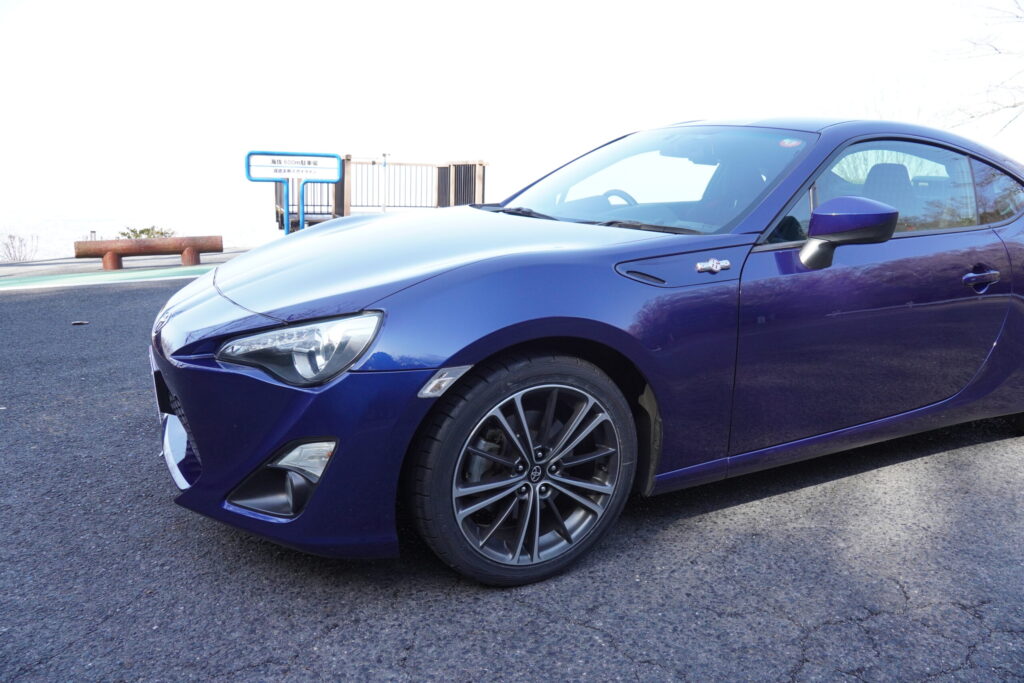
Day 1: Departure from Osaka, Technical Touge Conquest, and the Million-Dollar Night View
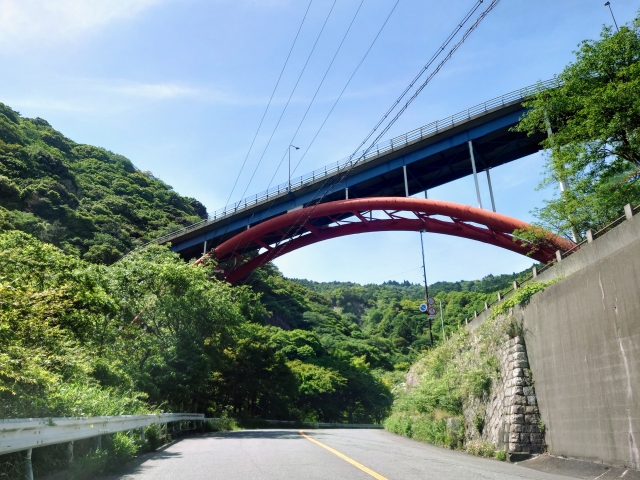
09:00 AM — Departure from Osaka: Crossing the Urban Threshold
Your journey begins in the heart of Osaka, a metropolis buzzing with morning energy. As you start the atmospheric 2.0-liter boxer engine of your Toyota 86, the low, deep idle echoes through the concrete surroundings. Engage first gear, lift the clutch, and merge smoothly onto the Hanshin Expressway Route 3 or National Route 43 heading west toward Kobe and Hyogo Prefecture.
The initial leg of the drive takes you through Kansai's industrial and urban artery. To your left, the industrial expanse of Osaka Bay stretches out under the morning sky; to your right, the dense residential neighborhoods gradually give way to the imposing backdrop of the Mount Rokko range. Navigating through Osaka's elevated highway system gives you an immediate feel for the 86’s tight, communicative steering. The low seating position brings you close to the road surface, making every lane change feel sharp and controlled.
10:30 AM — Kobe Coastal Cruise & Port Area Exploration
As Route 43 transitions into Kobe, the cityscape shifts dramatically. Kobe is a city compressed between high mountains and deep sea, giving it a distinct maritime character. Before ascending the mountain, take a brief detour through the Kobe Port area and Meriken Park.
+-------------------------------------------------------------------+
|                        KOBE COASTAL AREA                          |
|                                                                   |
|   [Meriken Park] ────► [Kobe Port Tower] ────► [Nankinmachi]      |
|    Maritime Views       Red Steel Architecture   Steam Buns & Eats|
+-------------------------------------------------------------------+
Park near the waterfront to stretch your legs and admire the contrast between the sleek, modern lines of the 86 and the striking red structure of the Kobe Port Tower. The morning breeze off the bay is crisp, carrying the salt air from Osaka Bay. Grab an iced coffee from a local cafe and take a short walk through Nankinmachi (Kobe Chinatown), where steam rises from street vendors preparing fresh pork buns (butaman) and handmade dumplings. This coastal pause serves as the perfect visual and physical transition before attacking the technical mountain roads ahead.
12:00 PM — The Ascent Begins: Omote-Rokko Driveway
Leave the coastal flatlands behind and set your navigation for the entry of the Omote-Rokko Driveway (表六甲ドライブウェイ). This legendary road was historically built to connect downtown Kobe with the mountain crest, and it stands as one of Japan’s premier mountain passes.
As you clear the final urban traffic lights, the road tilts steeply upward. Shift down into second gear. The natural aspiration of the 86’s engine responds instantly, its engine note rising as the tachometer needle swings past 4,000 RPM. The Omote-Rokko Driveway is a relentless series of technical hairpin turns, sweeping S-curves, and rapid elevation shifts.
Elevation (m)
900m |                                      [Rokko Summit]
800m |                                     /
700m |                                    /
600m |             [Omote-Rokko]         /
500m |            /                     /
400m |           /                     /
300m |          /                     /
200m |  [Kobe] /                     /
100m |________/_____________________/____________________
Here, the balanced 50:50 weight distribution and rear-wheel-drive dynamics of the Toyota 86 shine brilliantly. The steering wheel delivers precise feedback through your fingertips, letting you feel the front tires load up as you turn into each apex. The suspension keeps the body level through tight switchbacks, while the mechanical rear differential allows you to put power down smoothly exiting each corner. The surrounding scenery shifts rapidly from urban concrete to towering evergreen forests and ancient moss-covered stone walls.
01:30 PM — Mountain Ridge Lunch: Authentic Hyogo Soba
After conquering the lower hairpins, pull off the main drive into a quiet mountain settlement near the Rokko Alpine Botanical Garden. Stop for lunch at a traditional mountain soba establishment housed in a wooden building with cedar-shingled roofing.
+-------------------------------------------------------------------+
|                         MOUNTAIN LUNCH                            |
|                                                                   |
|   Dish: Tenzaru Soba (Cold Buckwheat Noodles with Tempura)         |
|   Texture: Firm, springy, handmade buckwheat noodles               |
|   Flavors: Rich dashi dip, crisp wild mountain vegetable tempura   |
+-------------------------------------------------------------------+
Order Tenzaru Soba—cold, hand-rolled buckwheat noodles served alongside piping-hot tempura made from locally harvested wild mountain vegetables (sansai) and fresh prawns. Dip the chilled noodles into the savory tsuyu broth, flavored with shaved bonito flakes and fresh grated wasabi. The earthy, nutty flavor of the buckwheat combined with the light, crisp crunch of the tempura offers a refreshing reset after an intense hour of mountain driving.
03:00 PM — Rokko Garden Terrace & Geological Exploration
Continue along the crest of the mountain via the Rokko Sanjo Road to reach the Rokko Garden Terrace. Sitting at an altitude of nearly 900 meters above sea level, this vantage point offers an incredible geographic overview of the Kansai plain.
The Mount Rokko range is a granite batholith formed millions of years ago through tectonic uplift. Its sheer southern face drops steeply into Kobe and Osaka Bay, while its northern slopes taper off gently toward the historic valley of Arima. Walk out onto the Rokko-Shidare Observatory, an architectural structure made of wooden slats designed to catch mountain winds and frost in the winter. From here, on a clear afternoon, you can look out across the entire expanse of Osaka Bay, spotting Kansai International Airport floating on its artificial island in the distance, the Akashi Kaikyo Bridge stretching westward toward Shikoku, and the sprawling skyline of Osaka to the east.
| Landmark | Altitude / Span | Visual Highlight |
| Rokko Summit | 931 meters | Panoramic 360-degree mountain-to-sea view |
| Akashi Kaikyo Bridge | 3,911 meters (length) | World's longest central span suspension bridge |
| Kansai Int'l Airport | Offshore Bay location | Artificial island visible across the waters |
| Osaka Skyline | Sea Level to 300m+ | Urban expanse framing the eastern horizon |
05:30 PM — Check-In: Grand Hotel Rokko Skyvilla
Drive five minutes along the ridge to check into the Grand Hotel Rokko Skyvilla (or a similar high-altitude mountain retreat). Settling into a mountain hotel allows you to experience Mount Rokko after the daytime tour buses leave, when a calm silence settles over the peak. Park the 86 in the hotel lot, letting the hot exhaust system cool with a soft metallic ticking sound that signifies a hard drive well completed. Check into your room, change into a relaxing yukata, and take a moment to unwind before the main evening event.
07:00 PM — The "Ten-Million-Dollar" Night View at Kikuseidai
As dusk fades into night, drive the short distance along the ridge to Mount Maya’s Kikuseidai (掬星台), which translates to "the platform where you can scoop up stars by hand." Kikuseidai offers one of the official "Three Great Night Views of Japan."
+-------------------------------------------------------------------+
|                  KIKUSEIDAI NIGHT VIEW PANORAMA                   |
|                                                                   |
| [Kobe Port]   [Port Island]    [Rokko Island]    [Osaka Skyline]  |
|    * * *        * * * * *        * * * * *       * * * * * * *    |
|  . . . . . . . . . . . . . . . . . . . . . . . . . . . . . . . .  |
| ~~~~~~~~~~~~~~~~ OSALKA BAY REFLECTION ~~~~~~~~~~~~~~~~~~~~~~~~~~ |
+-------------------------------------------------------------------+
Step out onto the viewing deck as the final light disappears from the horizon. Below you unfolds a vast, carpet of glowing golden, white, and neon lights stretching continuously from the harbor of Kobe all the way across to the far reaches of Osaka and Senshu. The contrast between the pitch-black ocean of Osaka Bay and the shimmering lattice of urban infrastructure is breathtaking. The chilly mountain air is clean and sharp, amplifying the clarity of the lights below. It is easy to see why electrical power estimates gave this view its famous nickname: the Ten-Million-Dollar Night View.
09:00 PM — Late Dinner: Kobe Beef Steak Dining
Head back toward the mountain center or down to the upper ridge dining quarters for a dinner centered around Kobe’s world-famous export: marbled Kobe Beef (Tajima-gyu).
Select a local teppanyaki establishment where the chef prepares the cut directly on a hot steel griddle in front of you. Watch as the high-grade A5 marbled beef sears, releasing an incredible aroma. Seasoned simply with coarse sea salt, freshly cracked black pepper, and toasted garlic chips, the meat melts on your tongue, delivering a rich, buttery flavor profile. Pair it with locally grown Hyogo vegetables grilled in the beef's natural juices and a bowl of steaming Japanese white rice.

Day 2: Ura-Rokko Downhill, Historic Arima Onsen, and Coastal Return
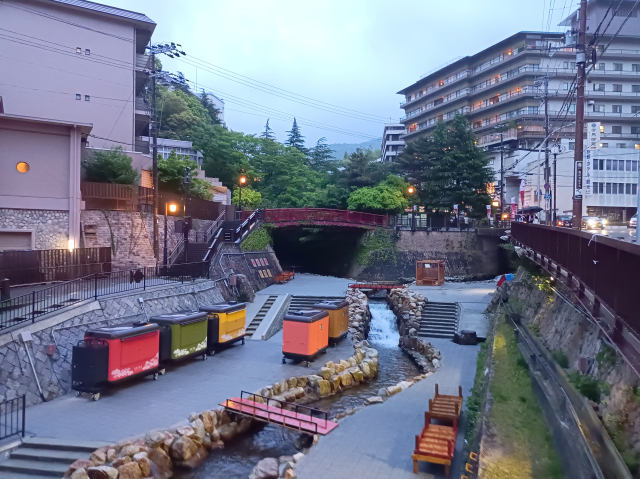
08:00 AM — Dawn Run: The Ura-Rokko Driveway
Wake early to capture the mountain pass at its absolute finest—devoid of traffic and bathed in soft morning light. The northern side of the range is served by the Ura-Rokko Driveway (裏六甲ドライブウェイ). While the southern slope is famous for sweeping views, Ura-Rokko is beloved by car enthusiasts for its dense forest canopy, technical rhythm, and demanding corner transitions.
Start the 86 and let the oil temperature rise to operating levels. The morning drive down Ura-Rokko requires focused concentration. Smooth heel-toe downshifts before corner entry keep the engine right in its powerband. The 86’s light curb weight (roughly 1,250 kg) shines as you transfer weight from front to rear through tight chicane sections. Dense Japanese cedar trees line the road, filtering sunlight into shifting rays across the tarmac. The crisp morning air rushing through the cracked window carries the sweet scent of moist pine needles and wet granite.
       [ Dawn Drive: Ura-Rokko ]
                  │
                  ▼
   Shift Down (Heel-Toe) -> Apex Entry
                  │
                  ▼
   Tight Chicane -> Smooth Weight Transfer
                  │
                  ▼
   Forest Canopy Exit -> Arima Valley
10:00 AM — Hot Spring Relaxation: Arima Onsen
At the bottom of the Ura-Rokko descent lies Arima Onsen (有馬温泉), one of Japan's three oldest hot spring towns, with a recorded history extending back over 1,000 years. Park the car in the central town garage and explore the narrow, winding cobblestone streets on foot.
+-------------------------------------------------------------------+
|                        ARIMA ONSEN SPRINGS                        |
|                                                                   |
|   1. Kinsen (Golden Spring)                                       |
|      - Rich in iron, salt, and minerals                            |
|      - Reddish-brown color; excellent for muscle recovery         |
|                                                                   |
|   2. Ginsen (Silver Spring)                                       |
|      - Clear, radium and carbonate-rich water                     |
|      - Refreshing; aids circulation and smooth skin               |
+-------------------------------------------------------------------+
Arima is famous for two distinct types of spring water that bubble naturally from underground thermal vents:
- Kinsen (金泉 - Golden Spring): Dark reddish-brown water heavily saturated with iron and salt. The bath is so dense with minerals that you cannot see your own limbs beneath the surface. The high salt content creates a protective barrier on the skin, retaining body heat and soothing tired muscles after hours of technical driving.
- Ginsen (銀泉 - Silver Spring): Clear, sparkling water containing carbonation and radium, designed to clear skin pores and stimulate peripheral circulation.
Visit a historic bathhouse such as Kin-no-yu (Gold Hot Spring) or a traditional ryokan bath. Soaking in the steaming, mineral-rich Kinsen bath while listening to the trickle of mountain water outside resets your body completely, washing away driving fatigue.
01:00 PM — Street Food & Souvenir Hunting in Arima
After bathing, stroll through Arima’s traditional merchant alleyways. Grab lunch by sampling local street delicacies:
- Tansan Senbei (炭酸せんべい): Extremely thin, crispy wafer crackers made using natural carbonated spring water from Arima’s sources. They are baked fresh on iron molds right before your eyes.
- Arima Cider (Arima Teppo Water): A retro-style, highly carbonated glass-bottled soda that offers a crisp bite.
- Steamed Onsen Manju: Sweet brown-sugar buns stuffed with smooth red bean paste, steamed over hot thermal vents.
+-------------------------------------------------------------------+
|                       ARIMA STREET FOOD                           |
|                                                                   |
|  [Tansan Senbei]    [Arima Cider]         [Onsen Manju]           |
|  Crispy spring-     Retro carbonated      Steamed red-bean        |
|  water wafers       glass-bottle soda     thermal vent buns       |
+-------------------------------------------------------------------+
03:00 PM — Coastal Highway Return: The Akashi Outlook
Leave Arima Onsen and take the Hanshin Expressway Route 7 (Kita-Kobe Line) west toward the coastline, connecting to the Kobe-Awaji-Naruto Expressway brief junction near Tarumi. This allows you to drive along the coastal elevated highway framing the Akashi Kaikyo Bridge.
Pull into the Maiko Villa or the coastal park area under the massive concrete anchors of the bridge. Standing beneath this engineering feat—spanning nearly four kilometers across the roaring tides of the Akashi Strait—offers a sense of scale. The sunset colors the sea in shades of burnt orange and deep indigo, casting long shadows across the metallic paint of your Toyota 86.
        [ Akashi Kaikyo Bridge Evening View ]
  =================================================  (Suspension Cables)
      ||             ||             ||             ||
      ||             ||             ||             ||
 ~~~~~~~~~~~~~~~~~~~~~~~~~~~~~~~~~~~~~~~~~~~~~~~~~~~~~~~~~ (Akashi Strait)
         [ Toyota 86 Parked at Waterfront Viewpoint ]
05:30 PM — Return Drive to Osaka
Rejoin the Hanshin Expressway Route 3 east toward Osaka. As the evening sun dips behind the Mount Rokko silhouette in your rearview mirror, the highway guides you back into the glowing grid of Osaka's urban heart. The return drive offers a smooth, meditative end to an action-packed 2-day journey, demonstrating how seamlessly a modern sports car bridges the gap between rugged mountain wilderness and bustling modern cities.
Mount Rokko Driving Tour: Expert Advice & Cultural Nuances
The Culture of Michi-no-Eki (Roadside Stations)
One of the greatest joys of driving in Japan is experiencing the network of Michi-no-Eki (道の駅)—government-designated roadside rest stations that are far more than mere gas stops. Unlike standard highway service areas, Michi-no-Eki are deep celebrations of local agriculture, culture, and cuisine.
When driving around Hyogo Prefecture and the outskirts of Mount Rokko, stopping at a Michi-no-Eki gives you access to freshly harvested local produce, regional soft-serve ice cream flavors (such as Kobe milk or local black soybean flavors), and handmade crafts produced by local artisans. They serve as clean, safe rest points equipped with 24-hour restrooms, detailed regional driving maps, and friendly local staff.
+-------------------------------------------------------------------+
|                        MICHI-NO-EKI HIGHLIGHTS                    |
|                                                                   |
|   [Fresh Regional Produce] ──► Local black soybeans & chestnuts   |
|   [Artisanal Foods]        ──► Handmade soba, local dairy milk    |
|   [Driver Amenities]       ──► Clean 24/7 rest, detailed maps     |
+-------------------------------------------------------------------+
Mountain Pass Etiquette and Safety
Driving on Japanese mountain passes (touge) carries a set of unwritten cultural rules and essential safety practices that every international driver must respect:
- Yielding to Faster Local Traffic: Local drivers who know every bump on the mountain may catch up behind you. If a vehicle approaches from behind, pull slightly to the left at the next designated turnout (katakoi) or wide shoulder, turn on your left hazard light briefly, and let them pass cleanly.
- Audible Signal on Blind Corners: Many narrow, single-lane roads near Mount Rokko feature blue signs reading Klakson (Horn). On tight, blind hairpins marked with these signs, sound a short horn tap to alert downhill drivers of your presence.
- Center Line Discipline: Many mountain passes use solid yellow center lines. In Japan, crossing a solid yellow center line to pass a slower vehicle is strictly illegal and dangerous due to blind corners and oncoming downhill traffic.
- Gutter Drainage Dangers: Japanese mountain passes feature deep concrete drainage gutters (mizo) lining the inner edge of the road. Keeping your tires safely away from the road edge prevents wheel damage or getting hooked in a gutter.
+-------------------------------------------------------------------+
|                      MOUNTAIN PASS RULES                          |
|                                                                   |
|  [Yellow Center Line] ──► Absolute No-Passing Zone                |
|  [Left Turnout Area]  ──► Pull over briefly to yield to locals    |
|  [Concrete Gutters]   ──► Keep tires safely clear of road edges   |
+-------------------------------------------------------------------+
Mount Rokko Driving Tour: Detailed Logistics & Pre-Trip Tips
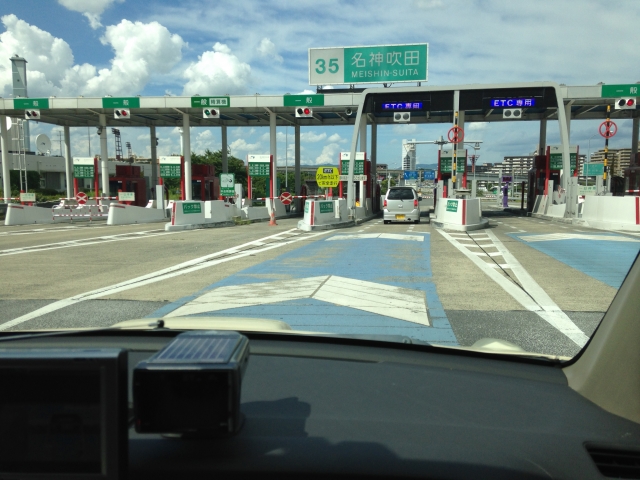
Navigation & ETC Cards
Navigating Japanese roads in 2026 is seamless if prepared correctly. Ensure your rental vehicle comes equipped with an updated Japanese GPS system or an accessible phone mount for Smartphone navigation apps.
[ Rental Car Garage ]
        │
        ├── Plug in ETC Card ──► Auto-Pay Toll Gates
        ├── Verify International Permit ──► Legal Clearance
        └── Set Navigation ──► Seamless Route
The single most critical piece of equipment for driving in Kansai is an ETC (Electronic Toll Collection) Card. Japan’s expressway network—including the Hanshin Expressway connecting Osaka to Rokko—is heavily toll-based. An ETC card inserts directly into a reader unit built into the car's glovebox or dashboard. As you pass through designated green ETC gates at expressway entrances and exits, tolls are automatically recorded without requiring you to stop, handle cash, or calculate exact change. At the end of your trip, the rental agency simply reads the card data and settles the total.
Gas Station Conversions & Etiquette
Refueling in Japan is straightforward once you know the core terminology:
+-------------------------------------------------------------------+
|                    GAS STATION TERMINOLOGY                        |
|                                                                   |
|  Japanese Term      Pronunciation    English Meaning              |
|  ───────────────────────────────────────────────────────────────  |
|  ハイオク            Hai-oku          High-Octane Premium (86/BRZ) |
|  レギュラー          Regyurā          Regular Unleaded             |
|  満タン              Mantan           Fill It Up (Full Tank)       |
|  現金                Genkin           Cash Payment                 |
|  カード              Kādo             Credit Card Payment          |
+-------------------------------------------------------------------+
When pulling into a full-service station (Full sign), an attendant will direct you to a bay. Roll down your window and state three things:
- Fuel Type: State "Hai-oku" (High Octane / Premium grade fuel required for sports cars like the 86).
- Volume: State "Mantan" (Full tank).
- Payment: State "Kādo" (Credit card) or "Genkin" (Cash).
The attendant will place a fuel cap cover on your car, clean your windows, wipe down your side mirrors, and even hold a towel to catch fuel drips. When exiting, they will often guide you safely out into oncoming traffic with a bow.
Parking Mechanics
In urban Osaka and downtown Kobe, street parking is non-existent. Always use designated public pay lots, which typically operate under two systems:
- Flap Locks (ロック板): You pull into a designated space. After 3–5 minutes, a metal barrier flap rises under the center of the car chassis. To exit, enter your parking space number at the central payment machine, pay the required cash/card fee, and confirm that the metal flap has lowered completely before driving out.
- Tower Parking: Automated mechanical structures that hoist your car inside a vertical building. Follow the attendant's hand signals, fold in your side mirrors, pull the handbrake, and exit the vehicle while the elevator stows your car safely.
[ Parking Lot Flap Lock System ]

1. Park Car ──► 2. Flap Rises ──► 3. Pay at Console ──► 4. Flap Lowers
Mount Rokko Driving Tour: Comprehensive FAQ
What driver's license documents are required to legally drive in Japan?
To drive legally in Japan, you must present three mandatory documents at the time of vehicle pickup:
- Your original valid domestic driver’s license from your home country.
- A valid International Driving Permit (IDP) issued under the 1949 Geneva Convention.
- Your physical passport.
Crucial Note: IDPs issued under the 1968 Vienna Convention are not legally recognized in Japan. Drivers holding licenses from specific countries/territories (such as Switzerland, Germany, France, Belgium, Monaco, and Taiwan) must present an official Japanese translation of their native license provided by JAF (Japan Automobile Federation) or their respective embassy, rather than an IDP.
Is driving a manual transmission (MT) JDM car difficult on mountain roads?
While modern sports cars like the Toyota 86 feature lightweight clutch pedals, hill-start assistance, and precise gear engagement, driving a manual car on steep mountain passes requires basic proficiency with clutch control and downshifting. If you are uncomfortable with manual transmissions, automatic versions of these vehicles are widely available and offer manual paddle-shift controls for mountain descents.
+-------------------------------------------------------------------+
|                     AUTOMATIC VS MANUAL CHOICE                    |
|                                                                   |
|   Manual (MT) ────► Ultimate engagement, heel-toe matching        |
|   Automatic (AT) ─► Stress-free urban driving, paddle-shift mode  |
+-------------------------------------------------------------------+
What happens regarding highway tolls and insurance coverage?
All rental vehicles in Japan come with mandatory basic insurance coverages (Third Party Property, Personal Injury, and Vehicle Damage). However, it is strongly recommended to opt for full Collision Damage Waiver (CDW) and Non-Operation Charge (NOC) waivers. NOC covers the business interruption fee if a car requires repairs or deep cleaning after an incident. Express tolls are calculated electronically via your ETC card and settled at vehicle return.
What are the road conditions on Mount Rokko during winter months?
During late spring, summer, and autumn, road conditions on Mount Rokko are pristine. However, between late December and early March, high-altitude roads like the Rokko Sanjo Road can experience sub-zero temperatures, black ice, and light snowfall. During winter, rental vehicles operating in mountain regions should be fitted with dedicated winter snow tires (studless tires).
Mount Rokko Driving Tour: The Final Thoughts
+-------------------------------------------------------------------+
|                        YOUR JDM ADVENTURE                         |
|                                                                   |
|    [ Choose Your Car ] ──► [ Map Your Touge ] ──► [ Drive Japan ] |
|      Toyota 86 / BRZ        Mount Rokko Ridge       Beyond Rails  |
+-------------------------------------------------------------------+
Japan's train system is an incredible achievement of modern public transport, but it was designed to move masses of commuters along set lines. It was never meant to show you the golden hour light hitting the jagged granite peaks of Mount Rokko, nor was it built to let you experience the thrilling rhythm of shifting gears through an S-curve above Kobe Bay.
To truly understand the spirit of Japanese automotive culture and unlock the hidden geographic gems of Kansai, you have to take control of the wheel yourself. The tight mountain passes, the steaming hot springs, the crisp coastal expressways, and the mesmerizing night lights are waiting for you.
When you are ready to trade crowded platform schedules for the freedom of the open road, head over to Omoresonk-Car Osaka Central (おもしろレンタカー大阪中央店). Pick up a perfectly maintained, driver-focused machine like the iconic Toyota 86 or Subaru BRZ, turn the key, engage first gear, and write your own unforgettable Japanese driving story. The touge is calling—it's time to start the engine.