
Miyama - The Philosophy of Driving in Japan
As a former conductor for the Kintetsu Railway, I spent years listening to the rhythmic clack-clack of steel wheels gliding across the iron veins of Kansai. I watched countless travelers gaze out of train windows at breathtaking mountain ridges and mist-shrouded valleys, only to be whisked past them toward the standard, hyper-touristy hubs: Kyoto Station, Arashiyama, Nara Park, and Dotonbori. Trains are the undisputed backbone of Japanese civil engineering—punctual, hyper-efficient, and undeniably charming. But rail lines follow heavy human demand. They are tethered to main lines, strict timetables, and bustling terminals. They show you the Japan that has been packaged and prepared for the masses.
To discover the soul of Japan—what I like to call "Secret Japan"—you have to step off the platform, grab a three-spoke leather steering wheel, and take control of your own journey.
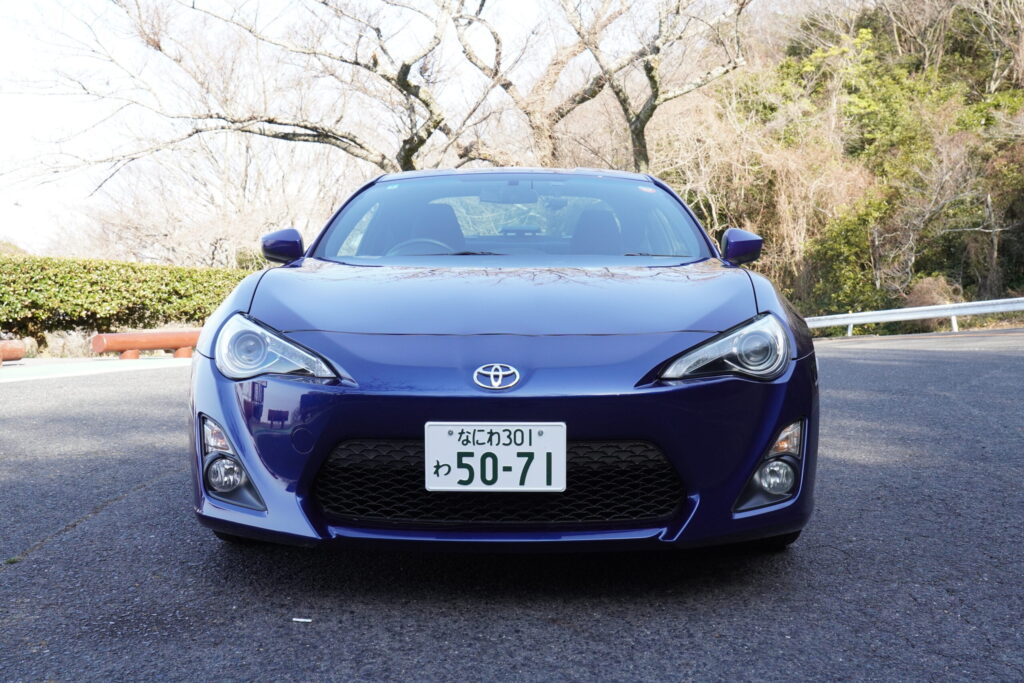
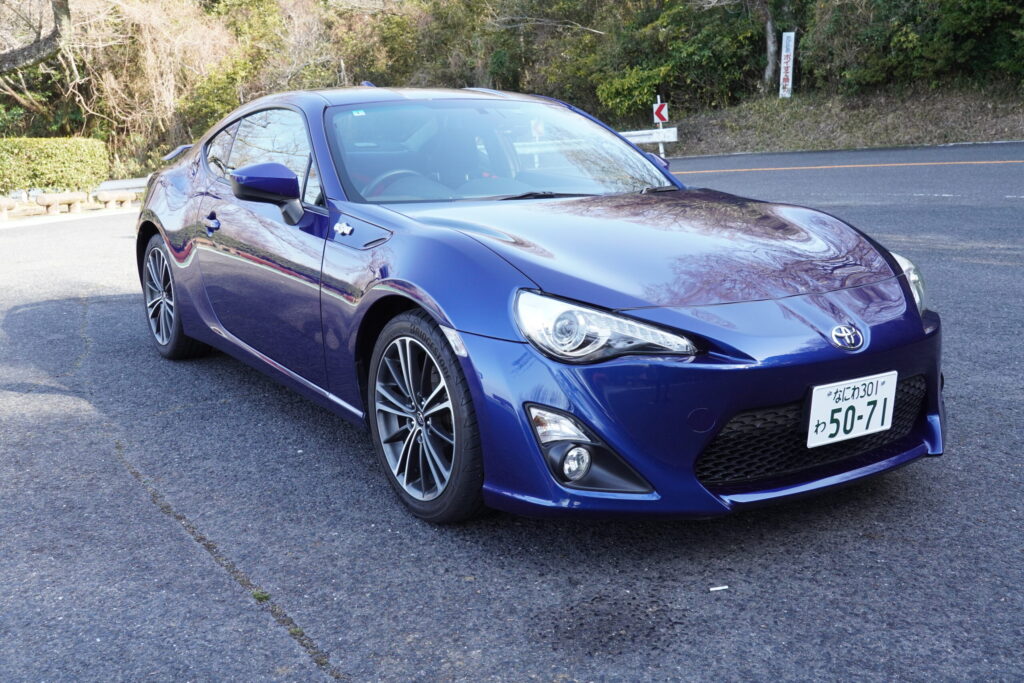
When you sit low in the cockpit of a lightweight, rear-wheel-drive sports machine like a Toyota 86 or Subaru BRZ, the perspective of the Kansai region transforms completely. Osaka is no longer just a sprawling concrete neon jungle; it becomes your launching pad. The flat, multi-lane urban expressways quickly give way to twisting asphalt ribbons that climb into the lush, emerald fold of the Tanba Mountains.
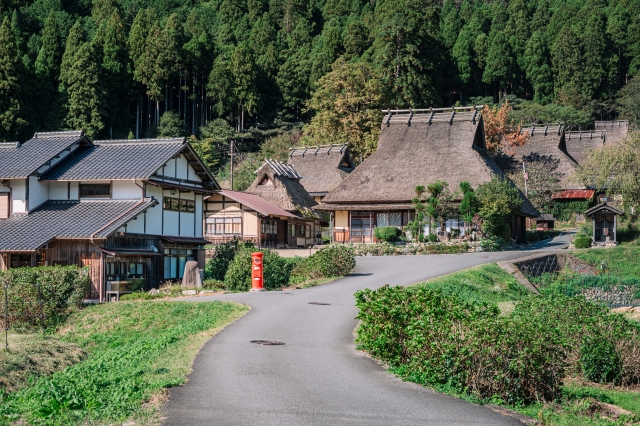
This is where the argument for driving over rail travel becomes absolute. Deep in the rural hinterlands of Kyoto Prefecture lies Miyama (美山)—literally translating to "Beautiful Mountains." While thousands of tourists elbow each other for a clean photograph in Kyoto's Gion district or wait in line for an hour to see the bamboo groves, Miyama exists in a state of timeless serenity. It is home to Kayabuki no Sato, a traditional village preserved with one of the highest concentrations of historic thatched-roof kayabuki farmhouses in all of Japan.
Getting to Miyama via public transport is a logistical nightmare involving multiple train transfers, infrequent local buses, and rigid scheduling that consumes your entire day. But behind the wheel of a pure driver's car like the GT86, the journey to Miyama isn't a commute; it is an exhilarating automotive pilgrimage.
The Toyota 86 was crafted for precisely these roads. It does not rely on absurd, hypercar horsepower that can never be unleashed on public streets. Instead, it offers brilliant chassis balance, razor-sharp front-end turn-in, a low center of gravity courtesy of its naturally aspirated boxer engine, and a precise manual gearbox that makes every downshift an event.
When you carve through the technical S-bends of Route 162 (the famous Shuzan Kaido), feeling the mechanical feedback through the steering rack while the exhaust note echoes off dense cedar forest walls, you realize something profound: the car is not merely a mode of transport. It is an immersive lens through which Japan reveals its rawest geography, its subtle microclimates, and its richest traditions.

Miyama - The 2-Day Itinerary: Deep Dive
Day 1: From Osaka’s Neon to the Ancient Shuzan Kaido
07:00 AM – Departure from Central Osaka: The Urban Awakening
Your journey begins early in the heart of Osaka. At 7:00 AM, the morning light filters through the metallic towers of the city. Fire up the naturally aspirated 2.0-liter boxer engine of your Toyota 86. The cold-start idle is raspy and mechanical, sending a subtle vibration through the aluminum pedals and bucket seat. Adjust your mirrors, grab the leather-wrapped wheel, and slide the short-throw shifter into first gear.
Leaving Osaka via the Hanshin Expressway system requires sharp focus. You navigate the elevated concrete viaducts, merging seamlessly into early morning traffic. The city slowly begins to unlock its grid. Within 30 minutes, as you head northeast toward Kyoto via the Meishin Expressway or the Kyoto Jukan Expressway, the dense skyscrapers dissolve into low-rise suburbs, which quickly yield to rolling green foothills.
08:30 AM – Pitstop at Katagihara & Transition to Route 162
As you bypass the congested urban core of central Kyoto, slide off the expressway and transition onto Route 162, universally known among Japanese motoring enthusiasts as the Shuzan Kaido (周山街道). Before entering the technical mountain pass, pull over at a local convenience store (konbini) on the outer edge of Ukyo Ward.
Grab a hot black canned coffee—such as Boss Coffee's "Rainbow Mountain"—and a couple of fresh onigiri (rice balls wrapped in crisp seaweed). Take a moment to admire the vehicle stance in the morning air. The low hood line of the GT86, sculpted front fenders, and aggressive silhouette look intensely purposeful against the backdrop of rising morning mist hanging over the distant tree lines.
ROUTE MAP OVERVIEW (Day 1 Morning): [Osaka City] ──(Expressway)──> [Kyoto Outer Edge] ──(Route 162 / Shuzan Kaido)──> [Kuri-no-Kiki Pass] ──> [Miyama Kayabuki no Sato] 09:15 AM – Taming the Shuzan Kaido (Route 162)
This is where the driving magic truly unfolds. Route 162 was historically an ancient trade route used to haul fresh seafood from Wakasa Bay on the Sea of Japan inland to the Emperor's imperial court in Kyoto. Today, it stands as one of the premier driving roads in Western Japan.
The asphalt here is immaculate—smooth, black asphalt engineered with high-grip compounds, cambered perfectly into sweeping bends and sharp hairpins. As you cross into the mountain corridor, the air temperature drops instantly by several degrees. Cool, pine-scented air fills the cabin if you crack the window open.
Shift down into 3rd gear, then 2nd for a tight right-hand apex. The GT86 responds instantly; its light kerb weight (around 1,200 kg) allows it to change direction with effortless agility. The steering wheel communicates every subtle texture of the road surface. You sweep through technical double-apex turns, acceleration mounting as the tachometer needle sweeps past 5,000 RPM, accompanied by the energetic induction roar of the engine. Deep green Cryptomeria cedar trees tower over the road like ancient guardians, filtering sunlight into shifting rays across your windshield.
11:00 AM – Arrival at Miyama Kayabuki no Sato (美山かやぶきの里)
After two hours of intoxicating mountain driving, the dense forest suddenly opens up into a wide, tranquil river basin flanked by agricultural fields. You have arrived at Kayabuki no Sato in North Miyama.
Park your sports car at the designated visitor parking area right along the clear waters of the Yura River (Yuragawa). As you shut off the engine, the sudden silence is absolute, punctuated only by the soft ping-ping sound of the hot exhaust manifold cooling down in the fresh rural breeze and the faint call of cicadas or wild birds in the surrounding hills.
Step out and absorb the visual masterpiece before you. Spread across the gentle slope of the mountain are 39 preserved thatched-roof farmhouses (kayabuki), many of which were built during the mid-to-late Edo Period (18th to 19th centuries). Unlike Shirakawa-go in Gifu Prefecture, which can feel overwhelmed by massive tour buses and commercialized crowds, Kayabuki no Sato remains a living, working agricultural community where real families tend to gardens, harvest crops, and maintain ancestral structures.
11:30 AM – Walking the Ancient Village Grounds
Take a leisurely stroll along the narrow paved footpaths that meander between the farmhouses. The craftsmanship of the thatched roofs is astonishing. Made from thick layers of dried pampas grass (susuki), these roofs are up to a meter thick, expertly bound by timber and ropes without a single metal nail in their primary framing. They are designed to withstand heavy winter snows while keeping the interior cool during the lush Japanese summer.
Visit the Miyama Folk Museum (美山民俗資料館). Here, you can step inside a authentically restored 200-year-old farmhouse. Inhale the deep, rich aroma of aged cedar wood and smoked straw. At the center of the house sits the irori (a traditional sunken hearth). For centuries, smoke from the continuous charcoal fire drifted upward through the open rafters, soot-curing the underside of the thatch roof to repel insects and prevent wood rot.
01:00 PM – Traditional Lunch: Miyama Jidori & Hand-Cut Soba
By mid-day, your appetite will demand attention. Walk to Kitanodai (きたの代) or Soba-dokoro Chisen, cozy local eateries located near the village perimeter.
Order a traditional set meal featuring Miyama Jidori (美山地鶏)—locally raised, free-range heritage chicken known for its firm texture and deep, savory flavor—paired with freshly hand-cut Miyama Soba. The buckwheat used for the noodles is grown in the very fields surrounding the village, nourished by mineral-rich mountain runoff.
The Meal Experience: The cold soba noodles (Zaru Soba) are served on a bamboo mat alongside a dipping sauce (tsuyu) made from kelp and aged soy sauce. When you dip the noodles and lift them, the earthy aroma of raw buckwheat hits your nose. The Miyama Jidori chicken is grilled over charcoal with a light sprinkling of local sea salt, yielding a smoky crust and rich juice with every bite. Accompanying the dish are seasonal mountain vegetable tempura (sansai) featuring wild fern fronds and sweet shiso leaves fried in a light, gossamer batter.
02:30 PM – Exploring the Yura River & The Legend of the Fire Sprinklers
After lunch, head down toward the banks of the Yura River. The water here is crystal clear, reflecting the deep cobalt sky and dark green mountains. You can see sweetfish (ayu) darting across the smooth river stones.
If you happen to visit during May or December, you might witness Miyama’s famous Hokaku Kunsren (Fire Hose Testing). Because these wooden, straw-roofed homes are exceptionally vulnerable to fire, the village installed dozens of concealed water cannons inside traditional-looking wooden sheds. When activated simultaneously during safety drills, giant arches of river water shoot high into the sky over the thatched roofs, creating a breathtaking liquid canopy over the entire historic site.
04:00 PM – Coastal & Forest Loop: Route 368 to Ashiu Forest Boundary
Re-enter your Toyota 86 for a late afternoon drive. Turn onto Route 368, winding further east toward the periphery of the Ashiu Primary Forest (芦生原生林).
This road narrows into a true local mountain pass (toge). Here, the low-slung, compact footprint of the GT86 shows its brilliant design. You glide along smooth, narrow tarmac tucked tightly against moss-covered rock walls on one side and gushing mountain streams on the other. Turn off the air conditioning, roll down both windows, and breathe in the rich smell of wild ferns, wet granite, and blooming summer mountain wildflowers.
06:30 PM – Check-in at a Traditional Farmhouse Inn (Ryokan / Minshuku)
Check into your accommodations for the night. To fully immerse yourself in rural Kyoto life, stay at a traditional village minshuku (family-run bed and breakfast) or a private renovated thatched farmhouse such as Miyama FUTON & Breakfast.
Upon arrival, slip off your driving shoes at the genkan (entryway) and step onto fresh, aromatic tatami mats. The room smells faintly of dried rush grass and natural wood.
07:30 PM – Local Feast: Wild Game & Mountain Produce
Dinner at your minshuku is a celebration of Satoyama culture (the harmony between human settlement and surrounding ecosystems).
The host prepares a multi-course meal cooked over the central irori hearth:
Botan Nabe or Wild Boar/Deer Skewers: Venison (shikaniku) and wild boar (botan) sourced responsibly by certified local hunters in the Tanba hills. The meat is lean, mineral-rich, and free from industrial gamey odor, marinated in wild berry glazes or local red miso.
Salt-Grilled Ayu (Sweetfish): Freshly caught from the Yura River, skewered in an 'S' shape on wooden stakes inserted directly into the hot ash surrounding the hearth charcoal, sprinkled heavily with coarse salt. The skin turns golden and crispy, while the meat inside steams in its own natural oils.
Freshly Picked Mountain Herbs: Prepared as delicate ohitashi (blanched in dashi broth) or pickled with local vinegar.
09:30 PM – The Starlit Night Drive & Silence
Before turning in for the night, take a short 10-minute night drive up to a higher clearing along Route 162. With virtually zero light pollution in the valley, click off your headlights at a safe pull-off. Look up through the car’s windscreen or step outside.
The night sky above Miyama is a brilliant, dense carpet of stars. The Milky Way arches clearly over the silhouette of the thatched roofs. The absolute tranquility of the country night—punctuated only by the murmur of the river—is a sensory reset from the blaring neon and siren wails of urban Osaka.

Day 2: Winding Passes, Craft Culture, and Coastal Breezes
07:30 AM – Morning Mist & Sunrise Drive
Wake early to witness Miyama wrapped in morning mountain mist (asagiri). The valley fills with soft, blanket-like clouds that hang low over the thatched roofs, catching the first golden rays of the sun breaking over the eastern peaks.
Slide into the GT86 for a brisk morning run along Route 19 toward Hiyoshi. The cold morning air increases oxygen density, making the naturally aspirated engine feel noticeably crisp and responsive under throttle. The road follows the bends of the river, offering flawless flow and sweeping turns with clear visibility.
DAY 2 ITINERARY FLOW: [Miyama Morning Mist] ──(Route 19)──> [Hiyoshi Dam & Lake] ──(Route 477)──> [Keihoku Crafts] ──(Return Route)──> [Osaka] 09:00 AM – Breakfast at the Ryokan
Return to your accommodation for a traditional Japanese breakfast: steaming local Koshihikari rice, a freshly fried sunnyside farm egg with deep orange yolk, grilled salt-cured salmon, fermented soybeans (natto) mixed with chopped spring onions, and hot miso soup brewed with local barley miso.
10:30 AM – Hiyoshi Dam & Lake Katsura: Engineering Meets Nature
Pack your bag, drop your gear into the practical rear trunk of the GT86, and head southwest along Route 19 toward Hiyoshi Dam.
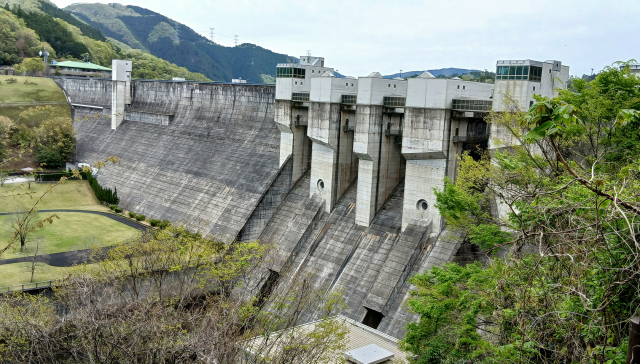
Constructed in 1998, Hiyoshi Dam is a monumental piece of modern Japanese civil engineering designed to prevent flooding downriver in Kyoto and Osaka. Standing 67 meters high and spanning 438 meters across, the concrete structure retains Lake Katsura.
Park at the base near Michi-no-Eki Hiyoshi Spring. The contrast between the sleek, angular lines of your modern JDM sports car, the massive brutalist concrete wall of the dam, and the lush green surrounding wilderness creates an extraordinary photographic moment. Take time to walk along the top of the dam wall; the elevated perspective over the emerald waters of Lake Katsura is staggering.
12:00 PM – Exploring Keihoku & The Cedar Wood Crafters
Drive east onto Route 477, entering the rural Keihoku (京北) region. For over a thousand years, Keihoku was the primary timber supplier for the Imperial Capital in Kyoto. The magnificent Kitayama Cedar (Kitayama Sugi) trees grown here are world-famous for their straight grain, knot-free wood, and dense strength, traditionally used for the alcove posts (tokobashira) in Japanese tea rooms.
Stop at a local artisan woodworking workshop along the highway. Here you can watch master carpenters turn aromatic cedar blocks into delicate chopsticks, hand-carved tea trays, and intricate structural joinery. Pick up a handcrafted Kitayama cedar coaster or timber scent diffuser as an authentic, sustainable souvenir of your journey.
01:30 PM – Rural Gastronomy: Black Soybean Specialty Meal
For lunch, head toward a countryside roadside restaurant specializing in Tanba regional produce. The Tanba region is legendary across Japan for producing the highest-grade Black Soybeans (Tanba Kuro-daizu) and wild matsutake mushrooms.
Order a set meal of Tanba Kuro-daizu Rice, where the sweet, nutty black beans are cooked directly with sticky white rice, served alongside homemade soy milk tofu (yufu), local wild boar croquettes, and crisp seasonal pickles. The flavors are subtle, natural, and deeply satisfying—a true testament to the richness of Kyoto's agricultural soil.
03:00 PM – The Return Run: Route 477 & The Technical Twisties
Begin your afternoon return drive toward Osaka, taking the scenic route via Route 477 toward Nantan and Kawanishi.
Route 477 is legendary among local car enthusiasts for its dramatic changes in personality. It transitions from wide, sweeping rural bypasses to tight, technical mountain switchbacks that test your rhythm and vehicle control.
This is where the GT86 shines brightest. Heel-and-toe downshifts from 3rd to 2nd gear come naturally as you blip the throttle, matching engine revs effortlessly before turning into crisp, tight corner apexes. The mechanical limited-slip differential (LSD) at the rear axle hooks up cleanly, powering you out of corners with predictable, progressive traction. The pure mechanical synergy between driver, car, and mountain road creates a state of pure mental flow.
DRIVING DYNAMICS ANALYSIS - TOYOTA 86 / SUBARU BRZ: - Weight Distribution: 53:47 Front/Rear (Optimal balance for mountain agility) - Center of Gravity: 460mm (Lower than many exotic supercars) - Steering: Ultra-direct Electric Power Steering calibrated for maximum road feedback - Transmission: Short-stroke 6-speed manual with precise mechanical gates 05:30 PM – Transition Back to Osaka’s Skyline
As the sun begins to dip low toward the western horizon, painting the sky in vibrant hues of burnt orange, indigo, and rose gold, you descend out of the mountains and merge back onto the main highways leading into Osaka.
The contrast is staggering. Within an hour, quiet cedar forests and thatched roofs give way to multi-level concrete interchanges, sparkling glass skyscrapers, and the vibrant, pulsing energy of Osaka at nightfall. As you navigate back through the neon-lit expressways, you carry with you a deep sense of stillness acquired from the tranquil mountain valleys of Miyama.
Miyama - Expert Advice & Cultural Nuances
Driving in Japan as an international traveler is extraordinarily rewarding, but it comes with a unique set of cultural nuances, unspoken road etiquettes, and hidden regional infrastructure that every driver must understand.
The Wonder of "Michi-no-Eki" (Roadside Stations)
Forget standard western highway gas stations with stale coffee and basic convenience items. Japan’s network of Michi-no-Eki (道の駅)—government-designated roadside rest spots—are cultural destinations in their own right.
In rural areas like Miyama and the broader Tanba region, Michi-no-Eki serve as vibrant hubs for local farmers, craftsmen, and travelers.
Michi-no-Eki Miyama Fureai 広場 (Fureai Hiroba): Located along Route 162, this is the absolute ultimate pitstop on your drive. Here you will find Miyama Milk Plant, producing dairy products from cows raised right in the local valley. You must try the Miyama Soft-Serve Ice Cream—it is rich, velvety, naturally sweet, and incredibly fresh. You can also purchase fresh local pasteurized milk in glass bottles, artisanal gelato, and handmade cheeses.
Farmer's Markets: Inside the station, local farmers drop off fresh harvests every morning. You’ll find wild mountain herbs, local honey, hand-milled rice bags, and seasonal fruits like sweet Tanba chestnuts and persimmons at unbeatable prices.
Unspoken Etiquette of the Japanese Mountain Pass (Toge)
When driving a sporty vehicle like a GT86 through winding passes like Route 162 or Route 477, you will inevitably encounter different types of road users—from local grandmothers in 660cc Kei trucks carrying vegetables, to commercial delivery vans, and fellow automotive enthusiasts.
The Gratitude Hazard Flash: If a slower vehicle pulls over onto a turnout or wide shoulder to let your faster car pass, tap your hazard lights twice (blink-blink) once you merge ahead. This is the universal Japanese road signal for "Thank you."
Maintaining Lane Discipline: Japanese mountain roads can be narrow with tight blind corners. Never cross the central line (especially solid orange lines, which strictly prohibit crossing or passing). Always assume a local truck or bus could be approaching from the opposite direction around any blind bend.
Tunnel Etiquette: Tunnels through Japanese mountains are frequent and often narrow. Always turn your headlights on manually before entering (do not rely purely on auto-sensors) to ensure high visibility for oncoming vehicles.
Secret Local Spots Beyond the Tourist Trail
Otani Bridge (大谷橋): A picturesque, historic red iron bridge spanning the Yura River near Kayabuki no Sato. It offers a stunning vintage framing photo spot with your car, the river, and the emerald mountains behind.
Chasen Pass (茶筅峠): A quieter, highly technical side road section preferred by local driving enthusiasts early in the morning when traffic is non-existent.
Miyama - Detailed Logistics & Pre-Trip Tips
Navigating Japanese roads requires a clear understanding of modern transport systems, local fueling customs, and parking mechanics.
Navigation & Toll Systems: ETC Cards
Japan’s highway network is immaculate, highly efficient, and predominantly subject to tolls.
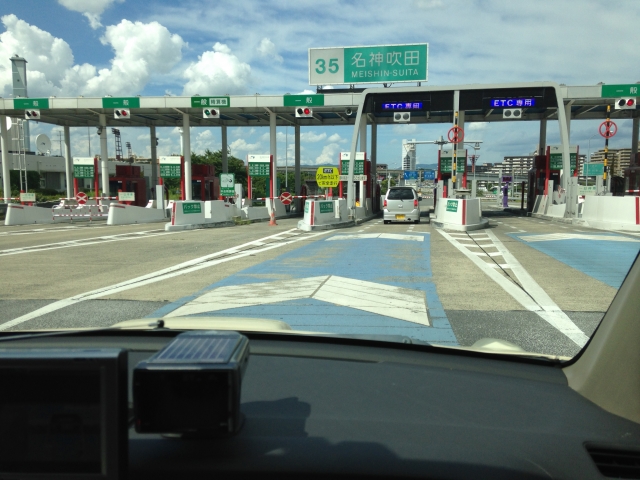
ETC (Electronic Toll Collection): Expressways use an electronic wireless toll system called ETC. When renting a car, always request an ETC card from the rental agency. The physical card is inserted into a reader box hidden inside the glove compartment or dashboard of the car.
Using ETC Gates: When approaching expressway toll plazas, look for illuminated purple gates marked "ETC 専用" (ETC Only). Slow down to 20 km/h; the wireless barrier will automatically detect your card, chime, and lift open without requiring you to stop or pay cash manually. When returning your car, the rental shop simply scans your card and calculates your exact toll total.
Gas Station Etiquette: Mastering the "Mantan"
Gas stations (Gasorin Susutendo) in Japan are divided into two types: Full Service and Self Service (セルフ).
Full Service Experience
At a full-service station, attendants in clean uniforms will bow, guide you to a pump with hand signals, and take care of everything:
Pull Up: Lower your window.
State Your Fuel Type & Amount: The Toyota 86 / Subaru BRZ runs on High-Octane Premium Gasoline. Say clearly: "High-Octane, Mantan de onegaishimasu" (ハイオク、満タンでお願いします — High-Octane, Full Tank please).
Payment: Hand over cash or credit card.
Service: While your tank fills, attendants will clean your windshield with hot towels, wipe down your side mirrors, and offer to take any garbage from your cabin.
Leaving: The attendant will clear traffic on the main road and guide you out with a bow.
Fuel Terminology Matrix
(Note: Always select Yellow / High-Octane for performance JDM engines like the GT86 to prevent engine knocking and maintain peak horsepower.)
Parking Customs in Rural Japan
Unlike urban parking garages with complex mechanical flap lifts, rural areas like Miyama offer open surface lots.
Always Back-In: In Japan, reverse parking into spaces is standard etiquette across all parking lots. It ensures maximum safety when pulling out into traffic later. The compact size and great rear visibility of the GT86 make backing into tight spots effortless.
Respect Private Land: Never park on farm access paths, private gravel roads, or near agricultural fields. Always use designated public village parking areas (P signs).
The Thrill of Manual JDM Driving
There is an unmatched sense of romantic nostalgia in driving an iconic Japanese sports car through its home country. The driver-centric ergonomics of the 86—the vertical steering wheel, floor-mounted aluminum pedals positioned perfectly for heel-and-toe shifting, and the short-throw mechanical gear change—connect you directly to the driving culture made famous worldwide by Japanese automotive heritage.
Miyama - Comprehensive FAQ
Q1: What driver's license documentation do I need to rent and drive a sports car in Japan?
To drive legally in Japan, you must present two primary documents alongside your valid passport upon vehicle pickup:
Your valid domestic driver's license from your home country.
An International Driving Permit (IDP) issued under the 1949 Geneva Convention on Road Traffic.
Crucial Note: Ensure your IDP explicitly references the 1949 Geneva Convention. Permits issued under the 1968 Vienna Convention or other treaties are not legally recognized in Japan. Drivers holding licenses from specific countries/territories (such as Switzerland, Germany, France, Taiwan, Belgium, Monaco) must instead provide an official Japanese translation of their domestic license executed by the Japan Automobile Federation (JAF) or an authorized embassy.
For complete, detailed details regarding license eligibility, regional compliance, and verification rules, please consult the official license guidelines provided at the rental agency's documentation portal (e.g.,
Q2: Is driving a manual transmission (MT) sports car difficult on Japanese roads?
If you already know how to drive a manual transmission car in your home country, driving in Japan is remarkably intuitive. Japan drives on the left side of the road, meaning the driver's seat is on the right side of the vehicle.
In a right-hand drive (RHD) manual car, you operate the gear stick with your left hand, while the pedal layout remains completely identical to left-hand drive cars (Clutch on the left, Brake in middle, Accelerator on the right). The Toyota 86 features a smooth, forgiving clutch engagement point and light pedal feel, making it remarkably easy to adapt within 10 to 15 minutes of city driving.
Q3: What is the winter road condition like in Miyama? Do I need special tires?
During spring, summer, and autumn (April through November), driving conditions in Miyama are ideal on dry, clear asphalt. However, from late December through early March, the Tanba mountain passes receive significant snowfall and sub-zero temperatures.
If traveling in winter, your vehicle must be fitted with winter studless snow tires. For performance sports cars like the GT86, winter driving requires extra caution under low-traction conditions. If you are unfamiliar with snow driving, late spring through autumn is the recommended season for this road trip.
Q4: Are road tolls expensive, and can I pay with a credit card?
Expressway tolls in Japan are higher than in North America or Europe, but the pristine quality of the asphalt, safety standards, and speed savings make them well worth it. A round-trip highway run from Osaka to the Kyoto mountain boundaries typically costs between 3,000 to 5,000 JPY. Major toll booths accept physical credit cards, but using an ETC card rented from your car supplier is vastly superior, as it automatically logs tolls without requiring cash or manual card swipes at every gate.
Q5: How safe is parking a high-value or sports rental car in rural areas?
Japan is globally renowned for its exceptionally low crime rates. Parking your vehicle at rural locations, village lots, or hotel grounds is extraordinarily safe. Standard precautions—such as locking your doors and not leaving visible cash or passports on the seats—are all that is required.
Miyama - The Final Thoughts: Take the Wheel
The standard tourist track in Japan—hopping from crowded bullet train platforms to crammed tour buses—gives you a glimpse of Japan through a glass window. But you didn’t come all this way just to be a spectator in a crowd.
You came to experience the tactile reality of Japan: the cool mountain air rushing through an open window, the precise mechanical click of a manual transmission gliding into gear, the aroma of cedar smoke rising over thatched roofs at dawn, and the freedom of an open, twisting mountain highway stretching out into the green horizon.
The winding asphalt of the Shuzan Kaido and the timeless rural peace of Miyama are waiting for you. All that’s missing is the key in the ignition.
When you are ready to stop following the crowd and start creating your own legendary Japanese road story, start your journey in Osaka with Omoren Osaka Central (おもしろレンタカー大阪中央店).
Specializing in immaculate, enthusiast-grade JDM sports cars—including perfectly maintained manual Toyota 86s, Subaru BRZs, and iconic Japanese performance machinery—Omoren Osaka Central is your ultimate gateway to Secret Japan. Conveniently located in central Osaka, their team provides full English-language support, seamless ETC card rentals, and expert local advice to ensure your Japanese driving dream becomes a reality.
Reserve your JDM sports machine today, fire up the boxer engine, and take the wheel of your ultimate Japanese adventure. Mountain passes, ancient forests, and untouched village horizons are waiting just beyond the city lights.
+-------------------------------------------------------------------+ | READY TO DRIVE SECRET JAPAN? | | | | Vehicle: Toyota 86 / Subaru BRZ (Manual Transmission) | | Location: Omoren Osaka Central (おもしろレンタカー大阪中央店) | | Destination: Miyama Kayabuki no Sato & The Tanba Mountains | | | | -> Reserve Your JDM Machine Now & Experience Pure Freedom | +-------------------------------------------------------------------+