
Kyoto Uji - The Philosophy of Driving in Japan
For years, my life moved strictly on rails. As a former conductor for Kintetsu Railways, I spent decades looking at Japan through the rigid geometry of steel tracks, overhead catenary wires, and pre-determined timetables. Trains are a marvel of Japanese efficiency—they carry millions in clockwork harmony, sliding past breathtaking landscapes with absolute predictability. Yet, from the vantage point of a train window, Japan often feels like a curated exhibition behind glass. You see the emerald tea plantations, the mist-shrouded valleys, and the ancient temples flash by, but you never truly touch them. You never smell the scorched asphalt after a sudden summer downpour, feel the lateral G-forces pulling you through a hidden mountain pass, or hear the mechanical wail of a high-revving naturally aspirated engine bouncing off cedar-lined canyon walls.
That is why, when people ask me how to truly experience the soul of Japan, I tell them to put down the rail pass, step away from the platform, and grab a steering wheel.
Operating out of Osaka as a JDM (Japanese Domestic Market) car rental specialist, I see international travelers arrive with standard preconceived notions of sightseeing. They stick to the tourist trunk lines, shuffling between concrete stations and crowded platforms. But the real, untamed pulse of Kansai lies just beyond the reach of the rail network—in the hidden folds of the topography where steel rails cannot climb. Starting your journey from the bustling heart of Osaka and pointing the nose of a rear-wheel-drive sports car toward the ancient green corridors of Kyoto and Uji opens up a completely different dimension of travel. This is the realm of "Secret Japan"—a world where ancient heritage meets modern mechanical engineering, and where every winding backroad tells a story that no train conductor's announcement will ever broadcast.

Kyoto Uji - The 2-Day Itinerary: Deep Dive
Day 1: Escaping the Concrete Labyrinth to the Heart of Green Gold
08:00 AM – Awakening the Boxer Engine in Osaka
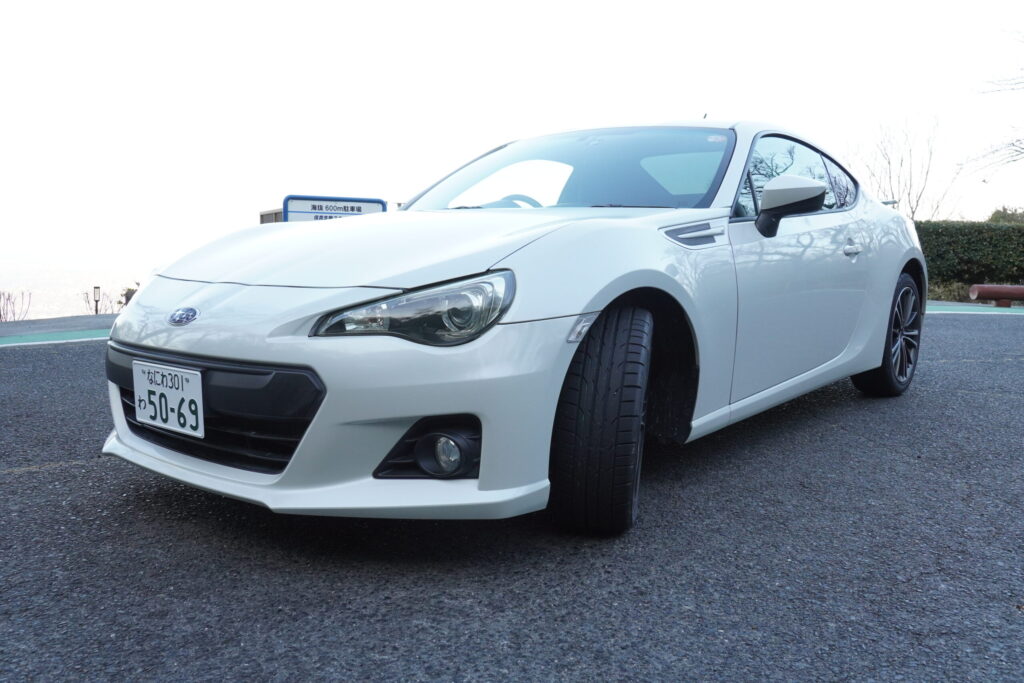
The morning sun cuts through the urban canyon of Osaka, casting long shadows across the asphalt as you pull back the heavy bolt-action shifter of a Subaru BRZ. The low-slung cabin wraps around you like a well-fitted racing suit. Turn the ignition, and the iconic, guttural purr of a horizontally opposed Boxer engine vibrates through the chassis, waking up the driver's senses instantly. This isn't just an appliance to get you from point A to point B; it's a finely honed instrument designed for communication.
Weaving out of the city grid via the Hanshin Expressway, the BRZ’s low center of gravity immediately manifests itself. As you merge onto the highway heading northeast toward Kyoto, the steering provides crystal-clear feedback, telegraphing every nuance of the road surface straight to your palms. The traffic thins as the sprawling cityscape gives way to the rolling agrarian landscapes of southern Kyoto Prefecture.
10:30 AM – Hitting the Shigaraki Backroads: The Prelude to Uji
Instead of taking the monotonous, high-speed arterial highways, you peel off onto the rural prefectural roads winding toward Uji via the Shigaraki hills. This is where the trip truly begins. The tarmac narrows, undulating through dense bamboo groves and quiet valleys where the scent of rich, damp earth mixes with the crisp morning air.
The BRZ shines here. Third gear, 4,000 RPM—the naturally aspirated 2.0-liter engine builds power linearly, devoid of turbo lag, demanding active engagement from your right foot and left hand. Heel-and-toe downshifting into a tight second-gear hairpin brings a surge of mechanical satisfaction. The rear tires bite into the apex, and the limited-slip differential smoothly puts the power down as you track out toward the sunlight breaking through the canopy. There is a profound poetry in piloting a pure, lightweight Japanese sports car through the very landscape that birthed the country’s automotive culture.
12:30 PM – Arrival in Uji: The Ancient Aroma of Green Gold
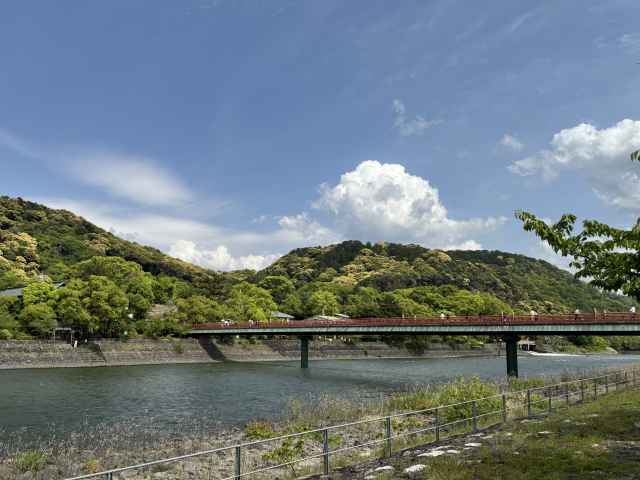
Descending from the hills, you cross the broad, stone-lined expanse of the Uji River, its jade-green waters rushing swiftly toward the Yodo River basin. Uji is universally revered as the spiritual epicenter of Japanese green tea (matcha and gyokuro), cultivated here since the 12th century when the Zen monk Eisai brought tea seeds back from China and planted them in these nutrient-rich, foggy river valleys.
Park the BRZ neatly in a local municipal lot, taking a moment to glance back at its sleek, aerodynamic silhouette contrasting against the traditional timber architecture of the town. Your senses are immediately greeted by a subtle, earthy fragrance hanging in the air—the unmistakable scent of roasted tea leaves drifting from multi-generational tea merchant houses lining the historic streets.
01:00 PM – The Ultimate Matcha Gastronomy Exploration
Your first culinary stop is Tsuen Tea (Tsuen Chaya), operating continuously on the banks of the Uji River since 1160 AD—making it one of the oldest operating businesses in the entire world. Sitting by the wooden lattice windows overlooking the flowing water, you order a bowl of fresh, hand-whisked Koicha (thick matcha) paired with handmade matcha parfaits. The tea strikes a masterclass balance between deep, umami-rich bitterness and a lingering, natural sweetness that coats the palate.
From there, you wander down Byodoin Omotesando—a pedestrian pathway lined with historic wooden shops whose eaves are laden with noren curtains flapping gently in the breeze. Here, matcha takes on myriad forms:
- Matcha Soba Noodles: Earthy, pale-green buckwheat noodles served chilled with a savory tsuyu dipping sauce, offering a clean, refreshing bite.
- Fresh Matcha Dango: Rice flour dumplings grilled over charcoal and slathered in a thick, glossy, bittersweet green tea glaze.
- Matcha Gelato: Sampled at a specialty artisanal shop, ranging from Level 1 sweetness to Level 7 "hyper-bitter" premium matcha, delivering an intense, velvety explosion of chlorophyll and cream on the tongue.
03:30 PM – Byodoin Temple: The Phoenix Hall and Golden Reflections
A short walk brings you to Byodoin Temple, a masterpiece of Heian-period Pure Land Buddhist architecture. Built in 1053, its iconic Phoenix Hall (Amida-do) seems to float gracefully on the mirror-like surface of the surrounding pond, evoking the image of Buddhist paradise on Earth.
Walking through the immaculately manicured gardens, the late-afternoon sun catches the bronze phoenix statues perched atop the roof ridges, glowing warmly against the weathered crimson timber. As a former railway man who spent years watching concrete platforms fill with rushing commuters, standing in this timeless courtyard brings an overwhelming sense of meditative stillness. The world slows down to the rhythmic dripping of a bamboo shishi-odoshi water fountain echoing in the temple grove.
06:00 PM – Checking into a Historic Ryokan and Savoring Kaiseki
As dusk settles, painting the sky in strokes of indigo and bruised orange, you check into a traditional ryokan tucked away near the riverbanks. Slipping out of driving shoes and into a comfortable cotton yukata, you are served a multi-course Kaiseki dinner in your tatami room.
- Appetizer: Seasonal sweetfish (ayu) caught from the pristine waters of the Uji River, lightly salted and grilled over charcoal.
- Main Course: Wagyu beef shabu-shabu, lightly seared in a delicate dashi broth infused with young tea leaves, melting effortlessly on the tongue.
- Dessert: A delicate matcha jelly accompanied by sweet red azuki beans and fresh seasonal fruits.

Day 2: Mountain Passes, Misty Shrines, and the Drive Home
08:30 PM – Morning Mist over the Uji Tea Plantations
Dawn breaks over the hills of Wazuka—the agricultural heartland of Uji tea production located just southeast of the town center. The BRZ climbs the steep, terraced slopes of the mountain roads where rows of meticulously manicured tea bushes curve like emerald fingerprints across the hillsides.
The morning fog lingers lazily in the valleys, catching the golden beams of the rising sun. Parking the car on a quiet overlook, you step out into the crisp mountain air. There is absolute silence here, broken only by the ticking of the cooling exhaust pipes and the distant call of a mountain bird. This is the essence of why you drove here: experiencing a side of Japan untouched by mass tourism, accessible only to those willing to pilot a machine through its winding geography.
11:00 PM – Mampuku-ji Temple: Ming Dynasty Architecture in Japan
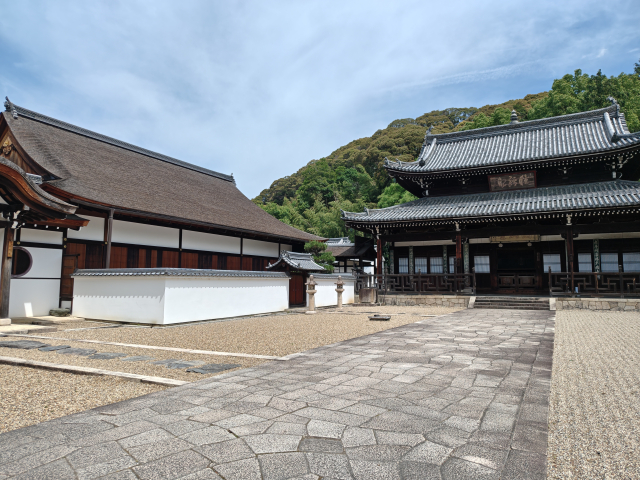
Leaving the tea plantations, you drive down toward Uji's eastern hills to visit Manpuku-ji, the headquarters of the Obaku school of Zen Buddhism. Unlike traditional Japanese temples influenced by Chinese styles centuries prior, Manpuku-ji was built in the 1650s directly under the supervision of Chinese monks from the Ming Dynasty.
Stepping through the massive Sanmon gate feels like stepping onto the soil of mainland China during the 17th century. The structures feature striking yellow walls, exposed dark teak timber, curving tiled roofs, and intricate mother-of-pearl decorations. Inside the grand halls, the statues of the deities possess a distinct, rounded, lifelike expression unique to the Ming artistic tradition. Walking these quiet, corridor-linked cloisters offers a fascinating glimpse into the deep cultural cross-pollination that shaped Japan's religious landscape.
01:00 PM – A Hidden Culinary Gem: Local Duck Udon
For lunch, follow the winding country roads to a rustic, unpretentious local noodle house nestled near the river fork. There are no English menus here—just handwritten signs on wooden boards advertising Kamo Nankin (hot wheat noodles in a rich dashi broth topped with tender slices of local wild duck and charred leeks). The broth is deeply savory, infused with the natural fat of the duck and the sweetness of slow-cooked scallions, warming you right down to your core before the afternoon drive.
03:00 PM – The Thrilling Return Run: Conquering the Uji-Kyoto Winding Pass
With the afternoon sun beginning its descent, it’s time for the grand finale of your driving journey. You point the BRZ back toward the undulating mountain passes connecting Uji to the southern outskirts of Kyoto and Osaka.
This is where the sports car truly comes alive. Snapping the gear lever into second and third gears, you dance across the pedals. The communicative steering lets you feel the exact moment the front tires grip into a sweeping cambered turn, while the balanced chassis allows you to make micro-corrections with absolute confidence. The mechanical howl of the naturally aspirated boxer engine bouncing off the stone retaining walls is pure automotive therapy. It is an adrenaline-fueled symphony that bridges the gap between machine and driver, creating a memory far more vivid than any passive sightseeing tour could ever offer.
06:00 PM – Returning to the Urban Grid
As you merge back onto the expressway heading toward Osaka, the neon lights of the metropolis begin to twinkle on the horizon. The transition from the mist-covered tea plantations of Uji back to the pulsating energy of the city marks the end of an unforgettable 48-hour loop—a journey defined by freedom, mechanical passion, and the hidden wonders of Secret Japan.
Kyoto Uji - Expert Advice & Cultural Nuances
Navigating Japan by car requires an appreciation for local customs and infrastructure that go beyond standard international driving rules. Mastery of these nuances transforms a stressful trip into an effortless, highly rewarding adventure.
The Magic of Japan’s "Michi-no-Eki" (Roadside Stations)
One of the greatest hidden joys of driving in regional Japan is discovering Michi-no-Eki (Roadside Stations). These are far more than mere gas stations or rest stops; they are vibrant cultural hubs celebrating local agriculture, craftsmanship, and gastronomy.
- Fresh Produce Markets: Local farmers drop off hyper-fresh fruits, vegetables, and regional specialties every morning. If you stop at a Michi-no-Eki around Uji, you will find vacuum-packed premium Shincha (first-crop green tea), matcha-infused soft-serve ice cream, and handmade local sweets.
- Regional Dining: Unlike sterile highway service plazas in the West, Michi-no-Eki restaurants feature authentic, chef-driven regional cuisine prepared with locally sourced ingredients.
Unwritten Rules of Japanese Rural Etiquette
- The Hazard Light Thank-You ("Pachipachi"): When merging into traffic or letting someone pass on a narrow mountain road, Japanese drivers flash their hazard lights twice as a polite gesture of gratitude. Returning this courteous wave builds instant camaraderie with local motorists.
- Parking Precision: Japanese parking lots are famously compact. Always back into parking spaces (zaimu), as front-in parking is often frowned upon or prohibited to prevent exhaust fumes from discoloring exterior walls.
Kyoto Uji - Detailed Logistics & Pre-Trip Tips
Embarking on a driving adventure in 2026 requires precise logistical preparation. Modern infrastructure has streamlined travel for international visitors, but knowing the mechanics on the ground is essential.
Navigating Japanese Fuel Stations: The "Mantan" Ritual
Pulling into a full-service Japanese gas station can be an intimidating cultural experience for first-timers, but mastering a single word changes everything: "Mantan" (meaning "full tank").
When an attendant approaches your window, simply say, "Regular, mantan, onegai shimasu" (or "High-octane (High-octane is called 'Haisha' or 'Hi-oktan'), mantan, onegai shimasu" for high-performance sports cars like the BRZ). Japanese service station attendants are famously polite, often cleaning your windshield, emptying your trash, and bowing as you pull away.
The Electronic Toll Collection (ETC) System
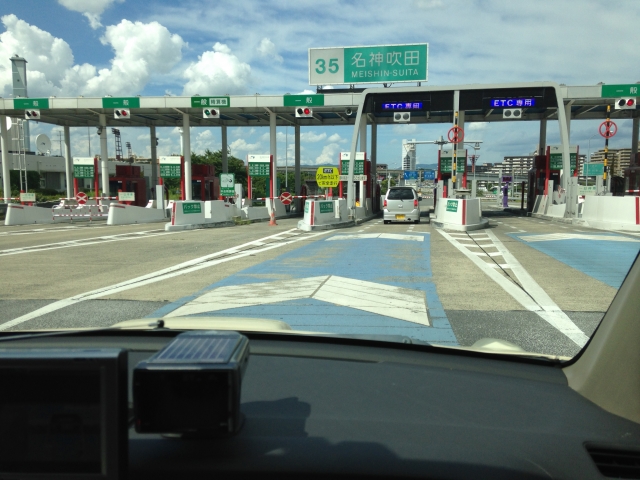
Japan’s expressways operate on a distance-based toll system. Trying to pay cash at manual booths is slow and inefficient. Ensure your rental vehicle is equipped with an ETC card (Electronic Toll Collection). This allows you to breeze through dedicated pink ETC gates at highway interchanges without stopping. Rental car providers offer ETC cards for rent, with the total toll balance calculated and settled upon vehicle return.
The Pure Joy of JDM Manual Transmissions
Driving a manual transmission rear-wheel-drive sports car like the Subaru BRZ in its home country is an unmatched cultural rite of passage. The engagement required to operate a clutch pedal, balance revs, and select gears manually connects you directly to the legendary engineering heritage of Japanese motorsports. Every shift is an active participation in the journey, turning ordinary tarmac into a canvas of motion.
Kyoto Uji - Comprehensive FAQ
What documents do I need to rent and drive a car in Japan?
To legally drive in Japan, international visitors must possess a valid passport, their home country driver’s license, and an International Driving Permit (IDP) issued in accordance with the 1949 Geneva Convention.
For international visitors, the requirements regarding driver's licenses are strict:
- You must bring your own domestic driver's license issued by your home country.
- You must obtain an International Driving Permit (IDP) from your home country prior to arrival in Japan, specifically under the 1949 Geneva Convention. (Note: Licenses issued under the 1968 Vienna Convention or domestic licenses from certain countries without an official IDP translation agreement, such as Germany, France, or Switzerland, require an official Japanese translation provided by the Japan Automobile Federation (JAF)).
- Your valid passport must be presented at the time of vehicle pickup for identity verification.
Can I drive a manual transmission car if I am used to left-hand drive?
Driving on the left side of the road in Japan takes about 15 to 30 minutes of adjustment. The most common mistake for beginners is misjudging the position of the windshield wiper and turn signal stalks (which are reversed compared to left-hand-drive cars). Operating a manual gear shifter with your left hand quickly becomes second nature once you settle into the rhythm of the road.
What are winter driving conditions like around Kyoto and Uji?
While southern Kyoto and Uji rarely experience heavy urban snowfall during early spring or autumn, surrounding mountain passes can experience sudden frost or light snow during winter months. If you are traveling between December and March, ensure your rental vehicle is equipped with proper winter tires (studless tires) and check local weather advisories before heading into higher elevation passes.
Kyoto Uji - The Final Thoughts
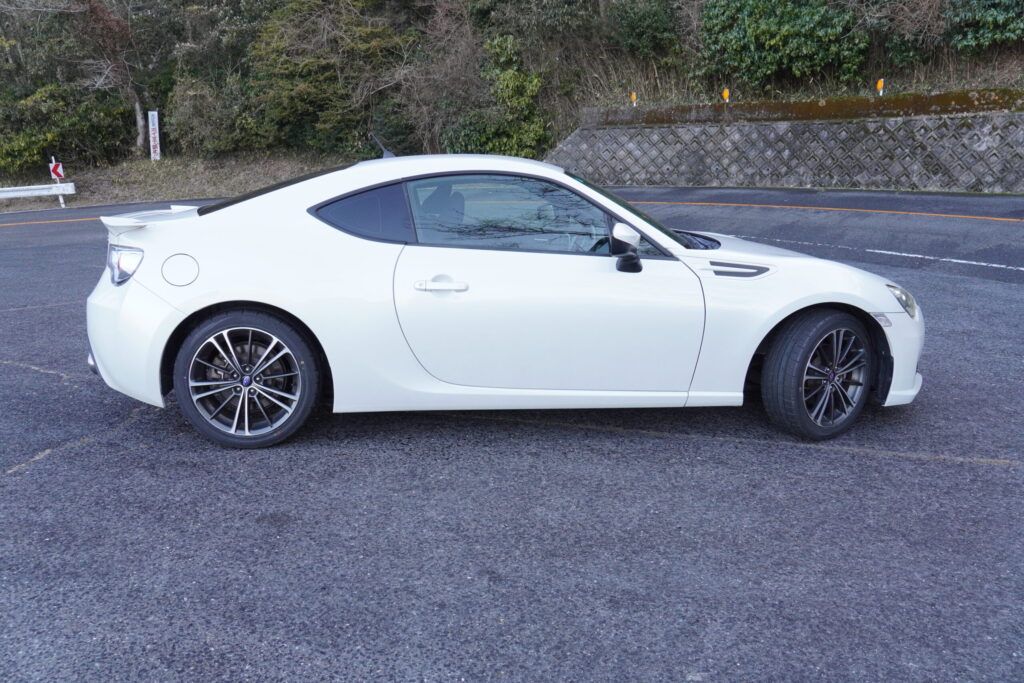
The green tea hills of Uji, the mist-shrouded mountain switchbacks, and the timeless cultural echoes of ancient Japan are waiting for you—not behind the glass of a train carriage, but through the windshield of a legendary Japanese sports car. Stop dreaming about the ultimate JDM driving experience and make it your reality today.
Unlock the secrets of the Kansai region with a perfectly tuned, naturally aspirated manual sports car. Visit おもしろレンタカー大阪中央店 (Omoshiro Rent-A-Car Osaka Chuo Store) to reserve your Subaru BRZ, and start your Japanese driving adventure today.