
A JDM Driver's Ultimate Guide to Nara's Hidden Souvenirs, Crafts, and Naramachi Shopping - The Philosophy of Driving in Japan
For years, I guided the steel behemoths of Kintetsu across the Kansai landscape, a master of the rails, privy to the rhythmic pulse of Japan's meticulously scheduled arteries. The train, an engineering marvel, offers speed, efficiency, and unparalleled punctuality. It connects major hubs with seamless precision, whisking travelers from one urban marvel to the next. Yet, as majestic as that experience is, it's akin to observing a masterpiece through a pane of glass – beautiful, efficient, but ultimately a curated, somewhat distant encounter.
But then, there's the road. Ah, the open road in Japan, a canvas of asphalt waiting for your brushstroke. My transformation from conductor to road-tripping evangelist wasn't merely a career change; it was a philosophical awakening. While trains reveal a structured, predictable Japan, the automobile unlocks a "Secret Japan" – an intricate tapestry of hidden lanes, mist-shrouded mountain passes, coastal vistas, and forgotten hamlets where traditions genuinely thrive, untouched by the relentless march of modernity.
Imagine the thrill: you, at the helm of a finely tuned JDM machine, perhaps the iconic 86 or its sibling, the BRZ. Feel the direct connection to the pavement, the immediate response of the engine to your every command. The whine of the differential, the precise shift of the manual gearbox – these are not just mechanical sounds; they are the symphony of true engagement. The 86/BRZ, with its perfectly balanced chassis and responsive steering, transforms a simple journey into an exhilarating dance with the landscape. This is not mere transportation; it’s an extension of your spirit, a direct conduit to the soul of the country.
From Osaka, the vibrant heart of Kansai, the possibilities are boundless. While the bullet train might rush you to Kyoto or Hiroshima in record time, it bypasses the undulating countryside, the quaint farming villages, the artisan workshops nestled deep within forested valleys, and the local eateries known only to a precious few. These are the veins of Japan, the capillaries that carry its true lifeblood, and they are accessible almost exclusively by car.
The true magic of driving in Japan lies in this freedom to deviate, to follow a whim, to pull over at an unexpected viewpoint that offers a panorama of emerald rice paddies stretching to the horizon, or a secluded shrine shrouded in ancient cedars. You become an explorer, not merely a passenger. You taste the crisp mountain air, hear the rustle of bamboo groves as you drive past, and feel the subtle shifts in elevation as the 86/BRZ eagerly climbs a winding road. Public transport, with all its undeniable virtues, simply cannot offer this profound, multi-sensory immersion. It cannot lead you down that narrow, cobbled street in Naramachi, where generations of artisans have meticulously crafted their wares, waiting for a curious soul to discover their timeless art. This journey is about unlocking those secrets, about embracing the serendipity of the road, and truly experiencing Japan, one exhilarating kilometer at a time. It’s about more than just seeing; it’s about feeling, tasting, hearing, and discovering with every fiber of your being.
A JDM Driver's Ultimate Guide to Nara's Hidden Souvenirs, Crafts, and Naramachi Shopping - The 2-Day Itinerary: Deep Dive

This is it. The adventure begins. Forget the predictable routes, the tourist traps, and the hurried schedules dictated by public transport. Today, you are the master of your destiny, the captain of your JDM vessel. We’re embarking on a two-day odyssey from the pulsating heart of Osaka to the ancient, spiritual soul of Nara, specifically delving into the timeless charm of Naramachi, a district renowned for its traditional crafts, unique souvenirs, and palpable sense of history. Our chariot for this unforgettable expedition? A meticulously maintained 86 or BRZ, ready to carve through the Kansai landscape with precision and exhilarating grace.
Day 1: From Osaka's Urban Pulse to Naramachi's Ancient Embrace
08:00 AM - The Grand Departure: Osaka's Concrete Jungle to Open Road
The morning air in Osaka crackles with anticipation. You approach your chosen steed – the sleek lines of the 86 or BRZ gleam under the rising sun. You slide into the driver’s seat, the bolstered contours hugging you just right. The scent of new car leather, mixed with a faint hint of high-octane fuel, fills the cabin. You turn the key (or push the start button), and the Boxer engine growls to life with a satisfying rumble, a promise of exhilarating miles ahead. This isn’t just a car; it’s an extension of your desire for adventure. You perform your final checks, the crisp clunk of the manual shifter engaging first gear. With a smooth release of the clutch, you pull away from the urban sprawl, leaving behind the bustling streets for the open highway.
The initial stretch involves navigating Osaka’s efficient but often crowded expressways. The 86/BRZ, with its nimble handling and direct steering, makes light work of the city traffic, its compact size a boon for weaving through lanes. You’ll feel the car’s eagerness even at moderate speeds, a testament to its enthusiast-focused engineering. As the concrete towers give way to more suburban landscapes, the expressway opens up. The wind noise drops, replaced by the harmonious hum of the engine and the subtle whisper of tires on asphalt. This transition marks the true beginning of the road trip, a mental shift from urban dweller to intrepid explorer.
09:30 AM - Expressway Rhapsody: Carving Towards Ancient Lands
The journey on the Daini Hanna有料道路 (Daini Hanna Toll Road) or a similar route towards Nara is where the 86/BRZ truly begins to sing. The roads here are well-maintained, offering a smooth and engaging drive. As you leave the direct Osaka-Nara corridor, the landscape gradually transforms. Gentle hills emerge, draped in verdant forests of cedar and cypress, their dark green hues a stark contrast to the brilliant blue of the sky. You’ll experience the satisfying surge of acceleration as you merge onto the highway, the 86/BRZ effortlessly gaining speed.
The engine note, a distinctive Boxer thrum, becomes your constant companion, rising and falling with each gear change. If you're driving a manual, the rhythmic engagement of clutch and shifter becomes second nature, a meditative dance that connects you intrinsically to the machine. You’re not just going to Nara; you’re driving through the heart of Kansai, experiencing its gentle topography from a unique perspective. The occasional tunnel offers a momentary, exhilarating roar as the engine sound reverberates, only to burst back into the bright sunlight, revealing an even more picturesque vista. This is the beauty of a proper driving machine: it turns the journey itself into a destination.
10:30 AM - The Approach to Nara: Historic Vistas and Winding Paths
As you near Nara, the surrounding terrain becomes more undulating, hinting at the ancient geological forces that shaped this region. Nara is nestled in a basin, surrounded by low mountains like Mount Wakakusa and Mount Kasuga, which have historically protected it and contributed to its spiritual aura. The roads leading into the city begin to wind more gently, offering glimpses of traditional Japanese homes with their dark tiled roofs peeking out from dense foliage.
The 86/BRZ feels perfectly at home on these slightly less direct routes. Its low center of gravity and communicative steering allow you to feel every nuance of the road. You might choose to take a slightly longer, more scenic approach, perhaps a local road instead of the most direct highway exit, to fully appreciate the transition from modern to ancient. The crisp, clean air, subtly scented with pine and damp earth, filters through the open windows. This is the prelude to Naramachi, a gentle deceleration from the highway’s pace, preparing your senses for the profound cultural immersion ahead.
11:00 AM - Arrival in Naramachi: Finding Your Anchor
Parking in a historic district like Naramachi requires a bit of foresight. Unlike modern shopping centers, Naramachi’s narrow, winding streets are not designed for abundant parking. However, there are numerous coin parking lots (コインパーキング, koin paakingu) strategically located on the periphery of the main historic area. Finding one that suits your exploration plan is key. Guide your 86/BRZ carefully through the narrower approach roads, its compact dimensions proving invaluable. Once parked, take a moment to absorb the quiet hum of the car settling, a stark contrast to the vibrant sounds of Osaka.
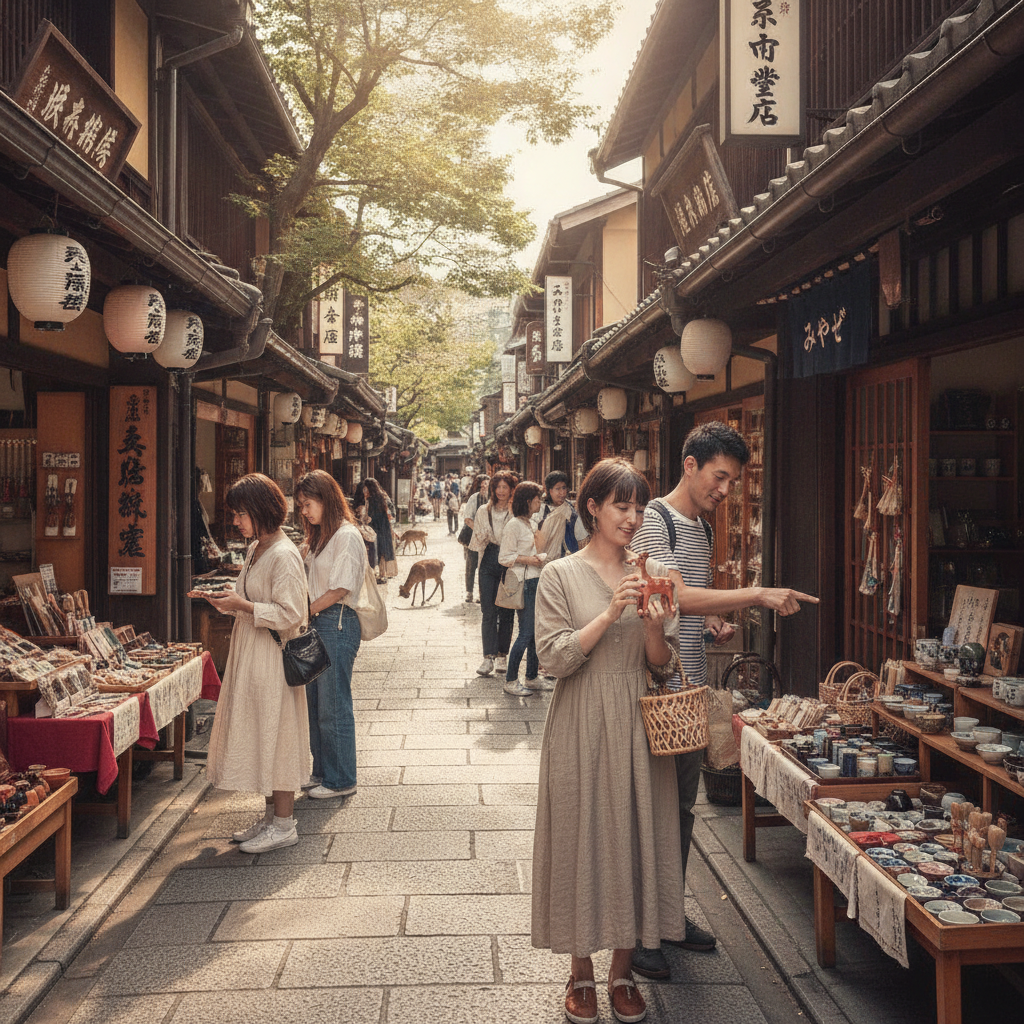
Stepping out, you’re immediately enveloped by an atmosphere of profound tranquility and antiquity. The air here feels different, softer, carrying whispers of a thousand years of history. The streets of Naramachi, lined with exquisitely preserved traditional merchant houses (machiya), invite you to step back in time. The distinctive architectural style, with its latticed windows (koshi) and dark timber, speaks volumes of a bygone era.
11:30 AM - Naramachi's Heartbeat: Artisanal Discoveries Begin
Your exploration of Naramachi begins. This isn't about ticking off famous landmarks, but about uncovering the soul of Japanese craftsmanship. The narrow lanes, often too small for cars, beckon you on foot. The scent of old wood, tatami mats, and incense subtly perfumes the air. Each Machiya, often repurposed into a charming shop, café, or gallery, holds its own story.
Nara Lacquerware (Nara Shikki): One of the first crafts you might encounter is Nara Lacquerware. Imagine centuries of painstaking artistry: multiple layers of sap from the urushi tree, painstakingly applied and polished to a brilliant, glass-like sheen. Shops showcasing these pieces will often have delicate trays, bowls, and decorative items. Hold a piece in your hand; feel its smooth, cool surface, the lightness concealing its incredible durability. Each brushstroke, each subtle pigment, tells a tale of patience and precision. The colors, often deep reds, greens, and blacks, reflect the natural beauty of the region.
12:30 PM - Naramachi Lunch: A Taste of Local Tradition
For lunch, immerse yourself in Naramachi’s culinary scene. Avoid the tourist traps and seek out a small, traditional eatery tucked away on a side street. You might find a place specializing in kakinoha-zushi, Nara’s iconic pressed sushi wrapped in persimmon leaves. The delicate aroma of the leaves infuses the rice and fish (often mackerel or salmon), offering a unique, subtly sweet and tangy flavor profile. Pair it with local sake, brewed with Nara's pristine spring water, for an authentic sensory experience. The quiet ambiance of these hidden restaurants, often with tatami seating and minimalist decor, allows you to truly savor each bite and reflect on the morning’s discoveries.
01:30 PM - The Brushstrokes of History: Nara Fude and Sumi Ink
After lunch, continue your deep dive into Naramachi’s craft scene. Nara has been a center for Nara Fude (Nara ink brushes) for over 1,200 years. These aren't just writing implements; they are works of art, meticulously crafted from a blend of different animal hairs to achieve specific levels of stiffness and flexibility. Step into a brush maker's workshop or shop, and you'll be captivated by the array of brushes, from those used for delicate calligraphy to broad brushes for painting. The artisans often work in quiet concentration, their hands moving with practiced ease, twisting and binding the hairs.
Complementing the brushes are the Nara Sumi (Nara ink sticks). Made from soot and animal glue, these ink sticks are ground with water on an inkstone to produce rich, lustrous black ink. The quality of Nara Sumi is renowned, producing a depth of color that is unparalleled. Witnessing the presentation of these tools, understanding the materials and the centuries-old techniques, gives you a profound appreciation for the items you might purchase. A beautiful brush or a fragrant ink stick isn't just a souvenir; it's a piece of living history, an invitation to engage with traditional Japanese art forms.
02:30 PM - Textile Treasures: Nara Sarashi and Kōfu
Naramachi also boasts a rich history in textiles. Seek out shops specializing in Nara Sarashi, a finely woven linen fabric known for its exceptional breathability and crisp texture, traditionally used for mosquito nets and summer kimonos. Today, you'll find it in modern applications like scarves, handkerchiefs, and clothing, often dyed with natural pigments creating subtle, earthy tones.
Another fascinating textile is Nara Kōfu, a coarse handwoven cloth made from hemp or ramie fibers. Its rustic charm and durability have made it popular for bags, placemats, and other household items. The tactile experience of these textiles is as important as their visual appeal – run your hand over the rough-hewn Kōfu, then the smooth, cool Sarashi. Each thread holds the story of its natural origin and the skilled hands that transformed it. These are souvenirs that not only look beautiful but connect you to Japan's agricultural and craft heritage.
03:30 PM - Playful Clay: Nara Ningyo and Naramachi Street Art
As you wander further, you might stumble upon Nara Ningyo (Nara clay dolls). These charming, often whimsical dolls are made from clay, painted with vibrant colors, and depict traditional figures, animals (especially deer, Nara’s famous inhabitants), or characters from folklore. They are a delightful embodiment of Nara's playful spirit and ancient legends. Watch an artisan carefully painting the intricate details on a doll, their focus absolute. Purchasing one of these hand-painted dolls is like taking home a piece of Nara's soul, a guardian of its stories.
Beyond specific workshops, take time to simply absorb the streetscapes. The subtle details: small, intricately carved wooden signs, potted plants adorning doorways, the gentle murmur of conversations from within homes, the occasional chime from a shop selling traditional Japanese sweets. These are the moments that truly define Naramachi. You might spot little ceramic figurines peeking out from window sills, adding to the charm. The area itself is a living museum.
04:30 PM - Naramachi Reflection: Tea and Tranquility
As the afternoon light softens, find a traditional teahouse within Naramachi. Sip on a calming matcha (powdered green tea) or hojicha (roasted green tea), accompanied by a delicate wagashi (Japanese sweet). This is a moment for quiet contemplation, to process the rich tapestry of history, art, and culture you’ve absorbed. The minimalist aesthetic of a Japanese teahouse, with its natural wood and serene garden view, offers a perfect respite. Feel the warmth of the tea cup in your hands, the subtle bitterness of the tea balanced by the sweetness of the wagashi. This sensory ritual completes the day's cultural immersion.
06:00 PM - Evening Delights: Nara’s Culinary Heritage
For dinner, venture slightly beyond the immediate Naramachi core, but still within Nara, to experience its diverse culinary offerings. Consider trying Nara-zuke, preserved vegetables (like cucumber, ginger, watermelon) fermented in sake lees, offering a unique, pungent, and savory flavor. Many restaurants will feature local Nara beef, often prepared simply to highlight its natural flavors. The experience of enjoying a meal sourced from the local region, prepared with care and tradition, provides a fitting end to your first day. The engine of the 86/BRZ is now resting, but your senses are alight with the day’s discoveries.
08:00 PM - Traditional Stay: Ryokan Serenity
After a day of immersive exploration, check into a traditional Japanese inn (ryokan) in or near Naramachi. The peaceful ambiance, the warmth of the futon on a tatami floor, and the calming soak in a Japanese bath (ofuro) will wash away any lingering fatigue. The quietude allows the day’s experiences to settle, preparing you for another day of discovery. The sounds of the city are distant, replaced by the gentle chirping of insects or the rustle of leaves outside.
Day 2: Naramachi Revisited, Scenic Drives, and the Road Home
08:00 AM - Morning Awakening: Naramachi’s Gentle Light
Wake up to the gentle light filtering through the shoji screens of your ryokan. Enjoy a traditional Japanese breakfast, perhaps featuring grilled fish, rice, miso soup, and an array of small, delicate side dishes. The simple, wholesome flavors provide the perfect start to your day. The feeling of being completely immersed in Japanese tradition, from your accommodation to your meal, is part of the unique appeal of this driving trip.
09:30 AM - Naramachi Revisited: Uncovering New Treasures
Return to Naramachi, perhaps taking a different route through its labyrinthine alleys. The morning light casts new shadows, revealing details you might have missed yesterday. This is your chance to revisit a favorite artisan’s shop, engage in a longer conversation (even with gestures and limited language, the shared passion for craft transcends words), or discover a hidden gem you overlooked.
Nara Fan Making (Nara Uchiwa): Look for shops selling Nara Uchiwa, traditional Japanese fans. These beautiful hand-held fans are often decorated with delicate paintings or calligraphy, depicting scenes from Nara’s history, nature, or mythology. The craftsmanship involved in their creation, from the bamboo frame to the paper and its decoration, is exquisite. A Nara Uchiwa makes for a practical and elegant souvenir, a piece of art that also offers a cooling breeze on a warm day.
10:30 AM - The Art of Japanese Paper: Washi Discoveries
Nara, like many ancient Japanese regions, has a rich tradition of washi (Japanese paper) making. While you might not find a direct paper mill within Naramachi, many shops will sell exquisite washi products: stationary, origami paper, lanterns, and decorative items. The texture, strength, and delicate beauty of washi are truly unique. Learn about the different fibers used (kozo, mitsumata, gampi) and the painstaking process of hand-making each sheet. A beautiful sheet of washi or a small notebook can be a profound souvenir, carrying with it the spirit of traditional Japanese artistry and a connection to the natural world.
11:30 AM - Culinary Souvenirs: Mochi and Pickles
Before leaving Naramachi, ensure you pick up some edible souvenirs. Seek out a shop selling freshly pounded mochi (rice cakes), especially the famous Yomogi Mochi (mugwort mochi), which has a distinct herbal flavor and vibrant green color. Watch the artisans rhythmically pound the glutinous rice, a mesmerizing display of teamwork and tradition.
Also, explore shops selling local pickles (tsukemono). Nara offers a variety, often with unique regional twists. These culinary delights allow you to bring a piece of Nara's flavor back home, extending the sensory journey beyond your visit.
12:30 PM - Farewell Naramachi: A Final Lunch
Enjoy a final lunch in Nara. Perhaps a quiet udon or soba noodle shop, serving handmade noodles with a rich, savory broth. Or a small café offering locally sourced ingredients. This last meal is a chance to reflect on the deep cultural immersion of the past two days, the quiet beauty of Naramachi, and the enduring legacy of its artisans.
01:30 PM - Scenic Drive Homeward: Mount Wakakusa's Embrace
It’s time to prepare for the drive back to Osaka, but not without one last scenic flourish. Instead of immediately hitting the expressway, consider a drive around the base of Mount Wakakusa, or even a route that offers panoramic views of the Nara Basin. The 86/BRZ, having proven its mettle in Naramachi’s peripheral lanes, now gets to stretch its legs on more open, winding roads.
The narrow, winding paths that skirt the mountains surrounding Nara provide an exhilarating experience for the 86/BRZ. The direct, precise steering, combined with the balanced chassis, makes carving through these turns an absolute joy. Feel the car lean slightly, then grip, responding instantly to your inputs. The engine, ever eager, pulls smoothly out of corners. The views from these elevated roads are breathtaking: a mosaic of ancient temples, sprawling deer parks, and the neat grid of Nara city fading into the distance. This is where the car truly becomes an extension of yourself, a tool for experiencing the landscape in a dynamic, engaging way. The wind rushes past, carrying the scent of cedar and rich earth.
02:30 PM - A Winding Descent and the Open Road:
As you descend from the hills, the road straightens, leading you back towards the expressway network. This final stretch of spirited driving allows you to appreciate the 86/BRZ’s ability to transition seamlessly from a nimble backroad car to a comfortable highway cruiser. The sun begins its slow descent, casting long shadows across the fields. The journey back to Osaka is not merely a return; it’s a time for reflection, for savoring the memories of Naramachi’s quiet charm and the exhilarating freedom of the road.
03:30 PM - Expressway Echoes: The Road to Osaka
The expressway journey back is smoother, more relaxed. The 86/BRZ cruises effortlessly, its engine a contented hum. You can recount the myriad sensory details: the vibrant colors of lacquerware, the earthy smell of washi, the delicate taste of kakinoha-zushi, the satisfying click of the shifter, the wind on your face on a mountain road. The memories are vivid, etched into your mind not just through sight, but through touch, taste, sound, and the sheer joy of driving.
04:30 PM - Osaka's Embrace: Return to the Metropolis
As the Osaka skyline reappears, shimmering in the late afternoon sun, a sense of accomplishment settles over you. You've navigated ancient streets, discovered timeless crafts, and experienced the profound connection between a driver and their machine on Japan’s roads. The 86/BRZ has been your faithful companion, transforming a simple trip into an unforgettable adventure. You smoothly navigate the final stretches of the expressway, feeling its responsive brakes and precise steering guide you back to the city. The journey ends, but the stories you've collected, the artisans you've mentally met, and the secrets of Naramachi you've unveiled will stay with you long after the engine is turned off.
A JDM Driver's Ultimate Guide to Nara's Hidden Souvenirs, Crafts, and Naramachi Shopping - Expert Advice & Cultural Nuances
Having traversed Japan’s intricate network of roads for decades, first by rail and now by the visceral intimacy of a JDM car, I've amassed a treasury of insights. Beyond the basic navigation, understanding the subtle cultural nuances and practical wisdom can transform your drive from good to absolutely legendary.
Embrace the "Michi no Eki" (Roadside Station) Culture:
These aren’t your typical highway rest stops. "Michi no Eki" are government-designated roadside stations that serve as vibrant hubs of local culture and commerce. They are a treasure trove for the discerning traveler. Pull off the road in your 86/BRZ and discover them. Inside, you’ll find an incredible array of local produce – often fresher and cheaper than supermarkets – regional delicacies, and, crucially for our Naramachi focus, artisanal crafts specific to that immediate area. It's not uncommon to find unique pottery, textiles, or handcrafted wooden items that are truly one-of-a-kind and unavailable in larger cities. They’re perfect for stretching your legs, grabbing a quick, authentic local bite, and uncovering those "secret Japan" souvenirs before you even reach your main destination. Listen to the conversations of the locals, observe what they buy, and you'll get a real sense of the region.
Unearthing Hidden Gems: The Art of Local Discovery:
While Naramachi itself is a historic district, some of the most profound experiences lie just off the main tourist arteries. To find these truly hidden artisan workshops or local eateries, cultivate a spirit of curiosity. Don’t be afraid to venture down a narrow, unassuming lane. Look for subtle signs: a small, hand-painted wooden placard, a faint glow from a workshop, the rhythmic sound of a craftsman at work. The best discoveries often don’t have flashy English signs. When you enter a small shop, always offer a polite greeting (a simple "Konnichiwa" is always appreciated). Show genuine interest in the craft, and the artisan, even if language is a barrier, will often be delighted to share a glimpse into their world. These are the places where you find the truly unique, handmade pieces with stories behind them, a world away from mass-produced souvenirs.
The Zen of Japanese Driving: Etiquette and Awareness:
Driving in Japan is a respectful, almost meditative experience. Courtesy is paramount.
- Speed Limits: Adhere strictly to them. Japanese drivers, generally, do not exceed limits significantly, and enforcement is diligent. The 86/BRZ is a joy at any speed, and respecting the limits ensures a safe and pleasant journey.
- Narrow Roads: Especially in older towns like Naramachi or rural areas, roads can be incredibly narrow. Be prepared to slow down, and be ready to pull over to allow oncoming traffic to pass. Patience is a virtue. The compact size and maneuverability of the 86/BRZ will be your best friend here.
- Pedestrians: Always give way to pedestrians. They have absolute priority, especially in residential areas and temple grounds.
- Politeness: A quick flash of your hazard lights (サンキューハザード, sankyuu hazaado) after someone lets you merge or pass is a common gesture of thanks.
- Left-Hand Driving: For those from right-hand driving countries, remember to stay on the left side of the road and get accustomed to the right-hand drive position. The precision and directness of the 86/BRZ's steering will help you adapt quickly.
Respecting the Craft: The Soul of Artisanal Japan:
In Naramachi, you're not just buying an item; you're acquiring a piece of an artisan's soul, their heritage, and often, generations of family tradition. There's a deep reverence for craftsmanship (monozukuri) in Japan. Don't haggle over prices; the listed price reflects the true value of the skill, time, and materials. Take your time, appreciate the intricate details, and ask (politely, if possible) about the story behind a piece. When you find that perfect lacquerware bowl, that hand-painted clay doll, or that exquisitely crafted ink brush, you're not just purchasing a souvenir; you're becoming a custodian of a timeless art form, supporting a tradition that defines the very essence of "Secret Japan." This respectful engagement enriches your travel experience profoundly.
A JDM Driver's Ultimate Guide to Nara's Hidden Souvenirs, Crafts, and Naramachi Shopping - Detailed Logistics & Pre-Trip Tips
Embarking on a JDM road trip through Japan is an exhilarating prospect, but like any adventure, it requires a little preparation. With my background traversing this country by rail and now by road, I can offer crucial insights into navigating the practicalities of a driving holiday in 2026.
Navigating Japan's Traffic in 2026:
Japan's road network remains one of the most efficient and well-maintained in the world. While major cities like Osaka can experience rush hour congestion, once you’re on the expressways heading out, traffic generally flows smoothly. Weekends and national holidays can see increased traffic to popular tourist destinations, so planning your departure times strategically can save you time. Always factor in a little extra time for unexpected detours or simply to pull over and soak in a stunning view – that’s the joy of having your own 86/BRZ. Real-time traffic information is readily available via car navigation systems, which are typically equipped with robust traffic data.
The Magic of the ETC Card:
An ETC (Electronic Toll Collection) card is an absolute necessity for any serious road trip in Japan. Trying to pay cash at every toll booth is tedious and time-consuming. With an ETC card, you simply drive through the designated ETC lane, and the toll is automatically debited. It's seamless, efficient, and often offers discounts on tolls. When you rent your 86/BRZ, inquire about renting an ETC card along with the vehicle. The card slides into a reader in the dashboard, and a friendly Japanese voice will announce the toll amount as you pass through. This small piece of plastic transforms the expressway experience, allowing you to focus on the road and the scenery rather than fumbling for change.
Fueling Up: "Mantan, Please!"
Japanese gas stations are efficient and can be an interesting cultural experience. You’ll encounter two main types: self-service (セルフ, serufu) and full-service (フルサービス, furu saabisu).
- Self-Service: You operate the pump yourself. Look for "レギュラー" (regular gasoline), "ハイオク" (high-octane for performance cars like the 86/BRZ), or "軽油" (diesel). Payment is usually by credit card or cash at the pump’s console, with English options often available.
- Full-Service: A team of attendants will guide you into a spot, fill your tank, clean your windows, and even dispose of your trash. To ask for a full tank of high-octane, simply say "Hai-oku, mantan de onegai shimasu" (ハイオク、満タンでお願いします) – "High-octane, full tank please." The attention to detail is remarkable, a testament to Japan’s service culture. Don't be surprised if they offer to wipe down your headlights or check your tire pressure!
Parking with Precision in Naramachi:
Finding parking in historic districts like Naramachi requires a keen eye. On-street parking is very rare and often prohibited. Your best bet are dedicated "coin parking" (コインパーキング, koin paakingu) lots. These are typically pay-by-the-hour or flat-rate for a certain period. The process usually involves pulling into a marked space, and a barrier or plate will rise to secure your vehicle. When leaving, you pay at a central machine, and the barrier retracts. Always check the rates carefully, as they can vary. The compact and nimble nature of the 86/BRZ will be a huge advantage when navigating tight parking structures or fitting into smaller spots.
The Unforgettable Thrill of a JDM (MT) Car:
For the true enthusiast, driving a JDM car, especially one with a manual transmission like the 86 or BRZ, is the purest form of automotive bliss in Japan. This isn't just about getting from A to B; it's about the journey itself, the intimate connection between driver and machine. Feel the satisfying throw of the shifter, the precise engagement of the clutch, the instant response of the naturally aspirated Boxer engine as you perfectly heel-and-toe into a corner on a winding mountain road. The distinct engine note, the direct feedback through the steering wheel, the exhilarating sense of control – these are the sensations that elevate a simple road trip into an unforgettable adventure. The 86/BRZ is designed for drivers, and Japan's impeccably maintained roads are its natural playground. It's an experience that transcends mere transportation, etching itself into your memory as a symphony of engineering, landscape, and pure driving passion.
A JDM Driver's Ultimate Guide to Nara's Hidden Souvenirs, Crafts, and Naramachi Shopping - Comprehensive FAQ
Preparing for an international road trip always brings questions. Here are some of the most common inquiries, answered directly to ensure your Nara driving adventure is seamless.
Q: Do I need an International Driving Permit (IDP) to drive in Japan?
A: Yes, absolutely. For citizens from countries adhering to the 1949 Geneva Convention, an International Driving Permit (IDP) obtained in your home country, along with your national driver's license and passport, is required. It's crucial that your IDP is issued by the same country as your national driver's license. For other countries, specific bilateral agreements or official Japanese translations of your national license may be necessary. Always check the latest requirements from reliable sources before your trip, well in advance of your departure.
Q: What about insurance for the rental car?
A: All rental cars in Japan come with mandatory basic insurance coverage. However, it’s highly recommended to opt for additional coverage, often referred to as a "Collision Damage Waiver" (CDW) or "Zero Liability" option. This typically waives your financial responsibility for vehicle damage in case of an accident. Always clarify what is and isn't covered with your rental agency before driving off, including coverage for third parties, theft, and personal injury.
Q: I'm a bit rusty with manual transmission (MT). Is Japan a good place to re-learn?
A: Japan’s well-maintained roads and generally disciplined drivers make it a relatively forgiving environment, but if you’re significantly out of practice, a manual JDM car like the 86/BRZ on winding Japanese roads might be challenging initially. If you're confident you can quickly re-acclimatize, the reward is immense – the connection with the car and road is unparalleled. If not, many rental options include automatic JDM sports cars. However, for the true enthusiast, the manual experience is part of the allure. Take it easy at first, familiarize yourself with the clutch and gear spacing in a quiet area before heading out.
Q: What are winter road conditions like, especially near Nara?
A: While Nara typically doesn't experience heavy snowfall like Hokkaido or the Japanese Alps, winter (December to February) can bring occasional light snow or icy conditions, especially on mountain roads or early mornings. Main roads are usually quickly cleared. If you’re traveling in winter, inquire with your rental company about appropriate tires (all-season or winter tires) or chains if venturing into higher elevations. Always check local weather forecasts before setting out, especially if planning scenic mountain drives.
Q: How do I navigate around Japan? Will GPS be in English?
A: Rental cars in Japan are almost universally equipped with GPS navigation systems. Most modern systems offer English language options for menus and voice guidance. It's also advisable to have a backup like Google Maps on your smartphone. Remember that GPS systems may sometimes give directions based on the fastest route, which might not always be the most scenic, so use your judgment and the freedom of the 86/BRZ to explore side roads if a vista catches your eye.
A JDM Driver's Ultimate Guide to Nara's Hidden Souvenirs, Crafts, and Naramachi Shopping - The Final Call: CTA
The rumble of the 86/BRZ engine fades, the scent of Naramachi’s ancient wood and freshly made mochi lingers in your memory, and the exquisite Nara lacquerware or hand-painted clay doll rests safely beside you. You haven't just visited Nara; you've experienced it. You've delved into its "Secret Japan," far beyond the hurried whispers of guided tours or the rigid timetables of the rails. You’ve felt the exhilaration of the open road, the joy of discovery, and the profound connection to a culture preserved through generations of skilled hands.
This journey, one of sensory richness and pure driving pleasure, wasn't just a trip; it was a transformation. It was the thrill of perfectly executing a downshift on a winding mountain pass, the quiet satisfaction of finding a hidden artisan’s workshop, and the immense pride of holding a piece of living Japanese history in your hands.
This is the promise of the road less traveled, the adventure that awaits when you choose freedom over conformity. When you're ready to trade the predictable for the profound, the ordinary for the extraordinary, there’s only one place to start. Unleash your inner adventurer, choose your JDM legend, and carve your own unforgettable story into the heart of Japan.
Your ultimate Japanese driving adventure begins now.
Book your dream JDM machine – an 86, BRZ, or another custom legend – and ignite your journey through "Secret Japan" with Omoshiro Rent-a-car Osaka Chuo. Your perfect Nara road trip, filled with ancient crafts, unique souvenirs, and the pure thrill of driving, is just a reservation away.
