
There is an undeniable, synchronized magic to Japan’s rail system. Having spent years as a train conductor for Kintetsu Railway, pulling levers, checking pocket watches, and listening to the rhythmic clack-clack of steel wheels over steel rails, I have profound respect for public transit. Japan's trains are a masterpiece of human engineering—punctual, hyper-efficient, and undeniably elegant.
Yet, for all their perfection, trains run on fixed tracks. They carry you from major node to major node, confining your view of Japan’s breathtaking topography to a framed, passing window. You are bound by timetables, platform gates, and predetermined stopping points.
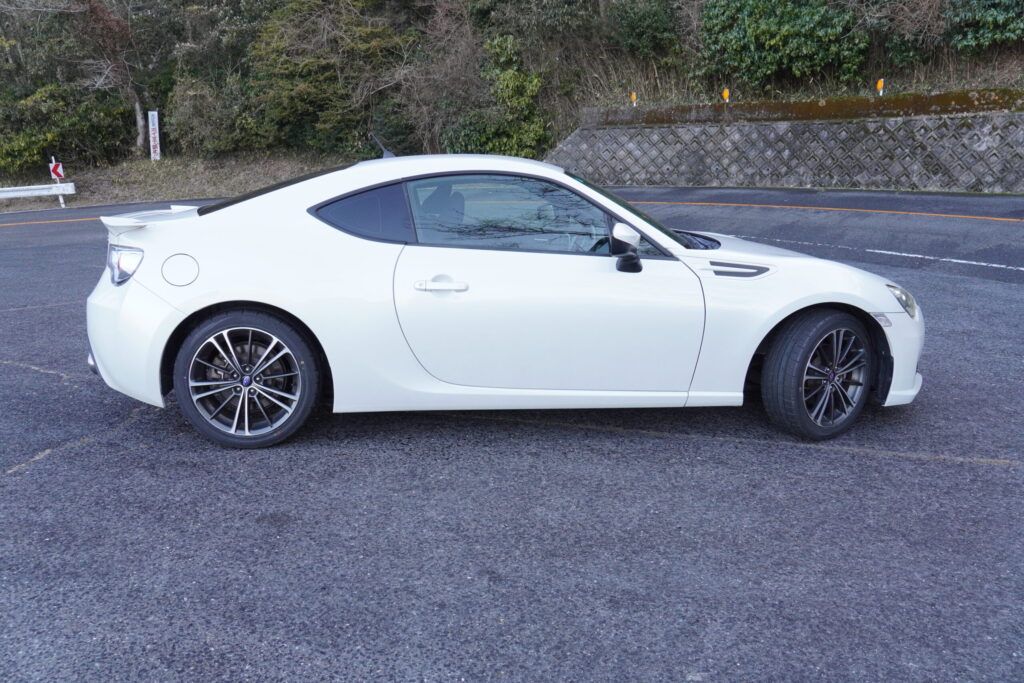
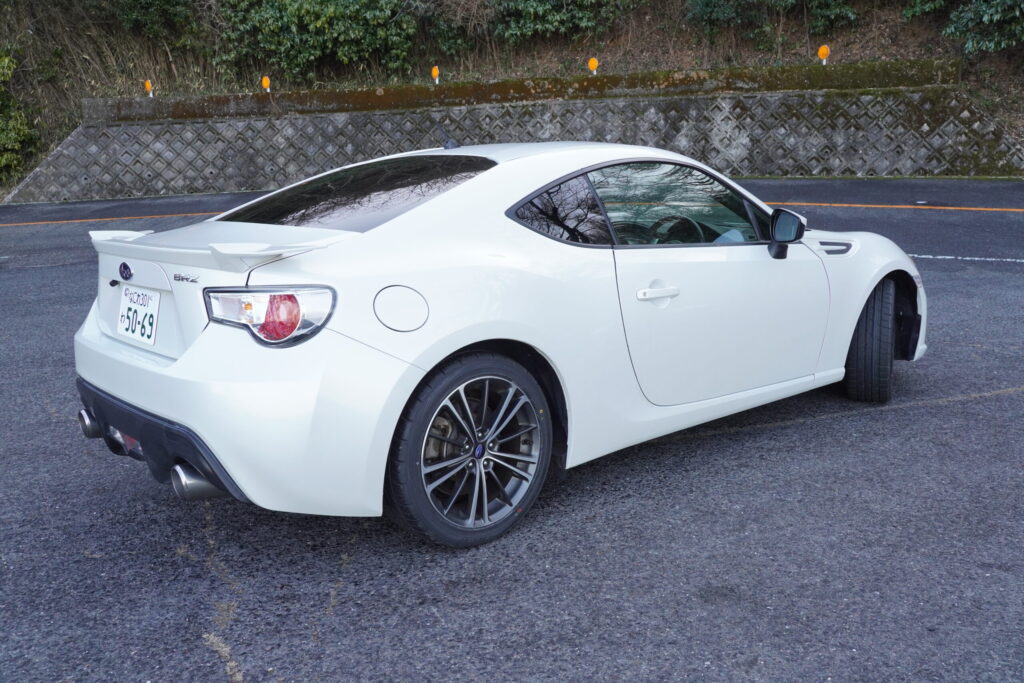
When you step off the platform and climb into the driver’s seat of a finely tuned Japanese Domestic Market (JDM) machine—specifically the lightweight, rear-wheel-drive perfection of the Subaru BRZ or Toyota 86—the soul of Japanese travel transforms entirely.
Starting your journey from Osaka, the bustling culinary capital of Kansai, and aiming your hood toward the ancient, misty mountains of Nara and the legendary grasslands of Soni Highlands (曽爾高原) unveils a version of Japan that rail passengers never see. This is Secret Japan: the hidden valley shrines shrouded in morning fog, the roadside Michi-no-Eki market stalls where farmers sell hand-picked citrus, and above all, the serpentine mountain passes (tōge) where tarmac hugs sheer cliff faces and ancient cedar forests canopy the road.
Driving through Kansai’s interior is a sensory symphony. While a train passenger hears only the announcement chime, a sports car driver experiences the throaty intake bark of a naturally aspirated boxer engine at 6,000 RPM, the subtle kick of the rear tires biting into asphalt along tight hairpin corners, and the fragrance of mountain cypress pouring through an open window.
Nara Prefecture is often associated merely with the deer of Nara Park and the giant Buddha of Todai-ji. But cross into its eastern highlands—the Soni and Yamato regions—and you enter a mythical landscape of volcanic rock faces, sweeping golden pampas grass fields, and twisty, rhythmic tarmac that feels as though it was custom-engineered by motorsport gods. To truly experience this landscape, you do not want a generic rental commuter car. You want a driver's instrument: the Toyota 86 or Subaru BRZ, engineered with a low center of gravity, razor-sharp steering feedback, and a short-throw manual transmission that connects your left foot and hand directly to the heartbeat of Japanese mountain motoring culture.

The 2-Day Itinerary: Deep Dive into Nara & Soni Highlands
          [ Osaka ] (Start Journey)
             │
             ▼
      [ Naniwa-suji & Hanshin Expwy ]
             │
             ▼
    [ Minami-阪神 Expwy / Route 165 ]
             │
             ▼
    [ Asuka Village (飛鳥村) ] ─────────► Ancient Tumuli & Ishibutai
             │
             ▼
    [ Route 370 / Route 369 Winding ]
             │
             ▼
  [ Soni Highlands (曽爾高原) ] ───────► Mount Kuroso / Sunset Pampas Grass
             │
             ▼
  [ Soni Onsen Okame-no-Yu ] ─────────► Geothermal Soaking
             │
             ▼
    [ Ryokan / Minshuku Stay ] (Night 1)
             │
             ▼
    [ Mount Muro Muro-ji Temple ] ─────► Deep Forest Architecture
             │
             ▼
    [ Yamato-Yagi / Kashihara ] ──────► Local Culinary Exploration
             │
             ▼
    [ Return to Osaka ] (Finish)
Day 1: From Osaka's Neon Grid to the Ancient Peaks of Soni
08:00 AM — Departure from Osaka Central
Your adventure begins in the heart of Osaka as the city awakens. Settle into the low-slung bucket seat of your Toyota 86 or Subaru BRZ. Adjust your mirrors, slide the six-speed manual lever into first gear, and feel the gentle vibration of the 2.0-liter/2.4-liter boxer engine pulsing through the aluminum pedals. Navigating out of Osaka's urban grid along the elevated tracks of the Hanshin Expressway, you immediately notice the car's tight chassis setup. While the city’s train commuters squeeze into subways, you are threading through concrete arteries toward the east, merging smoothly onto the Minami-阪神 Expressway heading toward Nara Prefecture.
09:15 AM — Crossing the Border into Ancient Asuka (飛鳥村)
Distance: ~45 km | Driving Time: ~60 mins
As urban Osaka fades, high-rise apartments give way to rolling emerald hills and terraced rice paddies. Route 165 transitions into local roads leading toward Asuka Village, the cradle of Japanese civilization, where Japan’s first emperors established their courts in the 6th and 7th centuries.
Park your sports car near the Ishibutai Kofun (石舞台古墳), a massive 7th-century megalithic tomb constructed from 30 granite boulders weighing over 2,300 tons combined. Standing before this prehistoric monolith, the air feels crisp and damp, carrying the scent of moss and wet earth. Take 45 minutes to stroll through the manicured grounds, soaking in the quiet reverence of a valley that hosted royalty over 1,400 years ago.
10:30 AM — The Ascents Begin: Route 370 & Route 369
Driving Dynamics Focus: Steering Precision & Gear Selector Rhythms
Leaving Asuka, line up the nose of your 86/BRZ toward Route 370, heading northeast into the Yamato Mountains. This is where the suburban commute ends and the real driving experience begins.
Route 370 weaves alongside the clear waters of the Yoshino River before climbing sharply onto Route 369 toward Soni. Here, the lightweight, balanced architecture of the BRZ shines. Throwing the car into second gear, the steering rack transmits every micro-texture of the asphalt directly to your fingertips. The road tightens into a series of technical third-gear sweepers and blind second-gear hairpins, flanked by centuries-old Japanese cedar tree trunks (Sugi) standing like giant wooden pillars. Listen to the engine note reverberate off the rock walls as you toe-and-heel downshift before each apex, feeling the rear end track with surgical precision.
12:15 PM — Lunch at a Hidden Mountain Roadside Oasis
Pull into a local roadside restaurant along Route 369 for an authentic lunch. Order Miwa Somen (三輪素麺), a historic local noodle specialty produced in Nara for over 1,200 years. Served either ice-cold in summer with clear dipping sauce or hot in winter (Nyumen), these hand-stretched, ultra-thin wheat noodles possess an unforgettable springy texture. Pair them with fresh local vegetable tempura—wild mountain ferns (sansai), shiitake mushrooms, and sweet pumpkin dipped in matcha salt.
01:45 PM — Approaching the Soni Volcanic Landscape & Mount Yoroi
Geological Feature Highlight
Resuming your drive, Route 81 leads you directly into the Soni Valley. The geology here is unlike anywhere else in Kansai. Rising abruptly from the forest floor are immense columnar jointed rock cliffs carved by ancient volcanic activity millions of years ago.
Keep an eye out for Mount Yoroi (鎧岳), named because its sheer, vertically-grooved rock face resembles the rigid armor (yoroi) of a medieval samurai. As you curve through the gentle Soni riverbed roads, the towering cliff looms through your windshield, creating an unforgettable juxtaposition of raw geological power and smooth asphalt ribbon.
02:30 PM — Arrival at Soni Highlands (曽爾高原)
The Highlight of Day 1
       [ Soni Highlands Trail Map ]

         ( Peak: Mt. Kuroso - 1,037m )
                     ▲
                    / \
                   /   \
  ( Panoramic )  /       \  ( Golden Pampas Grass )
  ( Ridge Line) /  Kameyama \  ( Susuki Sea )
               /   Crater    \
              /_______________\
             [ Tarobutai Meadow ]
                     │
            [ Visitors Parking ]
Drive up the winding access road up to the primary parking area for Soni Highlands. Parking the 86/BRZ among local hikers' cars, you immediately notice the cool mountain breeze sweeping across the slope.
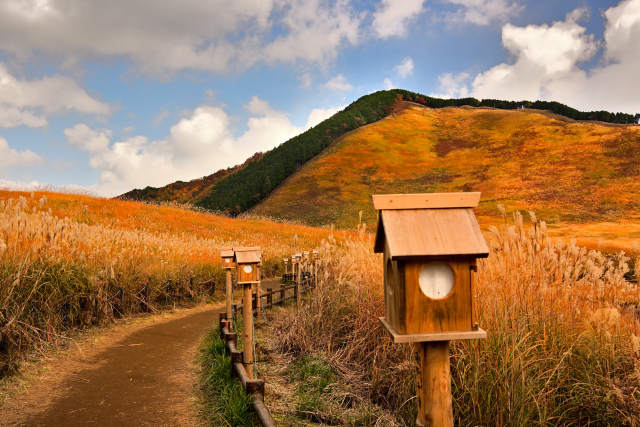
Soni Highlands sits on the southwestern slope of Mount Kuroso (1,037m), covering over 40 hectares of open rolling hills entirely carpeted in Susuki (Japanese pampas grass).
- The Walk: Follow the wooden boardwalk and gravel path sweeping upward into the natural amphitheater formed by the mountain. In spring and summer, the hillsides are a brilliant emerald green that ripples like an ocean under the wind. In autumn (late September through November), the pampas grass transforms into a shimmering sea of spun gold and silver feathers.
- The Climb: Hike up to the Kameyama Ridge (亀山峠). The trail involves roughly 20-30 minutes of steady uphill walking along stone steps. From the ridge line, you are rewarded with a panoramic 360-degree view: to your east, the deep peaks of Mie Prefecture; to your west, the sweeping valley you just drove through with your sports car parked tiny in the distance.
05:00 PM — The Golden Hour & Sunset Magic
As the sun drops toward the western horizon, Soni Highlands undergoes a breathtaking transformation. The low-angled sunlight illuminates the pampas grass from behind, creating a fiery, glowing landscape. Photographers from across Japan set up tripods along the central pond (Okame-ike), capturing the fiery sky reflected in the water while the hills around them turn amber and copper.
06:30 PM — Unwinding at Soni Onsen "Okame-no-Yu" (お亀の湯)
After hiking and shooting photos in the cool mountain air, drive 5 minutes down the hill to Soni Onsen Okame-no-Yu.
This thermal hot spring bathhouse is renowned throughout Kansai for its exceptional water quality—an alkaline simple hot spring (pHS 8.6+) that feels uniquely silky, almost like liquid lotion on the skin. Soak in the outdoor open-air bath (rotenburo) constructed from rustic timber and volcanic rock. As night falls, look up through the rising steam to see a sky packed with bright stars—a clear, unpolluted dark sky impossible to experience in central Osaka or Tokyo.
08:00 PM — Traditional Mountain Dinner & Overnight Stay
Check into a local Japanese inn (Ryokan) or family-run guesthouse (Minshuku) in Soni or nearby Mitsue village. Enjoy a feast of mountain gastronomy (Sansai Ryori):
- Yamato Beef (大和牛): High-grade local Wagyu grilled on a hot stone plate, tender with deep umami marbling.
- Kamo Nabe: Duck and local leek hotpot simmering in a dashi broth.
- Kaki-no-Ha Zushi (柿の葉ずし): Nara’s famous salted mackerel or salmon sushi wrapped tightly in persimmon leaves, which preserve the fish and impart a subtle woodsy tanin aroma.

Day 2: Forest Sanctuaries, Winding Ridge Passes & The Return Drive
Day 2 Flow:
[ Morning Forest Drive ] ➔ [ Muro-ji Temple ] ➔ [ Yamato-Yagi Highway ] ➔ [ Osaka Return ]
08:30 AM — Morning Engine Warm-Up & Forest Air
Wake early to the sound of mountain birds and distant river streams. Start the boxer engine of your BRZ/86, allowing the oil temperature to warm up slowly as you take in the misty morning air hanging over Soni Valley. Early morning is the magic hour for drivers: the roads are entirely free of commercial traffic, wet asphalt sparkles in the dappled morning light through the cedar canopy, and the air is dense and cool—ideal for turbochargers and high-compression naturally aspirated engines alike.
09:30 AM — Exploring the Deep Forest at Muro-ji Temple (室生寺)
Distance: ~22 km from Soni | Driving Time: ~35 mins via Route 28
Navigate your car northwest along Route 28, a tight, technical two-lane backroad that cuts through farmland and moss-covered rock walls. Your destination is Muro-ji, an ancient temple established in the late 8th century during the Nara Period.
Unlike its famous contemporary, Mount Koya, which historically banned women from entering, Muro-ji welcomed female worshipers, earning it the affectionate name Nyonin Koya ("Women's Koya").
- Architectural Marvel: Climb the grand stone staircase (Yoroizaka) shaded by towering cedar trees to reach the Five-Story Pagoda (五重塔). Standing just 16 meters tall, it is the smallest outdoor five-story pagoda in Japan, constructed entirely without nails using traditional Japanese joinery. Embedded deep within the old-growth forest, the red lacquered pagoda surrounded by vibrant green moss offers a moment of deep stillness and historic reflection.
11:45 AM — Technical Winding Run: The Hase Highway (Route 165 / Old Passes)
Leaving Muro-ji, map a route toward Hase-dera along the historic Hase Highway. This section offers a delightful mix of rhythmic third-gear turns and wide-open sweeping bends where you can feel the neutral chassis balance of the BRZ/86. The electric power steering communicates precise cornering load, letting you place the front tires within inches of the asphalt edge with absolute confidence.
01:00 PM — Yamato-Yagi Gastronomy: Culinary Secrets of Nara
Arrive on the outskirts of Kashihara City for a relaxing, hearty lunch. Skip the tourist-heavy western restaurants and seek out a traditional regional diner (Shokudo):
- Asuka Nabe (飛鳥鍋): A historic milk-and-dashi based hotpot containing tender local chicken, daikon radish, Chinese cabbage, and mushrooms. Originating in the 7th century when court dairy practices were imported from the Asian mainland, this dish is rich, comforting, and deeply satisfying after a morning of technical driving.
- Chagayu (茶粥): Green tea rice porridge, a staple of Nara home cooking for centuries, light on the stomach and aromatic.
03:00 PM — Scenic Afternoon Return via the Shigi-Ikoma Skyline (Optional Route)
For Enthusiast Drivers Seeking Extra Vista Views
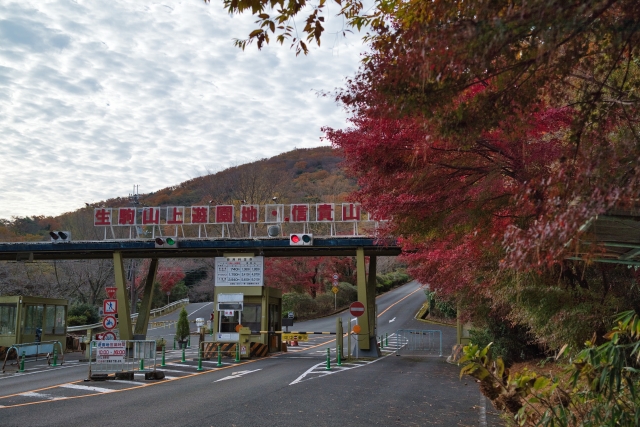
Instead of taking the direct highway straight back to central Osaka, divert slightly north toward the Shigi-Ikoma Skyline, a legendary toll road running along the ridge line of the Ikoma Mountain Range separating Nara and Osaka Prefectures.
This ridge road offers elevated panoramic views on both sides: to your right, the flat basin of ancient Nara; to your left, the sprawling modern skyline of Osaka extending to Osaka Bay. The road features fast, flowing elevation changes and sweeping curves—a fitting grand finale to your 2-day driving pilgrimage.
05:30 PM — Arriving Back in Osaka City
Descend from the Ikoma mountains as the neon signs of Osaka begin to glow against the twilight sky. Merge seamlessly back onto urban thoroughfares, slipping back into the rhythm of city driving. Park the sports car, step out into the evening air, and feel the gentle leg fatigue that comes from two days of active manual pedal work and precise steering—a mark of a true motoring journey through Secret Japan.
Expert Driving Advice & Cultural Nuances in Japan
Driving in Japan is an immensely rewarding experience, provided you understand the cultural norms, road etiquette, and unique infrastructure that define the Japanese motoring landscape.
┌────────────────────────────────────────────────────────────────────────┐
│                        JAPAN ROADWAY ETIQUETTE                         │
├───────────────────────────────┬────────────────────────────────────────┤
│ Hazard Light Thank-You        │ 2-3 flashes after merging or yielding │
├───────────────────────────────┼────────────────────────────────────────┤
│ Speed Limits                  │ Expressways: 80-100 km/h               │
│                               │ Mountain Roads: 40-50 km/h             │
├───────────────────────────────┼────────────────────────────────────────┤
│ Pit Stop Culture              │ Michi-no-Eki (Roadside Stations)       │
└───────────────────────────────┴────────────────────────────────────────┘
The Magic of Michi-no-Eki (Roadside Stations)
Japan’s national network of Michi-no-Eki (道の駅) is a driver’s dream. More than mere rest stops, these publicly-owned rest areas are regional showcases designed to support local rural economies.
- What to Expect: Every Michi-no-Eki features immaculately clean public restrooms, 24/7 parking, vending machines, regional farmers' markets selling fresh produce, and local food stalls.
- Must-Try at Soni's Michi-no-Eki: Look out for freshly baked mountain bread, soft-serve ice cream made with fresh regional milk, and Yuzu (citrus) preserves bottled by local villagers.
- Driver Etiquette: Rest areas are peaceful grounds. Avoid revving your engine, playing loud music, or leaving trash behind. Always sort your garbage carefully into designated recycling bins (cans/PET bottles/burnables).
Mountain Road Etiquette & Safety (Tōge Driving)
When driving technical mountain routes like Route 369 or Route 28 in Nara:
- Yielding to Faster Local Traffic: Local drivers, from timber delivery trucks to resident seniors in lightweight Kei trucks (Kei-tora), know these narrow roads intimately. If you notice a vehicle approaching behind you, pull smoothly into an upcoming turnout (Dai-ichi Evacuation / Pull-out bay) or turn on your left blinker to let them pass.
- Blind Corners & Mirrors: Japanese mountain roads feature convex mirrors mounted on high poles at almost every blind curve. Make it a habit to check the curve mirror before turning into an apex; it reveals oncoming cars, cyclists, or wild deer (shika) long before they enter your line of sight.
- The "Hazard Light Thank-You" (Sanki Kaza): If another driver yields to let you merge or pass on a narrow mountain road, flash your hazard lights two or three times after pulling ahead. This universal Japanese gesture communicates instant gratitude and respect.
Detailed Logistics & Pre-Trip Driving Tips (2026 Edition)
Navigating Japanese roads in a modern JDM sports car like an 86 or BRZ is effortless once you grasp the underlying logistics.
┌─────────────────────────────────────────────────────────────────┐
│                      PRE-TRIP CHECKLIST                         │
├─────────────────────────────────────────────────────────────────┤
│ [ ] Valid Passport                                              │
│ [ ] Home Country Driver's License                               │
│ [ ] International Driving Permit (1949 Geneva Convention)       │
│ [ ] Expressway ETC Card Mounted in Car                          │
│ [ ] High-Octane Fuel ("High-Oku") Knowledge                     │
└─────────────────────────────────────────────────────────────────┘
The ETC Card System (Electronic Toll Collection)
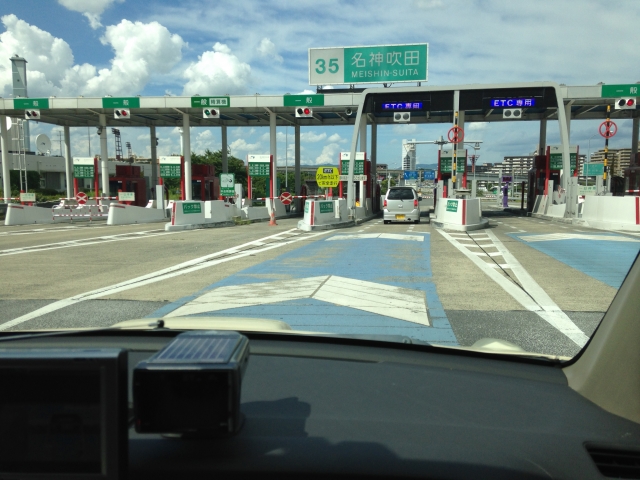
Japan’s highway network relies heavily on toll roads. While cash lanes exist, using an ETC (Electronic Toll Collection) Card is mandatory for a smooth experience.
- How It Works: An ETC card is a wireless smart card inserted into a dedicated card reader built into your rental vehicle (usually located inside the glove box or beneath the steering column).
- At Toll Gates: Approach the purple "ETC Only" lanes at highway entry and exit points at a speed below 20 km/h. The gate barrier will read your card wirelessly and lift automatically, logging your toll fee onto the card. You simply settle the accumulated toll balance when returning your rental car.
Fueling Up: The Japanese Gas Station Experience
Fuel stations in Japan are exceptionally clean and efficient, divided into Full Service (Mantan) and Self Service (Serufu).
- Fuel Type for Sports Cars (86/BRZ): Both the Toyota 86 and Subaru BRZ feature high-compression engines that require Premium High-Octane Gasoline.
- Key Vocabulary:
- High-Octane (Premium): High-Oku (ハイオク) — Always select the Yellow Pump Handle.
- Regular Gasoline: Regurā (レギュラー) — Red Pump Handle (DO NOT USE for sports cars).
- Diesel: Keiyu (軽油) — Green Pump Handle (DO NOT USE).
- Phrases for Full Service:
- "High-Oku, Mantan, Keshoku-kessai de" (High-octane, full tank, credit card payment).
- The courteous staff will often wipe your windshield, mirrors, and hand you a damp towel to clean your dashboard while refueling!
Parking Mastery in Rural & Urban Japan
- Reversing into Spaces: In Japan, it is standard societal practice to reverse/back into parking spaces (Tohead-out parking). This ensures safer visibility when pulling out into traffic later.
- Lock-Up Flap Parking Lots (Times / Coin Parking): In urban areas like Osaka, many open-air parking lots feature automated ground metal flaps that rise up beneath your chassis 3–5 minutes after parking. To exit, enter your parking space number at the central pay machine, pay the cash/IC card fee, wait for the metal flap to drop completely flat, and drive out safely.
Operating a Manual Transmission JDM Icon (86 / BRZ)
Driving an RHD (Right-Hand Drive) manual sports car in Japan is an exhilarating bucket-list item.
- Ergonomics: The gear shifter is operated with your left hand, while the pedal layout (Clutch - Brake - Accelerator from left to right) remains identical to left-hand drive cars globally.
- Chassis Dynamics: The Toyota 86 and Subaru BRZ boast a near-perfect 53:47 front-to-rear weight distribution, ultra-low center of gravity, and responsive rear-wheel drive handling. On wet mountain roads, respect the car's power delivery: keep traction control systems active, smooth out your throttle inputs exiting hairpin turns, and enjoy the pure mechanical feedback of a true driver's car.
Comprehensive FAQ for International Drivers
Q1: What documentation do I need to legally drive a car in Japan?
Answer: You must present three items when collecting your rental vehicle:
- Your physical Passport.
- Your original Home Country Driver’s License.
- A valid International Driving Permit (IDP) issued under the 1949 Geneva Convention on Road Traffic.
Important Note: IDPs issued under the 1968 Vienna Convention are NOT valid in Japan. Visitors holding licenses from certain countries/regions (such as Switzerland, Germany, France, Taiwan, Belgium, and Monaco) cannot use a standard IDP; instead, they must present an official Japanese translation of their home license provided by JAF (Japan Automobile Federation) or their respective embassy. Always verify your eligibility prior to travel.
Q2: Is driving a manual transmission (MT) car difficult on Japan’s mountain roads?
Answer: Not at all, provided you have basic experience operating a manual vehicle in your home country. Modern sports cars like the Toyota 86 and Subaru BRZ feature smooth clutch engagement, hill-start assist features that prevent roll-back on steep incline stops, and precise gearboxes. Combined with Japan's exceptionally courteous driving culture and well-maintained asphalt, driving an MT here is relaxed, engaging, and immensely satisfying.
Q3: What happens if I encounter winter road conditions in Nara?
Answer: While coastal Kansai and central Osaka rarely see heavy snow, higher elevation mountain passes like Soni Highlands can experience freezing temperatures, black ice, or light snowfall from mid-December through February. If traveling during winter months, request studless snow tires (Winter Tires) on your rental car, monitor local weather reports, and drive with extra caution on shaded mountain bends.
Q4: Are insurance policies comprehensive for rental sports cars?
Answer: Yes. Professional sports car rental outlets provide full coverage packages, including Personal Liability, Collision Damage Waiver (CDW), and Non-Operation Charges (NOC) coverage, giving you complete peace of mind while enjoying technical roads.
The Final Thoughts: Unleash Your Secret Japan Adventure
┌─────────────────────────────────────────────────────────────────────────┐
│                     YOUR JDM ROAD TRIP AWAITS                           │
│                                                                         │
│   [ Modern Osaka ] ───► [ 86/BRZ Sports Car ] ───► [ Secret Nara ]      │
│                                                                         │
│  Leave the train platform behind. Step into the driver's seat.         │
└─────────────────────────────────────────────────────────────────────────┘
The true heart of Japan does not exist inside overcrowded tourist buses or along the straight, rigid tracks of a high-speed train line. It lives in the quiet mountain passes where mist hangs low over ancient forest canopies, in the shimmering golden fields of Soni Highlands illuminated by the setting sun, and in the mechanical harmony between a passionate driver, a manual gearbox, and an winding mountain road.
To unlock this unfiltered world, you do not need a ticket stub. You need a key, a full tank of high-octane fuel, and a machine built purely for the joy of driving.
When you arrive in Osaka, skip the ordinary commuter car rentals and step into something extraordinary. Head directly to Omoren Osaka Central Store (おもしろレンタカー大阪中央店). Specially curated for automotive enthusiasts, international travelers, and adventurous souls, their fleet of meticulously maintained JDM icons—including the legendary Toyota 86 and Subaru BRZ—is prepared and waiting to turn your Japanese journey into an unforgettable driving masterpiece.
Reserve your sports car today at Omoren Osaka Central Store, turn the ignition, slide into gear, and discover the Secret Japan that only a true driver can ever know.