
1. Exploring the Yoshino River in a Toyota 86: The Philosophy of Driving in Japan
For over a decade, I wore the crisp uniform of the Kintetsu Railway, standing on the platform edge, whistle in hand, watching the sleek commuter trains and limited expresses glide across Kansai’s extensive steel grid. I spent my days mastering timetables, knowing precisely down to the second when the train doors would slide open at Yoshino Station. I deeply respect Japan’s rail network; it is a marvel of human precision, efficiency, and engineering elegance.
Yet, every time I looked out the conductor’s cab window toward the emerald-draped mountains of Nara, I felt an undeniable pull toward the ribbons of asphalt tracing the winding valleys below. Rail obliges you to adhere to a rigid, fixed track. It dictates where you pause, what you see, and when you move. It herds you into central hubs alongside thousands of other travelers carrying identical guidebooks.
The moment you slide into the low-slung bucket seat of an iconic Japanese Domestic Market (JDM) sports car—like the sharp, perfectly balanced Toyota 86—the script flips entirely. Driving in Kansai, especially using Osaka as your launching pad, unlocks a world that transit maps completely obscure. Beyond the final concrete ties of the train lines lies what I call "Secret Japan": misty mountain passes (touge), sleepy timber towns scenting the air with cedar, and pristine riverbanks where time seems to have stood still for centuries.
The Yoshino River basin in Nara Prefecture represents the absolute pinnacle of this driving philosophy. While thousands of tourists crowd the standard trains bound for the popular lower slopes of Mount Yoshino during peak seasons, the driver in a lightweight rear-wheel-drive sports car experiences an entirely different dimension. You follow the sweeping curves of the riverbank, downshifting through tight apexes, hearing the boxer engine bark against granite canyon walls, and stopping at secluded clearwater spots inaccessible to any tour bus.
This isn't merely transportation; it is an intimate, high-sensory dialogue between driver, machine, and Japan’s breathtaking landscape.

2. Exploring the Yoshino River in a Toyota 86: The 2-Day Itinerary Deep Dive
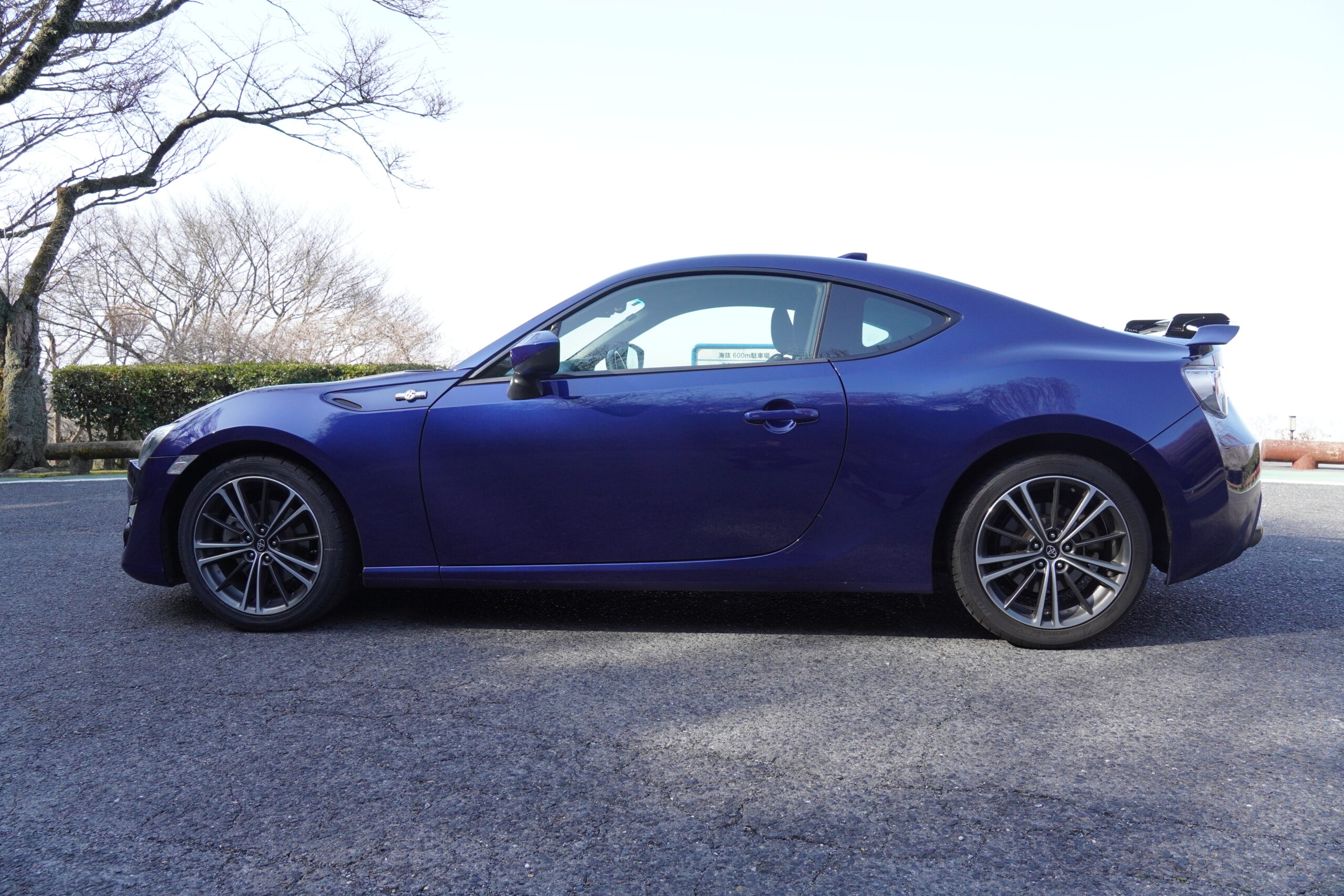
To truly capture the soul of the Yoshino River, a two-day road trip from Osaka offers the ideal balance of technical driving, cultural richness, and sensory immersion.
Day 1: From Osaka’s Neon to Nara’s Emerald Riverbanks
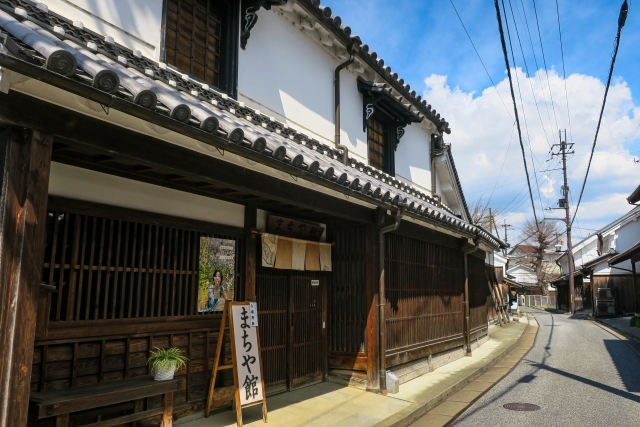
08:00 AM – Departure from Central Osaka
Your journey begins in the bustling concrete heart of Osaka. As you fire up the naturally aspirated 2.0-liter engine of the Toyota 86, the mechanical thrum settles into a purr. Navigating the morning city grid, you quickly merge onto the Hanshin Expressway Route 14 bound for the South Osaka region. The contrast between Osaka's towering expressways and the upcoming rural pass sets an invigorating tone.
09:15 AM – Crossing the Chugoku/Kongo Range via Mount Katsuragi (Route 309)
Driving Feel & Route: Leaving the urban sprawl behind, shift your 86 into 3rd gear as you approach the ascent up Route 309, slicing between Mount Katsuragi and Mount Kongo. The roads narrow, sweeping through lush bamboo groves and dense cedar canopy. The low center of gravity and front-engine, rear-wheel-drive layout of the Toyota 86 shine here, tracking cleanly through every twisting elevation change.
Geology & Context: This mountainous border between Osaka and Nara is composed of ancient granitic bedrock, carved over millennia by intense rainfall and tectonic shifts, creating steep, sharp passes that historically guarded the Yamato Basin.
10:30 AM – Historic Gojo Shinmachi (Gojo Riverfront)
History & Sensory Experience: Descending into Gojo, park your car near the historical district of Shinmachi along the riverbank. Shinmachi served as a vital merchant outpost along the Kii Highway during the Edo Period. Walking through the narrow alleyways lined with preserved dark-wood machiya merchant houses, the subtle fragrance of aged timber fills the air.
Tasting Local Specialties: Stop at a local artisan store for K柿の葉ずし (Kakinoha-zushi)—mackerel or salmon sushi wrapped neatly in persimmon leaves. The tannin in the persimmon leaf preserves the fish while imparting a delicate, earthy tea-like aroma into the vinegared rice.
12:00 PM – Following the Yoshino River Bank (Route 168 to Route 370)
Winding Along the Water: Re-entering the cockpit, click the short-throw manual shifter into gear and head east along Route 370, hugging the shoreline of the Yoshino River. The asphalt traces every bend of the crystal-clear water. The sunlight glints through the trees, casting rhythmic shadows across the hood of your 86.
Engineering & Road Conditions: The road here features smooth tarmac, open sweeping curves, and gentle inclines that allow you to feel the crisp feedback of the electric power steering. The river beside you changes hue from deep sapphire to sparkling emerald over granite riverbeds.
01:30 PM – Lunch along the Riverbank: Local Ayumushi & Soba
Pull into a traditional riverside eatery carved into the cliff face near Natsumi.
The Meal: Order grilled Ayu (sweetfish) caught directly from the Yoshino River, salt-crusted and slow-roasted over white charcoal (binchotan). The skin is crispy, the meat sweet and delicate with a watermelon-like aroma characteristic of clean river fish. Accompany this with handmade buckwheat soba dipped in dashi brewed from local mountain spring water.
03:00 PM – Deep Valley Exploration & Kamiuchi Riverbed
Geological Marvels: Drive further upriver into the narrowing canyon. The valley floor here drops into massive rock shelves. Park safely in designated turnouts to step down onto the smooth, white river pebbles. The water temperature is brisk, filtered through hundreds of meters of forested mountain slopes.
Mechanical Harmony: The mechanical echo of your sports car echoing off the rock cliffs as you blip the throttle on downshifts provides an exhilarating soundtrack to the majestic river valley scenery.
05:30 PM – Check-in at a Traditional Ryokan in Ryumon / Lower Yoshino
Atmosphere & Rest: Arrive at a tranquil riverside ryokan (Japanese inn). Park the Toyota 86 outside, where its sharp JDM lines contrast beautifully against traditional cedar architecture. Dip into an outdoor rotenburo (hot spring bath) overlooking the misty Yoshino River, letting the hot, mineral-rich spring water soothe your hands and legs after a day of spirited driving.
Dinner: Indulge in a Kaiseki banquet featuring local Yamato beef cooked on a hot stone, seasonal wild mountain vegetables (sansai), and local Nara sake.

Day 2: Into the High Gorges, Crystal Waters, and Mountain Passes
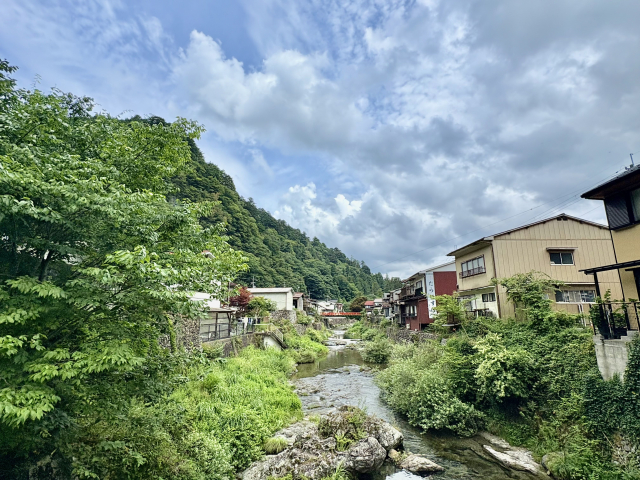
08:30 AM – Morning Start: The Sound of Cold Engine & River Mist
Start your day early as low-lying fog hangs over the turquoise surface of the Yoshino River. Cold morning air fills the intake of the 86, giving the engine a crisp, eager throttle response.
09:30 AM – The High Pass of Route 309 to Mitarai Valley (Mitarai Keikoku)
The Drive: Head south towards the high mountain gorges along Route 309. This section of road becomes single-lane in parts, demanding absolute focus, heel-and-toe downshifting, and smooth control inputs. The Toyota 86’s light curb weight (around 1,200 kg) makes it effortlessly nimble along these tight mountain ribbons.
Mitarai Valley Scenic Stop: Park near the entrance of Mitarai Valley. Here, two crystal-clear mountain streams converge into massive emerald pools framed by giant boulders and towering Japanese hemlock trees. Suspension bridges span the canyon, giving you a bird's-eye view of waterfalls plunging into crystal basins so clear you can count the stones five meters below.
12:00 PM – Mountain Lunch at Dorogawa Onsen Village
Atmosphere: Ascend further to Dorogawa Onsen, an ancient village situated at an altitude of 820 meters, historically used as a cleansing retreat by Shugendo mountain ascetics embarking on pilgrimages up Mount Omine.
Culinary Highlight: Enjoy Kishu Duck Nabe or fresh handmade Gyoja Tofu (firm mountain tofu served with mountain herbs and freshly grated ginger). The village air smells of cedar smoke, fresh rain, and mountain pine.
02:00 PM – Mountain Ridge Run: Route 21 to Shindo Pass
The Technical Pass: Leaving Dorogawa, loop westward across Route 21 towards Shindo. This road offers a spectacular series of S-curves and hairpin turns with broad visibility through alpine forestry. The Toyota 86 stays completely flat through corners, the steering wheel communicating every nuance of grip from the front tires.
Visuals: Panoramas open up to show undulating mountain ridges stretching endlessly south toward the Kii Mountain Range, a sacred UNESCO World Heritage landscape.
04:00 PM – Afternoon Coffee & River View near Shinjyo
Descend out of the mountains back toward the lower plains of Nara. Stop at an independent timber-structured café built along the water. Sip cold-brewed coffee made from natural mountain runoff while watching the setting sun paint the river in shades of copper and gold.
06:30 PM – Arrival Back in Central Osaka
Re-enter the urban highway system as Osaka’s neon skyline lights up the evening sky. Returning to the city after two days in the pristine mountain air leaves you with a profound sense of rejuvenation—a high-sensory road trip experience impossible to replicate from a train seat.
3. Exploring the Yoshino River in a Toyota 86: Expert Advice & Cultural Nuances
The Magic of Michi-no-Eki (Roadside Stations)
One of the greatest joys of driving through rural Japan is discovering the cultural institution known as Michi-no-Eki (Roadside Rest Areas). These are far more than mere gas stops or parking lots; they are vibrant showcases of local community heritage, agriculture, and cuisine.
Along the Yoshino River route, you will encounter outstanding stops such as Michi-no-Eki Yoshino-Eji Kurotaki or Michi-no-Eki Yoshino-Lumber:
Local Produce: Expect to find freshly picked local persimmon fruit, aromatic Yoshino cedar wood crafts, home-baked sweet potato snacks, and artisanal soy sauces brewed in historic wooden barrels nearby.
Street Food Snacks: Try Kurotaki Konnyaku—skewered konjac root simmered for hours in a rich, spicy soy broth. It is piping hot, savory, and extremely comforting on a mountain drive.
Driver Etiquette: Michi-no-Eki offer clean public restrooms, vending machines with warm canned coffees (try Boss or Georgia black coffee), and safe places to rest if fatigue hits.
Finding Hidden Local Gems
When driving, avoid big chain restaurants. Look for handwritten wooden signs (sugi boards) indicating home-run eateries known as Shokudo. These spots are often operated by local families for generations, serving regional specialties such as:
Yamato Soba & Udon: Buckwheat noodles made with icy mountain spring water.
Chagayu (Tea Porridge): A traditional Nara breakfast dish where rice is simmered gently in roasted green tea (houjicha), light on the stomach and deeply nourishing.
Mountain Driving Precautions in Nara
Narrow Passes (Koku-do): Some national routes in mountain zones change rapidly from double-lane highways into extremely narrow single-lane roads with blind corners. Always look far ahead and make use of the convex mirrors (Kamen-kagami) mounted on poles at hairpin turns.
Pullout Etiquette: If a local truck or resident appears behind you, signal left and pull into a paved turn-out area (Yuzuri-ai zone) to let them pass smoothly.
Wildlife Warnings: Early mornings and late afternoons are active times for Kamoshika (Japanese serow), wild boars (Inoshishi), and deer (Shika). Maintain reasonable speeds through forested curves.
4. Exploring the Yoshino River in a Toyota 86: Detailed Logistics & Pre-Trip Tips
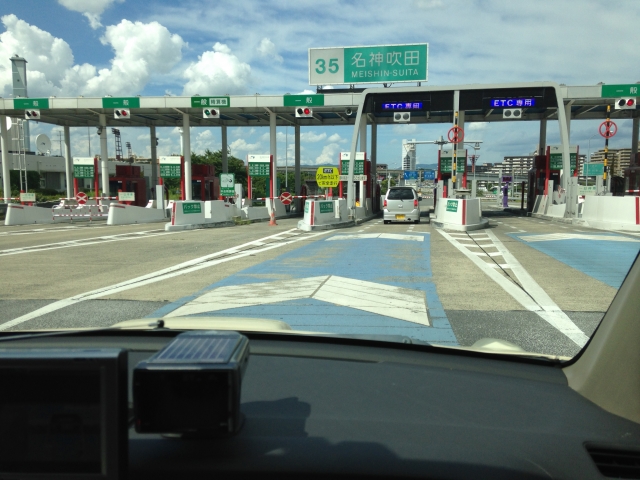
Navigating Japanese roads in a manual JDM sports car is an incredibly rewarding experience when you are well-prepared for local logistics.
Navigating Toll Roads with an ETC Card
Japan’s high-speed expressway system operates using an Electronic Toll Collection (ETC) card system.
How It Works: An ETC card is a smart card inserted into a dedicated card reader hidden inside the vehicle's glovebox or center console.
At the Gate: As you approach highway toll plazas, drive through the lanes clearly marked in purple "ETC" at a speed under 20 km/h. The barrier arm will raise automatically, logging your journey digitally.
Why You Need It: It saves significant time over stopping to pay cash at manual toll booths, and provides access to off-peak expressway discounts.
Mastering Japanese Gas Stations (Gasorin Stando)
Gas stations in Japan come in two varieties: Full Service (Furu) and Self Service (Serufu).
At a Full Service Station:
Attendants will guide your car to the pump with hand gestures.
Open your window and state your fuel type, payment method, and amount.
Fuel Type for JDM Sports Cars (Toyota 86 / Mazda Roadster): Always ask for High-Octane Premium fuel: "Hai-oku" (ハイオク).
Full Tank Request: Say "Hai-oku, Mantan de" (Premium, full tank please).
Attendants will often clean your windshield, mirrors, and offer to take any small trash from your cabin.
Pay cash or card when they hand back your receipt.
At a Self-Service Station:
Select language options on the touch screen (many offer English). Select ハイオク (Hai-oku / Red handle), insert your cash or credit card, fuel up, and collect your change from the automated cash dispenser nearby.
Parking Tips & Urban/Rural Etiquette
Back-In Parking: In Japan, it is standard cultural practice to back into parking spaces. It improves safety when pulling out into traffic later.
No On-Street Parking: Street parking is virtually non-existent in urban and sub-rural areas. Always utilize designated paid parking lots (Coin Parking) marked with yellow "P" signs.
The Thrill of Driving a Manual JDM Icon (Toyota 86 / Mazda Roadster ND)
Renting a lightweight, rear-wheel-drive sports car like the Toyota 86 or Mazda Roadster (ND) transforms a standard commute into a tactile adventure:
The Ergonomics: The low seating position brings your center of gravity right down to the chassis level, giving you instant physical feedback from the road surface.
Pedal Alignment: Perfectly placed pedals allow for natural heel-and-toe downshifting during deceleration before mountain hairpin bends.
Power Delivery: Naturally aspirated engines deliver smooth, linear power output right up to the rev limit, accompanied by a mechanical exhaust note echoing off mountain canyon walls.
5. Exploring the Yoshino River in a Toyota 86: Comprehensive FAQ
Q1: What driving documentation do I need to rent and drive a car in Japan?
A: You must carry three original physical documents at all times while driving:
Your original physical driver's license from your home country.
A valid International Driving Permit (IDP) issued under the 1949 Geneva Convention.
Your passport.
Important Note: IDPs issued under the 1968 Vienna Convention or other formats are not legally recognized in Japan. Visitors holding licenses from specific countries like Germany, Switzerland, France, Belgium, Monaco, and Taiwan require an official translation of their home license provided by the Japan Automobile Federation (JAF) or their respective embassies, rather than an IDP.
Q2: Is driving a manual transmission (MT) car difficult on Japanese mountain roads?
A: If you are comfortable driving a manual car in your home country, you will adapt very quickly. Japanese traffic flows with incredible patience, courtesy, and discipline. Outside of major city centers, traffic along the Yoshino River pass is light, allowing you to settle into a comfortable rhythm through mountain bends.
Q3: What side of the road do people drive on in Japan?
A: Drivers in Japan drive on the left side of the road, with the driver's seat situated on the right side of the vehicle.
Q4: Are roads safe along the Yoshino River in winter?
A: During late spring, summer, and autumn, road conditions are dry and ideal. From late December through February, high-altitude passes around Dorogawa Onsen can experience icy conditions and snowfall. During winter months, renting a vehicle equipped with studless winter tires is strongly recommended.
Q5: How expensive are road tolls for a 2-day trip around Nara?
A: Tolls between central Osaka and Nara via expressways generally cost around 2,000 to 3,500 yen each way. Many rural national routes along the Yoshino River valley itself (such as Route 168 and Route 370) are completely toll-free public roads.
6. Exploring the Yoshino River in a Toyota 86: The Final Thoughts
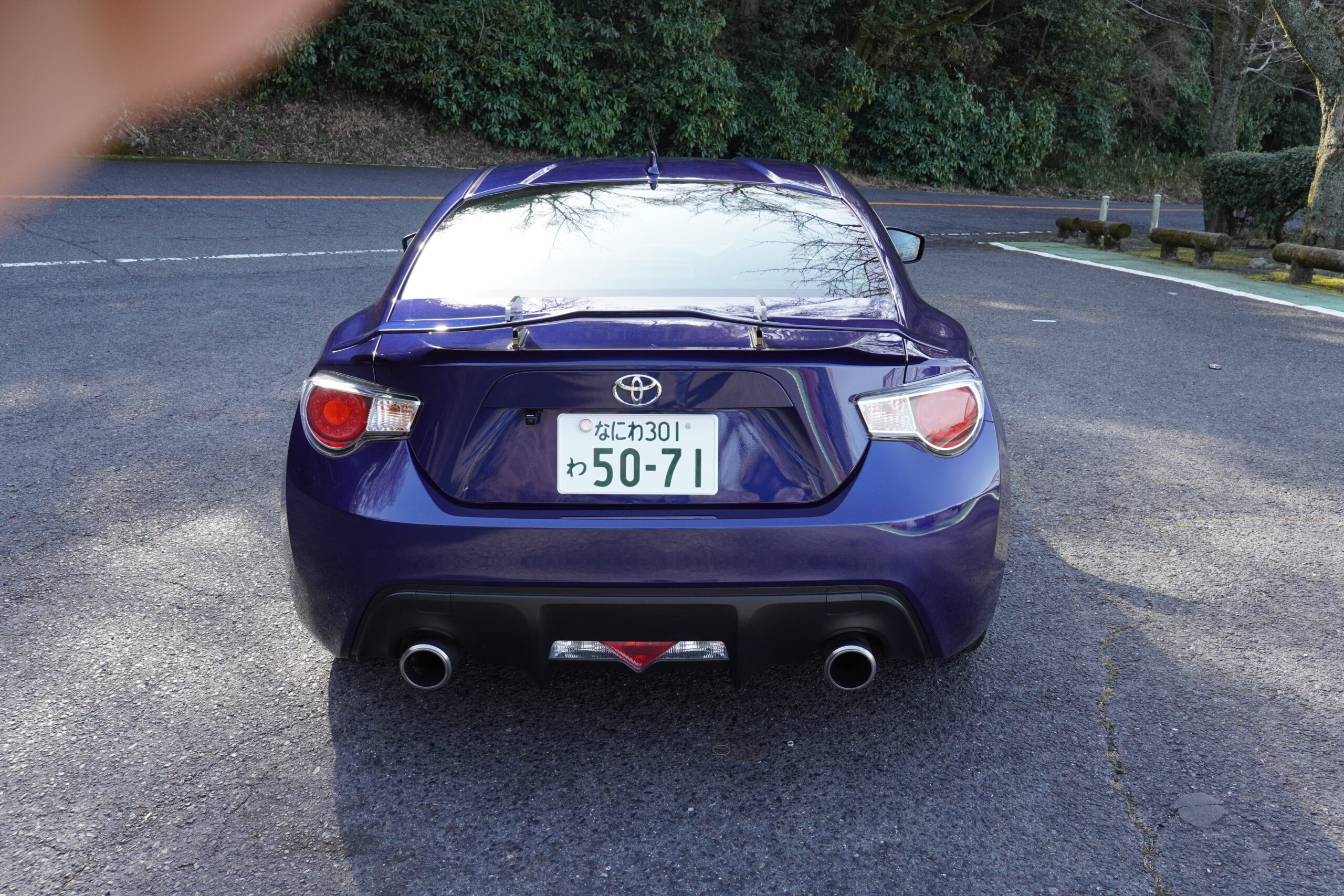
The misty gorges of Nara, the ancient cedar forests of Yoshino, and the rushing turquoise waters of the Yoshino River are waiting. You could view them from afar through a tinted train window, adhering to someone else's timetable and clinging to paved tourist paths.
Or you could grip the leather-wrapped steering wheel of a sports machine, feel the immediate bite of high-performance tires on clean mountain tarmac, downshift into a sunlit hairpin curve, and write your own unforgettable story of travel through Secret Japan.
Your ultimate JDM driving journey starts the moment you pick up your keys.
Ready to hit the touge and explore the hidden roads of Kansai?
Book your pure sports vehicle—whether it's the razor-sharp Toyota 86, Subaru BRZ, or the iconic Mazda Roadster (ND)—directly with Omoren Osaka Chuo (Omoshiro Rent-a-Car Osaka Chuo). Experience unparalleled freedom, personal service tailored to international car enthusiasts, and premium, impeccably maintained manual JDM vehicles engineered for pure driving pleasure.
[Reserve Your JDM Sports Car at Omoren Osaka Chuo Today]