
1. Amanohashidate: The Philosophy of Driving in Japan
As a former conductor for the Kintetsu Railway, I spent years watching the Japanese landscape slide by through a rectangle of reinforced glass. I know the rhythm of the rails—the precise click-clack of the tracks, the sterile efficiency of a scheduled arrival, and the polite silence of a commuter carriage. Trains are the arteries of Japan, efficient and reliable, but they are also filters. They act as barriers between you and the raw, unadulterated heartbeat of this country. They take you to the station, but they never truly take you there.
To experience the "Secret Japan," you must liberate yourself from the timetable. You need to hold the steering wheel of a machine that communicates back to you, one that feels the nuances of the asphalt through the chassis and the gravel through the tires. In the Kansai region, most travelers are content to bounce between the crowded temples of central Kyoto. They see the postcard version. But true discovery starts where the train lines end.
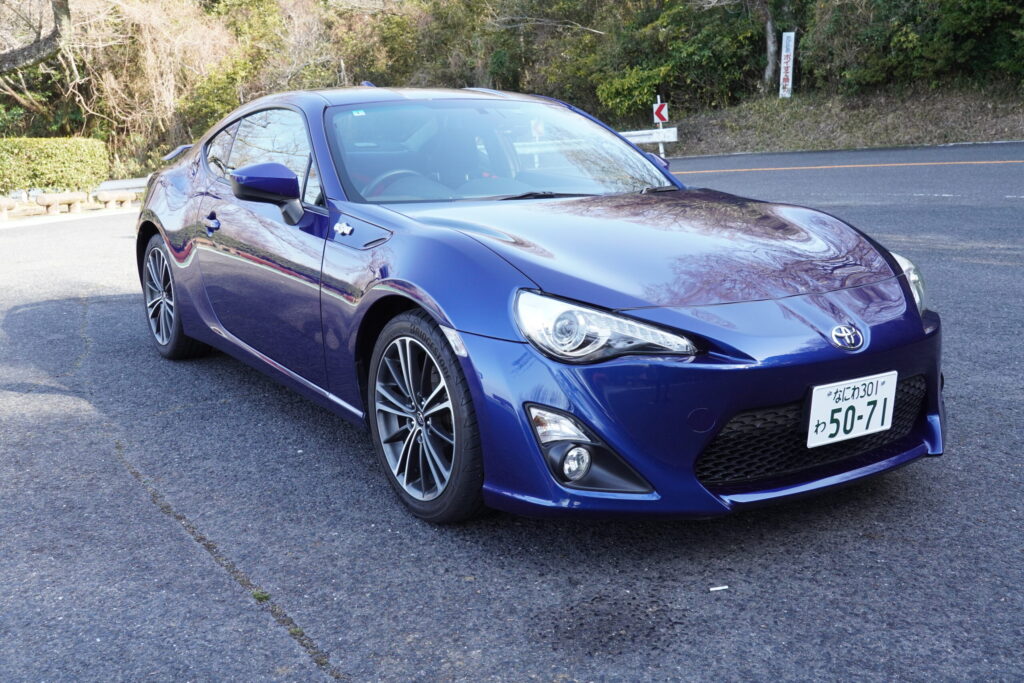
Driving in Japan—specifically, piloting a tuned JDM machine like the Toyota 86—is a visceral conversation with the terrain. It is about the smell of the damp cedar forests, the sudden transition of light as you emerge from a mountain tunnel, and the ability to pull over when a vista steals your breath away. When you are behind the wheel, the journey is no longer a means to an end; it is the destination itself. We are trading the predictable hum of the train for the mechanical symphony of a boxer engine, hunting for the mythical "Heaven’s Bridge."

2. Amanohashidate: The 2-Day Itinerary: Deep Dive
Day 1: The Ascent into the North
08:00 – The Launch from Osaka The morning air in Osaka is thick with anticipation. You climb into the cockpit of the Toyota 86. The seats are snug, holding you in place like a tailored suit. You turn the key, and the flat-four engine erupts with a guttural, mechanical bark that vibrates through your spine. This is not a commute; this is a sortie. As you weave out of the urban jungle, the throttle response of the 86 feels telepathic.
10:00 – The Winding Path to Tamba-Sasayama Leaving the city behind, we carve a path northward. The route through the Tamba region is a masterclass in topography. The road narrows, transforming into a serpentine ribbon of asphalt draped over rolling hills. Here, the 86 comes alive. You downshift, the revs climbing toward that golden power band, and you hit the apex of a tight corner with surgical precision. The steering is heavy, honest, and communicative. You are no longer a passenger; you are a pilot.
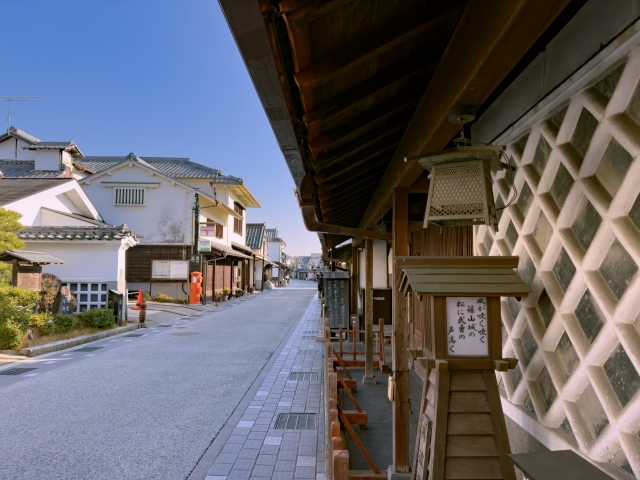
12:30 – Local Flavors: The Heart of the Mountains Stop in the historic town of Sasayama. Park the 86 under the shadow of the old castle walls. Lunch is Tamba Kuro-mame (black soybeans) and locally sourced Jibie (wild game). The texture is earthy, grounded, and intensely local. This is food that tastes like the landscape itself—rugged and refined.
15:00 – The Mountain Pass (The "Toge" Experience) As you approach the northern coast, the elevation climbs. The clouds hang low, clinging to the emerald canopy of the trees. The road becomes a series of dramatic switchbacks. This is where the 86 earns its keep. The balance is exquisite; every gear change is a crisp, satisfying "clack" of the short-throw shifter. You aren't just driving; you are dancing with gravity.
18:00 – Sunset at the Bay of Miyazu You arrive at the coast as the sun begins to dip. The Sea of Japan is a sheet of bruised purple and gold. Your heart rate settles as you park the car, the cooling metal ticking softly in the quiet night air.

Day 2: The Bridge to Heaven
07:00 – The Morning Run The morning air is crisp, carrying the salt spray of the ocean. You take the 86 out for a "warm-up" run along the coastal roads before the tourists arrive. The engine note echoes off the sea cliffs, a mechanical heartbeat against the rhythmic crashing of the waves.
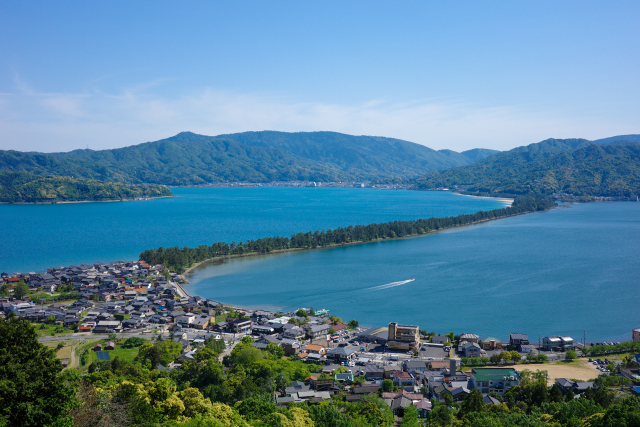
09:00 – Amanohashidate (The Sandbar) Amanohashidate, the "Bridge to Heaven," is a geological anomaly—a pine-covered sandbar stretching across the bay, created by the interplay of ocean currents and tectonic movement over millennia. Legend says it was a ladder used by the gods. Walk the path, inhale the scent of the ancient pines, and look at the world through the "Mata-nozoki" (bending over and looking through your legs). The perspective shift is literal and metaphorical; it reminds you that the world is only as narrow as you choose to see it.
12:00 – The Seafood Harvest Lunch in a small coastal fishing village. The Maguro (tuna) and Buri (yellowtail) here are pulled from the icy depths of the northern waters just hours before. The fattiness of the fish melts on the tongue, a perfect contrast to the sharp, refreshing bite of local sake.
14:30 – The Return Leg The drive back to Osaka is a different beast. You are tired, but the car is energized. You take a different route through the valley, pushing the 86 through long, sweeping curves that allow the engine to breathe. You feel every bump, every expansion joint, every shift in the wind. This is the "Secret Japan"—not just the places you visited, but the way your senses were sharpened by the machine you piloted.
3. Amanohashidate: Expert Advice & Cultural Nuances
Driving in rural Japan is an exercise in cultural respect. The "Michi-no-Eki" (Roadside Stations) are not just rest stops; they are community hubs. They are the best places to buy local produce, artisan crafts, and truly obscure regional delicacies. Never ignore a Michi-no-Eki; they are the soul of the Japanese countryside.
When driving through small villages, keep your speed modest. You are a guest in these people's backyard. If you find yourself on a narrow mountain road and meet an oncoming vehicle, the universal sign of thanks is a small wave or a brief flash of your hazard lights. It’s a simple gesture that bridges the gap between foreigner and local. And remember, the speed limit is a suggestion for the timid, but the road conditions are the law for the wise. Watch for falling rocks and the occasional wild boar—the mountains are alive, and they demand your attention.
4. Amanohashidate: Detailed Logistics & Pre-Trip Tips
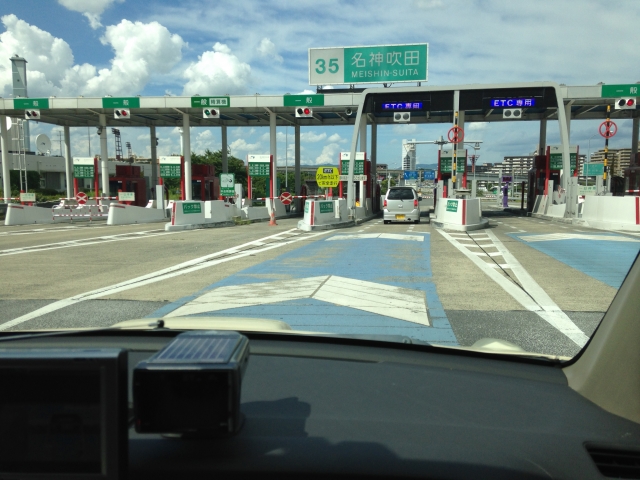
As of 2026, the Japanese road system is a marvel of engineering, but it requires a bit of preparation. The ETC (Electronic Toll Collection) card is essential. Without it, you will be stopping at every toll booth to fumble with cash. Most rental cars will provide an ETC card—insist on it.
When you pull into a gas station, don't be intimidated by the staff. Many rural stations are full-service. Simply roll down your window, say "Mantan" (Full tank), and let them handle the rest. It is a ritual of Japanese service that has survived the age of automation.
Parking in rural areas is generally plentiful, but in older towns, streets can be tighter than you expect. The Toyota 86’s dimensions are perfect for this; it’s a car designed for narrow, twisty roads. Handling a manual transmission (MT) in Japan is a privilege. The clutch work in heavy traffic can be a workout, but on the open road, the connection between you and the gearbox is pure, unfiltered mechanical joy. You are in control of every single horsepower.
5. Amanohashidate: Comprehensive FAQ
Q: Do I need a special license? A: Yes. To drive in Japan, you must possess a valid driver's license from your home country, accompanied by an International Driving Permit (IDP) issued under the 1949 Geneva Convention. You must present both your original home country license, your passport, and the valid IDP at the time of rental.
Q: Is it hard to drive a manual car in Japan? A: If you can drive a manual back home, you will have no issues. The gear patterns are standard, and the roads are well-marked. The challenge is usually the narrowness of the streets, not the shifting itself.
Q: What about insurance? A: Never decline the full coverage option. While Japanese drivers are disciplined, the roads can be unforgiving, and the cost of parts for a specialized JDM car can be high. Peace of mind is the best accessory for any road trip.
Q: How are the roads in winter? A: Northern Kyoto receives significant snowfall. If you are planning this trip between December and March, snow tires or chains are absolutely mandatory. If you are not experienced with snow driving, it is best to stick to the main highways or delay your trip to the spring or autumn.
6. Amanohashidate: The Final Thoughts
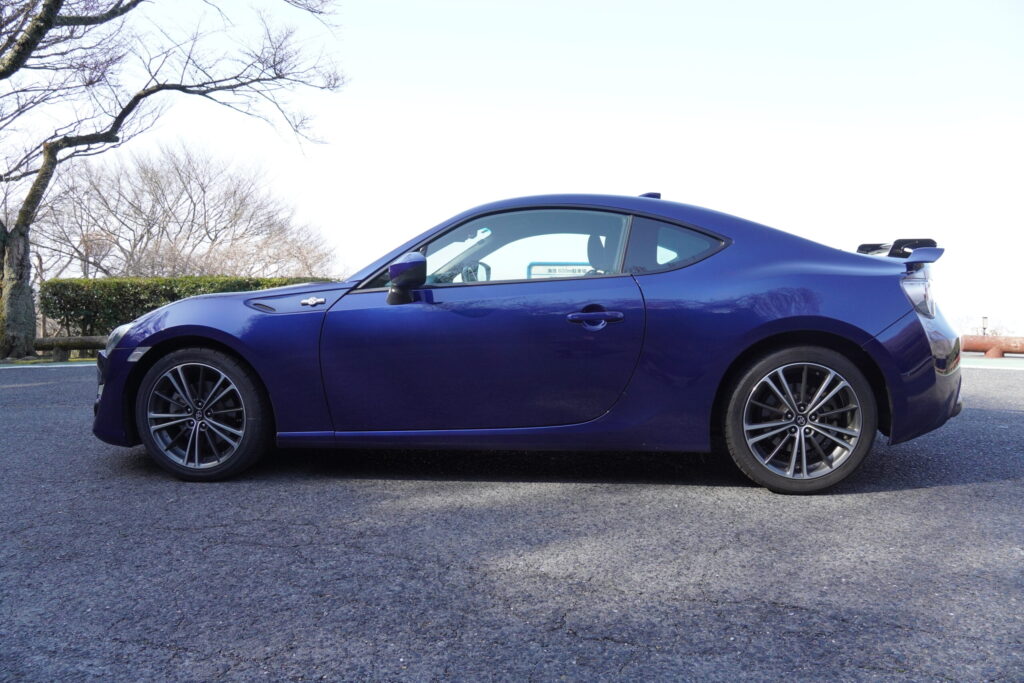
You have read the route. You have felt the phantom vibrations of the engine. Now, the asphalt is waiting. The Toyota 86 is more than a vehicle; it is a key that unlocks the doors the trains cannot open. It is time to leave the station platform and step into the driver’s seat.
For those who crave the mechanical purity of a true JDM machine—the feeling of a perfectly executed heel-and-toe downshift on a mountain pass—your journey begins at Omoren Osaka Chuo. We provide the machines that turn a simple trip into a legend. The road to Amanohashidate is calling; will you answer it from behind a train window, or will you answer it from behind the wheel? Book your 86 today and drive the Japan you were meant to see.