
The Philosophy of Driving in Japan: Why Behind the Wheel Lies the Real Secret Japan
For years, I spent my working hours wearing a crisp uniform on the platform and inside the conductor’s cabin of Kintetsu Railway. I know the Japanese rail network intimately—its immaculate punctuality, its hypnotic rhythm, and its absolute efficiency. Steel wheels on steel rails are the blood vessels of modern urban Japan. But as a former train conductor who eventually traded the conductor’s whistle for a manual gear stick, I am here to tell you an undeniable truth: the train only shows you what Japan wants the public to see. The rail lines are a fixed ribbon connecting point A to point B. They slice through mountains via pitch-black tunnels, bypassing the ancient ridge passes, the misty cedar valleys, and the tiny moss-covered villages where time stopped a century ago.
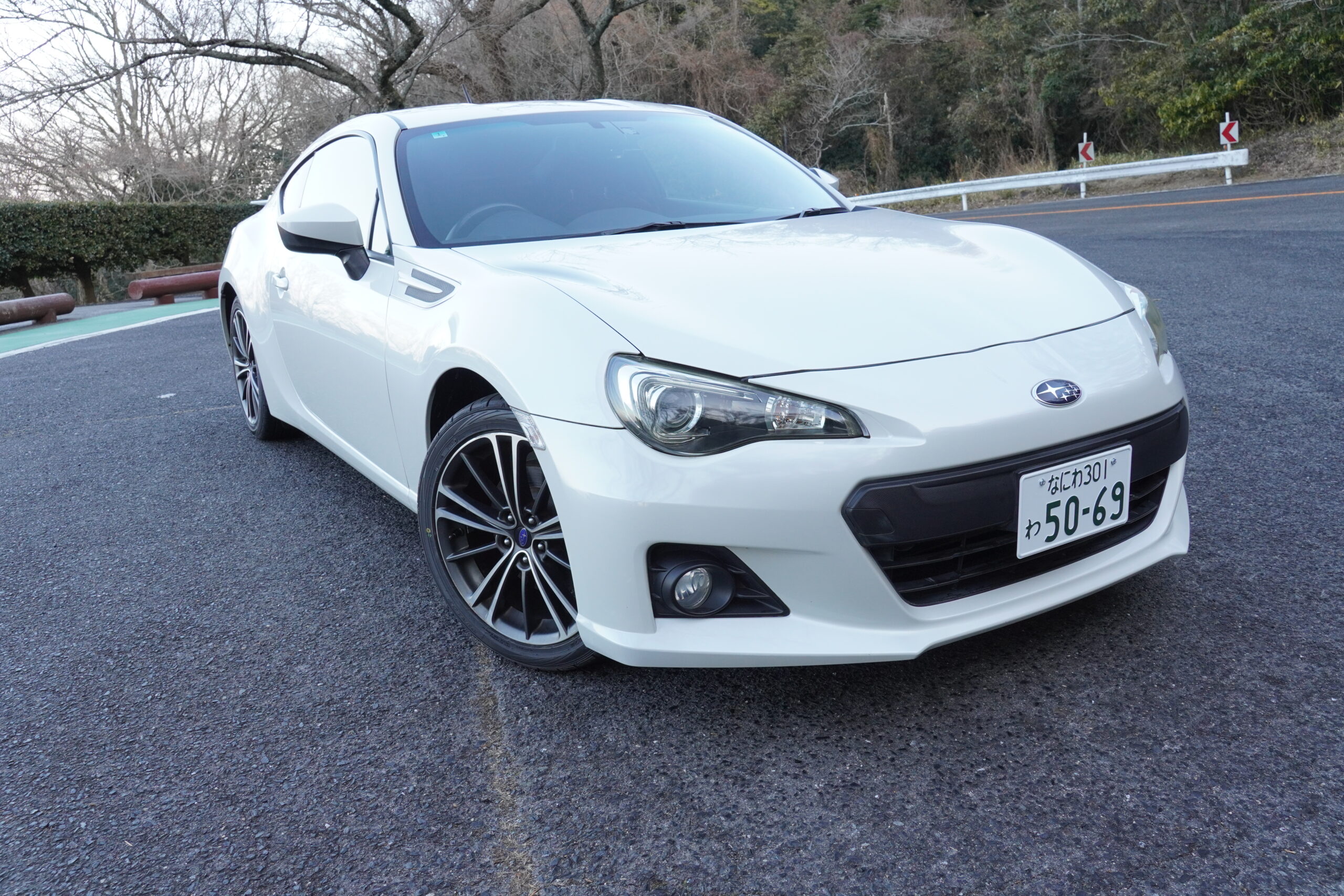
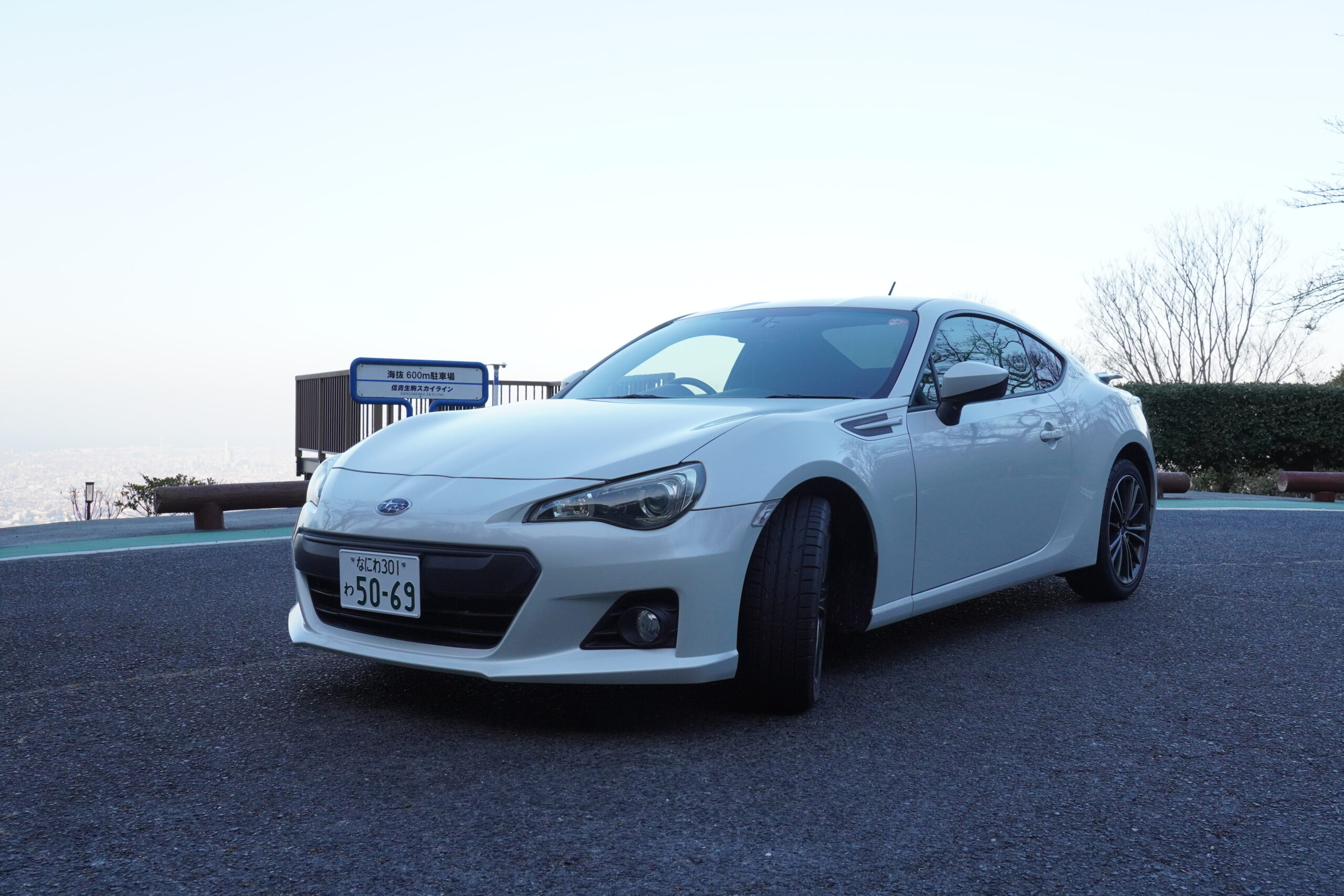
When you sit in the driver's seat of an authentic Japanese Domestic Market (JDM) driver's car—specifically a naturally aspirated, rear-wheel-drive machine like the Subaru BRZ, Toyota GR86, or Mazda Roadster (ND)—the entire geography of Kansai opens up into something intimate and alive. Osaka serves as the ultimate urban launchpad. Within forty-five minutes of leaving the highway grid of Osaka, the neon skyscrapers fade in your rearview mirror, replaced by the dense timber forests of Northern Kyoto.
This is the realm of "Secret Japan." It is a land inaccessible to the tourist holding a rail pass. The crowded commuter cars of the Eizan Electric Railway might carry tourists up to the base of Kurama, but they bind you to rigid timetables, crowded platforms, and fixed walking paths. In a low-slung, perfectly balanced sports car, you become an active participant in the landscape. You downshift into second gear, feel the mechanical feedback through the steering wheel as the mechanical limited-slip differential bites into asphalt, and smell the crisp incense and mountain cedar wafting through the climate vents. Driving through Kyoto’s northern mountain roads during the autumn foliage season (koyo) is not merely transportation—it is a spiritual, sensory experience where mechanical precision meets centuries-old mystical topography.

The Ultimate 2-Day Kurama & Kyoto Mountain Itinerary: Hour-by-Hour Deep Dive
Day 1: The Ascent into Sacred Mist and Ancient Mountain Passes
07:30 AM – Departure from Osaka: Awakening the Boxer Engine
Your journey begins in the early morning air of Osaka. As the city wakes up, you start up the Subaru BRZ. The rumble of the 2.4-liter FA24 boxer engine settles into a steady, resonant idle. Morning is the sacred hour for driving in Japan; the Hanshin Expressway network is clear, letting you transition smoothly onto the Meishin Expressway heading northeast toward Kyoto.
The drive along the expressway offers a moment to get accustomed to the car's ergonomics. The low seating position drops your center of gravity just inches above the pavement. The pedals are positioned perfectly for heel-toe downshifting, and the short-throw six-speed manual shifter operates with bolt-action precision. As you bypass central Kyoto via the Kyoto-Higashiyama routes, the morning sun hits the distant crests of the Kitayama mountain range.
08:45 AM – Route 367 (Saba Kaido): The Ancient Mackerel Highway
Leaving the highway at Kyoto-Higashiyama, you navigate past the suburban fringes onto Route 367, historically known as the Saba Kaido (Mackerel Highway). For centuries, sea-freight traders carried fresh fish on foot from Wakasa Bay on the Sea of Japan all the way to the Imperial Palace in Kyoto.
The road gently climbs through tight ravines lined with towering Cryptomeria trees (Sugi cedar). The asphalt here is wide, smooth, and laced with sweeping medium-speed corners. In second and third gear, the BRZ shines. The steering rack delivers razor-sharp feedback, transmitting every subtle change in road texture directly to your hands. The air drops in temperature by several degrees, thick with the damp fragrance of pine, wet stone, and decaying maple leaves. Sunlight filters through the dense canopy in golden shafts, striking the bonnet of your car as you climb higher toward the northern valleys.
09:30 AM – Arriving at Kurama-dera: The Mountain of Tengu and Mysticism
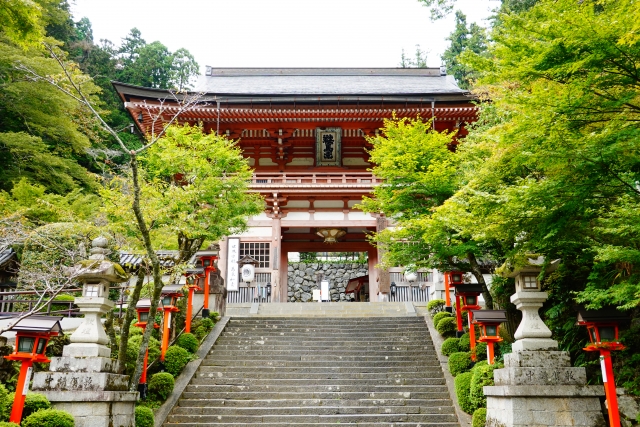
You turn westward off Route 367 onto narrow local bypasses that weave directly toward Mount Kurama. Passing under the weathered wooden Torii gate, you arrive at the quiet base village of Kurama. Park your car in one of the small designated stone lots near the station base.
Mount Kurama is widely regarded as the spiritual birthplace of Reiki energy healing and the legendary home of the Tengu—supernatural crow-like guardians of the forest with long red noses. Stepping out of the driver's seat, the quiet is profound, interrupted only by the rustle of autumn leaves and the trickle of mountain streams.
Begin your climb up the ancient stone staircase leading to Kurama-dera. The path is lined with wooden lanterns painted in deep vermilion, standing in stark contrast to the flaming scarlet and brilliant amber maple leaves overarching the trail. Mid-way up stands Yuki Shrine, home to an enormous 800-year-old cedar tree that towers into the sky like an ancient monolith. As you reach the main hall (Reiden) perched high on the mountain ridge, the panoramic view opens up across the entire crimson-blanketed valley of Mount Hiei in the distance. The cool alpine wind carries the deep chime of temple bells echoing across the ravine.
12:15 PM – The Ridge Trek to Kibune: Deep Forest Isolation
Instead of returning down the same path, take the mountain trail over the ridge toward the valley of Kibune. This portion of the trek takes you through the Osugi-Gongengai—a sacred grove where massive cedar trees stretch their muscular roots across the forest floor in intricate, serpentine patterns. Legend holds that the famous 12th-century warrior Minamoto no Yoshitsune trained here under the tutelage of the Tengu.
The air here is cool and oxygen-rich. You drop down into the narrow Kibune valley, where the rushing sounds of the Kibune River guide you down the stone steps into the heart of Kibune Village.
01:30 PM – Riverside Lunch: Authentic Kyoto Mountain Cuisine
After completing the trek, settle down for lunch at a local village ryokan lining the riverbank. During the autumn months, local chefs prepare seasonal Japanese hot pots (Nabe) featuring wild mountain vegetables (Sansai), freshly harvested lotus root, shiitake mushrooms, and local sweetfish (Ayu).
Sit near the glass windows overlooking the clear mountain stream. The warm, savory dashi broth infused with yuzu zest revitalizes your body after the hike, while you watch red leaves drift gently down the crystal waters of the river.
03:00 PM – Driving the Technical Hairpins of Route 38: Kibune to Hanase Pass
Rejoin your BRZ in Kurama village. Now comes one of the most rewarding driving segments of the day: Route 38 leading toward the legendary Hanase Pass (Hanase-toge).
This is a true technical driver's road. Route 38 narrows significantly, morphing into a classic Japanese mountain touge. The road snakes alongside sharp rock faces and wooden guardrails, featuring a sequence of blind hairpins, tight off-camber hairpins, and elevation changes. Here, high horsepower is useless; agility, chassis balance, and proper pedal work rule supreme.
Downshifting into 2nd gear for a tight left-hand hairpin, you trail-brake gently to load up the front tires, turn into the apex with instantaneous steering response, and squeeze the throttle as the rear tires plant firmly on the asphalt. The mechanical exhaust note of the flat-four engine echoes off the sheer rock faces. The sheer joy of controlling a lightweight, perfectly engineered sports car on a classic Japanese mountain pass is an unforgettable feeling.
05:30 PM – Sunset View at Mount Hiei Driveway
As afternoon transitions to twilight, head east toward the entrance of the Hieizan Driveway toll road. This elevated scenic roadway skirts the high ridge of Mount Hiei, straddling the border between Kyoto and Shiga prefectures.
Pay the toll fee and begin the smooth, flowing climb. Unlike the tight single-lane passes, the Hieizan Driveway is wide, exquisitely maintained, and banked perfectly for sweeping turns. Drive up to the Yumedai Observatory. From this perch, look west to see the ancient grid of Kyoto City bathed in a golden, purple sunset, while to the east, the vast blue expanse of Lake Biwa glistens under the evening sky.
07:30 PM – Evening Arrival & Check-in: Traditional Ryokan in Northern Kyoto
Drive down the mountain into the quiet northern district of Takagamine or Ohara. Check into a historic Japanese Ryokan (inn). Park the car beneath the traditional wooden eaves of the inn, step into crisp cotton yukata robes, and unwind in an outdoor hot spring bath (rotenburo). Steaming thermal waters soothe your muscles as night drops the temperature, and the night air carries the soothing murmur of rustling bamboo groves.

Day 2: Misty Valleys, Bamboo Groves, and Coastal Ridges
08:00 AM – Early Departure: The Fog of Route 477
Wake up to the soft morning light filtering through rice-paper shoji screens. After a traditional breakfast of grilled salmon, miso soup, and fresh rice, slide back into the BRZ. Turn the key or press the start button; the engine cold-start hums through the quiet morning air.
Head west onto Route 477, driving through the rural municipality of Keihoku. Early mornings in autumn bring heavy, mystical fog (Asagiri) that settles over the cedar forests and terraced valley rice fields. Driving through these blanketed hollows with your fog lights cutting through the white mist feels like steering a vessel through an ancient ink-wash painting.
09:30 AM – Miyama Kayabuki no Sato: The Living Edo Village
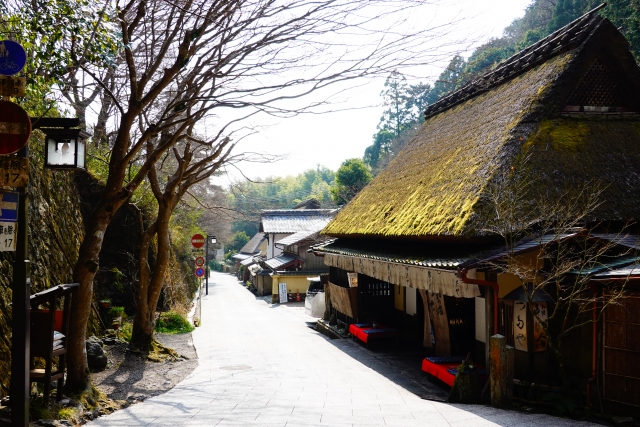
Follow Route 38 further northwest until you arrive at Miyama Kayabuki no Sato. This secluded village preserves one of the highest concentrations of traditional thatched-roof farmhouses (Kayabuki) in all of Japan.
Unlike commercialized museum villages, Miyama is a living, working community. Park your car at the riverfront parking area and stroll along the quiet dirt lanes. Morning smoke drifts lazily from the thatched roofs, surrounded by crimson maple trees, Japanese persimmon trees heavy with orange fruit, and pristine vegetable gardens. The absolute serenity of Miyama provides an incredible glimpse into rustic agricultural Japan that has remained unchanged for centuries.
11:30 AM – Driving the Zhouzan Highway (Route 162): A Driver's Paradise
Leaving Miyama, head south on Route 162, locally known as the Zhouzan Highway. Route 162 is celebrated among Japanese automotive enthusiasts as one of the finest driving roads in the Kansai region.
The road features high-quality asphalt, excellent visibility, and a rhythm of long, sweeping curves intermingled with tight technical sections through the Kurama-Seryo mountain complex. Shift between third and fourth gear, letting the engine rev cleanly up past 6,000 RPM. The chassis of the BRZ responds to every subtle weight transfer—tap the brakes to set the front nose into a turn, feel the suspension take a set, and roll smoothly onto the throttle as the road opens up before you.
01:00 PM – Lunch: Charcoal-Grilled Mountain Delicacies in Keihoku
Stop at a small, family-run roadside restaurant tucked alongside Route 162. Order a local specialty: Charcoal-Grilled Botan-Nabe (wild boar stew) or grilled local venison paired with handmade buckwheat soba noodles. The rich, gamey flavor of the meat, seasoned with red miso and mountain pepper (sansho), offers a rustic taste of the Kyoto highlands.
02:30 PM – Descent into Arashiyama via Saga-Toriimoto
Continue south down Route 162 as it descends toward the western edge of Kyoto City. Avoid the heavily congested central tour-bus routes of Arashiyama by taking the secluded northern approach through Saga-Toriimoto.
This historic preserved street features moss-covered roofs, red wooden storefronts, and cobblestone lanes. Drive at a slow, respectful crawl past the historic Adashino Nenbutsu-ji Temple, enjoying the striking aesthetic contrast of a sharp, modern JDM sports car against timeless traditional Japanese architecture.
04:00 PM – The Arashiyama-Takao Parkway
Before ending your journey, purchase a pass for the Arashiyama-Takao Parkway, a private toll road connecting Takao with Kiyotaki and Arashiyama.
This 10.7-kilometer scenic drive winds along the mountain crests overlooking the Hozu River gorge below. The road features dedicated observation decks, such as the Shobu-tani Pond Observatory, where you can pause to admire the sunset reflecting across mountain lakes surrounded by vibrant autumn colors. The driving fun here is exceptional: smooth pavement, well-marked corners, and minimal traffic during late afternoon hours.
06:30 PM – Highway Cruise Back to Osaka
Leave the Parkway and join the Kyoto-Minami IC onto the Meishin Expressway. As night falls, switch on the BRZ's headlights. The expressway journey back to Osaka allows you to relax after two days of spirited mountain driving. The engine settles into a gentle 6th-gear hum as the glowing cityscape of Osaka welcomes you back.
Expert Driving Advice & Local Cultural Nuances
Driving in Japan is an immensely gratifying experience, but it comes with distinct cultural norms, road etiquette, and unwritten rules that every international driver should master.
The Wonder of "Michi-no-Eki" (Roadside Stations)
Do not confuse Japanese roadside stations with standard highway service areas. Michi-no-Eki are government-sponsored, locally operated rest centers situated along rural national highways. They serve as cultural and agricultural hubs for rural communities.
When driving through the Kyoto mountains, stopping at a Michi-no-Eki (such as Michi-no-Eki Kyoto Seryo or Michi-no-Eki Miyama Fureai Hiroba) is essential:
Fresh Local Produce: Farmers bring freshly harvested yuzu, wild mushrooms, chest nuts, and handmade rice cakes (daifuku) every morning.
Regional Soft-Serve Ice Cream: Every station features a unique ice cream flavor based on regional specialties—try the roasted Hojicha tea ice cream or fresh Miyama milk ice cream.
Pragmatic Amenities: They offer 24/7 clean restrooms, regional driving maps, and vending machines stocking warm canned coffee (Boss or Georgia) to keep you alert on mountain drives.
Japanese Driving Etiquette & Mountain Safety
The "Thank You" Hazards (Arigato Hazard): When a local driver pulls over into a turnout on a narrow mountain pass to let your sports car pass, or when someone lets you merge in heavy traffic, flash your hazard lights twice. This simple gesture is universally understood across Japan as a polite "thank you."
Navigating Single-Lane Passes (Kando): Many scenic routes in the Kurama and Kitayama mountains shrink down to single-lane asphalt roads with periodic cutouts (Machi-ai-jo). Keep your eyes far down the road. If you see an oncoming vehicle, pull into the nearest cutout on your left and wait for them to pass.
Solid Yellow Lines: A solid yellow centerline means overtaking is strictly prohibited, regardless of how slow a commercial truck ahead may be moving. Respect the law; traffic enforcement in mountain passes often monitors yellow-line infractions.
Detailed Logistics & Pre-Trip Travel Tips for 2026
Preparing for a road trip through Japan requires understanding the technical and administrative logistics of Japanese roadways.
ETC (Electronic Toll Collection) Cards
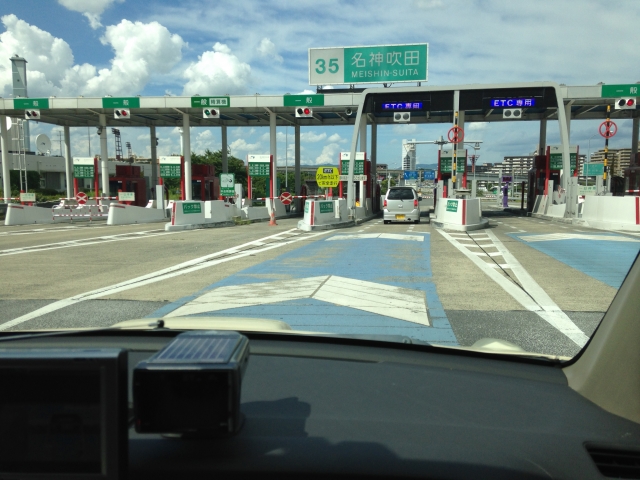
Japan's expressway system relies heavily on the ETC system. While cash lanes exist at major toll gates, many rural exits and specialized toll roads are transitioning to ETC-only barriers.
Renting an ETC card along with your vehicle allows you to pass seamlessly through ETC gates at speeds up to 20 km/h without stopping to pay cash.
Toll charges are recorded electronically on the card and settled conveniently when you return your rental car.
Refueling at Japanese Gas Stations
Gas stations in Japan are divided into Full Service (Mantan) and Self Service (Serufu).
When pulling into a full-service station, an attendant will guide you to a pump with vocal signals ("Orrai, orrai!"). State your fuel type, payment method, and fill preference clearly:
The attentive staff will fill your tank, wipe your windshield and side mirrors with a clean towel, and hold traffic to help you back out safely onto the main road.
Parking Regulations
Never park on the side of rural mountain roads or in front of private gates. In towns and temple areas, always use designated pay parking lots (Coin Parking). These automated lots feature small flap barriers beneath the car that rise after a few minutes. To exit, enter your parking spot number into the payment machine, pay the required yen coins or card amount, and the barrier will drop flat to let you drive out.
The Pure Joy of Driving a Manual JDM Sports Car
Driving a modern JDM icon like the Subaru BRZ, Toyota GR86, or Mazda Roadster ND on Japanese mountain roads provides a tactile feedback loop that modern automated vehicles simply cannot match. The lightweight rear-wheel-drive architecture, natural engine aspiration, crisp heel-toe downshifts, and telepathic steering response turn every mountain curve into a masterclass in driving dynamics.
Comprehensive Frequently Asked Questions (FAQ)
What documentation do I need to legally drive a rental car in Japan?
To drive legally in Japan, you must present three essential documents at the rental counter:
Your valid Original Driver’s License from your home country.
An International Driving Permit (IDP) issued under the 1949 Geneva Convention. The IDP must be physically printed; digital copies or permits issued under the 1968 Vienna Convention are strictly not accepted in Japan.
Your physical Passport.
(Note: Drivers holding licenses from Switzerland, Germany, France, Belgium, Monaco, or Taiwan must present an official Japanese translation of their native license provided by JAF or authorized embassies, alongside their original license and passport, rather than an IDP).
Should I be worried about driving a manual transmission (MT) car on mountain passes?
Not at all. Modern sports cars like the Subaru BRZ and Mazda Roadster feature light, forgiving clutch pedals and hill-start assist technology, which prevents the car from rolling backward on steep uphill starts. If you have basic experience operating a manual gearbox, driving in Japan is intuitive, logical, and incredibly rewarding.
What insurance coverage is necessary for driving in rural areas?
Always opt for full coverage including Collision Damage Waiver (CDW) and Non-Operation Charge (NOC) Insurance. Roadside hazards in rural passes—such as loose gravel, fallen branches, or narrow stone walls—can cause minor paint scuffs. Full insurance coverage gives you complete peace of mind while enjoying technical mountain roads.
What are the road conditions in the Kyoto mountains during autumn?
In autumn (October through late November), mountain roads are generally clear, dry, and free of snow. However, wet fallen maple leaves on shady hairpin turns can become slick; maintain smooth steering inputs and modulate your throttle carefully. Snow generally does not arrive in the lower Kyoto mountain passes until late December or January.
The Final Thoughts: Reserve Your JDM Legend Today
The ancient temples of Kyoto, the mist-shrouded cedar groves of Kurama, and the winding asphalt ribbons of the Zhouzan Highway are waiting for you. But experiencing them from the crowded seat of a tour bus or a commuter train means seeing only a fraction of what Japan has to offer.
To truly discover the spirit of the Japanese countryside, you need complete freedom. You need the roar of a naturally aspirated engine, the mechanical precision of a manual gear shift, and the unyielding grip of a perfectly tuned rear-wheel-drive chassis.
Make your trip to Japan unforgettable. Head over to Omoren Osaka Central (おもしろレンタカー大阪中央店) and book your dream JDM machine today—whether it's the razor-sharp Subaru BRZ, the agile Toyota 86, or the lightweight Mazda Roadster (ND). Turn the ignition key, slot the shifter into first gear, and set off on your ultimate Japanese driving adventure!