
Osaka & Sakai Kofun Drive: The Philosophy of Driving in Japan
For years, my professional life was measured in top-notch precision and steel rails. As a former conductor for Kintetsu Railway, I gained a deep appreciation for Japan's public transportation network. Trains in Japan are a marvel—punctual, hyper-efficient, and effortless. However, railways operate on rigid, predetermined grids. They transport you between designated nodes, whisking you past hidden valleys, forgotten mountain passes, and historic coastal roads without stopping. When you rely solely on trains, you experience a curated version of Japan.
To unlock "Secret Japan"—the quiet, authentic, and awe-inspiring pockets of the country—you need four wheels, a three-pedal manual transmission, and the freedom of the open road.
When travelers think of Kansai, they envision the neon-drenched avenues of Dotonbori or the ancient temples of Kyoto. Few realize that just a short drive south of Osaka’s bustling center lies an incredible ancient landscape: the Mozu-Furuichi Kofun Group, a UNESCO World Heritage site containing massive, keyhole-shaped burial mounds built between the 3rd and 6th centuries.
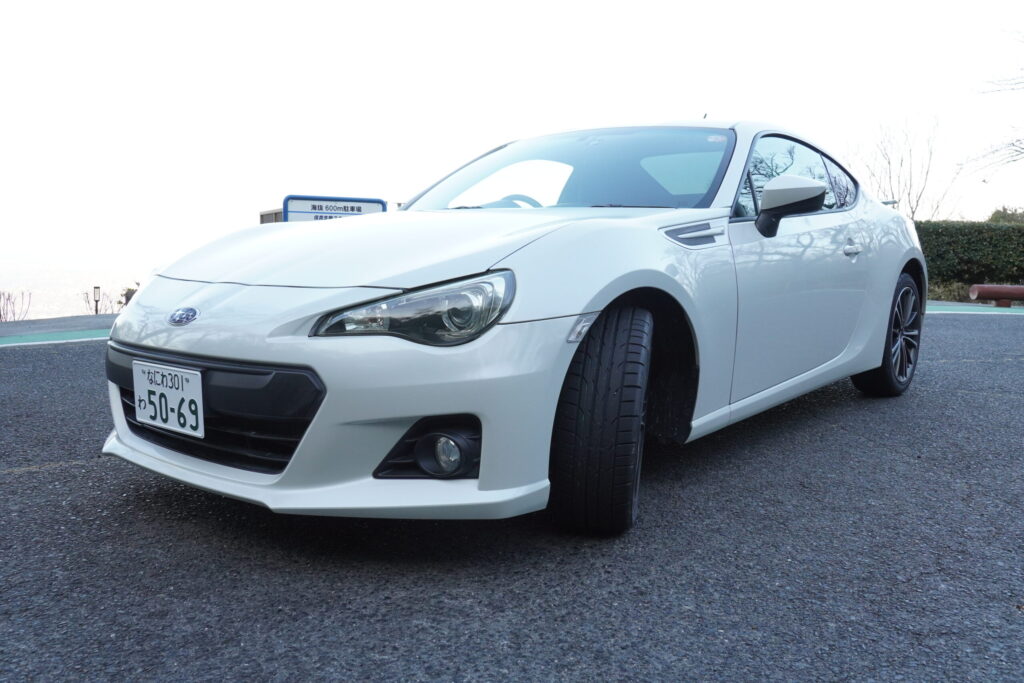
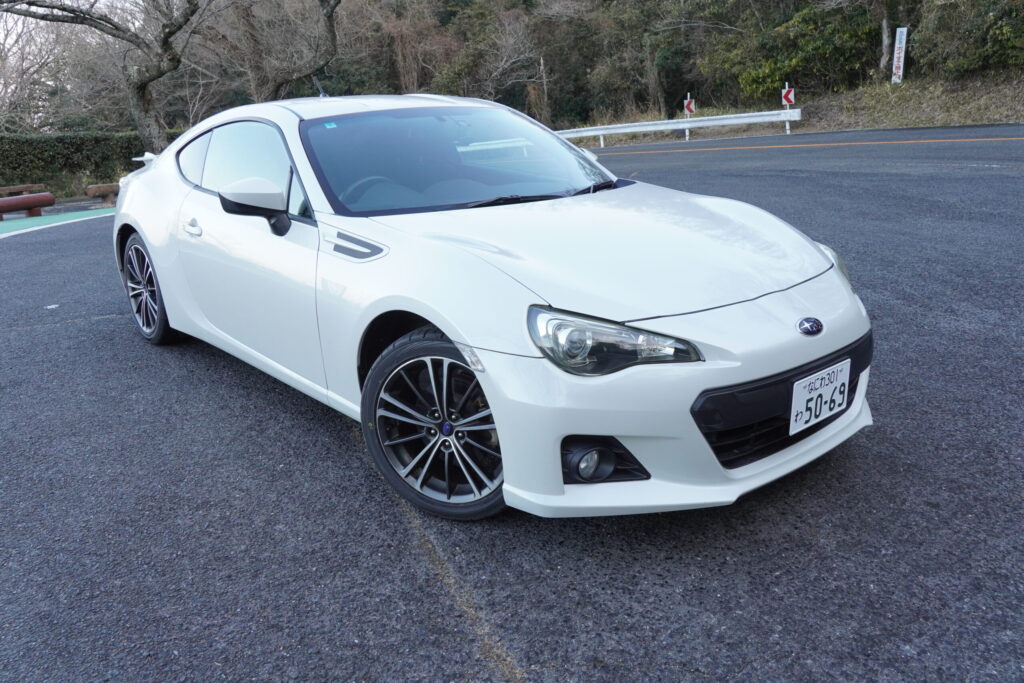
Visiting these giant megalithic structures by train often involves repeated transfers, long walks between stations, and constrained schedules. Behind the wheel of an agile Japanese sports car—specifically the iconic Subaru BRZ—the journey transforms. Navigating the transition from Osaka’s urban elevated expressways to the historic, narrow avenues of Sakai reveals a side of Japan that most tourists completely miss. Driving lets you feel the topography, smell the ocean breeze off Osaka Bay, and set your own tempo through centuries of history.

Osaka & Sakai Kofun Drive: The 2-Day Itinerary - Deep Dive
Day 1: Urban Transit to Ancient Megaliths
08:00 AM – Departure from Central Osaka
Your journey begins in the heart of Osaka. As you start the Subaru BRZ, the naturally aspirated 2.4-liter boxer engine hums to life with a low, satisfying growl. Adjusting the side mirrors, you merge into the early morning traffic. The low seating position instantly connects you to the road surface.
08:30 AM – Navigating the Hanshin Expressway Route 15 (Sakai Route)
Leaving the cityscape behind, you take the Hanshin Expressway heading south. The light chassis and precise steering of the BRZ make navigating the sweeping elevated curves an absolute pleasure. You catch glimpses of Osaka’s industrial coastline to your right, framed by the morning sun reflecting off the waters of the bay.
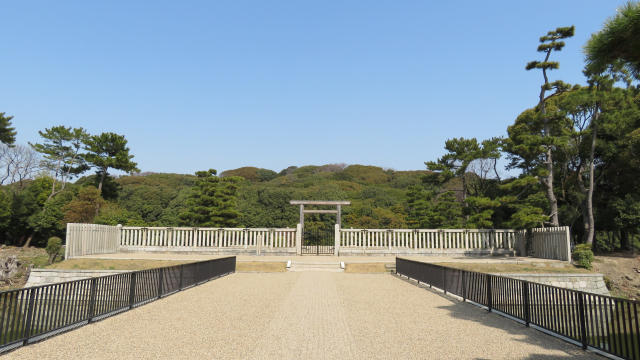
09:30 AM – Arrival at Daisen Kofun (Tomb of Emperor Nintoku)
- Historical & Geological Insight: Daisen Kofun is one of the largest burial mounds in the world by surface area, outdating even the Great Pyramid of Giza in terms of total footprint. Built in the 5th century, this keyhole-shaped (zenpō-kōen-fun) tomb is surrounded by three concentric moats.
- The Experience: Park the BRZ near Daisen Park. Walking up to the outer moat, the air grows noticeably cooler under the shade of mature pine and cedar trees. The sound of city traffic fades, replaced by the gentle rippling of moat waters and bird calls. Standing before the massive forested mound, you feel the profound weight of ancient Yamato history.
12:00 PM – Local Culinary Exploration in Sakai
Drive into central Sakai for lunch. Sakai is world-famous for its ironworking tradition, which evolved from forging samurai swords to crafting premier chef knives. Stop at a local culinary shop to try Sakai Anaigo (fresh local conger eel served over seasoned rice). The tender eel, glazed with a sweet, savory tare sauce, melts on the tongue—a perfect mid-day fuel.
02:00 PM – Exploring the Mozu Cluster (Richo & Hanzei Kofun)
Spend the afternoon driving between the smaller satellite kofun tombs scattered across the city. Navigating the tight historic streets requires a vehicle with clear sightlines and sharp handling. The BRZ effortlessly weaves through narrow lanes. Each turn reveals another ancient mound seamlessly integrated into modern residential neighborhoods.
05:00 PM – Sunset along the Osaka Bay Coastal Highway
Take Route 29 toward the coast as the sun begins to set. The sky turns brilliant shades of amber, violet, and deep blue over Osaka Bay. The reflection of the sunset on the long hood of your sports car offers a cinematic end to the first day.
07:00 PM – Check-in & Dinner in Sakai
Check into your local accommodation and enjoy a relaxing dinner of kushikatsu (deep-fried skewers) paired with local craft beers, reflecting on a day spent bridging ancient tradition and modern driving passion.

Day 2: Winding Mountain Passes & Coastal Roads
08:30 AM – Morning Run to Mt. Katsuragi & Minami-Kawachi
Heading east toward the border of Osaka and Nara Prefectures, the terrain shifts dramatically from urban flats to lush, rolling mountains. The asphalt begins to twist, introducing technical hairpin turns and smooth elevation changes.
09:30 AM – The Driving Thrill: Chihaya-Akasaka Pass
Here, the Subaru BRZ comes into its element. Shifting down into second gear, the mechanical feel of the manual shifter provides direct engagement. The balanced rear-wheel-drive platform hugs the tarmac through tight corners. Trees form a dense canopy overhead, casting dappled light across the road surface.
11:30 AM – Furuichi Kofun Cluster in Habikino
Descending into Habikino City, you enter the Furuichi group of tombs. Smaller and less visited than Daisen Kofun, these sites offer quiet solitude.
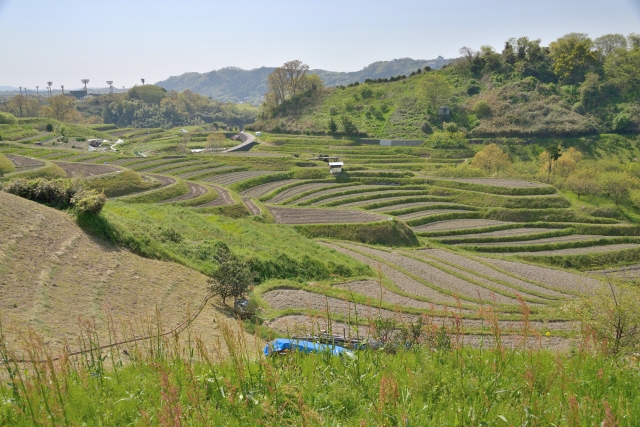
- The Highlight: Visit the Kondonda Kofun, attributed to Emperor Ojin. The surrounding roads wind around rural rice fields, providing stark contrasts between vibrant green crops and ancient earthen mounds.
01:00 PM – Farm-to-Table Lunch in Kawachinagano
Stop at a rural roadside eatery nestled in the hills. Enjoy handmade ju-wari (100% buckwheat) buckwheat noodles served alongside crispy vegetable tempura sourced from local farmers.
03:00 PM – Return Scenic Route via Yamato-Gawa River Bank
Begin your return trip by tracing the scenic road running parallel to the Yamato River. The flowing water mirrors the late afternoon light as you make your way smoothly back toward the central Osaka skyline.
Osaka & Sakai Kofun Drive: Expert Advice & Cultural Nuances
Understanding the "Michi-no-Eki" Culture
One of the greatest joys of driving in Japan is discovering Michi-no-Eki (Roadside Stations). Far more than basic rest stops, these facilities showcase regional pride. When driving around Southern Osaka, stopping at a local Michi-no-Eki allows you to sample fresh regional produce—such as Senshu eggplant or local grapes—and purchase handmade snacks directly from local producers.
Navigating Local Driving Etiquette
- Hazard Light Etiquette: In Japan, flashing your hazard lights once or twice is a universal gesture of thanks when someone lets you merge into traffic.
- Narrow Street Priority: In older historical areas around Sakai, roads can shrink down to single lanes. Always yield politely at designated pull-out spots (daishō-chi) when encountering oncoming traffic.
- Speed Limits: Japanese speed limits are lower than those in Western countries. Expressways generally range from 80–100 km/h, while local rural roads range from 40–50 km/h. Enjoy the scenery rather than rushing.
Osaka & Sakai Kofun Drive: Detailed Logistics & Pre-Trip Tips
ETC Card (Electronic Toll Collection)
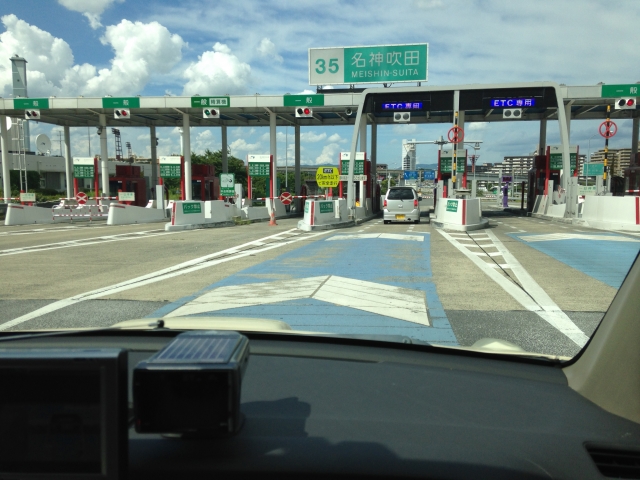
Japan’s highway network uses an automated tolling system. Driving without an ETC card requires stopping at manual cash lanes, which can interrupt the flow of your journey. Renting an ETC card with your vehicle allows you to bypass queues and access discount toll rates on expressways.
Refueling: How to Use Japanese Fuel Stations
Gasoline stations in Japan are either Full Service (Mantan) or Self Service (Serufu).
- Useful Vocabulary:
- "Regular" (Unleaded - Red handle)
- "High-Octane" (Premium - Yellow handle; essential for performance engines like the Subaru BRZ)
- "Mantan" (Fill it up completely)
- "Genkin" (Cash) / "Kajidō" (Card)
Parking Rules
Never park on the street unless explicit signs permit it. Always use designated coin parking spots (Coin P). Most parking lots utilize flat flap locks beneath the car that raise up after parking; pay at the central machine using your spot number before returning to your vehicle to release the lock.
Osaka & Sakai Kofun Drive: Comprehensive FAQ
Q: What license documentation do I need to drive legally in Japan? A: To drive legally in Japan, foreign visitors must hold a valid driver's license from their home country along with an International Driving Permit (IDP) issued under the 1949 Geneva Convention. Both the original physical license and physical IDP, alongside your passport, must be carried at all times while operating a vehicle. Visitors from specific nations (such as Germany, Switzerland, France, Taiwan, Belgium, and Monaco) require an official Japanese translation of their home driver's license instead of an IDP.
Q: Is driving a sports car with a manual transmission difficult on Japanese roads? A: Japan drives on the left side of the road, meaning the driver sits on the right side and operates the shifter with their left hand. While it takes a few minutes to adapt, modern sports vehicles like the Subaru BRZ offer smooth clutch engagement and precise gear gates, making the transition intuitive even for international drivers.
Q: What insurance coverage is recommended for road trips? A: Full coverage—including Collision Damage Waiver (CDW) and Non-Operation Charge (NOC) protection—is strongly recommended to ensure peace of mind when navigating unfamiliar roads or parking in narrow spaces.
Osaka & Sakai Kofun Drive: The Final Call
Uncovering the ancient mysteries of Osaka and Sakai requires stepping away from routine train schedules and embracing the freedom of the road. From the massive contours of ancient kofun mounds to the twisting mountain passes of Southern Kansai, driving transforms a simple vacation into an unforgettable expedition.
When you're ready to experience the thrills of Japanese car culture and explore the open road behind the wheel of a meticulously maintained sports car, visit Omoren Osaka Chuo (Omoshiro Rental Car Osaka Chuo). Choose from an impressive lineup of legendary Japanese performance cars—including the Subaru BRZ and Toyota 86—and start your ultimate driving adventure through Japan today.