
1. Driving in Shiga & Metasequoia Avenue - The Philosophy of Driving in Japan
For over seven years, I wore the crisp uniform of Kintetsu Railway, guiding thousands of commuters and travelers through the sprawling rail networks of Osaka, Nara, and Mie. I know the Japanese train system intimately. I respect its laser-like punctuality, its spotless cleanliness, and the breathtaking engineering that allows bullet trains to slice through mountain ranges. But as a former conductor, I am going to share an absolute truth that most guidebooks will never admit: the rails only show you what Japan wants tourists to see.
When you rely solely on the Japan Rail Pass or local subway lines, you are living on a pre-programmed track. You move from major node to major node—Osaka Station, Kyoto Station, Shinkansen platforms—encapsulated in glass and steel, moving at the mercy of timetables. You look out the window at lush, emerald-green valleys, misty mountain passes, and hidden coastal inlets, watching them flash by at 100 kilometers per hour. You might catch a fleeting glimpse of an ancient wooden shrine nestled under a canopy of cedar trees, but by the time you realize how mesmerizing it is, the train has already sped miles away.
That is why I hung up my uniform, traded the whistle for an ignition key, and dedicated my life to the open road. Having driven across every prefecture in Japan, and now running a dedicated enthusiast car rental operation right here in Osaka, I have learned that the real heart of Japan—what I call Secret Japan—is hidden beyond the terminus of the train tracks.
Starting a road trip from Osaka toward Shiga Prefecture represents the ultimate expression of travel freedom. Osaka serves as the energetic, neon-lit staging ground where urban culture meets automotive passion. Within less than an hour of navigating the elevated highways out of the city center, the towering concrete jungles give way to the sprawling expanse of Lake Biwa, Japan’s largest freshwater lake, surrounded by jagged mountain ranges, ancient feudal border posts, and pristine countryside roads.
When you take the driver’s seat of a finely tuned Japanese Performance machine—specifically a light, rear-wheel-drive pure sports coupe like the iconic Subaru BRZ or Toyota 86—the entire landscape transforms. You are no longer a passive spectator observing Japan through a train window. You become an active participant in the terrain. Every elevation change, every sweeping curve along the shores of Lake Biwa, every rhythmic click of a short-throw manual shifter creates an visceral connection between driver, machine, and landscape that no train ride could ever match.
This journey to Shiga and the famed Metasequoia Avenue isn't just about getting from point A to point B. It is a philosophy of travel. It is about stopping at a roadside farm stand because the smell of fresh cedar smoke catches your attention. It is about carving up mountain passes built by feudal lords and feeling the precise mechanical feedback through the steering wheel as your BRZ bites into the asphalt. If you want to break free from the tourist bubble and experience the soul of Kansai, it is time to grab the wheel.

2. Metasequoia Avenue & Lake Biwa - The Ultimate 2-Day Drive Itinerary
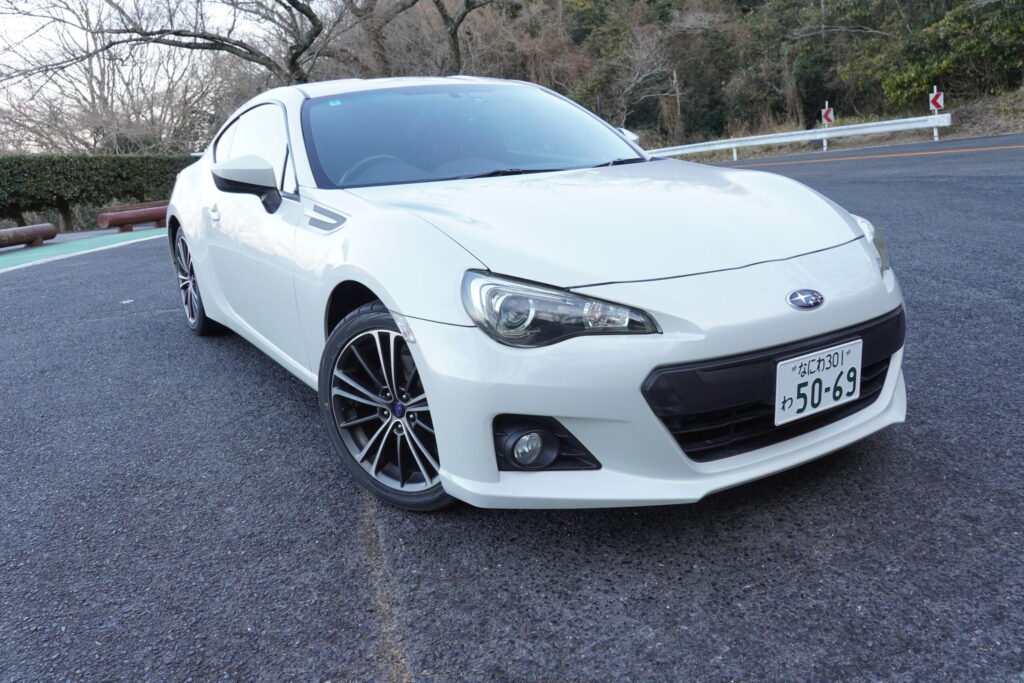
Below is a meticulously curated 2-day driving itinerary engineered specifically for enthusiasts and adventurous travelers. It balances thrilling tarmac, rich samurai history, incredible regional culinary experiences, and breathtaking natural vistas.
DAY 1: From Osaka’s Neon to Lake Biwa’s Ancient Western Shore
08:00 AM – Departure from Osaka: Awakening the Boxer Engine
Your journey begins in the early morning air of Osaka. As you fire up the naturally aspirated 2.4-liter boxer engine of your Subaru BRZ, the characteristic low-frequency rumble fills the cabin. Adjust your bolster seats, mirror settings, and pair your navigation. Leaving the city before the morning commute peaks allows you to seamlessly join the Hanshin Expressway system, sweeping past elevated cityscapes before merging onto the Meishin Expressway heading northeast toward Kyoto and Shiga. Feel the communicative steering as you smoothly shift through 2nd, 3rd, and 4th gears, letting the engine warm up to operating temperature.
09:30 AM – Crossing into Shiga: Lake Biwa Scenic Highway (Route 161)
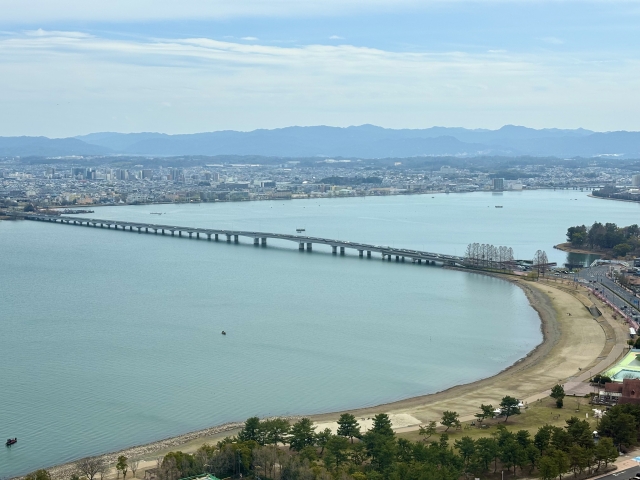
Leaving the expressway at Kyoto-Higashi IC, transition directly onto Route 161, known locally as the Nishi-Omi Highway. This ancient corridor historically connected the imperial capital of Kyoto to the Sea of Japan. As you crest the pass into Shiga Prefecture, Lake Biwa opens up before you like a vast inland ocean. The water glimmers under the morning sun, framed by the hazy outlines of the Hiei and Hira mountain ranges. Driving the BRZ along this lakeside stretch, the low seating position puts you right in touch with the road surface, while the low center of gravity makes every long, sweeping lakeside curve feel effortless.
10:30 AM – Shirahige Shrine: The Floating Torii Gate of the West
- Coordinates & Setting: Located directly along Route 161 in Takashima City.
- Geological & Historical Significance: Founded over 1,900 years ago, Shirahige Jinja is the oldest shrine in Shiga Prefecture. It is dedicated to Sarutahiko Okami, the deity of guidance, crossroads, and safe journeys—making it the ultimate pilgrimage point for road trippers.
- The Experience: Pull into the shrine parking area. Standing on the lakefront edge, you are greeted by the magnificent sight of a massive vermilion torii gate standing directly out of the clear waters of Lake Biwa. The contrast between the brilliant red timber, the deep blue lake, and the emerald hills of Oki Island in the distance is breathtaking. Take a moment to pay your respects at the main shrine hall, offering a quick prayer for a safe and exhilarating drive.
12:00 PM – Culinary Stop: Omi Beef Feast in Takashima
- The Culinary Destination: Drive north toward the heart of Takashima. Shiga is world-renowned for Omi Beef (近江牛), one of Japan’s top three wagyu beef brands alongside Kobe and Matsusaka, with a history spanning over 400 years.
- Sensory Experience: Sit down for a traditional lunch of Omi Beef sukiyaki or grilled wagyu steak over rice. The marbling of Omi beef is exceptionally fine, resulting in a buttery texture that literally melts on your tongue, released alongside a rich, sweet, savory aroma. Paired with locally grown Shiga rice cooked in traditional clay pots, this meal provides the high-octane fuel required for an afternoon of enthusiastic driving.
02:00 PM – The Main Event: Metasequoia Avenue (Makino Dawn & Summer Canopy)
- The Approach: Leaving the main highway, head inland toward the base of the Nosaka Mountains. The roads narrow slightly, surrounded by traditional wooden farmhouses and lush green rice paddies that wave in the summer breeze. Downshift the BRZ into 3rd gear, heel-toe into 2nd as you make the right-hand turn onto County Road 287.
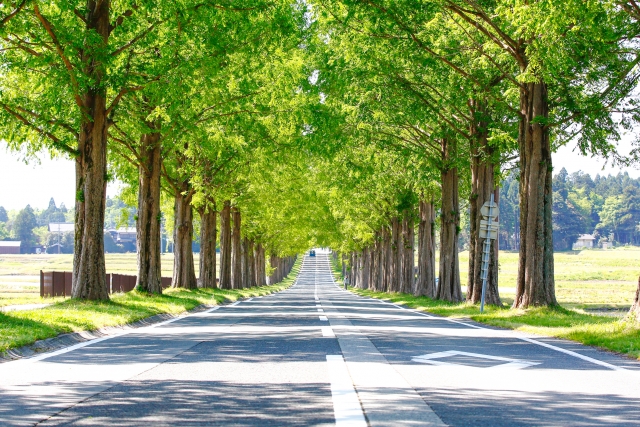
- The Avenue: Suddenly, you enter another world. Spanning a straight stretch of 2.4 kilometers are approximately 500 Dawn Redwood (Metasequoia) trees planted with mathematical precision. In the summer months, these towering trees form a brilliant, light-filtering green cathedral over the asphalt.
- Driving Dynamics: The experience of driving through Metasequoia Avenue in a sports car is pure automotive poetry. Sunlight filters through the dense summer foliage, creating a dynamic kaleidoscope of light and shadow across your dashboard and hood. Keep the windows rolled down. Smell the sharp, resinous pine air mixing with the warm scent of summer earth. Listen to the crisp mechanical intake note of the Subaru BRZ echoing off the thick tree trunks as you gently modulate the throttle in 3rd gear at 40-50 km/h. It feels less like driving on a public road and more like navigating a living, breathing green tunnel designed specifically for the pleasure of the motion.
- Photography & Exploration: Park in the designated visitor spaces near the Makino Pickland facility. Take your time strolling underneath the grand canopy, capturing low-angle photographs of your car framed against the infinite perspective of green needles stretching into the horizon.
04:30 PM – Makino Highlands & The Okubiwako Parkway
- The Route: From Metasequoia Avenue, head east toward the northernmost tip of Lake Biwa to tackle the Okubiwako Parkway.
- The Drive: This former toll road snakes along the elevated cliffs overlooking Northern Lake Biwa. It features elevation changes, tight hairpin turns, and elevation drops that showcase why the Subaru BRZ/Toyota 86 platform is so universally revered by drivers. The chassis remains planted and completely neutral; the front end bites crisply into turn-in, and the precise mechanical steering communicates every nuance of tire grip directly to your hands. The panoramic views of the dark blue north lake through the trees provide a stark, dramatic contrast to the serene southern shores.
06:30 PM – Evening Check-in: Onsen Ryokan on Lake Biwa’s North Shore
- The Experience: Pull into a traditional Japanese ryokan (inn) along the northern shores of Makino or Nagahama. Park your car, slip into a comfortable cotton yukata, and immerse yourself in an outdoor rotenburo (hot spring bath). As the warm thermal waters soothe your muscles, look out over the quiet lake as the sky transitions from violet to deep night. Dinner features fresh lake delicacies—such as sweetfish (Ayu) grilled over charcoal with natural sea salt—and local Shiga sake.

DAY 2: Historical Foothills, Mountain Passes, and the Return South
08:30 AM – Morning Start: Nagahama Castle & Old Town Morning Walk
- The Context: Wake up to the sound of gentle lake waves. After a hearty traditional breakfast of grilled salmon, miso soup, and local pickles, take a short drive to Nagahama. Walk through the preserved Edo-period streets of Kurokabe Square and pay a visit to Nagahama Castle, originally built by the famous warlord Toyotomi Hideyoshi in the 16th century.
10:30 AM – Technical Mountain Driving: Ibuki Driveway (Mount Ibuki)
- The Approach: Drive east toward the border of Shiga and Gifu prefectures to reach the entrance of the Ibuki Driveway, a premier mountain toll road that climbs the slopes of Mount Ibuki (1,377 meters), Shiga’s highest peak.
- Technical Breakdown: This is a bucket-list road for driving purists. The toll road rises through dozens of switchbacks, high-speed S-curves, and steep inclines. Here, the lightweight agility of your BRZ shines brightest. Downshifting into 2nd gear before leaning into tight hairpins, modulating the gas pedal to let the rear tires push you smoothly out of the apex, and hearing the flat-four engine sing up toward its high redline provides an unparalleled adrenaline rush.
- The Summit: Park at the sky terrace near the summit. On a clear summer day, you are treated to a 360-degree panoramic view encompassing the entire expanse of Lake Biwa to the west and the Japanese Alps to the east. The cool mountain air at this elevation offers a refreshing respite from the summer heat below.
01:00 PM – Hikone: Samurai Heritage & Lakefront Lunch
- Historical Site: Drive down the mountain and head south along the eastern shore highway to Hikone Castle. Unlike many Japanese castles that were reconstructed out of concrete in the 20th century, Hikone Castle is one of only 12 original surviving feudal keeps in Japan, designated as a National Treasure.
- Lunch Stop: Enjoy a relaxed lunch near the castle grounds at a traditional town storehouse converted into a restaurant. Try Funazushi (an ancient fermented sushi traditional to Shiga) if you are feeling adventurous, or opt for handmade Soba noodles dipped in rich dashi broth paired with crispy vegetable tempura.
03:30 PM – The Return Drive: East Biwa Coastline & Seta River Loop
- Cruising South: Begin the leg south back toward Osaka via the Eastern Biwa coastline road (Route 559). This long, relaxed stretch allows you to cruise with the windows down, feeling the warm lake breeze. Watch windsurfers on the lake and pass historic reed beds that have protected the ecology of Lake Biwa for millennia.
- The Seta River Exit: Follow the outlet of Lake Biwa down along the Seta River. The road winds along the turquoise riverbanks, offering smooth, flowing curves that allow you to enjoy the linear throttle response and precise handling of your car one last time before merging back onto the Meishin Expressway.
06:30 PM – Arrival Back in Osaka
Return to the vibrant streets of Osaka just as the city’s neon lights illuminate the night sky, completing an unforgettable 2-day automotive pilgrimage.
3. Expert Driving Advice & Cultural Nuances in Japan
Driving in Japan is an immensely rewarding experience, but navigating it like a seasoned insider requires understanding subtle cultural norms, road infrastructure, and unwritten etiquette.
The Magic of "Michi-no-Eki" (Roadside Stations)
Forget dirty, industrial highway rest stops. Japan’s Michi-no-Eki (Roadside Stations) are cultural destinations in their own right. Designed to support local agricultural economies and provide rest for travelers, these government-designated rest areas feature:
- Hyper-Local Produce & Foods: Each station sells produce harvested that very morning by local farmers, alongside region-specific snacks (such as green-tea-infused soft serve ice cream or local berry pastries in Shiga).
- Crafts & Souvenirs: You will find handmade ceramics, local textiles, and regional seasonings that cannot be purchased anywhere else in Japan.
- Clean Facilities: Spotless, free 24/7 restrooms, vending machines with cold and hot canned coffees, and detailed local tourist maps outlining scenic backroads that Google Maps might miss.
Hidden Local Dining Etiquette Along Backroads
When you drive into the rural countryside around Lake Biwa, many of the best dining experiences are tiny, family-run Shokudo (eateries) or Izakaya.
- Look for the Noren: A fabric curtain (noren) hanging over the front doorway indicates the shop is open. If it is pulled inside, the restaurant is closed.
- Shoes Off: Many rural spots feature tatami (straw mat) seating areas. Always slide off your shoes at the raised wooden entryway before stepping up onto tatami.
- Cash is King: While major cities accept contactless payments, small rural shops, automated parking meters, and remote roadside stands in the mountains almost exclusively operate on Japanese Yen cash. Keep a healthy supply of ¥1,000 notes and ¥100 coins in your car’s center console.
Mountain Road Etiquette & Safety Nuances
- Yielding on Narrow Passes: Rural mountain roads (Toge) can narrow down to a single lane without warning. Look out for wide spots in the road marked as Lays or passing zones. If an oncoming car approaches, the vehicle closer to the wide spot gently pulls over to let the other pass. A quick hazard light blink (1-2 flashes) is the universal Japanese thank-you gesture.
- Gutter Runs & Drains: Japanese mountain roads are often lined with deep, open concrete drainage ditches (Uso-mizo). Keep your eyes focused down the road and maintain a clean racing line; dropping a wheel into a rural drain will immediately ruin your trip.
- Wildlife: Early morning and dusk along the northern shores of Lake Biwa bring wild deer (Shika) and Japanese macaques (Saru) near the roadway. Drive at a reasonable pace and keep your high beams active when night falls.
4. Detailed Logistics & Pre-Trip Driving Tips (2026 Edition)
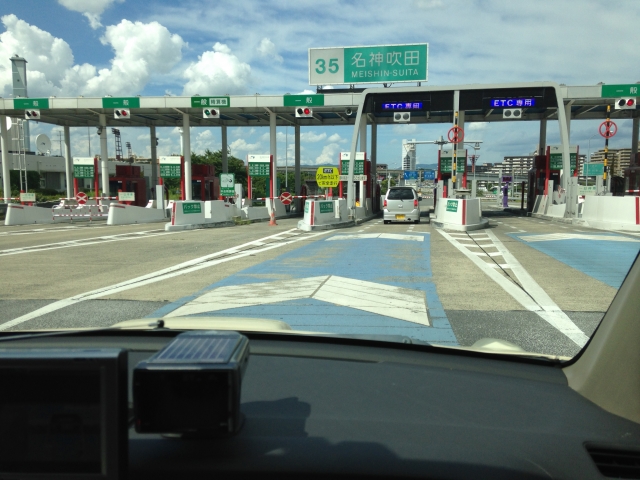
Navigating Japan’s modern highway infrastructure in a high-performance vehicle requires a firm grasp of essential logistical details.
Modern Expressways & The ETC Card System
Japan’s expressway network is incredibly smooth, impeccably maintained, and expensive. Tolls are calculated strictly by distance traveled.
- How ETC Works: ETC (Electronic Toll Collection) uses a wireless smart card inserted into a dedicated reader hidden in your rental car’s glovebox or dashboard.
- Toll Gates: When approaching highway toll gates, look for the bright purple overhead signs labeled ETC. Slow down to 20 km/h; the automated barrier will read the card, beep, and raise automatically. Non-ETC lanes are marked with green 一般 (General/Cash) signs, requiring you to stop and pay via credit card or cash.
- Why Rent an ETC Card: Always request an ETC card from your car rental provider. It saves valuable time at toll gates and grants access to substantial night/weekend toll discounts automatically calculated by the system.
Navigating Gas Stations ("Mantan!")
Fueling up in Japan is straightforward once you memorize a few key phrases and visual cues. Gas stations are divided into Full Service (フル) and Self Service (セルフ).
At Full-Service Stations:
- Attendants will guide you to a pump using hand signals.
- Roll down your window and state your fuel type, amount, and payment method.
- Fuel Types:
- High-Octane / Premium (ハイオク - Haioku): Yellow pump handle. MUST be used for high-performance sports cars like the Subaru BRZ / Toyota 86.
- Regular Unleaded (レギュラー - Regyura): Red pump handle.
- Diesel (軽油 - Keiyu): Green pump handle.
- Key Phrase: Say "Haioku, Mantan, Kカード de" (High-Octane, Full Tank, via Credit Card). "Mantan" (満タン) translates directly to "Fill it to the brim!"
- Attendants will often clean your windshield, mirrors, and offer to take any small trash from your cabin while your car fuels up.
At Self-Service Stations: Select English on the touch screen, choose the Yellow ハイオク (Haioku) icon, insert your credit card or cash bill, and fuel your vehicle.
Precision Parking in Japan
Parking on public streets in Japan is almost universally illegal unless explicitly marked. You must always use designated parking lots.
- Flap Locks (Lock Plate Lots): Common urban coin parking. You pull into an open spot over a lowered steel plate on the ground. After 3-5 minutes, the plate raises automatically under your car’s undercarriage. To leave, type your parking space number into the central payment machine, pay the displayed fee in coins or cash, wait for the steel plate to drop completely flat, and drive off within 2 minutes.
- Low-Clearance Caution: Because sports cars like the BRZ have lower ground clearance than standard economy cars, approach flap-lock parking spots slowly to avoid scraping the front lip or exhaust system.
The Thrill of Driving a JDM Manual Transmission (MT)
Driving a lightweight, rear-wheel-drive Japanese sports car with a 6-speed manual transmission on winding Japanese roads is an unforgettable experience. The short-throw shifter, perfectly spaced pedals that encourage smooth heel-toe downshifts, and the mechanical feedback of a naturally aspirated engine humming through mountain valleys convert every drive into an immersive sensory adventure. It elevates a simple vacation into an unforgettable automotive story.
5. Comprehensive FAQ for International Drivers
Q: What documents do I need to legally drive a car in Japan?
A: You must carry three essential documents with you at all times while driving in Japan:
- Your Original Physical Passport.
- Your Home Country Driver’s License.
- An International Driving Permit (IDP) issued under the 1949 Geneva Convention on Road Traffic.
Crucial Warning: Japan ONLY recognizes International Driving Permits issued under the 1949 Geneva Convention. Permits issued under the 1968 Vienna Convention or other treaties are NOT valid in Japan, and rental agencies will legally refuse to hand over keys without the correct document. Drivers holding licenses from specific countries/regions (such as Switzerland, Germany, France, Belgium, Monaco, Taiwan) must present an official Japanese translation of their home license provided by the Japan Automobile Federation (JAF) or their nation’s embassy, alongside their original license and passport. Check your specific country's regulations carefully before flying out!
Q: Is insurance included with rental cars in Japan?
A: Basic third-party liability insurance is required by Japanese law and included with reputable car rentals. However, it is highly recommended to purchase full coverage, including collision damage waivers (CDW) and Non-Operation Charges (NOC) protection. NOC covers the business compensation fee charged by the rental operator if the vehicle requires repairs or cleaning that temporarily takes it out of service.
Q: Is driving a Manual Transmission (MT) sports car difficult on Japanese roads?
A: Japan drives on the left side of the road, meaning the steering wheel is on the right side of the vehicle, and you will shift gears with your left hand. If you already know how to drive a manual transmission car in your home country, adapting to shifting with your left hand takes about 10 to 15 minutes of conscious driving. The pedal layout (Clutch - Brake - Accelerator) remains identical worldwide!
Q: What are winter road conditions like in the Metasequoia / Lake Biwa region?
A: While summer offers vibrant green canopies and warm lake breezes, northern Shiga receives significant snowfall from late December through early March due to cold air masses coming across the Sea of Japan. If traveling during winter months, ensure your rental car is equipped with studless winter snow tires or consider planning sports car drives between April and November when roads are completely dry, clean, and offer maximum grip.
6. Take the Wheel: Your Journey Begins at Omoren Osaka Chuo
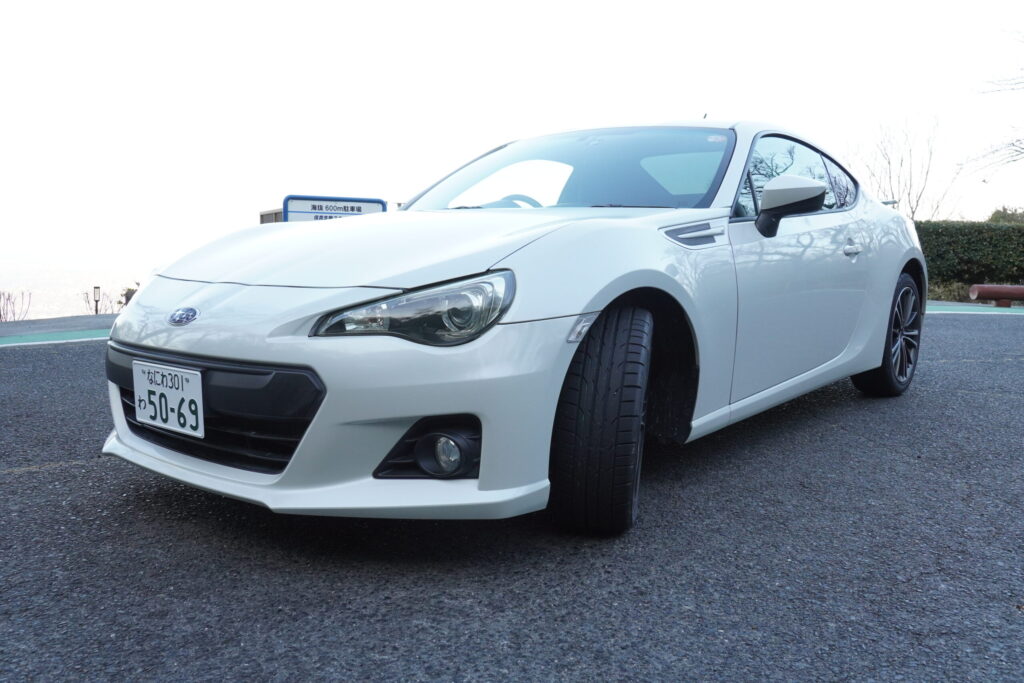
When you look back on your trip to Japan years from now, what memories will shine brightest? Will it be standing in an overcrowded train car, staring at the back of someone's head while squeezed between commuter bags? Or will it be downshifting a finely tuned Japanese sports car into 2nd gear, feeling the communicative chassis balance through your seat, and bursting out of a shaded mountain pass as the sun sets over Lake Biwa?
The real Japan—the hidden coastal bends, the quiet shrine passages, the mountain summits, and the emerald green canopy of Metasequoia Avenue—is waiting for you. All you need is the right key.
At Omise/Omoren Osaka Chuo (おもしろレンタカー 大阪中央店), we don't just rent cars; we unlock dream automotive adventures. Located conveniently in the heart of Osaka, we specialize exclusively in pristine, enthusiast-grade JDM performance cars, including iconic manual transmission vehicles like the Subaru BRZ and Toyota 86. Every vehicle in our fleet is meticulously maintained by passionate car lovers who understand exactly what a driver needs for the ultimate Japanese road trip. We provide English-speaking support, smooth ETC card setup, and personalized local route advice from staff who know these roads by heart.
Stop observing Japan from behind train glass. It is time to write your own chapter on the open road. Visit Omoren Osaka Chuo online today, reserve your pure JDM sports car, and turn your Japanese dream drive into reality!