The rhythm of my former life was dictated by the precision of the Kintetsu Railway. For years, I stood on the platform or sat in the operator’s cabin, watching the world through the rectangular framing of a train window. I saw the landscapes of Kansai as a series of segmented, protected views—beautiful, yes, but fundamentally disconnected from the earth itself. The train is a miracle of efficiency, a testament to Japanese punctuality, but it is also a cage. It follows the track, it adheres to the schedule, and it keeps you a spectator to the land.
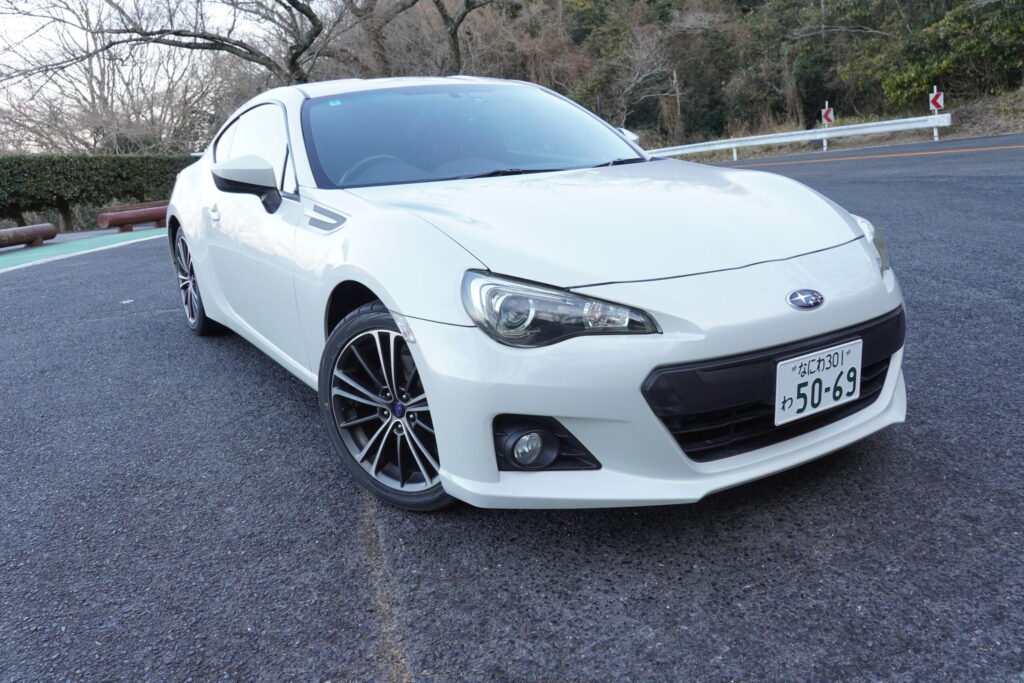
To drive, however—especially in a car like the Subaru BRZ—is to break the seal.
When you navigate toward the northern reaches of Shiga Prefecture, specifically the iconic Metasequoia Avenue of Makino, you are not merely commuting to a destination. You are engaging in a tactile, visceral conversation with the landscape. The BRZ is an instrument of this dialogue. Its flat-four Boxer engine, positioned low in the chassis to lower the center of gravity, creates a connection to the road that a commuter train could never replicate. As you transition from the dense urban sprawl of Osaka into the winding, verdant corridors of the Kosei region, you feel every shift in elevation, every change in the texture of the asphalt, and every gust of wind coming off the crystalline expanse of Lake Biwa.
This is the philosophy of "Secret Japan." It is not found in the grand halls of palaces or the crowded souvenir streets of major tourist hubs. It is found in the moments you choose to pull over on a whim because the light hit the trees just right. It is found in the way your BRZ handles the sweeping curves of the coastal roads, and the way you can command the power of the engine to carry you into the quiet, forgotten pockets of the countryside that exist only in the spaces between the train stations.

Metasequoia Avenue: The 2-Day Itinerary: Deep Dive
Day 1: The Ascent into the Highlands
08:00 – Osaka Departure Your journey begins in the heart of Osaka. As you fire up the BRZ, the flat-four engine settles into a steady, muscular hum. This is not just a car; it is a sports machine designed for the enthusiast. You merge onto the highways, the steering sharp and communicative, giving you the confidence to slice through the morning traffic. As you leave the concrete jungle behind, the horizon opens up, and the distant mountains of Shiga begin to rise like sleeping giants.
10:30 – The Lakeside Drive By mid-morning, you reach the western shore of Lake Biwa. The drive along the Kosei Road is a spectacle of light and water. The BRZ hugs the curves with a balance that makes you feel connected to every millimeter of the road surface. Stop briefly at a lakeside park to watch the water—the largest lake in Japan is an inland sea, its surface shimmering under the sun. You aren't watching it through a train window; you are standing on its shore, breathing in the scent of freshwater and pine.
12:30 – Local Flavors and Hidden Horizons Stop in the town of Takashima. Avoid the tourist traps. Seek out a small, family-run eatery serving Omi beef—the marbled, melt-in-your-mouth local specialty. The setting is intimate, the decor simple and authentic. Here, you connect with the local culture not as a passenger, but as a guest who traveled to be there.
14:30 – The Entrance to Makino As you approach Makino, the landscape shifts. You are now surrounded by the pastoral beauty of rural Shiga. The BRZ’s gear shifts feel crisp and mechanical, a perfect match for the rolling hills. You are moving toward the main event, and the anticipation builds with every kilometer.
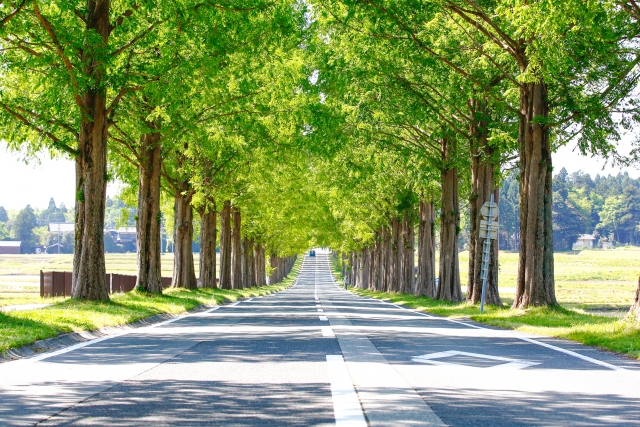
16:00 – The Golden Hour at Metasequoia Avenue You arrive. The Metasequoia Avenue is a 2.4-kilometer tunnel of 500 towering trees. If you arrive during the golden hour, the sun filters through the needles, creating a cathedral of light and shadow. You park the BRZ—the sleek lines of the car reflecting the symmetry of the trees—and walk the path. The silence here is profound, punctuated only by the wind moving through the canopy. This is the "Instagram moment," but it is more than that; it is a moment of pure, cinematic beauty that defines the journey.
18:00 – Evening in the Highlands Retire to a local minshuku (guesthouse). Enjoy a dinner of seasonal mountain vegetables and fresh fish from the lake. The evening is yours to reflect on the drive, the way the BRZ handled the mountain passes, and the quiet majesty of the forest.

Day 2: The Edge of the Map
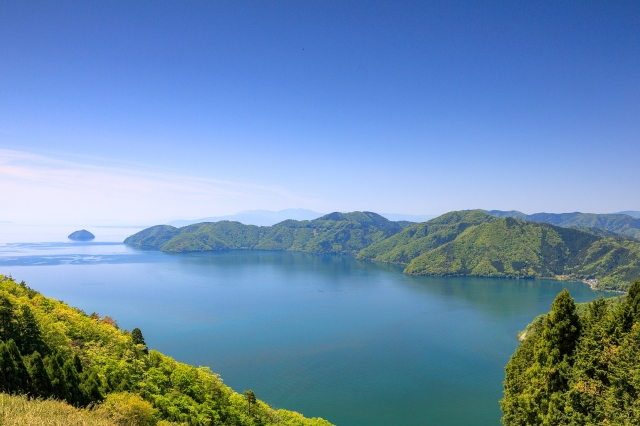
09:00 – The Coastal Run to the North After breakfast, you head further north, exploring the rugged terrain where the mountains meet the sea-like expanse of the lake. The roads here are narrow, demanding focus and respect. The BRZ shines on these technical sections, its limited-slip differential allowing you to power out of tight corners with grace.
11:30 – The Hidden Shrines The area surrounding Lake Biwa is home to some of the oldest religious sites in Japan. Use your car to navigate to the small, moss-covered shrines hidden in the forests of the Omi Highlands. These places are inaccessible by public transport. You are the only person there, surrounded by ancient stone lanterns and the smell of damp cedar.
14:00 – The Mountain Descent The return journey to Osaka takes you through the mountain passes of the Kosei region. This is where you test your craft. The roads are a symphony of apexes and hairpins. Feeling the weight transfer, the precise steering response, and the mechanical feedback of the gearbox is a meditative experience. You aren't just driving; you are dancing with the terrain.
17:00 – Returning to the Neon Lights As you re-enter the glow of Osaka, the shift back to reality feels jarring. But you return changed. You have traversed the geography of the land, felt the rhythm of the mountains in your palms, and engaged with the spirit of the road.
Metasequoia Avenue: Expert Advice & Cultural Nuances
Japan’s Michi-no-Eki (Roadside Stations) are the unsung heroes of the Japanese road trip. They are far more than gas stations. They are local hubs where farmers bring their freshest harvest, artisans sell their crafts, and the regional identity is on full display. Always stop at these to sample local pickles, fresh seasonal fruits, or artisan snacks. They are the pulse of rural Japan.
When driving in Japan, remember that omotenashi (hospitality) is a two-way street. You will notice that Japanese drivers are incredibly polite—they will rarely cut you off and will often thank you with a brief, polite flash of hazard lights if you let them merge or pass. Return the favor. Also, keep an eye out for small, brown tourist signs pointing to "scenic views." Often, the best photography spots are not on the main highway but down narrow, single-lane roads that a tourist bus would never dare to navigate. Being in a compact, agile car like the BRZ gives you the freedom to explore these hidden gems safely.
Metasequoia Avenue: Detailed Logistics & Pre-Trip Tips
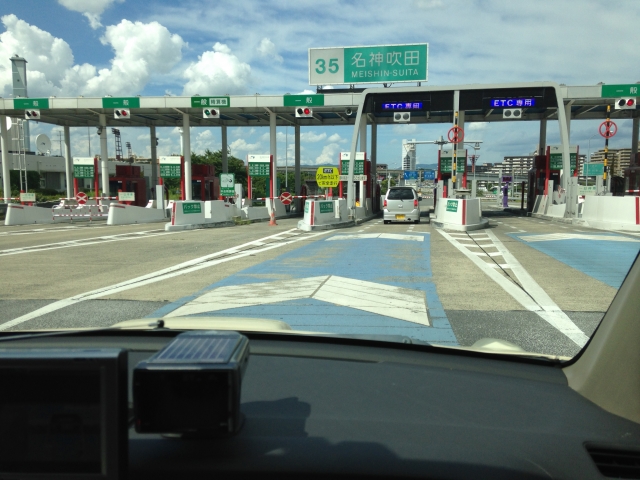
Driving in Japan is a privilege, not a hassle, provided you are prepared. Most toll roads now require an ETC (Electronic Toll Collection) card. Ensure your vehicle is equipped with one; it makes navigating the toll gates seamless and often provides discounts on tolls.
Gas stations in Japan are an experience in themselves. When you pull up, you will often hear the attendant ask for "Mantan," which simply means "full tank." If you are at a self-service station, the touch screens can be daunting, but most have an "English" button. If not, don't be afraid to ask for help—a friendly "Sumimasen!" (Excuse me) and a smile will solve any confusion.
Driving a manual transmission car like the BRZ in Japan offers an unparalleled connection to the terrain. From the meticulous quality of the road surfaces to the clear, well-maintained signage, you will find that the Japanese infrastructure is built to be enjoyed by enthusiasts. Treat the car with respect, follow the speed limits, and in return, the machine will offer you the most rewarding drive of your life.
Metasequoia Avenue: Comprehensive FAQ
Do I need a special license? Yes. To drive legally in Japan, you must possess a valid driver’s license from your home country and an International Driving Permit (IDP) issued according to the 1949 Geneva Convention. You must carry your original home country license, your IDP, and your passport with you at all times while driving. It is essential to ensure your IDP is issued by the appropriate authority in your home country before departure.
Is it difficult to drive a manual transmission car in Japan? If you are already comfortable with a manual, Japan is a paradise. The roads are well-marked, and the traffic laws are strict, leading to a very predictable and safe driving environment.
How is the insurance handled? Always ensure you understand the details of the Collision Damage Waiver (CDW) and the Non-Operation Charge (NOC) before you sign your rental agreement.
What about winter driving? If you visit in winter, Shiga can experience heavy snow. Ensure your rental is equipped with winter tires or chains, and always check the local weather forecasts.
Metasequoia Avenue: The Final Thoughts
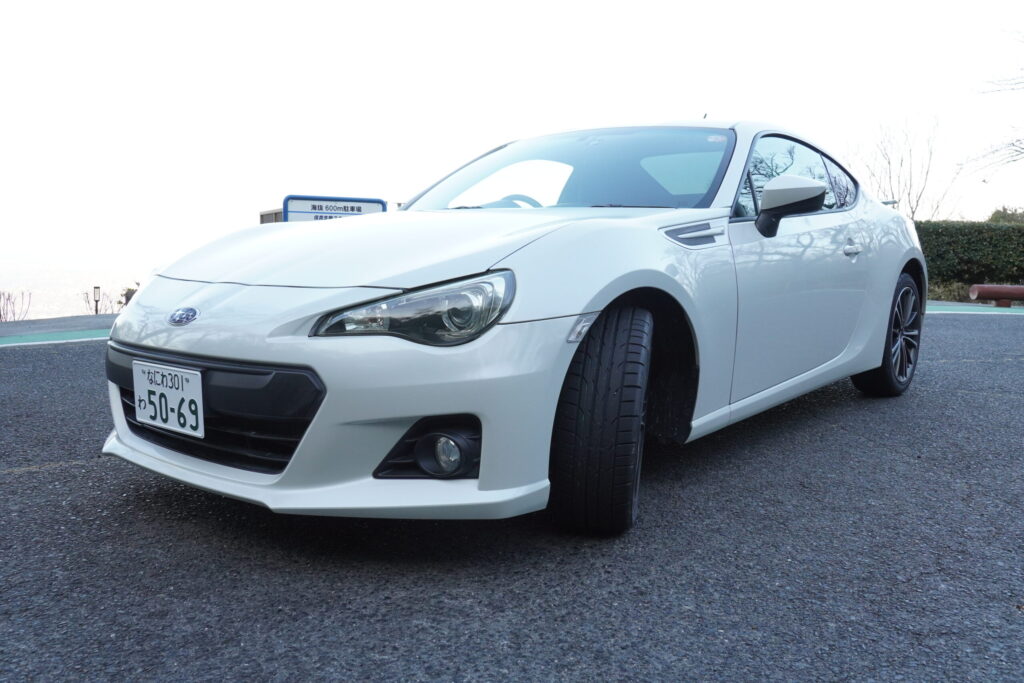
The road to the Metasequoia Avenue is not just a route on a map; it is a narrative written in asphalt and engine revolutions. It is a story that begins in the bustling, neon-lit energy of Osaka and ends in the timeless, tranquil mist of Shiga’s highland forests. But this story cannot be told from the seat of a train. It demands the tactile engagement of a true driver’s car, the freedom to explore, and the courage to take the turnoff that leads to the unknown.
Your Subaru BRZ is waiting. The mountains are calling, and the shifting light through the trees of Makino is waiting to greet you. Do not let another weekend pass by reading about the journey. Experience it. Contact our team at the "Omoshiro Rent-A-Car Osaka Central" garage today to secure your machine, map out your route, and start the engine on your own Secret Japan adventure. The road is open—where will you take it?