
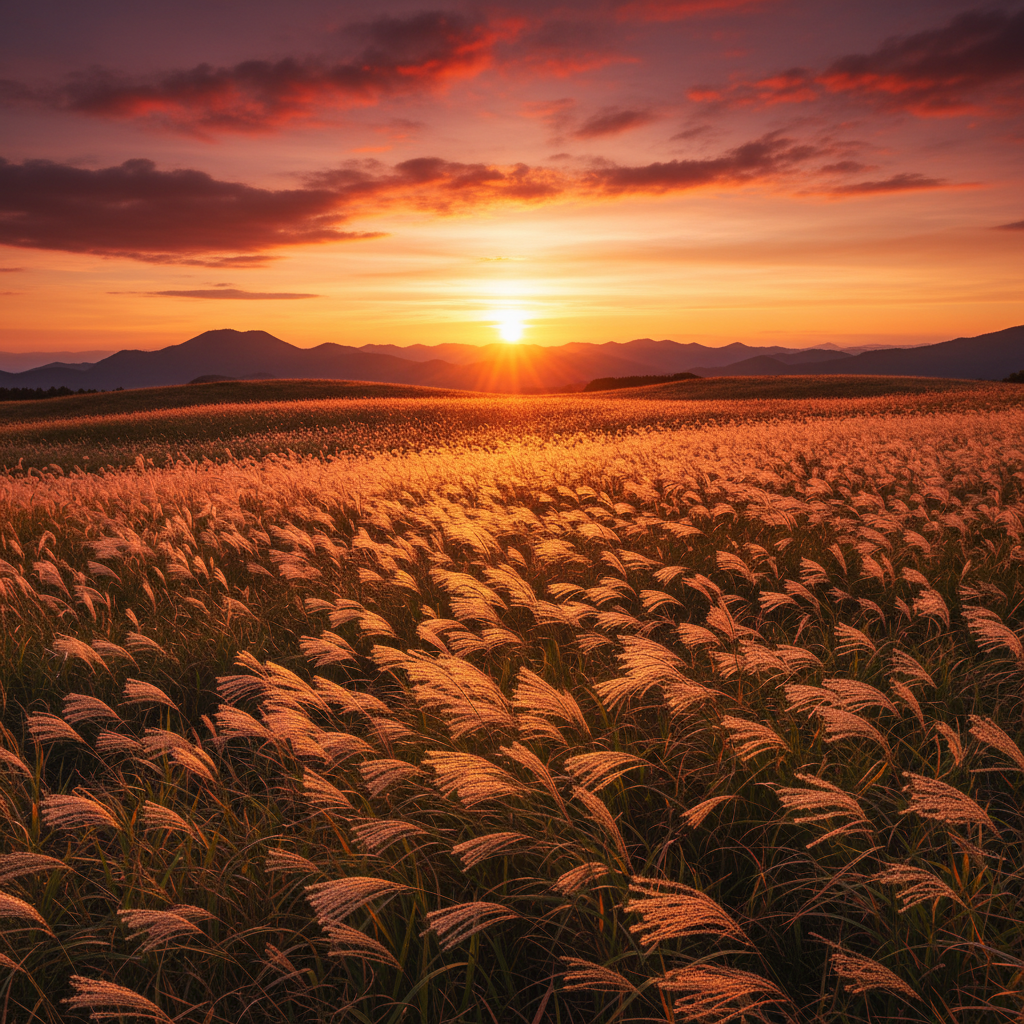
Soni Kogen, Susuki, Sunset, Scenic View, Drive - The Philosophy of Driving in Japan
For years, my world was defined by steel rails and the rhythmic clang of a Kintetsu train. As a conductor, I witnessed the incredible efficiency and reach of Japan's public transportation network, whisking passengers from bustling metropolises to serene temples with clockwork precision. It’s an undeniable marvel, a testament to Japanese engineering and punctuality. Yet, even as I called out stations and ensured smooth journeys, I harbored a profound understanding: the train, for all its glory, only shows you one version of Japan. It’s the grand, well-trodden path, a panoramic postcard view from a window.
But beyond the meticulously planned routes, past the last station sign, lies another Japan entirely. A 'Secret Japan' that whispers to the adventurer, the explorer, the one who craves authenticity and an intimate connection with the land. This Japan doesn't wait by the platform; it’s hidden down winding mountain roads, nestled in valleys untouched by railway tracks, or perched atop plateaus where the only scheduled arrival is the setting sun. And the only way to truly unlock its enigmatic beauty, to truly feel its pulse, is from behind the wheel of a car.
As someone who has navigated Japan's intricate road network for decades, from the frosty peaks of Hokkaido to the sun-drenched shores of Kyushu, I can tell you that the freedom of a private vehicle is transformative. It's the ability to chase an ephemeral sunset, to pull over on a whim at a breathtaking vista, to discover a tiny, family-run restaurant that serves food so exquisite it feels like a personal secret. Public transport offers convenience; driving offers discovery. It's the difference between observing a landscape and becoming a part of it, the difference between following a schedule and writing your own story.
For visitors based in Osaka, the gateway to the Kansai region, this philosophy takes on an even greater significance. While Osaka itself is a vibrant hub of culture, cuisine, and nightlife, the surrounding prefectures of Nara, Kyoto, Wakayama, and Hyogo hold treasures that remain largely inaccessible to those reliant on trains and buses. These are the places where Japan's soul truly resides – ancient forests, volcanic landscapes, and coastal roads that hug the Pacific with dramatic flair. And for those who yearn for more than just sightseeing, for those who seek to truly drive Japan, to feel the nuanced feedback of its roads, a JDM (Japanese Domestic Market) vehicle, especially a precision-engineered machine like a Toyota 86 or a Subaru BRZ, isn't just a mode of transport; it's a companion on a journey of exhilarating self-discovery. These cars, built for the very roads you’ll conquer, offer a driving experience that is as much a part of the adventure as the destination itself. They allow you to carve through the landscape, feel the G-forces, and truly engage with every twist and turn, revealing Japan not just through your eyes, but through your hands and feet, your ears and your very soul. This is the Japan that calls to the adventurous spirit, the one I want to share with you.
Soni Kogen, Susuki, Sunset, Scenic View, Drive - The 2-Day Itinerary: Deep Dive
Prepare yourself, because what follows is not merely a travel plan; it's a meticulously crafted symphony of sights, sounds, and sensations, designed to immerse you in the raw, captivating beauty of Japan's hidden countryside. This isn't a mere suggestion; it's a call to adventure, an invitation to experience the pinnacle of autumn splendor at Soni Kogen, culminating in a sunset that will etch itself into your memory forever. And it's all from the driver's seat of a legendary Toyota 86 or Subaru BRZ, a car engineered to make every curve and straightaway an absolute joy.
Day 1: The Ascent to Golden Splendor
08:00 AM - 09:00 AM: Osaka Departure - The Engine's Awakening
The dawn breaks over Osaka, a city still stirring but ready to release us into the wild. Your chariot awaits – a sleek Toyota 86, perhaps in a vibrant "Hot Lava" orange, or a cool "World Rally Blue Pearl" Subaru BRZ, its low-slung profile hinting at the thrills to come. The cabin, compact and driver-focused, immediately feels like a second skin. Settle into the bucket seat, the tactile feedback of the leather-wrapped steering wheel a promise of connection. Twist the key, or push the start button, and the 2.0-liter boxer engine barks to life with a satisfying growl, a low thrum that resonates through the chassis. This isn't just a car; it's an extension of your will, eager to devour the tarmac. We’ll depart from central Osaka, navigating the initial urban sprawl with a practiced ease, the short throws of the manual gearbox a subtle dance between hand and machine.
09:00 AM - 10:30 AM: Highway Overture - The Urban Escape
Merging onto the Hanshin Expressway, the city lights recede in the rearview mirror. The highway quickly becomes our conduit, a ribbon of asphalt unspooling towards the horizon. The 86/BRZ, while not a powerhouse, is perfectly balanced. It settles into a comfortable cruise, the engine humming contentedly at highway speeds. This initial stretch is about shedding the urban hustle, letting the mind clear, and preparing for the immersive experience ahead. You’ll feel the car’s stability, its planted feel even at speed, a reassuring sign of its engineering pedigree. Watch the concrete jungle slowly give way to pockets of green, then increasingly dense forests. It's a gradual transition, a cleansing of the urban palate, preparing your senses for the natural symphony to come.
10:30 AM - 12:00 PM: Winding Roads Begin - The Dance with the Mountain
Leaving the main expressway, we transition onto narrower, more engaging Prefectural Routes. This is where the 86/BRZ truly comes alive. The roads begin to twist and turn, snaking through verdant hillsides. The scenery transforms dramatically: quaint villages with traditional tiled roofs, meticulously terraced rice paddies clinging to slopes, and forests of cedar and cypress that loom ancient and mystical. The steering becomes more communicative, every subtle undulation of the road surface translated directly to your fingertips. This is the quintessential Japanese mountain road experience. The chassis, renowned for its rigidity, allows you to feel precisely where the grip limits are, encouraging a smooth, flowing driving style. The exhaust note, a deeper growl now, bounces off the rock faces, a rhythmic accompaniment to your journey. You’ll find yourself downshifting, matching revs with a blip of the throttle, and accelerating out of corners with a grin, the car responding with eager precision.
12:00 PM - 01:30 PM: Lunch & Local Flavors - A Taste of Nara's Heart
Before reaching Soni Kogen itself, we'll stop for lunch at a humble, often overlooked eatery in a small town bordering the Soni Village area. Forget chain restaurants; we're seeking authentic, regional Japanese cuisine. Imagine a small, wooden-fronted shop, perhaps specializing in soba or udon noodles, handmade with local spring water and served with seasonal mountain vegetables – sansai – freshly foraged from the surrounding hills. The air inside might be thick with the aroma of dashi broth and tempura. The warmth of the food, the earthy flavors, and the genuine hospitality of the proprietors offer a grounded, immersive culinary experience. This isn't just sustenance; it’s a taste of the land, a connection to the rhythm of rural life. The simple, honest flavors are a perfect counterpoint to the exhilarating drive.
01:30 PM - 03:00 PM: The Final Approach - Anticipation Builds
With satisfied appetites, we resume our journey, the roads becoming even more secluded and dramatic. The ascent to Soni Kogen isn't a sudden climb but a gradual, exhilarating rise through a landscape sculpted by geological forces over millennia. Soni Kogen itself is part of the Murō Volcanic Belt, a region marked by ancient volcanic activity. The distinctively shaped peaks and valleys are remnants of this fiery past, carved and softened by eons of wind and water erosion. The narrow roads wind through dense forests, occasionally opening up to reveal glimpses of rolling hills. The 86/BRZ's engine, revving sweetly through its gears, feels right at home here. The chassis feels alive, transmitting every nuance of the tarmac. You're not just driving; you're flowing with the landscape, dancing with the road. The air grows cooler, crisper, carrying the scent of pine and damp earth. You can almost feel the shift in atmosphere, the anticipation for the spectacle that awaits us.
03:00 PM - 05:00 PM: Soni Kogen Arrival & Exploration - The Golden Sea
Finally, the trees give way, and the landscape opens up dramatically. Before you lies Soni Kogen, a vast, undulating sea of golden pampas grass (susuki). It's an absolutely breathtaking sight, especially in autumn when the grass shimmers with a thousand shades of amber, bronze, and silver under the afternoon sun. Park the 86/BRZ, its engine ticking softly as it cools, and step out. The silence is profound, broken only by the rustle of the grass in the breeze and the distant calls of birds. The air is cool and invigorating, carrying a faint, earthy scent. The sensation is one of immense space and timelessness. Begin your walk through the well-maintained trails that crisscross the plateau. The grass, standing taller than a man in places, creates a mesmerizing labyrinth. The pathways lead upwards, gradually revealing more expansive views. Each step brings a new perspective, the light playing differently on the feathery plumes of the susuki. You'll notice the distinct geological features – the gentle slopes, the occasional rocky outcrop – all contributing to the unique character of this ancient volcanic caldera.
05:00 PM - 06:30 PM: Sunset Spectacle - Nature's Grand Finale
As the sun begins its dramatic descent towards the western horizon, make your way to one of the higher vantage points on the plateau. This is the moment you've been waiting for. The golden hues of the susuki intensify, catching fire as the sunlight deepens to orange, then crimson. The entire landscape transforms into a living canvas. The sky, a riot of colors from fiery red to soft lavender, mirrors the drama unfolding on the ground. The plumes of the pampas grass, backlit by the setting sun, glow with an ethereal luminescence, swaying gently as if breathing. The sound of the wind whispering through the grass is the only soundtrack to this magnificent spectacle. It's a deeply moving, almost spiritual experience – a feeling of being utterly insignificant yet profoundly connected to the grandeur of nature. The vibrant reds and oranges of the sky reflecting on the golden grass, the cool crisp air on your skin, the vastness of the vista – it’s an assault on the senses in the most glorious way. This is not just a sunset; it’s an epic, cinematic event, amplified by the solitude and the journey it took to reach this sacred spot.
06:30 PM - 07:30 PM: Descent & Dinner - Rural Warmth
Reluctantly, as the last vestiges of light fade from the sky, casting the plateau in deep twilight hues, we make our way back to the car. The drive down from Soni Kogen in the fading light is peaceful, the 86/BRZ’s headlights cutting through the growing darkness. We'll head to a traditional Japanese inn (ryokan or minshuku) in the Soni Village area. Dinner will be a feast for the senses, typically featuring local, seasonal ingredients. Imagine a multi-course meal (kaiseki style), exquisitely presented, with dishes like fresh river fish grilled to perfection, succulent local beef, and an array of vibrant mountain vegetables. Each bite is a delicate explosion of flavor, reflecting the purity and freshness of the region. The warmth of the sake, the gentle chatter of fellow guests, and the comforting ambiance of the inn create a perfect end to an exhilarating day.
07:30 PM onwards: Relaxation & Reflection - Onsen Bliss
After dinner, there's nothing quite like soaking in a traditional Japanese hot spring (onsen). Soni Kogen Onsen "Okame-no-Yu" is renowned for its restorative waters. Slip into the mineral-rich baths, letting the warmth penetrate tired muscles. The steam rises, blurring the edges of the world, and the quiet serenity allows for deep reflection. Recall the golden grasses, the fiery sunset, the thrill of the drive. The gentle ache in your legs from the walk, the lingering taste of local delicacies, and the embrace of the onsen waters all contribute to a feeling of profound contentment. The night sky in rural Japan, far from city lights, is often a tapestry of glittering stars – a final, celestial treat before drifting off to sleep.
Day 2: Morning Mist & Homeward Bound Adventures

08:00 AM - 09:00 AM: A Rural Awakening & Traditional Breakfast
Wake to the gentle sounds of the countryside – perhaps the crow of a rooster, the distant bleating of sheep, or the rustle of leaves outside your window. The morning air is crisp and clean, often carrying a delicate mist that hangs over the valleys, giving the landscape an ethereal quality. A traditional Japanese breakfast awaits: grilled fish, miso soup, steamed rice, pickles, and perhaps a fresh egg. It's a nourishing, wholesome meal, prepared with care and designed to give you energy for the day's journey. Sip green tea, gazing out at the serene rural panorama, a stark contrast to the bustling city you left behind.
09:00 AM - 10:30 AM: Morning Exploration & Local Charm
Before beginning the drive back, take some time to explore the immediate vicinity of Soni Village. This is an opportunity to delve deeper into the local culture. You might visit the tranquil Soni Plateau Forest Park, offering different perspectives of the surrounding mountains, or perhaps a local "Soni Farm Garden" where you can purchase fresh produce and unique local snacks. The narrow lanes of the village, lined with traditional wooden houses, invite a slow stroll. Engage with the locals if you can; even a simple "Ohayo gozaimasu" (Good morning) can be met with a warm smile. The 86/BRZ, waiting patiently, feels like a loyal steed, ready for its next adventure.
10:30 AM - 12:30 PM: The Scenic Return - A Different Perspective
For the return journey to Osaka, we'll consciously choose a slightly different route, maximizing the scenic driving experience. Instead of simply retracing our steps, we’ll aim for another series of exhilarating mountain roads that offer fresh vistas and challenges for the 86/BRZ. Imagine carving through roads that hug the side of steep hills, offering panoramic views of distant mountain ranges shrouded in morning mist, slowly burning off as the sun climbs higher. The responsiveness of the 86/BRZ's steering, its precise turn-in, and the satisfying engagement of the manual gearbox will continue to delight. You'll downshift for a hairpin, feel the engine brake, and then power out smoothly, the limited-slip differential ensuring maximum grip. The car becomes an extension of your own senses, allowing you to truly 'read' the road. These are the moments that truly define a JDM road trip – the symbiotic relationship between driver, machine, and landscape.
12:30 PM - 02:00 PM: Midday Discovery & Lunch Stop
Our journey back will include a stop at a 'Michi-no-Eki' (Roadside Station) or a charming small town that specializes in a particular craft or food. Perhaps a town known for its exquisite pottery, or a stop where you can sample fresh, locally grown fruits or innovative regional snacks. Lunch will be another opportunity to savor local flavors, perhaps a hearty bowl of ramen from a hidden shop, or a bento box prepared with seasonal ingredients. This is the beauty of driving: the freedom to spontaneously discover these gems, away from the crowds, allowing for a more authentic interaction with Japan's diverse regional offerings. The 86/BRZ, parked among local vehicles, almost blends in, a testament to its status as a beloved JDM icon.
02:00 PM - 04:00 PM: The Homestretch - Reflections on the Journey
As the afternoon progresses, we’ll gradually transition from the winding mountain passes back to the more efficient highways leading into Osaka. The character of the drive shifts, but the underlying satisfaction remains. The 86/BRZ, having performed admirably through every curve and climb, now effortlessly covers distance, its engine a steady, reliable companion. Use this time to reflect on the journey. The kaleidoscope of colors at Soni Kogen, the crisp mountain air, the taste of local delicacies, the thrill of perfectly executed downshifts, and the profound sense of discovery. You didn't just visit Japan; you experienced it, intimately, behind the wheel of a car designed for pure driving pleasure. You saw the "Secret Japan" that few tourists ever encounter, feeling its soul, its beauty, its challenges, and its rewards. The memory of the sunset over the susuki grass will linger, a golden hue against the backdrop of your adventurous spirit.
04:00 PM - 05:00 PM: Return to Osaka - A Satisfying Conclusion
As the urban landscape of Osaka re-emerges, a sense of accomplishment settles in. You've navigated challenging roads, witnessed unparalleled natural beauty, and connected with Japan in a uniquely personal way. The 86/BRZ, having delivered an unforgettable performance, brings you smoothly back to your starting point, its mission accomplished. The hum of its engine as you pull into the return spot feels like a bittersweet farewell, but the memories forged on this two-day odyssey will last a lifetime. This wasn't just a trip; it was an education, a liberation, and a testament to the unparalleled joy of exploring Japan by car.
Soni Kogen, Susuki, Sunset, Scenic View, Drive - Expert Advice & Cultural Nuances
Driving in Japan is an experience unlike any other, a blend of meticulous order and unexpected beauty. Having crisscrossed this archipelago countless times, and as a former train conductor who knows the limits of the rails, I’ve cultivated a deep appreciation for the unique culture of Japanese roads. Here’s some insider advice to enhance your journey beyond the typical tourist experience.
The Michi-no-Eki: More Than a Rest Stop
Forget what you know about highway rest areas. Japan’s ‘Michi-no-Eki’ (Roadside Stations) are cultural hubs, local markets, and culinary treasures rolled into one. They are strategically placed throughout the countryside, often highlighting a region's unique products. As a former conductor who often envied the drivers stopping at these places, I can tell you they are vital to a road trip. Don't just refuel your 86/BRZ; refuel yourself! Here’s what to look for:
- Local Produce: You’ll find incredibly fresh fruits, vegetables, and regional specialties – often cheaper and fresher than in city supermarkets. Look for unique items like 'Soni Kogen beer' or 'Soni Kogen yogurt' if available near the area.
- Handicrafts: Many Michi-no-Eki feature small shops selling local pottery, textiles, and artisanal goods, perfect for unique souvenirs.
- Delicious Food: From simple udon or soba to elaborate bento boxes featuring local ingredients, the food courts or small restaurants at Michi-no-Eki are often excellent and very reasonably priced. Try "gohei mochi" or "senbei" (rice crackers) specific to the region.
- Clean Facilities: Japan prides itself on cleanliness, and Michi-no-Eki restrooms are consistently spotless, a welcome relief on a long drive.
These aren't just places to pull over; they are microcosms of rural Japan, offering genuine insights into local life.
Unearthing Hidden Gems: The Art of Discovery
The best spots in Japan are rarely found in glossy guidebooks. They are discovered through intuition, local recommendations, or simply by being open to deviation. My years of driving have taught me to trust the unexpected. When you’re in your 86/BRZ:
- Follow the Locals: If you see a line of local cars turning off the main road onto a smaller, unmarked path, it often leads to a hidden eatery, a scenic viewpoint, or a charming temple known only to residents.
- Look for Small Signs: In rural areas, look for handwritten signs in Japanese (even if you can't read them, recognize the character for "cafe," "restaurant," "onsen," or "viewpoint"). These often point to the most authentic experiences.
- Engage with Shopkeepers: At Michi-no-Eki or local stores, a friendly "Sumimasen" (Excuse me) and a point to a map can unlock invaluable local knowledge about a hidden waterfall or a particularly beautiful stretch of road.
The true magic of driving is the power to deviate, to explore beyond the curated path, and the 86/BRZ is your perfect tool for this spontaneous exploration.
Driving Etiquette & Safety: Navigating with Respect
Japanese roads, while immaculately maintained, have their own unspoken rules:
- Left-Hand Drive: Remember, Japan drives on the left. This might take a little getting used to if you're accustomed to right-hand drive. The 86/BRZ's precise steering and compact size make this transition easier.
- Speed Limits: Japan's speed limits are generally lower than in many Western countries (e.g., 80-100 km/h on expressways, 40-60 km/h on general roads). Respect them. Speed cameras are common, and adherence to rules is a cultural norm.
- Narrow Roads: Be prepared for very narrow roads in rural areas, especially on mountain passes. Take corners cautiously, and be mindful of oncoming traffic. The 86/BRZ’s agility is a huge advantage here, allowing you to navigate tight spaces with confidence.
- Pedestrians & Cyclists: Always give way. They have priority, especially in residential areas and around schools.
- Parking: In rural areas, parking is generally easier to find and often free. However, at popular spots like Soni Kogen, especially during peak season, designated parking areas can fill up quickly. Arrive early or be prepared for a short walk.
Driving in Japan is a privilege, and doing so with respect for local customs and regulations ensures a smooth and enjoyable journey for everyone.
Soni Kogen, Susuki, Sunset, Scenic View, Drive - Detailed Logistics & Pre-Trip Tips
Embarking on a JDM road trip in Japan requires a little preparation, but the rewards far outweigh any minor complexities. As someone who’s spent a lifetime on Japan’s roads, first observing from a conductor's cab and now mastering them in performance cars, I can guide you through the essentials for a seamless and thrilling adventure in 2026.
2026 Traffic & Tolls: Navigating Japan’s Arteries
Japan’s road infrastructure is world-class, but like any developed nation, traffic can be a factor, particularly around major cities during peak hours (7-9 AM and 5-7 PM). Our itinerary is designed to mostly avoid the worst of Osaka’s congestion, but always check real-time traffic apps before departure.
- Expressways: Japan's expressways (高速道路, kōsoku-dōro) are efficient but tolled. Tolls can accumulate quickly, so an ETC card is indispensable.
- ETC (Electronic Toll Collection) Card: This is a game-changer. An ETC card allows you to pass through toll gates without stopping, significantly speeding up your journey and often providing discounts. Your rental company can provide one. Simply drive through the green ETC lane, and the toll is automatically deducted. As a former train conductor who saw the efficiency of our ticketing system, I can appreciate the similar seamlessness of ETC – it truly is the only way to travel Japan's expressways.
- Rural Roads: Once you leave the expressways and venture into the countryside towards Soni Kogen, traffic generally lightens considerably, allowing you to fully enjoy the winding roads in your 86/BRZ.
Fueling Your Adventure: The "Mantan" Experience
Japan’s gas stations (ガソリンスタンド, gasorin sutando) are efficient, but a few cultural nuances can be helpful:
- Full-Service vs. Self-Service: You'll encounter both. Full-service stations (有人のガソリンスタンド, yūjin no gasorin sutando) are common in rural areas. When you pull up, simply say "レギュラー、満タンお願いします" (Regyurā, mantan onegaishimasu), which means "Regular, full tank, please." "Mantan" (満タン) is your magic word. The attendant will also likely clean your windows and dispose of any trash. This personal touch is a delightful aspect of Japanese service.
- Fuel Types: Most JDM cars, including the 86/BRZ, run on "Regular" (レギュラー, regyurā) gasoline. "High-Octane" (ハイオク, haioku) is also available but unnecessary for these vehicles unless specified by the rental company. Diesel (軽油, keiyu) is for diesel engines only.
- Payment: Cash is still widely accepted, but credit cards are increasingly common.
- Language Barrier: Don't worry. A simple "Mantan, please" with a smile and pointing to the fuel type is usually enough to get by.
Parking Prowess: Mastering the Art of the Stop
Parking in Japan can be tricky in cities, but in rural areas and at attractions like Soni Kogen, it's generally straightforward:
- Designated Parking: At Soni Kogen, there are ample designated parking lots. Follow the signs, usually in English as well as Japanese. During peak autumn weekends, arriving early is advisable to secure a good spot.
- Michi-no-Eki: Always have dedicated, free parking.
- Small Towns: Look for coin-operated parking lots (コインパーキング, koin pākinngu) or, in very small villages, free spaces by temples or public facilities. Always ensure you are not blocking private access.
- Compact Cars, Compact Spaces: The compact dimensions of the 86/BRZ make navigating and parking in Japan's often narrower spaces significantly easier than with larger vehicles.
The Joy of JDM (MT Car) Driving: Unleashing the 86/BRZ
This is where the adventure truly elevates. Driving a manual transmission (MT) JDM car like the Toyota 86 or Subaru BRZ through Japan's mountain passes is an unparalleled experience:
- Connection: The MT gearbox offers an intimate connection with the car and the road. You become one with the machine, feeling every shift, every rev, every nuance of power delivery. The short, precise throws of the 86/BRZ's shifter are a tactile delight.
- Engagement: Unlike an automatic, an MT demands your full attention, transforming driving from a chore into an active, exhilarating pursuit. You'll be anticipating corners, planning your gear changes, and perfecting your heel-and-toe downshifts on the winding roads to Soni Kogen.
- The Engine Note: The boxer engine of the 86/BRZ sounds magnificent when allowed to sing through the gears. On a mountain pass, its growl bouncing off the tree-lined slopes is pure automotive poetry.
- Mountain Mastery: The perfectly balanced chassis, responsive steering, and predictable power delivery of the 86/BRZ make it an absolute joy on twisting roads. You'll use engine braking effectively on descents, smoothly downshifting to control speed and prepare for the next turn. This isn't just about speed; it's about grace, precision, and the pure exhilaration of driving a car that communicates every sensation directly to you.
This isn't just a car rental; it's an opportunity to re-engage with the very essence of driving, set against the backdrop of Japan’s most stunning scenery.
Soni Kogen, Susuki, Sunset, Scenic View, Drive - Comprehensive FAQ
As a seasoned traveler and car enthusiast, I know the questions that arise when planning an adventure like this. Here are answers to some common concerns, ensuring you’re fully prepared for your Soni Kogen road trip:
Q1: Do I need an International Driving Permit (IDP) to drive in Japan?
A: Yes, absolutely. To drive legally in Japan, you will need a valid International Driving Permit (IDP) issued under the 1949 Geneva Convention, along with your original domestic driver's license from your home country, and your passport. Make sure your IDP is issued by an authorized organization in your country (like AAA in the US or the AA in the UK) before you depart. Without all three documents, you will not be able to rent or drive a car in Japan.
Q2: What kind of insurance should I get for the rental car?
A: Comprehensive insurance is highly recommended. Standard rental car insurance in Japan usually covers basic liability, but opting for additional coverage, such as a Collision Damage Waiver (CDW) that reduces your deductible, and Non-Operation Charges (NOC) waiver, is wise. This protects you from having to pay for the rental company's lost income if the car is damaged and out of service. While Japan's roads are safe, unforeseen incidents can happen, and having robust coverage provides peace of mind.
Q3: I haven't driven a manual transmission (MT) car in a long time. Should I be worried?
A: It's natural to feel a bit rusty, but if you’ve driven MT before, it will come back to you quickly. The Toyota 86 and Subaru BRZ are known for their forgiving clutch and smooth shifting, making them excellent cars to re-acquaint yourself with manual driving. The joy of engaging with the car on these fantastic roads will quickly overcome any initial apprehension. Plus, Japan's rural roads are generally less congested, giving you space to re-familiarize yourself. If you're truly concerned, practice in a safe, open area for 15-30 minutes after picking up the car. The sense of accomplishment and heightened driving pleasure is well worth it!
Q4: What are the road conditions like in autumn for Soni Kogen, and is winter driving an issue?
A: Autumn (late September to early November) is the absolute best time to visit Soni Kogen for the pampas grass and sunsets. Road conditions are typically excellent during this period – dry and clear. The temperatures are cool and pleasant for driving and walking. Winter, however, brings different challenges. While Soni Kogen doesn't typically see heavy snow that completely closes roads, higher elevations and mountain passes in the region can experience freezing temperatures and occasional snowfall from late November through March. If traveling during these months, winter tires (スタッドレスタイヤ, studless tire) or snow chains (タイヤチェーン, tire chain) might be necessary or highly recommended. This itinerary is specifically tailored for the ideal autumn conditions.
Q5: What should I pack for this two-day trip?
A: For an autumn trip to Soni Kogen, layers are key. The daytime can be mild, but evenings and mornings on the plateau will be cool, especially as the sun sets. Bring:
- Comfortable walking shoes: For exploring the Soni Kogen trails.
- Warm layers: A fleece or sweater, and a light jacket for the cooler parts of the day.
- Rain gear: A compact umbrella or light waterproof jacket, just in case.
- Camera: You'll want to capture the stunning landscapes and sunsets.
- Cash: While cards are accepted, many smaller rural shops and eateries prefer cash.
- Portable charger: For your phone and navigation.
Remember, this is an active trip focused on driving and exploring nature, so practicality over fashion is advisable.
Soni Kogen, Susuki, Sunset, Scenic View, Drive - The Final Call: CTA
You’ve seen the vision. You've heard the call of the open road, felt the promise of exhilarating twists and turns, and imagined the breathtaking spectacle of Soni Kogen’s golden pampas grass bathed in the fiery hues of a Japanese sunset. This isn't just another item to tick off a tourist list; it's an immersion, a profound connection with the beating heart of Japan that only a true driving adventure can provide.
Forget the crowded trains and predictable tours. This is your chance to step beyond the ordinary, to forge your own path, and to experience Japan through the unique lens of a performance JDM car. Imagine the satisfaction of expertly navigating those mountain roads, the thrill of feeling the responsive chassis of a Toyota 86 or Subaru BRZ, and the sheer joy of discovering a "Secret Japan" that few ever witness.
As a former Kintetsu conductor, I know the routes of public transport like the back of my hand. But as a passionate driver and the owner of a JDM specialist rental shop, I know that the most unforgettable journeys are those you craft yourself, behind the wheel of a car built for adventure. We provide not just vehicles, but keys to unparalleled experiences.
Don't just dream about this epic road trip. Make it a reality. Your Toyota 86 or Subaru BRZ is waiting. Experience the thrill, the beauty, and the freedom. Your unforgettable Soni Kogen adventure begins with a single click. Book your JDM manual transmission car today and prepare to create memories that will last a lifetime.
Ready to unlock Japan's hidden gems? Visit Omoshiro Rent-a-Car Osaka Chuo branch and reserve your ultimate JDM driving experience.
