
Shiga & Omihachiman Drive: The Philosophy of Driving in Japan
As a former train conductor for the Kintetsu Railway, I spent years navigating the iron veins of Japan’s Kansai region. I know the rhythm of the rails intimately: the metallic click-clack over switches, the precise punctuality of the express trains, and the framed glimpses of bamboo groves standard passenger routes afford. Public transit in Japan is an absolute engineering marvel. It is efficient, spotless, and effortlessly connects metropolis to metropolis.
Yet, as extraordinary as the Japanese rail system is, it inherently keeps you on a fixed track. It dictates where you alight, when you depart, and what you see through tinted, double-paned glass.
When I finally traded the conductor’s key for the steering wheel of a sports car and spent years driving across every prefecture in Japan, my entire perspective shifted. I discovered a realm that train schedules actively conceal: Secret Japan.
Secret Japan is found in the sudden clearing of a fog-enshrouded mountain pass that no train line traverses. It is the centuries-old, timber-framed tea house nestled along an unnumbered rural road, accessible only by navigating a series of tight hairpin turns. It is the silent sunrise over an ancient lake where the public bus does not run until 9:00 AM.
Using Osaka as your staging ground for a regional road trip opens up the beating heart of Kansai in ways no rail pass can match. Within forty-five minutes of leaving the urban sprawl, concrete elevates into emerald hills, multi-lane highways narrow into winding ribbon roads, and the noise of the city gives way to the precise, mechanical note of an engine echoing off ancient stone walls.
To truly experience Shiga Prefecture and the historic merchant canal town of Omihachiman—especially during the breathtaking spectacle of autumn—you need more than a ticket. You need a driver's seat. You need three pedals, a short-throw manual shifter, and an agile chassis that communicates every texture of the asphalt directly to your palms.
Driving here is not merely transportation; it is an active, immersive philosophy. It transforms travel from passive observation into a sensory dialogue between driver, machine, and the timeless landscape of old Japan.

Shiga & Omihachiman: The Ultimate 2-Day Autumn Itinerary
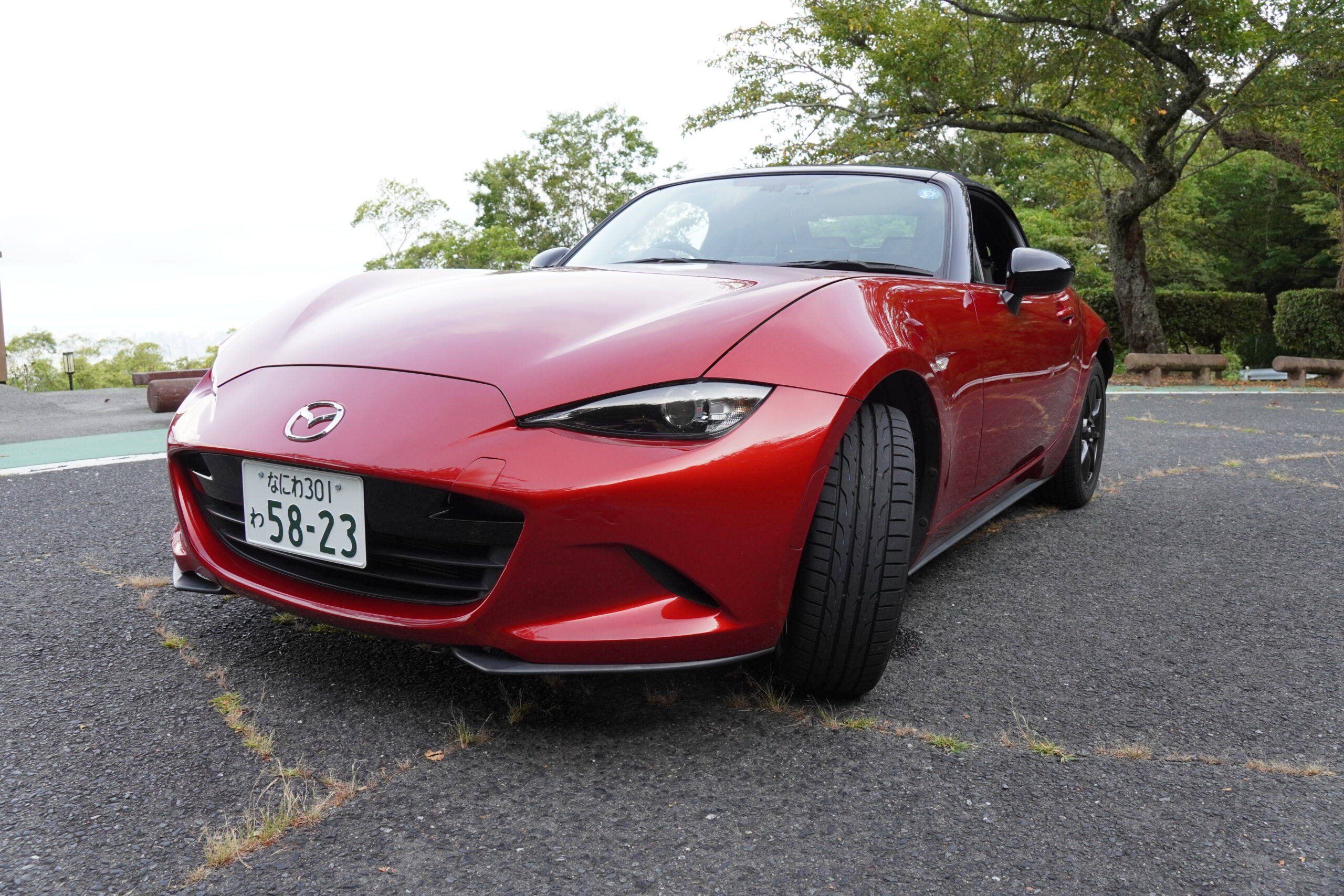
Overview: The Spirit of the Machine
For this two-day deep dive through Shiga and Omihachiman, our vehicle of choice is the legendary Mazda Roadster (ND MX-5). Compact, beautifully balanced, and lightweight, the ND Roadster is engineered specifically for the narrow, serpentine roads of rural Japan. With its front-midship engine layout and rear-wheel drive dynamics, every input is immediate. As the autumn air cools, dropping the soft top allows the crisp scent of cedar trees and burning rice straw to fill the cabin, bringing you into absolute harmony with the countryside.
DAY 1: From Osaka’s Energy to Lake Biwa’s Timeless Shorelines
07:00 AM – Departure from Central Osaka: The Urban Awakening
Your journey begins in the early morning quiet of Osaka. The city is just waking up, its neon signs turning off against a pale indigo sky. Slipping into the driver’s seat of the Mazda MX-5, the low seating position instantly grounds you.
Depress the clutch pedal, slide the stubby gear lever into neutral, and press the engine start button. The 2.0-liter (or rev-happy 1.5-liter) Skyactiv engine fires up with a eager, raspy idle.
Adjust your mirrors, drop the manual soft top with a simple one-handed latch mechanism, and pull out into the crisp autumn morning.
Leaving central Osaka, you navigate toward the Hanshin Expressway network. The early hour ensures clear traffic as you merge onto the Hanshin No. 13 Higashi-Osaka Line.
The city buildings slide past, their metallic surfaces reflecting the warm golden hues of the rising sun. You quickly transfer toward the Meishin Expressway, heading northeast toward Shiga Prefecture.
The MX-5 tracks straight and true, its steering wheel firm yet responsive, eager for the twisty mountain routes that lie ahead.
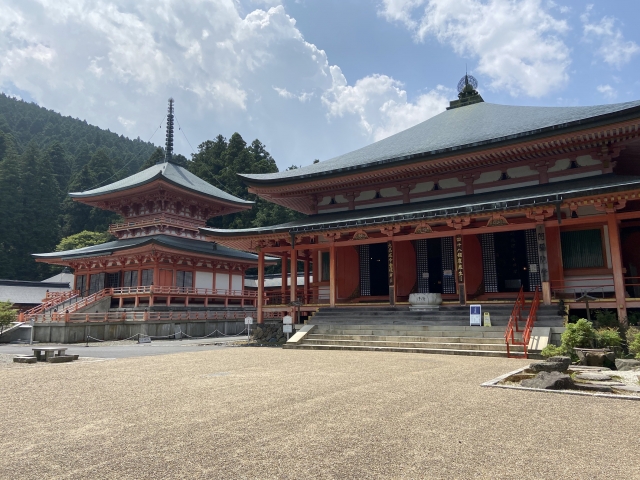
08:00 AM – The Gateway to Shiga: Conquering the Hiei Driveway
Instead of taking the plain highway route directly into Otsu, exit toward Mt. Hiei via the Hiei Driveway (比叡山ドライブウェイ). This legendary toll road climbs aggressively into the dense forests separating Kyoto and Shiga Prefectures.
The Drive: As soon as you clear the toll gate, the road transforms into a sequence of technical S-bends and climbing elevation changes. Here, the MX-5 comes alive. Heel-toe downshifting into second gear, the engine blips smoothly to match revs. The rack-and-pinion steering provides crystal-clear feedback through the wheel, letting you feel the exact limits of front-end grip. The autumn canopy overhead is a vivid ceiling of crimson Japanese maples (momiji) and fiery ginkgo leaves. Light filters through the trees in golden shafts, casting shifting shadows across the dark asphalt.
The Destination: At the peak stands Enryaku-ji, a UNESCO World Heritage site and the monastic headquarters of the Tendai sect of Buddhism, founded in 788 AD by Saicho. Walking through the moss-covered grounds beneath towering cedar trees, the smell of woodsmoke and incense hangs thick in the cool air. The silence here is profound, broken only by the occasional deep, resonance of a temple bell echo across the valley. From the summit observation points, you catch your first breathtaking panoramic view of Lake Biwa—Japan’s largest freshwater lake—glistening below like a massive sapphire set into autumn-colored mountains.
10:30 AM – The Lakeside Descent: Route 161 Along Lake Biwa
Leaving Mt. Hiei, negotiate the tight downhill hairpins of the Okubiewan Driveway, utilizing engine braking in second and third gear to balance the chassis perfectly.
You merge onto Route 161, heading north directly along the western shore of Lake Biwa.
The cool autumn wind rushes into the open cabin of the Roadster. To your right, the vast expanse of Lake Biwa sparkles. Tiny fishing boats bob softly on the water, harvesting ayumodoki (sweetfish) and local lake trout.
To your left, rural farmland unfolds: golden rice fields stripped after the autumn harvest, dotted with traditional farmhouses featuring dark timber walls and heavy black-tiled roofs (kawara).
11:30 AM – Arrival in Omihachiman: The Historic Canal Town
Navigating off the main highway, you enter Omihachiman (近江八幡). Established in the late 16th century by the feudal lord Toyotomi Hidetsugu, Omihachiman flourished as a castle town and a major commercial hub driven by the legendary Omi Merchants (Omi Shonin). These savvy businessmen operated under the noble philosophy of Sanpo-Yoshi ("good for the seller, good for the buyer, good for society").
Park your MX-5 in a designated parking lot near the historic center. Stepping out onto the ancient flagstones, the contrast between modern automotive design and Edo-period architecture creates a striking visual frame.
Hachiman-bori Canal (八幡堀): Walk along the stone-paved canal banks lined with white-plastered storehouses (kura) and traditional wooden homes. In autumn, the weeping willows that overhang the water begin to turn yellow, and fallen maple leaves float slowly along the canal's surface. Historically, this waterway connected the town directly to Lake Biwa, allowing merchant barges to transfer goods seamlessly into the town's market square.
Sensory Highlights: The air smells faintly of aged soy sauce, damp river stone, and charcoal fires from nearby kitchens. The quiet ripple of hand-paddled wooden boats carrying visitors along the canal replaces the hum of the road.
01:00 PM – Lunch: Indulging in Omi Beef (Omi-gyu)
No journey to Shiga is complete without experiencing Omi Beef, one of Japan’s top three wagyu beef brands alongside Kobe and Matsusaka. Omi beef has a rich history dating back over 400 years—it was even pickled in miso and presented to the Shogun during the Edo period as a medicinal delicacy.
Find a local canal-side restaurant housed in a converted 19th-century merchant residence. Order a lunch set featuring Omi-gyu Sukiyaki or Steak Donburi.
Taste Experience: The marbling of Omi beef is exceptionally fine. As the thin slices cook in a sweet, savory broth of soy sauce, mirin, and local sake, the aroma is irresistibly rich. When placed on your tongue, the fat melts almost instantly at body temperature, delivering an explosion of buttery, savory umami balanced by the crisp bite of locally grown Shiga scallions and fresh shiitake mushrooms. Pair this with steaming hot Shiga-grown Koshihikari rice, famed for its clean finish nourished by Lake Biwa’s mineral-rich water.
02:30 PM – Cultural Immersion: Shinmachi-dori & Mount Hachiman Ropeway
After lunch, stroll down Shinmachi-dori, a preserved street lined with the former residences of prominent merchant families, such as the Former Nishikawa Residence. The architectural detail is remarkable: fine wooden lattice windows (kyomachi-yashiki), clay-plastered fireproof walls, and interior courtyard gardens displaying vibrant red autumn foliage.
Next, take the Hachiman-bori Ropeway (or hike the winding trail) to the top of Mount Hachiman, where the ruins of Hidetsugu’s castle sit. From the summit lookout, you gain an expansive 360-degree view of Omihachiman’s grid-like town planning, the surrounding patchwork of agricultural fields, and the endless blue horizon of Lake Biwa stretching north.
04:30 PM – Golden Hour Drive: The Lake Biwa Sunset Highway (Route 25)
Return to your MX-5, start the engine, and head north along Route 25, the scenic coastal road that hugs the eastern shore of Lake Biwa.
As late afternoon approaches, the sun begins its slow descent over the mountains on the lake’s western bank. The light turns to a deep, molten amber.
Driving open-top along the shoreline, the cool lake breeze rushes past. The reflection of the autumn sunset turns the surface of Lake Biwa into a shimmering sheet of burnished copper and crimson.
The light weight of the MX-5 allows you to flow through the gentle lakeside curves effortlessly, clicking through the gears just to feel the mechanical precision of the drivetrain.
06:30 PM – Evening Check-in: Traditional Ryokan Experience in Hikone or Omihachiman
Arrive at your accommodation—a traditional Japanese ryokan (inn) situated near the lakeside.
Park the car, hand your keys to the attendant, and step inside onto soft tatami matting.
After a day behind the wheel, immerse yourself in an onsen (hot spring bath). The hot, mineral-rich thermal water melts away any driving fatigue as you sit in an outdoor stone bath (rotenburo), listening to the gentle lap of lake waves in the crisp night air.
Conclude your night with a multi-course kaiseki dinner featuring seasonal autumn delicacies: wild sweetfish, matsutake mushrooms cooked in earthenware pots, roasted chestnuts, and subtle local Shiga sake brewed from pure mountain runoff.

DAY 2: Mountain Passes, Historic Castles, and Sacred Islands
08:30 AM – Morning Departure: The Engine Calls
Awake to the crisp Shiga morning air. After a traditional breakfast of grilled salmon, miso soup, pickled vegetables, and steamed rice, check out of the ryokan. Walk up to the MX-5; a fine morning dew coats the long hood. Wipe down the glass, drop the top once more, and fire up the engine. Today is all about driving dynamics and hidden mountain sanctuaries.
09:00 AM – Historic Landmark: Hikone Castle (彦根城)
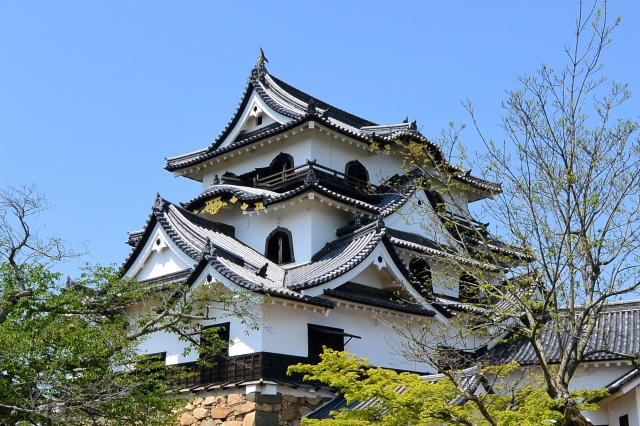
Before ascending into the eastern mountains, make a brief morning stop at Hikone Castle, one of only twelve original, intact castle keeps surviving in Japan. Completed in 1622 by the Ii clan, this fortress overlooks Lake Biwa with formidable elegance.
Highlights: Walk up the steep, asymmetrical stone stairways designed to throw off invading attackers. The three-storied white keep combines multiple architectural roof styles (karahafu and chidori-hafu). Surrounding the moat, hundreds of cherry and maple trees show off their autumn transitions. From the upper floors of the keep, look out across the territory the Ii warlords once controlled.
10:30 AM – Into the Wilderness: Route 307 to Eigen-ji Temple
Leave the lake basin behind and point the hood of the MX-5 east toward the Suzuka Mountain Range, which forms the natural border between Shiga and Mie Prefectures. Take Route 307 connecting into Route 421.
The landscape shifts rapidly. The flat rice paddies give way to rolling foothills dominated by tea plantations and dense cedar forests. The road narrows, following the crystal-clear waters of the Echi River.
Arrive at Eigen-ji Temple (永源寺), a famous Zen temple established in 1361.
The Autumn Color Experience: Eigen-ji is renowned throughout Japan as a premier spot for momijigari (autumn leaf viewing). A long stone stairway lined with stone lanterns leads up the mountain slope to the temple complex. The canopy here consists of thousands of Japanese maples that turn a dazzling shade of scarlet and deep orange every November.
Sensory Details: Hear the rushing mountain river below, the crisp crunch of fallen leaves underfoot, and the quiet chanting of Zen monks. The air is cold, pure, and infused with the scent of pine needles and damp earth.
12:30 PM – Lunch: Mountain Wild Game & Handmade Soba
Near the entrance to the mountain pass, stop at a rustic wooden roadside eatery specializing in mountain cuisine (yamame and sansai).
The Meal: Order a bowl of freshly hand-rolled buck-wheat soba served smoking hot in a broth flavored with wild mountain herbs, seasonal vegetable tempura (ginkgo nuts, maitake mushrooms, sweet potato), and salt-grilled mountain trout (iwana) crisp-roasted over binchotan charcoal. The rustic, earthy flavors provide perfect sustenance for the athletic mountain driving ahead.
01:30 PM – The Driver's Highlight: The Suzuka Skyline (Route 477)
Now begins the crown jewel of driving routes in southern Shiga: The Suzuka Skyline (Route 477). Historically a toll road traversing Mount Gozaisho, this public mountain pass is a Masterclass in road design.
The Technical Challenge: The pass features steep climbing gradients, banked sweeping curves, tight second-gear hairpins, and dramatic bridges spanning deep mountain ravines.
Vehicle Dynamics in the MX-5: This is where the Mazda’s 50:50 weight distribution shines bright. As you brake hard before a hairpin bend, the front end bites with precision. Release the brake, turn the wheel, and feel the rear wheels push the lightweight body smoothly out of the apex. The short-throw shifter clicks from gear to gear with bolt-action satisfaction. Because the car is so light and communicative, you don't need dangerous speeds to experience absolute motoring euphoria; every input is rewarded with immediate feedback.
Vistas: Along the upper ridges, pull off into the stone parking turnouts. Stand at the edge and gaze back across the entire expanse of Shiga Prefecture. Down below, the road you just conquered winds like a gray ribbon through a sea of red, orange, and green autumn foliage.
03:30 PM – The Coastal Return: Route 421 Back to Lake Biwa Shoreline
Loop back down toward the lowlands via Route 421 through the Ishigure Tunnel, then track back across the southern fertile plains of Shiga.
Make one final afternoon stop at the Biwako Terrace via cable car if clear skies prevail, or take a relaxed coastal cruise along the southern rim of the lake near Kusatsu. Watch the late afternoon shadow lengthen across the calm waters, taking in the sheer physical beauty of Japan's ancient inland sea.
05:30 PM – The Return Run to Osaka
Merge onto the Meishin Expressway at the Ryuo or栗東 (Ritto) IC. Set your speed for a smooth, relaxed cruise as the evening lights flicker on along the highway network.
The MX-5 settles into a comfortable highway hum. As you leave the quiet mountains of Shiga and re-enter the neon-lit concrete arteries of Osaka, the contrast hits deep. You have just explored a side of Japan that ninety-nine percent of international travelers never witness—an authentic, wild, historic country accessible only through the magic of four wheels and an open road.
Shiga & Omihachiman: Expert Advice & Cultural Nuances
The Wonders of Michi-no-Eki (Japanese Roadside Stations)
One of the absolute highlights of road-tripping through Japan is the network of Michi-no-Eki (道の駅). Far from plain highway service plazas, these community-run roadside rest stations are destinations in their own right, dedicated to showcasing regional agriculture, crafts, and culinary specialties.
When driving through Shiga, look out for key Michi-no-Eki stops such as:
Michi-no-Eki Aguri-no-Sato Ritto: Famous for fresh local produce, house-made gelato, and fresh-baked breads using local Shiga wheat.
Michi-no-Eki Biwako-Ohashi Komekome House: Located right near the great Biwako Bridge, offering local rice tasting sets, fresh lake fish delicacies, and panoramic lakeside rest areas.
What to buy: Grab locally produced autumn treats such as kaki (persimmons), fresh roasted chestnuts, bottled Shiga green tea, and locally crafted soybean pastes. These stations are clean, feature free public restrooms, and offer clear regional driving maps.
Hidden Local Dining Gems
While high-end restaurants in Kyoto require months of advance bookings, driving through rural Shiga grants access to authentic, unpretentious local spots where locals actually eat:
Chanpon Tei (ちゃんぽん亭): Shiga’s ultimate comfort food is Omi Chanpon. Unlike Nagasaki-style chanpon which uses a milky pork-bone broth, Omi Chanpon features a light, highly aromatic broth made from bonito flakes and kelp, packed with crisp stir-fried mountain vegetables and thin noodles. Drizzle a splash of spiced vinegar halfway through your bowl to unlock a second layer of flavor.
Funazushi Specialists along Route 161: For the daring culinary traveler, seek out small family-run shops selling Funazushi—the ancient precursor to modern sushi. Wild nigorobuna carp caught in Lake Biwa is fermented in salt and rice for up to three years. It possesses a sharp, complex sour flavor reminiscent of fine blue cheese, traditionally paired with local dry sake.
Driving Safety & Mountain etiquette in Japan
Driving in rural Japan is extremely polite, but it requires understanding local unspoken rules:
Narrow Roads (Kukaku-dori): Outside main arterial routes, rural village roads can narrow to a single lane between stone walls or irrigation ditches. Drive slowly. If you encounter an oncoming car, look for wide spots (daichitai) to pull over and yield. A quick flash of your hazard lights (two blinks) is the universal Japanese thank-you gesture for letting someone pass.
Speed Limits: Speed limits in Japan seem low (30–50 km/h in cities, 60 km/h on rural roads, 80–100 km/h on expressways). Be mindful of automated speed cameras (Orbis) mounted on expressways and mobile speed traps in small villages.
Wildlife Warnings: In the Suzuka Mountain Range and dense forests of Shiga, keep an eye out for local wildlife, particularly kamoshika (Japanese serow), wild boars (inoshishi), and deer (shika), especially during dusk hours along mountain passes.
Shiga & Omihachiman: Detailed Logistics & Pre-Trip Tips
Navigation & Expressways in 2026
Navigating Japan by car has never been smoother. In 2026, modern rental vehicles come equipped with high-resolution, English-capable GPS navigation systems (Navi). However, smartphone apps like Google Maps and Apple Maps offer real-time traffic updates that are incredibly precise for rural detours.
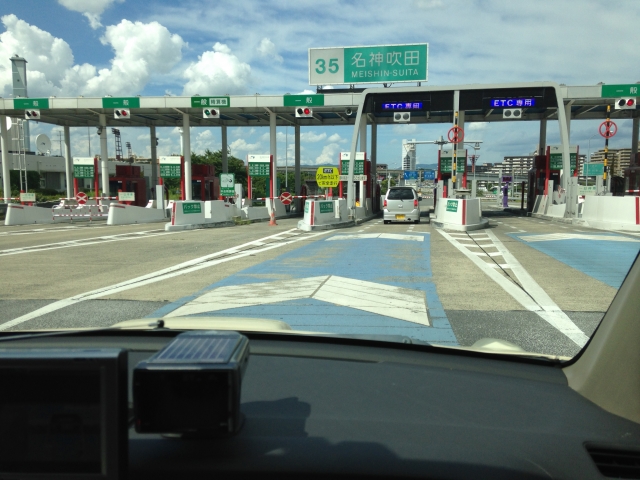
ETC Card (Electronic Toll Collection): Expressways in Japan are high-quality toll roads. You must rent an ETC Card along with your vehicle. The card slides into a slot built into the dashboard or glovebox. As you approach highway toll plazas, enter the blue lanes marked "ETC 専用" at a speed under 20 km/h. The gate will lift automatically, logging your toll fee electronically. You simply settle the total balance at the rental desk upon returning your car.
Central Japan Expressway Pass (CEP): If planning extended highway driving, inquire about regional toll passes that offer unlimited expressway travel for a flat daily fee, saving significant money.
Gas Station Etiquette: Mastering the "Mantan"
Refueling your rental car in Japan is an easy process once you know the basic vocabulary and protocols. Gas stations are divided into Full Service (スタッフ給油) and Self Service (セルフ).
Full Service Stations:
When you pull up to a full-service pump, an attendant will guide you with hand signals.
Roll down your window and state your fuel type and quantity.
Fuel Types:
Regular unleaded: Regura (レギュラー) – Red pump handle (Standard for most cars).
High-octane Premium: Haikoku (ハイオク) – Yellow pump handle (Used for performance sports cars like custom ND MX-5s or GT-Rs).
Diesel: Keiyu (軽油) – Green pump handle.
To fill up completely, say: "Haioku, Mantan de onegaishimasu" (High-octane, full tank please) or "Regura, Mantan de onegaishimasu" (Regular, full tank please).
The attendant may give you a wet towel to wipe down your dashboard while they wash your windows and mirrors.
Pay via cash or credit card. As you pull out, the staff will often bow and assist you in merging back into traffic.
Self-Service Stations:
Self-service pumps have touchscreens available in English. Select your payment method, choose your fuel type (Yellow for High-Octane, Red for Regular), touch the electrostatic grounding plate before picking up the nozzle, fill the tank until the pump automatically stops, and retrieve your change/receipt from the automated kiosk.
Parking Regulations & Urban Etiquette
Always Reverse In: In Japan, standard practice is to reverse-park into all parking spots (back-in parking). Parking spaces are designed with clear lines, and backing in ensures safe visibility when pulling back out.
Paid Parking Lots (Coin Parking): In Omihachiman and city centers, use pay lots marked with a large "P" sign. Many use a flap-lock system under the car frame. When parking, the metal flap rises after a few minutes. To leave, enter your parking space number at the central payment machine, pay the required yen coins or credit card fee, wait for the flap to lower completely, and drive out within five minutes.
The Pure Joy of Driving a JDM Manual Transmission (MT)
Driving a lightweight Japanese domestic market (JDM) sports car like the Mazda MX-5 with a manual transmission is an experience that modern automatic exotic cars simply cannot replicate.
The physical engagement—feeling the clutch bite point, precisely executing a heel-toe downshift on the approach to a tight mountain apex, hearing the linear build of engine RPMs—connects you deeply to the mechanics of motion.
On Japan’s smooth, twisting mountain roads, a high-horsepower supercar is often too wide and too fast to enjoy safely. A compact, light chassis like the MX-5 allows you to stretch the engine's legs, explore the car's dynamic limits at legal speeds, and feel absolute mastery over your drive.
Shiga & Omihachiman: Comprehensive FAQ
Q1: What driver's license documentation do I need to rent and drive a car in Japan?
A: To drive legally in Japan, you must present two key documents at the rental counter alongside your passport:
Your original valid driver's license from your home country.
An International Driving Permit (IDP) issued under the 1949 Geneva Convention on Road Traffic.
Important Note: IDPs issued under the 1968 Vienna Convention or other treaties are NOT valid in Japan. Your IDP must explicitly state adherence to the 1949 Geneva Convention. Drivers holding licenses from specific countries/territories (such as Switzerland, Germany, France, Belgium, Monaco, and Taiwan) must instead present an official Japanese translation of their native license provided by the Japan Automobile Federation (JAF) or their respective embassy. Always double-check your country's specific requirements before departure.
Q2: Is driving a manual transmission (MT) sports car difficult on Japanese roads?
A: If you are comfortable driving a manual vehicle in your home country, driving one in Japan is remarkably intuitive. Japan drives on the left side of the road, meaning the driver's seat is on the right side of the vehicle. You will shift gears with your left hand.
The gear shift pattern (H-pattern) remains identical worldwide (1st gear is top-left). Because Japanese traffic is exceptionally polite and road surfaces are impeccably maintained, you will quickly adapt within thirty minutes of driving.
Q3: What is the insurance coverage like when renting a vehicle?
A: Standard rental contracts include basic third-party liability insurance. However, for total peace of mind—especially when driving performance sports cars along winding mountain passes—it is highly recommended to opt for full Collision Damage Waiver (CDW) and Non-Operation Charge (NOC) coverage. This eliminates out-of-pocket expenses for vehicle repairs or business compensation loss in the unlikely event of a minor scrape or incident.
Q4: How are road conditions in Shiga during the autumn season?
A: Autumn (October through early December) offers peak driving conditions in Shiga. The weather is generally crisp, clear, and dry. Mountain passes like the Hiei Driveway and Suzuka Skyline are free of snow during this window. However, morning mountain temperatures can drop, so check local weather forecasts. Snow tires are typically not required until late December or January.
The Final Thoughts: Take the Wheel of Your Japan Adventure
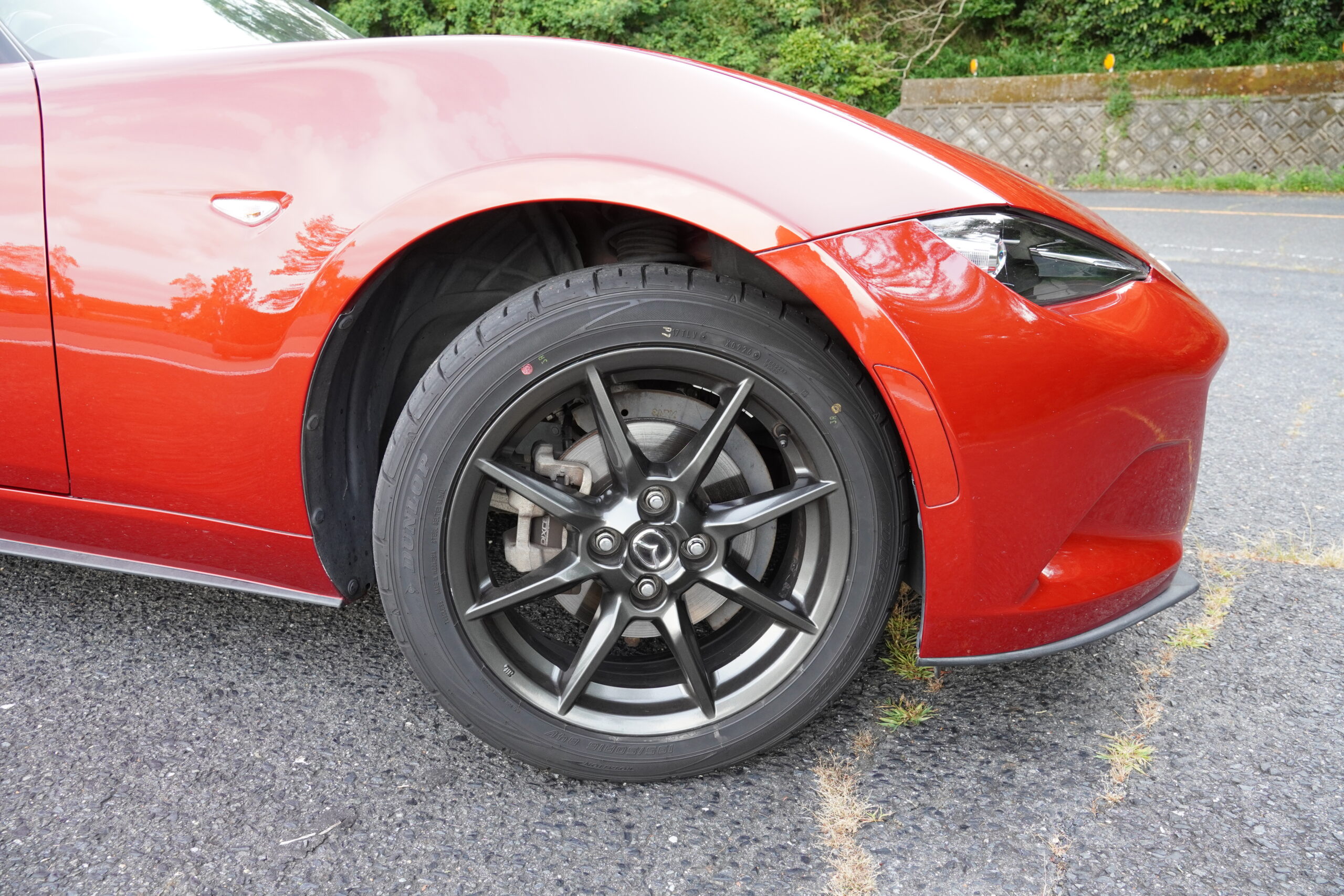
The true magic of Japan does not exist behind the glass of an express train window, nor does it wait inside packed tour buses following flagged guides through crowded city squares.
It lives along the winding mountain ridgelines of the Suzuka Skyline. It waits in the quiet, golden morning light reflecting off the stone canals of Omihachiman. It breathes through the open top of a lightweight sports car as you track the shoreline curves of Lake Biwa with the crisp autumn air in your face.
To experience Secret Japan, you need absolute freedom. You need the key to a machine built specifically for the thrill of the road.
When you are ready to turn your dream Japanese road trip into reality, step away from the mundane rental car counters offering bland compacts.
Head directly to Omoren Osaka Central (おもしろレンタカー大阪中央店).
Located conveniently in Osaka, Omoren Osaka Central specializes exclusively in pure Japanese domestic market (JDM) performance cars, iconic sports models, and impeccably maintained manual-transmission enthusiast vehicles. Whether you choose to slice through the autumn leaves of Shiga in a nimble Mazda Roadster (ND MX-5) or experience the sharp dynamic balance of a Toyota 86 / Subaru BRZ, your journey begins the moment you turn the key.
Your seat is waiting. The mountain passes are clear. Stop watching Japan pass by—take the wheel, drop the top, and drive it for yourself.
Book your ultimate JDM sports car experience today at Omoren Osaka Central (おもしろレンタカー大阪中央店) and unlock Secret Japan.