
There is an undeniable, synchronized harmony to Japan’s rail system. Having spent years wearing the uniform of a Kintetsu Railway conductor, I have an intimate, deep-seated reverence for the iron ribbons that crisscross this country. I know the exact rhythm of the steel wheels over rail joints, the disciplined precision of timetables calibrated down to the second, and the quiet satisfaction of guiding thousands of travelers safely through the Kansai region. Train travel in Japan is a triumph of human engineering and civil logistics.
Yet, for all its perfection, the railway carries an inherent limitation: it is bound by tracks.
When you sit on a train, you are a spectator to a carefully choreographed show. You see the world through tempered glass, moving along pre-determined corridors from Station A to Station B. But Japan’s true soul—its Secret Japan—does not reside near the concourses of major suburban interchanges. It hides in the folds of the misty Chugoku Mountains, along narrow asphalt passes carved through ancient cedar forests, and inside quiet satoyama villages where woodsmoke drifts from thatched roofs into the cool autumn air.
To truly unlock the heart of Kansai, you must step off the platform and get behind the wheel. Starting a journey from Osaka by car completely rewrites your relationship with the Japanese landscape. The city’s dense, towering urban sprawl gives way within forty minutes to rolling hills, winding river basins, and historical valleys that remain completely inaccessible to the typical rail tourist.
Driving in Japan transforms travel from passive observation into active exploration. When you take control of a sports car, every elevation change becomes a conversation between your tires and the asphalt. Every hairpin turn opens up a view that no tour bus could ever reach. You gain the freedom to stop at an unmarked roadside shrine nestled beneath a 500-year-old ginkgo tree, to pull over at a family-run farm stand where the morning harvest is displayed on wooden benches, or to chase the morning fog as it rolls across the agricultural valleys of Tamba-Sasayama.
This is the philosophy of driving in Japan: it is not merely a method of transportation, but an immersive ritual of discovery.

2-Day Tamba-Sasayama Autumn Itinerary: Deep Dive
Day 1: Departing the Urban Grid for Satoyama Valleys
08:00 AM – Departure from Osaka
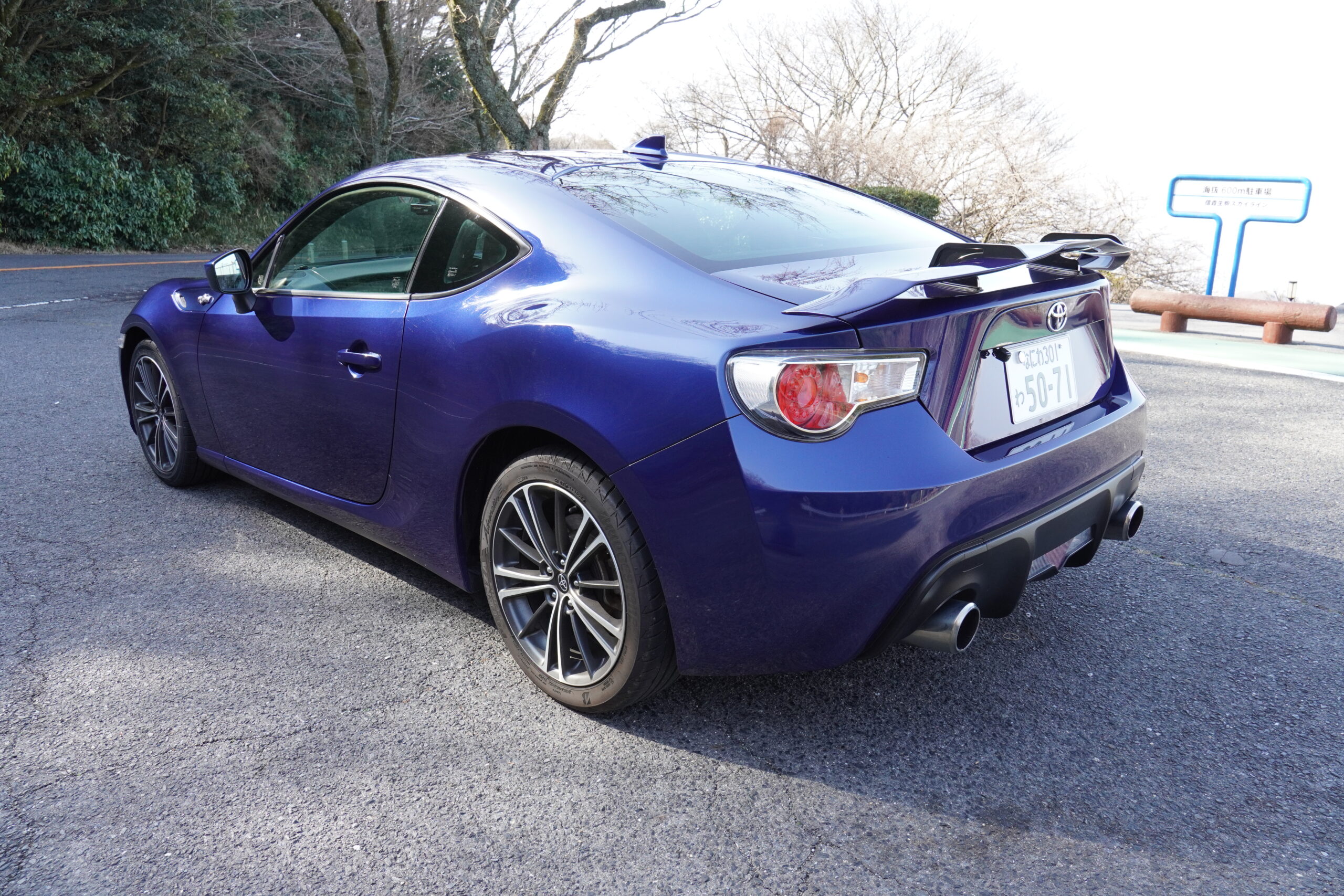
You slide into the low-slung bucket seat of a Toyota 86. The engine fires up with a crisp, mechanical purr—a sharp, responsive naturally aspirated boxer unit that promises direct mechanical feedback. The clutch pedal carries a satisfying, tactile weight under your left foot. Leaving the neon grid of central Osaka, you head north toward the Hanshin Expressway. As the city’s concrete canyons shrink in your rearview mirror, the flat urban landscape gives way to the rising green slopes of northern Hyogo Prefecture. Moving through the Chugoku Expressway interchange, the traffic thins, and the road opens up, inviting you to notch the short-throw shifter into sixth gear.
09:30 AM – Entering the Tamba Basin via Route 372
Leaving the highway at the Rural Highway interchange onto Route 372—known locally as the "Dekansho Highway"—the atmosphere changes instantly. The air grows noticeably cooler, carrying the rich, earthy scent of damp soil and fallen leaves.
The Toyota 86 thrives on these sweeping secondary roads. The steering is laser-precise, translating every ripple of the road surface through the compact leather wheel. The Tamba Basin is a geological marvel, surrounded on all sides by low-lying, ancient mountains that trap morning moisture, creating the region’s famous Tamba no Giri (Tamba fog). This unique microclimate—hot summer days paired with cool, mist-laden autumn nights—is the natural secret behind the world’s most prized agricultural yields.
10:30 AM – The Autumn Black Soybean Fields of Kawakita
You pull into Kawakita, the historical heartland for Tamba Kuro—the legendary black soybeans of Hyogo. October is the crucial harvest window for Edamame made from these young black soybeans. Unlike standard green edamame, Tamba Kuro beans are unusually large, plump, and mottled with subtle dark spots as they mature.
Walking along the narrow field paths, you hear the rustle of dry leaves and see farmers hand-cutting the heavy stalks. Purchasing a freshly harvested bundle directly from a local grower, you taste them boiled simply in salted water at a nearby roadside stall. The flavor profile is astonishing: deeply savory, rich in umami, with an almost creamy sweetness that defies standard agricultural descriptions.
12:30 PM – Historic Castle Town Exploration & Wild Boar Hot Pot
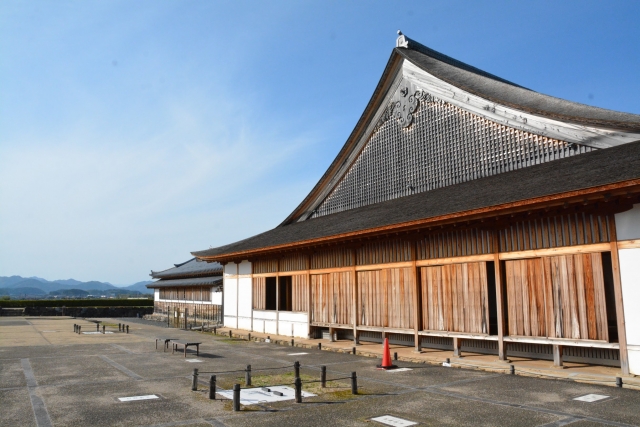
Driving into the heart of Sasayama Castle Town, you park the 86 in a quiet municipal lot framed by crimson Japanese maples. Built in 1609 by order of Tokugawa Ieyasu to encircle Osaka Castle, Sasayama Castle features massive, beautifully preserved stone walls (Ishigaki) that utilize dry-stone masonry techniques.
For lunch, walk down the preserved merchant street of Kawaramachi and step into a traditional Machiya townhouse to sample Botan Nabe (Wild Boar Hot Pot). This regional delicacy features thin slices of wild mountain boar arranged meticulously on a platter to resemble a blooming peony flower (Botan). Simmered in a rich, locally brewed miso broth with seasonal burdock root, wild mushrooms, and fresh Tamba leeks, the meat is incredibly tender, rich, and deeply satisfying—the ultimate mountain comfort food.
02:30 PM – Winding Through the Sasayama Mountain Passes
After lunch, strap back into the Toyota 86 and point its nose toward the surrounding mountain passes connecting Sasayama to the outlying pottery hamlets. Here, the low center of gravity provided by the boxer engine shines brightest. As the road tightens into technical S-curves and off-camber hairpins, you blip the throttle, drop down into third gear, and feel the chassis rotate effortlessly around corners.
The rear-wheel-drive platform offers sublime balance. You aren't chasing outright, dangerous speed; you are chasing mechanical engagement. The sound of the engine ringing out through the crisp autumn mountain air, paired with the sight of golden maple leaves dancing in the slipstream behind your rear spoiler, creates a purely visceral driving experience.
04:30 PM – Check-in at a Rural Satoyama Ryokan
Arrive at a converted Kominka (traditional wooden farmstead) Ryokan tucked deep within the outlying valleys of Tamba. These 150-year-old structures have been restored to blend rustic architectural heritage—exposed cedar beams, sliding shoji screens, and polished dark wood floors—with modern luxury.
As twilight falls, slip into an outdoor hot spring bath (Rotenburo). The steam rises into the chilled evening air as you look out over the darkened outlines of the satoyama mountains, listening to the soft murmur of a nearby mountain stream. Dinner is a multi-course Kaiseki feast featuring local Tamba chestnuts (Tamba Kuri), grilled sweetfish (Ayu), and Tajima wagyu beef cooked over white oak charcoal.

Day 2: Ancient Kilns, Mountain Passes, and Coastal Breezes
08:30 AM – Morning Fog Run through Tachikui
Wake early to experience the ultimate gift of a road trip: driving through the morning mist before the rest of the world wakes up. The roads surrounding Tachikui are completely empty. The Toyota 86 slices through patches of low-hanging fog, its headlights carving beams through the ambient gold of the rising sun.
Your destination is Tachikui, home to Tamba Yaki—one of Japan’s "Six Ancient Kilns" (Rokkoryu), with a ceramic production tradition stretching back over 800 years to the late Heian period.
10:00 AM – Discovering the Climbing Kilns (Noborigama)
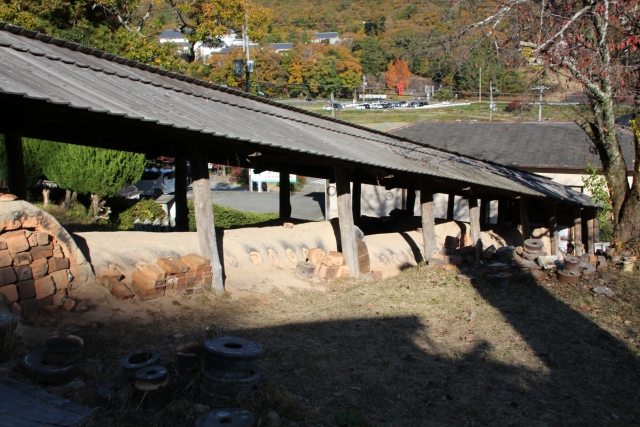
Tachikui stretches along a narrow mountain valley where smoke continuously drifts from historical Noborigama (sloped climbing kilns). Built directly into the hillside, these long, brick-and-clay structures use the natural incline to create a chimney effect, reaching temperatures exceeding 1,300°C over multi-day wood firings.
Wander through local artisan studios where master potters create pieces without artificial glazes. Instead, natural ash from pine firewood falls onto the unglazed clay during firing, melting to create unique, earthy iron-red and green glass markings known as Hai-kusuri. Select a handmade ceramic coffee cup—a tangible, enduring souvenir of your journey through Hyogo.
12:00 PM – Chestnut Cuisine & Village Lunch
Head to a small village bistro operating out of a thatched farm building. Autumn is peak season for Tamba Kuri (chestnuts), renowned throughout Japan for their exceptionally large size, firm texture, and deep sweetness.
Enjoy Kuri Gohan (seasoned rice cooked with whole fresh chestnuts) alongside crispy autumn vegetable tempura. The simplicity of the meal highlights the natural flavor of the harvest, capturing the quiet elegance of traditional rural Japanese dining.
02:00 PM – The Technical Challenge: Mikata Ridge & Route 12
Leaving the valley floor behind, set your route south via Route 12 and the technical elevation shifts of the surrounding ridge roads. This section of road is a playground for lightweight sports cars.
The Toyota 86 exhibits neutral balance through tight elevation changes. Heel-and-toe downshifts before corner entry become second nature as you work through second and third gear. The road climbs along sheer rock faces before dropping into dense bamboo groves where light filters through in golden stripes across the pavement.
Unlike riding a commuter train where the landscape rolls past as a flat video reel, here you feel every rise, dip, and camber shift directly through your seat and steering wheel.
04:30 PM – Riverside Coffee Break at Inagawa Valley
Before joining the highway back into urban Osaka, pause alongside the serene Inagawa River. Pull the 86 into a gravel turnoff where the river rushes gently over smooth river stones.
Take a moment to sit on the warm hood of the car, feeling the heat radiate off the engine while enjoying a hot can of coffee from a nearby roadside vending machine. The contrast between the silent, pristine countryside and the vibrant city waiting just over the horizon is the defining charm of driving through Kansai.
06:00 PM – Sunset Approach into Osaka
Re-enter the urban highway system as twilight turns the sky a deep shade of violet and orange. The Osaka skyline glitters in the distance, welcoming you back to the city grid after two days spent in Japan’s countryside.
Expert Advice & Cultural Nuances
Driving through Japan’s rural heartland provides a rare, authentic look into daily culture, provided you understand the subtle road etiquette and local customs that make motor travel so rewarding.
The Wonder of Michi-no-Eki (Roadside Stations)
Do not mistake a Japanese Michi-no-Eki for a standard highway gas station or western truck stop. These government-designated roadside rest areas are vibrant regional hubs that showcase local agriculture, food, and craft traditions.
In the Tamba-Sasayama region, stopping at Michi-no-Eki Ajiman gives you direct access to limited-run agricultural products that never reach city supermarkets, including fresh black soybean pods, artisanal chestnut paste, and local mountain jams.
Etiquette on Rural Roads
When driving through rural mountain passes (Toge), you will occasionally encounter slower local farming trucks or light commercial vehicles (Kei trucks).
Patience over aggression: Tailgating is considered incredibly rude and unsafe. Japanese drivers maintain generous follow distances.
Passing lanes: Only pass when explicit broken white lines are present and visibility is crystal clear.
The "Thank-You" Hazard Flash: If a driver pulls into a turn-out bay to let your sports car pass, give two brief flashes of your hazard lights once you pass them. This is the universal Japanese road sign for "Thank you."
Detailed Logistics & Pre-Trip Tips
Navigating Japanese roads in a sports car is a seamless and exhilarating experience once you master the logistical fundamentals.
Navigating Expressways & ETC Cards
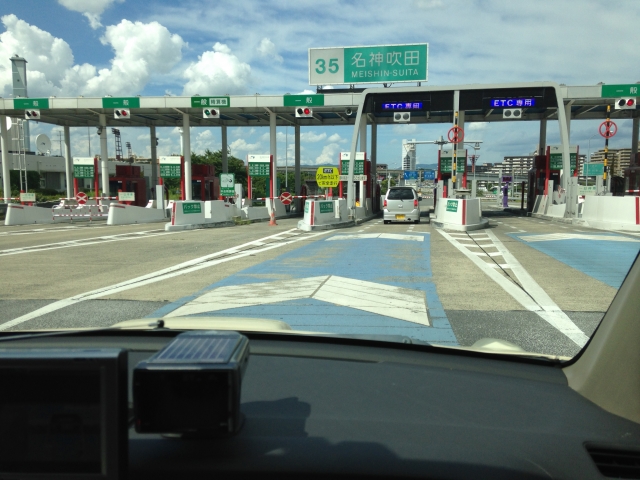
Japan’s high-speed expressways are pristine, well-maintained toll roads. While you can pay tolls with cash or credit cards at manual booths, utilizing an ETC (Electronic Toll Collection) Card is highly recommended.
When renting your vehicle, request an ETC card inserted into the in-car reader unit. As you pass through the blue ETC highway gates, slow down to 20 km/h; the wireless toll bar will lift automatically, tracking your toll fees electronically for easy payment when you return the car.
Fueling Up: The Gas Station Conversation
Full-service gas stations remain common throughout Japan. Knowing a few key phrases makes fueling simple and pleasant.
High-performance JDM sports cars like the Toyota 86, Subaru BRZ, or Mazda Roadster (ND) require High-Octane fuel (ハイオク - Haioku) to perform optimally and protect their high-compression engines.
Parking Regulations & City Etiquette
When parking in historical towns or cities:
Always park within designated lined bays. Street parking is strictly regulated in Japan.
Back into parking spaces. Reversing into spots is standard practice across Japan, ensuring safer exits when pulling back into traffic.
Use lock-restraint parking lots (Flap-style parking). These feature small mechanical barriers that rise beneath the car after a few minutes. To exit, enter your parking space number at the central payment machine, pay the required fee, and wait for the flap to lower completely before driving out.
Comprehensive FAQ
What driver's license documentation do I need to legally drive in Japan?
To drive legally in Japan, you must present three documents at the rental counter:
Your original valid physical driver's license from your home country.
A physical International Driving Permit (IDP) issued under the 1949 Geneva Convention.
Your physical passport.
Important Note: IDPs issued under the 1968 Vienna Convention or other formats are not recognized in Japan. Travelers holding driver's licenses from specific nations (such as Switzerland, Germany, France, Taiwan, Belgium, and Monaco) require an official Japanese translation of their home license provided by the Japan Automobile Federation (JAF) or their respective embassy, rather than an IDP. Always verify your specific country's legal agreement with Japan prior to travel.
Are manual transmission (MT) sports cars difficult to drive on Japanese roads?
Driving a manual sports car in Japan is remarkably intuitive. Japan drives on the left side of the road, meaning the driver's seat is on the right side of the vehicle. You will operate the short-throw manual gear shifter with your left hand. Because pedal placement (Clutch-Brake-Accelerator) remains identical worldwide, muscle memory takes over within ten minutes of driving. Roads are exceptionally well-paved, clearly signposted in English and Japanese, and local drivers are patient and respectful.
Is insurance coverage comprehensive for rental vehicles?
Yes. Professional sports car rental operations offer full-coverage insurance policies (Collision Damage Waiver / CDW and Non-Operation Charge / NOC coverage). This ensures complete peace of mind when navigating narrow rural mountain roads or maneuvering into parking spots.
What are the road conditions like in Tamba-Sasayama during autumn?
Autumn (October through late November) offers the finest driving conditions of the year. Roads are dry, crisp, and completely clear of snow or ice. Temperatures range comfortably between 10°C and 20°C, making it ideal for open-window driving or drops-down cruising in a convertible roadster.
The Final Thoughts: Take the Wheel of Secret Japan
Japan's ancient satoyama valleys, misty mountain passes, and hidden culinary sanctuaries are not meant to be glimpsed briefly through the tinted window of a passing train. They are meant to be experienced directly—with your hands gripping a leather steering wheel, your left foot controlling the clutch, and the crisp autumn air filling the cabin as a high-revving engine climbs past 5,000 RPM.
The true magic of Kansai lies beyond the city limits. It waits along the winding asphalt of Route 372, in the quiet clay studios of Tachikui potters, and over steaming pots of mountain broth in centuries-old timber townhouses.
When you are ready to trade tourist crowds for open mountain roads, your journey begins behind the wheel of an iconic Japanese sports car. Whether you choose the razor-sharp chassis balance of a Toyota 86, the precise handling of a Subaru BRZ, or the wind-in-your-hair freedom of a Mazda Roadster (ND), your ultimate Japanese road trip is waiting.
Reserve your ultimate JDM machine today at Omoren Osaka Central (おもしろレンタカー大阪中央店). Turn the key, step on the gas, and go discover the real Japan.