
For years, my life was measured in seconds, not miles. As a conductor for the Kintetsu Railway, I lived by the rigid precision of the timetable. My world was defined by the rhythmic clack-clack of iron wheels on steel tracks, the sterile announcements over the PA, and the thousands of faces that blurred past in a flash of grey, beige, and black. I was a guardian of the schedule, a servant to the iron veins of the nation. But even then, standing in the driver’s cabin or walking the carriages, I looked out at the rolling hills of the Kansai region and felt a profound, aching disconnect.
Trains are magnificent beasts of utility, but they are also cages. They dictate your pulse, your path, and your destination. They steal the serendipity of the journey. When you travel by rail, you see Japan through a glass window; you never feel it. You don’t smell the damp cedar forests after a summer rain in the Yoshino Mountains. You don’t feel the G-force of a perfectly apexed corner on a seaside road in Wakayama. You don’t hear the raw, guttural harmony of a naturally aspirated boxer engine bouncing off the stone walls of an ancient valley.
This is why I left the tracks behind. This is why I now spend my days surrounded by the smell of high-octane gasoline and the crisp, mechanical click of a short-throw shifter.
Driving in Japan—specifically, piloting a tuned piece of engineering like the Subaru BRZ or Toyota 86—is not just transportation; it is an intimate conversation between man, machine, and topography. Japan is a land of verticality, of winding mountain passes (toge) that were carved by history, not by highway engineers looking for the shortest path.
The "Secret Japan" isn't found at the end of a platform. It is hidden in the silence between the towns, where the guardrails are rusted, the vending machines are few, and the road turns into a ribbon of asphalt draped over the spine of a mountain. To drive here is to reclaim your agency. It is to find the places where the neon lights of Osaka fade into the ancient, emerald shadows of the Kii Peninsula. It is, quite simply, the only way to truly see the soul of this country.

Kii Peninsula: The 2-Day Itinerary: Deep Dive
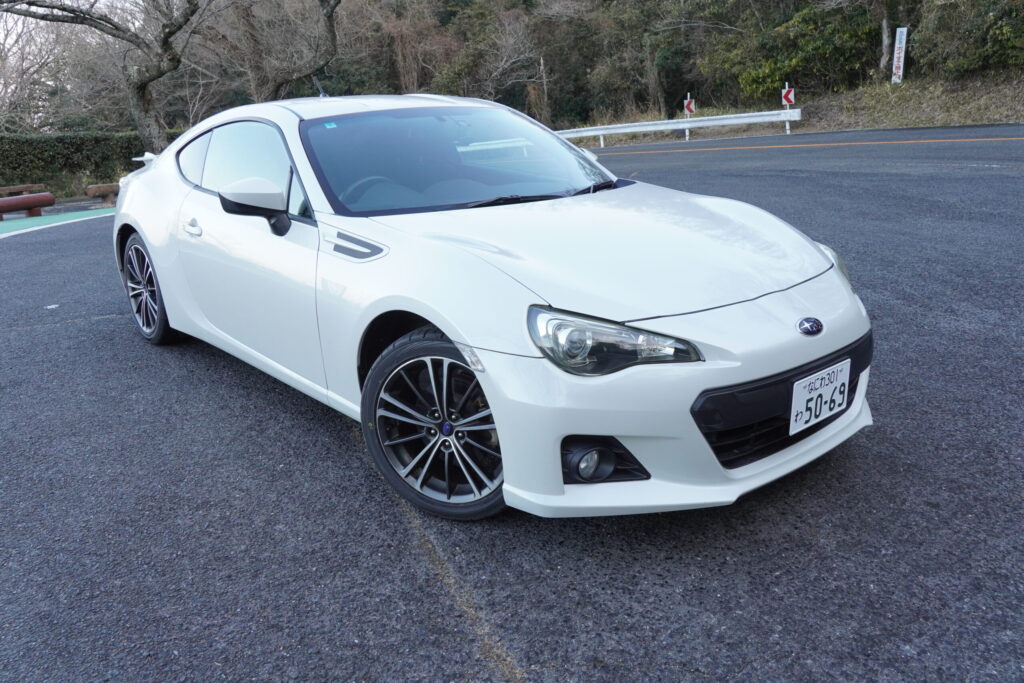
This is not a vacation; it is a pilgrimage. You are behind the wheel of a perfectly balanced machine, an 86 or BRZ, ready to carve through the heart of the Kii Peninsula.
Day 1: The Ascent into the Emerald Void
08:00 – The Departure from Osaka The city is still waking up, but you are already at the wheel. The cockpit of the 86/BRZ is snug, ergonomic—a cockpit designed for focus. As you pull away, feel the clutch bite. That’s the connection. You aren't a passenger anymore; you are a conductor of a different kind. Heading south on the Hanshin Expressway, the city skyline transitions from glass towers to the industrial sprawl of Sakai.
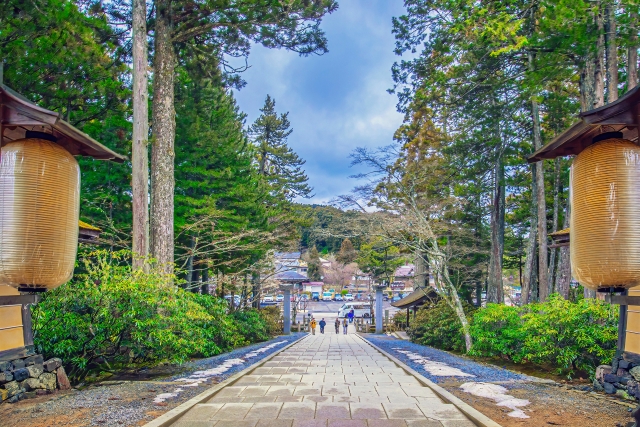
10:30 – The Gateway to the Gods: Mount Koya You leave the coastline. The road begins to tighten. This is the approach to Koyasan, the center of Shingon Buddhism. As you climb, the air drops in temperature. Your steering inputs become more deliberate. The BRZ’s chassis is telepathic here, communicating every pebble and camber change through the wheel. You’re not fighting the road; you’re dancing with it.
13:00 – Culinary Solitude Park in the quiet shade of a cedar grove. You’ll eat shojin ryori (Buddhist vegetarian cuisine). The meal is earthy, clean, and deliberate. It grounds you before the afternoon’s technical descent.
15:00 – The Ryujin Skyline This is the holy grail. The Ryujin Skyline is one of Japan’s most legendary driving roads. It is a serpentine ribbon that hugs the ridge of the mountains, winding through clouds that cling to the treetops like ghosts. With every gear change, the engine note rises—a metallic, mechanical symphony that fills the valley. The horizon is a jagged line of peaks, shifting constantly as you snake your way toward the coast.
18:30 – The Sunset of the South You reach the coast of Tanabe as the sun dips into the Pacific. The sky isn't just blue; it’s a bruised purple, gold, and deep, fiery orange. You park by the seawall. The car ticks as it cools, the sound of the metal contracting mirroring the settling of your own heartbeat.

Day 2: The Rugged Edge of the World
09:00 – The Coastal Haul The pace is different today. You’re tracing the southern coastline, where the Pacific Ocean crashes against jagged cliffs with a violence that defies the peaceful aesthetic of Kyoto’s gardens. Route 42 is your canvas. The road is sweeping, fast, and rhythmic. It’s an opportunity to lean into the car’s poise, letting the rear-wheel-drive platform do exactly what it was designed to do.
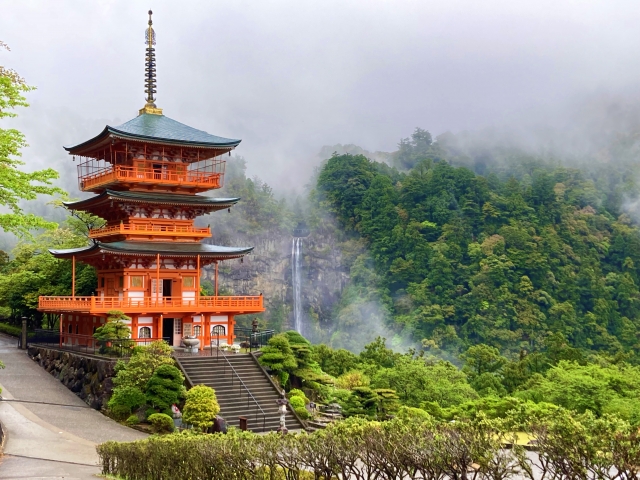
12:00 – The Spirit of Nachi You reach Nachi Falls, the highest waterfall in Japan. It is a thundering curtain of water, an ancient force of nature that makes you feel microscopic. The contrast between the roaring engine of your car and the roaring silence of the falls is visceral.
15:00 – The Return through the Hinterlands Instead of the highway, take the inland mountain roads back toward Osaka. This is where you find the real rural Japan. You’ll pass through hamlets where the primary traffic is an elderly farmer on a kei-truck. You’ll weave through tunnels carved by hand centuries ago.
19:00 – The Arrival Returning to Osaka, the lights of the city feel different now. You’ve seen the darkness of the mountains and the vastness of the sea. You’re not just a tourist; you’re a traveler who has earned his passage.
Kii Peninsula: Expert Advice & Cultural Nuances
Driving in Japan is an exercise in "Omotenashi"—the spirit of hospitality, even on the road.
- The "Michi-no-Eki" (Roadside Station) Culture: These are not your average gas station pit stops. They are cultural hubs. You’ll find the freshest local produce, regional delicacies, and often, incredible craftsmanship. Stop at every one you see. Buy the local honey, the pickled plums, or the handmade ceramics. It’s the best way to support the local economy.
- The Hazard Light Salute: If you merge into traffic and a driver lets you in, a quick double-flash of your hazard lights is the mandatory "thank you." It is the universal language of Japanese road etiquette.
- The "Slow-Down" Rule: When you see a local driving slowly, they aren't necessarily "bad" drivers. They are often enjoying the scenery or being cautious on narrow roads. Be patient. Never overtake in a tunnel or a blind curve.
- Coffee and Convenience: Convenience stores (konbini) are your fuel stops—both for you and the car. Always keep a few hundred-yen coins handy for parking or toll machines.
Kii Peninsula: Detailed Logistics & Pre-Trip Tips
Navigating Japan by car in 2026 is seamless if you respect the system.
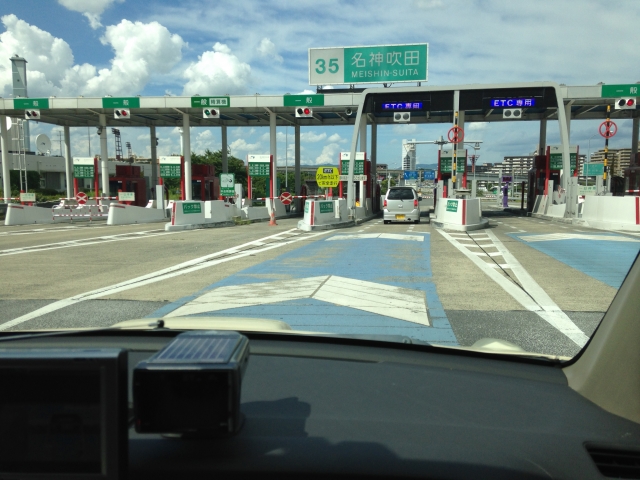
- ETC (Electronic Toll Collection): You must have an ETC card. It’s a small chip card inserted into the car’s reader. It allows you to breeze through toll gates without stopping. Without it, you’ll be fumbling with tickets and cash at every junction.
- The Gas Station Ritual: Most stations are self-service, but if you find a full-service one, simply roll down your window, say "Mantan, kudasai" (Full tank, please), and they will handle everything. Premium unleaded is "High-Octane" or "High-Oku."
- Parking: In cities, use the automated parking lots. Drive in, park, and the flap will rise to lock your car in place. Remember your space number; you’ll need to punch it into the central machine to pay before you leave.
- The JDM Experience: You’re likely driving an 86 or BRZ with a manual transmission. The roads in the mountains are narrow and technical. Respect the gearbox. Learn the rhythm of the road before you push the revs. The joy isn't in top speed; it's in the mastery of the machine.
Kii Peninsula: Comprehensive FAQ
- Do I need an International Driver's Permit (IDP)? Yes. You must possess a valid passport, your domestic driver's license from your home country, and an IDP issued in accordance with the 1949 Geneva Convention. You cannot drive without all three. Ensure your IDP is valid and reflects the class of vehicle you intend to drive.
- Is driving a manual car difficult in Japan? The roads are well-maintained, but they are often narrower than in the US or Europe. If you are comfortable with a manual, it is the best way to experience the Kii Peninsula’s mountain passes. Just stay mindful of the "keep left" rule—it’s easy to revert to "right-side" thinking when you’re tired.
- What about insurance? Never skimp on insurance. Accidents happen, and in a foreign country, you want the peace of mind that comes with full coverage, including Non-Operation Charge (NOC) protection.
- Winter driving? If you are traveling between December and March, be aware that mountain passes in the Kii Peninsula can have snow. Check your tire situation with the rental shop beforehand.
Kii Peninsula: The Final Thoughts
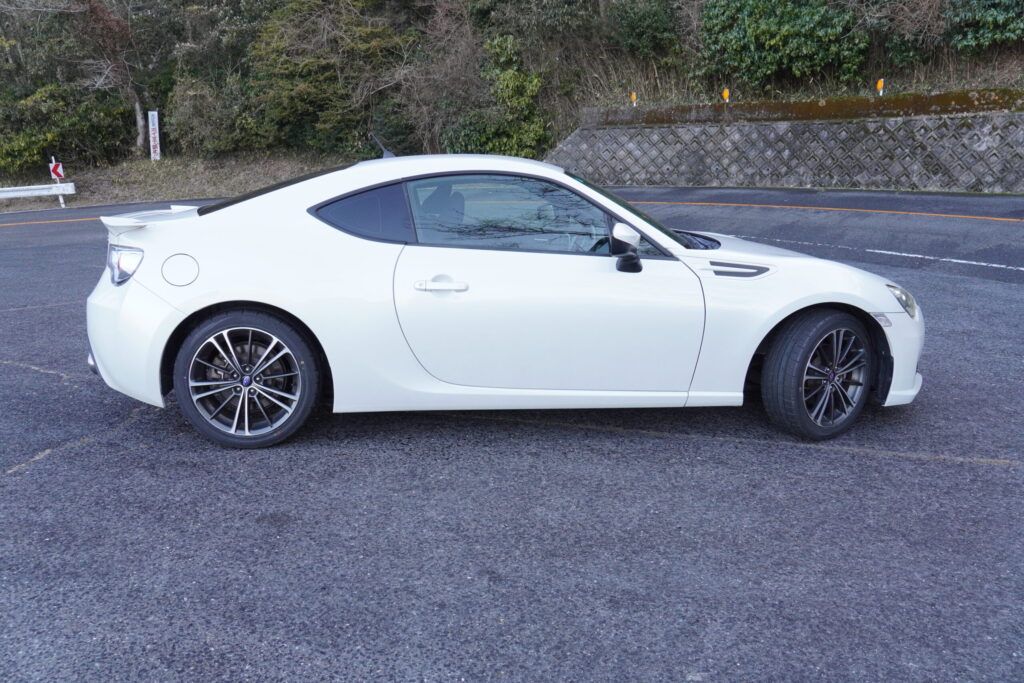
The Kii Peninsula is not a place you just visit; it is a place you conquer, one gear shift at a time. The mountain air is waiting. The Pacific waves are calling. And the perfect, boxer-engine roar of a car built for these roads is sitting ready for you.
Don't spend your time in Japan looking through a train window. Take the wheel, command your own journey, and find the Japan that most travelers never get to see. Your adventure starts at the Omoshiro Rental Car Osaka Central Store. We don't just rent cars; we provide the keys to your next great story. Visit us, grab the keys to an 86 or BRZ, and let the asphalt be your guide. The road is open—will you be on it?