
1. Running 86 in Miyamacho Kyoto: The Philosophy of Driving in Japan
As a former train conductor for Kintetsu Railway, I spent years strictly bound by steel rails, fixed timetables, and rigid station stops. I loved the rhythmic clack of the tracks, the precise engineering of Kansai's urban and intercity rail networks, and the quiet efficiency of Japanese transit. But steel tracks only run where mass transit demands. They carry millions through bustling corridors—from Osaka's radiant neon streets to the refined avenues of central Kyoto—yet they leave vast, mysterious regions completely untouched.
When you step out of the train conductor’s cabin and slide into the bucket seat of a pure sports machine like the Toyota 86, Subaru BRZ, or Mazda Roadster (ND), your relationship with Japan transforms overnight. Public transportation shows you Japan’s celebrated facade: the crowded shrines, the famous bullet trains, and the major metropolitan hubs. But driving into the mountains reveals "Secret Japan"—the quiet, pristine, and deeply authentic soul of the country hidden beyond the reach of train platforms.
Starting your journey from Osaka by car offers an unparalleled sense of liberation. Within an hour, the sprawling urban grid dissolves into emerald hills, winding rivers, and ancient mountain passes. Driving allows you to dictate your own pace, to pause when a sea of morning mist settles over a river valley, and to tackle technical mountain roads (tōge) crafted by nature and carved by centuries of rural history.
In a lightweight, rear-wheel-drive sports car, every corner becomes a tactile dialogue between driver, machine, and asphalt. You feel the mechanical feedback through the steering wheel, hear the atmospheric engine note echo off timber forests, and experience a Japan that static tour groups never know exist. Miyama in rural Kyoto is the ultimate destination for this spirit of discovery—a sanctuary where traditional thatched-roof villages (kayabuki) blend seamlessly with thrilling mountain twisties.

2. Running 86 in Miyamacho Kyoto: The 2-Day Itinerary: Deep Dive
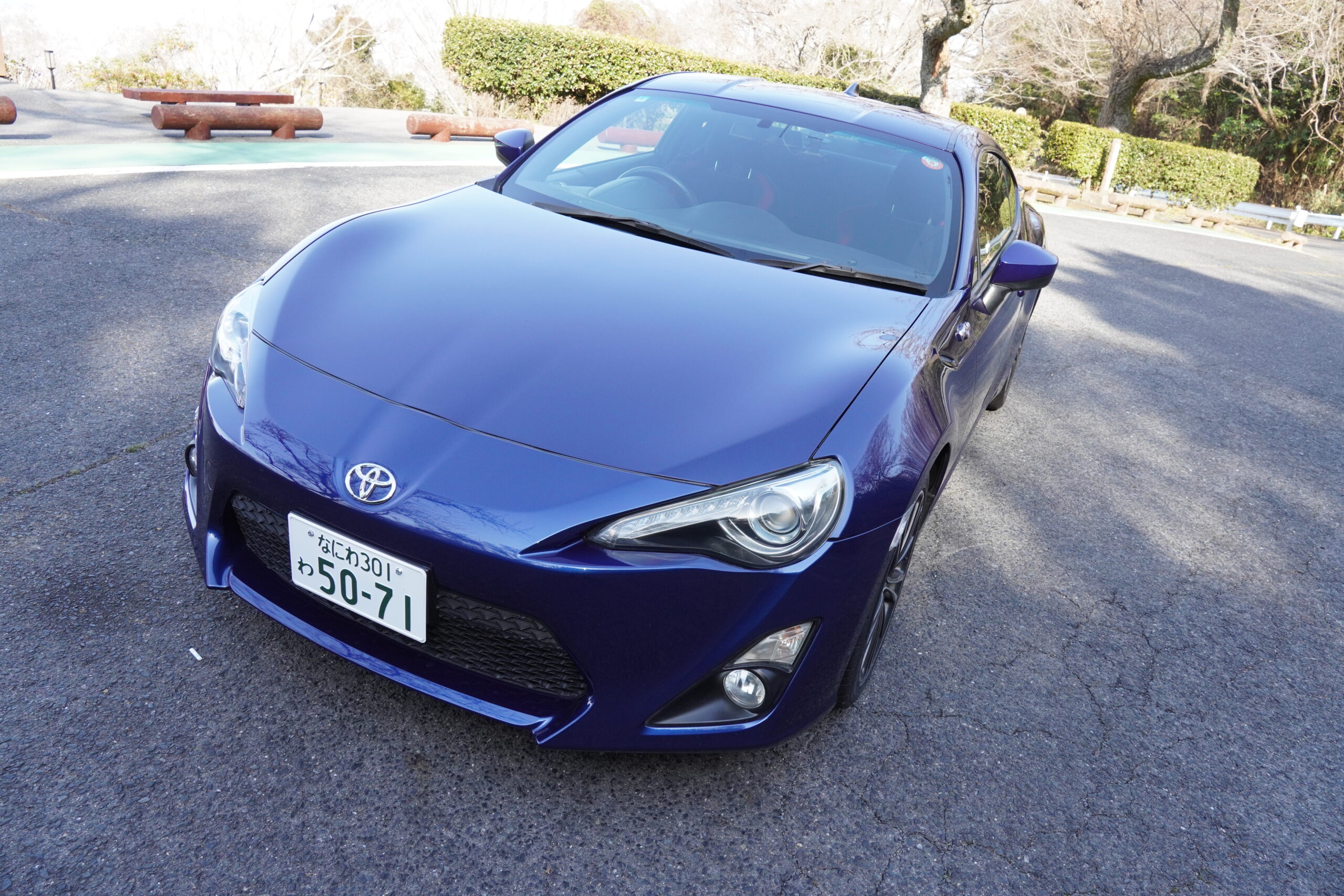
To truly appreciate the transition from urban energy to mountain serenity, this deep dive captures a two-day road trip from Osaka to the heart of Miyama, timed perfectly for the crisp air and vibrant colors of autumn.
Day 1: Conquering the Autumn Mountain Passes
07:00 AM – Departure from Central Osaka
The morning air in Osaka is cool as the city slowly wakes. Slipping into the driver's seat of a manual Toyota 86, the engine turns over with a throatiness that promises adventure. Settling the clutch and engaging first gear, you slip onto the elevated highways heading north. Leaving the urban jungle behind, the grey concrete bridges gradually give way to green forest walls as you head toward Northern Kyoto via Route 9 and Route 162.
09:00 AM – The Gateway: Route 162 and the Takao Winding Road
As you bypass central Kyoto city, Route 162—famously known as the Shuzan Kaido—begins to flex its muscles. This is legendary asphalt for driving enthusiasts. The highway winds upwards through Takao, climbing into towering stands of Kitayama polished cedar.
In autumn, the canopy above bursts into a spectrum of deep crimson, burnt orange, and gold. The Toyota 86 thrives here. Its balanced chassis and precise steering allow you to clip apexes with surgical precision. Lowering the side window, the crisp mountain air fills the cabin, carrying the scent of cedar pine and damp fallen leaves. Downshifting into second gear for a tight hairpin, the heel-toe rev match echoes off the rock walls, turning the climb into a pure symphony of mechanical harmony.
11:30 AM – The Descent through Shuzan Valley to Lake Miyama
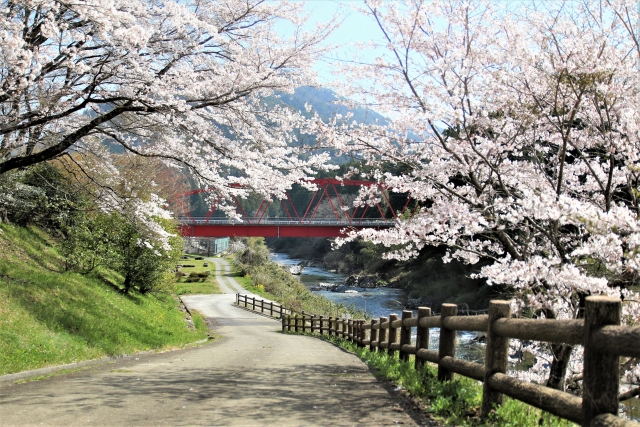
Passing through small agricultural hamlets, Route 162 flattens slightly into the Shuzan Basin before sweeping northward again along the crystal-clear Yura River. The road ribbons along the water, presenting long, sweeping curves that showcase the chassis stability of the lightweight RWD setup. You pass Lake Miyama (Ono Dam), where the lake surface reflects the fiery colors of the surrounding autumn ridges like a liquid canvas.
01:00 PM – Arrival at Kayabuki no Sato (Miyama Thatched Village)
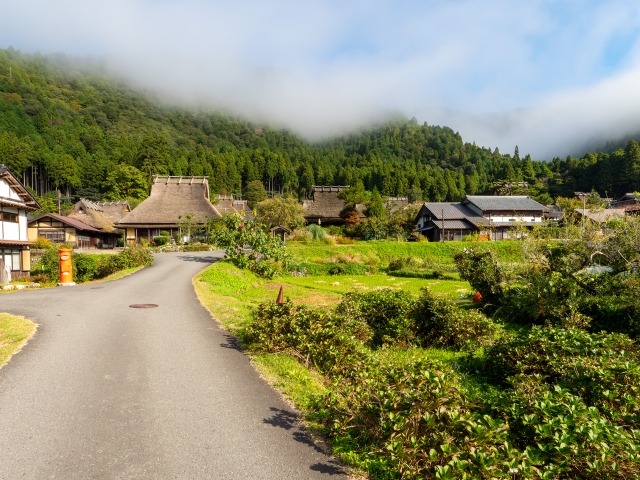
Arriving at Miyama’s famed Kayabuki no Sato, time seems to stop entirely. Nestled against dense mountain slopes, this traditional village contains one of the highest concentrations of historic thatched-roof houses (kayabuki) in Japan. Unlike heavily commercialized tourist spots, Miyama remains a living, breathing agricultural community.
Park the car at the designated lot near the Yura River and walk up the narrow stone pathways. The steep roofs, crafted from thick layers of pampas grass, are designed to withstand heavy winter snowfalls. In late autumn, red Japanese maples (momiji) frame the dark timber walls of these centuries-old structures.
Stop for lunch at a local village eatery to sample handmade Miyama Soba—buckwheat noodles crafted using fresh mountain spring water, served alongside crispy wild mountain vegetable tempura (sansai) gathered from the local hills.
03:30 PM – The Afternoon Run: Chisen-kyo Gorge
After exploring the village on foot, slip back into the driver's seat for an afternoon run along Route 38 toward the eastern bounds of Miyama. The road narrows into a technical mountain corridor alongside Chisen-kyo Gorge. Here, mossy canyon walls rise steeply on one side while white-water rapids cascade through mossy boulders on the other.
The tight twisties demand complete focus: braking hard before tight, blind corners, feeling the mechanical grip of the tires, and rolling smoothly back onto the throttle as the road opens up. Light filters through the maple leaves, painting warm patterns across the hood of your sports car.
06:00 PM – Evening Sanctuary: Local Ryokan and Fireside Feast
Check into a traditional village ryokan (Japanese inn) or a restored thatched farm-stay. As dusk settles over the valley, the mountain temperature drops sharply. Immerse yourself in a hot thermal bath, relaxing tired driving muscles, before sitting down to a authentic feast of Botan Nabe (wild boar hotpot sliced to resemble wild rose blossoms, cooked in rich local miso) and seasonal forest delicacies.

Day 2: Deep Winding Roads & Forest Exploration
08:00 AM – Early Morning Fog and the Ashiu Perimeter
Awake to early morning mist rolling over the thatched roofs. After a hearty rural breakfast of steamed rice, farm-fresh eggs, and grilled river trout, start the engine for a crisp morning run. Take Route 38 toward the edge of the Ashiu Primary Forest, one of the largest intact natural beech forest reserves in western Japan.
The tarmac here is smooth, damp, and technical. The cool, dense mountain air expands engine efficiency, offering sharp throttle response as you transition through rapid S-curves. The morning light cuts through rising fog bank clouds, illuminating yellow leaves that blanket the edges of the road.
10:30 AM – The Mountain Pass Loop (Route 477 to Sasari Pass)
For driving enthusiasts seeking real technical elevation changes, navigate toward Sasari Pass via Route 477. This narrow pass features tight single-lane switches, steep inclines, and hairpins framed by dense cedar trunks. It demands steady wheel control, careful gear management, and absolute respect for the road. The nimble chassis of an 86 or ND Roadster feels entirely at home here, effortlessly pivoting around tight curves where larger cars would struggle.
01:00 PM – Artisan Lunch and Milk Craft at Roadside Miyama
Descend back toward the main valley floor to Michi-no-Eki Miyama Fureai 広場 (Roadside Station). Enjoy a late lunch of grilled local chicken (Miyama Jidori) seasoned with native herbs, followed by a serving of famous Miyama soft-serve milk ice cream—crafted entirely from dairy cows raised in the surrounding mountain pastures.
04:00 PM – Sunset Return Descent to Osaka
As the late afternoon sun casts long shadows across the valley, begin the southward journey back toward Osaka. The return drive down Route 162 offers a completely different visual perspective in the golden light. As the mountain passes give way to suburban expressways, you transition back from peaceful rural sanctuary to the bright lights of the metropolis—carrying memories of mountain curves, crispy cedar air, and authentic rustic life.
3. Running 86 in Miyamacho Kyoto: Expert Advice & Cultural Nuances
Driving through rural Japan requires an appreciation for unique regional infrastructure, local roadside etiquette, and cultural subtle hints that make the journey memorable and seamless.
The Magic of Michi-no-Eki (Roadside Stations)
Japan’s national roadside station system (Michi-no-Eki) is a highlight of road trips across the country. These are far more than standard service areas; they serve as vibrant community hubs showcasing regional culture, fresh local produce, artisan crafts, and regional culinary specialties.
When driving through Miyama, stopping at Michi-no-Eki Miyama Fureai Hiroba is essential. Here you can sample fresh dairy products, purchase hand-carved timber souvenirs, grab regional maps, and chat with local drivers who often gather to showcase unique vehicles on weekend mornings.
Navigating Single-Lane Mountain Passes (Tōge)
In deep rural areas like Miyama, mountain pass roads often compress from two lanes into a narrow single lane (1.5-lane road). When encountering oncoming traffic on a narrow ridge:
Look ahead for wide pull-out spots marked with blue signs indicating a passing area (退避所 - taihisho).
If a spot is closer to you, pull over safely and allow the oncoming vehicle to pass.
Give a light, polite head nod or a brief flash of your headlights to acknowledge courteous drivers.
Japanese Hazard Light Etiquette
On Japanese highways and narrow mountain roads, hazard lights serve a unique cultural communication role:
The "Thank You" Flash: Flash your hazard lights once or twice after another driver lets you merge into traffic or yields to you on a narrow mountain section.
Traffic Jam Warning: Engage your hazard lights immediately when approaching the rear of sudden traffic slowdowns on expressways to alert drivers behind you.
4. Running 86 in Miyamacho Kyoto: Detailed Logistics & Pre-Trip Tips
Planning a seamless vehicle-based adventure through Japan requires an understanding of practical roadway logistics, fuel station protocols, and rental choices.
Navigating Toll Highways with Electronic Toll Collection (ETC)
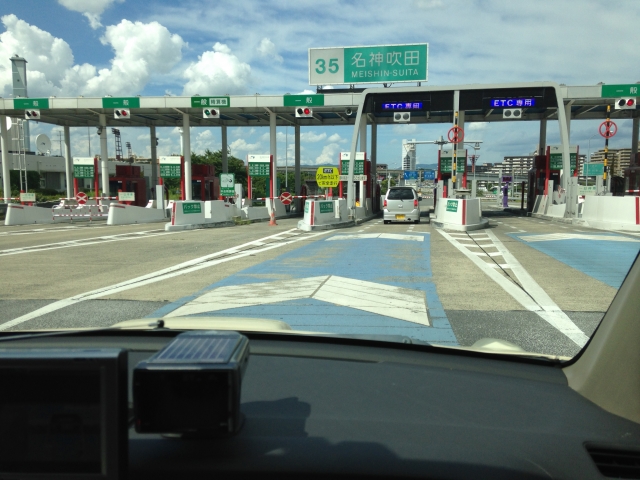
Japan’s highway network relies heavily on the ETC (Electronic Toll Collection) system. When renting your car, ensure you rent an ETC Card along with the vehicle.
How It Works: Insert the ETC card into the built-in reader unit inside the glovebox or center console before departing.
Toll Gates: When approaching highway toll plazas, enter the blue lanes marked ETC. Slow down to 20 km/h as the automatic barrier detects your card and opens smoothly without requiring a full stop. Tolls are calculated automatically and paid at the rental desk upon vehicle return.
Gas Station Conversations & Refueling Protocols
Gas stations in Japan operate in two ways: Full Service (フル) and Self Service (セルフ).
Full Service Protocol:
Attendants will guide you to a pump with hand signals. Open your window and use these straightforward phrases:
"High-octane, mantan de onegaishimasu" (High-octane premium gas, full tank please). Premium high-octane fuel is required for performance cars like the 86, BRZ, or ND Roadster.
"Genkin de" (Paying with cash) or "Kareditto kaado de" (Paying with credit card).
The attentive staff will often clean your windshield, offer a towel to wipe your dashboard, and guide you safely back into street traffic when leaving.
Parking Regulations in Rural Destinations
Designated Parking: In rural historic areas like Kayabuki no Sato, park only in designated public parking lots. Avoid parking on small agricultural access roads, as farm machinery requires constant clear access.
Reverse Parking Preference: Drivers in Japan back into parking spaces almost universally. It is considered safer, more orderly, and far easier when pulling out into traffic.
The Pure Joy of Driving a Manual JDM Icon
Driving a manual lightweight sports car like the Toyota 86, Subaru BRZ, or Mazda Roadster (ND) over Japanese mountain roads elevates a scenic trip into an unforgettable driver's experience. The tactile feel of short-throw gear shifts, light pedal modulation, and precise front-end turn-in allows you to connect directly with Japan’s legendary motoring heritage.
5. Running 86 in Miyamacho Kyoto: Comprehensive FAQ
What documentation is mandatory to drive legally in Japan?
To rent and drive a car in Japan, you must present three documents at the rental counter:
Your original valid driver's license issued by your home country.
A valid International Driving Permit (IDP) issued under the 1949 Geneva Convention. (Note: Permits under the 1968 Vienna Convention are NOT valid in Japan).
Your original Passport.
Drivers holding licenses from specific countries/territories (such as Switzerland, Germany, France, Taiwan, Belgium, and Monaco) require an official Japanese translation of their original license issued by JAF (Japan Automobile Federation) or their respective embassy, rather than an IDP.
For detailed driving license regulations and requirements in Japan, please refer to the official information provided on the rental company's website guide: [omoren.com/en/guide/license](https://omoren.com/en/guide/license).
Is driving a manual transmission car difficult on narrow Japanese roads?
While mountain roads can be narrow, Japanese traffic is exceptionally polite, predictable, and disciplined. Speed limits are sensible, and road surfaces are exceptionally well-maintained. If you have basic experience driving a manual transmission, handling a forgiving modern sports car like the Toyota 86 or ND Roadster will feel natural within an hour of driving.
What insurance coverage is necessary for a road trip?
Always select full cover comprehensive collision damage waiver (CDW) and Non-Operation Charge (NOC) protection options when picking up your vehicle. This ensures peace of mind when maneuvering tight mountain passes, unexpected gravel patches, or tight parking situations.
Can I drive to Miyama during winter?
From late December through February, Miyama receives snow and occasional icy road conditions. If traveling during these months, using snow tires (studless tires) is mandatory for safety. For pristine autumn road trips (October to early December), standard high-performance sports tires offer fantastic grip and feedback.
6. Running 86 in Miyamacho Kyoto: The Final Thoughts
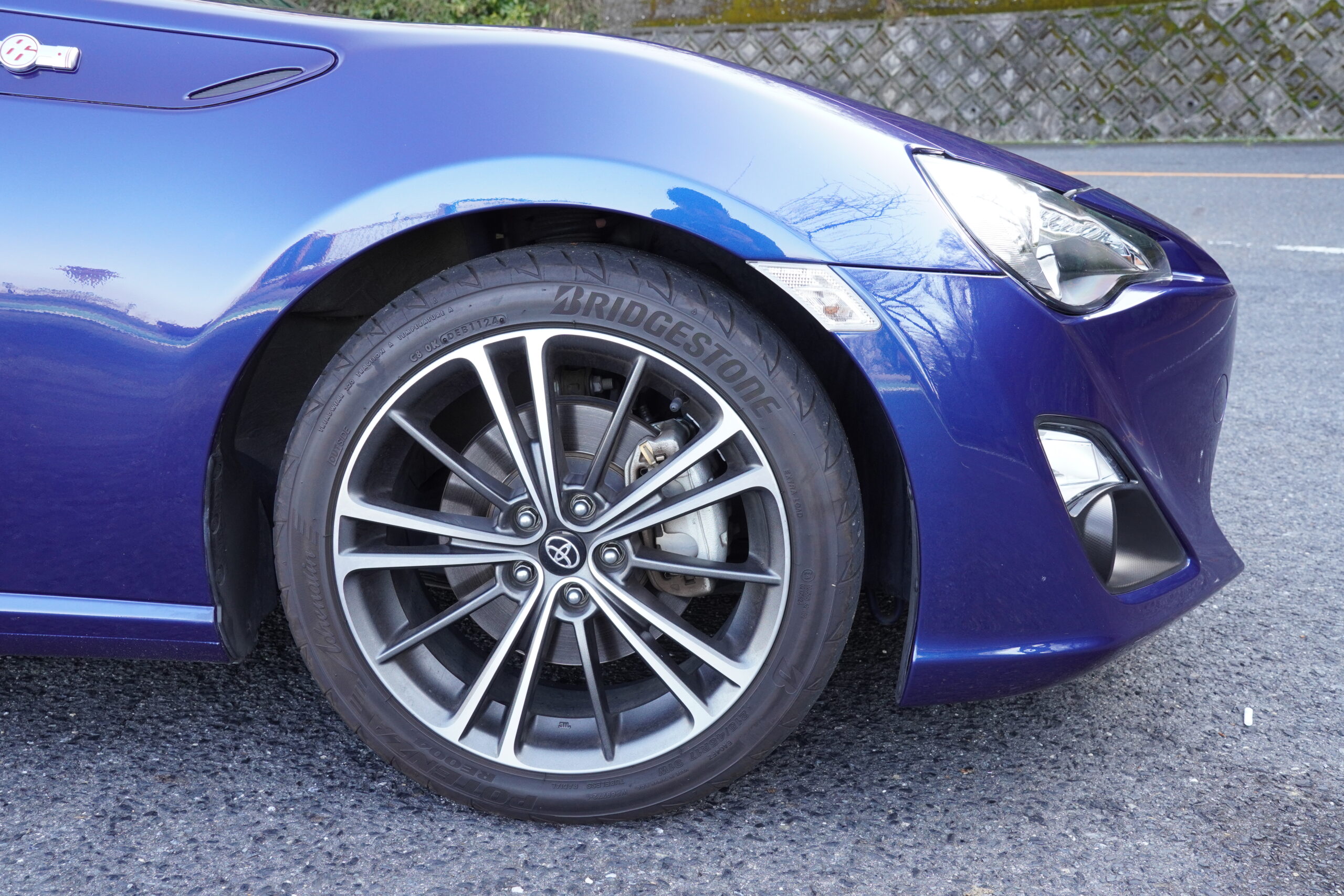
Public transit can show you the popular sights of Japan, but only a performance sports car unlocks its hidden soul. To feel the surge of acceleration as you scale autumn-colored mountain passes, to hear the throatiness of an atmospheric sports engine echoing through ancient forests, and to step out into serene historic villages before the tour buses arrive—this is the ultimate romance of travel.
Do not settle for viewing Japan solely through train window glass. Take the wheel, command your route, and carve your own path through the breathtaking wilderness of rural Kyoto.
Your machine is prepped, shiny, and waiting for you. Reserve your iconic manual vehicle at Omoshiro Rent-a-Car Osaka Chuo Branch today, turn the key, and set out to discover the Secret Japan you’ve always dreamed of exploring.