
As a former conductor on the Kintetsu Railway, my life was once defined by the rhythmic clack-clack of bogies on steel rails, the precise chime of station arrivals, and the structured, predictable flow of Japanese public transport. I spent years observing the beauty of the countryside through the rectangular frames of train windows—snapshots of rural life, fleeting and untouchable. Trains are undeniably efficient, the pride of Japanese engineering, but they possess a fundamental limitation: they follow the track. They dictate the narrative.
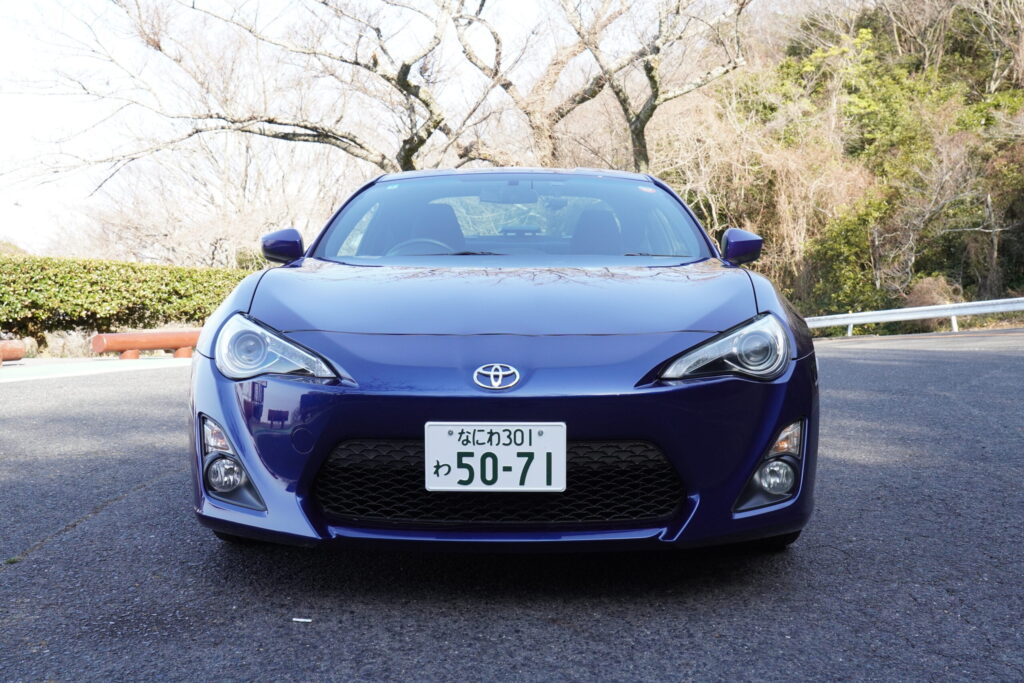
When you step behind the wheel, especially in a machine as communicative as the Toyota 86, the philosophy shifts from passive observation to active engagement. The rail line is a tether; the road is an invitation.
Driving from Osaka toward the northern reaches of Hyogo Prefecture—specifically the historic, willow-lined sanctuary of Kinosaki Onsen—transforms the journey into the destination itself. When you take the wheel of a rear-wheel-drive, naturally aspirated sports car like the 86, the sprawling expressways and the winding mountain passes of the Kansai region become more than mere conduits; they become your sensory playground. You feel the weight transfer as you enter a corner, the tactile feedback through the steering rack, and the mechanical symphony of the boxer engine rising to a crescendo as you carve through the mist-shrouded valleys of the Tajima region.
Public transport stops at the station. "Secret Japan"—the moss-covered shrines hidden in deep forests, the local ramen joints where the owner speaks only the local dialect, the dramatic cliffside overlooks where the Sea of Japan crashes against the jagged coast—is found only in the spaces between those stations. To reach Kinosaki Onsen by car is to peel back the layers of the Kansai region, trading the artificial schedule of the limited express for the raw, unfiltered pulse of the road.

Kinosaki Onsen: The 2-Day Itinerary: Deep Dive
Day 1: The Ascent into the Highlands
08:00 – Osaka Departure Your journey begins at the heart of Osaka. As you fire up the 86, the low, throaty rumble of the flat-four engine signals the departure from the urban sprawl. Navigate out of the city toward the Chugoku Expressway. The steering is sharp, weighted perfectly for the urban maze, but as the concrete towers of Osaka shrink in your rearview mirror, your pulse quickens.
10:30 – The Winding Ascent to Takeda Castle Ruins By mid-morning, you transition from the highway onto the secondary mountain roads leading toward the "Castle in the Sky," Takeda. This is where the 86 shines. The chassis, balanced with near-perfect precision, handles the switchbacks with an eagerness that makes you feel connected to every millimeter of asphalt. The road here is tight, demanding respect. As you climb, the air cools, smelling of pine needles and damp earth.
12:30 – Local Flavors and Hidden Horizons Stop in the town of Wadayama for a lunch of Tajima beef—a precursor to the legendary Kobe beef. Eat at a local shokudo where the menus are handwritten and the decor hasn't changed since the Showa era. Here, you are not a tourist; you are a traveler who arrived by choice, not by schedule.
15:00 – The Coastal Transition As you push north toward the Sea of Japan, the landscape shifts from lush mountains to dramatic, craggy coastlines. The road flattens out, offering long, sweeping curves that allow the 86 to stretch its legs. The color of the sea here is a deep, brooding indigo, starkly contrasted against the white-capped waves.
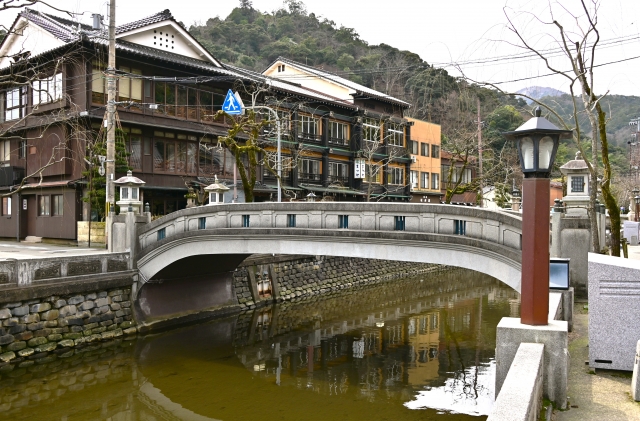
17:30 – Arrival in Kinosaki You arrive at Kinosaki Onsen as the twilight settles over the willow-fringed Otani River. Checking into your ryokan, you shed the driving gloves and slip into a yukata. The sound of wooden geta sandals clicking on stone pathways replaces the sound of the engine. Spend the evening bathing in the seven public hot springs, the water washing away the fatigue of the drive, leaving only the exhilaration of the road behind.

Day 2: The Edge of the Map
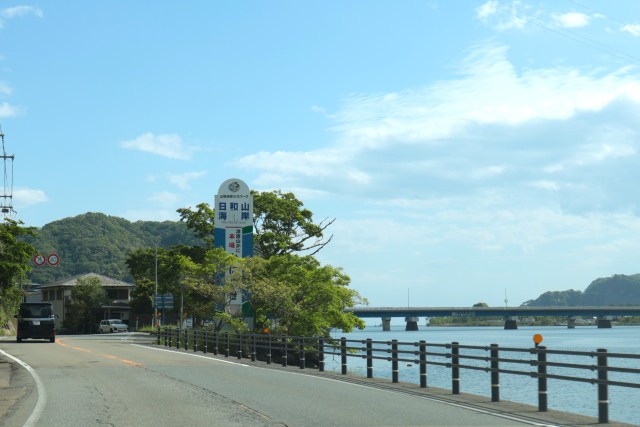
09:00 – The Coastal Run to Kasumi After a breakfast of grilled karei (flounder) and local rice, you head back out. The drive toward Kasumi is a driver’s dream. The road hugs the coastline, a series of tunnels and viaducts that offer heart-stopping views of the Sea of Japan. You are driving a machine designed for this—every downshift before a sharp coastal hairpin is rewarded by the sharp, crisp blip of the throttle.
11:30 – The Geopark Wonders Explore the San'in Kaigan Geopark. The geological history here—volcanic basalt formations and ancient rock layers—is millions of years in the making. In the 86, you have the freedom to pull over at any unmarked turnout to marvel at the sheer power of nature.
14:00 – The Mountain Descent The return journey to Osaka takes you through the Hyogo mountain heartland. The roads here are empty, the canopy of trees creating a tunnel of emerald light. This is your time to test your craft—maintaining momentum, hitting apexes, and feeling the precise mechanical engagement of the gear lever. It is a meditative experience, a dance between human and machine.
18:00 – Returning to the Neon Lights As you re-enter the glow of Osaka, the shift back to reality feels jarring. But you return changed. You haven't just visited Kinosaki; you have traversed the geography of the land, felt the elevation changes in your palms, and engaged with the spirit of the road.
Kinosaki Onsen: Expert Advice & Cultural Nuances
Japan’s Michi-no-Eki (Roadside Stations) are the unsung heroes of the Japanese road trip. Do not treat these as mere rest stops. They are cultural hubs where local farmers bring their freshest produce, artisans sell their crafts, and the regional cuisine is celebrated. Always stop at these to sample local pickles, fresh milk, or seasonal fruits.
When driving in Japan, remember the concept of omotenashi (hospitality) extends to the road. You will notice Japanese drivers are incredibly polite—they will rarely cut you off and will often thank you with a brief flash of hazard lights if you let them merge. Return the favor. Also, keep an eye out for small signs pointing to "scenic views." Often, the best shots are not on the main highway but down narrow, single-lane roads that a tourist bus would never dare to navigate.
Kinosaki Onsen: Detailed Logistics & Pre-Trip Tips
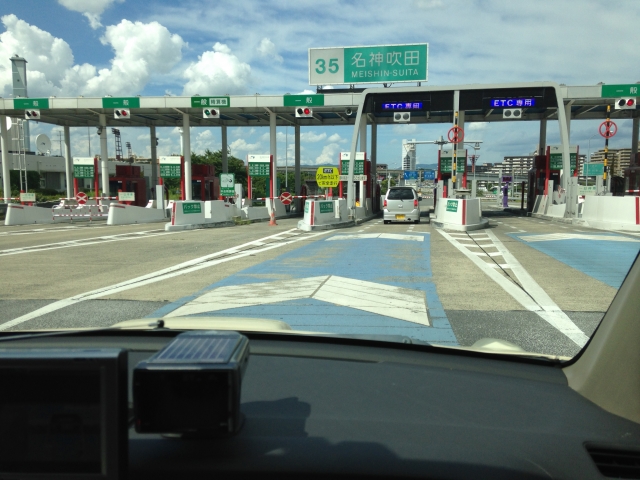
Driving in Japan is a privilege, not a hassle, provided you are prepared. Most toll roads now require an ETC (Electronic Toll Collection) card. Ensure your rental vehicle is equipped with one; it makes navigating the toll gates seamless.
Gas stations in Japan are an experience. When you pull up, you may see the word Mantan on the pump or hear the attendant ask it. It simply means "full tank." If you are in a self-service station, the touch screens can be daunting, but most have an "English" button. If not, don't be afraid to ask an attendant—a friendly "Sumimasen!" (Excuse me) and a smile go a long way.
Driving a manual transmission car like the 86 in Japan offers an unparalleled connection to the terrain. From the meticulous quality of the road surfaces to the clear, well-maintained signage, you will find that the Japanese infrastructure is built to be enjoyed by enthusiasts.
Kinosaki Onsen: Comprehensive FAQ
Do I need a special license? Yes. To drive legally in Japan, you must possess a valid driver’s license from your home country and an International Driving Permit (IDP) issued according to the 1949 Geneva Convention. You must carry your original home country license, your IDP, and your passport with you at all times while driving.
Is it difficult to drive a manual transmission car in Japan? If you are already comfortable with a manual, Japan is a paradise. The roads are well-marked, and the traffic laws are strict, leading to a very predictable and safe driving environment.
How is the insurance handled? Reputable rental agencies provide comprehensive insurance coverage. Always ensure you understand the details of the Collision Damage Waiver (CDW) and the Non-Operation Charge (NOC) before you sign the agreement.
What about winter driving? If you are planning to visit in the winter, be aware that the northern regions of Hyogo receive significant snowfall. Ensure your rental is equipped with winter tires or chains, and always check local weather reports before ascending into the mountains.
Kinosaki Onsen: The Final Thoughts
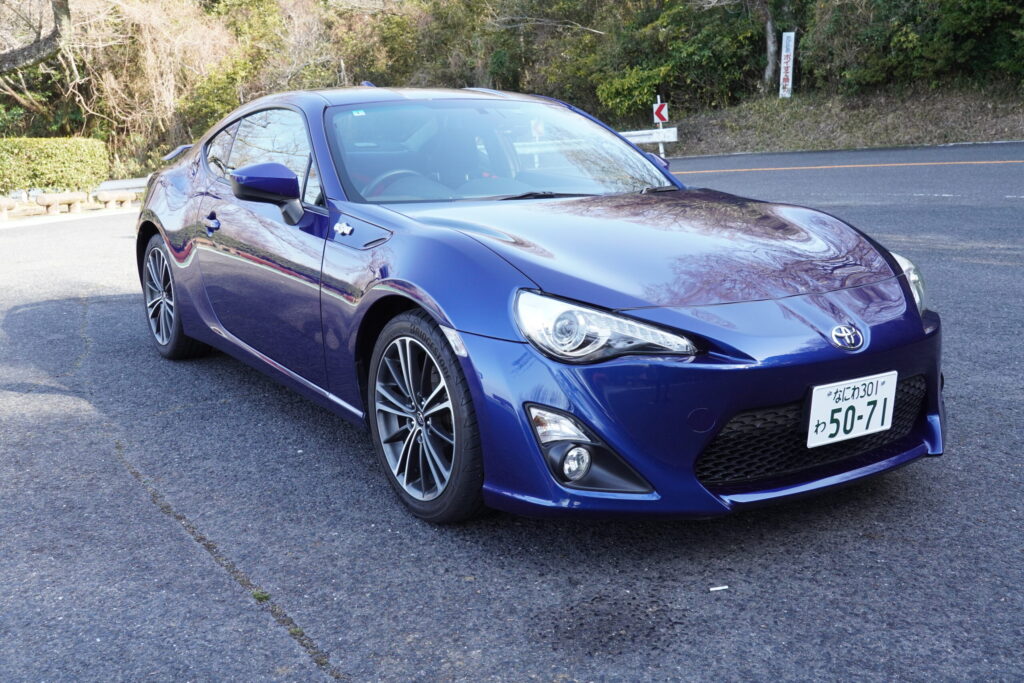
The road to Kinosaki is not just a route on a map; it is a narrative written in asphalt and engine revolutions. It is a story that begins in the bustling energy of Osaka and ends in the tranquil, timeless mist of the northern coast. But this story cannot be told from the seat of a train. It demands the tactile engagement of a true driver’s car, the freedom to explore, and the courage to take the turnoff that leads to the unknown.
Your 86 is waiting. The mountains are calling, and the sea breeze is waiting to greet you at the end of the winding path. Do not let another weekend pass by reading about the journey. Experience it. Contact the team at our Osaka central garage today to secure your machine, map out your route, and start the engine on your own Secret Japan adventure. The road is open—where will you take it?