
Oku-Ibuki Drive: The Philosophy of Driving in Japan
As a former conductor for the Kintetsu Railway, I spent years strictly bound by schedules, track geometry, and steel rails. Japan’s rail network is an absolute marvel of engineering—punctual to the second, seamlessly connecting bustling metropolises to charming rural towns. Yet, standing at the back of a train car, watching the landscape pull away, I constantly caught glimpses of narrow asphalt ribbons snaking away into foggy pine forests, disappearing over mountain crests where no train track could ever follow.
Public transportation in Japan shows you the famous landmarks, but driving opens the door to "Secret Japan"—the quiet, pristine, and thrilling spaces tucked beyond the reach of local bus schedules. When you base your trip in Osaka and head toward the mountainous interior, you step out of the predictable flow of tourist itineraries and gain total freedom over your journey.
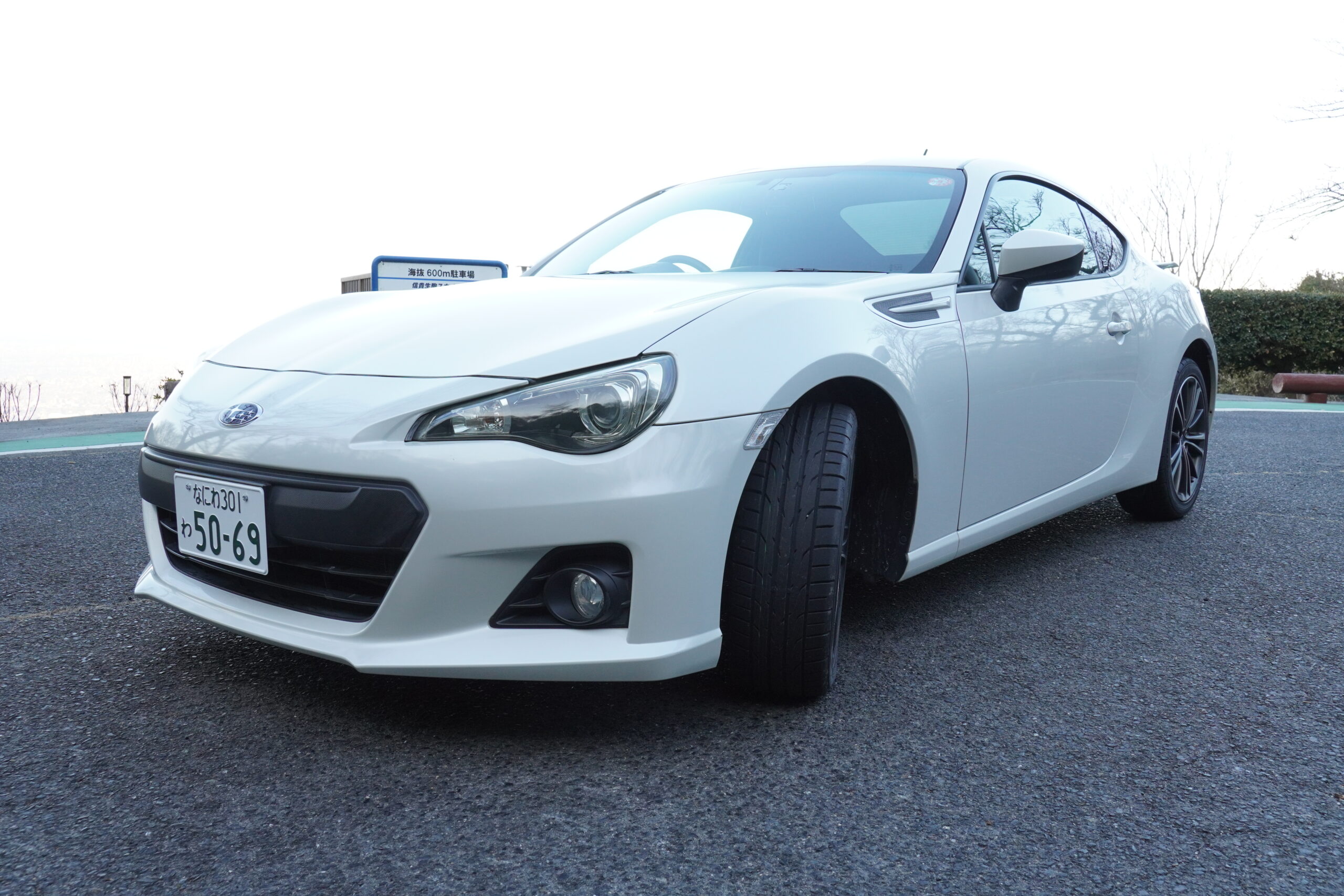
While taking a train gets you from Point A to Point B, taking the helm of a finely tuned Japanese Domestic Market (JDM) driver’s car—such as a Subaru BRZ, Toyota 86, or Mazda Roadster (ND)—turns the journey itself into the destination. Shiga Prefecture, anchored by the vast expanse of Lake Biwa and crowned by the rugged heights of Mount Ibuki, offers some of the finest driving terrain in Kansai. To experience the tight switchbacks, cool mountain air, and dramatic autumn foliage of Oku-Ibuki, you need four wheels, a manual transmission, and a spirit of adventure.

The 2-Day Oku-Ibuki Drive Itinerary: Deep Dive
Day 1: From the Urban Grid to the Shores of Lake Biwa and Mount Ibuki
08:00 AM – Osaka Departure
Your journey begins in central Osaka. Early morning is the ideal time to slice through the city’s complex elevated highways before the dense traffic builds up. Navigating onto the Meishin Expressway, the engine hums steadily as you leave the urban sprawling grid of concrete and neon behind. The transition from industrial corridors to open countryside happens rapidly once you cross into Shiga Prefecture.
09:30 AM – The Eastern Shore of Lake Biwa (Nagahama Coast Drive)
Location: Route 558 / Route 8 along Lake Biwa
Experience: Gliding along the eastern shore of Japan’s largest freshwater lake.
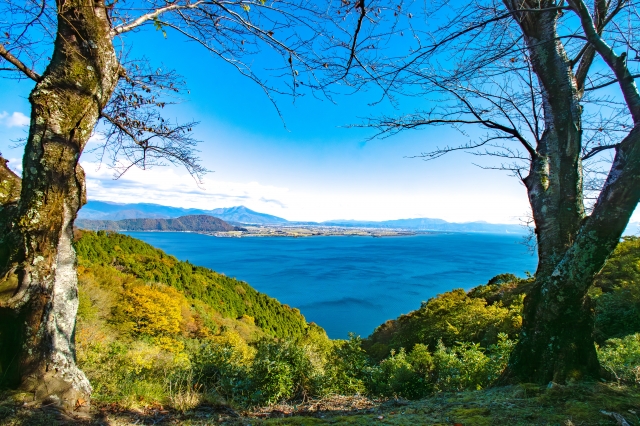
As you approach Nagahama, drop the windows slightly to let in the crisp, lake-cooled air. Lake Biwa formed over four million years ago, making it one of the oldest lakes in the world. The calm, mirror-like water reflects the surrounding mountain peaks, which begin to show brilliant patches of crimson, gold, and deep amber during autumn. Rolling along the coastal road gives you a smooth rhythm to warm up your driving instincts before hitting the tighter climbs.
11:00 AM – Nagahama Castle & Old Town Stroll
Location: Nagahama City, Shiga
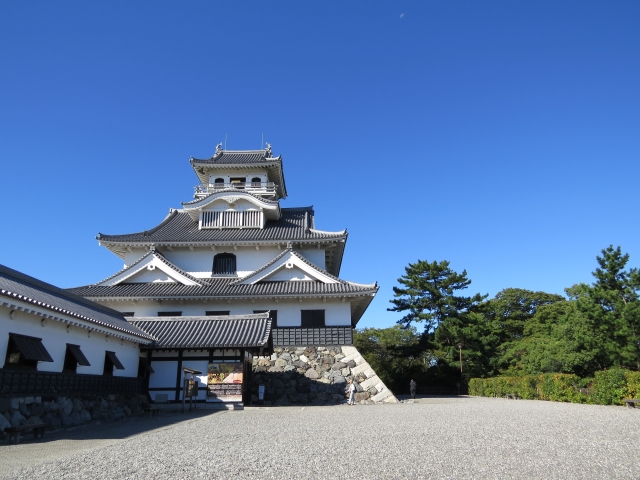
Historical Context: Founded in the late 16th century by Toyotomi Hideyoshi, one of Japan's great unifiers.
Park near Nagahama Castle Park. The current castle structure stands as a tribute to the original fortress that overlooked the strategic transport routes linking Western and Central Japan. Take a short walk through the Kurokabe Square, a historic district lined with preserved 19th-century black-plastered storehouses turned art galleries and glasscraft workshops.
Mid-Morning Refreshment: Enjoy a hot, freshly steamed Omi beef bun (Omi-gyu nikuman) from a local street vendor. The rich, marbled beef melts instantly, offering a savory fuel stop for the drive ahead.
12:30 PM – Ascent to Ibukiyama Driveway
Location: Ibukiyama Driveway Entrance (Maibara/Sekigahara area)
Road Profile: A toll road climbing up the flanks of Mount Ibuki (elevation 1,377 meters).
This is where the true driving experience begins. Shift down into a lower gear as you clear the toll gate and begin the ascent. Mount Ibuki is an ancient limestone mountain, famous in Japanese folklore and historical texts like the Kojiki. Its unique geology creates a rich biome supporting rare alpine flora and distinct weather patterns.
The Ibukiyama Driveway spans approximately 17 kilometers of continuous twists, sweeping arcs, and sharp hairpins. Driving a lightweight sports car like a Subaru BRZ or Mazda Roadster here reveals the brilliant balance of Japanese engineering. The precise steering feedback lets you feel every nuance of the tarmac, while the low center of gravity keeps the car planted firmly through tight corners. As you climb higher, the canopy of green oaks gives way to fiery Japanese maples (momiji).
02:00 PM – Peak Summit Lookout & Late Lunch
Location: Ibukiyama Driveway Parking Lot (1,260m elevation)
Sensory Details: Sweeping 360-degree views of Lake Biwa to the west and the Japanese Alps to the east.
Park at the summit station and take the short walking trail toward the actual peak. On a clear autumn afternoon, the cool mountain wind carries the sharp scent of cedar and damp earth. Looking back down, the driveway resembles a black ribbon coiled around the mountain peak.
Lunch: Stop by the summit rest house for a steaming bowl of Ibuki Soba. The region surrounding Mount Ibuki is considered one of the historic birthplaces of Japanese buckwheat cultivation, producing noodles with a deep, earthy aroma and firm bite.
04:00 PM – Descending into Oku-Ibuki & Countryside Routes
Location: Route 362 / Oku-Ibuki Valley
Begin your descent, utilizing engine braking to maintain control down the technical decline. Head northward deeper into the Oku-Ibuki valley. This area remains sparsely populated, characterized by traditional thatched-roof homes, cold mountain streams, and dense forests that glow brightly in the late afternoon sun.
06:30 PM – Ryokan Check-in & Kaiseki Dinner
Location: Northern Lake Biwa / Oku-Biwa Onsen Region
Experience: Traditional hot spring relaxation after a full day on the road.
Check into a traditional Japanese inn (ryokan) near northern Lake Biwa. Park the car, step into a hot outdoor bath (rotenburo), and soak away the fatigue of driving. Follow this with a multi-course kaiseki dinner featuring hyper-local ingredients: funazushi (ancient fermented sushi native to Lake Biwa), seasonal wild mushrooms, and grilled local trout.

Day 2: The Northern Loop, Hidden Passes, and Return to Osaka
08:30 AM – Morning Start along Oku-Biwa Parkway
Location: Oku-Biwa Parkway (Route 514)
Road Profile: A scenic ridge road offering panoramic views over the northern tip of Lake Biwa.
Start the day early along the Oku-Biwa Parkway. The road winds along the elevated peninsula jutting into the northernmost section of the lake. Morning mist frequently hangs low over the water, creating a surreal, ink-wash painting aesthetic (sumi-e). The turns here are flowing and rhythmic, allowing you to maintain a satisfying driving pace through the autumn trees.
10:30 AM – Historic Shizugatake Battlefield & Chairlift
Location: Mount Shizugatake, Nagahama
Historical Context: Site of the pivotal 1583 Battle of Shizugatake between Toyotomi Hideyoshi and Oda Nobutaka's forces.
Take the open-air chairlift up to the peak of Mount Shizugatake. From the top, you can simultaneously view Lake Biwa to the south and the smaller, emerald-hued Lake Yogo to the north. The historical weight of the samurai battles that decided the fate of feudal Japan contrasts sharply with the serene landscape visible today.
12:30 PM – Lake Yogo & Local Culinary Exploration
Location: Lake Yogo (The "Mirror Lake")
Lunch: Enjoy local freshwater cuisine, such as Wakasagi (smelt) tempura or grilled sweetfish (Ayu), harvested directly from local waters. The delicate, crispy tempura provides a light, satisfying lunch.
02:00 PM – The Technical Inland Mountain Passes
Location: Route 303 & Route 365 through the Fukui/Shiga Border Valleys
Driving Dynamics: Technical S-curves, single-lane timber bridges, and smooth tarmac stretches.
Spend the afternoon exploring the border passes between Shiga and Fukui prefectures. These roads offer an authentic taste of Japanese rural driving (touge). The turns range from wide, banked sweepers to narrow technical bends lined with towering Japanese cedar trees. Driving a manual JDM vehicle here—working through heel-and-toe downshifts before turn-in and feeling the mechanical differential pull you out of the apex—delivers a pure connection between driver, machine, and road.
05:00 PM – Sunset Stop at Biwako Valley / Hira Mountain Range
Location: Western Shore of Lake Biwa (Route 161)
Visual Highlights: The sun setting behind the western mountain ridge, casting a deep purple glow across the surface of the lake.
As the day winds down, head down the western coast of Lake Biwa via Route 161. Stop at a roadside viewing area to watch the sky transition from fiery orange to twilight indigo across the water.
07:30 PM – Return Arrival in Osaka
Re-enter the Osaka urban network. The bright lights of the city welcome you back after two days spent completely immersed in the mountain wilderness and historical roads of Shiga.
Oku-Ibuki Drive: Expert Advice & Cultural Nuances
Understanding the "Michi-no-Eki" (Roadside Stations)
One of the greatest joys of driving through rural Japan is discovering the Michi-no-Eki. Far more than basic rest stops, these community-operated hubs serve as gateways to regional culture.
Local Produce: Farmers bring fresh morning harvests, from regional persimmons and chestnuts in autumn to rare wild vegetables (sansai).
Regional Snacks: Look for unique local treats like tochi-mochi (horse chestnut rice cakes) or soft-serve ice cream infused with local tea or fruit flavors.
Facilities: They offer exceptionally clean, free 24/7 restrooms, driving maps, and tourist information.
Cultural Etiquette on Japanese Roads
Hazards as Thanks: It is customary to flash your hazard lights twice to thank another driver who lets you merge or pull out from a side street.
Speed Limits & Pace: Speed limits in rural areas are often posted lower than western standards (40–50 km/h on mountain roads). Local drivers generally maintain a steady, smooth flow. Drive respectfully through small villages to minimize noise.
Narrow Mountain Passes (Rindo): Some mountain roads narrow down to a single lane with designated passing cutouts (daichishō). If you see an oncoming vehicle, pull into the nearest cutout on your side or yield to the vehicle coming uphill.
Oku-Ibuki Drive: Detailed Logistics & Pre-Trip Tips
Navigation & Toll Systems (ETC)
Navigating Japan by car is straightforward with modern technology, but understanding local systems is essential:
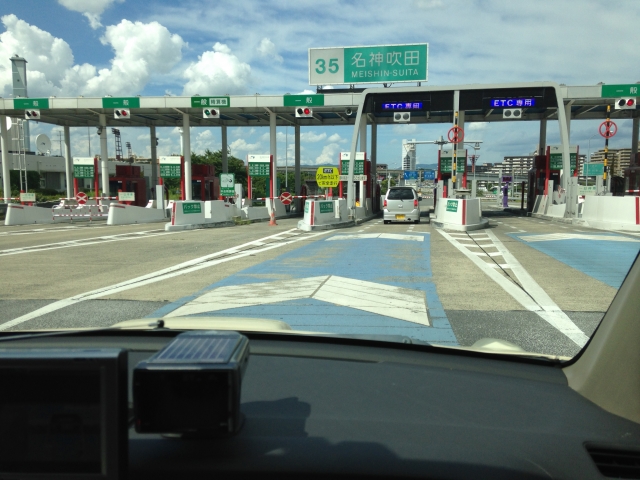
ETC (Electronic Toll Collection): Expressway tolls in Japan are frequent and can be complex. Ensure your rental vehicle includes an ETC card slot and rent an ETC card from your provider. This allows you to pass through dedicated ETC lanes at toll plazas without stopping to pay cash.
GPS & Navigation: Most rental cars come with built-in navigation units that support English. Setting destinations using telephone numbers or Mapcodes is often faster and more accurate than typing addresses.
Gas Station Communication
Refueling in Japan is an efficient, polite experience. You will encounter both full-service (yūjin) and self-service (seka) stations.
At a full-service station, an attendant will direct you. Helpful phrases include:
"High-octane, mantan de-gai shimasu" (Premium fuel, full tank please) — Essential for high-performance JDM engines like the BRZ or 86.
"Cashi de" (Cash) or "Card de" (Credit card).
Attendants will often clean your windshield and offer to take any garbage from your car.
Driving a Manual JDM Car
Driving a light, rear-wheel-drive sports car with a 6-speed manual transmission on mountain passes requires focus and smooth inputs. The short-ratio gearboxes in vehicles like the Subaru BRZ or Mazda Roadster respond instantly to subtle driver inputs. Keep your gear selection active to stay within the powerband when climbing, and rely on smooth steering transitions to maintain balance through technical mountain switchbacks.
Oku-Ibuki Drive: Comprehensive FAQ
What driver's license documentation do I need to drive in Japan?
To drive legally in Japan, you must present a valid physical International Driving Permit (IDP) issued under the 1949 Geneva Convention, alongside your original native driver's license and passport.
Important: Permits issued under the 1968 Vienna Convention are not accepted in Japan. Drivers holding licenses from specific countries (such as Switzerland, Germany, France, Taiwan, Belgium, and Monaco) must carry an official Japanese translation of their license provided by an authorized body (such as JAF) instead of an IDP. Always verify your eligibility prior to travel.
What insurance coverage should I select?
Always opt for full collision damage coverage (CDW) and Non-Operation Charge (NOC) waiver coverage when renting a sports car. This protects you against financial liability in the event of minor scratches or accidental damage while maneuvering in tight mountain areas or parking lots.
Can beginners handle manual transmission (MT) sports cars on Japanese mountain roads?
If you are rusty with a manual transmission, it is best to practice on flatter highways before attempting steep mountain passes like the Ibukiyama Driveway. Japanese mountain roads are well-maintained, but they feature tight turns, steep inclines, and narrow lanes that require confident clutch and gear control.
What are the road conditions in Oku-Ibuki during late autumn and winter?
In mid-to-late autumn, mountain roads are generally clear, though fallen wet leaves can reduce tire traction on tight corners. By late November or December, temperatures at higher elevations drop significantly, leading to snow and icy conditions. Many scenic toll roads (including Ibukiyama Driveway) close for the winter season, and remaining open mountain passes require snow tires or tire chains.
The Final Thoughts: Start Your Engine
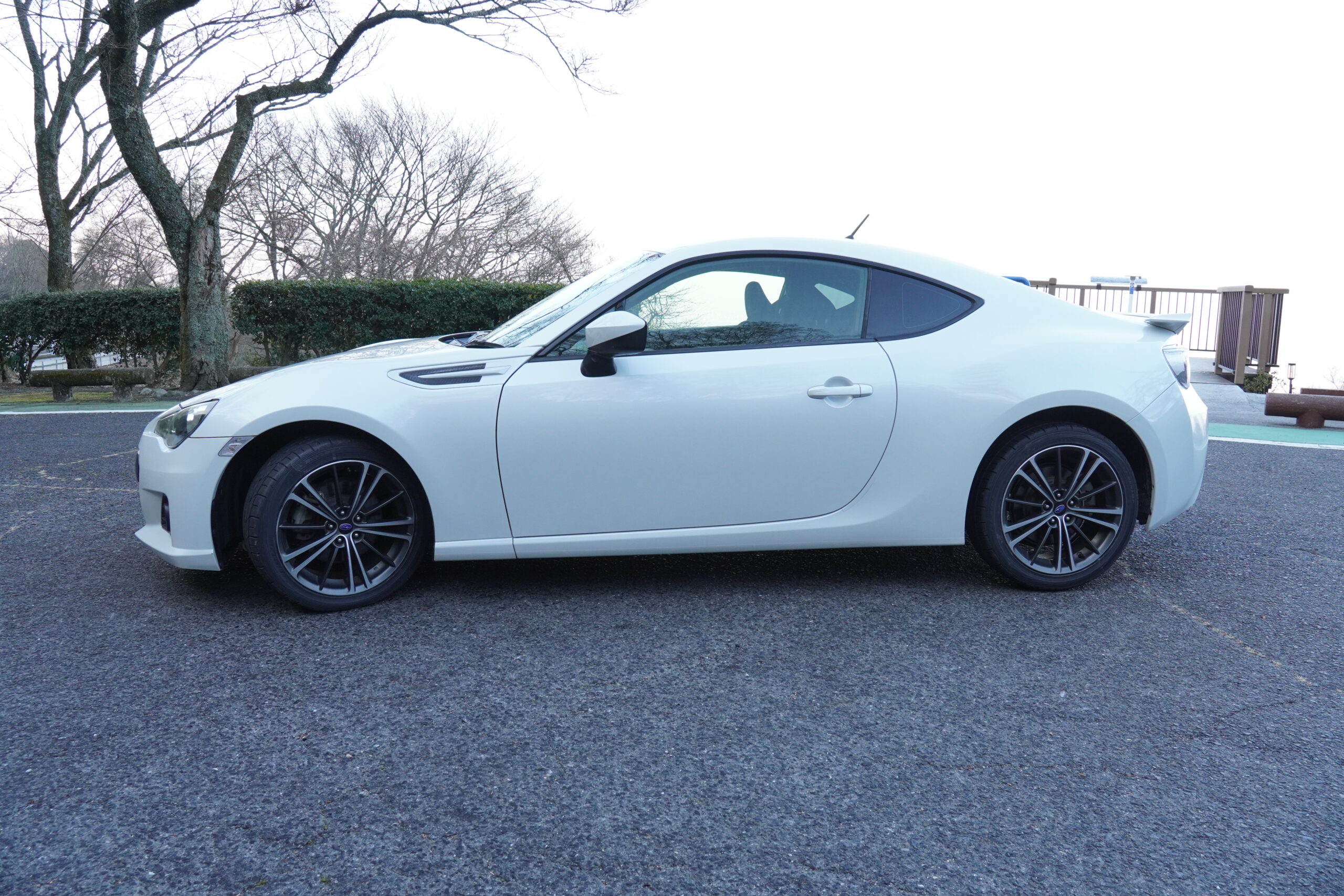
The true magic of Japan doesn't reveal itself from the window of a bullet train speeding past at 300 kilometers per hour. It shows up in the quiet moments between destinations: the smell of pine trees as morning mist clears over a mountain ridge, the satisfying mechanical click of a short-throw shifter, and the freedom to stop at a quiet roadside shrine hidden deep in the hills of Shiga.
When you take the wheel of an iconic Japanese sports car, you aren't just visiting Japan—you are actively engaging with its landscape, its roads, and its rich automotive culture. Pack your bags, secure your International Driving Permit, and prepare to discover a side of Japan that very few travelers ever get to see.