
1. The Philosophy of Driving in Japan: Beyond the Rails to Secret Japan
For over a decade, I operated from inside the stainless-steel driver cabs and conductor stations of Kintetsu Railway. I lived by the rhythm of precise timetables, safety calls, and rigid steel rails. Trains in Japan are a marvel of human engineering—punctual, hyper-efficient, and undeniably elegant. Yet, there is a fundamental truth that every rail conductor eventually realizes: trains are designed to transport people between fixed hubs. They are engineered to move masse from point A to point B along prescribed, unyielding vectors. They bypass the untamed, quiet, breathtaking spaces that lie in between.
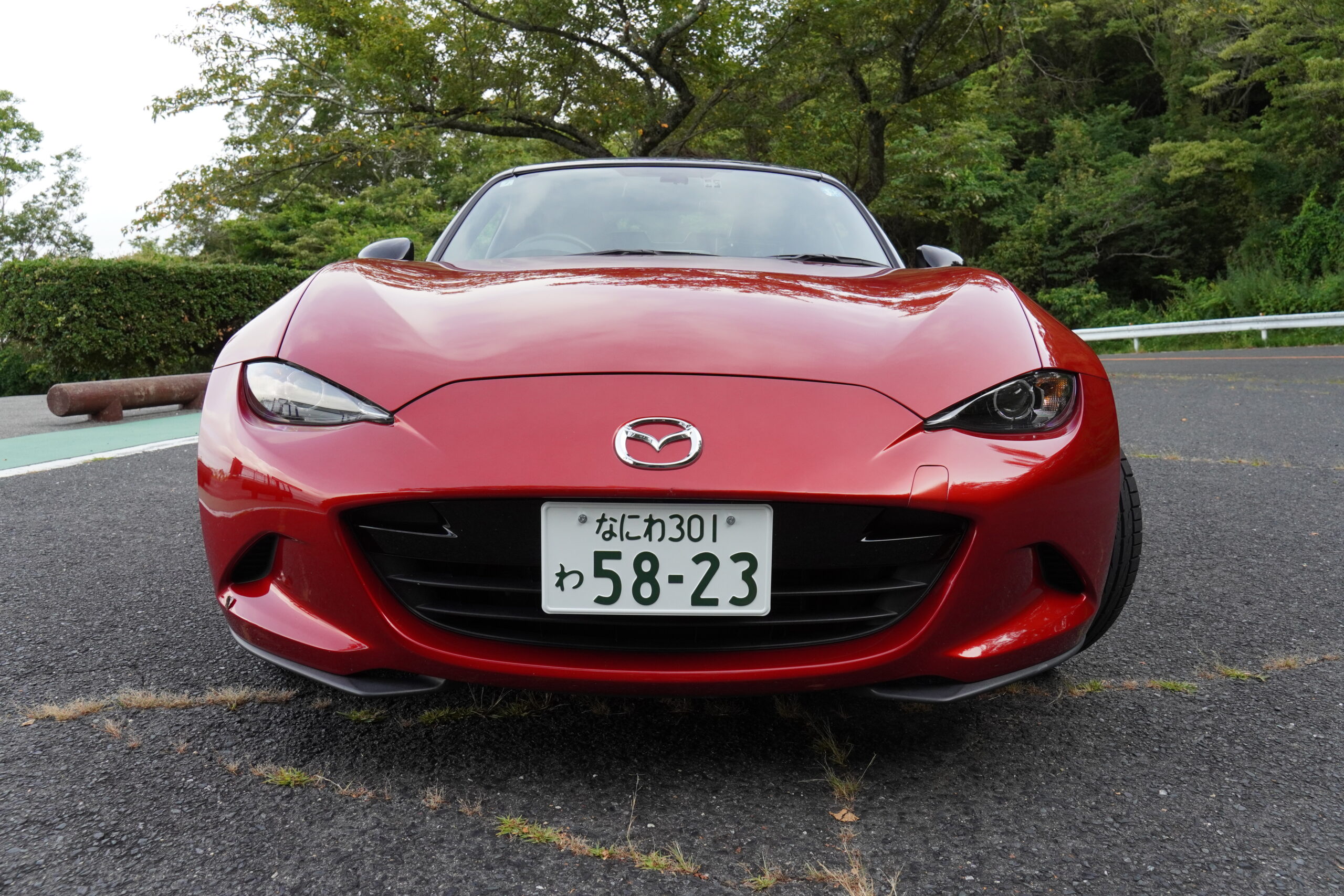
When you sit behind the wheel of a lightweight, perfectly balanced sports car—specifically a pure, rear-wheel-drive machine like the Mazda MX-5 Roadster (ND), Toyota 86, or Subaru BRZ—Japan completely reshapes itself before your eyes.
Leaving the urban sprawling grid of Osaka behind and heading west toward Hyogo Prefecture unlocks a realm inaccessible to the rail passenger. The train tracks might slice through a mountain range via dark, continuous tunnels, but the driver’s road winds over those very peaks, tracing ancient ridges, dipping into hidden fishing hamlets, and skirting coastal bluffs where the Seto Inland Sea laps lazily against jagged rocks. This is "Secret Japan"—a landscape defined by quiet coastal roads, secluded shinto shrines tucked into sea caves, roadside farm stands selling freshly harvested citrus, and mountain passes where the asphalt twists like a silk ribbon.
Starting your journey from Osaka by car grants you total autonomy over your itinerary. There are no train schedules to consult, no luggage lockers to search for, and no crowded platforms. You control the rhythm of the journey: dropping the convertible top of a Mazda Roadster ND to feel the cool, salt-laden sea breeze, revving a naturally aspirated engine through a tight third-gear sweeper, or pulling over at an unmarked coastal overlook just as the sky bleeds into brilliant shades of amber and violet.
For the true traveler, the journey is not merely the destination; it is the physical feedback of the pavement through the steering wheel, the mechanical click of a short-throw manual shifter, and the freedom to chase the horizon into the heart of historic Hyogo.

2. The 2-Day Coastal & Historic Itinerary: Deep Dive
Day 1: Departing Osaka to the Ancient Salt Gates of Ako
08:00 AM – Departure from Osaka
Your journey begins early in the morning as Osaka rubs the sleep from its eyes. Slipping into the low-slung bucket seat of your Mazda MX-5 ND, the ergonomic perfection of the cockpit immediately sets the tone. The mechanical tactile feedback of the short-throw 6-speed manual shifter, the perfectly spaced pedals designed for heel-toe downshifts, and the lightweight chassis promise an engaging drive.
Merging onto the Hanshin Expressway Route 3 (Kobe Route), you travel westward. As the urban high-rises give way to the coastal industrial architecture of Kobe, the impressive Akashi Kaikyo Bridge appears on your left—a masterpiece of suspension engineering spanning the Akashi Strait. Crossing into the Sanyo Expressway, you set your sights on western Hyogo.
10:00 AM – Arriving in Ako & Exploring Ako Castle Ruins (Ako-jo)
Taking the Bizen/Ako exit, the air changes instantly. The industrial hum of the highway yields to a fresh, maritime scent mixed with subtle earthy pine. You enter Ako City, a destination renowned across Japan for its historic samurai legacy and its centuries-old salt manufacturing industry.
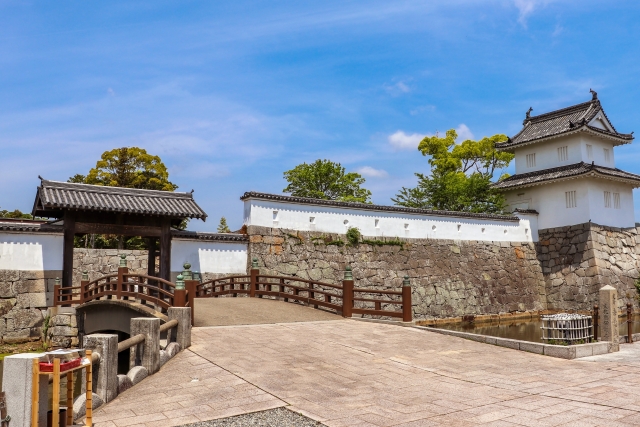
Park your car near the Ako Castle Ruins (Ako-jo). Constructed over a thirteen-year period starting in 1648 by Nagatomo Asano, this flatland castle features a unique, star-shaped defensive layout influenced by traditional Japanese military architecture and early Western bastion designs.
Walking through the meticulously restored Otemon Gate, you step onto gravel paths framed by pine trees and stone walls crafted using the Uchikomi-hagi technique—where natural fieldstones were carefully selected, cut, and fitted together without mortar.
Ako is famously the home of the 47 Ronin (Akaho Roshi), the masterless samurai who embodied the ultimate code of Bushido (the way of the warrior) in the early 18th century after their lord, Asano Naganori, was forced to commit ritual suicide (seppuku). Standing inside the residence ruins, you can feel the quiet weight of feudal history hanging in the air.
12:30 PM – Gastronomic Highlight: Ako Salt Ramen & Seto Inland Seafood
Driving through Ako quickly reveals that salt is not merely a condiment here; it is the soul of the region's culinary culture. Thanks to the calm, warm waters and minimal rainfall of the Seto Inland Sea, Ako developed coastal salt pans (Shioden) during the Edo period, producing high-purity, mineral-rich salt prized throughout the country.
For lunch, drive down toward the port district to sample local Ako Shio Ramen (Ako Salt Ramen). Unlike heavy pork-bone (tonkotsu) broths, Ako salt ramen features a translucent, crystal-clear soup made from a delicate balance of sea salt, local kelp (kombu), and chicken stock.
Pair your noodles with locally caught winter oysters (Ako-gaki)—plump, sweet, and perfectly poached in salted ocean water—or freshly grilled red sea bream (Tai). The clean, savory flavors linger on the palate, refreshing you for the drive ahead.
02:00 PM – The Coastal Masterpiece: Driving Route 250 & Misaki Drive
Now comes the driving highlight of the afternoon: Route 250, locally celebrated as the "Seaside Road." Dropping the soft top of the MX-5 ND takes less than three seconds. With the sky wide open above you and the Seto Inland Sea shimmering to your left, you shift into gear and tackle the coastal curves heading toward Ako Misaki (Cape Ako).
Route 250 hugs the intricate, rias-style coastline. The road carves through dramatic sea cliffs, offering a continuous series of sweeping third-gear curves, quick second-gear hairpins, and elevation changes. The Mazda Roadster shines brightly here; its 50:50 weight distribution and communicative steering respond to the subtle inputs of your hands, making the car feel like a natural extension of your body. The exhaust note echoes softly off the rock faces as you heel-toe downshift into tight apexes.
04:00 PM – Sunset at Iwatsuhime Shrine & Ako Misaki
Pull off Route 250 at Ako Misaki and park near Iwatsuhime Shrine. This ancient shrine, dedicated to the goddess of the sea and safe voyages, features a striking stone Torii gate positioned directly on the coastal rocks facing out across the water.
Walk down the stone pathways toward the ocean as the late afternoon sun begins its descent. The Seto Inland Sea is dotted with small, pine-covered islands like Iwaishima and Mokujima. As the sun dips lower, the sky turns brilliant hues of crimson, magenta, and deep orange, casting a golden reflection across the quiet waters. The ocean calm here contrasts with the open Pacific Ocean—the inland sea resembles a vast, glassy lake rimmed by mountain silhouettes.
06:30 PM – Traditional Seaside Ryokan & Onsen
Check into a coastal Ryokan (traditional Japanese inn) along the cliffs of Cape Ako. Slip into a lightweight cotton Yukata and head down to the outdoor hot spring baths (Rotenburo). The mineral-rich thermal waters of Ako Onsen are renowned for their soothing properties.
Floating in an infinity-style hot spring bath overlooking the sea, listening to the gentle rhythm of water against the shoreline rocks, the fatigue of the road washes away completely. Dinner is a lavish multi-course Kaiseki banquet showcasing seasonal seafood: sashimi platters of sea bream and flounder, salt-crusted grilled local fish, and seasonal vegetable hot pots.

Day 2: Winding Mountain Passes, Historic Ports, and the Return Trail
08:30 AM – Morning Coastal Drive & Kirakira Zaka
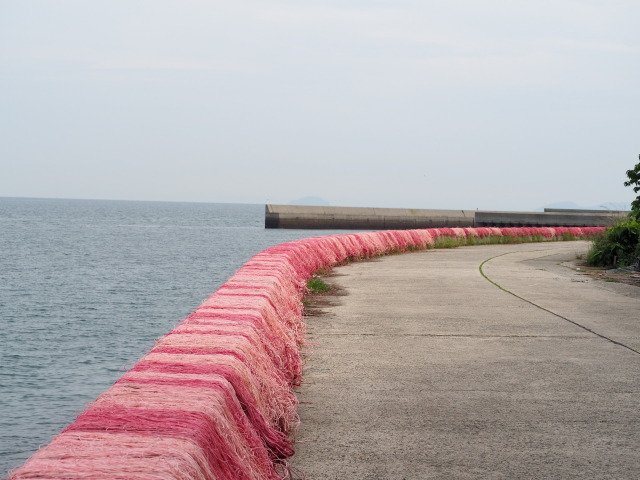
Wake up early to catch the morning mist lifting off the calm waters of the gulf. After a traditional breakfast of grilled salmon, miso soup, steamed rice, and local pickled vegetables, jump back into the cockpit.
Before leaving the cape, take a brief morning walk down Kirakira Zaka ("Sparkling Slope"). This charming tiled pedestrian walkway winds downhill between whitewashed glass studios, cozy cafes, and artisan shops directly to the water's edge, reminiscent of a Mediterranean coastal village embedded within classic Japanese marine architecture.
10:00 AM – Driving Inland: The Mountain Roads toward Tatsuno
Leaving the immediate coastline behind, turn the MX-5 north toward Tatsuno City, taking Prefectural Route 5 or Route 179. The terrain shifts dynamically from maritime sea cliffs to lush river valleys bounded by dense timber forests.
This route provides an exceptional opportunity to experience Japan’s inland technical roads. The asphalt here is smooth, with bankings that reward smooth throttle modulation. As you climb through forest tunnels of cedar and Japanese maple, the air grows crisp and cool. The Mazda MX-5's rev-happy 2.0-liter SKYACTIV-G engine sings happily as you sweep through elevation changes and flowing s-bends.
11:30 AM – Exploring Tatsuno: The Little Kyoto of Harima
Arrive in Tatsuno, often affectionately referred to as the "Little Kyoto of the Harima region." Nestled alongside the clear waters of the Ibo River, Tatsuno is a remarkably preserved castle town (Jokamachi) famous for its white-walled samurai residences, historic soy sauce breweries, and traditional dragonfly-shaped soy sauce warehouses.
Park near the Tatsuno Castle site and take a peaceful stroll down streets that have retained their Edo-period urban grid. Visit one of the historic soy sauce brewing houses—such as Higashimaru—where the aroma of fermenting soybeans and wheat fills the air. The town's preserved architecture offers an intimate glimpse into Japan's artisan industrial heritage away from tourist crowds.
01:00 PM – Culinary Stop: Ibo no Ito Somen Noodles
For lunch, indulge in the region’s premier culinary specialty: Ibo no Ito Somen. Produced in the Harima district for over 600 years, these hand-stretched wheat noodles are famous across Japan for their ultra-thin diameter, silky texture, and delicate snap.
Enjoy them served chilled over ice with a light soy-based dipping sauce (Tsuyu), topped with fresh ginger, spring onions, and toasted sesame seeds. It is a light, incredibly refined meal that keeps you energized without feeling heavy behind the wheel.
02:30 PM – The Scenic Return: Driving Route 250 East via Port of Motsu
Setting your compass back toward Osaka, take the eastern leg of Route 250 toward the historic port area of Aboshi and Motsu. This stretch of road, known as the Seven Cities Bay Line, weaves alongside oyster farming docks, where wooden rafts float in quiet coves.
Pull into a seaside roadside pullout to watch local fishermen tending their boats. The contrast between the mechanical precision of your modern sports car and the timeless, slow-paced marine life along the Seto Inland Sea creates an unforgettable moment of reflection.
05:00 PM – Return Drive to Osaka
Re-enter the Sanyo Expressway or Kobe Route as the late afternoon light softens into evening twilight. Cruising comfortably back toward the neon glow of Osaka, the memory of coastal curves, crisp salt air, and winding mountain passes settles in.
Returning your vehicle after a two-day road trip through Ako leaves you with an undeniable realization: you have experienced a side of Japan that train tracks can never reach.
Head west on Hanshin Expressway Route 3 toward Kobe, transitioning smoothly into the Sanyo Expressway.
Park at Ako-jo, walk through the restored stone gates, and discover the history of the 47 Ronin.
Lower the soft top, engage 2nd and 3rd gear, and enjoy sweeping coastal bends overlooking the Seto Inland Sea.
Relax in cliffside hot springs and enjoy seasonal seafood Kaiseki dining.
Carve through forest twists on Route 179 and explore the white-walled historic streets of Tatsuno.
3. Expert Advice & Cultural Nuances for Driving in Japan
Navigating the road network of Japan as an international driver is an extraordinarily rewarding experience, provided you understand the subtle cultural norms and roadside infrastructure that make Japanese car culture unique.
The Magic of "Michi-no-Eki" (Roadside Stations)
Far more than simple highway rest stops, Japan’s network of over 1,100 Michi-no-Eki (Roadside Stations) represents an integral part of domestic road trip culture. Designed to support local agriculture and rural tourism, these facilities are premier destinations in their own right.
When driving through Hyogo, stopping at a local Michi-no-Eki—such as Michi-no-Eki Mitsu along Route 250—reveals incredible regional treasures:
Hyper-Local Produce: Farm-fresh citrus, locally harvested vegetables, and artisan regional condiments sold directly by local farmers.
Seafood Markets: Fresh oysters, sea bream, and dried squid sourced daily from adjacent fishing ports.
Regional Snacks: Gourmet soft-serve ice cream made with local salt, soy sauce, or regional fruits.
Clean Amenities: Pristine 24/7 rest areas, vending machines, and tourist information centers loaded with detailed local maps.
Roadway Etiquette & Unspoken Rules
Driving in Japan is characterized by extraordinary courtesy, mutual respect, and patience. Adopting local driving etiquette ensures a seamless journey:
The Hazard Light Thank You: When another driver yields to let you merge or turn out of a side street, flash your hazard lights twice (Arigatou hazard). It is the universal sign of gratitude on Japanese roads.
Pedestrian Rights at Crosswalks: Pedestrians always have absolute right-of-way. Stop completely whenever someone is waiting at an unmarked crosswalk.
Narrow Mountain Passes (Kuma-machi): On narrow single-lane mountain roads (Toge), pullout spaces are designated at regular intervals. If an oncoming vehicle approaches, pull into the nearest cutout space on your left to allow them to pass.
4. Detailed Logistics & Pre-Trip Tips
Executing a flawless Japanese road trip requires a basic understanding of toll networks, fueling procedures, and car control essentials.
ETC Cards & Expressway Tolls
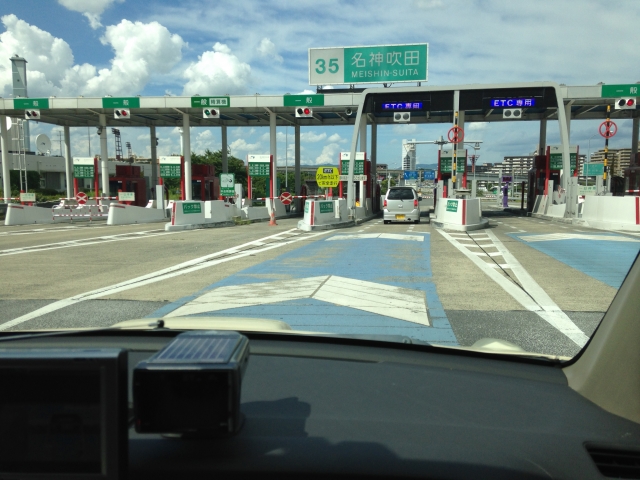
Japan’s high-speed expressway network is modern, smooth, and highly efficient, operating on an automated toll collection system called ETC (Electronic Toll Collection).
How it Works: An ETC card is a wireless credit-card-sized chip inserted directly into an onboard reader unit fitted in your rental vehicle.
At Toll Gates: Approach expressway toll plazas via lanes clearly marked with purple "ETC" signs. Maintain a speed of under 20 km/h (12 mph). The toll barrier will automatically lift as wireless communication verifies your card.
Why You Need One: Using an ETC card eliminates the need to stop and pay cash at every toll gate, saves significant travel time, and grants access to weekend and late-night highway discounts.
Navigating Japanese Gas Stations (Gasorin Sutando)
Fueling up in Japan is straightforward once you understand the basic terminology and fueling options. Gas stations fall into two categories: Full Service (Furu) and Self Service (Serufu).
Essential Full-Service Gas Station Phrases:
"Hai-oku, Mantan de onegaishimasu" (High-octane, full tank, please).
"Genkin de" (Paying with cash) OR "Kuradjitto kādo de" (Paying with credit card).
"Litter" (Liters) if specifying a specific volume.
In full-service stations, staff members will direct you to a pump, take your order, clean your windshield with a damp cloth, and even help guide your car back onto the main road as you leave.
Parking Regulations
Never Park on the Street: On-street parking is almost non-existent and strictly enforced across Japan.
Use Designated Lots: Look for coin-operated parking lots (Coin P) marked with a large blue "P" symbol. These feature automatic floor flaps (Flap locks) or license plate recognition systems.
Back-In Parking: In Japan, reversing into parking stalls is standard practice. It ensures maximum visibility and safety when pulling back out into traffic.
5. Comprehensive FAQ
Drivers must possess a valid 1949 Geneva Convention International Driving Permit (IDP) alongside their home country driver's license and passport. Travelers holding licenses from Switzerland, Germany, France, Belgium, Monaco, or Taiwan must instead provide an official Japanese translation of their native license issued by JAF (Japan Automobile Federation).
Verify that your rental agreement includes Collision Damage Waiver (CDW) and Non-Operation Charge (NOC) coverage to protect against unexpected incidents or scratches on mountain roads.
If renting a manual JDM sports car like a Mazda Roadster ND, Toyota 86, or Subaru BRZ, ensure you are comfortable operating a 3-pedal manual transmission, including hill starts on steep coastal inclines.
6. The Final Thoughts: Your Journey Begins Here
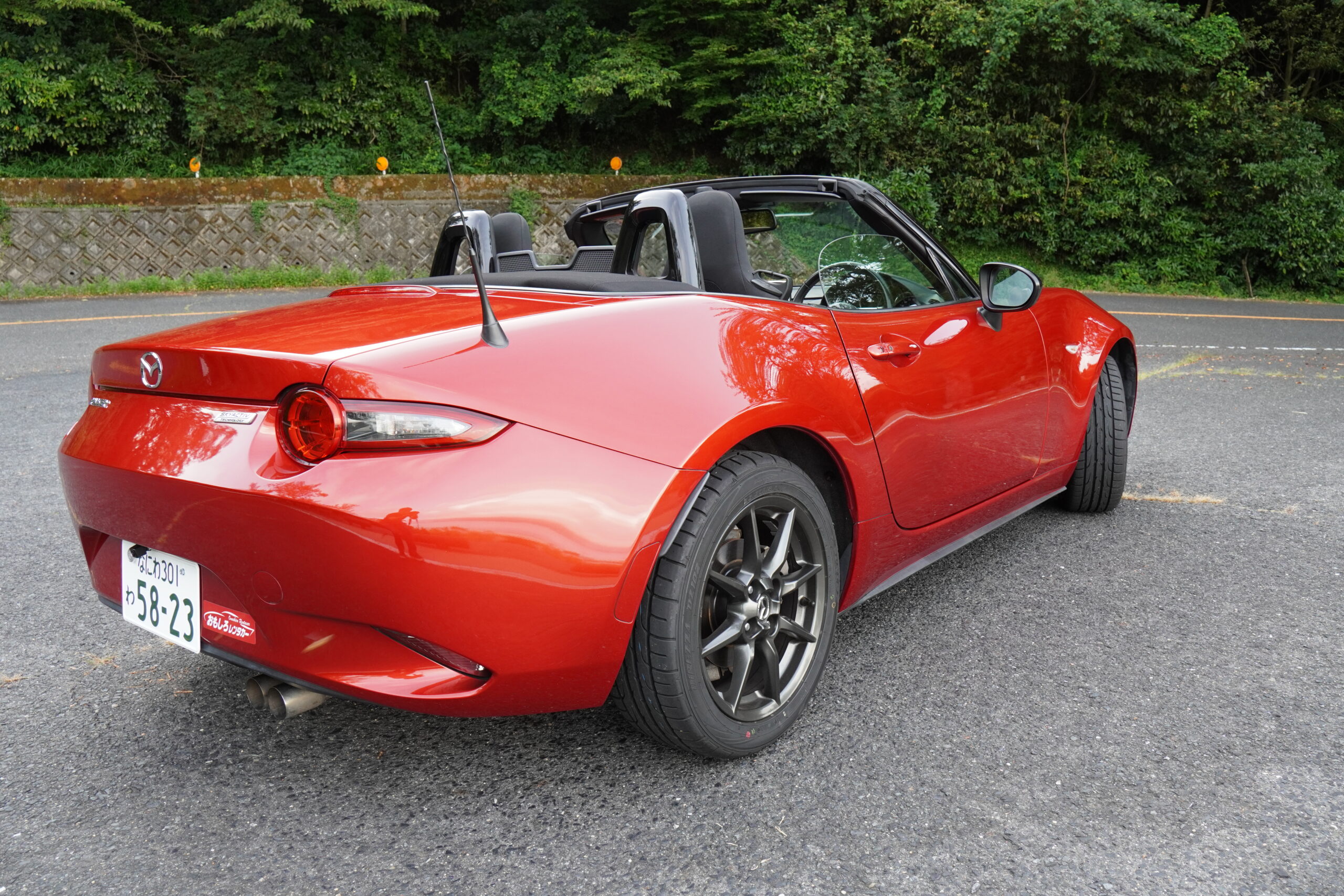
The open asphalt of Hyogo’s coast is calling. The sweeping curves of Route 250, the crisp sea air of Ako Misaki, and the quiet historical majesty of samurai castle towns are experiences waiting to be unlocked—not from the window of a commuter train, but from behind the wheel of a legendary driver's car.
When you are ready to trade rigid train schedules for total driving freedom, head to Omoresen Osaka Chuo (おもしろレンタカー大阪中央店). Conveniently based in Osaka, Omoresen offers a hand-curated fleet of pristine, enthusiast-grade Japanese sports cars—including the legendary Mazda MX-5 Roadster (ND), Toyota 86, and Subaru BRZ in pure 6-speed manual configurations.
Every vehicle in the fleet is meticulously maintained, equipped with ETC toll technology and English navigation, and prepped to turn your journey into an unforgettable motoring adventure.
Don't just visit Japan—drive it. Reserve your JDM sports car at Omoresen Osaka Chuo today, turn the key, and set out into the heart of Secret Japan!