
There is an undeniable, hypnotic magic to Japan’s steel-ribbed railway network. For years, I wore the crisp uniform of a train conductor for Kintetsu Railway, one of Kansai’s most iconic private rail operators. Day in and day out, I watched the rhythmic, clockwork precision of Japan's tracks unfold from the back of express trains. I knew every signal, every station platform, and every gradient between Osaka, Nara, and Kyoto. Rail travel in Japan is a masterpiece of public engineering.
Yet, every time the train whistled past a distant, mist-shrouded mountain range in southern Nara, I felt a deep, persistent itch. I looked out at the narrow ribbons of asphalt snaking up into the cedar-forested peaks of Yoshino and wondered what lay beyond the terminus of the track.
The moment I traded my conductor’s whistle for a lightweight sports car key, the true map of Japan unlocked.
Railways bind you to schedules, overcrowded cars, and rigid platforms. A finely tuned driver’s car—like a lightweight, front-engine, rear-wheel-drive Toyota 86, Subaru BRZ, or Mazda Roadster (ND)—gives you freedom. It turns Japan from a tourist destination into an immersive, living playground. When you leave the concrete sprawl of Osaka and set your sights on southern Nara in autumn, you are not just traveling; you are entering Secret Japan. This is a realm where mist hangs low over sacred valleys, thousands of wild mountain cherry trees turn fiery shades of crimson and gold, and ancient townscapes whisper stories of emperors, samurai, and ascetic monks.
To truly feel this land, you need to downshift, drop your hips low into a supportive bucket seat, feel the tactile feedback of a hydraulic-like manual steering rack, and let a high-revving boxer engine sing against the sheer stone walls of ancient mountain passes.
The Philosophy of Driving in Japan: Why the Steering Wheel Beats the Rail Pass
Most international travelers landing at Kansai International Airport (KIX) buy a rail pass, jump on the Haruka express, and queue up at the same overcrowded landmarks in central Kyoto or Nara Park. They see the postcard views, but they miss the soul of the country.
As a former Kintetsu conductor, let me tell you an industry secret: trains are built to move masses efficiently from Point A to Point B along flattened, straightened corridors. They deliberately bypass the rugged, high-elevation topographies where Japan’s truest traditions and untouched landscapes survive.
When you start your journey in Osaka behind the wheel of a pure JDM (Japanese Domestic Market) machine like the Toyota 86 or Mazda Roadster, the entire dynamic of your trip changes:
Access to the Untouchable: Historic mountain settlements like Dorogawa Onsen or the high ridges of Kami-Yoshino are notoriously difficult to reach via public transit. Bus connections run infrequently—sometimes only twice a day—and stop early. A car grants you total temporal sovereignty.
The Joy of the Toge (Mountain Pass): Japan’s mountainous terrain means the countryside is interconnected by engineering marvels—twisting hairpin bends, smooth asphalt mountain passes (toge), and sweeping viaducts. Driving an 86 or BRZ here is pure bliss. The low center of gravity, perfect 50:50-like chassis balance, and crisp 6-speed manual transmission transform every mountain curve into a tactile dialogue between driver, machine, and mountain.
Spontaneous Discoveries: The best parts of Japan are unscripted. They are the roadside Michi-no-Eki (rest stops) serving freshly grilled ayu (sweetfish), the tiny 300-year-old soy sauce brewery nestled in a narrow valley, or an unexpected overlook where the morning sea of clouds (unkai) rolls over vibrant autumn foliage.

The 2-Day Ultimate Driving Itinerary: Osaka to Yoshino Deep Dive
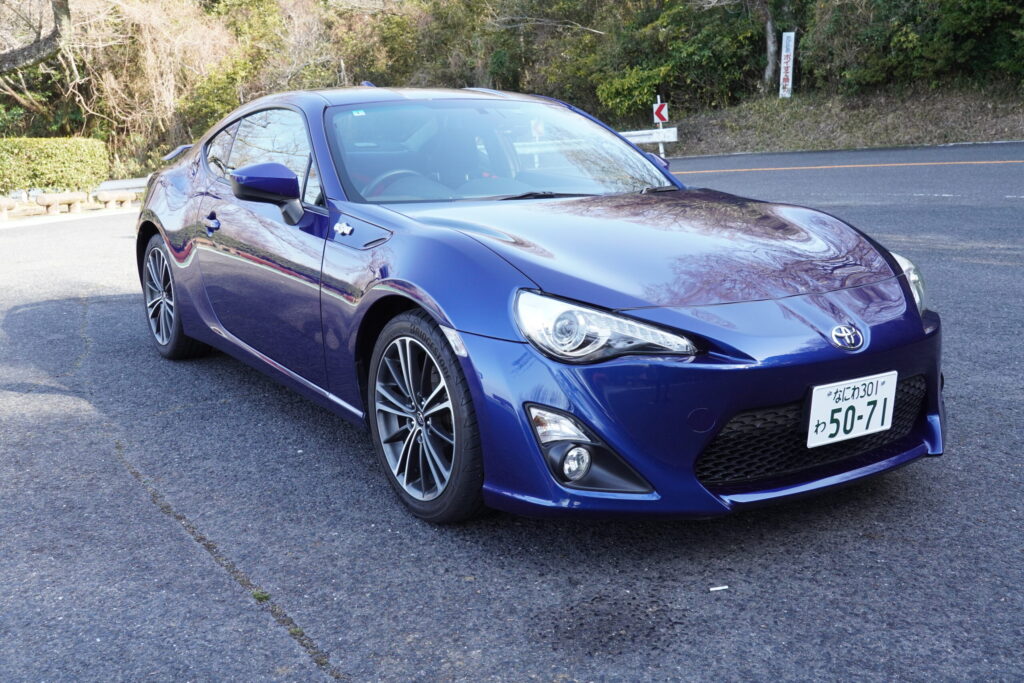
This meticulously crafted 2-day itinerary takes you from the urban grid of Osaka deep into the sacred, autumn-kissed heartland of Nara's Yoshino region.
Day 1: From Osaka’s Energy to Sacred Peaks and Ancient Timber
08:00 AM – Departure from Central Osaka
Slide into the low-slung driver's seat of your Toyota 86. Adjust your side mirrors, feel the cold leather of the gear shift knob, push in the clutch, and press the engine start button. The naturally aspirated 2.0-liter boxer engine turns over with a throat-clearing bark. As you maneuver out of Osaka's urban morning rhythm, head south toward the Hanshin Expressway Route 14 (Matsubara Route). The morning sun glints off the skyscrapers as the city skyline gradually gives way to suburban low-rises, opening up toward the majestic silhouette of the Mount Kongo range.
09:15 AM – Crossing into Nara via the Minami-Osaka Roadway
Merge onto the Hanawa/Nara-bound arterial routes. As you cross the border from Osaka Prefecture into Nara Prefecture, the concrete jungle dissolves into emerald agricultural plains and rolling hills. Switch off the radio. Listen instead to the linear buildup of revs as you accelerate down smooth stretches of highway. Feel how balanced the Toyota 86 chassis stays as you take your first long, sweeping curves.
10:15 AM – Arrival at Asuka Village (The Cradle of Japanese Civilization)
Before ascending into the high mountains, pause in Asuka Village. This tranquil valley is where Japan’s identity as a unified state was forged in the 6th and 7th centuries.
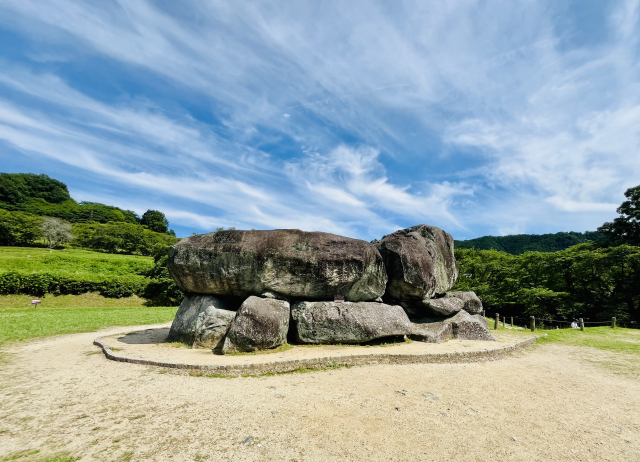
Ishibutai Kofun: Park your sports car near this colossal 7th-century megalithic stone tomb. The massive 75-ton granite capstones sit dramatically amid fields surrounded by persimmon trees laden with bright orange autumn fruit.
The Drive Through Asuka: The narrow, immaculately paved country lanes wind through golden rice terraced fields (tanada). In an 86 or Mazda Roadster, navigating these tight, sweeping rural lanes at modest speeds provides an intimate, visceral sense of connection to the countryside.
12:30 PM – Lunch: Kakinoha-zushi in Shimo-Yoshino
Drive south along Route 169, hugging the pristine turquoise waters of the Yoshino River. Stop at a traditional wooden shop in Shimo-Yoshino for the region’s ultimate culinary icon: Kakinoha-zushi (persimmon leaf-wrapped sushi).
Historically developed as a way to preserve salt-cured mackerel and salmon for mountain dwellers, the sushi is wrapped tightly in persimmon leaves rich in tannins. In autumn, the leaves turn striking shades of orange and dark red. Unwrap the fragrant leaf to reveal perfectly seasoned rice topped with rich, oily mackerel—the subtle citrusy, woody aroma of the leaf infusing every single bite.
02:00 PM – The Climb to Kami-Yoshino (Upper Yoshino)
This is where the driving dynamic reaches a crescendo. As you turn off Route 169 and begin ascending the winding mountain roads toward Yoshino-yama, the road narrows and begins to snake through dense groves of ancient Japanese cedar (Sugi) and wild mountain cherry trees (Yamazakura).
While Mount Yoshino is world-famous for spring cherry blossoms, autumn is its best-kept secret. The thousands of cherry trees that blanket the mountain slopes turn brilliant shades of crimson, burnt amber, and gold.
Driving Dynamics: Shift the Toyota 86 down into 2nd gear. Feel the precise mechanical engagement as the shifter gates home. The steering fills with communicative feedback, letting you know precisely how much grip the front tires have on the cool, crisp mountain asphalt. The linear power delivery of the naturally aspirated engine lets you modulate your line through tight hairpins with millimetric precision.
03:30 PM – Kinpusen-ji Temple and the Ancient Ridge Street
Park in the designated upper parking areas and walk along the ancient, narrow ridge street of Yoshino.
Visit Kinpusen-ji Temple's Zao-do Hall, the second-largest wooden structure in Japan after Todai-ji in Nara City. The massive wooden pillars inside are made of raw, unpeeled tree trunks, radiating an aura of ancient spiritual power. This is the heart of Shugendo, a syncretic religion merging mountain worship, Shinto, and Esoteric Buddhism. Listen to the deep, resonant echoes of the conch shell horns (horagai) blown by mountain ascetics (yamabushi) echoing through the autumn mist.
05:30 PM – Descent and Drive to Dorogawa Onsen via Route 309
As dusk settles and the sky shifts to indigo, descend toward Route 309, heading deeper into the Omine mountain range toward Dorogawa Onsen.
Route 309 takes you through mountain tunnels and forested switchbacks. Your halogen/LED headlights cut through the gathering mountain fog, illuminating bright red maple leaves hanging over the road like a natural canopy.
07:00 PM – Overnight Stay in Dorogawa Onsen
Check into a traditional Ryokan (Japanese inn) in Dorogawa Onsen, a secluded, atmospheric hot spring village sitting at an elevation of over 800 meters.
Atmosphere: Wooden ryokans with glass lanterns line a pristine mountain stream. Walk along the creaking wooden floorboards in your provided yukata robe and geta (wooden sandals), listening to the rhythmic clack-clack echoing off the historic wooden storefronts.
Dinner: Indulge in a hot pot of Botan Nabe (wild boar hot pot served with local mountain vegetables and miso) paired with crisp local sake.
Onsen Soak: Immerse your driving-weary body into the outdoor thermal bath (rotenburo). The mineral-rich, steaming water relieves every ounce of tension in your clutch-foot and shoulders while the crisp late-autumn mountain air cools your face.

Day 2: Winding Passes, Sacred Gorges, and the Return Circuit
08:30 AM – Mitarai Valley (Mitarai Keikoku)
After a traditional breakfast of grilled trout, miso soup, and rice, load your bags into the surprisingly practical trunk of the 86 (or compact boot of the Roadster) and drive 15 minutes down to Mitarai Valley.
Here, crystal-clear turquoise mountain water carves through massive white granite boulders. In autumn, fiery red maples overhang the deep turquoise pools. Walk across the suspension footbridges to capture breathtaking photos of autumn color contrasting against pristine mountain streams.
10:30 AM – Tackling the Technical Mountain Passes
Leaving Mitarai Valley, set your navigation north toward Sakurai via the lesser-known prefectural mountain routes. This section of road is a driver's paradise.
Vehicle Performance Note: In a lightweight sports car, this stretch highlights why huge horsepower isn't needed to have fun in Japan. A Toyota 86 or Mazda Roadster ND shines here because of weight distribution and chassis tuning. You can heel-and-toe downshift into tight hairpin bends, balance the car on the throttle mid-corner, and feel the rear end plant firmly as you roll back onto the power on exit. The acoustics of the boxer or inline-4 engine bouncing off mountain rock faces is pure auditory bliss.
01:00 PM – Lunch in Sakurai: Traditional Miwa Somen
Arrive in Sakurai City, home to the origin of Japanese wheat noodles: Miwa Somen.
Unlike thick udon, Miwa somen threads are stretched continuously by hand using sesame oil, creating ultra-thin noodles with an impossibly springy texture. Enjoy them served cold with a savory dashi dipping sauce, accompanied by local vegetable tempura featuring wild autumn mushrooms and sweet potato.
03:00 PM – Omiwa Shrine: Ancient Spirits at the Foot of the Mountain
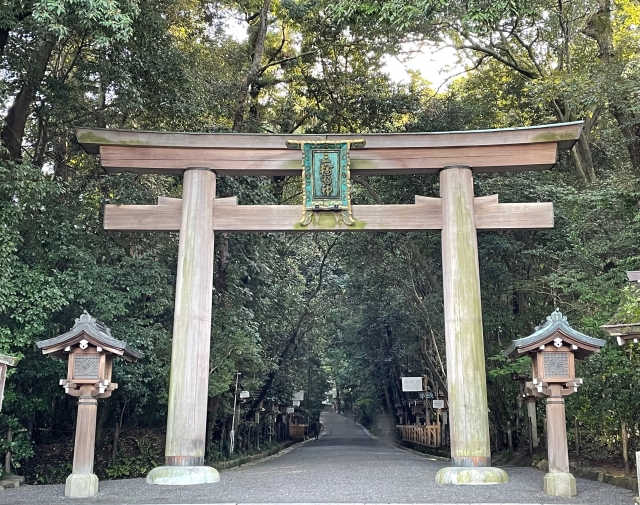
Visit Omiwa Shrine, considered one of the oldest Shinto shrines in existence. Unlike most shrines, Omiwa Shrine has no main sanctuary building (honden); instead, the sacred mountain behind it—Mount Miwa—is worshiped directly as the body of the deity.
Walk under the massive steel Torii gate and through the cool, fragrant cedar forests lining the stone path. The quiet grandeur of this ancient site provides a deeply reflective, grounding end to your rural Nara exploration.
05:30 PM – Sunset Highway Cruise Back to Osaka
Re-join the Nishi-Meihan Expressway for the drive back toward the neon skyline of Osaka. As the late afternoon sun sets behind the western mountains, casting a golden glow across the dashboard, flick on your cruise control or hold a steady throttle in top gear. The cabin fills with the satisfied hum of a well-driven sports car, capping off an unforgettable 2-day journey into Japan's hidden interior.
Expert Advice & Cultural Nuances for Driving in Japan
Driving in Japan is smooth, incredibly polite, and highly organized, but it comes with unique cultural nuances every international visitor should master.
The Magic of Michi-no-Eki (Roadside Stations)
Forget dirty highway service stations. Japan’s Michi-no-Eki are government-designated roadside rest stops that double as cultural showcase centers for local communities.
Local Produce & Gourmet: Each station sells hyper-local produce and regional snacks you cannot buy anywhere else. In Nara, look for persimmon jam, soft-serve ice cream made with local forest honey, and freshly baked mountain herb dumplings (Yomogi Mochi).
Facilities: They feature ultra-clean 24/7 public restrooms, local driving maps, and spacious parking where car enthusiasts often gather.
Navigating Narrow Mountain Roads (Rindo)
Japanese mountain passes can occasionally shrink down to a single lane with designated passing cutouts (daichisho).
Etiquette: If you encounter an oncoming car on a narrow pass, the driver closest to a passing cutout should pull over to let the other pass.
The "Thank You" Flash: A quick single or double flash of your hazard lights is the universal Japanese road language for "thank you" when someone lets you yield or merge.
Detailed Logistics & Pre-Trip Tips for 2026
Preparing for a road trip in Japan requires a bit of logistical clarity to make your seamless dream drive a reality.
The ETC Card (Electronic Toll Collection)
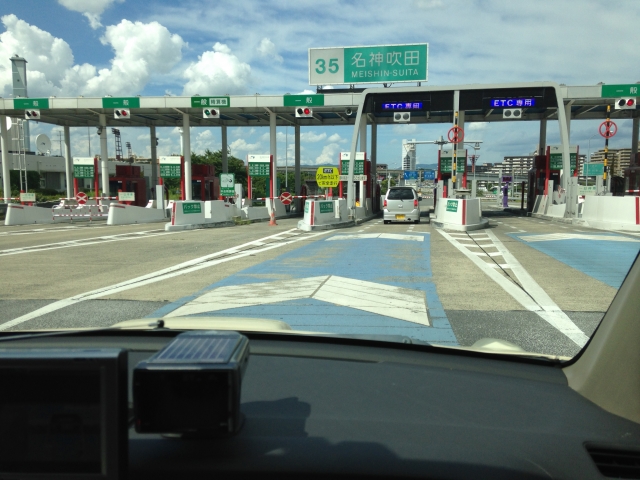
Japan’s highway network is immaculate, fast, and fully gated by electronic tolls.
How it Works: Ensure your rental vehicle comes equipped with an ETC card reader and rent an active ETC card from your rental provider. When approaching highway toll gates, enter the green "ETC" lane at speeds under 20 km/h. The barrier will automatically lift, logging your tolls onto the card to be paid easily when returning the car.
Fueling Up: The Gas Station Dialogue
Gas stations (Gasorin Stand-o) in Japan are either full-service (Full) or self-service (Self). At full-service stations, polite attendants will wash your windows and guide your parking.
Useful Japanese phrases when fueling:
"Regular High-Okushin?" Most sports cars like the Toyota 86, BRZ, or tuned Mazda Roadster require premium high-octane gasoline. Specify "High-Oku" (High-Octane/Premium).
"Mantan" (満タン): Means "Fill it up to the brim."
"Kashu-kessai" / "Kard-de": "Payment by cash" / "Payment by credit card."
Example Phrase: "High-oku, mantan, card de onegaishimasu" (High octane, full tank, credit card please).
Driving a Manual JDM Sports Car
Driving a right-hand drive (RHD) manual sports car in Japan is an bucket-list thrill. Remember that you will shift gears with your left hand. The pedal layout (Clutch - Brake - Accelerator from left to right) remains identical worldwide. Within 15 minutes of leaving the city, muscle memory takes over, and the crisp, short-throw shifter of an 86 becomes second nature.
Comprehensive FAQ for Foreign Drivers
What license do I need to drive legally in Japan?
To drive legally in Japan, you must present both your valid home country driver's license AND an International Driving Permit (IDP) issued under the 1949 Geneva Convention on Road Traffic.
Important Nuance: IDPs issued under the 1968 Vienna Convention are NOT accepted in Japan. Ensure your issuing authority (such as AAA in the US, AA in the UK, or RAC in Australia) provides a Geneva Convention booklet.
Exceptions: Drivers holding licenses from Switzerland, Germany, France, Belgium, Monaco, or Taiwan must present an official Japanese translation of their license provided by the Japan Automobile Federation (JAF) or their respective embassy, alongside their original license and passport.
Is insurance included with rental cars?
Standard rental cars include basic liability insurance, but it is strongly advised to opt for full collision damage waiver (CDW) and Non-Operation Charge (NOC) coverage. This ensures total peace of mind when navigating narrow rural roads or mountain switchbacks.
Is it difficult for beginners to drive a manual (MT) car in Japan?
If you already know how to drive a manual car in your home country, adapting to right-hand drive in Japan is surprisingly easy. Japanese drivers are exceptionally patient, traffic flows predictably, and road signage prominently features international pictograms alongside English text.
How are road conditions in Nara and Yoshino during autumn?
Early to late autumn (October through late November) offers ideal driving conditions—dry pavement, crisp temperatures, and clear skies. Snow is rare in Yoshino during autumn, so standard performance summer or all-season tires provide plenty of grip.
The Final Thoughts: Turn the Key on Your Dream Japan Road Trip
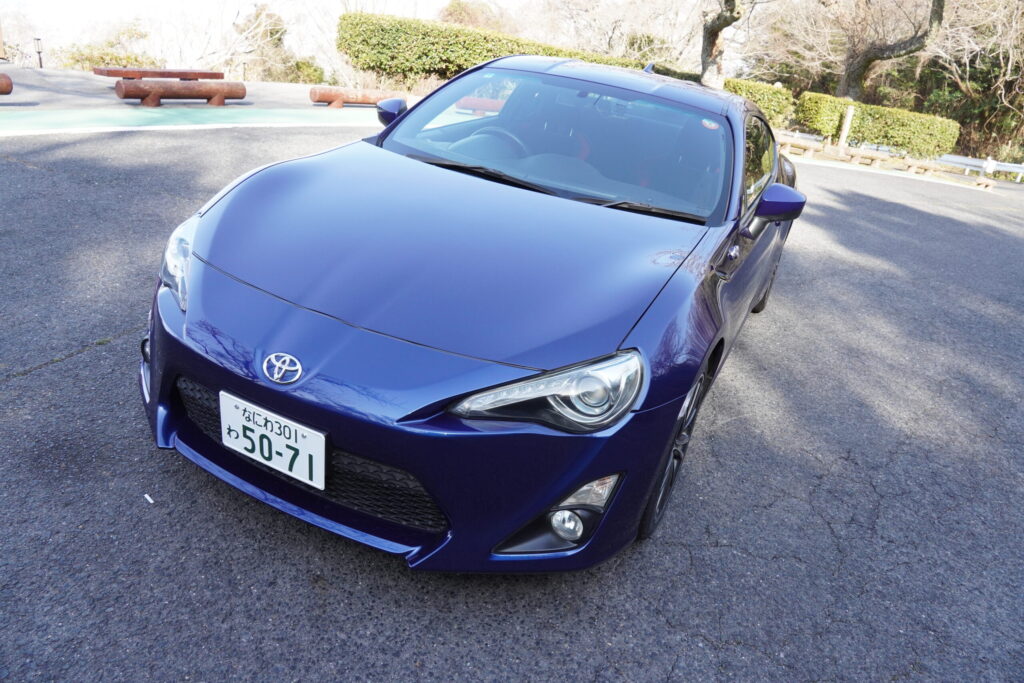
You can experience Japan from behind the scratched glass of a crowded commuter train, watching the world blur past on someone else's schedule—or you can step into the cockpit of a legendary Japanese sports car, feel the mechanical feedback of a finely tuned chassis, and forge your own path into the sacred, autumn-painted mountains of Nara.
When you're ready to trade ordinary sight-seeing for an extraordinary driving adventure starting right in Osaka, Omoresort Car Rental Osaka Chuou (おもしろレンタカー大阪中央店) is your ultimate gateway.
Specializing in pristine, enthusiast-grade JDM sports cars—including impeccably maintained 6-speed manual Toyota 86s, Subaru BRZs, and Mazda Roadster NDs—they cater specifically to international car lovers who demand real driving passion. Conveniently located in central Osaka, their team speaks international driver language, provides seamlessly integrated ETC setups, and gives you the keys to the unlocked side of Japan.
Don't just visit Japan. Drive it. Reserve your manual JDM sports car today and make the winding passes of Yoshino your personal playground.