
1. Driving a Toyota 86 through Hyogo and Kinosaki Onsen: The Philosophy of Driving in Japan
As a former conductor for Kintetsu Railway, I spent years watching Japan’s dramatic landscapes glide past through the pristine glass of driver’s cabs and passenger cars. I knew the timetable down to the exact second. I understood the precise physics of dynamic braking on steep mountain grades and marvelled at how smoothly electric multiple units navigated the urban sprawl of Osaka and the quiet valleys of Kansai. Japan’s rail network is an absolute masterpiece of human engineering—a punctual, hyper-efficient vein connecting major hubs.
Yet, as much as I admire rail transit, relying solely on trains creates a fundamental limitation for the true explorer. Trains operate on fixed lines. They run on rigid schedules. They bypass the winding mountain passes (touge), the solitary coastal roads clinging to sea cliffs, and the forgotten rural villages hidden behind dense bamboo forests. When you travel strictly by rail, you experience Japan through a pre-curated lens. You arrive at the same stations as thousands of other travelers, walking down identical, souvenir-lined corridors.
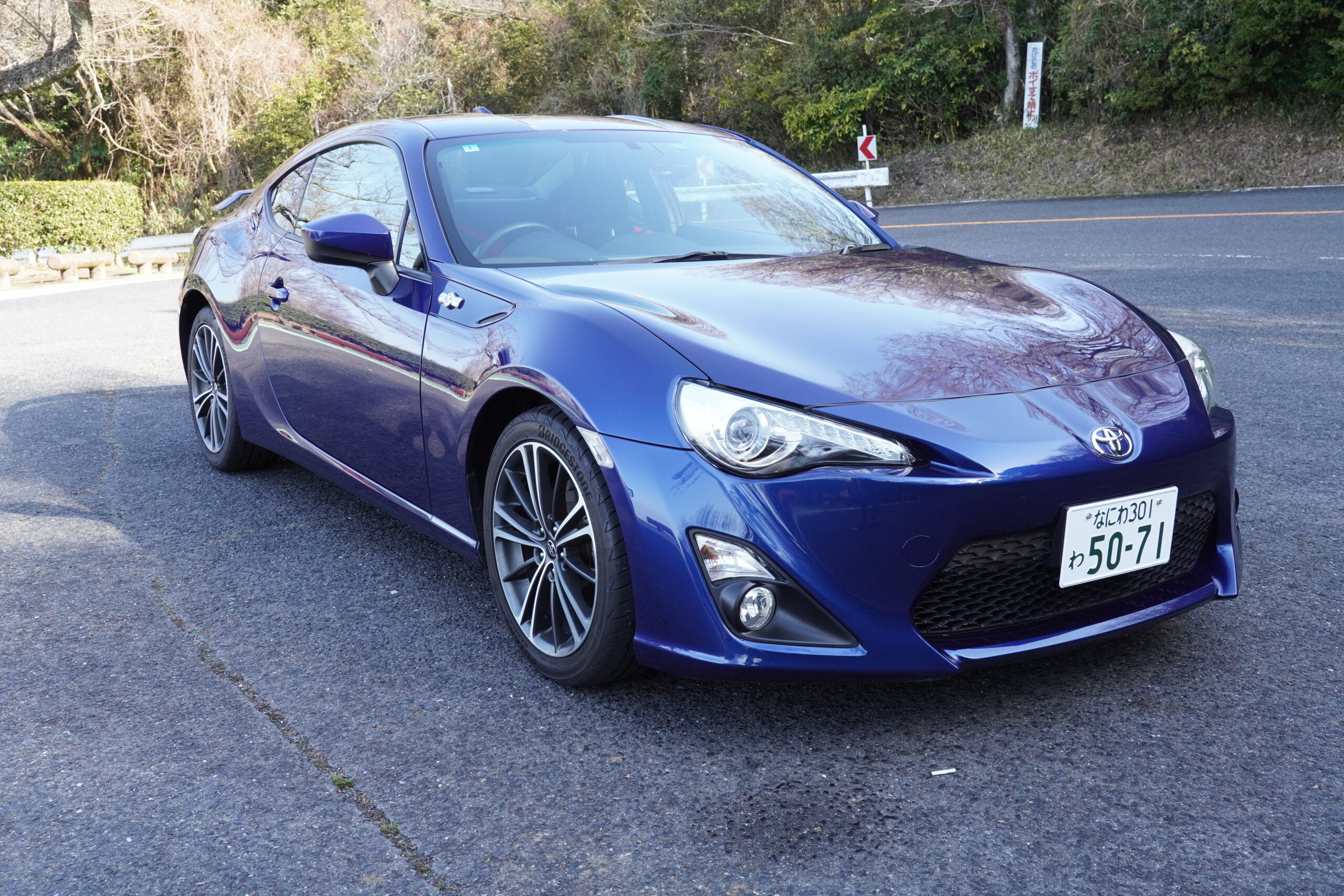
To experience Secret Japan, you must sit in the driver’s seat. You need a properly balanced, front-engine, rear-wheel-drive sports car—such as a Toyota 86, a Subaru BRZ, or a lightweight Mazda Roadster (ND). Selecting an iconic JDM machine transforms your journey from simple point-to-point transit into an immersive sensory adventure. Departing Osaka and heading north toward Hyogo Prefecture and the Sea of Japan coast unlocks an entirely different dimension of travel.
Driving a Toyota 86 through Hyogo in the autumn offers an unmatched driver's high. You feel the mechanical mechanical tactile feedback of a crisp, short-throw six-speed manual transmission. You hear the boxer engine revving cleanly up toward its redline as you downshift before an apex. You feel the chassis settle through sweeping elevation changes on roads that standard tour buses can never navigate. Beyond the dynamic joy of driving, a sports car grants absolute freedom: the liberty to pull over at a roadside lookout overlooking misty autumn valleys, discover hidden rural Michi-no-Eki rest areas, and venture deep into the traditional hot spring sanctuary of Kinosaki Onsen entirely on your own terms.

2. Driving a Toyota 86 through Hyogo and Kinosaki Onsen: The 2-Day Itinerary Deep Dive
Day 1: The Mountain Ascent, Ancient Ruins, and Coastal Onsen Sanctum
08:00 AM – Departure from Central Osaka
Your journey begins in the vibrant heart of Osaka. As morning light filters through the city’s concrete avenues, you fire up the naturally aspirated 2.0-liter engine of your Toyota 86. The low, purposeful rumble resonates inside the cabin. After adjusting your bolster seats and double-checking your ETC (Electronic Toll Collection) card, you merge onto the Hanshin Expressway Northward. The urban sprawl quickly gives way to rolling green foothills as you transition smoothly onto the Chugoku Expressway, heading northwest toward Hyogo Prefecture.
09:30 AM – Navigating the Bantan Expressway & Inagawa Touge
Leaving the heavy highway traffic behind, you clear the toll gates and head onto Route 312 and the Bantan Expressway. The road narrows, weaving gracefully along river valleys framed by Japanese maples turning brilliant shades of crimson and deep orange. Here, the lightweight chassis and telepathic steering of the Toyota 86 shine. Throwing the car through smooth S-curves reveals the incredible balance of the vehicle. The low center of gravity provides telepathic feedback through the steering wheel, allowing you to trace precise lines through every bend.
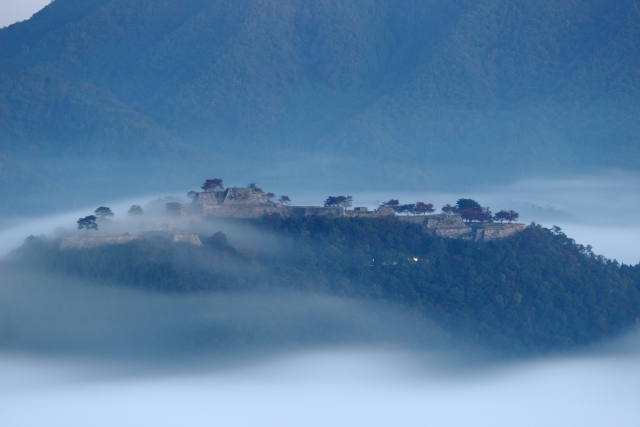
11:00 AM – Takeda Castle Ruins ("The Castle in the Sky")
Spot Detail: Perched high atop Mount Koga at an elevation of 353 meters, Takeda Castle Ruins (Takeda-jo) is often hailed as Japan’s Machu Picchu. Constructed in 1441 by Yamana Sozen, the physical wooden castle structures are long gone, but the intricate stone masonry foundations (ishi-gaki) remain remarkably intact. During autumn mornings, a heavy layer of fog blankets the surrounding Maruyama River valley below, creating an unforgettable optical phenomenon where the stone castle appears to float on a cloud sea.
Parking your 86 at the base parking area, take the short shuttle or scenic hiking path up to the ruins. Walking along the ancient stone perimeters, you look out across the expanse of Hyogo's interior. The crisp autumn air carries the faint scent of pine and damp earth. Standing atop these ancient stones, you gain a deep appreciation for the military strategy of feudal Japan, commanding an unyielding vantage point over key trade routes.
01:00 PM – Traditional Izushi Sobakiri Lunch in Izushi Castle Town
Descending the mountain, engage second gear to let the engine braking tame the downhill slope. A scenic 40-minute drive along Route 426 brings you to the historic castle town of Izushi, renowned for its preserved Edo-period architecture and its unique culinary tradition: Izushi Sara Soba.
Culinary Highlight: Unlike standard bucket or platter presentations, Izushi Sara Soba is served in small portion batches on individual hand-painted Izushi porcelain plates. Buckwheat noodles are freshly ground and hand-cut daily, yielding a firm, toothsome texture (koshi) with an earthy nutty aroma. Mix your dipping sauce (tsuyu) with raw egg, grated mountain yam (tororo), fresh spring onions, and spicy wasabi. The ritual involves ordering a stack of five plates per person, adding extra plates as your appetite dictates.
03:30 PM – The Coastal Touge: Route 178 to San'in Kaigan Geopark
After lunch, point the nose of your 86 north toward the Sea of Japan. Route 178 carves through the San'in Kaigan UNESCO Global Geopark—a geological wonderland featuring dramatic coastal sea cliffs, sea caves, and rocky inlets formed tens of millions of years ago when the Japanese archipelago separated from the Asian continent.
This section of road is pure driver's bliss. The pavement sweeps along jagged coastline, climbing rapidly up exposed bluffs before dropping back down toward tiny fishing coves. Downshifting into third gear, the engine revs smooth and strong as you throttle out of tight hairpin turns. To your left, rich autumn foliage covers the mountain slopes; to your right, the vast indigo waters of the Sea of Japan crash violently against basalt columns.
05:30 PM – Arrival in Kinosaki Onsen & Evening Yukata Stroll
You roll smoothly into Kinosaki Onsen just as dusk settles over the valley. Dating back over 1,300 years, Kinosaki is one of Japan's most celebrated hot spring towns. The town center revolves around the willow-lined Otani River, crossed by historic arched stone bridges and illuminated by warm stone lanterns.
Check into your traditional ryokan (Japanese inn), park your sports car, and trade your driving boots for a cotton yukata robe and wooden geta clogs. Kinosaki is famous for its Soto-yu Meguri—the ritual of hopping between seven public bathhouses scattered throughout the village:
Ichina-no-yu: Built to resemble a classic kabuki theater, featuring a cavernous outdoor cave bath (dokutsu-furo).
Goshono-yu: Known as the "Water of Imperial Palace," offering dramatic outdoor thermal waterfalls surrounded by autumn foliage.
Mandara-yu: Tucked into a quiet side street, featuring aromatic cypress wood tub baths (hinoki).
Satono-yu: Located near the station, boasting modern sauna facilities and rooftop panoramic baths.
Yanagi-yu: A cozy, deeply traditional wooden bathhouse named after the weeping willow outside its entrance.
Jizou-yu: A bathhouse built in the shape of a Japanese lantern, popular with local families.
Kouno-yu: The oldest bath in Kinosaki, legendary for healing a injured white stork centuries ago.
Listening to the rhythmic clack-clack of your geta clogs against the damp cobblestones while mist rises off the thermal canal creates a tranquil atmospheric evening that stays with you forever.
08:00 PM – Kaiseki Dinner: Feast of Matsuba Crab & Tajima Beef
Dinner at your ryokan is an extravagant multi-course kaiseki banquet highlighting the finest autumn delicacies of Northern Hyogo:
Matsuba Crab (Snow Crab): Autumn marks the official opening of the winter crab fishing season in the Sea of Japan. Served raw as fresh sashimi, charcoal-grilled over open embers, or gently poached in hot hot pot broth, the meat is exceptionally sweet, delicate, and rich.
Tajima Wagyu Beef: The ancestral bloodline for world-famous Kobe beef. Charcoal-seared Tajima beef exhibits intense marbling, melting effortlessly on your tongue with a buttery, deeply savory profile.

Day 2: Coastal Bluffs, Maritime Wonders, and Mountain Passes
07:30 AM – Morning Dip at Kouno-yu & Breakfast
Wake early to soak in the crisp morning mountain air at Kouno-yu. Watching the steam drift gently across the outdoor stone pool while autumn leaves fall around you is the ultimate way to refresh your body before another long day behind the wheel. Return to your ryokan for a traditional Japanese breakfast featuring grilled local fish, miso soup, steamed rice, and pickles.
09:00 AM – Driving the Tajima Coastline (Route 11)
Pack your bags, fire up the 86, and head directly toward Route 11, running along the sea bluffs west of Kinosaki. This stretches along some of the most spectacular coastal driving roads in Central Japan.
The road hugs tight cliffside contours, offering panoramic views across turquoise bays and jagged rock formations. Here, the Toyota 86’s firm suspension tuning keeps body roll non-existent, inspiring confidence as you navigate series of sweeping left-and-right banked turns. The crisp ocean breeze cools the intake as the engine sings past 5,000 RPM.
10:30 AM – Genbudo Cave Park
Geological Heritage: Located just a short inland detour along the Maruyama River, Genbudo Cave is a natural national monument consisting of five distinct caves formed 1.6 million years ago by the cooling and fracturing of basaltic lava flows. The resulting hexagonal basalt columns stacked vertically look almost artificially sculpted by hand. Interestingly, Genbudo is the historical site where Japanese geologists first discovered the concept of geomagnetic reversal (where the Earth's magnetic poles swap over geological time).
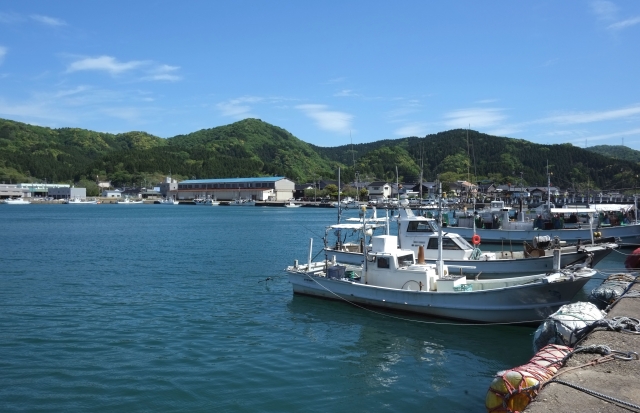
12:30 PM – Amarube Viaduct & Kasumi Fishing Port Lunch
Continuing along Route 178, stop at the Amarube Viaduct (Amarube Kyokyo). Originally built in 1912 as an all-steel railway trestle bridge standing 41 meters high, it was an engineering marvel of its era. Today, a modern concrete bridge carries the train line, while parts of the original red steel structure have been converted into an elevated skywalk observatory ("Sky Station").
Head down to the nearby Kasumi Fishing Port for a fresh seafood lunch. Stop at a local portside eatery to enjoy a bowl of Kaisen-don (sashimi rice bowl overflowing with fresh sea urchin, sweet shrimp, squid, and local white fish caught that morning).
03:00 PM – Inaba 90 Scenic Drive & Hyonosen Mountain Pass
For your return leg toward Osaka, bypass the flat highway and head south toward Mount Hyono (Hyogo's highest peak at 1,510 meters) via Route 9 and Route 29.
This mountain pass delivers elevated driving bliss. The road climbs steadily through dense virgin beech forests ablaze with golden yellow and amber foliage. The double-wishbone rear suspension of your 86 absorbs road irregularities smoothly while keeping the rear tires glued to the tarmac. Throwing the car through steep hairpins, heel-and-toe downshifting to smoothly match revs, you experience the pure mechanical connection between driver, machine, and road.
06:30 PM – Return to Osaka via Chugoku Expressway
As twilight fades, rejoin the expressway heading south. The mountain roads give way once more to the glittering skyline of Osaka. After two days of challenging coastal twisties and mountain passes, you return to the urban core refreshed, fully exhilarated, and deeply connected to Japan's hidden geography.
3. Driving a Toyota 86 through Hyogo and Kinosaki Onsen: Expert Advice & Cultural Nuances
The Magic of Japan’s "Michi-no-Eki" Roadside Stations
Forget everything you know about western highway rest stops. In Japan, Michi-no-Eki (Roadside Stations) are cultural destinations in their own right. Designed to promote regional economies, these government-designated rest areas feature clean facilities, local farmers' markets, specialty food stalls, and even hot spring footbaths (ashi-yu).
Along this Hyogo drive, make sure to visit:
Michi-no-Eki Tajima Mahoroba: Designed to resemble an ancient burial mound, this station offers incredible local beef skewers, fresh seasonal persimmons, and black soybean ice cream.
Michi-no-Eki Amarube: Located right beneath the giant viaduct, perfect for sampling fresh crab croquettes and purchasing regional seafood souvenirs.
Mountain Pass Etiquette & Safety
Driving in Japan’s mountains (touge) requires understanding unwritten local road rules:
Yielding to Faster Locals: Local drivers or delivery vans who know these narrow roads intimately may approach quickly behind you. Pull into roadside turnouts (daipass) or indicate left to let them pass safely.
Gutter Drift Myths vs. Reality: While famous anime popularized aggressive touge driving, real-world Japanese mountain passes feature deep, open drainage gutters (usui-mizo) lining the road edges. Dropping a wheel into one will destroy your suspension. Stay well within your lane.
Sounding the Horn: On narrow single-lane blindly curving roads, look for blue signs reading "Klaxon" or "笛らせ" (Sound Horn). Honk gently before entering blind hairpins to warn oncoming vehicles.
4. Driving a Toyota 86 through Hyogo and Kinosaki Onsen: Detailed Logistics & Pre-Trip Tips
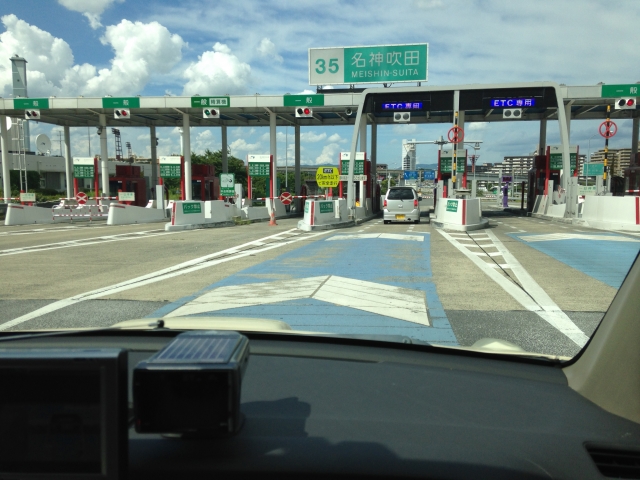
Navigation & Tolls: The ETC Card Essential
Japan’s highway network is immaculate, high-speed, and extensively tolled. Navigating toll gates manually with cash or credit cards adds unnecessary friction to your drive.
ETC (Electronic Toll Collection): Ensure your rental sports car comes fitted with an ETC card reader and a active card. This allows you to breeze through dedicated purple ETC lanes at highway toll plazas without stopping, with tolls recorded digitally and settled at the end of your rental.
Refueling Etiquette: Gas Station Vocabulary
Gas stations (Gasorin Stand) in Japan are exceptionally clean and efficient, divided into Full Service (Full) and Self Service (Self). When driving a high-performance Japanese sports car like the Toyota 86 or Mazda Roadster, you must use Premium (High-Octane) gasoline.
Useful Gas Station Phrases:
"High-Octane Mantan, Deguchi O-negai shimasu" (High-octane full tank, paid by card/cash please).
"Mantan" = Full tank.
"Genshin-kaisen" = Cash payment.
"Kaku-shou" = Receipt.
Parking Regulations
Never park on narrow village streets or along coastal roadways where prohibited. In Kinosaki Onsen, traditional streets are tight and pedestrian-heavy. Utilize designated municipal parking lots located on the outer periphery of town or confirm that your ryokan provides reserved parking for low-clearance vehicles.
5. Driving a Toyota 86 through Hyogo and Kinosaki Onsen: Comprehensive FAQ
What driver's license documentation is required to drive in Japan?
To drive legally in Japan, international visitors must present a valid physical International Driving Permit (IDP) issued under the 1949 Geneva Convention, alongside their original home country driver’s license and passport.
Important Note: IDPs issued under the 1968 Vienna Convention or other agreements are strictly not recognized by Japanese law. Travelers holding licenses from specific jurisdictions (such as Germany, Switzerland, France, Belgium, Taiwan, and Monaco) must instead obtain an official Japanese translation of their native license issued by the Japan Automobile Federation (JAF) or their respective embassy.
Can I drive a manual transmission (MT) sports car if I'm used to left-hand drive?
Yes! Japan drives on the left side of the road, meaning your rental vehicle will be right-hand drive (RHD). The gearshift layout for a manual car remains identical (1st gear is top-left, 6th is bottom-right), operated with your left hand. Most drivers adapt to shifting with their left hand within 15 to 20 minutes of driving.
Is winter driving safe along the Sea of Japan coast?
During late autumn (late November) through winter (March), snow and ice can accumulate heavily on northern Hyogo mountain passes and coastal routes. If traveling during these months, vehicles must be equipped with winter studless snow tires. In mid-autumn (October to early November), roads remain dry, crisp, and optimal for sports driving.
6. Driving a Toyota 86 through Hyogo and Kinosaki Onsen: The Final Thoughts
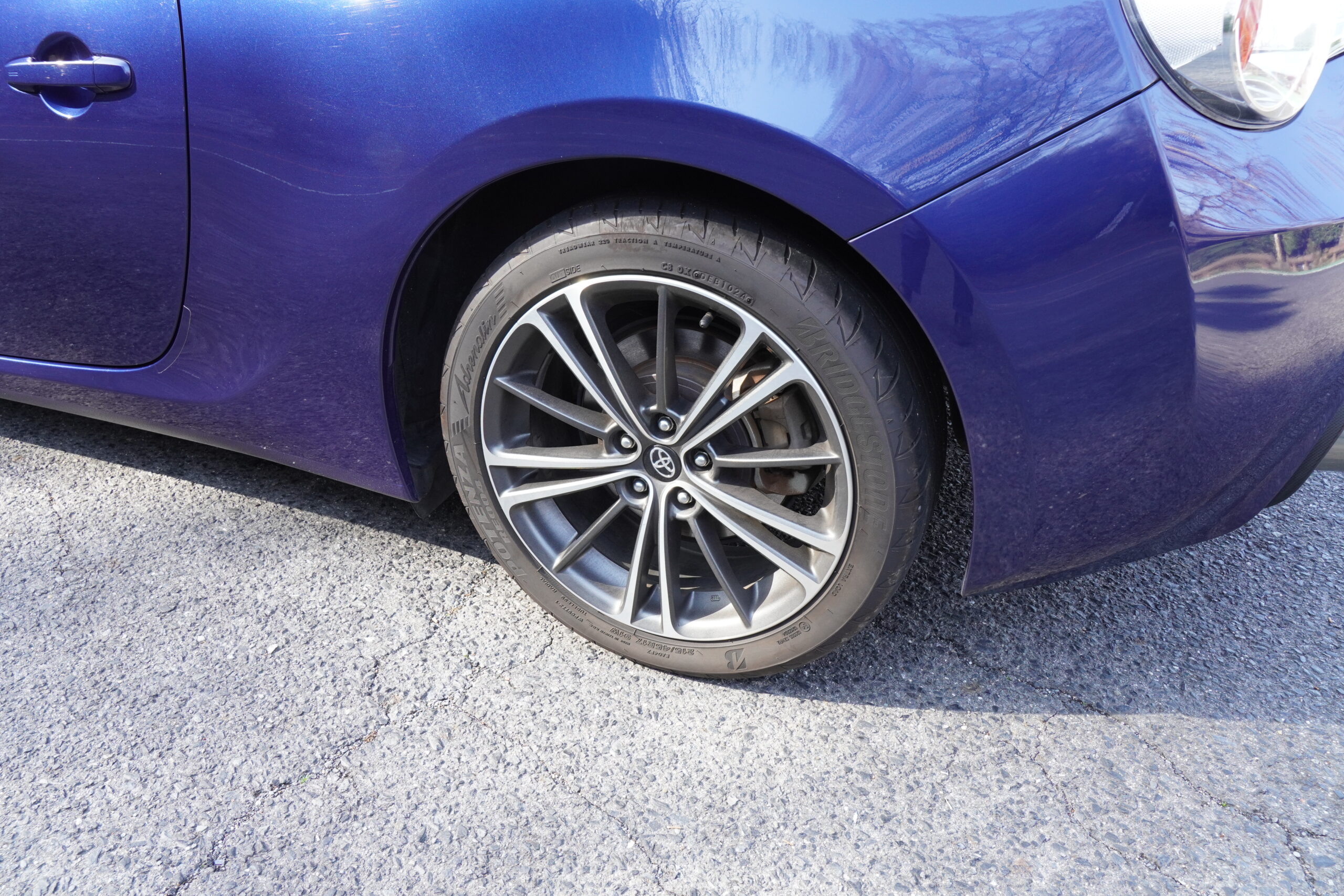
There is a profound difference between merely visiting Japan and truly discovering it. Relying on overcrowded train platforms and rigid tour schedules keeps you behind a wall, showing you only the polished surfaces meant for mass tourism. But when you step out of the train station, take the key to an authentic Japanese sports car, and turn the ignition, the entire country opens up before you.
The roar of a naturally aspirated boxer engine bouncing off narrow canyon walls, the mist rising off the Sea of Japan as you carve through coastal S-curves, and the quiet satisfaction of pulling into a historic hot spring village after an incredible day of driving—these are experiences that no rail pass can ever buy.
Your journey into Secret Japan begins behind the wheel. Stop observing the landscape through a train window and start driving it yourself. Reserve your manual Toyota 86, Subaru BRZ, or Mazda Roadster ND today at Omoren Rental Car Osaka Chuo Branch (おもしろレンタカー大阪中央店), fuel up the tank, and take control of your ultimate Japanese road trip adventure!