
Soni Kogen – The Philosophy of Driving in Japan
I spent a decade of my life behind the controls of Kintetsu Railway trains. I know the rhythm of the tracks, the precise mechanical hum of a commuter train, and the sterile efficiency of moving thousands of people from A to B on a strict, minute-by-minute schedule. There is a profound beauty in that efficiency, but there is one glaring flaw: the tracks do not deviate. They are destined for stations, for platforms, and for civilization. They can never take you to the edge of a precipice where the clouds settle into the valley like a blanket of white silk.
To truly understand Japan, you must leave the rails behind.
When you trade the train carriage for a steering wheel, Japan transforms. The "Secret Japan"—those hidden pockets of the Kii Peninsula, the silent mountain passes of Nara, and the windswept ridges of Soni Kogen—cannot be reached by a train or a bus. These places require intimacy. They require the ability to stop your engine, step out, and listen to the silence of the cedar forests or the crunch of autumn grass under your boots.
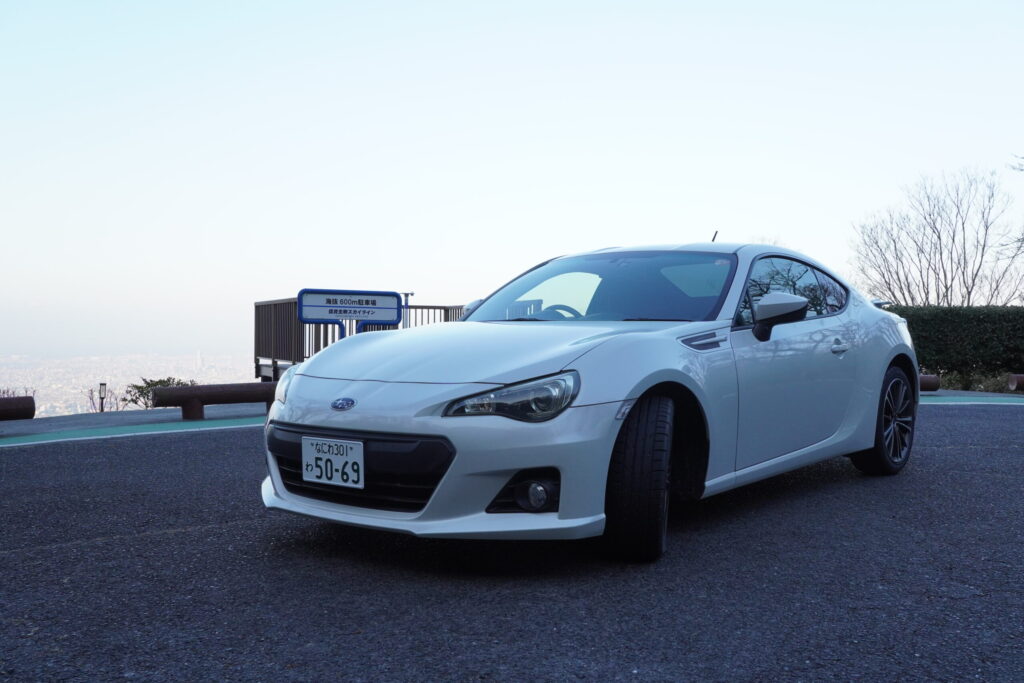
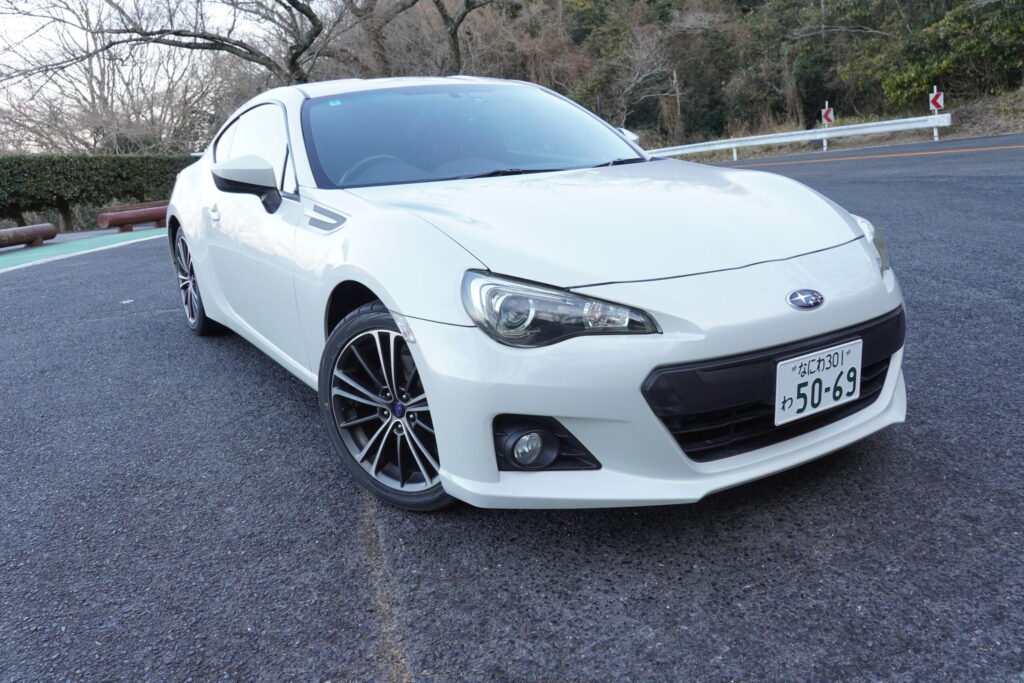
Driving in the Kansai region is more than just transportation; it is a pilgrimage of the senses. When you drive, you are no longer a passenger observing a landscape through a polycarbonate window; you are the navigator of your own narrative. You feel the camber of the road, the temperature shifts as you climb in altitude, and the distinct, raw soul of a perfectly balanced machine like the Subaru BRZ. This is the philosophy of the open road: absolute freedom, punctuated by the mechanical perfection of a Japanese sports car. If you want to touch the pulse of the real Japan, you don't look at a map; you look for the winding lines that connect the dots where the trains dare not go.

Soni Kogen – The 2-Day Itinerary: Deep Dive
Day 1: The Ascent into the Ancient Heartland
08:00 AM – Departure from Osaka The city of Osaka is a concrete labyrinth, but it serves as the perfect crucible for your journey. Slide into the low-slung, ergonomic seat of your BRZ. The cockpit is intuitive, minimalist, and focused—exactly as it should be. As you pull away from the urban sprawl, the exhaust note of the flat-four boxer engine sets the tone. It’s a rhythmic, low-frequency pulse that promises performance without the need for excessive speed.
09:30 AM – The Gateway of Sakurai As you approach the Sakurai area, the landscape begins to wrinkle. This is the heart of ancient Japan, where the Yamato kings once ruled. The roads here are narrow, flanked by traditional tiled roofs and small irrigation canals that sparkle in the morning light. You aren’t just driving; you are threading a needle through history.
11:00 AM – The Winding Path of Route 369 Route 369 is where the BRZ finds its true purpose. The road begins to snake through the valley, demanding focused inputs. Downshift into third, feel the chassis bite into the apex, and watch the revs climb smoothly as you power out of the turn. The steering feedback is telepathic—a hallmark of the low-center-of-gravity engineering that makes this car a legend among enthusiasts.
12:30 PM – Lunch in the Mountains Stop at a small, family-run eatery nestled in the hills of Uda. Order the kakinoha-zushi (sushi wrapped in persimmon leaves). The acidity of the vinegared rice and the salt-cured trout is a perfect fuel for the drive. Eat outside, watching the sunlight play off the metallic paint of your BRZ, now dusted with a light layer of road grit—the badge of honor for any mountain traveler.
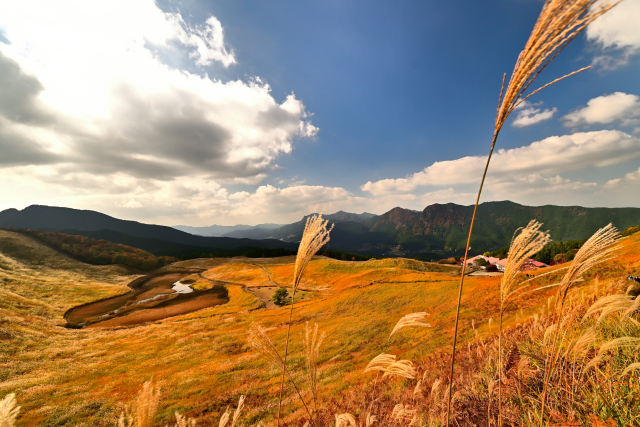
02:30 PM – Arrival at Soni Kogen As you crest the final incline, the trees peel back to reveal the Ome-yama ridge. Soni Kogen is not just a plateau; it is a rolling sea of pampas grass (susuki) that catches the wind and ripples like a golden ocean. The terrain here is volcanic, defined by the Kamedani geological features, creating a landscape that feels more Icelandic than Japanese. Park the car and take the trail toward the top. The climb is invigorating, the air thinner and sharper than in the valley.
05:00 PM – Sunset on the Ridge As the sun dips behind the jagged skyline, the silver grass turns to molten bronze. This is why you drove here. The silence is profound—broken only by the rustle of the grass. Sitting on a stone bench, watching the shadows stretch across the Nara countryside, you realize that the train would have dropped you at the base of the mountain hours ago, leaving you to wait for a return shuttle. Instead, you are alone with the horizon.
07:00 PM – Local Hospitality Retreat to a local ryokan. Soak in the onsen (hot spring) to soothe the muscles you used for driving. The water is sulfurous, warm, and restorative. Dinner is local venison or wild mountain vegetables—tastes that can only be found in the hinterlands of Nara.

Day 2: The Technical Descent and the Art of the Drive
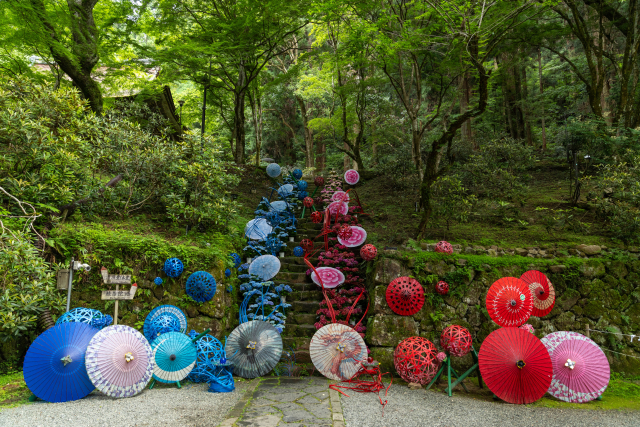
09:00 AM – The Early Morning Mist The morning in Soni is often cloaked in a thick, ethereal mist. This is when the BRZ feels most alive. The damp asphalt provides just enough slip to let you feel the car’s rear-wheel-drive balance through the switchbacks. Drive carefully—this isn't a race track—but appreciate the precision of the gear shifts as you wind your way back down the mountain pass.
11:00 AM – Exploring Muro-ji Temple Before leaving the area, detour to Muro-ji, known as the "Women's Koyasan." The temple is deep within a forest of ancient cedars. The scale here is human, intimate, and ancient. It is a stark contrast to the mechanical engineering of your car, yet both share a commitment to craftsmanship that is uniquely Japanese.
01:00 PM – The Scenic Route 165 Head back toward Osaka via the Iga region. The roads here are faster, more open, allowing the BRZ to stretch its legs. Use the paddle shifters if you’ve opted for the automatic, or enjoy the visceral engagement of the manual transmission. Feel the car settle into high-speed sweepers, the suspension soaking up the imperfections of the provincial road while maintaining perfect composure.
03:00 PM – The Final Stretch As the mountains give way to the suburban outskirts of Osaka, you’ll find yourself reflecting on the last 48 hours. You’ve covered terrain that most tourists never even know exists. You’ve mastered the corners, tasted the local earth, and witnessed the golden grass of Soni in the fading light.
Soni Kogen – Expert Advice & Cultural Nuances
In Japan, the Michi-no-Eki (Roadside Stations) are not merely rest stops; they are cultural hubs. Do not skip them. They are the best places to buy local honey, mountain vegetables, and handcrafted pottery. Often, you will find a small restaurant inside serving dishes that you simply won't find in the tourist traps of downtown Osaka or Kyoto.
When driving through rural villages, keep your speed down—not just because of the speed limits, but because of the local ojisan (elderly men) on tractors or neighbors walking their dogs. The Japanese driving culture is built on "yuzuri-ai" (mutual concession). Always acknowledge someone letting you pass with a quick wave or a brief tap of your hazard lights—a standard gesture of gratitude in the Japanese driving community.
Soni Kogen – Detailed Logistics & Pre-Trip Tips
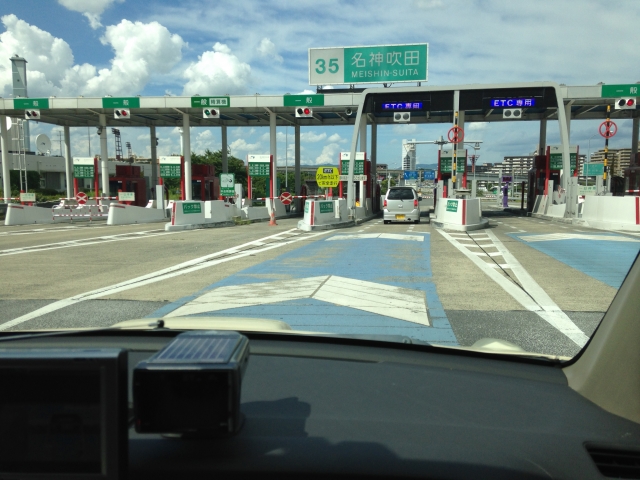
Driving in Japan is a privilege that requires preparation.
- The ETC System: Most highways are tolled. Ensure your rental vehicle is equipped with an ETC (Electronic Toll Collection) card. It’s seamless—you pass through the gates, and the cost is calculated automatically.
- Refueling: When you pull into a gas station, you’ll likely encounter a staff member. If you want a full tank, simply say, "Mantan de onegaishimasu." It’s a reliable phrase that prevents any confusion.
- Parking: In the cities, parking is vertical and mechanical. In the mountains, it is often just gravel lots. Always carry 100-yen coins; many remote parking areas operate on simple, unattended coin boxes.
- The JDM Experience: The Subaru BRZ is a driver’s car. It doesn't rely on massive turbochargers or all-wheel-drive systems to hide a lack of skill. It rewards smooth inputs. When you drive a manual version, you are physically connected to the machine. You aren't just driving; you are dancing with the internal combustion engine.
Soni Kogen – Comprehensive FAQ
Do I need a special license to drive a manual transmission car? No, a standard license is sufficient, provided you are proficient with a clutch. If you possess a valid international driving permit, you are cleared to drive in Japan.
What documentation is required? To legally drive in Japan, you must hold a valid driver’s license from your home country along with an International Driving Permit (IDP) issued according to the 1949 Geneva Convention. You must present both of these documents along with your passport. Without all three, we cannot legally hand over the keys. Please ensure your IDP is issued in your home country before departure.
Is driving in the mountains difficult? In summer and autumn, the roads are excellent. In winter, the Nara mountains can see snow; always check the weather report. The roads are well-maintained, but they can be narrow. Take your time, maintain your distance, and enjoy the view.
What if I’m not used to driving on the left? The roads in Japan are designed for safety. The left-hand traffic flow is intuitive once you’ve spent an hour on the road. The most important rule: "Keep left."
Soni Kogen – The Final Thoughts
You have read the words, and you have visualized the route. You can almost smell the mountain air and hear the boxer engine’s distinct growl as it exits a hairpin turn. But there is a massive difference between reading about an adventure and living it.
The golden grass of Soni Kogen is waiting, and the mountain passes of Nara are calling for the chassis of a perfectly balanced sports car. The trains will still be running on their rigid, predictable schedules tomorrow, next week, and next year. But the freedom of the open road, the sensation of the BRZ responding to your every command, and the silence of the Japanese wilderness—that is something you must seek out for yourself.
Stop waiting for the "perfect time." Book your machine, pack your bags, and head to Omoren Osaka Chuo. Your keys are waiting. The road is open. It’s time to drive.