
1. Osaka Bay: The Philosophy of Driving in Japan
To the casual tourist, Japan is a land best seen through the rigid window of a Shinkansen—a blurred montage of emerald rice paddies and industrial gray outskirts. I know this world well. As a former conductor for the Kintetsu Railway, my life was once governed by the rhythmic clack-clack of tracks, the precision of a second-hand watch, and the sterile predictability of a steel carriage. I spent years ushering thousands of passengers from point A to point B, their experiences limited to the view from a platform or a station exit.
But there is a profound, almost tragic limitation to rail travel: it ignores the "in-between."
The true spirit of Japan doesn't exist in the hyper-modern hubs of Umeda or the neon-drenched corridors of Namba. It lives in the subtle shifts of geography—the way the air changes as you approach the salt-sprayed coast, the hidden coastal roads that hug the Osaka Bay, and the quiet piers where the train lines simply cannot reach. To experience the "Secret Japan," you must seize control. You must grip a steering wheel, engage a manual transmission, and feel the mechanical heartbeat of a machine that communicates directly with the asphalt.
Driving the Osaka Bay area—specifically, venturing out from the city in a true JDM legend like the Toyota 86—is a baptism by fire and salt air. This car is not just transport; it is a precision instrument designed for the very roads that traverse the Kansai coastline. When you pilot an 86, you are not a passenger; you are a participant. You feel the tactile feedback through the chassis as you navigate a sweeping coastal curve; you hear the boxer engine’s growl bounce off the sea walls. This is the difference between watching a travel documentary and starring in your own feature film.
In Osaka, we have a unique advantage: we are the gateway to both the rugged mountains and the expansive bay. By choosing the driver’s seat, you move from being a spectator of Japan to an explorer of its hidden soul, finding the beauty that the iron tracks were never meant to touch.

2. The 2-Day "Coastal Horizon" Itinerary: A Deep Dive into Osaka Bay
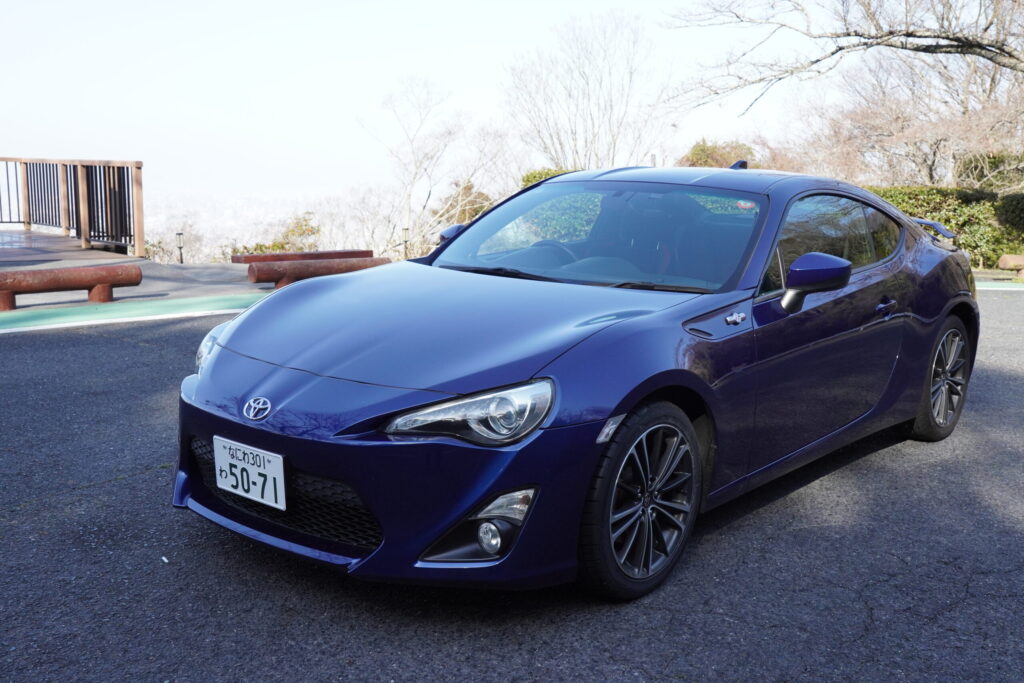
This is not a tour for the faint of heart. This is a pilgrimage for those who live for the friction of rubber against sea-sprayed asphalt.
Day 1: The Industrial Cathedral and the Sunset Sprint
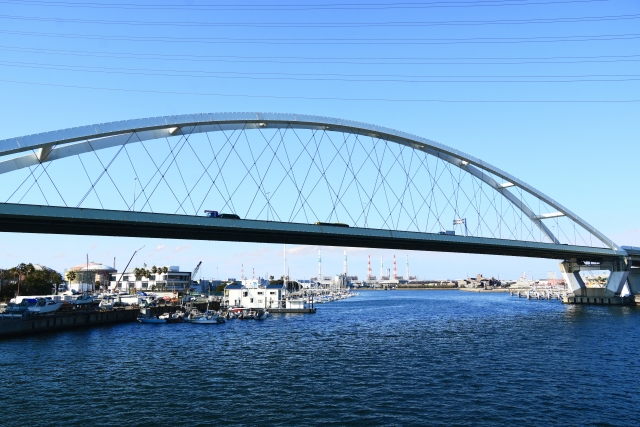
08:00 AM – The Departure You pull away from the urban sprawl of Osaka in your manual 86. The city’s chaotic grid fades, replaced by the rising silhouette of the port infrastructure. The engine is cold, but the anticipation is white-hot. You are heading toward the Sakai-Semboku Rinkai industrial zone, where the landscape takes on a futuristic, almost cinematic aesthetic.
10:00 AM – The Industrial Artistry of Sakai The drive along the Sakai coastline is a masterpiece of scale. Massive oil refineries and steel mills rise like cathedral spires against the sky. As you steer your 86 through the expansive, wide-laned roads, the car feels in its element. The low center of gravity of the 86 allows for effortless cornering on the long, sweeping ramps of the Hanshin Expressway’s coastal segments. The smell of the ocean begins to overtake the scent of the city.
12:30 PM – Lunch at a Local Pier You descend into a quiet fishing nook near the southern reach of the bay. You find a nondescript local eatery—the kind where the menu is written on a chalkboard and the fish was caught only hours before. You order shirasu-don (whitebait bowl), a local specialty. The taste is subtle, briny, and fresh—a perfect counterpoint to the high-octane morning.
03:00 PM – The Secluded Lighthouse You park near an ancient lighthouse tucked away from the main thoroughfare. The air here is thin and cool, scented with sea salt and damp cedar from the nearby coastal forest. Walking the grounds, the only sound is the rhythmic crash of the waves against the stone rip-rap. There is a profound stillness here, a stark contrast to the aggressive performance of your car parked just outside the gate.
06:00 PM – Sunset at the Bay’s Edge You reach a viewpoint overlooking the Osaka Bay as the sun dips below the horizon. The landscape turns a bruised, magnificent purple, and the lights of the distant port begin to flicker on like fallen stars. You stand by the hood of your car, the metal still ticking as it cools. This is the "Secret Japan" moment: silence, speed, and the horizon.

Day 2: The Coastal Sprint and the Urban Night
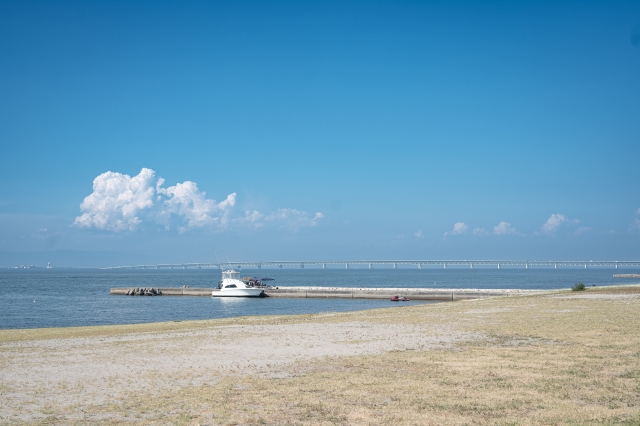
09:00 AM – The Southern Coastal Run You head further south toward the Sennan Long Park area. The road opens up, allowing for longer gear pulls. You feel the car breathe. The scent of the Pacific begins to mingle with the smell of gasoline and hot brake pads. You navigate the coastal roads that hug the shoreline, taking every turn with precision.
12:00 PM – Seafood and Salt Air Lunch is fresh anago (conger eel) at a wharf-side stall. The fish is seasoned simply with salt and flame. You are miles away from the tourists of Dotonbori; here, it is just you, the ocean, and the locals.
03:00 PM – The Inland Detour On the return to Osaka, you take the long way back through the foothills of the Izumi Range. The roads are tighter, more technical. You find a rhythm, dancing the car through a series of "S" turns. It is a physical dialogue; the steering wheel is your bridge to the earth beneath you.
08:00 PM – The Urban Night Cruise You return to the heart of Osaka, but the day isn't over. You head for the Hanshin Expressway’s famous "Kanjo Loop." This is the birthplace of the Kanjozoku street racing scene. As you merge into the flow of traffic, the skyline of Osaka illuminates in a neon blaze. Weaving through the urban canyons, surrounded by the glow of skyscrapers, you feel the true, rebellious pulse of Osaka’s automotive history.
3. Expert Advice & Cultural Nuances
In Japan, the Michi-no-Eki (Roadside Station) is more than a pit stop; it is a cultural institution. You will find them dotting the rural edges of the bay area. Stop at them—not just for the restroom, but for the local produce, the freshly made mochi, and the chance to interact with local drivers.
When driving in coastal areas, remember that local fishermen and delivery trucks have the right of way. If you find yourself in a tight, narrow fishing village road, pull over and yield. The Japanese concept of wa (harmony) extends to the road; being a courteous driver is as important as being a fast one. Finally, avoid parking in "no parking" zones; the police are efficient, and the fines are steep.
4. Detailed Logistics & Pre-Trip Tips
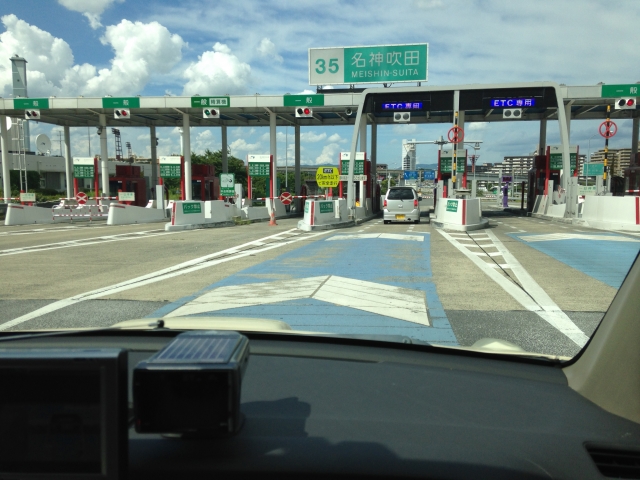
Driving in Japan is a privilege that rewards preparation.
- ETC Cards: Always request an ETC (Electronic Toll Collection) card with your rental. It allows you to breeze through toll gates without stopping. Without one, you’ll be fumbling for coins at every exit.
- Refueling: When you pull into a gas station, don’t panic if an attendant runs out. Simply roll down your window and say "Mantan" (Full tank) and "High-octane." Note that most JDM performance cars require "High-octane" (often marked with a yellow nozzle).
- The MT Experience: Driving a manual transmission (MT) car like an 86 in Japan is an elevated experience. The gear shifts are crisp, the engagement is mechanical, and the feeling of manually controlling your power through the coastal bends is indescribable. It is the purest way to experience the legendary engineering of Japan’s automotive manufacturers.
5. Comprehensive FAQ
- What documents do I need? To drive in Japan, you must possess a valid driver's license from your home country, a valid International Driving Permit (IDP) in accordance with the 1949 Geneva Convention, and your passport.
- What if I’m worried about driving an MT car? Don’t be. Our cars are maintained to the highest standard, and the clutch feel on the 86 is famously forgiving.
- Is winter driving a concern? In the coastal Osaka area, winter is mild, but always check the forecast.
- What about insurance? All rentals should come with comprehensive insurance. Treat the car with respect, and you will be well-protected.
Regarding licenses: Ensure your home license is valid and that you have obtained an IDP from your home country's authorized association before arriving. Without the physical IDP and your original home country license, you will not be able to rent or drive a vehicle in Japan.
6. The Final Thoughts: Your Journey Awaits
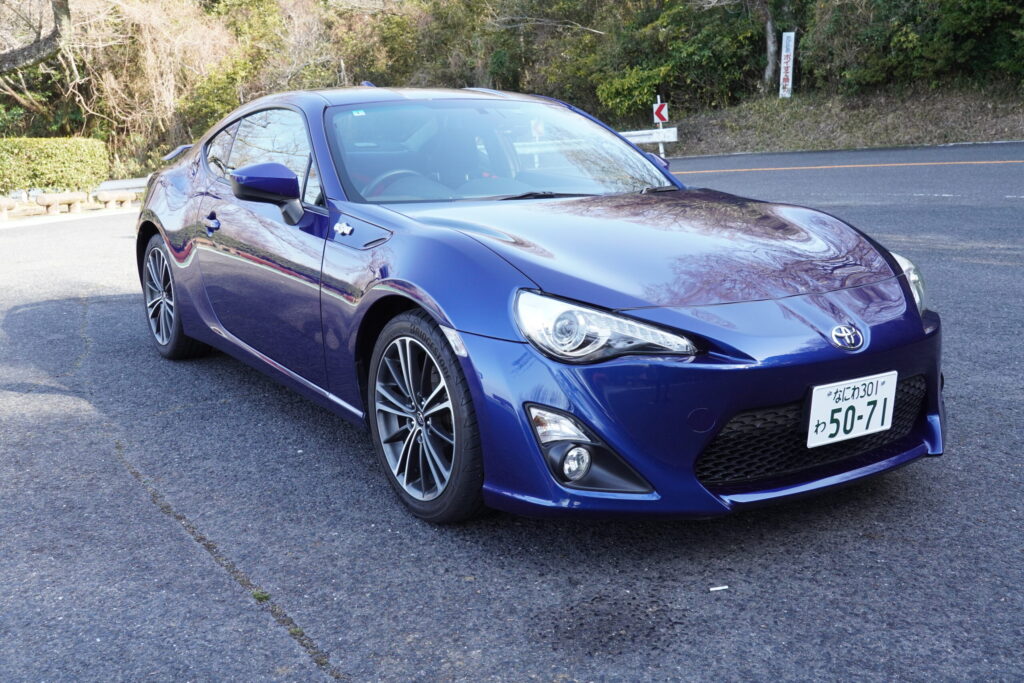
The road is calling. You’ve read about the coastal sprints, you’ve imagined the shift from third to fourth on a sweeping curve, and you’ve felt the phantom glow of the Osaka city lights. The only thing missing is you in the driver’s seat.
Whether you are a seasoned enthusiast looking to push a car to its limits or an adventurer wanting to see the Japan that remains hidden from the rail lines, the time to act is now.
Experience the pinnacle of JDM performance. Feel the precision, embrace the culture, and claim the road as your own. When you are ready to stop dreaming and start shifting gears, come visit us at おもしろレンタカー大阪中央店 (Omoshiro Rent-A-Car Osaka Chuo). We have the machines, the expertise, and the keys to your next great adventure.
Book your 86 today. The Osaka Bay coastline is waiting.