
Nose: The Philosophy of Driving in Japan
As a former conductor for Kintetsu Railway, I spent years watching the Japanese landscape slide past rectangular train windows. I knew every click-clack of the rail joints, every rhythmic sway of the carriage, and the precise schedule that kept millions moving with clockwork precision. Trains are the lifeblood of Japan, a marvel of engineering that connects urban metropolises with peerless efficiency. Yet, looking out those high-speed train windows at the emerald valleys, misty mountain passes, and hidden coastal byways, a persistent thought always echoed in my mind: You are only passing through the scenery, never truly touching it.
Railways bind you to steel paths dictated by timetables and designated stops. They shield you from the raw, beating heart of the country. To truly understand Japan—to experience the pulse of its ancient earth, the scent of hinoki cypress after a morning rain, and the tactile dialogue between machine and tarmac—you have to leave the tracks behind. You have to take the steering wheel into your own hands.
When most international travelers think of driving in Japan, their minds immediately jump to the neon-drenched expressways of Tokyo or the coastal cruises of Okinawa. But for those initiated into the true mysteries of Japanese motoring, the magic lies in the "Secret Japan" accessible only by car, specifically within the dramatic topography of the Kansai region. Operating a JDM (Japanese Domestic Market) sports car out of Osaka transforms a simple vacation into an intimate mechanical romance.
Osaka serves as the ultimate basecamp for automotive exploration. While the city pulses with an electric urban energy, mere minutes behind the wheel can transport you into a completely different dimension. Heading north from the concrete canyons into the rugged highlands of Nose (能勢), the landscape shifts dramatically. Nose is Osaka’s best-kept secret—a tranquil rural sanctuary where time seems to slow down, framed by rolling mountains, terraced rice paddies, and legendary winding passes that beckon to the soul of every true driving enthusiast.
This is not about sightseeing from a distance; it is about absolute immersion. Piloting a rear-wheel-drive icon like the Toyota 86 through the undulating elevations of Nose allows you to experience the Japanese countryside the way it was meant to be felt: through high-revving naturally aspirated horsepower, communicative steering feedback, and the symphony of a finely tuned exhaust echoing off ancient valley walls. This is your invitation to break away from the tourist crowds, drop a gear, and discover the hidden asphalt poetry of Nose.

Nose: The 2-Day Itinerary: Deep Dive
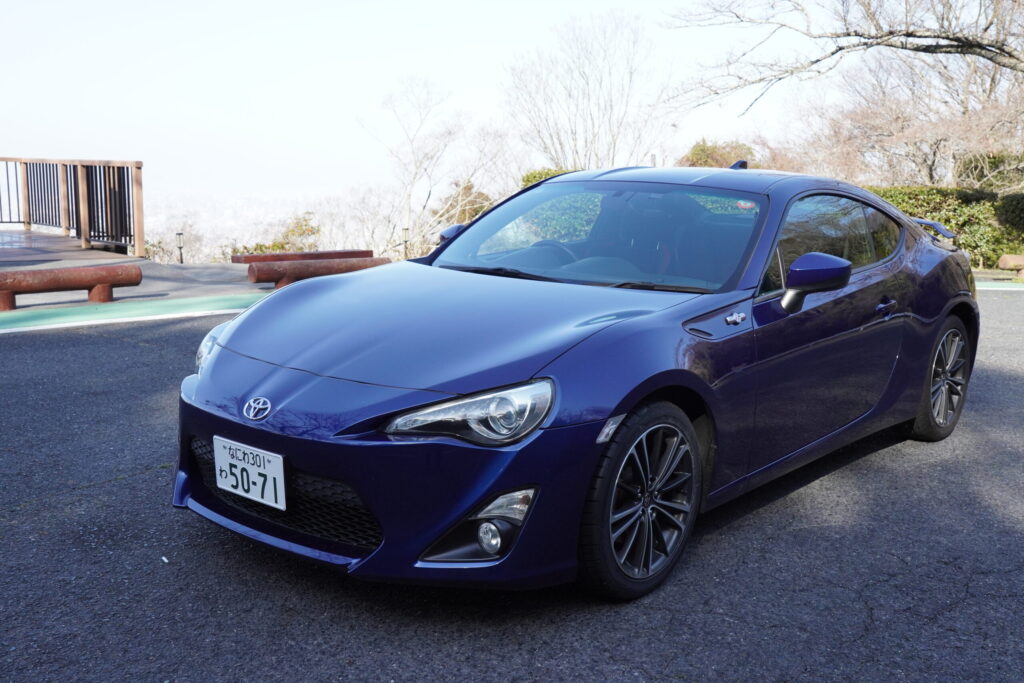
Day 1: Escaping the Urban Labyrinth into the Highland Mist
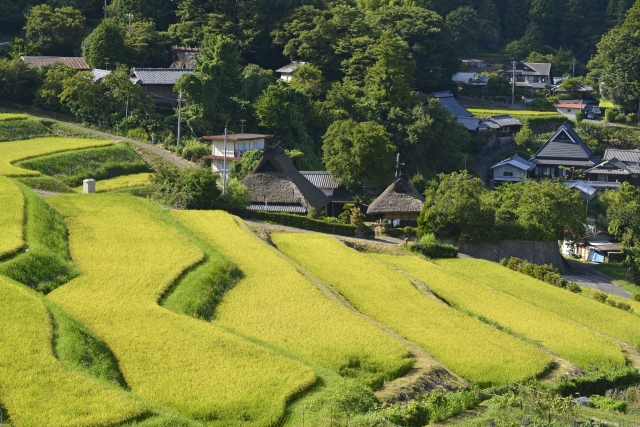
08:00 AM – The Awakening of the Boxer Engine
Your journey begins in the heart of Osaka. Stepping up to your chariot for the next two days—a pristine, manual-transmission Toyota 86—your pulse naturally quickens. Finished in iconic aerodynamic lines, this lightweight, rear-wheel-drive masterpiece sits low to the pavement, promising an unfiltered mechanical dialogue.
You slide into the bucket seat, adjust the snug bolster, and press the ignition. The 2.0-liter naturally aspirated flat-four Boxer engine barks to life with an assertive, metallic rasp before settling into a steady, purposeful idle. Clutch pedal weight is reassuringly firm; the short-throw shifter clicks into first gear with mechanical precision. Pulling out from the urban depot, you weave through the awakening morning traffic of Osaka, heading northward via Route 423. The city’s skyscrapers gradually give way to suburban sprawl, and within forty minutes, the concrete jungle dissolves into the rolling green foothills of the Hokusetsu mountain range.
10:30 AM – Conquering the Minoh and Nose Border: The Ascent Begins
As you cross the boundary into Toyono and approach the southern gateway of Nose, the terrain begins to ripple and fold. The straight boulevards transform into a sequence of sweeping elevation changes and technical corners. This is where the Toyota 86 truly comes alive.
You approach your first major technical challenge: the winding stretches leading toward Nose’s highland plateau. Approaching a sharp uphill hairpin, you heel-and-toe downshift from fourth to second. The revs match with a crisp blip of the throttle; the tachometer needle swings eagerly toward the redline. Turn-in is razor-sharp. The MacPherson strut front suspension bites into the apex, and as you feed in the throttle on exit, the limited-slip differential gently loads up, letting the rear tires trace a clean, perfect arc through the bend.
The air cools noticeably as you climb higher. Wisps of morning mist cling to the upper canopy of towering cedar trees, creating an ethereal, cinematic atmosphere. The scent of damp earth and pine needles floods the cabin through the slightly cracked window, mixing with the warm aroma of mechanical warmth.
12:30 PM – Gastronomy at the Crossroads: Culinary Artistry in the Countryside
By midday, you pull into the vicinity of Nose's tranquil rural center. Nestled among patchwork green fields and traditional thatched-roof farmhouses lies a local culinary institution: a rustic, family-run Soba restaurant tucked away from the main thoroughfare.
Parking the 86 under the dappled shade of a giant zelkova tree, you step out, letting the hot exhaust ticks rhythmically as the engine cools. Inside the restaurant, the atmosphere is a masterclass in rustic Japanese minimalism. Low wooden tables look out onto a meticulously tended Zen rock garden.
You order the specialty: hand-crafted Juwari Soba (100% pure buckwheat noodles) served alongside crispy, seasonal wild mountain vegetable tempura (sansai), foraged directly from the surrounding hills. When the food arrives, the presentation is breathtaking. The soba noodles are pale grey, impeccably uniform, and offer a firm, earthy bite that releases a delicate, nutty aroma with every chew. Dipped lightly in a chilled, umami-rich tsuyu broth accented with freshly grated local wasabi and scallions, it is a meal that grounds your senses entirely in the terroir of Nose. A side of crisp, lightly battered koshiabura shoots delivers a subtle bitterness that melts on the tongue, perfectly balanced by the clean, crisp mountain spring water served alongside.
03:00 PM – The Ancient Sentinels: Nose’s Living History
With a satisfied appetite, you fire up the Boxer engine once more and navigate the undulating secondary roads toward one of Nose’s most sacred natural monuments: the massive giant zelkova of Nose (Nose no Keaki), a designated Natural Monument of Japan estimated to be over 1,000 years old.
The drive there is a meditation in automotive rhythm. The road narrows, weaving alongside the crystal-clear waters of the Inagawa River. The 86 dances gracefully from left to right through successive S-curves, the steering wheel transmitting every subtle texture of the asphalt straight to your palms.
Arriving at the shrine grounds, you step out into an overwhelming silence, broken only by the rustling of ancient leaves overhead. The massive zelkova tree towers before you with a trunk circumference of over 14 meters. Its colossal gnarled branches, supported by wooden struts, stretch out like ancient arms protecting the valley. Standing beneath this living titan, you feel the profound continuity of Japanese history—a tree that has witnessed centuries of samurai, farmers, and travelers pass through these very valleys. As the afternoon sun begins its descent, golden rays pierce through the dense canopy, casting long, dramatic shadows across the hood of your sports car.
06:00 PM – Settling into Isolation: The Mountain Ryokan
As twilight paints the sky in shades of bruised purple and fiery orange, you navigate the final stretch of winding mountain tarmac to your accommodation for the night: an upscale, secluded hot spring (onsen) ryokan tucked deep within the Nose mountains.
The ryokan host greets you at the sliding timber entrance with a deep, reverent bow, welcoming you into a world of tatami mats, shoji screens, and understated luxury. After parking the 86 securely in the ryokan’s courtyard—where you catch one last lingering glance at its sleek silhouette under the security lights—you slip into a traditional cotton yukata robe and head straight for the outdoor rotenburo hot spring bath.
Submerging your tired body into the mineral-rich, steaming thermal waters while crisp night mountain air cools your face is nothing short of transcendent. Below you, the valley settles into darkness, punctuated only by the distant croaking of frogs and the gentle murmur of a mountain stream. Dinner is a multi-course kaiseki banquet served directly in your room: delicate slices of locally sourced seasonal sashimi, grilled river ayu fish glazed with sweet miso, and tender Wagyu beef seared to perfection on a personal hot stone. Every dish is a work of edible art, celebrating the harvest of the Osaka highlands.

Day 2: High Passes, Sunsets, and the Return to the Neon Pulse
08:30 AM – Dawn Patrol on the Horikoshi Pass
Day two breaks with crystal-clear morning light flooding through the shoji screens. Following a hearty traditional breakfast of grilled salmon, steaming Koshihikari rice, and savory miso soup, you check out, eager to experience the crown jewel of Nose’s driving roads before the rest of the world wakes up.
Today’s route targets the legendary mountain passes linking Nose to neighboring Kyoto and Hyogo, starting with the sweeping elevation changes of the Horikoshi Pass. The asphalt here is smooth, cutting cleanly through steep forested slopes with a sequence of technical decreasing-radius turns and undulating crests.
You engage second gear as you attack the initial incline. The Toyota 86 responds instantly, its balanced chassis communicating total poise. Entering a long, sweeping uphill right-hander, you hold a steady throttle position, feeling the lateral G-forces press your torso firmly against the seat bolster. The rear tires maintain relentless communication with the road surface. Cresting the summit, the road opens up into a breathtaking panoramic view of the cascading green valleys below, shrouded in a lingering morning sea of clouds. You pull off at a small scenic overlook, cutting the engine to let the mechanical silence wash over you. The crisp mountain air fills your lungs as you gaze out over an unbroken horizon of peaks and valleys—a pristine glimpse of Secret Japan that ordinary tourists reading guidebooks on crowded trains will never witness.
11:30 AM – The Rural Artisan Trail and Agricultural Treasures
Descending from the heights, you spend the late morning exploring Nose's vibrant agricultural heritage. You make a stop at a renowned local roadside station (Michi-no-Eki), the cultural and economic nexus of the rural community.
The parking lot is a lively gathering space, and your sports car immediately draws appreciative, knowing glances from local Japanese car enthusiasts. Inside, the market overflows with hyper-local treasures: ruby-red strawberries, freshly harvested mountain mushrooms, artisanal honey infused with wildflower nectar, and Nose’s legendary chestnuts (kuri), celebrated across Japan for their exceptional sweetness and size.
You pick up a bag of freshly roasted chestnuts and a bottle of locally brewed sparkling cider made from Nose spring water. Leaning against the fender of the 86 in the sunlight, peeling hot chestnuts while listening to the distant chatter of farmers and travelers, you experience the genuine warmth of rural Japanese hospitality. There are no scripted tourist performances here; this is authentic, everyday Japanese country life at its most welcoming.
02:00 PM – The Sculpted Earth of the Kehi Terraced Rice Paddies
Continuing your northbound loop, you navigate toward the Kehi district, home to some of the most spectacular terraced rice paddies in the Kansai region. Carved painstakingly into the steep mountain slopes over centuries, these geometric tiers create an amphitheater of agricultural art.
In the high summer, the paddies are flooded with crystalline mountain water that mirrors the azure sky and drifting white clouds like a shattered mosaic of giant mirrors. You park the 86 safely on a wide agricultural turnout and walk along the narrow earthen paths dividing the paddies. The only sound is the rhythmic chorus of Japanese tree frogs and the gentle rustle of young rice stalks swaying in the breeze.
From an automotive photography perspective, this location is legendary. Positioning the sleek, modern lines of the Toyota 86 against the ancient, timeless geometry of the terraced paddies creates a striking visual juxtaposition—a celebration of how modern Japanese engineering and ancient agricultural tradition can coexist in absolute harmony.
04:30 PM – The Sunset Run Down the Inagawa Corridor
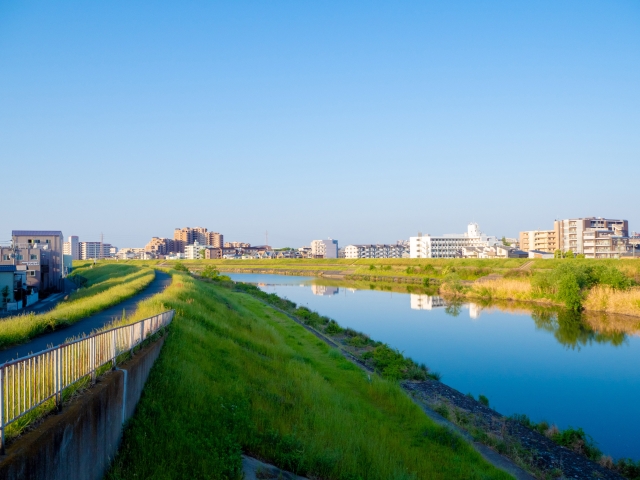
As the afternoon sun dips low, casting long, golden amber hues across the landscape, it is time to begin your journey back toward Osaka. Rather than taking the expressway, you opt for the scenic Inagawa river corridor, tracing the winding waters back toward the urban perimeter.
This is the golden hour of driving. The cabin of the 86 glows with warm twilight reflections. You shift down into third gear, letting the exhaust note reverberate off the concrete retaining walls and stone bridges as you carve through a final series of gentle S-curves. The car feels lighter, more agile, as if it has bonded with your driving inputs over the past two days. Every throttle blip, every steering correction, and every gear change has become second nature—a seamless extension of your own reflexes.
07:00 PM – Returning to the Pulse of Osaka
Re-entering the Osaka metropolitan area via the Hanshin Expressway under the glittering canopy of city lights, the transition is startling yet exhilarating. The quiet, misty mountain roads of Nose fade into a river of ruby-red taillights and electric neon signs.
You pull back into the urban depot where your journey began forty-eight hours ago. Shutting off the engine, you sit in the cabin for a quiet moment as the cooling metallic ticks echo softly in the quiet garage. You didn't just visit Japan; you drove through its soul.
Nose: Expert Advice & Cultural Nuances
Navigating the backroads of Nose and the broader Kansai hinterland requires an appreciation for unwritten local etiquette and roadside culture. Mastering these nuances transforms you from a standard tourist into a respected guest on Japan’s asphalt.
The Sacred Institution of "Michi-no-Eki" (Roadside Stations)
Throughout rural Japan, Michi-no-Eki are far more than simple gas stations or highway rest stops; they are vibrant cultural hubs celebrating local agriculture and craftsmanship. Always make time to stop at these stations. They offer pristine restrooms, regional culinary delicacies you won't find in major cities, and direct insight into what makes each specific municipality unique. Remember that parking etiquette is paramount: park strictly within the designated white lines, never block commercial delivery zones, and always take your trash with you or dispose of it in the specific recycling bins provided.
Mastering Japanese Mountain Pass Etiquette (Toge Culture)
Nose’s winding roads are shared by local commuters, agricultural trucks, cycling enthusiasts, and fellow driving aficionados.
- The Courtesy Pull-Over: If you notice a local commuter vehicle closing in on your rear bumper, it is customary and polite to signal gently, ease off the throttle, and pull safely into a wide turnout (taihisho) to let them pass. Japanese drivers rarely ride your bumper aggressively without reason; if they are pressing you, let them by with a polite wave of acknowledgment.
- ECO-Driving and Noise Respect: While driving a sports car like the 86 encourages spirited driving, residential areas and mountain villages require mindfulness. Avoid excessive engine revving, loud acceleration, or unnecessary gear-holding when passing through small settlements, especially early in the morning or late at night.
Navigating Local Gas Stations (Gasorin Sutando)
While self-service stations (serufu) are increasingly common across urban fringes, many rural stations in the mountains remain full-service (full-service). Knowing a few key phrases will make your fuel stops seamless. When the attendant approaches your window, simply state your fuel requirements clearly. (For instance, saying "Hi-okute, mantan" translates to "High-octane gasoline, fill it up please!") High-octane fuel is essential for high-performance JDM sports cars like the 86 to ensure optimal engine performance and protection. Most stations accept major international credit cards, but keeping some cash on hand for remote mountain outposts is always a wise precaution.
Nose: Detailed Logistics & Pre-Trip Tips
Embarking on a self-drive adventure in Japan requires careful logistical preparation to ensure a smooth, stress-free experience from the moment you turn the ignition key.
The 2026 Driving Landscape in Japan
In 2026, Japan’s road infrastructure remains the envy of the world—exceptionally well-paved, brilliantly signposted with English translations, and fully integrated with modern digital navigation systems. GPS units installed in rental vehicles feature multi-language support (including English, Mandarin, and Korean) and allow you to search locations simply by entering telephone numbers or MapCodes, eliminating any navigational anxiety.
Navigating the Expressway Network with ETC
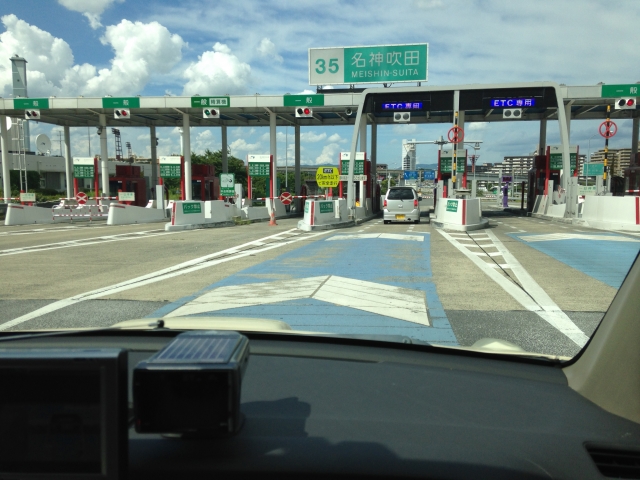
If your journey takes you onto toll expressways, an Electronic Toll Collection (ETC) card is indispensable. An ETC card is inserted into an on-board reader in the vehicle, allowing you to breeze through dedicated ETC toll gates without stopping to handle cash or tickets. Rental operators can provide an ETC card for a nominal rental fee, and your accumulated tolls are simply settled upon your return. It saves invaluable time and eliminates friction at toll booths.
The Unmatched Thrall of a JDM Manual Transmission
For true driving purists, renting an automatic vehicle in Japan is missing half the cultural experience. Piloting a manual transmission (MT) rear-wheel-drive sports car like the Toyota 86 connects you directly to the legendary lineage of Japanese automotive engineering. The mechanical engagement of rowing your own gears through a close-ratio six-speed gearbox while navigating the elevation changes of Nose elevates driving from a mundane transit chore into an active, deeply rewarding art form. The lightweight chassis, balanced weight distribution, and communicative steering feedback deliver a masterclass in driving dynamics that leaves an indelible smile on your face.
Nose: Comprehensive FAQ
What documentation is required for international visitors to drive in Japan?
To legally drive a rental car in Japan as an international visitor, you must present three essential items at the time of vehicle pickup:
- Your valid national driver's license issued by your home country.
- An International Driving Permit (IDP) obtained prior to your departure, issued in accordance with the 1949 Geneva Convention on Road Traffic. (Note: Licenses issued under the 1968 Vienna Convention or other treaties are generally not accepted in Japan).
- Your valid passport.All three documents must be presented together. It is critical to verify your home country's specific issuing authority and ensure your IDP is valid before traveling, as Japanese rental agencies cannot legally release a vehicle without these exact credentials.
What kind of insurance coverage is included, and what should I know about accidents?
Reputable sports car rental providers include comprehensive basic insurance coverage within their standard rental rates. This typically covers third-party liability (bodily injury and property damage), vehicle damage up to specified limits, and personal injury protection. However, renters are generally responsible for a Deductible (or Collision Damage Waiver excess fee) in the event of an at-fault accident, alongside a Non-Operation Charge (NOC) compensating the shop for downtime if the vehicle requires repairs. Always review the specific insurance terms carefully at the counter and drive with disciplined caution.
Is driving a manual transmission car in Japan difficult for foreigners?
Driving a manual transmission car in Japan is straightforward for anyone already comfortable with stick-shift driving, with one major adjustment: Japan drives on the left side of the road, meaning you will be shifting gears with your left hand while steering with your right. For drivers accustomed to left-hand-drive vehicles, the initial adaptation period takes about 15 to 30 minutes of quiet driving in suburban areas. Once your brain adjusts to the left-hand seating position and mirror checks, operating a manual JDM sports car becomes completely intuitive and intensely gratifying.
What are the road conditions like during winter in the Nose highlands?
From late December through March, the higher elevations of Nose can experience sub-zero temperatures, frost, and occasional snowfall. If you are planning a winter driving excursion into the mountains, ensure your rental vehicle is equipped with high-performance winter snow tires (studless tires). Driving on mountain passes requires smooth, progressive inputs—avoiding sudden braking, sharp steering, or aggressive acceleration—to maintain absolute traction on cold or damp asphalt.
Nose: The Final Thoughts
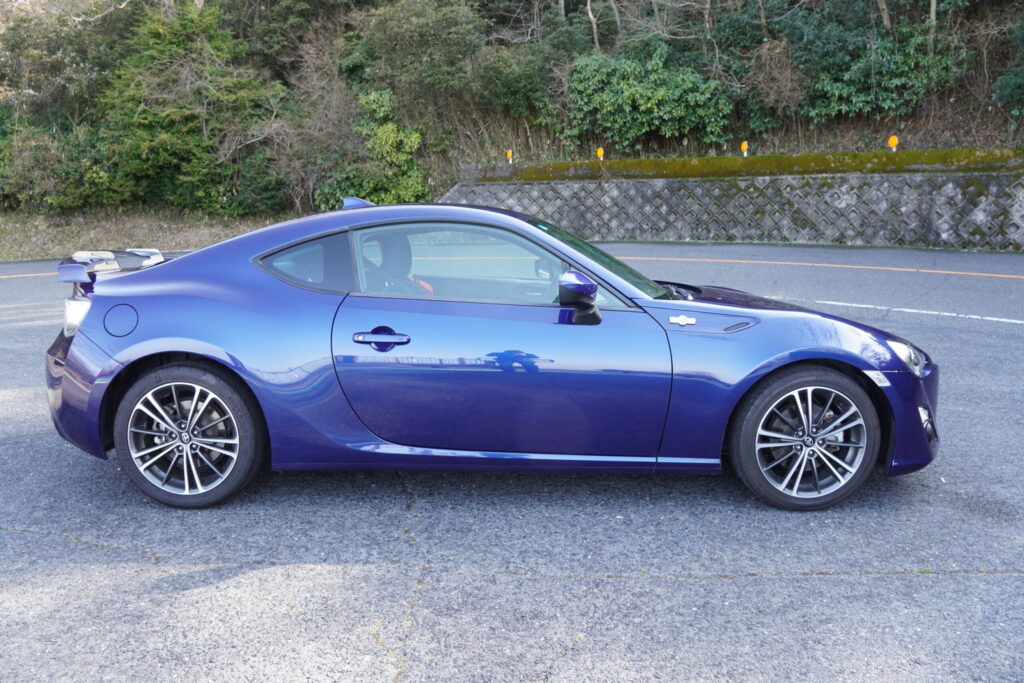
The winding mountain passes of Nose, the crisp scent of cedar forests, and the mechanical symphony of a high-revving Boxer engine are waiting for you. Do not let another vacation dissolve into the monotonous rhythm of crowded train platforms and rigid timetables. Take control of your journey, drop a gear, and write your own automotive adventure across the secret backroads of Japan.
Your machine is primed, the open asphalt is calling, and an unforgettable driving experience awaits. Secure your keys today through おもしろレンタカー大阪中央店 (Omoren Osaka Chuo Store), situated in the heart of Osaka. Step behind the wheel of a meticulously maintained, manual-transmission Toyota 86 or Subaru BRZ, and discover the true driving soul of Japan. Book your vehicle now and answer the call of the winding road!