
The Philosophy of Driving in Japan
As a former conductor for Kintetsu Railway, I spent years traversing Kansai on steel rails. I learned the precise rhythm of train departures, watched the landscape blur past rectangular windows, and guided thousands of travelers along Japan’s world-class public transit grid. The efficiency of Japan's rail network is legendary, but it has one inherent limit: it keeps you on a fixed path. Railways connect destinations; they rarely let you linger in the empty spaces between them.
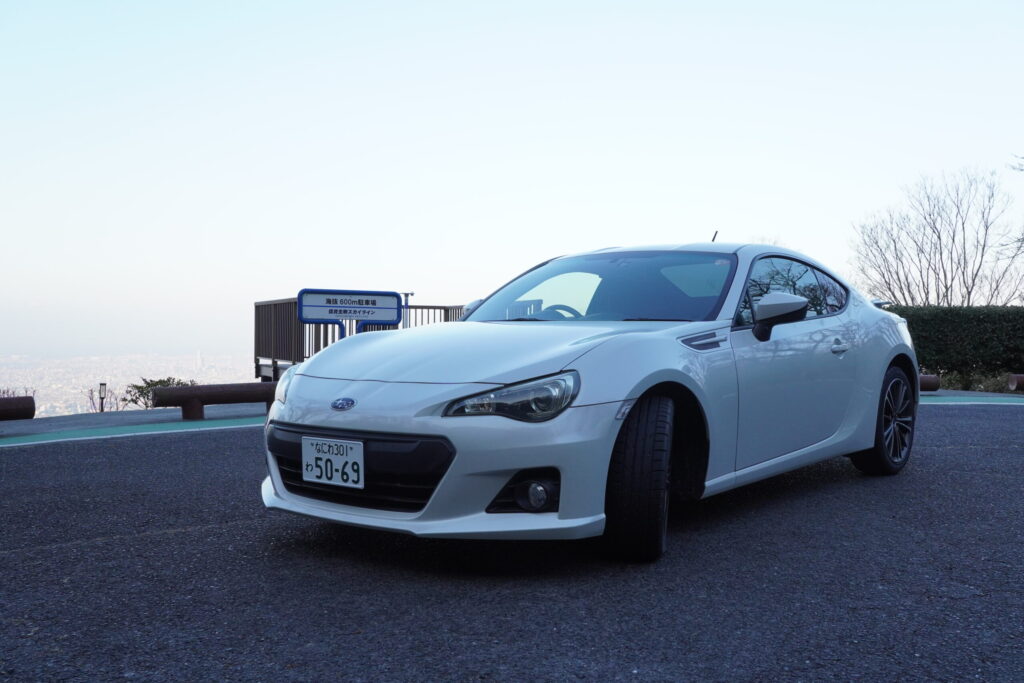
When you step off the train platform and slide into the driver’s seat of a lightweight, rear-wheel-drive sports car like the Subaru BRZ, your relationship with the Japanese countryside transforms instantly. You transition from a passive passenger following a timetable to an active explorer crafting your own journey.
Osaka is famous for its vibrant street food, neon-drenched nightscapes, and hyper-dense urban energy. Yet just an hour north lies a dramatic landscape that feels worlds away: Nose (能勢). Located in the northernmost tip of Osaka Prefecture, Nose is a region defined by ancient cedar forests, terraced rice paddies, serene mountain passes, and traditional countryside farmhouses.
Public transportation to these remote corners is sparse at best, with local buses running infrequently along limited routes. To truly experience Nose—to feel the elevation shifts, to stop at roadside local markets tucked into mountain valleys, and to carve through sweeping tarmac twists—you need four wheels, a crisp manual gearbox, and an appetite for adventure. Driving reveals a side of Kansai that remains hidden to the average tourist relying solely on rail passes. This is the art of uncovering the secret countryside on your own terms.

The 2-Day Itinerary: Deep Dive into Nose & Northern Kansai
Day 1: Escaping the Concrete Jungle to Mountain Ridge Lines
08:00 AM – Departure from Central Osaka
Slide into the low-slung bucket seat of the Subaru BRZ. Check your mirrors, depress the clutch, and bring the 2.4-liter naturally aspirated boxer engine to life. Leaving the metallic maze of Osaka’s urban center behind, you head north toward Route 173. As the concrete overpasses gradually yield to rolling green hills, the city noise fades, replaced by the mechanical hum of a performance engine breathing crisp suburban air.
09:30 AM – Climbing Route 173 and The Nose Pass
Route 173 serves as your gateway into the mountains. Here, the road narrows and begins its serpentine ascent. The Subaru BRZ comes alive in this environment; its low center of gravity and precise steering offer immediate feedback through every turn. As you navigate the sweeping S-curves, the surrounding landscape shifts into dense bamboo groves and towering Japanese cedar trees. The crisp morning air carries the rich, pine-like scent of timber and damp soil.
11:00 AM – Exploring Noma no Otoko (The Giant Camphor Tree of Noma)
Location: Noma, Nose Town
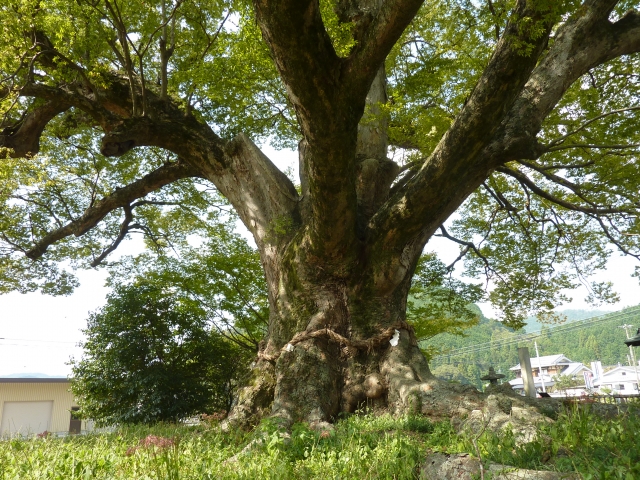
Your first major stop is a testament to the natural history of the region: the Noma no Otoko (野間の大けやき). Estimated to be over 1,000 years old, this massive Japanese zelkova (keyaki) tree stands over 30 meters tall with a trunk circumference exceeding 14 meters. Historically reverenced as a sacred natural monument, its sweeping canopy provides a quiet, cool sanctuary. Take a short walk around the base, appreciating the stillness before returning to the cockpit.
12:30 PM – Countryside Lunch: Local Soba in an Ancient Farmhouse
Location: Central Nose Valley
Park the BRZ alongside a restored kominka (traditional wooden farmhouse) featuring dark timber beams and sliding shoji screens. Local culinary culture in Nose centers around mountain produce and hand-rolled buckwheat noodles (soba). Sit down to a bowl of freshly made juwari soba served with seasonal wild vegetable tempura (sansai). The crisp texture of the tempura paired with the subtle, earthy flavor of local buckwheat provides the ideal refueling stop.
02:00 PM – Ascending Mount Kenbi (剣尾山) & Gyokuzo-ji Temple
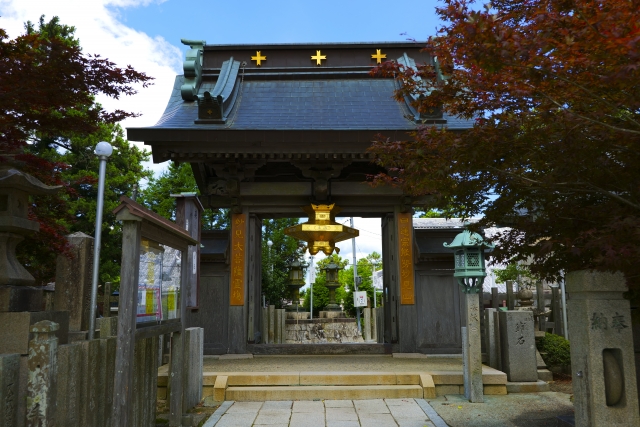
After lunch, point the hood of the BRZ toward the access roads near Mount Kenbi. The asphalt winds through elevated rural communities where wooden homes overlook centuries-old stone-walled rice terraces. Park near the base trails of Gyokuzo-ji, a tranquil temple nestled high on the mountain slopes. The quiet atmosphere here offers sweeping views across the valley floor, where patches of mist often cling to the emerald canopy.
04:30 PM – Afternoon Drive: The Crests of Route 477
Re-engaging the ignition, take Route 477 west toward the border of Hyogo Prefecture. This stretch of road features technical tight hairpin turns followed by short acceleration zones—a perfect playground to appreciate the balanced weight distribution of your vehicle. The orange light of the late afternoon sun filters through the forest canopy, casting long shadows across the tarmac.
06:30 PM – Evening Check-in & Ryokan Dinner
Arrive at a secluded local ryokan (traditional Japanese inn) tucked away along a mountain stream. After parking, drop your gear and change into a comfortable yukata. Unwind in an outdoor hot spring bath (rotenburo) warmed by natural thermal waters, listening to the ambient sounds of the flowing river. Dinner is a multi-course kaiseki banquet showcasing local game, river trout, and seasonal mushrooms cooked over open embers.

Day 2: Mountain Ridge-Lines, Hidden Shrines, and Coastal Vistas
08:30 AM – Morning Start & Coffee by the Stream
Wake up to the cool air of the Nose highlands. Enjoy a traditional breakfast of grilled fish, miso soup, and steamed rice before checking out. Load your luggage into the BRZ, start the engine, and let it warm up while you enjoy a freshly brewed coffee overlooking the morning mist rising off the local reservoir.
09:30 AM – The Technical Curves of Shugaku Pass
Begin Day 2 by attacking the elevation changes along the minor local passes connecting Nose to Kameoka. These lesser-known routes present narrow lanes, smooth asphalt, and minimal traffic. The BRZ’s communicative chassis allows you to negotiate tight switchbacks smoothly, maintaining rhythm as you descend into the agricultural basins.
11:30 AM – Ancient Stone Guardians: Hoshi-no-Mori
Drive toward the secluded shrine areas hidden deep within Nose’s moss-covered hilltops. Unlike major tourist destinations in central Kyoto or Nara, these rural shrines are quiet sanctuaries marked by stone torii gates, moss-draped guardian lions, and ancient stone lanterns overgrown with ivy. Walking the silent gravel paths offers a profound sense of peace before you head back onto the open road.
01:00 PM – Midday Stop: Roadside Station Nose (Michi-no-Eki)
Pull into Michi-no-Eki Nose (Kurusu), a bustling local hub where local farmers bring their freshest harvests. Grab a quick lunch featuring local wild boar curry (inoshishi curry) or fresh chestnut-infused rice, regional specialties celebrated throughout Osaka’s northern highlands. Browse the stalls filled with handmade preserves, fresh mountain vegetables, and crafted wooden goods.
02:30 PM – The Scenic Loop: Bordering Kyoto and Kameoka
Spend the early afternoon navigating the elevation loops that cross back and forth between Osaka, Hyogo, and Kyoto Prefectures. The roads transition between dense forest corridors and open ridge lines that offer panoramic vistas of mountain ranges stretching toward the Horizon. Every downshift and blip of the throttle connects you directly to the driving line, turning the journey itself into the primary attraction.
05:00 PM – Sunset Ridge Drive & Return to Osaka
As the sun begins to set, head back toward the elevated passes overlooking the Osaka basin. Stop at a roadside pull-off to watch the sunset paint the sky in shades of amber and indigo over the distant city skyline. Rejoin the main highways for a smooth evening cruise back into the city lights, concluding an unforgettable two-day mountain expedition.
Expert Advice & Cultural Nuances
Driving through rural Japan requires an understanding of both road etiquette and local culture to ensure a safe, rewarding trip.
Navigating Michi-no-Eki (Roadside Stations)
Michi-no-Eki are government-designated roadside rest areas scattered along major rural routes. Far more than basic gas stations, these complexes serve as showcase hubs for regional culture, agriculture, and cuisine. They provide free parking, clean 24-hour restrooms, local dining spots, and markets selling produce picked that very morning. Stopping at a Michi-no-Eki in Nose gives you direct access to unique seasonal snacks while supporting local farming families.
Etiquette on Rural Japanese Roads
Narrow Passes (Koku-do): Many rural routes marked as national highways can suddenly narrow down to single-lane roads (koku-do, often humorously written with the character for "hardship road"). Always look ahead for designated passing bays (yuzuri-ai) and pull over if a local vehicle behind you is traveling faster.
Yielding Courtesies: When an oncoming vehicle yields on a narrow road to let you pass, a quick tap of your hazard lights (1–2 blinks) or a polite hand gesture is the standard Japanese way to say "Thank you."
Speed Limits: Posted speed limits in rural areas are low—typically 40 to 50 km/h on open roads and 30 km/h through villages. Drive attentively and strictly observe limits in residential zones.
Detailed Logistics & Pre-Trip Tips
Executing a seamless driving road trip through Kansai requires basic preparation regarding toll systems, fueling, and vehicle handling.
ETC (Electronic Toll Collection) Cards
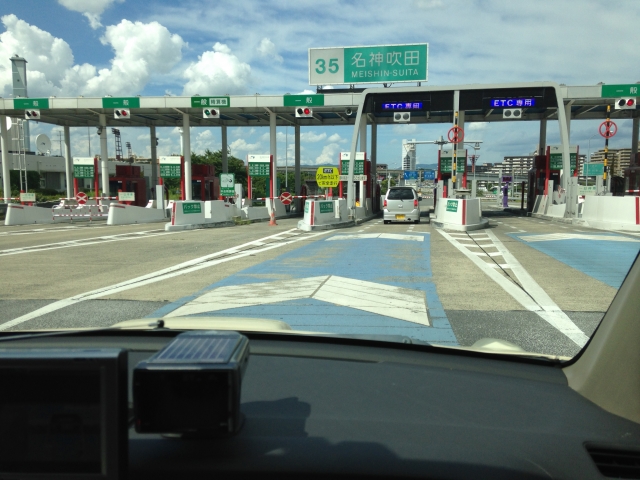
Japan’s highway network relies heavily on electronic tolls. While manual cash lanes exist, renting an ETC card with your vehicle is strongly recommended. An ETC card allows you to pass through automated toll gates without stopping, saving time and unlocking discounted toll rates on expressways.
Refueling at Japanese Gas Stations
Gas stations (kyuyu-jo) in Japan come in two varieties: full-service and self-service (セルフ - Serufu).
Full-Service Stations: Attendants will guide you to a pump. Request your fuel type—typically High-Octane / Premium (ハイオク - Haioku) for sports cars like the BRZ—and say "Mantan" (満タン) for a full tank. Attendants will often wipe your windows and hold traffic for you as you pull out.
Self-Service Stations: On-screen menus are often available in English. Select high-octane (represented by a yellow nozzle/label), choose your payment method, and fill the tank.
Driving a Manual JDM Car (Subaru BRZ)
Driving a lightweight, manual transmission JDM sports car along tight mountain winding roads requires smooth inputs. The rear-wheel-drive layout and crisp 6-speed manual shifter of the Subaru BRZ offer exceptional engagement. Be mindfully gentle with clutch work when starting on steep mountain inclines, and utilize engine braking during long downhill descents to prevent brake fade.
Comprehensive FAQ
What driver's license documents are required to drive in Japan?
To drive legally in Japan, visitors must present three essential documents at the rental counter:
Your valid national driver's license from your home country.
A valid International Driving Permit (IDP) issued under the 1949 Geneva Convention. Permits issued under the 1968 Vienna Convention are not accepted in Japan.
Your passport.
Note: Drivers holding licenses from specific countries (such as Switzerland, Germany, France, Taiwan, Belgium, and Monaco) must present an official Japanese translation of their domestic license issued by authorized bodies (such as JAF or embassy offices) along with their passport, rather than an IDP.
Should I be concerned about driving a manual transmission (MT) car on mountain roads?
If you have basic experience operating a manual vehicle, driving in Nose is straightforward and highly enjoyable. Roads are well-paved and maintained. Just remember to take tight bends at comfortable speeds and use designated pull-off spots if you wish to let traffic pass.
What are the road conditions like during winter?
Nose is elevated compared to central Osaka. While severe snowfall is uncommon compared to northern Japan, freezing temperatures can lead to black ice on mountain passes between late December and early March. If traveling during these months, check winter weather advisories and ensure your vehicle is equipped with studless winter tires.
The Final Thoughts: Start Your Engine
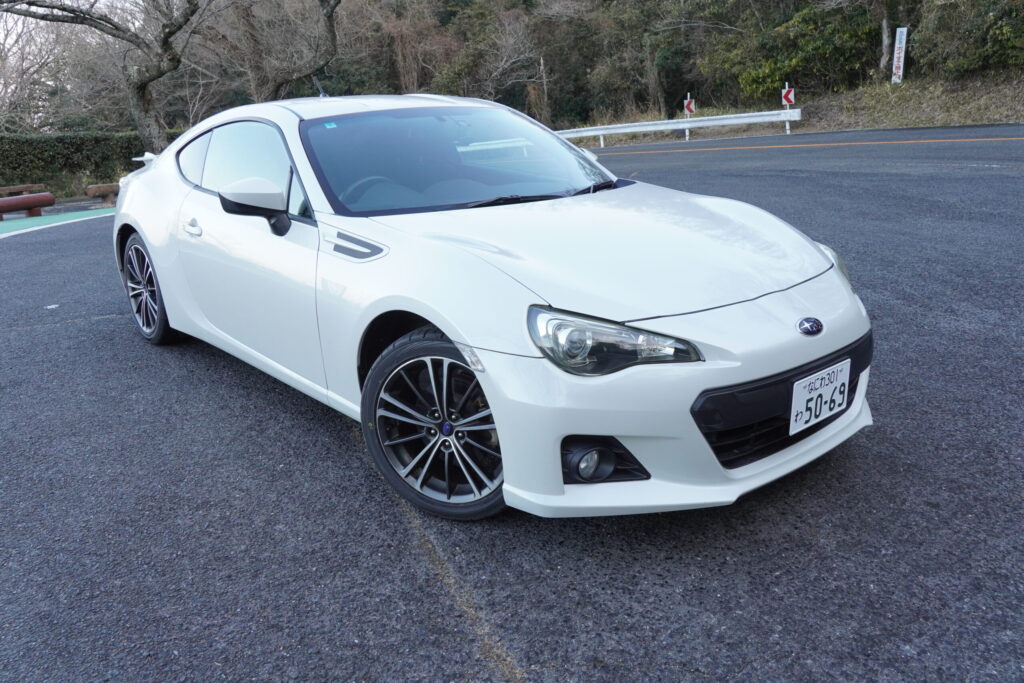
The true magic of Japan doesn't exist solely within train schedules or downtown city maps. It waits in the quiet mountain valleys, along moss-covered shrine paths, and across sweeping asphalt switchbacks that public transit simply cannot reach. Slipping behind the wheel of a finely tuned sports car unlocks the freedom to explore at your own rhythm, turning every turn in the road into an unforgettable story.
When you're ready to trade standard tourist routes for an authentic driving adventure through Kansai, visit Omoren (Omeshiro Rent-a-Car) Osaka Chuo. Featuring a dedicated fleet of meticulously maintained JDM icons—including modern sports models like the Subaru BRZ and Toyota 86—Omoren provides the key to unlocking the true secret countryside of Japan. Reserve your machine today, pick up the keys in Osaka, and head into the mountains. The open road is calling.