
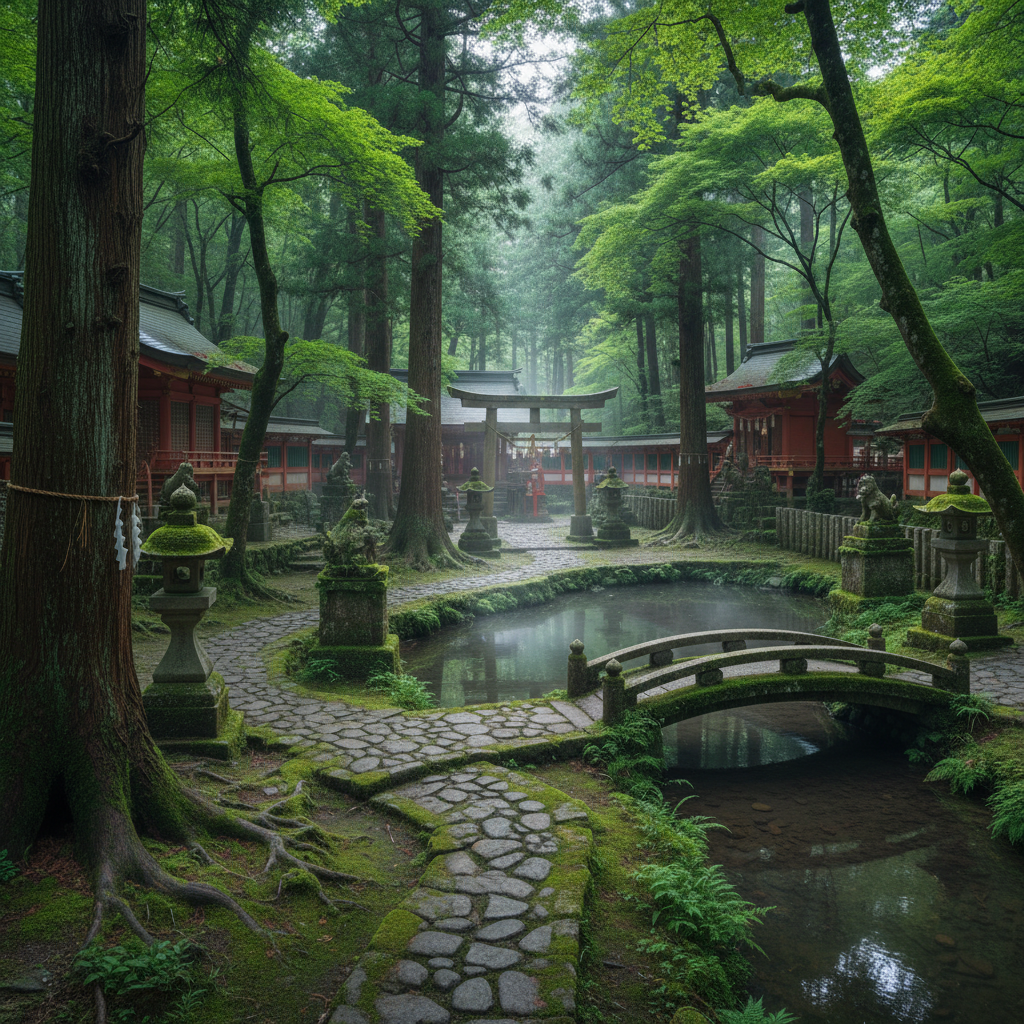
Unlocking Nara's Spiritual Heart: A JDM 86/BRZ Road Trip to Tenkawa Daibenzaitensha, Japan's Premier Power Spot for the Arts
The Philosophy of Driving in Japan: Unveiling Secret Japan from the Driver's Seat
For years, from the gleaming confines of a Kintetsu electric train, I watched Japan whiz by. A symphony of precision, efficiency, and unparalleled punctuality, the Japanese rail system is a marvel. It whisks you from city to city, station to station, with a predictable grace that few countries can match. And yet, after countless journeys traversing the Kansai plain and beyond, I learned a profound truth: the train, for all its brilliance, is a curated experience. It’s a beautifully choreographed ballet, but it is not the raw, unadulterated freedom that truly unlocks the soul of this ancient land.
As a former conductor, I respect the intricate dance of the railway. But as a seasoned traveler, a lifelong admirer of Japanese culture, and now, an owner of a JDM rental car fleet, I can tell you unequivocally: to truly discover “Secret Japan,” you must drive. Especially when your journey begins in Osaka, the vibrant heart of Kansai, and aims for destinations like the hallowed grounds of Tenkawa Daibenzaitensha in Nara.
Osaka serves as the perfect launchpad for an automotive adventure. While its urban sprawl buzzes with train lines and bus routes, the moment you transition onto the expressway, the true potential of a self-driven expedition unfurls. Public transport, by its very nature, adheres to fixed routes and schedules, designed for the masses. It guides you to the “highlights,” the well-trodden paths. But what about the misty mountain passes that weave through ancient forests? What about the secluded shrines nestled deep within valleys, accessible only by a single, winding road? What about the spontaneous detours to a roadside ramen shop recommended by a local, or the sudden urge to pull over and simply breathe in the crisp, mountain air, gazing at a landscape untouched by modernity?
This is where the magic of the automobile, particularly a JDM icon like the Toyota 86 or Subaru BRZ, comes into its own. It’s not just about getting from point A to point B; it’s about the visceral connection to the road, the land, and the journey itself. The precise steering, the balanced chassis, the harmonious growl of the Boxer engine – these aren’t mere mechanical attributes; they are conduits to an immersive travel experience. They allow you to feel the nuances of Japan’s diverse topography, from the gentle undulations of the plains to the challenging ascents of the Kii Mountains.
Tenkawa Daibenzaitensha, our ultimate destination, is a prime example of a “Secret Japan” location that demands the freedom of a car. It’s a “power spot” of immense spiritual significance, particularly for practitioners of the performing arts, yet it remains relatively inaccessible by conventional means. Tucked away in the rugged interior of Nara Prefecture, far from the bullet train lines and city buses, it embodies the very essence of discovery that driving affords. The journey there is as much a part of the spiritual pilgrimage as the destination itself – a winding path of anticipation, sensory engagement, and profound connection. It’s a journey for those who crave more than just sightseeing; it’s for those who seek to feel, to immerse, and to truly drive into the heart of Japan.
The 2-Day Itinerary: Deep Dive into Tenkawa Daibenzaitensha & Nara's Sacred Depths with an 86/BRZ
This isn't merely a trip; it's a pilgrimage, a symphony of asphalt, engine notes, and ancient spirituality designed for the discerning driver. We'll explore the mystical heart of Nara, focusing on Tenkawa Daibenzaitensha, the revered “power spot” dedicated to Benzaiten, the goddess of everything that flows – water, music, and eloquence. Our chariot for this epic adventure? The agile, responsive Toyota 86 or Subaru BRZ, an ode to driving purity, perfectly suited for the winding roads that lead to Japan's hidden gems.
Day 1: Osaka to the Sacred Mountains of Tenkawa
08:00 AM - 08:30 AM: Osaka Departure - The Genesis of Thrill
Your adventure begins in the bustling heart of Osaka. The air is still cool, carrying the faint scent of city life. Your chosen machine, the sleek Toyota 86 or Subaru BRZ, gleams under the morning sun, its low-slung profile hinting at the excitement to come. As you slide into the cockpit, the meticulously designed interior embraces you. The taut feel of the steering wheel, the short-throw shifter of the manual transmission – every tactile input speaks of pure driving pleasure. A quick check of the mirrors, a deep breath, and the Boxer engine awakens with a low, eager growl. The initial minutes navigating Osaka's urban arteries are a gentle warm-up, a chance to reacquaint yourself with the car's precise controls and the left-hand drive intricacies of Japanese roads. The anticipation builds with every smooth shift of the gearstick.
08:30 AM - 09:30 AM: Expressway Ascent - Cutting Through the Urban Veil
Merging onto the Hanshin Expressway, then transitioning to the Nishi-Meihan Expressway, the pace quickens. The cityscape gradually recedes in the rearview mirror, replaced by the greens and blues of the Kansai countryside. The 86/BRZ, with its naturally aspirated engine, revs eagerly as you pick up speed. The hum of the tires on smooth asphalt, the gentle “whoosh” of passing traffic, and the ever-present, reassuring thrum of the engine form a rhythmic backdrop to your journey. This initial highway stretch is less about carving corners and more about covering ground efficiently, allowing the 86/BRZ to settle into a comfortable, high-speed cruise. You feel the subtle feedback from the road through the chassis, a constant reminder of the machine's innate connection to the asphalt.
09:30 AM - 10:30 AM: Nara Prefecture – The Gateway to Ancient Wonders
As you cross into Nara Prefecture, the landscape begins its subtle transformation. The sprawling urbanity gives way to more agricultural scenes, then increasingly to rolling hills and verdant forests. Exiting the expressway, you transition onto Route 24, a major artery that slices through Nara’s central valley. Here, the drive becomes more engaging. The occasional sweeping bend allows you to feel the car’s balanced weight distribution and responsive steering. The scent of fresh earth and distant timber replaces exhaust fumes. The air, noticeably crisper, invigorates your senses. You're leaving the modern world behind, heading towards something ancient and profound. Keep an eye out for glimpses of traditional farmhouses and the distinctive tiled roofs of rural Japan.
10:30 AM - 11:30 AM: Towards Yoshino – Prelude to the Peaks
Turning onto Route 169, the road begins its true ascent into the mountains. This is where the 86/BRZ truly comes alive. The roads narrow, the curves tighten, and the gradients become more pronounced. You'll be downshifting more frequently, feeling the satisfying “snick” of the shifter as you match engine speed for smooth corner exits. The engine's note hardens into a purposeful growl as it pulls you uphill. The surroundings are dominated by towering cedar and cypress trees, their dark green foliage creating a tunnel-like effect. The occasional glimpse through a break in the trees reveals sweeping vistas of the mountainous terrain, a rugged beauty that hints at the spiritual power embedded within these ancient peaks. The aroma of damp earth and pine needles fills the cabin, signaling your deep immersion into nature.
11:30 AM - 12:30 PM: Yoshino Town – A Taste of History and Local Delights
Arriving in Yoshino, famed for its breathtaking cherry blossoms, you'll find a charming town clinging to the mountainside. Even outside of sakura season, its historical weight is palpable. Park the 86/BRZ – its compact size a blessing on these narrower streets – and take a stroll. The air here feels different, steeped in centuries of pilgrimage and devotion. For lunch, seek out a local eatery specializing in kakinoha-zushi, sushi pressed into persimmon leaves. The delicate aroma of the leaf infuses the rice and fish (often mackerel or salmon), creating a subtly fragrant and utterly unique flavor profile. Pair it with fresh, cool konnyaku (devil's tongue jelly), a local specialty known for its unusual texture and refreshing simplicity. The flavors are clean, traditional, a perfect counterpoint to the exhilarating drive. The town’s traditional wooden architecture and the quiet, respectful demeanor of its residents offer a glimpse into a Japan often overlooked by hurried tourists.
12:30 PM - 02:30 PM: The Winding Road to Tenkawa – Where Man and Machine Unite
This is the heart of your driving experience. Leaving Yoshino, you’ll continue on Route 370, then branch off onto smaller, increasingly intimate mountain roads that lead directly into the Tenkawa region. The road becomes a ribbon of asphalt intricately draped over the undulating landscape. Here, the Toyota 86 or Subaru BRZ truly shines. Its low center of gravity, perfectly balanced chassis, and direct steering feedback make every turn an intuitive dance. You’ll revel in the ability to precisely place the car, feeling the grip of the tires, modulating the throttle through each corner. The engine, eager and responsive, delivers its power linearly, allowing for smooth, controlled exits from tight hairpins. The exhaust note, a melodic thrum, echoes off the rock faces and through the dense forest, a soundtrack to your mastery of the road.
The scenery is breathtaking: a primordial tapestry of ancient trees, colossal granite formations, and the crystal-clear waters of the Tenkawa River carving their way through the valley far below. Sunlight filters through the dense canopy, dappling the road ahead in shifting patterns of light and shadow. The air is cool, carrying the scent of rich soil and pure mountain springs. You might encounter stretches where the road narrows to a single lane, demanding caution and respect for the environment. This isn't just a drive; it's an intimate conversation with the Japanese landscape, a dialogue where your 86/BRZ is your interpreter, translating the curves and gradients into pure, unadulterated joy. The journey feels like a meditation, each shift and turn bringing you closer to the sacred.
02:30 PM - 05:00 PM: Tenkawa Daibenzaitensha – The Nexus of Art and Spirit
Finally, after traversing roads that feel like ancient pathways, you arrive. Parking the 86/BRZ in the designated area, the sudden quiet after the symphony of the engine is striking. The air, heavy with spiritual energy, is filled with the gentle murmur of the Tenkawa River and the rustling of leaves. Tenkawa Daibenzaitensha is not merely a shrine; it is one of Japan’s three great Benzaiten shrines, a “power spot” revered for centuries, particularly by those in the performing arts. Benzaiten, the only female of the Seven Lucky Gods, is associated with everything that flows: water, wisdom, music, and eloquence. This shrine, with its deep historical ties to gagaku (ancient court music) and Shugendo (mountain asceticism), vibrates with a unique energy.
The approach itself is part of the experience. Walk across the red bridge, “Mitarai-bashi,” spanning the crystalline Mitarai River, a tributary of the Tenkawa. The “torii” gate, standing proudly, marks the transition from the mundane to the sacred. As you enter the shrine grounds, observe the intricate carvings, the ancient trees that seem to guard the very essence of the place, and the “honden” (main hall) itself, an architectural testament to centuries of devotion. The vibrant vermillion and deep forest green of the shrine buildings stand in stunning contrast to the surrounding natural beauty. Spend ample time here. Feel the stillness, the profound sense of peace. You might even hear the faint, ethereal echo of gagaku music, carried on the wind. This is a place for reflection, for connecting with a spiritual lineage that dates back millennia. It is said that visiting Tenkawa can inspire creativity and clear the mind, making it a profound experience for anyone, especially artists and those seeking a deeper connection to their inner muse.
05:00 PM - 05:30 PM: Retreat to Dorogawa Onsen – Alpine Respite
From Tenkawa Daibenzaitensha, a short, picturesque drive brings you to Dorogawa Onsen, a charming mountain hot spring village nestled deeper within the Yoshino-Kumano National Park. The roads here are equally enchanting, winding gently alongside the Dorogawa River, which feeds the village’s famed hot springs. Park your 86/BRZ in the village, perhaps a spot overlooking the quaint main street. The air here is clean and cool, carrying the faint, comforting scent of sulfur from the hot springs.
05:30 PM - 09:00 PM: Dorogawa Onsen – Rituals of Relaxation and Gastronomy
Check into your chosen ryokan, a traditional Japanese inn. The hospitality here is renowned, a perfect blend of comfort and cultural immersion. The first order of business: the onsen. Slip into the healing mineral waters, letting the warmth penetrate your muscles, washing away the exhilaration of the drive and any lingering fatigue. The water, rich in hydrogen sulfide, is famed for its restorative properties. After a revitalizing soak, don your “yukata” (a light cotton kimono) and prepare for dinner. A traditional “kaiseki” meal awaits: a multi-course culinary journey showcasing local, seasonal ingredients. Expect exquisite presentations of fresh river fish (often “ayu” or sweetfish), wild mountain vegetables, and delicately prepared local specialties. Each dish is a work of art, a reflection of the region's bounty. The flavors are subtle yet profound, a celebration of Japanese culinary philosophy. Enjoy a quiet stroll through the atmospheric village after dinner, the soft glow of traditional lanterns illuminating the narrow lanes. The sounds of the river and the gentle murmur of conversations create a serene, timeless ambiance.
09:00 PM onwards: Stargazing and Tranquil Slumber
Far from the city lights, Dorogawa offers an incredible canvas for stargazing. Step outside your ryokan, look up, and witness a sky ablaze with countless stars, a truly humbling sight. The crisp mountain air, the profound silence, and the celestial display create a perfect end to a day of adventure and spiritual exploration. Retire to your futon, nestled on the tatami floor, and drift into a deep, peaceful sleep, dreaming of winding roads and ancient gods.
Day 2: Morning Exploration, Scenic Return, and Reflective Drive
08:00 AM - 09:00 AM: Dorogawa Awakening & Traditional Breakfast
Wake refreshed to the soft light of dawn filtering through your window. The morning air is invigorating. Enjoy a traditional Japanese breakfast at your ryokan – typically featuring grilled fish, rice, miso soup, and an array of pickled vegetables. It’s a wholesome, energy-rich start, preparing you for another day of exploration.
09:00 AM - 11:00 AM: Reconnecting with Tenkawa & Local Wonders
Before departing Dorogawa, consider a brief revisit to Tenkawa Daibenzaitensha. The shrine often has a different, perhaps even more mystical, atmosphere in the soft morning light. Alternatively, explore some of Dorogawa’s other local natural wonders. Perhaps a short hike to the “Fudo-no-taki” waterfall, a powerful cascade revered in Shugendo, its roaring waters a stark contrast to the gentle flow of the Tenkawa River. Or delve into the “Goyomatsu-dake” area, where ancient cedars stand sentinel, offering serene walking paths. The 86/BRZ will wait patiently, a faithful companion ready for the next adventure.
11:00 AM - 12:30 PM: Scenic Detour – Embracing the Landscape
Instead of retracing your exact steps, let’s take a slightly different, equally captivating route back towards the main arteries. Head south from Dorogawa towards Route 309, a road famed for its dramatic mountain vistas and exciting twists and turns. This road offers another chance for your 86/BRZ to demonstrate its prowess. The higher elevations provide even more expansive views of the rugged Kii Mountains, their peaks often shrouded in ethereal mist. The feeling of the car gripping the tarmac through long, sweeping corners, the engine holding a steady, confident rev – this is the pure essence of driving pleasure. You might pass through small, secluded hamlets, offering a glimpse into a way of life deeply connected to the land. The changing light of the late morning paints the landscape in new hues, making the journey itself a continuously unfolding spectacle.
12:30 PM - 01:30 PM: Lunch at a Michi no Eki – A Taste of the Region
As you descend slightly from the higher elevations, keep an eye out for a “Michi no Eki” (Roadside Station) along Route 169 or one of its connecting roads. These aren't just rest stops; they are cultural hubs. For lunch, explore the local offerings. You might find a small restaurant serving “soba” or “udon” noodles with local mountain vegetables, or perhaps a hearty “donburi” (rice bowl) topped with regional specialties. The food is unpretentious, fresh, and deeply satisfying. Beyond the food, browse the selection of local produce, artisanal crafts, and unique souvenirs. It's a chance to connect with the local community and bring a piece of Nara's mountainous charm home with you. This brief respite also allows you to share driving anecdotes and reflect on the morning’s scenic beauty.
01:30 PM - 04:00 PM: The Homeward Bound – Reflective Drive
With your stomach full and your spirit renewed, begin the final leg of your journey back towards Osaka. This time, as you drive the familiar sections of Route 169 and later the expressways, your perspective will be different. The same landscapes you observed on the way in will now feel like old friends. The exhilarating drive in the 86/BRZ has not only taken you to a destination but has transformed your understanding of Japan. You'll notice details you missed before, appreciate the engineering of the roads, and feel a deeper connection to the rhythm of the country. The engine's steady drone becomes a comforting companion, a reminder of the miles you’ve covered, the experiences you’ve gathered, and the memories you've forged. The sun, now beginning its slow descent, casts long shadows, painting the sky with warm hues. This is a time for quiet reflection, for savoring the lingering adrenaline and the profound sense of accomplishment. The return journey is not just a drive; it’s a compilation of all the sensory inputs, the spiritual moments, and the sheer joy of driving that you’ve absorbed over the past two days.
04:00 PM - 04:30 PM: Arrival in Osaka – The End of a Perfect Drive
As the familiar skyline of Osaka reappears on the horizon, there's a bittersweet feeling. The thrill of the open road gives way to the gentle hum of city traffic. Parking the 86/BRZ, you step out, feeling the residual vibration of the engine in your bones, the scent of the mountains still clinging faintly to your clothes. The car, a silent testament to your adventure, looks as eager as it did at the start. You've not just driven to Tenkawa Daibenzaitensha; you've experienced Japan in a way that few ever do – intimately, passionately, and with the heart of a true explorer. The journey has etched itself into your memory, a vibrant tapestry of sights, sounds, tastes, and the unforgettable thrill of connecting with both a machine and an ancient land.
Expert Advice & Cultural Nuances for Your JDM Adventure
Driving in Japan is a unique experience, blending efficiency with deep-seated cultural courtesies. As someone who's spent years traversing these roads, both by rail and by wheel, I can offer insights that will enhance your journey and ensure a smooth, respectful adventure.
Embracing the “Michi no Eki” Culture
Forget the soulless rest stops you might be accustomed to. Japan’s “Michi no Eki” (Roadside Stations) are cultural oases. Think of them as miniature local markets, culinary hubs, and information centers rolled into one. Here, you'll discover the true “terroir” of each region. Expect to find an astonishing array of fresh, locally grown produce – seasonal fruits and vegetables that taste unlike anything you've had before. Local artisans sell their crafts, from delicate ceramics to intricate woodworking. The food stalls and restaurants are a treasure trove of regional specialties; don't miss the chance to try “gohei-mochi” (skewered, grilled mochi with a savory sauce) in mountain areas, or “yuzu”-flavored soft-serve ice cream. They are also pristine, with impeccably clean restrooms and often offer free Wi-Fi. They are perfect spots to stretch your legs, grab a snack, and immerse yourself in local flavors and traditions. Spend some time browsing; you’ll often find unique, delicious souvenirs.
Discovering Hidden Local Eateries
While the Michi no Eki offer excellent local fare, true culinary adventures often lie slightly off the beaten path. How to spot these hidden gems? Look for places with a small line of local cars parked outside, especially during lunch or dinner hours. Restaurants with unassuming exteriors, perhaps a simple “noren” (fabric curtain) hanging over the entrance, often serve the most authentic and delicious food. Don't be intimidated by Japanese-only menus; most establishments in tourist-friendly areas will have English menus or helpful staff. If all else fails, a simple “osusume wa nan desu ka?” (What do you recommend?) accompanied by a smile will usually lead to a fantastic dish. Focus on regional specialties – “kakinoha-zushi” in Nara, fresh “ayu” (sweetfish) from mountain rivers, or “sake” brewed with local spring water. These are the tastes that truly define a region.
Navigating Japanese Roads: Etiquette and Safety
Japanese roads are generally well-maintained and drivers are remarkably courteous. However, there are nuances to observe. Always drive on the left side of the road. Speed limits are strictly enforced, often lower than what Western drivers might expect (e.g., 40 km/h in urban areas, 80-100 km/h on expressways). Be particularly vigilant on mountain roads like those leading to Tenkawa; they can be narrow, winding, and sometimes have blind corners. Always assume another vehicle (or even a pedestrian or cyclist) could be around the bend. Use your horn sparingly, only as a gentle warning, never in anger. When passing on narrow roads, a slight dip of your headlights acknowledges the other driver. Patience is key; don't rush. The journey, especially in an 86/BRZ, is meant to be savored. Watch for “stop” signs, which are triangular with an inverted red triangle on a white background, rather than the familiar octagonal red. They mean a full stop, not just a yield.
Understanding Japanese Road Signs
While major road signs on national routes and expressways often include English translations, many rural signs might be solely in Japanese. Familiarize yourself with basic symbols for turns, speed limits, and hazards. Japanese GPS systems often have English voice guidance, which is incredibly helpful. Additionally, smartphone navigation apps like Google Maps are indispensable and generally reliable, even in more remote areas. Pay close attention to signs indicating falling rocks, deer crossings, or steep descents, especially in mountainous regions where conditions can change rapidly.
Mountain Driving: The Art of the Ascent and Descent
The roads to Tenkawa are a driver's delight, but they demand respect. Be prepared for sudden changes in weather; clear skies can quickly give way to dense fog, especially in the early mornings or late afternoons. Use your headlights when visibility is reduced. When descending steep grades in your manual 86/BRZ, utilize engine braking by downshifting. This saves your brakes and gives you greater control. The 86/BRZ’s balanced chassis handles these conditions beautifully, but always drive within your limits and the car’s capabilities. The crisp mountain air, the sound of the engine working through a climb, and the panoramic views are all part of the reward for mastering these challenging, yet incredibly fun, roads.
Detailed Logistics & Pre-Trip Tips for Your Japanese Driving Dream
Embarking on a JDM road trip in Japan requires a bit of foresight and understanding of local customs and systems. As of 2026, while Japan remains incredibly efficient, knowing these details will ensure your adventure is seamless and stress-free.
Understanding ETC Cards for Expressways
An ETC (Electronic Toll Collection) card is an absolute game-changer for driving on Japan's expressways. Without it, you’ll be fumbling for cash or credit cards at every toll booth, and manually collecting tickets. With an ETC card, you simply drive through the dedicated ETC lane (marked with blue signs), and the toll is automatically charged. It’s incredibly convenient and saves significant time. Most reputable rental car companies, including specialty JDM rental services, offer ETC cards for rent along with a compatible ETC device installed in the vehicle. Always ensure your rental car comes with one; it’s a small investment that pays dividends in convenience and smooth travel.
Navigating Japanese Gas Stations: The “Mantan” Ritual
Gas stations in Japan are typically clean, efficient, and often more service-oriented than what you might be used to. There are two main types:
- Full-service (attended): These are easily identified by attendants who will guide you to the pump. Simply say “Mantan" (まんたん), which means “full tank.” You’ll also likely be asked about the fuel type, “regular” (レギュラー - regyuraa), “high-octane” (ハイオク - haioku), or “diesel” (軽油 - keiyu). For an 86/BRZ, you’ll typically need high-octane fuel. The attendant will also clean your windows and often offer to check your tires.
- Self-service (セルフ - serufu): These are becoming more common. Instructions are usually in Japanese, but touch screens often have English options. Pay attention to the fuel type and grade (color-coded nozzles are common: red for high-octane, yellow for regular). Payment is typically by credit card or cash at the pump.
From my days on the trains, I can tell you that attention to detail is ingrained in Japanese service culture, and gas stations are no exception. Don't be surprised by the thoroughness!
Parking Etiquette and Strategies
In cities, parking can be expensive and sometimes challenging to find, especially in central areas. Look for multi-story parking garages (立体駐車場 - rittai chushajo) or coin-operated lots (コインパーキング - koin pakingu). In rural areas, like around Tenkawa and Dorogawa Onsen, parking is generally easier to find and often free, especially at tourist attractions or ryokans. Always follow parking signs and respect designated spots. Illegally parked cars are quickly ticketed or towed. The compact size of an 86/BRZ is a distinct advantage in Japan’s sometimes tighter parking spaces.
The Exhilaration of Driving a JDM (Manual Transmission) Car
This is where the true enthusiast's heart beats faster. Driving a manual transmission Toyota 86 or Subaru BRZ on Japan’s winding mountain roads is an unparalleled experience. It’s not just about “driving”; it’s about becoming one with the machine and the road. The tactile satisfaction of perfectly executed gear changes, the precise engine braking into a hairpin, the delicate balance of throttle and steering through a sweeping curve – these are the moments that define a JDM road trip.
For those less accustomed to manual transmissions, a brief refresher before your trip is advisable. Japan’s roads, while challenging, are an ideal classroom for honing your skills. The 86/BRZ’s forgiving clutch and smooth shifter make it an excellent choice for rediscovering the joy of driving stick. The connection you feel to the vehicle, the direct control over its power delivery, and the symphony of its Boxer engine echoing through the mountains create a profound sense of exhilaration that an automatic simply cannot replicate. It's a journey of skill, passion, and pure automotive bliss.
Comprehensive FAQ: Your Questions Answered
Planning an international road trip can spark many questions. Here are the answers to some of the most common inquiries I receive, ensuring you're fully prepared for your Japanese driving adventure:
Do I need an International Driving Permit (IDP)?
Yes, absolutely. To drive in Japan, you need an International Driving Permit (IDP) based on the 1949 Geneva Convention, issued by your home country's authority, along with your original national driving license and your passport. For certain countries not party to the 1949 convention (e.g., Belgium, France, Germany, Monaco, Switzerland, Taiwan), you will need an official Japanese translation of your national license in addition to your original license and passport. This translation can be obtained from the Japan Automobile Federation (JAF) or your country's embassy/consulate in Japan. Please note that IDPs based on the 1968 Vienna Convention are not valid in Japan. Always carry all three documents (IDP, national license, passport) with you when driving.
What about car insurance?
Rental cars in Japan typically come with basic liability insurance included in the rental fee. However, I always recommend opting for comprehensive coverage, often referred to as Collision Damage Waiver (CDW) or similar, offered by the rental company. This minimizes your financial liability in case of an accident. It's a small added cost for significant peace of mind, especially when navigating unfamiliar roads. Check with your credit card company as well; some offer car rental insurance benefits that might supplement or even cover additional costs.
I'm nervous about driving an MT car in Japan. What if I stall?
It's completely normal to feel a bit apprehensive, especially if you haven't driven a manual in a while or are new to left-hand drive. The Toyota 86 and Subaru BRZ, however, are known for their user-friendly manual transmissions with smooth clutches and precise shifters, making them relatively easy to drive. Start slowly in less congested areas to get a feel for the car. Japan’s roads are generally well-marked and traffic is disciplined, giving you space to get comfortable. If stalling happens, simply restart – don’t panic. Most importantly, drive within your comfort zone. If manual is truly a concern, many rental companies also offer automatic transmission JDM vehicles, though I strongly encourage the MT experience for the full immersion!
What are the winter road conditions like in the Tenkawa/Nara mountains?
The Tenkawa region, being in the mountainous interior of Nara Prefecture, can experience significant snowfall during winter months (typically late December to early March). Roads may become icy or snow-covered. During these periods, “studless” (winter) tires are essential, and in some areas, snow chains might be legally required or highly recommended. If you plan a winter trip, always check road conditions locally before departing and ensure your rental car is equipped with appropriate winter tires. Many expressways also have real-time road condition updates available online or via radio. If you're not experienced with winter driving, consider visiting during spring, summer, or autumn when road conditions are generally excellent.
What are the best navigation tools?
Most rental cars come equipped with an in-car GPS system, which often has an English option. These systems are typically excellent for providing detailed directions, including lane guidance. However, I highly recommend supplementing this with a smartphone navigation app like Google Maps. Download offline maps for areas with potentially spotty cell service (like deep in the mountains). A good phone holder and car charger are also essential. Inputting destinations by “map code” (a unique code for specific locations) is common in Japan and can be more precise than addresses, especially for remote spots.
The Final Call: Your Japanese Driving Odyssey Awaits
You've journeyed with me through the philosophy of the open road, delved into the intricacies of a two-day pilgrimage, and gleaned the essential wisdom for navigating Japan by car. Now, the roar of the 86/BRZ's engine, the crisp mountain air on your face, the ancient whispers of Tenkawa Daibenzaitensha – these aren't just descriptions on a page. They are the tantalizing promise of an adventure waiting to unfold, a “Secret Japan” eager to reveal itself to those bold enough to seek it.
This isn't just about visiting landmarks; it's about forging a profound connection with a land, its culture, and its spirit, all from the exhilarating perspective of the driver's seat. It's about the feeling of mastering a machine, pushing its limits (safely, of course!) on roads designed for pure driving pleasure. It's about creating memories that no train journey, no guided tour, could ever replicate. The winding roads to Nara’s sacred heart are calling, and your perfect JDM companion is waiting.
To turn this dream into your next unforgettable reality, there's only one destination for your vehicle needs. I invite you to discover the unparalleled experience offered by our team. We specialize in providing the very machines that ignite the passion for driving – JDM legends, thrilling MT cars, and custom builds that are meticulously maintained and ready for adventure. Our expertise, honed by a lifelong passion for Japanese culture and automobiles, ensures you’ll have not just a car, but the perfect partner for your journey.
Don't just travel Japan; drive it. Feel it. Master it. Your ultimate JDM adventure to Tenkawa Daibenzaitensha and beyond begins now. Visit us at “Omoshiro Rent-A-Car Osaka Chuo branch” and let us help you select the perfect Toyota 86 or Subaru BRZ that will transform your trip into an epic saga.
