
1. The Philosophy of Driving in Japan: Beyond the Rails
As someone who spent years working as a conductor for Kintetsu Railway, I have a deep, almost spiritual connection to Japan’s train network. I know the rhythm of the tracks, the precise timing of the doors, and the collective hum of commuters moving in unison. Trains are the arteries of Japan, efficient and reliable. But there is a fundamental limitation to the rails: they take you where the infrastructure needs you to go, not necessarily where your soul wants to be.
When you ride a train, you are a passenger in the truest sense—detached, observant, but ultimately restricted by the timetable. You miss the subtle shifts in the landscape, the way the air thins as you climb into the Kii Peninsula, and the scent of damp cedar that heralds your arrival into the hidden valleys.
This is why I pivoted from the cabin of a train to the driver’s seat of a manual transmission sports car. To experience the "Secret Japan," you must leave the station platforms behind. In the Kansai region, the true magic isn't found in the bustling corridors of Namba or the tourist-packed streets of Kyoto. It is found on the winding, serpentine mountain passes where the asphalt meets the sky.
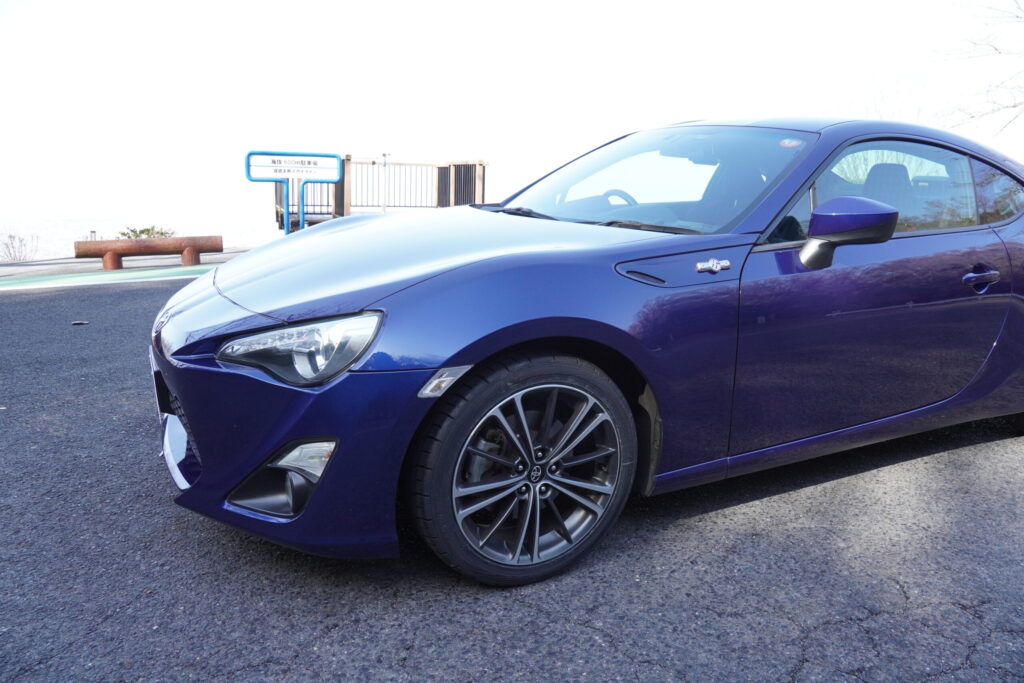
Driving here—especially in a car that talks back to you, like an 86—transforms a journey into a visceral conversation. You feel the weight transfer through the steering wheel, the mechanical precision of a crisp downshift, and the raw engagement of the chassis as it hugs a hairpin turn. When you are behind the wheel, you are no longer just visiting a place; you are actively engaging with the terrain. The "Secret Japan" is a destination of solitude, silence, and sudden, breathtaking vistas that only reveal themselves to those who have the courage to take the long way around.

2. The 2-Day Itinerary: Deep Dive into the Heart of the Kii Peninsula
Day 1: The Ascent into the Ancient Mist
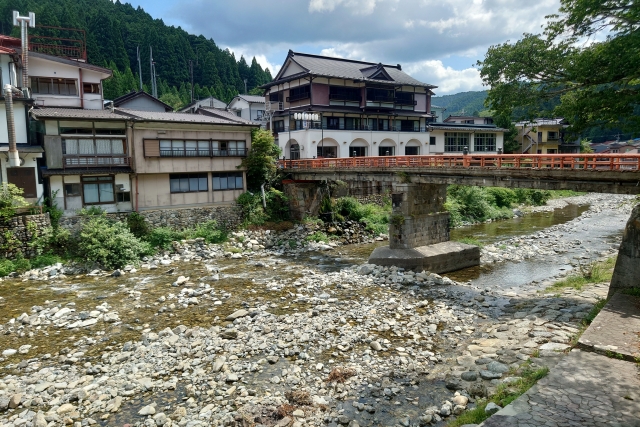
Route: Osaka (Depart 08:00) → Mt. Yoshino → Tenkawa Village → Dorogawa Onsen
08:00 - 09:30: The Awakening You pull away from the urban sprawl of Osaka in a Toyota 86. The boxer engine hums—a low, rhythmic growl that signals the beginning of your adventure. As you leave the concrete jungle behind, the horizon begins to ripple. You are heading toward the Kii Peninsula, a land where time feels compressed by the weight of ancient forests.
10:00 - 12:00: The Winding Road to Yoshino The route toward Yoshino involves a transition from flat plains to aggressive elevation changes. This is where the 86 comes alive. As the road begins to snake through the foothills, you shift down into third gear. The car’s balance is impeccable. You feel the front tires bite into the tarmac as you navigate the tighter corners. The landscape changes from industrial gray to vibrant greens—moss-covered rocks and towering cedars that seem to swallow the daylight.
12:30 - 14:00: Echoes of History at Yoshino Yoshino is not just a mountain; it is the spiritual center of the Shugendo sect of mountain asceticism. Walking through the gates of Kinpusen-ji, the massive wooden structures loom over you. The air here tastes different—sharp, crisp, and heavy with the scent of incense and cedar. You stop for a traditional meal of kakinoha-zushi (sushi wrapped in persimmon leaves), a local specialty designed to endure the long travels of pilgrims.
14:30 - 17:00: The Serpent’s Path to Dorogawa This is the segment you’ve been waiting for. The road to Dorogawa is narrow, technical, and utterly secluded. As you carve through the mist that seems to permanently cling to the mountainsides, you are enveloped by nature. The 86 is in its element here. The steering is direct, communicative, and demanding. You aren't just driving; you are dancing with the road. Each switchback requires focus. The engine’s pitch rises as you power out of a turn, the mechanical symphony echoing off the valley walls.
17:30: Arrival in the Twilight You arrive at Dorogawa Onsen just as the sun dips behind the jagged peaks. The village is frozen in time—retro wooden ryokan (inns) lined up along the riverbank, illuminated by the warm, flickering orange glow of lanterns. You park the 86, the tick-tick-tick of the cooling metal a satisfying soundtrack to your arrival. You have reached the secret core of Nara.

Day 2: The Purification and the Return
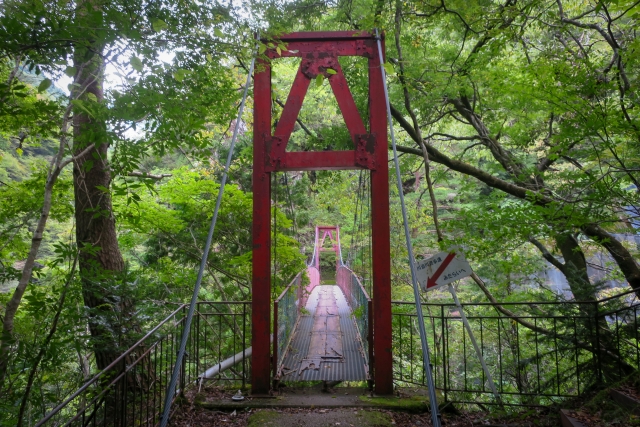
Route: Dorogawa Onsen → Mitarai Valley → Osaka
08:00 - 10:00: The Morning Ritual Wake up to the sound of the Tenkawa River rushing over smooth stones. Before leaving, you must experience the onsen (hot spring) culture. The mineral-rich, slightly alkaline water washes away the fatigue of yesterday’s drive. It is a cleansing of the soul as much as the body.
10:30 - 12:30: The Mitarai Gorge A short drive takes you to the Mitarai Valley. You leave the car and hike the trail that hugs the gorge. The water here is a shade of emerald green so vivid it looks photoshopped. The suspension bridges offer vertigo-inducing views of waterfalls cascading into deep, turquoise pools. It is a primal landscape, untouched and indifferent to the passing of time.
13:00 - 14:30: The Final Drive The return journey to Osaka is bittersweet. You find yourself seeking out the most technical stretches of the road, savoring the way the 86 handles the descent. You take the curves with a newfound confidence, the rhythm of the manual gearbox now ingrained in your muscle memory. The transition from the isolated serenity of the mountains back to the electric energy of Osaka is jarring, but you return with a sense of perspective that only the road can provide.
3. Expert Advice & Cultural Nuances
Japan’s "Michi-no-Eki" (Roadside Stations) are your best friend. They are not mere rest stops; they are portals into the local culture. You will find farmers selling mountain vegetables, artisan crafts, and the best soft-serve ice cream you have ever tasted—often flavored with local specialties like yuzu or green tea.
When driving in these remote areas, be respectful of local customs. If you are navigating narrow village roads, always give way to local vehicles. The drivers here know the roads intimately; watch their lines and learn from them.
When you find a hidden restaurant—usually identified by a simple noren (curtain) hanging in the doorway—don't be intimidated. Enter with a polite "Sumimasen!" (Excuse me!). The best meals in these mountains are often made by grandmothers who have been serving the same soba or yone-ko (rice-based) dishes for decades. Order what they recommend, smile, and express your gratitude. In rural Japan, kindness is a currency that goes further than any yen.
4. Detailed Logistics & Pre-Trip Tips
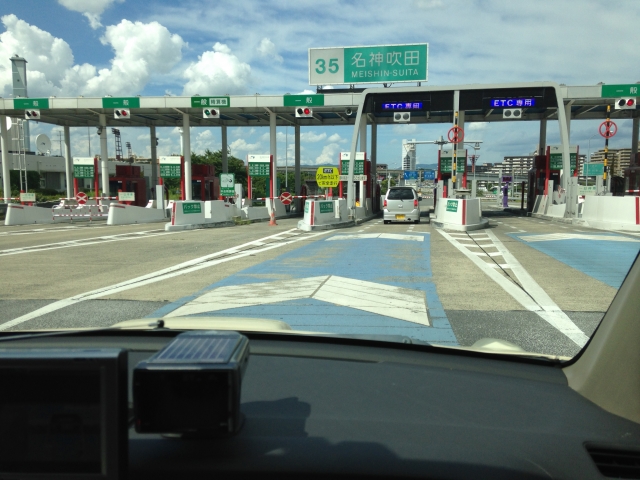
Driving in Japan in 2026 is a seamless experience, provided you are prepared. The highways are managed by a sophisticated Electronic Toll Collection (ETC) system. Ensure your rental vehicle is equipped with an ETC card reader. This allows you to breeze through toll gates without stopping; the charges are simply tallied and settled at the end of your rental.
When pulling into a gas station, the scene can be intimidating, but it is simple. Look for a "Full Service" station if you want the authentic interaction. Say "Mantan, onegaishimasu" (Full tank, please). The attendants will often wipe your windows and clean your interior while filling your tank—a level of hospitality that is quintessentially Japanese.
Driving a manual 86 or BRZ in Japan is a unique pleasure. The roads are impeccably maintained, and the culture of driving is one of discipline and respect. You will find that even on challenging mountain roads, other drivers maintain a predictable and courteous flow. Treat your machine with respect, keep your eyes on the apex, and enjoy the raw, mechanical connection that only a true JDM sports car can provide.
5. Comprehensive FAQ
Do I need a special license to drive in Japan? Yes. To rent and operate a vehicle in Japan, you must possess a valid driver’s license from your home country and a valid International Driving Permit (IDP). You must ensure your IDP is issued based on the 1949 Geneva Convention. Upon pickup, you must present your passport, your original home country license, and your IDP.
I’m nervous about driving a manual transmission in a foreign country. Is it difficult? The roads in Japan are extremely well-marked and maintained. While mountain roads require attention, the traffic culture is generally polite and law-abiding. If you have basic proficiency with a manual gearbox, the 86 is an incredibly forgiving and rewarding car to drive. The challenge of the manual transmission only adds to the sense of accomplishment when you master a beautiful, winding road.
What about insurance and safety? Always opt for the comprehensive insurance coverage offered by your rental agency. It provides peace of mind, covering potential damage or accidents. In terms of safety, Japan’s road infrastructure is world-class. However, always check the local weather forecasts, especially if you are heading into high-elevation areas during the shoulder seasons, as road conditions can change rapidly.
6. The Final Thoughts: The Road Awaits
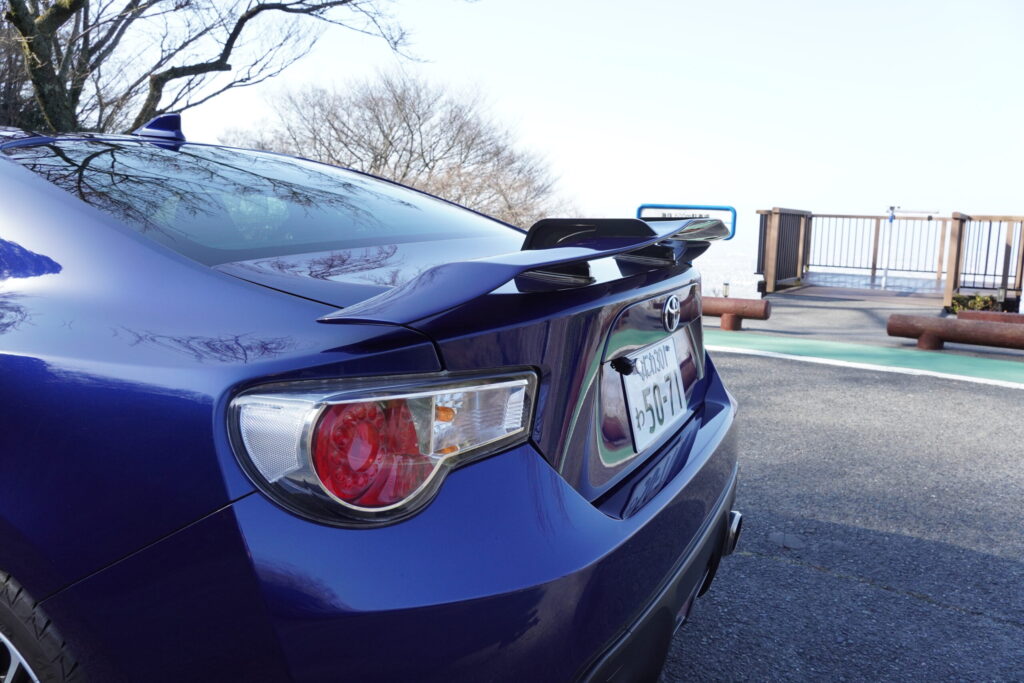
The mountains of Nara are calling, and the crisp, mechanical bite of a proper sports car is the only way to answer. You have read about the silence of the cedar forests, the steam rising from the hidden onsens, and the pure, unadulterated joy of cornering through the Kii Peninsula. Now, it is time to stop reading and start driving.
The road doesn't care about your past, only your presence. It waits for you to turn the key, to engage the gear, and to find your own rhythm in the mist. There is a machine waiting for you—an 86, tuned for the very roads we’ve explored, ready to become an extension of your own desire for adventure.
When you are ready to leave the rails behind and carve your own path through the heart of Japan, visit "Omoren" (おもしろレンタカー大阪中央店). Your journey into the Secret Japan begins the moment you put it into first gear. Book your ride today. The mountains are waiting.