
Mazda MX-5 for Lake Biwa and Oku-Biwa: The Philosophy of Driving in Japan
As a former conductor for the Kintetsu Railway, I spent years listening to the rhythmic, hypnotic clack-clack of steel wheels on steel rails. I know the precision of Japan’s rail network better than most. I have watched millions of travelers peer through clean train windows as shimmering lakes, emerald forests, and ancient mountain passes flashed by at high speeds. Rail travel in Japan is a marvel of human engineering, punctuality, and efficiency. But for the true explorer, the passionate traveler, and the driver who longs for real connection, the train has one fatal flaw: it stays on the track.
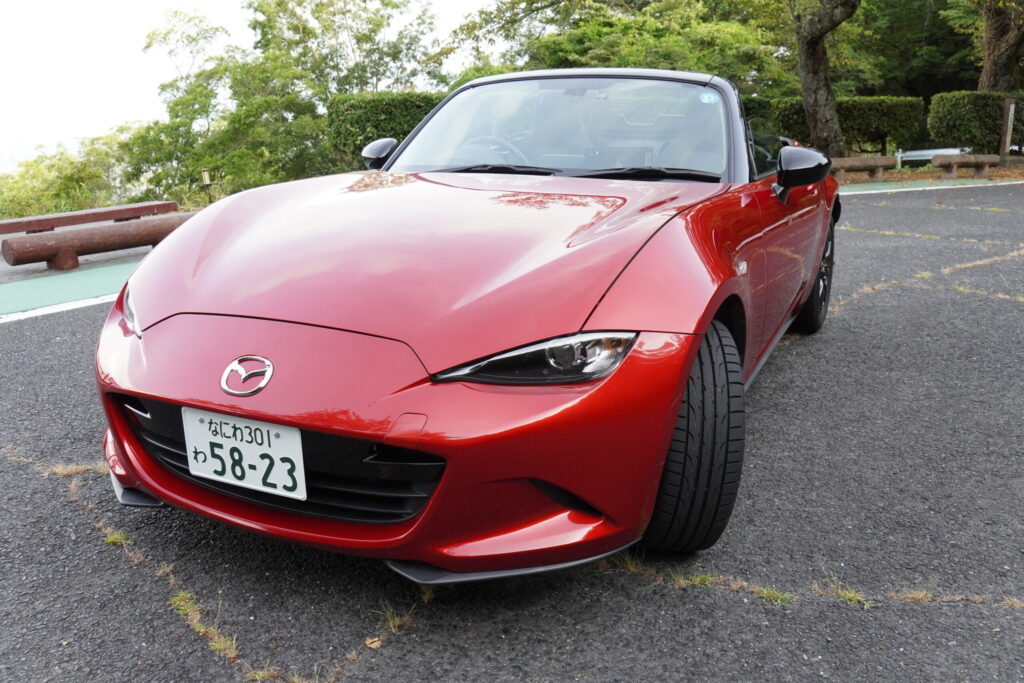
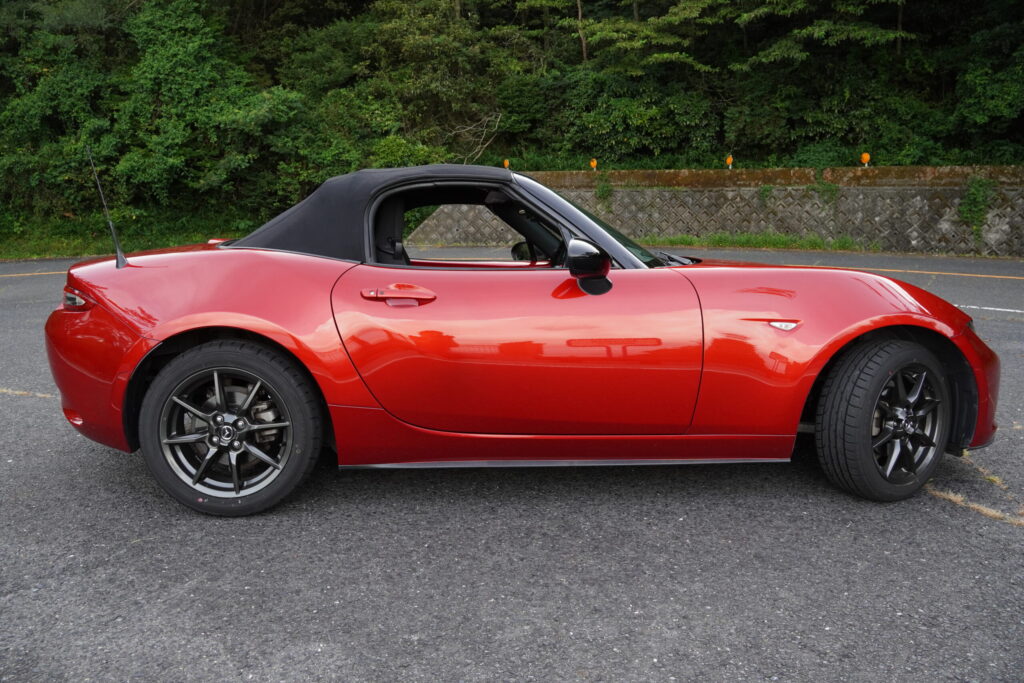
When you step off the platform and settle into the low-slung cockpit of a driver-focused machine like the Mazda MX-5 (known natively as the Eunos Roadster or Mazda Roadster), Japan transforms entirely. You are no longer bound by timetables, set platform transfers, or crowded tourist shuttles. The vast Japanese countryside opens up like a masterfully written scroll, inviting you to explore its most intimate, hidden corners.
Starting a journey from the vibrant, neon-lit streets of Osaka and heading north toward Shiga Prefecture brings you to Lake Biwa (Biwako). Lake Biwa is Japan’s largest freshwater body, an ancient geological wonder cradled by rugged peaks. While thousands of visitors take the standard train line from Osaka to Kyoto or Otsu, very few experience the raw, sensory beauty of encircling the lake by car. Even fewer venture into the majestic northern reaches known as Oku-Biwa.
This is the domain of "Secret Japan"—the country that exists beyond the bullet train stations and tour bus drop-off zones. It is a land of mist-covered cedar groves, quiet timber-built fishing villages unchanged for centuries, secluded lakeside shrines whose torii gates submerge in clear mountain runoff, and twisting mountain passes (touge) carved through dense hardwood forests. In autumn, these forests burst into a burning palette of crimson, amber, and gold.
Why drive a light, rear-wheel-drive sports car to Lake Biwa in the fall? Because driving in Japan is not merely about transportation; it is an exercise in mindfulness and sensory connection. In a sports car, every dip in the tarmac, every shift of weight through a tight hairpin curve, and every drop in air temperature as you ascend into the northern hills is communicated directly through your fingertips and the soles of your shoes.
The cool autumn air rushing over the open cockpit, the scent of burning pine needles and damp leaf mold mixing with the crisp lake breeze, and the sharp, responsive mechanical click of a short-throw manual gearbox create an intoxicating symphony. The train shows you Japan through a glass window; a driving journey through Lake Biwa puts you directly inside the frame.

Lake Biwa and Oku-Biwa: The 2-Day Autumn Itinerary (Deep Dive)
Day 1: The Gateway to Omi and the Historic Shoreline
08:00 AM — Departure from Osaka: Dawn on the Expressway
Your journey begins early in the morning as Osaka wakes up. Clearing the urban grid before the morning rush is crucial. Slipping behind the wheel, settling into the supportive bucket seat, and turning the key brings the engine to a purring idle. Navigating the Osaka Hanshin Expressway and merging onto the Meishin Expressway northbound, you leave behind the concrete canyon of Kansai’s bustling metropolis.
As you clear the suburban fringe of Ibaraki and Takatsuki, the landscape shifts rapidly. The flat urban basin gives way to lush, green-mantled foothills. The autumn morning air is crisp and cool. With the heater gently warming your footwell and the cool air washing over the cockpit, the drive feels invigorating. The highway winds past Kyoto’s eastern border, where early morning mist hangs heavy over the bamboo thickets of Yamashina. Within 50 minutes, the horizon opens up as you enter Shiga Prefecture, greeted by the wide expanse of the southern basin of Lake Biwa near Otsu.
09:15 AM — Otsu & Ukimido: The Floating Hall of Katata
Leaving the expressway at Otsu, transition onto Route 161, a coastal route that closely mirrors the western shore of the lake. Your first stop is Katata, an ancient lacustrine port town rich with literary and artistic history. Tucked quietly along the water’s edge stands Ukimido (Mangetsu-ji Temple), famous for its "Floating Hall" built on wooden stilts extending directly into the lake.
Park the car in the quiet gravel lot and walk through the temple grounds. As you cross the narrow wooden bridge out to the hall, the quiet water ripples gently beneath your feet. Built originally in the Heian period to pray for maritime safety and the peace of the lake, Ukimido offers an unobstructed view across Lake Biwa toward the towering peak of Mount Hiei behind you and Mount Hira to the north. In early morning light, the lake's surface looks like liquid silver, punctuated by the occasional silhouette of a traditional eri (fixed fishing net structure) floating in the distance. The cool lake breeze carries the subtle scent of freshwater reed beds and ancient pine incense.
11:00 AM — The Lakeshore Route to Omihachiman: Coastal Cruising
Leaving Katata, cross the magnificent Lake Biwa Bridge (Biwako Ohashi). As your tyres roll across the bridge deck, you'll hear the famous "Melody Road" section—specially cut grooves in the asphalt that play the notes of a traditional Japanese children's song through your car's suspension and chassis.
Once on the eastern shore, join County Road 26, affectionately known by locals as the Biwako Sazanami Line (Ripples Route). This stretch of road is a driver's paradise for relaxed, scenic cruising. The tarmac runs mere meters from the water’s edge, shadowed by weeping willow trees and Japanese black pines whose needles drop gold onto the dark asphalt.
With the lake stretched out to your left like an inland sea, flick the turn signals and track smoothly along the sweeping curves. The steering feels precise, reacting to the slighest input as you navigate gentle chicane-like bends around low rocky headlands. The water shifts colors in the midday sun, changing from deep navy blue to brilliant turquoise over shallow sandy shelves.
12:30 PM — Omihachiman: Merchant Canals and Local Flavors
Arriving in the historic castle town of Omihachiman, park near the base of Mount Hachiman. This town flourished in the 16th century under the rule of Toyotomi Hidetsugu and became a thriving hub for the famous Omi merchants (Omi Shonin), who traveled across Japan selling local textiles and lacquerware.
Walk along the Hachiman-bori Canal, a beautifully preserved waterway lined with white-walled Edo-period storehouses (kura), stone quays, and drooping willow trees displaying rich yellow autumn hues. In centuries past, boats loaded with rice, sake, and silk directly accessed the town through this network of canals linked to Lake Biwa.
For lunch, seek out a traditional, unpretentious local restaurant away from the main tourist strip. Omihachiman is world-renowned for Omi Beef (Omi-gyu), one of Japan’s top three wagyu brands alongside Kobe and Matsusaka, boasting a cattle-raising history spanning over 400 years.
Sit down at a low wooden table and order a classic Omi-gyu Sukiyaki or a grilled Wagyu Donburi. The presentation is an artwork in itself: marbling so fine the beef looks like pink marble etched with lace. Cooked lightly in a sweet, savory broth of soy sauce, mirin, and local sugar, then dipped into a bowl of freshly beaten raw egg, the meat melts instantly on the tongue. Rich, buttery, nutty notes balance perfectly against earthy shiitake mushrooms, sweet local leeks, and soft tofu. Pair it with a bowl of steaming Shiga-grown Koshihikari rice, known for its sweet finish and glossy texture.
02:30 PM — The Ascent to Hikone Castle
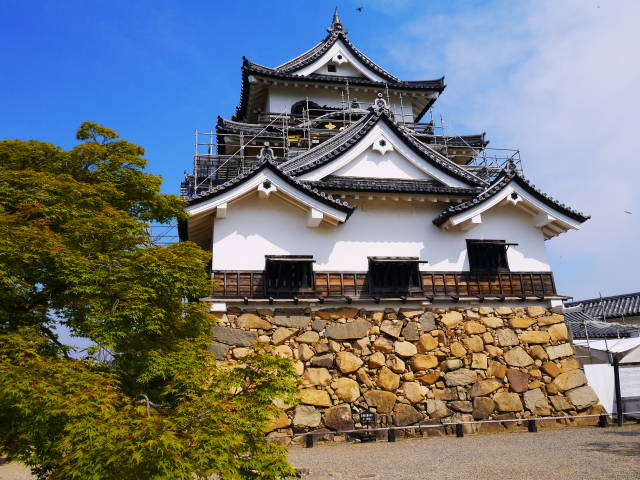
After a rich lunch, take Route 8 north toward Hikone. As you drive, the flat floodplain gives way to rolling hillocks. Hikone Castle stands as one of only twelve original, intact feudal castles remaining in Japan, surviving wars, fires, and the Meiji-era demolition decrees untouched.
Park in the forested area near the outer moat. Crossing the wooden bridge over the wide moat, you're greeted by reflection pool views of vibrant maple foliage—deep blood-reds and blazing oranges—dropping leaves into the dark water where white swans swim. The climb up the stone staircases is intentionally steep and uneven, designed by feudal architects to tire out attacking samurai clad in heavy armor.
At the top stands the three-story main keep (Tenshu), constructed in 1622. The exterior is a masterclass in Momoyama-period architecture, featuring layered gable roofs (kara-hafu and chidori-hafu) embellished with gold leaf accents. Climb the steep, near-vertical internal wooden ladders—swept clean to a high shine by centuries of socks—to reach the top floor. From the high narrow windows where archers once stood, you get a 360-degree panorama: to the west, the endless expanse of Lake Biwa; to the east, the rugged, mist-veiled Ibuki Mountain Range separating Shiga from Gifu.
05:00 PM — Twilight Run to Northern Biwa & Ryokan Check-in
As the afternoon sun drops toward the western rim of the lake, light turns into a warm, golden haze. Return to the car and head further north toward Kurotsukai and the quiet shores of Nagahama and Kohoku.
This northern realm of Lake Biwa is noticeably wilder, quieter, and more mysterious than the south. The mountains press right down into the water, and the towns shrink into tiny fishing clusters. The tarmac here winds past small inlets where wooden fishing skiffs bob at anchor.
Check into a traditional lakeside Ryokan (Japanese inn) tucked along the quiet shores of Mount Shizugatake or Sugaura. After removing your driving shoes at the entrance, step onto fragrant tatami mats and change into a comfortable cotton yukata.
Before dinner, head straight to the onsen (hot spring bath). Submerge into the piping-hot, mineral-rich thermal waters—often rich in iron and sulfur—in an outdoor bath (rotenburo) constructed from natural river rocks. The contrast between the cold autumn evening air on your face and the deep, penetrating heat of the spring water melts away any physical fatigue from driving.
Dinner at the ryokan is a traditional multi-course Kaiseki feast showcasing local seasonal ingredients: grilled sweetfish (Ayu) caught directly from the lake, mountain vegetables (sansai) tempura, wild boar hotpot (Botan Nabe), and delicate slices of carp sashimi (Koi no Arai). Finish the evening sipping a small cup of dry Shiga sake while listening to the dark, gentle lap of lake waves outside your window.

Day 2: The Sacred Peaks, Twisting Touge, and Oku-Biwa
07:30 AM — Early Morning at Lake Yogo: The Mirror Lake
Wake up before dawn, wrap yourself in warm layers, and step into the crisp autumn morning air. Dew coats the windshield of your car. Start the engine, letting the idle smooth out as warm oil circulates through the motor.
Your first destination of Day 2 is Lake Yogo, a tiny, mysterious lake situated just north of Lake Biwa, separated by the narrow ridge of Mount Shizugatake. Lake Yogo is often called the "Mirror Lake" (Kagami-ko). In the still air of early autumn mornings, the water is glassy and undisturbed. The surrounding mountains—adorned in brilliant orange oak, golden beech, and deep crimson maple leaves—reflect with perfect clarity on the water's surface.
Drive slowly around the narrow single-lane road that encircles the entire lake. There are no traffic signals, no commercial signs, and no tour buses. The only sound is the crisp crunch of fallen leaves under your tyres and the mechanical note of your exhaust echoing off the timber trellises. Stop at the northern tip of the lake, step out into the calm air, and watch wisps of white thermal mist rise off the calm water as the first rays of morning sunlight hit the mountain peaks.
09:30 AM — Tackling the Oku-Biwa Parkway: The Ultimate Driver's Road
Now begins the absolute crown jewel of driving in Shiga Prefecture: the Oku-Biwa Parkway (Shiga Prefectural Route 513). This legendary scenic road traverses the rugged, heavily forested Tsuzurao Peninsula that juts directly into the deep northern waters of Lake Biwa.
Access the parkway near the historical fishing village of Sugaura. The road immediately ascends, carving its way upward through a dense canopy of ancient hardwood trees. In mid-to-late autumn, driving here feels like piloting a machine through a tunnel of fire—leaves of burning red, bright orange, and yellow form a vibrant vault overhead, dropping foliage across the tarmac.
This road is built for pure driving engagement. The asphalt is well-maintained, offering predictable grip. It consists of a continuous sequence of technical s-bends, sweeping medium-speed third-gear curves, tight second-gear hairpins, and sudden elevation changes.
Approach a hairpin curve: heel-and-toe downshift into second gear, blipping the throttle to match engine revs seamlessly. The mechanical click of the shifter is precise. Ease off the brake, pitch the light front end into the corner, feeling the chassis balance right at the center of the car. Roll back onto the accelerator as the road straightens out, listening to the engine climb smoothly up the rev range. Because the car is light and nimble rather than overly heavy or excessively powerful, you can drive with intention and precision without exceeding safe limits on these narrow public passes.
11:30 AM — Tsuzuraozaki Lookout: Panorama of the Northern Abyss
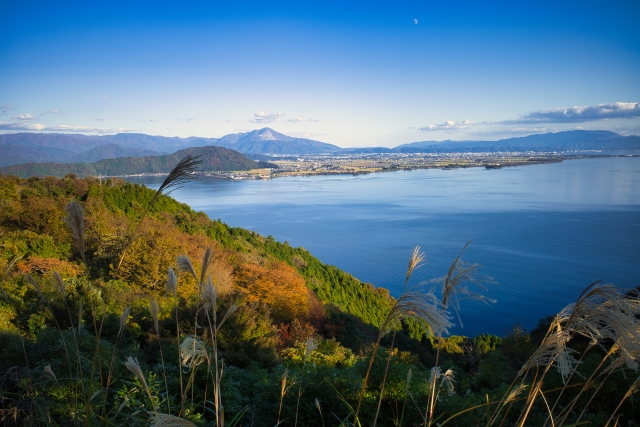
Midway through the Parkway, the road crests at the Tsuzuraozaki Lookout. Park in the open lookout bay and step out to absorb a breathtaking view. From this high viewpoint on the tip of the peninsula, you look south across the vastness of Lake Biwa. Below you, steep cliff faces plunge down into the deepest waters of the lake (reaching depths of over 100 meters).
In autumn, the contrast is stunning: the deep indigo water meets the blazing reds and yellows of the peninsula forest, framed by distant mist-enshrouded mountains. Small vendor stalls at the lookout often sell hot cans of black coffee, roasted local sweet potatoes (Yaki-imo), and grilled skewers of sweet soy-glazed rice cakes (Mitarashi Dango). Enjoying a warm snack in the crisp mountain air while overlooking this vast landscape is a quintessential Japanese road trip moment.
01:00 PM — Makino & The Metasequoia Avenue: The Cinematic Autumn Drive
Descending the western leg of the Oku-Biwa Parkway (which becomes a scenic one-way downhill section, allowing for uninterrupted lines through the curves), merge onto Route 161 heading toward the town of Makino.
Here lies one of the most photographed automotive landscapes in all of Japan: the Metasequoia Avenue (Metasequoia Namiki). This straight, 2.4-kilometer stretch of public road is lined with roughly 500 Dawn Redwood (Metasequoia) trees planted in symmetric rows on both sides.
In autumn (typically late November to early December), the needle-like leaves of these towering, conical trees turn a fiery brick-red and burnt-orange tone. Driving down this majestic natural corridor feels like entering a grand cathedral of trees. The light filters down through the high canopy in dusty golden beams, casting alternating shadows across the bonnet of your car. Drive slowly, absorb the cinematic grandeur, and park in the designated visitor lots nearby to photograph your road trip vehicle framed by this iconic backdrop.
02:30 PM — Shirahige Shrine: The Floating Torii of the West
Heading south down the western coastline on Route 161, your final major cultural stop before returning to Osaka is Shirahige Shrine (Shirahige Jinja). Known as the oldest shrine in Shiga Prefecture (with a history dating back over 1,900 years), Shirahige is dedicated to Sarutahiko Okami, the Shinto deity of guidance, longevity, and good fortune.
The shrine’s main feature is its grand wooden Torii gate built directly out in the waters of Lake Biwa, standing isolated against the horizon. As late afternoon sun begins to sink behind the dramatic peaks of the Hira Mountain range, warm golden light bathes the vermilion gate, casting long reflections across the water. Stand on the elevated pedestrian view platform on the shrine grounds to appreciate the view. It serves as a moment of tranquil reflection, marking the end of your loop around Shiga's ancient waters.
04:30 PM — Return Drive to Osaka via the Kyoto-East Expressway
From Shirahige Shrine, continue south along Route 161 as twilight gathers. The road turns into a smooth, elevated bypass that leads directly to the Kyoto-Higashi Interchange of the Meishin Expressway.
Joining the expressway, the evening flow of traffic carries you smoothly westward past Kyoto and down into the sprawling evening lights of the Osaka basin. The return drive offers a chance to process the experiences of the past two days: the smell of mountain pine, the rich taste of Omi beef, the peaceful morning silence of Lake Yogo, and the sharp mechanical precision of driving tight curves through the Oku-Biwa Parkway. By 06:00 PM, you arrive safely back in central Osaka.
Lake Biwa & Oku-Biwa: Expert Advice & Cultural Nuances
The Magic of Japan’s "Michi-no-Eki" (Roadside Stations)
To drive in Japan without visiting a Michi-no-Eki is to miss one of the greatest culinary and cultural experiences of the Japanese countryside. Created by the government to revitalize rural areas and provide rest stops for drivers, these rest areas are community hubs that showcase regional pride.
Along Lake Biwa, several outstanding roadside stations deserve a scheduled stop:
Michi-no-Eki Shin-Asahi Watermill (West Shore): Famous for local rice products, fresh soy milk soft-serve ice cream, and pristine mountain water fountains where locals bring glass jugs to fill up.
Michi-no-Eki Ajikamo-no-Sato (North Shore): Located near Makino, this station is famous for Ajikamo (duck) specialties, including hot savory duck soups and crispy duck croquettes—ideal for a quick afternoon bite.
Michi-no-Eki Biwako-Ohashi Kome-Kome Plaza (South-Central): Sells fresh produce harvested that morning by local farmers, incredible artisanal rice cakes (mochi), and offers an elevated deck overlooking the Lake Biwa Bridge.
Instead of grabbing fast food, always make Michi-no-Eki your primary choice for quick lunches, local snacks, high-quality canned coffees, and unique souvenirs you cannot purchase anywhere else in Japan.
Driving Etiquette and Hidden Local Customs
The Hazard Light Thank You: When a polite Japanese driver yields to let you merge out of a side street or driveway, standard local etiquette is to flash your hazard lights twice (pika-pika). It is an understated gesture of gratitude used by everyone on the road.
Passing Etiquette on Narrow Touge Roads: On single-lane mountain passes like parts of Oku-Biwa, local agricultural trucks or elderly drivers may pull slightly into turnouts or bus stops to let faster traffic past. Always flash your hazards twice as you clear them to show appreciation.
Pedestrian Crossings (Ozandou): In rural Shiga, yield immediately when a pedestrian steps near a zebra crossing. Rural police frequently set up unannounced speed checks and pedestrian yield enforcement zones near rural schools and village intersections.
Detailed Logistics & Pre-Trip Tips
Navigating Japan’s road network in 2026 is exceptionally smooth if you prepare correctly. Here is everything you need to know before setting off.
The ETC (Electronic Toll Collection) System
Japan’s high-quality expressway network is toll-based, and paying with cash at every booth is slow, inconvenient, and expensive.
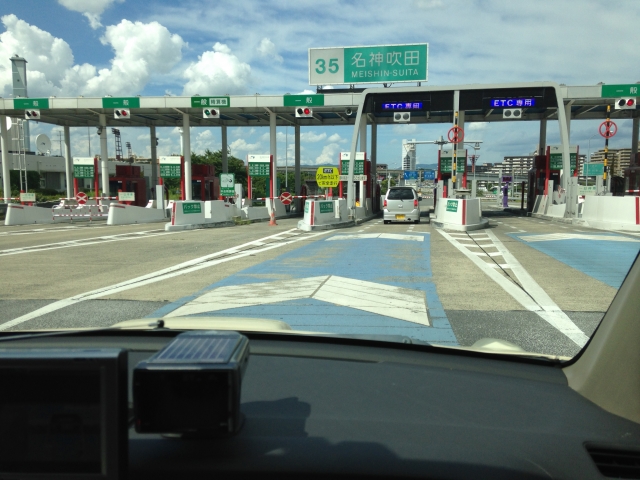
How It Works: Make sure your rental vehicle comes equipped with an ETC card reader and rent an active ETC Card from the rental office. Slide the card into the reader slot (usually hidden in the glove compartment or beneath the steering column) until the indicator light turns green.
At the Toll Gate: As you approach expressway toll plazas, look for lanes marked with blue ETC signs. Reduce your speed to 20 km/h as you approach the gate. The radio receiver will chime, the bar will lift automatically, and you can proceed without bringing the car to a complete stop. Toll fees are logged digitally onto the card and settled cleanly when you return the vehicle.
Fueling Up: Japanese Gas Station Protocols
Gas stations in Japan (Gasorin Susutendo) operate with remarkable efficiency, split between Full-Service (Furu) and Self-Service (Serufu).
At a Full-Service Station:
An attendant will direct you to a pump. Roll down your window and state three key pieces of information:
Fuel Type: For a performance sports car, always specify "High-Octane" (Hai-oku). Standard rental cars take "Regular" (Regurā).
Amount: Say "Mantan" (満タン), which means "Fill it up to full."
Payment Method: Say "Kādo" (Credit Card) or "Genkin" (Cash).
Example sentence: "Hai-oku, mantan, kādo de onegaishimasu." ("High-octane, full tank, by card please.")
The attendant will often clean your windshield, offer to take trash from your door pockets, and guide you safely back into traffic when leaving.
At a Self-Service Station:
The touch screens usually feature an "English" language toggle. Select your fuel (Red handle = Regular; Yellow handle = High-Octane; Green handle = Diesel). Select "Full Tank," insert your credit card or cash bill into the machine, ground yourself on the static-touch pad before picking up the nozzle, fill the tank until it clicks off automatically, and retrieve your receipt and change.
Precision Parking Standards
In Japan, always back into parking spaces (reversing park). Whether at a hotel, a scenic lookout, a convenience store, or a roadside station, nose-in parking is considered sloppy and poses a safety risk when pulling back out into pedestrian traffic. Modern sports cars feature clear mirrors and backup cameras, making reversing into tight Japanese stalls simple.
Comprehensive FAQ
What driver's documentation is required to rent and drive a car in Japan?
To legally drive in Japan, you must present two primary documents at the rental counter alongside your physical passport:
Your valid driver's license from your home country.
An International Driving Permit (IDP) issued strictly under the 1949 Geneva Convention on Road Traffic.
Critical Warning: Permits issued under the 1968 Vienna Convention or other international treaties are not accepted in Japan. Drivers holding licenses from specific jurisdictions (such as Taiwan, Switzerland, Germany, France, Belgium, Monaco, and Slovenia) do not use an IDP; instead, they must present an official Japanese translation of their home driver's license prepared by the Japan Automobile Federation (JAF) or their nation's embassy in Japan. Always check official requirements well before your flight.
Is driving a lightweight, manual transmission (MT) JDM car in Japan difficult for visitors?
Not at all—in fact, it is one of the most rewarding experiences a driving enthusiast can have. Japan drives on the left side of the road, meaning the driver's seat is on the right side of the vehicle.
If you are accustomed to a left-hand-drive manual car, shifting with your left hand takes only about 10 to 15 minutes of conscious practice to become second nature. The pedal layout (Clutch - Brake - Accelerator from left to right) remains identical worldwide.
Japanese drivers are calm, courteous, and predictable. Clear road markings, well-maintained surfaces, and logical signage (with virtually all street signs displayed in both Japanese Kanji and English Romaji) make navigating the roads surprisingly stress-free.
What are the road conditions around Lake Biwa during autumn?
Autumn (September through late November) offers arguably the best driving conditions of the entire year in Kansai. Days are generally clear, cool, and dry, with minimal rain compared to the summer monsoon season.
During mid-to-late autumn, mountain roads like the Oku-Biwa Parkway can have fallen leaves on the road surface, which can become slick when wet. Keep your steering inputs smooth, stay well within your lane, and respect posted speed limits. Snow and ice typically do not affect the Lake Biwa region until late December or January, so standard high-performance summer or all-season tyres provide excellent traction throughout the autumn road trip season.
The Final Thoughts: Take the Wheel of Your Japan Adventure
The train will always be there. It will carry millions of visitors dutifully along standard lines from city to city, running strictly on time, showing them Japan through clean glass windows.
But you didn't travel all the way to Japan just to be a passive spectator on a crowded train platform. You came to feel the soul of this country—to feel the cool mountain mist wash over your face, to hear the mechanical howl of a naturally aspirated sports car engine echoing off timber-clad village walls, to smell roasted green tea drying outside roadside tea shops, and to carve your own path along the shores of Lake Biwa and through the tunnels of gold leaves in Oku-Biwa.
Your key to unlocks this experience is waiting for you in Osaka.
Before you step on the plane, secure a real driving machine. Visit Omoresho Rental Car Osaka Central Office (おもしろレンタカー 大阪中央店) to reserve an iconic, enthusiast-focused vehicle—such as a pure manual Toyota 86, a pristine Subaru BRZ, or an agile Mazda MX-5.
Slide into the low-slung bucket seat, adjust the mirrors, slide the short-throw gear shifter into first gear, and feel the engine come alive. The open roads of Lake Biwa, the twisting passes of Oku-Biwa, and the secret heart of Japan are waiting for you. Book your driver's car today, push the start button, and write your own story.