
1. Driving the Coastal Magic of Shirahama: The Philosophy of Driving in Japan
To truly understand Japan, you must leave the railway tracks behind.
For nearly a decade, I wore the uniform of a Kintetsu Railway conductor. I knew the rhythmic clatter of steel wheels over expansion joints, the exact millimeter precision of train doors aligning with platform markers, and the rigid efficiency of a schedule measured in seconds. Trains are the circulatory system of urban Japan; they are magnificent, precise, and utterly unyielding. But as a conductor, looking out from the rear cabin as the platform lights faded into the night, I always knew there was a vast, silent world existing just beyond the catenary wires.
Railways bind you to a strict vector. They deposit you at mega-stations surrounded by standardized chain stores, crowding you alongside thousands of tourists following the exact same digital breadcrumbs. When you travel strictly by rail, you experience Japan as a slideshow of designated destinations. You miss the transitions—the subtle shifts in elevation, the change in architectural wood stains between valleys, the salty sea mist that begins to coat your windshield ten miles before you ever glimpse the ocean, and the smell of roasting cedar from a roadside chimney.
This is where the philosophy of "Secret Japan" takes root. Secret Japan is not a hidden shrine listed on a trendy travel blog; it is the physical space between rail lines. It is the sweeping, asphalt ribbon of Route 42 carving through the sheer limestone cliffs of the Kii Peninsula. It is the sudden, heart-stopping vista of the Pacific Ocean bursting into view as you crest the Kainan Pass. It is the ability to pull over at a isolated coastal overlook at 6:00 AM, key off the ignition, and listen to the engine ticking as it cools while ocean spray rises from the rocks fifty feet below.
Starting a road trip in Osaka and heading south toward Shirahama offers one of the most dramatic geographic transitions in Asia. Within forty minutes of leaving the dense, neon-lit grid of Osaka’s urban sprawl, the asphalt begins to twist. Concrete sound barriers give way to dense pine forests, and elevated expressway viaducts shrink down to two-lane coastal asphalt hugging the contour of the Wakayama coastline.
To make this journey in a standard subcompact rental car is an exercise in transportation; to make it behind the wheel of a pure, lightweight, rear-wheel-drive Japanese sports car—specifically a Toyota 86 or Subaru BRZ—is an act of visceral storytelling.
The Toyota 86 and Subaru BRZ were engineered with a singular, unapologetic focus: driver engagement. Built around a naturally aspirated, low-slung 2.0-liter horizontally opposed "boxer" engine, these cars do not rely on ludicrous, electric-turbocharger horsepower to impress. Instead, they offer an ultra-low center of gravity, perfectly weighted analog hydraulic-feel steering, and a short-throw 6-speed manual transmission that snaps into gear with the tactile precision of a rifle bolt.
When you sit in an 86 or BRZ, your hip point rests just inches above the pavement. The low bonnet line drops away, framing the road ahead between the subtle ridges of the front fenders. Every micro-texture of the Japanese asphalt—from the smooth, grippy rubberized asphalt of mountain passes to the rain-channeled grooves of coastal curves—is communicated directly up through the aluminum pedals and the thick leather-wrapped steering wheel.
When you drop two gears on a heel-toe downshift, rev-matching the boxer engine as you set the chassis for a tight seaside hairpin on the way to Shirahama, the connection between driver, machine, and landscape becomes absolute. You are no longer merely traveling through Japan; you are active in its topography.

2. Driving the Coastal Magic of Shirahama: The 2-Day Itinerary: Deep Dive
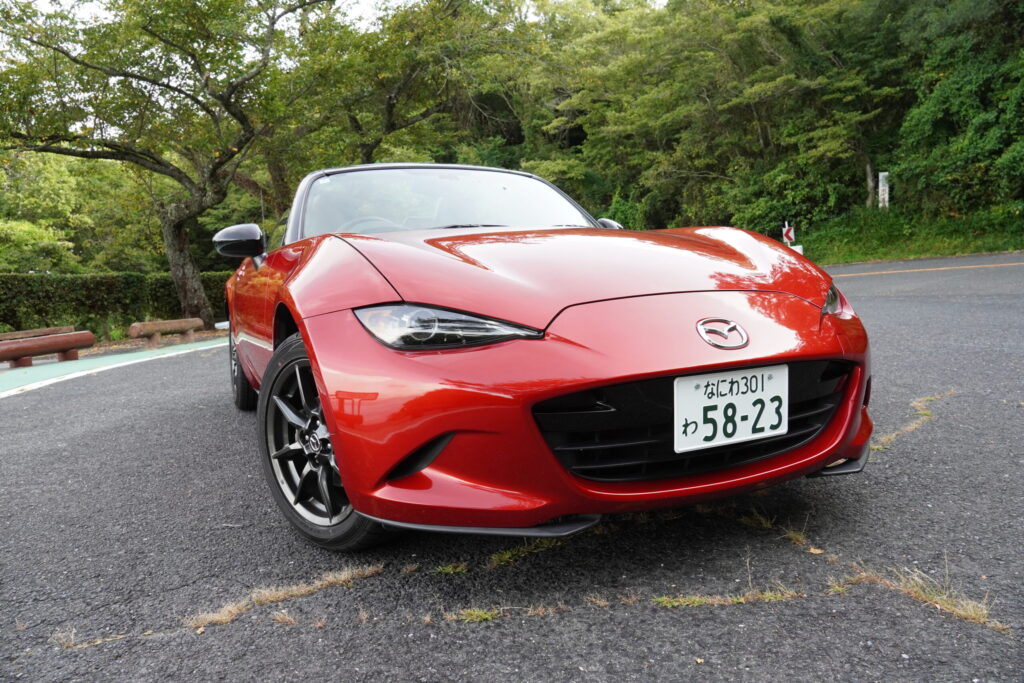
Day 1: Escaping the Grid to the Edge of the Pacific
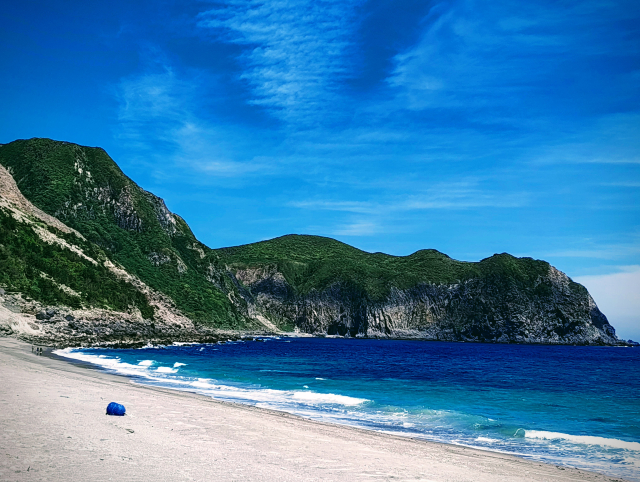
08:00 AM – The Cockpit Check & The Departure from Osaka
Your journey begins in the heart of Osaka. As you climb into the tight bucket seat of your Toyota 86, the cabin wraps around you like a tailored glove. Adjust the side mirrors to frame those iconic flared rear haunches. Press the clutch to the floor—it’s light, firm, and mechanical. Twist the key or push the starter button. The 2.0-liter flat-four engine fires up with a characteristic, raspy boxer rumble that settles into a smooth, purposeful idle.
Slot the short-throw shifter into first gear. As you ease off the clutch and hit the asphalt, Osaka’s morning energy surrounds you. You slide into the flow of traffic, heading south toward the Hanshin Expressway Route 4 (湾岸線 - Wangan Line). As the urban avenues widen into elevated highways, the skyline of Osaka—with its towering steel and glass—mirrors in your rear-view mirror.
09:15 AM – The Wangan Expressway to Hanwa Expressway Transition
Cruising south along the Wangan Line, the twin-tailpipe exhaust note of the 86 hums at a steady pitch. To your right, Osaka Bay glimmers under the morning light; giant container ships sit anchored in the calm waters. Transitioning onto the Hanwa Expressway near Izumisano, the road rises into the northern flanks of the Izumi Mountains, which divide Osaka Prefecture from Wakayama Prefecture.
Here, the highway begins to curve and roll through a series of long, sweeping tunnels cut through ancient granite. The chassis of the 86 remains planted, its low center of gravity eliminating body roll completely as you navigate the high-speed bends. The engine breathes cleanly, responding instantly to slight inputs on the throttle. You cross the border into Wakayama Prefecture, where the urban architecture disappears, replaced by mountains covered in dense, emerald-green cryptomeria trees and citrus orchards clinging precariously to steep hillsides.
10:30 AM – Pitstop at Kainan & The Coastal Gateway (Route 42)
Leave the Hanwa Expressway at the Kainan Interchange. This is where the real driving experience begins. You leave the sterile speed of the toll road and merge onto Route 42, the legendary national highway that tracks the western coastline of the Kii Peninsula all the way to its southern tip.
Immediate shift in atmosphere: the air outside changes from city smog to the sharp, ozonic tang of salt water. The road tightens into a ribbons of two-lane asphalt hugging the rocky shoreline. The Toyota 86 comes alive in this environment. Third gear becomes your sweet spot. As you flex your right foot, the tachometer needle sweeps past 4,000 RPM, unlocking the mechanical rasp of the boxer engine. The rack-and-pinion steering yields razor-sharp feedback, allowing you to place the front tires with millimeter precision right along the yellow center line as you dance around coastal bluffs.
11:30 AM – The Historic Soy Sauce Town of Yuasa
Before pushing further south, make a cultural detour into Yuasa (湯浅). Tucked into a narrow bay, Yuasa is officially recognized as the birthplace of Japanese soy sauce (shoyu). In the 13th century, a Buddhist monk brought back a recipe for fermented miso paste from China; the liquid that accumulated at the bottom of the wooden aging tubs was discovered to be an extraordinarily delicious seasoning.
Park the 86 in the dedicated visitor area near the preserved historic district. Walking through Yuasa’s narrow lanes—lined with dark, soot-stained wood machiya townhouses featuring traditional lattice windows (koushi)—feels like stepping back into the Edo period.
Sense & Savor: Walk past the ancient wooden vats of traditional breweries like Kadocho, operating since 1841. The air here smells heavy, rich, and umami-packed, combining aged soybeans, wheat, and sea salt. Stop for an early lunch at a local eatery and order Raw Shirasu Don (baby whitebait over warm rice, topped with a raw egg yolk and a dash of locally brewed unpasteurized soy sauce). The soy sauce here isn't just salty; it carries a deep, complex, fruity sweetness that elevates the sweet, delicate seafood.
01:00 PM – Coastal Winding: Yuasa to Minabe via the Black Shallows
Re-climbing into the cockpit, click your seatbelt into place and select second gear. The drive south from Yuasa along Route 42 towards Minabe offers pure driving bliss. The road carves high above the sea, hugging limestone cliffs carved by centuries of typhoons and powerful ocean currents.
The suspension of the BRZ/86—firmer than a standard commuter car—transmits the contour of every curve into your lower back. There are no guardrails blocking your view here; just low concrete wall barriers separates your tires from a drop into the deep blue waters of the Kuroshio Current. The sunlight sparkles across the water like crushed diamonds. Drop the windows an inch: the sound of tires gripping asphalt mixes with the rhythmic roar of ocean swell crashing against black basalt rocks below.
02:30 PM – Arrival in Shirahama: The Geological Marvel of Senjojiki
By mid-afternoon, you roll into the coastal resort town of Shirahama (白浜). Your first stop is Senjojiki (千畳敷), which translates to "Thousand Tatami Mats."
Geology & History: Senjojiki is a massive, multi-tiered plateau of pale, soft tertiary sandstone created by millions of years of relentless wave erosion from the Pacific Ocean. The relentless tides have carved the rock into smooth, sweeping sheet-like layers that resemble overlapping tatami mats stretching out into the ocean.
The Experience: Park the car and walk out onto the vast sandstone plates. The wind off the ocean is fierce and fresh, carrying the scent of sea kelp and deep salt. Stand at the edge where the white rock meets the deep turquoise ocean; watch towering blue waves crash into the lower ledges, sending plumes of white foam thirty feet into the air.
03:45 PM – Descending into the Pirate Lair of Sandanbeki
A short two-minute drive south along the coastal road brings you to Sandanbeki (三段壁), a breathtaking precipice of sheer basalt cliffs towering 50 meters (164 feet) high, stretching for two kilometers along the coast.
Underground Exploration: Take the high-speed elevator located inside the main visitor building, descending 36 meters down through solid rock into the Sandanbeki Cavern (三段壁洞窟). This vast, echoing subterranean cave system was historically used as a hidden naval base and hideout by the legendary Kumano Navy (Kumano Suigun) during the Genpei War in the late 12th century.
Sensory Detail: As the elevator doors open, the damp air drops ten degrees. The cavern echoes with a thunderous, rhythmic boom as massive ocean surges force their way into the mouth of the cave, churning violently inside natural rock chambers. Walk along the wooden footbridges lit by glowing lanterns to view the restored pirate shrine dedicated to Benzaiten (goddess of the waters) and authentic recreations of the ancient navy's armory and living quarters.
05:15 PM – Check-in & Soaking at Sakinoyu Onsen
After an afternoon of dynamic driving and cliffside exploration, head to Sakinoyu (崎の湯), one of the oldest recorded hot spring baths in all of Japan. Documented in ancient imperial chronicles like the Nihon Shoki, emperors and court nobles traveled months on foot during the Asuka and Nara periods to bathe in these exact waters.
The Onsen Experience: Sakinoyu is an open-air bath (rotenburo) built directly onto the rocky ocean shore. There are no grand changing rooms or luxury amenities—just raw stone tubs filled with sulfur-rich, piping-hot mineral water surging directly up from underground volcanic vents.
Sensory Immersion: Sit immersed up to your shoulders in hot water. The bath's edge sits less than three meters from the sea. As powerful Pacific waves crash against the outer rocks, fine sea spray washes over your face, cooling your skin while the deep thermal heat relaxes your muscles from hours of heel-toe downshifting. The air smells intensely of elemental sulfur, sea salt, and wet granite.
06:30 PM – Sunset at Engetsu Island (Engetsuto)
Drive the 86 along the smooth arc of Shirahama’s inner bay to Engetsu Island (円月島), the undisputed symbol of Shirahama. This small, uninhabited sandstone islet features a perfectly round, full-moon-shaped hole (tenshodou) carved through its center by natural ocean erosion.
The Sunset Display: Park along the designated coastal shoulder. Position yourself so the golden setting sun aligns perfectly within the natural circular sea arch of the island. As the sun drops toward the horizon, the sky bleeds into brilliant shades of burnt orange, violet, and fiery red. The silhouette of your sports car—parked against the sea wall with its metallic paint reflecting the twilight sky—creates a cinematic scene.
08:00 PM – Coastal Seafood Feast
Conclude Day 1 with dinner at an authentic local seafood izakaya or kaisen-don house near Shirarahama Beach. Order Wakayama's local prized catch: Kue (Longtooth Grouper), a deep-sea fish known for its rich, gelatinous skin and sweet, firm white meat, served as Kue-nabe (hotpot) or delicate sashimi. Pair it with local Wakayama plum wine (Umeshu), brewed using the region's world-famous Nanko-ume plums. (Note: Ensure a designated driver if consuming alcohol, as Japan enforces a zero-tolerance policy for drink-driving).

Day 2: Winding Mountains, Deep Culture, and The Ultimate Driver's Route
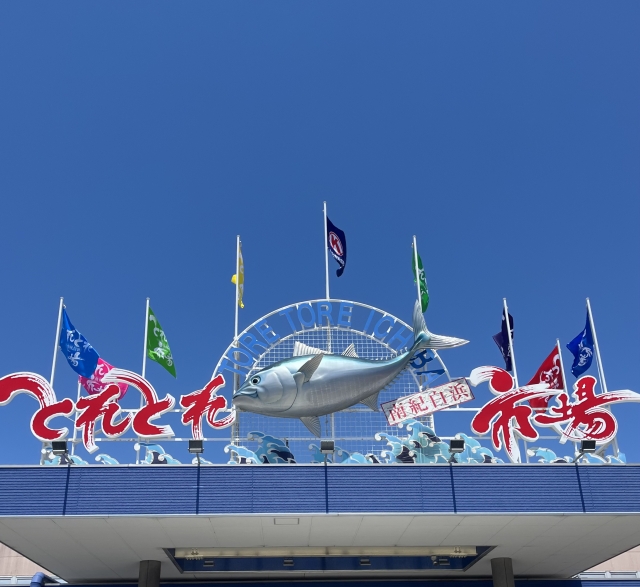
07:30 AM – Dawn at Shirarahama Beach
Wake early and step out onto Shirarahama Beach. This 600-meter arc of blindingly white sand gives the town its name ("White Beach"). The sand is composed of 90% pure quartz, imported in part from Western Australia to maintain its immaculate snow-white appearance. In the quiet morning air, with gentle emerald waves washing ashore, it feels miles away from the neon frenzy of Osaka.
08:30 AM – Morning Feast at Toretore Market
Before hitting the twisty inland routes, drive five minutes inland to Toretore Market (とれとれ市場), the largest seafood market in western Japan, operated by the local Fishermen’s Cooperative.
Market Energy: The market is an explosion of sights and sounds. Wholesalers shout out the morning catches, giant live tanks hold ocean spiny lobsters and sea bream, and the smell of grilling ocean squid fills the air.
The Breakfast: Head directly to the fresh tuna carving station. Watch master fishmongers slice massive Pacific Bluefin tuna with katana-like knives. Order a custom Kaisen-don (seafood rice bowl) loaded with fresh fatty tuna (otoro), rich sea urchin (uni), and salmon roe (ikura). The fish melts instantly on your tongue, buttery and cold against the warm vinegar-seasoned rice.
10:00 AM – Heading Inland: The Kumano Kodō Ridge Road (Route 31 to Route 311)
Now, flip the driving script. Leave the coast behind and point the nose of your 86 toward the interior mountains of Wakayama. Turn onto Route 311, tracing the crystal-clear waters of the Tota River into the sacred mist-shrouded ranges of the Kumano Kodō (熊野古道), a UNESCO World Heritage pilgrimage route.
The Drive: Route 311 is widely regarded by Japanese car enthusiasts as one of the finest driving roads in Kansai. The asphalt is wide, impeccably maintained, and carved into smooth, sweeping curves that follow the contours of deep river valleys.
Vehicle Dynamics: Set the 86’s transmission into 3rd gear. The engine sits right in its torque band between 4,000 and 6,000 RPM. As you steer through S-curves, the electric power steering provides immense chassis feedback. You feel the front tires load up under cornering forces, while the rear limited-slip differential (LSD) smoothly distributes power, letting you carve through apexes with total composure. The exhaust note echoes off vertical rock faces, filling the cabin with pure mechanical symphony.
11:45 AM – Visiting the Sacred Giant: Kumano Hongū Taisha
Deep in the pine forests along Route 311 lies Kumano Hongū Taisha (熊野本宮大社), the grand shrine that serves as the heart of the Kumano pilgrimage network.
History & Atmosphere: Walk up the 158 stone steps shaded by massive, centuries-old Japanese cedar trees (sugi). Sacred yellow banners flutter in the mountain breeze. The shrine features understated, dark wooden architecture with thick cypress bark roofs (hiwada-buki), designed to blend seamlessly into the surrounding wilderness rather than dominate it.
Oyunohara: A five-minute walk from the main shrine complex brings you to Oyunohara (大鳥居), the original site of the shrine located at the confluence of three rivers. Here stands the largest Torii gate in the world—a towering, matte-black steel structure standing 33.9 meters (111 feet) tall. Standing beneath it, framed against golden rice fields and mountain mist, is a humbling experience.
01:15 PM – Mountain Lunch: Handcrafted Mehari-zushi & Local Soba
Stop at a small mountain roadside eatery along the river. Order Mehari-zushi (めはり寿司), a ancient highland soul food eaten by timber workers and pilgrims for centuries. It consists of warm rice flavored with chopped pickled mustard greens, tightly wrapped in a large, whole pickled mustard leaf. Simple, salty, tangy, and deeply satisfying. Pair it with a steaming bowl of wild mountain vegetable soba noodles made from locally harvested buckwheat.
02:30 PM – The Peak Attack: Mount Kōya Skyline (R371) or Ryujin Skyline
To head back toward Osaka, take the legendary Ryujin Skyline (National Route 371), connecting the hot spring sanctuary of Ryujin Onsen to the sacred mountain temple complex of Kōyasan (高野山).
The Legendary Touge (Pass): The Ryujin Skyline is a legendary driving road in Japanese motoring culture. Ridgeline asphalt that climbs above 1,000 meters in elevation, it twists through dense forest canopy with hairpin after hairpin, off-camber bends, and sudden elevation changes.
Pushing the 86/BRZ: This is where the light weight (approx. 1,200 kg) of the 86 shines over heavy, high-horsepower supercars. Because the car is so light, you can brake remarkably late into tight corners. The brake pedal feel is rock-solid. Heel-toe downshift into 2nd gear—blip the throttle to match engine revs perfectly—turn the wheel, and feel the car rotate effortlessly around its center of gravity. As you accelerate out of the turn, the rear tires bite into the asphalt, launching you up the next mountain incline. It is pure, unadulterated driving joy.
04:30 PM – Sunset Ascent through Kōyasan
Crest the top of the pass and enter the mountain plateau of Kōyasan, founded in 816 AD by the monk Kūkai as the headquarters of Shingon Esoteric Buddhism.
The Sacred Atmosphere: The air atop Kōyasan is cool, quiet, and filled with the scent of incense and damp earth. Drive slowly past ancient wooden temple gates (mon) and moss-covered stone lanterns. If time permits, park near Okunoin (奥の院), Japan’s largest cemetery, where over 200,000 stone stupas and samurai tombs sit beneath giant 800-year-old cedar trees.
06:00 PM – The Descent & Return Cruise to Osaka
From Kōyasan, begin your smooth descent via the Kōyasan Highway down toward the Hanwa Expressway. As night falls, switch on the LED headlights of your 86. The golden twilight fades into deep indigo over the mountains.
Merge back onto the expressway toward Osaka. Cruise in 6th gear as the engine hums softly. The adrenaline of the mountain pass gives way to a deep sense of contentment. The lights of Osaka begin to flicker on the horizon—a glittering grid of neon welcoming you back from the quiet wilderness of Secret Japan.
3. Driving the Coastal Magic of Shirahama: Expert Advice & Cultural Nuances
Driving in Japan is a deeply rewarding, civilized experience, but it operates on a set of subtle cultural etiquette and unique road infrastructure rules that every international driver must understand.
The Magic of Michi-no-Eki (Roadside Stations)
Forget dirty, industrial highway rest stops. In Japan, Michi-no-Eki (道の駅) are destinations unto themselves. Developed by the government to support rural communities, these are high-end roadside service stations that showcase the hyper-local produce, crafts, and food of the specific village they sit in.
What to Look For: Along Route 42 and Route 311, stop at stations like Michi-no-Eki Inami or Michi-no-Eki Ryujin. Here you will find ultra-fresh seasonal fruit—such as Wakayama's world-famous sweet Mikan mandarins and Arakawa peaches—alongside artisanal plum jams, craft beers, and hot street food stalls selling fresh roasted chestnuts or sweet potato sticks.
Amenities: Clean public restrooms, 24/7 parking access, regional travel maps, and automatic drink vending machines stocked with hot canned boss coffee (Boss Black) or warm green tea.
Driving Etiquette on Japanese Roads
The "Thank You" Hazard Light Blink: When a driver slows down to let you merge out of a side street or join a busy lane, give two brief flashes of your hazard lights (hazaado). This is the universal sign of gratitude on Japanese roads.
Speed Limits vs. Traffic Flow: Official speed limits in Japan appear surprisingly low (often 40–50 km/h on rural roads and 80–100 km/h on expressways). Pay attention to local traffic flow, drive smoothly, and remain respectful inside residential villages.
Yielding on Narrow Mountain Passes (Touge): Mountain roads (touge) in Wakayama can occasionally shrink to a single lane (1.5-lane roads). Look ahead for wide cutouts called Laye-bys (daishou-jo). If you see an oncoming vehicle, pull into the cutout on your left and flash your high beams briefly to signal that they may pass safely.
Gas Station Etiquette: Gas stations in Japan are either Full Service (Mantan) or Self Service (Serufu).
4. Driving the Coastal Magic of Shirahama: Detailed Logistics & Pre-Trip Tips
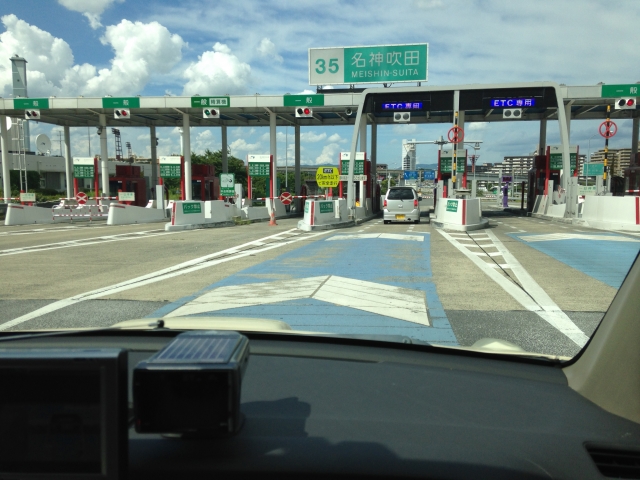
Navigating Japan's highway network and operating a sports car requires a clear understanding of modern Japanese transport logistics.
Navigating Expressways: ETC Cards are Essential
Japan’s highway network is operated by NEXCO and relies heavily on an automated toll collection system called ETC (Electronic Toll Collection).
How It Works: An ETC card is a smart card inserted directly into an electronic reader hidden inside the glovebox or center console of your rental car.
At Toll Gates: Expressway toll plazas feature blue lanes labeled ETC and green/red lanes labeled 一般 (General/Cash). When approaching an ETC lane, slow down to 20 km/h. An overhead sensor communicates with your car, the gate barrier lifts automatically, and a chime confirms the transaction.
Why You Need It: Cash lanes can require long waits, manual ticket processing, and expensive full-price toll rates. Renting an ETC card with your vehicle allows you to bypass all queues and automatically record all tolls onto a final bill settled upon returning the car.
Fueling Up: Master the Vocabulary
When driving a high-performance Japanese sports car like the Toyota 86 or Subaru BRZ, you MUST use High-Octane Premium Gasoline (ハイオク - Haioku). Do not fill these high-compression engines with Regular gasoline, as it can cause engine knocking and power loss.
When pulling into a full-service station, roll down your window and use these exact phrases:
"Haioku, Mantan, Kado de" (High-Octane, Full Tank, Credit Card)
"Haioku, Mantan, Genkin de" (High-Octane, Full Tank, Cash)
Attendants will often hand you a small damp towel to wipe down your dashboard while they wash your windshield, mirrors, and dispose of small trash from your door pockets—all part of Japan's legendary Omotenashi (hospitality).
Parking Precision in Towns and Cities
White Line Parking: In Japan, reverse parking (backing into spaces) is standard practice. It ensures maximum safety when pulling back out into traffic.
Flap-Lock Parking Lots (Times 24 / Coin Parking): In urban areas or near tourist sites like Shirahama, you will encounter automated parking lots with metal flaps beneath each space. Park over an open space; after 3 minutes, a metal barrier rises under the chassis to lock the car. To leave, enter your parking space number at the central pay machine, pay the cash or card fee, and the flap drops back down. Important: The Toyota 86 has a low ground clearance—approach these parking spaces slowly to ensure the lower front bumper clears the ground sensors.
The Thrill of the Manual JDM Cockpit
Driving a lightweight, rear-wheel-drive manual transmission car in its home country is a bucket-list experience for automobile enthusiasts. The pedal layout in the Toyota 86/BRZ is specifically engineered for precision heel-toe downshifting—the brake pedal and accelerator sit close together, allowing you to blip the throttle with the right side of your foot while applying firm, steady braking pressure with your ball of the foot.
5. Driving the Coastal Magic of Shirahama: Comprehensive FAQ
Q1: What driving license documentation is strictly required to drive in Japan?
Answer: To legally drive in Japan, you must present two original documents at the rental counter:
Your valid National Driver’s License issued by your home country.
A valid International Driving Permit (IDP) issued under the 1949 Geneva Convention on Road Traffic.
Critical Warning: Permits issued under the 1968 Vienna Convention, or generic digital translations, are NOT accepted under Japanese law. Drivers holding licenses from specific countries (such as Switzerland, Germany, France, Taiwan, Belgium, and Monaco) must present an official Japanese translation of their home license prepared by the Japan Automobile Federation (JAF) or their respective embassy, rather than an IDP. Always carry your physical Passport alongside these documents.
Q2: Is insurance included, and what happens in the event of an accident or minor scratch?
Answer: Basic third-party insurance coverage is legally included, but opting for full Collision Damage Waiver (CDW) and Non-Operation Charge (NOC) Protection is strongly advised.NOC is a standard Japanese rental industry fee (typically ¥20,000 to ¥50,000) charged to cover business loss while a vehicle is being repaired or cleaned after an incident. If any damage occurs—no matter how minor—you must immediately call the police (110) to obtain an official Police Incident Report (Jiko Shoumeisho), as insurance claims cannot be processed without one.
Q3: What if I haven't driven a manual transmission (MT) car in a few years?
Answer: The Toyota 86 and Subaru BRZ feature extremely forgiving, modern clutch engagement with smooth hill-start assist technology, preventing the car from rolling backward on steep mountain inclines. However, Japanese traffic drives on the left side of the road, meaning the gear stick is operated with your left hand. If you feel rusty, take 10 minutes in a quiet parking lot to practice gear selection and reverse engagement before heading out onto busy city streets.
Q4: Are the coastal roads to Shirahama and mountain routes safe to drive in winter?
Answer: The coastal route along Wakayama (Route 42) remains mild year-round, rarely seeing snow due to warm Pacific ocean currents. However, high-elevation mountain passes like the Ryujin Skyline and Kōyasan (Route 371) can experience black ice and snowfall between late December and early March. If traveling during mid-winter, confirm mountain road conditions or stick to coastal highways.
6. Driving the Coastal Magic of Shirahama: The Final Thoughts
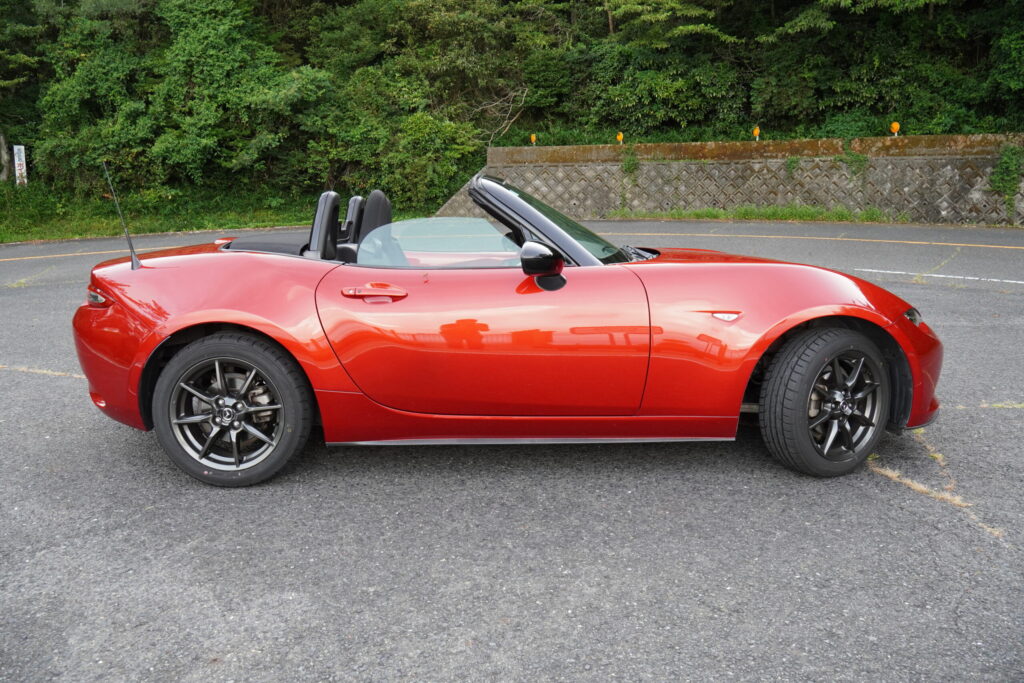
Japan is a country that reveals its true soul to those who take the wheel. The real romance of travel isn't found sitting on a packed train carriage watching the world blur past a double-paned window at 280 km/h. It is found in the precise click of a 6-speed manual gear shifter, the smell of roasted cedar drifting through open windows along a mountain pass, and the absolute freedom to stop at an unmarked coastal cliff in Shirahama just as the Pacific sun melts into the sea.
You don't need to follow the beaten tourist path. You don't need to be tied to train timetables, rigid tour group schedules, or designated station exits. The winding coastal highways of Wakayama, the sacred mist-covered peaks of Kumano, and the open asphalt of Secret Japan are waiting for you.
When you are ready to stop being a passive spectator and become the driver of your own Japanese adventure, your machine is waiting in Osaka.
Head directly to Omoshiro Rent-A-Car Osaka Chuo (おもしろレンタカー 大阪中央店). Located conveniently in central Osaka, Omoshiro Rent-A-Car is Japan's premier specialty rental service, built by enthusiasts, for enthusiasts. Whether you choose the perfectly balanced, sharp-handling Toyota 86 or the ultra-responsive, low-center-of-gravity Subaru BRZ, their meticulously maintained fleet of pure Japanese domestic market (JDM) sports cars is fully prepared for your journey. Equipped with English navigation systems and optional ETC toll cards, they provide everything you need to step straight off the plane and into the driver’s seat.
Turn the key. Drop into gear. Secret Japan is calling—reserve your JDM sports car at Omoshiro Rent-A-Car Osaka Chuo today and hit the open road.