
Wakayama and Nachi-Katsuura-The Philosophy of Driving in Japan
As I sit here listening to the low, resonant purr of a flat-four boxer engine idling in the cool Osaka morning air, my mind inevitably drifts back to another life—a life spent inside the immaculate, rigid steel confines of Kintetsu Railway carriages. For years, my world was measured in punctuality, guided by iron rails, automated announcements, and the relentless precision of a schedule down to the exact second. There is an undeniable romance to train travel in Japan; the way the terraced rice paddies of Nara and the coastal cliffs of the Kii Peninsula glide past your window like frames of a vintage cinematic masterpiece is something every traveler should experience at least once. But as any true driver—and any former conductor who grew tired of watching the most breathtaking mountain passes flash by without the freedom to pull over—will tell you, the train only shows you what is on the itinerary. The car gives you the country itself.
When you base yourself in Osaka, the sprawling metropolis serves as the ultimate springboard for automotive exploration. While the masses funnel themselves onto the Tokaido Shinkansen or cram into limited express trains heading toward Kyoto and Tokyo, the true connoisseur of Japan looks south. They look toward the Kii Peninsula—a wild, mist-shrouded expanse of ancient cedar forests, sacred mountain shrines, and jagged coastline that time seems to have politely forgotten. This is the heartland of "Secret Japan," a realm where Shinto deities still dwell in every moss-covered boulder and roaring waterfall, and where the pavement curls and twists through topography so dramatic it feels as though it was engineered specifically for the communion man and machine.
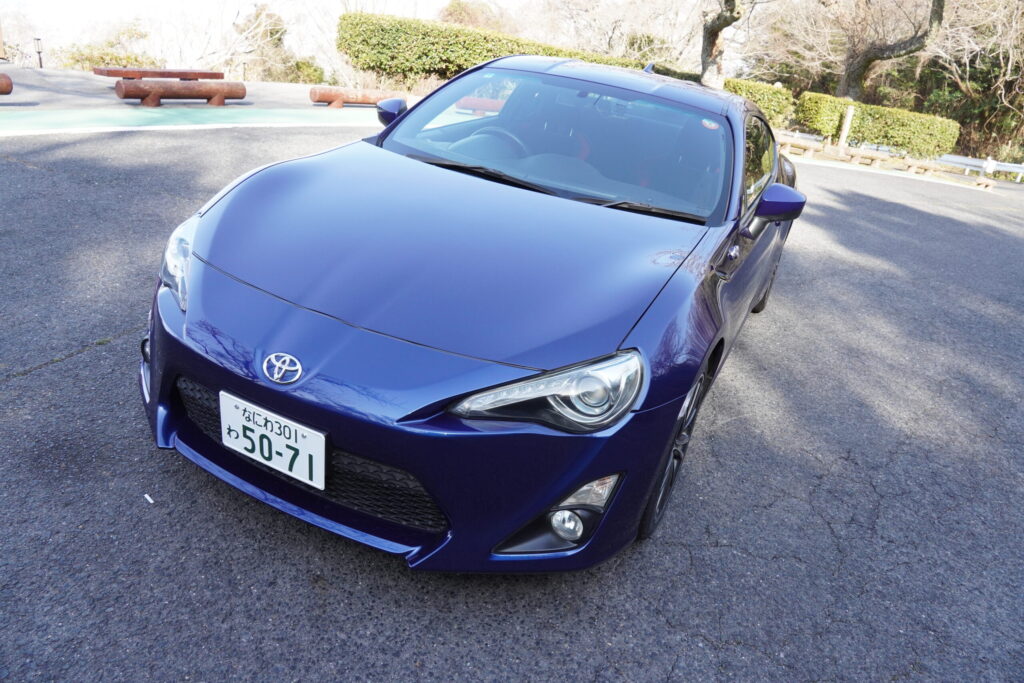
To experience this landscape properly, you cannot simply be a passenger. You need a vehicle that speaks the dialect of the tarmac. Slipping behind the wheel of a manual transmission Toyota 86—a modern lightweight rear-wheel-drive icon built in collaboration with Subaru—transforms a simple vacation into an intimate dialogue with the Japanese road. The 86 is not a brute force supercar meant for flat-out highway straights; it is an analog instrument crafted for momentum, balance, and pure mechanical feedback. Its naturally aspirated 2.0-liter boxer engine demands to be wrung out, rewarding smooth throttle inputs and precise heel-and-toe downshifts as you carve your way through the Kii Mountains.
Why drive instead of taking the train to Wakayama and Nachi-Katsuura? Because the Kii Peninsula is shaped like an impenetrable green fortress. The rail lines hug the coastline out of sheer geographical necessity, bypassing the interior highlands entirely. If you stay on the rails, you miss the spine of Japan—the dramatic elevation changes, the sudden reveals of ocean vistas as you emerge from a hand-carved mountain tunnel, the tiny unmanned roadside shrines where locals leave fresh oranges, and the impromptu decisions to pull over at a scenic overlook because the golden hour light is catching the cedar canopy just right.
Driving here is an awakening. It is about the crisp scent of hinoki cypress blowing through your rolled-down windows, the mechanical harmony of a synchronized gearbox as you match revs entering a hairpin turn, and the profound satisfaction of arriving in a coastal fishing village not as a hurried tourist stepping off a platform, but as a traveler who conquered every mile of the asphalt to get there. This is the philosophy of driving in Japan: the journey is not a means to an end; the journey is the awakening of your senses, and the destination is merely the reward for a dance well-performed.

Wakayama and Nachi-Katsuura-The 2-Day Itinerary: Deep Dive
Day 1: The Ascent into the Sacred Mist and the Roar of the Boxer
07:00 - 08:30 | Awakening the Machine and Escaping the Urban Grid
The morning sun barely crests the concrete skyline of Osaka as you settle into the bucket seat of the 86. Adjusting the leather-wrapped steering wheel and checking the six-speed short-throw shifter, the anticipation is palpable. You twist the key, and the boxer engine barks to life, settling into a purposeful, mechanical thrum that vibrates faintly through the chassis. Leaving the urban sprawl behind via the Hanshin Expressway, you merge onto the Hanwa Expressway heading south. The traffic thins as the sprawling industrial complexes give way to the rolling green hills of northern Wakayama. The 86 tracks straight and true, its steering weighted with communicative hydraulic precision, telegraphing every nuance of the tarmac.
08:30 - 10:00 | The Coastal Transition: Yuasa’s Ancient Streets
As you transition to National Route 42, the highway runs parallel to the sparkling expanse of the Kii Channel. You take a brief detour into Yuasa, the historic birthplace of Japanese soy sauce (shoyu). Parking the 86 in a narrow paved lot just outside the preservation district, you step out into the crisp morning air, greeted by the scent of fermented soybeans and ancient cedar wood. Walking down the preserved merchant street of Kitamachi, flanked by white-plastered storehouses (dozo) with black tile roofs, you imagine centuries-old barrels quietly aging liquid gold. A local vendor offers you a taste of warm, artisanal soy sauce crackers, their savory crunch an early preview of the culinary depth Wakayama holds.
10:00 - 12:00 | Carving the Asphalt: Entering the Kii Mountain Range
Returning to the cabin of the 86, you leave the coast behind and turn inland, diving deep onto National Route 311. This is where the real driving begins. The road narrows, squeezing between steep, emerald-green valleys and the crystal-clear waters of the Hidaka River. The 86 comes alive in its natural habitat. Third gear, fourth gear, downshift to third—blip the throttle—heel-and-toe into a sweeping second-gear hairpin. The chassis communicates every ounce of grip from the tires, the rear wheels pushing you out of the apex with elegant neutrality. The engine sings a mechanical crescendo up to 7,000 RPM before you grab the next gear. The forest canopy overhead creates a cathedral of dappled sunlight and deep shadow, the air growing cooler and remarkably fresh.
12:00 - 13:30 | Kumano Hongu Taisha and the Sacred Silence
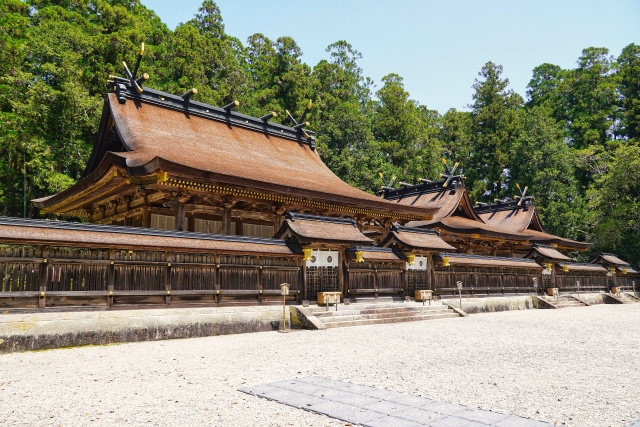
You emerge from the winding mountain pass into the mystical basin of Hongu. Here stands Kumano Hongu Taisha, the grand head shrine of the sacred Kumano Sanzan pilgrimage network. You park the 86 in the designated lot, the ticking of its cooling titanium exhaust the only sound breaking the mountain quietude. Walking up the grand stone staircase flanked by towering, centuries-old cryptomeria trees, the heavy scent of incense and sacred cedar envelops you. You approach the cypress-bark roofs of the shrine pavilions, where priests in traditional white and vermilion robes perform quiet rituals. A short walk away lies Oyunohara, the original, massive stone torii gate rising over 33 meters high amidst a serene river island—the spiritual epicenter of ancient Japanese asceticism.
13:30 - 14:30 | Mountain Provisions: Savoring Local Soba
Just minutes from the shrine, you stop at a rustic, family-run soba restaurant tucked against the mountain slope. Inside, the rustic wooden interior is warmed by a traditional hearth (irori). You order zaru soba made from locally harvested buckwheat, accompanied by crispy wild vegetable tempura (sansai tempura) freshly foraged from the surrounding hills. The noodles are ice-cold, toothsome, and deeply earthy, dipped in a delicate, perfectly balanced dashi broth that washes away the fatigue of the morning drive.
14:30 - 16:30 | The Dramatic Coastal Run: Route 168 to the Pacific
Leaving Hongu, you take National Route 168 southward, following the rushing torrent of the Kumano River as it snakes its way toward the Pacific Ocean. The road is a masterpiece of civil engineering, alternating between modern cantilevered bridges suspended over emerald gorges and dark, echoing rock tunnels hand-carved decades ago. In the 86, every transition from shadow to blinding coastal sunlight is an adrenaline rush. As the river broadens and empties into the sea, the salty tang of the ocean fills the cabin, signaling your arrival in the coastal domain of Katsuura.
16:30 - 18:00 | Settling into a Seaside Onsen Haven
You pull up to a historic ryokan overlooking Katsuura Bay, where intricate jagged islands rise from the turquoise water like sleeping dragons. After handing your keys to the valets who marvel quietly at the clean lines of the 86, you check into a tatami room overlooking the bay. Slipping into a comfortable yukata robe, you head straight for the seaside rotenburo (open-air hot spring bath). Soaking in mineral-rich thermal waters while watching the orange and purple hues of sunset bleed across the Pacific horizon, the physical engagement of the day's drive melts entirely away, leaving only a profound sense of peace.

Day 2: The Tuna Capital, Thundering Waterfalls, and the High-Speed Return
07:30 - 09:00 | The Dawn Auction and the King of the Sea
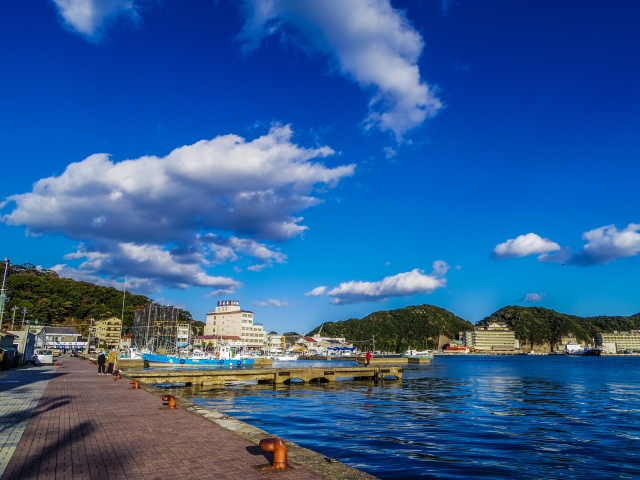
Wake up before the sun reaches its peak and make your way down to the Katsuura Port, one of Japan's premier landing sites for fresh, line-caught Pacific bluefin tuna (hon-maguro). The morning air is electric with the shouts of wholesalers and buyers gathered around massive, glistening specimens laid out on the concrete floor like precious marble sculptures. The sheer scale and craftsmanship of the fish handling here is legendary. Following the auction, you step into a tiny, unassuming market stall right by the docks for breakfast: bowls of rice topped with thick, ruby-red slices of melt-in-your-mouth bluefin tuna sashimi, glistening with natural fat and accompanied by freshly grated Shizuoka-grown wasabi. It is, without exaggeration, the finest tuna you will ever taste in your life—clean, rich, and deeply oceanic.
09:00 - 10:30 | Nachi Falls: The Vertical Thunder of the Gods
With a satisfied stomach, you return to the 86, twisting the key and pointing its nose up the winding mountain road toward Nachisan. Parking near the base of the sacred complex, you hear it before you see it: a deep, resonant roar echoing through the ancient forest. You walk along a stone path framed by towering cedars until the trees part to reveal Nachi Falls (Nachi no Otaki). Plunging 133 meters in a single unbroken vertical drop, it is Japan's tallest waterfall, cascading down a sheer crimson cliff face. At the base sits Seiganto-ji Temple and the magnificent three-story vermilion pagoda, framing the roaring white water in an iconic tableau of Japanese spirituality and natural grandeur. The mist from the falls drifts across your face, cool and baptismal.
10:30 - 13:00 | The Coastal Sprint: Driving the Pacific Superhighway
Returning to the car, you slide behind the wheel for the ultimate driving leg of the journey: the northbound run along the Pacific coastline via National Route 42 and the Kisei Expressway. The 86 stretches its legs on sweeping coastal curves, the boxer engine emitting a crisp, metallic howl as you clip the apexes of sea-breeze-swept turns. To your right, the endless indigo expanse of the Pacific Ocean stretches to the horizon, dotted with tiny fishing boats and battered by white-crested waves. The car feels weightless, responsive, and utterly alive, reacting to every millimeter of steering input with sports-car telepathy.
13:00 - 14:30 | Shionomisaki and the Southernmost Tip
You make a strategic stop at Cape Shionomisaki, the southernmost point of Honshu. Standing at the base of the gleaming white stone lighthouse, you gaze out across the curvature of the earth toward the Pacific. The wind here is fierce, carrying the untamed spirit of the open ocean. You grab a quick lunch at a local clifftop diner, enjoying a bowl of shirasu-don (tiny, delicate whitebait fish served fresh over hot rice with a raw quail egg and soy sauce) while watching commercial ships navigate the treacherous currents below.
14:30 - 18:30 | The High-Speed Return: Cutting Through the Kii Peninsula
The final leg of the journey takes you north, cutting diagonally back across the spine of Wakayama via a combination of arterial highways and sweeping mountain bypasses. As the afternoon sun dips low, casting long amber shadows across the asphalt, the 86 settles into a relaxed, high-speed cruise along the expressway. The mechanical symphony of the engine settles into a steady hum at highway speeds, eating up the kilometers with unflappable composure. By the time you cross back into the bustling glow of Osaka's evening skyline, the car is warm, the tires are seasoned with mountain dust, and your mind is flooded with indelible memories of asphalt, cedar, and ocean spray.
Wakayama and Nachi-Katsuura-Expert Advice & Cultural Nuances
Navigating the roads of the Kii Peninsula requires more than just a valid driver's license and a capable car; it requires an appreciation for the unspoken cultural rhythms of rural Japan. One of the greatest joys of driving through Wakayama is encountering the ubiquitous network of Michi-no-Eki (roadside stations). Far more than simple gas stations or highway rest stops, Michi-no-Eki are cultural touchstones and agricultural showcases. When you pull your 86 into a Michi-no-Eki—such as the famous one near Hongu—do not just use the immaculate restrooms and grab a canned coffee from a vending machine. Step inside the farmers' market section. Here, local farmers and fishermen drop off their daily harvests. You will find extraordinarily sweet local citrus varieties like Mikan and Summer Orange, handmade umeboshi (pickled plums for which Wakayama is internationally renowned, bursting with sharp, saline acidity), and freshly baked pastries infused with green tea. Stopping at a Michi-no-Eki connects you directly to the soil and the people of the region in a way that modern highway service areas never could.
When seeking out local culinary hidden gems away from the tourist hubs, remember a golden rule of rural Japanese dining: look for the noren (fabric shop curtain) hanging in front of a modest wooden doorway with a small, hand-written chalkboard sign displaying the daily catch. In towns like Katsuura, fishermen frequent tiny, unmarked counter-service izakayas that open only when the morning boats return. Do not be intimidated by the lack of English menus; point at what the local next to you is eating, or utter the magic phrase "O-makase shimasu" (I leave it up to you), and prepare to be served the freshest seafood of your life, accompanied by a cold glass of local Wakayama sake.
Driving etiquette in rural Wakayama also demands mindfulness. The mountain roads can be narrow, and while the 86's nimble handling makes tight switchbacks effortless, you must always respect local agricultural vehicles and slower-moving kei-trucks driven by elderly farmers. If you notice a line of local traffic building up behind you, use one of the frequent designated pull-off areas (taiki-jo) to signal and let them pass. This simple courtesy is deeply appreciated by local drivers, who will often flash their hazard lights twice in gratitude—a universal Japanese gesture of polite acknowledgment on winding mountain passes.
Wakayama and Nachi-Katsuura-Detailed Logistics & Pre-Trip Tips
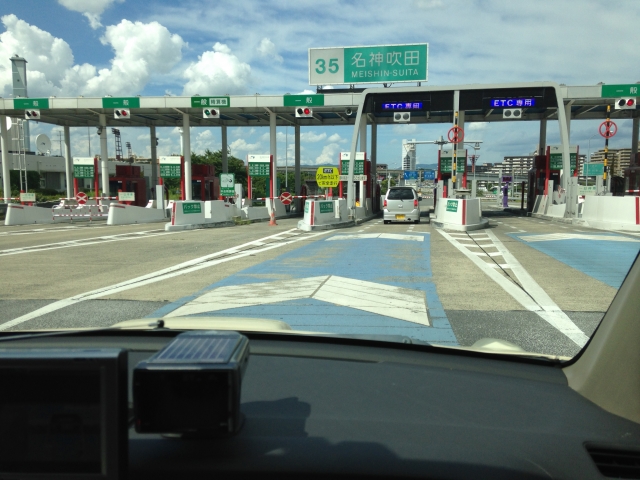
Embarking on a driving adventure in Japan in 2026 requires understanding the modern infrastructure that keeps the country's roads running with legendary efficiency. First and foremost is the ETC (Electronic Toll Collection) system. Navigating Japanese expressways without an ETC card is tedious and involves pulling paper tickets and paying cash at manned booths. Ensure that the vehicle you rent comes equipped with an ETC card pre-installed in the onboard reader. This allows you to glide effortlessly through the purple ETC gates at highway interchanges, with the toll charges automatically calculated and settled at the end of your rental period.
When you inevitably need to refuel your 86 after a spirited run through the mountain twisties, you will encounter two types of gas stations: full-service (furu-sabisu) and self-service (serufu). If you pull into a full-service station—recognized by the attendants wearing crisp uniforms and white gloves—be prepared for a uniquely polite Japanese interaction. Roll down your window and master three essential words:
- "Regular" or "High-octane" (Haisha / Haiku / Hi-oktan—though pointing at the fuel flap works universally, for a performance car like the 86, you will want to ask for "High-octane" or Aka-gasorin / Hi-oktan).
- "Mantan" (pronounced mahn-tahn), which translates directly to "Full tank."
- "Genkin" (cash) or "Kado" (credit card) to indicate your payment method. The attendants will often clean your windshield, empty your small trash, and bow deeply as you pull away.
Parking in rural Wakayama is generally straightforward and often free at shrines, temples, and roadside stations, but in historic preservation districts or urban center stops, look for coin parking lots (koin pase-to). You pull into an individual stall, a metal flap rises beneath your car after a few minutes to lock it in place, and before leaving, you enter your space number into a central payment terminal to settle the fee in cash or IC card (like Suica or Icoca).
Driving a manual transmission JDM sports car like the 86 on the left side of the road adds an exhilarating layer of mechanical connection. Shifting with your left hand quickly becomes second nature, and the crisp, mechanical gate of the 86's shifter ensures that every gear change is a tactile celebration of automotive engineering.
Wakayama and Nachi-Katsuura-Comprehensive FAQ
Q: What do I need to legally drive a rental car in Japan as an international visitor?
A: To drive legally in Japan, international visitors must possess a valid driver's license from their home country, a valid passport, and an International Driving Permit (IDP) issued in accordance with the 1949 Geneva Convention on Road Traffic. Please ensure your IDP is secured before arriving in Japan, as they cannot be issued locally to tourists.
Q: I am slightly nervous about driving a manual transmission car in a foreign country. Is it difficult?
A: Driving a manual transmission (MT) car in Japan is an intensely rewarding experience, especially with a perfectly balanced platform like the Toyota 86. The clutch pedal is progressive, the bite point is intuitive, and the short-throw shifter makes gear changes seamless. If you know how to drive stick shift at home, you will adapt to Japan's left-hand traffic configuration within the first ten minutes on a quiet suburban street.
Q: What kind of insurance coverage is included when renting a sports car for a road trip?
A: Standard rental packages include baseline liability insurance covering bodily injury, property damage, and vehicle damage up to specified caps. However, for complete peace of mind while exploring winding mountain passes, comprehensive CDW (Collision Damage Waiver) and Non-Operation Charge (NOC) waiver options should always be selected to ensure zero out-of-pocket expenses in the unlikely event of a minor scrape or tire puncture.
Q: How are the mountain roads in Wakayama during winter or inclement weather?
A: While the coastal routes remain mild year-round, the higher elevations of the Kii Peninsula (such as around Kumano Hongu and Nachi) can experience sudden mountain mist, heavy rainfall, or occasional winter frost between December and February. Always monitor local weather forecasts, ensure your rental vehicle is equipped with appropriate seasonal tires if traveling in deep winter, and maintain smooth, progressive inputs to respect the physics of a rear-wheel-drive sports car.
Wakayama and Nachi-Katsuura-The Final Thoughts
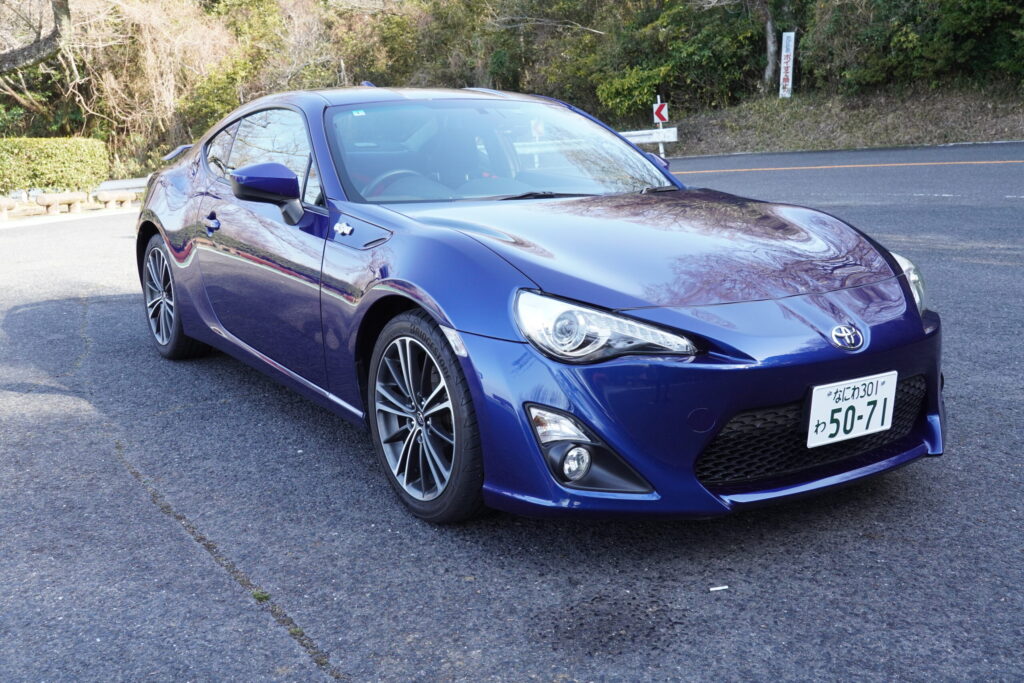
The mist is still clinging to the ancient cedar forests of Nachi, the taste of morning bluefin tuna lingers in your memory, and the mechanical song of a high-revving boxer engine is waiting to be written into your personal travel history. Do not let another vacation dissolve into the predictable hum of crowded train platforms and rigid tour bus timetables. The winding tarmac of the Kii Peninsula is calling out for someone who understands that the true spirit of Japan is found only where the rails end and the road begins.
Secure your machine, step behind the wheel of a meticulously maintained, driver-focused manual 86, and answer the call of the open Japanese road. To turn this dream into an immediate reality, visit Omoren Osaka Chuo (おもしろレンタカー大阪中央店)—your premier gateway in Osaka for authentic JDM sports car rentals—book your vehicle today, and start your engine.