
1. 86 for the Soul: The Philosophy of Driving in Japan
For years, my world was defined by the relentless, rhythmic clack-clack of bogies on steel rails. As a conductor for Kintetsu Railways, I lived my life governed by the second hand of a master clock. I spent my youth staring out from the sterile, reinforced glass of a driver’s cab, watching the Japanese landscape blur into a smear of green and gray. I knew every station, every signal, and every minute detail of the timetable. But I also knew the profound, suffocating limitation of rail travel: you are merely a spectator to a landscape you can never truly touch.
Trains are the veins of Japan—efficient, punctual, and undeniably necessary. Yet, they are fundamentally restrictive. They follow a destiny designed by bureaucrats, not the whims of the heart. To truly understand the soul of this country, particularly the hidden pockets of the Kansai region, you must sever the tether of the iron rail. You must reclaim your agency.
When you slide into the cockpit of a Toyota 86—a machine built with a low center of gravity, a driver-focused cabin, and the raw, unadulterated purity of a naturally aspirated boxer engine—you are not just moving from point A to point B. You are entering into a visceral, mechanical conversation with the terrain.
Osaka serves as the perfect departure point, but the "Secret Japan" I speak of lies beyond the neon sprawl. It exists in the transition: where the pavement narrows, where the modern concrete of the city gives way to the deep, primordial moss of the mountain forests. In a car like the 86, you become a participant in the topography. You feel the camber of the asphalt through the steering wheel; you sense the weight transfer as you negotiate the hairpins of the Tamba mountains. This is the philosophy of driving in Japan—moving beyond the convenience of a seat on a train and earning your vistas through the precision of your gear changes and the focus of your gaze. The tracks go where they are told; the 86 goes where you decide.

2. 86 for the Soul: The 2-Day Itinerary: Deep Dive into the Soul of Miyama
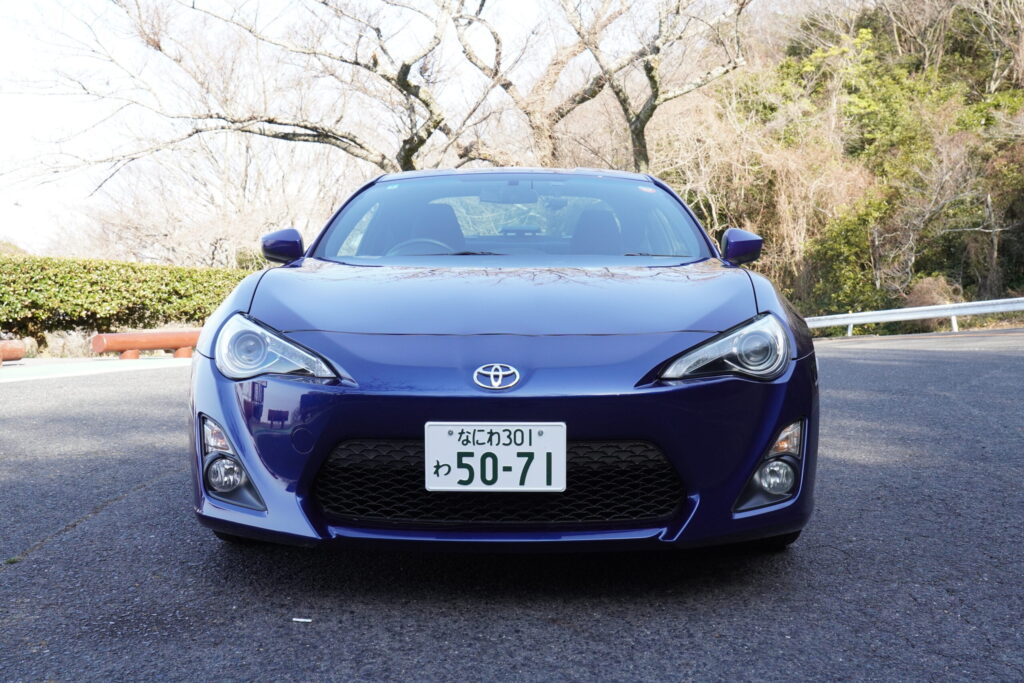
Day 1: The Ascent into the Deep Forest
08:00 | The Departure from Osaka’s Pulse The morning air in Osaka is thick with the anticipation of the road. As you grip the leather-wrapped steering wheel of the 86, you aren't just starting an engine; you are waking a beast designed for the rhythmic dance of the Japanese mountains. The city’s skyscrapers recede, replaced by the encroaching shadows of the northern Kyoto foothills.
10:00 | Entering the Tamba Corridor As you leave the R173 and push deeper toward the rural heart of Kyoto Prefecture, the world shifts. The road begins to snake through the valley, hugging the riverbanks. Here, the 86’s chassis comes alive. The balance of the front-engine, rear-wheel-drive layout provides a sense of connection that no automated transport could simulate. Each corner is a challenge: shift down to third, match the revs, feel the bite of the tires, and accelerate out. You are not watching the scenery; you are flowing with it.
12:00 | Culinary Silence at the Roadside Stop in a small village nestled along the Kura river. Look for the simple wooden structure with a faded blue noren (curtain). You will find Miyamasoba—buckwheat noodles made from the local grains, served with tempura of mountain vegetables (sansai). The earthiness of the food reflects the geography; it is simple, honest, and profound. No English menu, just the scent of dashi and the sound of the flowing river.
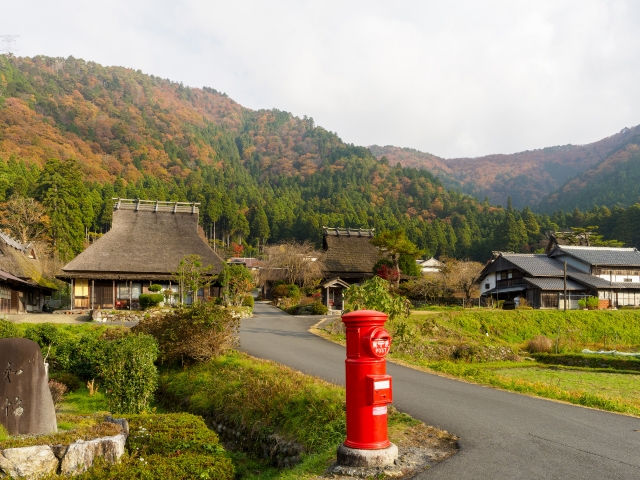
14:30 | The Arrival at Kayabuki no Sato The scenery transitions into a pastoral masterpiece: Kayabuki no Sato, the village of thatched-roof houses. These structures, some over two centuries old, stand like silent guardians of a forgotten era. Parking the 86 beneath the shadows of these ancient roofs creates a stunning contrast—the sharp, modern engineering of the 86 against the timeless, organic architecture of traditional Japan.
17:00 | The Golden Hour in the Valley As the sun begins to dip behind the surrounding peaks, the thatched roofs glow with an amber light. The village enters a state of serene stillness that feels almost sacred. There are no train announcements here, no tourists rushing to catch a connection. There is only the mountain breeze, the scent of burning charcoal, and the quiet satisfaction of knowing you arrived on your own terms.

Day 2: Geological Wonders and the Joy of the Shift
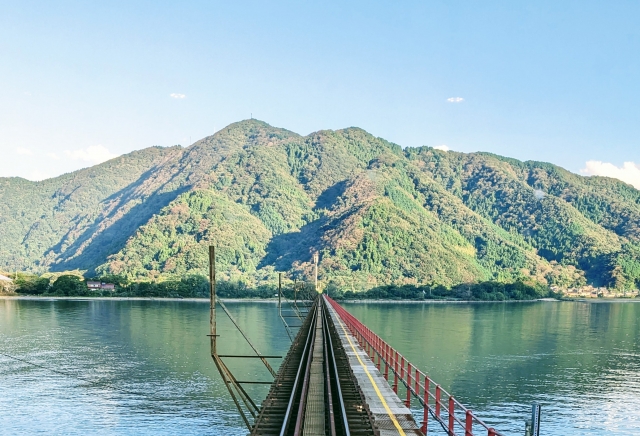
09:00 | The Winding Ascent to Ashiu Forest The second day is about the machine. Drive toward the Ashiu Forest, a primeval expanse that feels like the lungs of Japan. The road here is tight, technical, and immensely rewarding for a car as communicative as the 86. Every hairpin, every elevation change requires a deliberate, focused input. The exhaust note echoes off the moss-covered walls of the valley, a mechanical symphony that feels at home in this wild setting.
12:00 | Exploring the River Gorges Take the 86 toward the upper reaches of the Yura River. The geological formations here are striking—sheer rock faces carved by millennia of glacial melt and rain. Pull over at the designated viewpoints to breathe the air, which is crisp, cold, and heavy with the scent of pine. The silence is profound, interrupted only by the distant roar of a mountain stream.
14:00 | The Ritual of the Return The drive back to Osaka is not a retreat; it is a masterclass. You have become accustomed to the 86's weight, its braking points, and its willingness to dance. On the return, the road seems to have changed—it is more familiar, more welcoming. You find your rhythm. The engine’s high-revving nature becomes your heartbeat. As you re-enter the outskirts of the city, the return of the concrete and the neon feels like a surreal intrusion upon the deep, meditative state you cultivated in the mountains.
18:00 | The Neon Glow of Home Returning to your starting point, the contrast is stark. You have been in the wild, in the silence, in the flow. The 86 ticks as it cools, a mechanical whisper of a journey well-spent. You are tired, but your senses are hyper-alert. You have not just visited Kyoto; you have engaged with its soul through the medium of speed, steering, and terrain.
3. 86 for the Soul: Expert Advice & Cultural Nuances
Driving in Japan is a practice of mutual respect, a delicate ballet played out on narrow, perfectly maintained asphalt.
- The Michi-no-Eki Culture: In rural Kyoto, the Michi-no-Eki (Roadside Station) is your greatest ally. These are not merely gas stops; they are gateways to the region. You will find farmers selling shishito peppers, rare mountain honey, and hand-crafted pottery. Always stop. It is the best way to support the local economy and discover delicacies that never reach the city markets.
- The Secret to Finding Excellence: When you see a small, wooden restaurant with several cars parked outside—especially if they look like they belong to locals—park your 86 and walk in. This is the "Local’s Rule." If the locals are queuing for a bowl of udon or a grilled ayu (sweetfish), it is guaranteed to be better than any Michelin-starred establishment in the city.
- Driving Etiquette: Japanese drivers are incredibly polite. They never honk, they merge with seamless grace, and they always signal their intentions. In return, pay your respects. If you are passed, maintain your line. If you allow someone to merge, a simple wave or a quick flash of the hazard lights is the universal language of gratitude in Japan.
4. 86 for the Soul: Detailed Logistics & Pre-Trip Tips
Navigating the roads of Japan in 2026 is a seamless, friction-free experience, provided you are prepared.
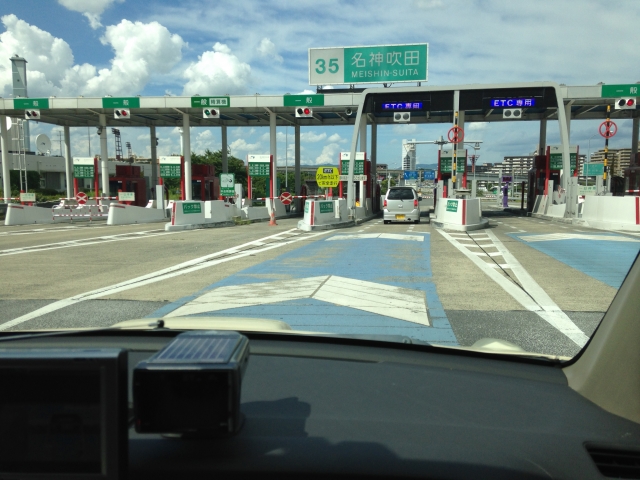
- ETC (Electronic Toll Collection): Japan’s toll road network is extensive and essential for reaching the deep countryside. Your rental vehicle will be equipped with an ETC unit. Ensure the card is inserted, and you will pass through toll gates automatically. It is a small but essential detail that turns a potentially frustrating chore into a smooth part of the drive.
- The "Mantan" Ritual: When you stop to refuel at a full-service station, you will be approached by an attendant. Roll down your window and simply say, "Mantan, onegaishimasu" (Full tank, please). The efficiency with which they work—washing your windshield and checking your tires while the tank fills—is a fascinating performance of Japanese service culture.
- The JDM Experience: The 86 is a masterpiece of balance, and driving it with a manual transmission is the ultimate way to experience the legendary Japanese mountain passes. A manual car requires your focus; it demands that you know your engine’s power band and that you be mindful of the road ahead. In a world of increasing automation, this level of engagement is a rare and precious thing.
5. 86 for the Soul: Comprehensive FAQ
Do I need a special license to drive in Japan? To drive legally, you must possess a valid International Driving Permit (IDP) issued under the 1949 Geneva Convention. You are required to carry this along with your original, valid driver's license from your home country and your passport at all times. These three documents are your ticket to the road; without them, rental agencies cannot legally release a vehicle to you. Please ensure you secure your IDP before you leave your home country, as it cannot be issued upon arrival in Japan.
I’m nervous about driving a manual transmission car. Is it difficult? The 86 is designed to be communicative and forgiving. If you have experience with manual transmissions, you will find the 86 to be a joy. If you are a novice, I recommend taking 15 minutes in a quiet, low-traffic area to get a feel for the clutch’s bite point. The reward of perfectly rev-matching a downshift on a mountain road is worth every bit of the effort.
What about insurance? All reputable rentals include basic insurance, but always opt for the comprehensive collision damage waiver (CDW). It is a small price to pay for the complete peace of mind that allows you to focus on the road ahead rather than the risks of the journey.
How is the weather and road safety in the mountains? Kyoto’s mountains are beautiful but can be unpredictable. During the winter months (December through March), mountain passes may require winter tires. Always check the local weather forecasts before departing. In all seasons, be mindful of the narrow nature of rural roads where local delivery vehicles or agricultural equipment may appear suddenly around blind corners. Keep your speed controlled and your situational awareness high.
6. 86 for the Soul: The Final Thoughts

You have read the map. You have envisioned the sound of the boxer engine echoing off the thatched roofs of Kayabuki no Sato. You can almost feel the weight of the steering wheel in your hands as you carve through the Tamba mountains. The only thing missing is the connection between you and the machine.
Japan is a country that rewards those who dare to leave the tracks. Why settle for the rigid, sterile experience of a train seat when the most incredible roads in the world are waiting for your arrival?
When you are ready to stop watching Japan through a window and start feeling it through the chassis of a true JDM legend, visit おもしろレンタカー大阪中央店 (Omoshiro Rentacar Osaka Central). We specialize in the machines that turn a simple trip into a lifelong memory. Your 86 is waiting. Book your machine, secure your gear, and go claim your piece of the road. Your adventure starts the moment you turn the key.