
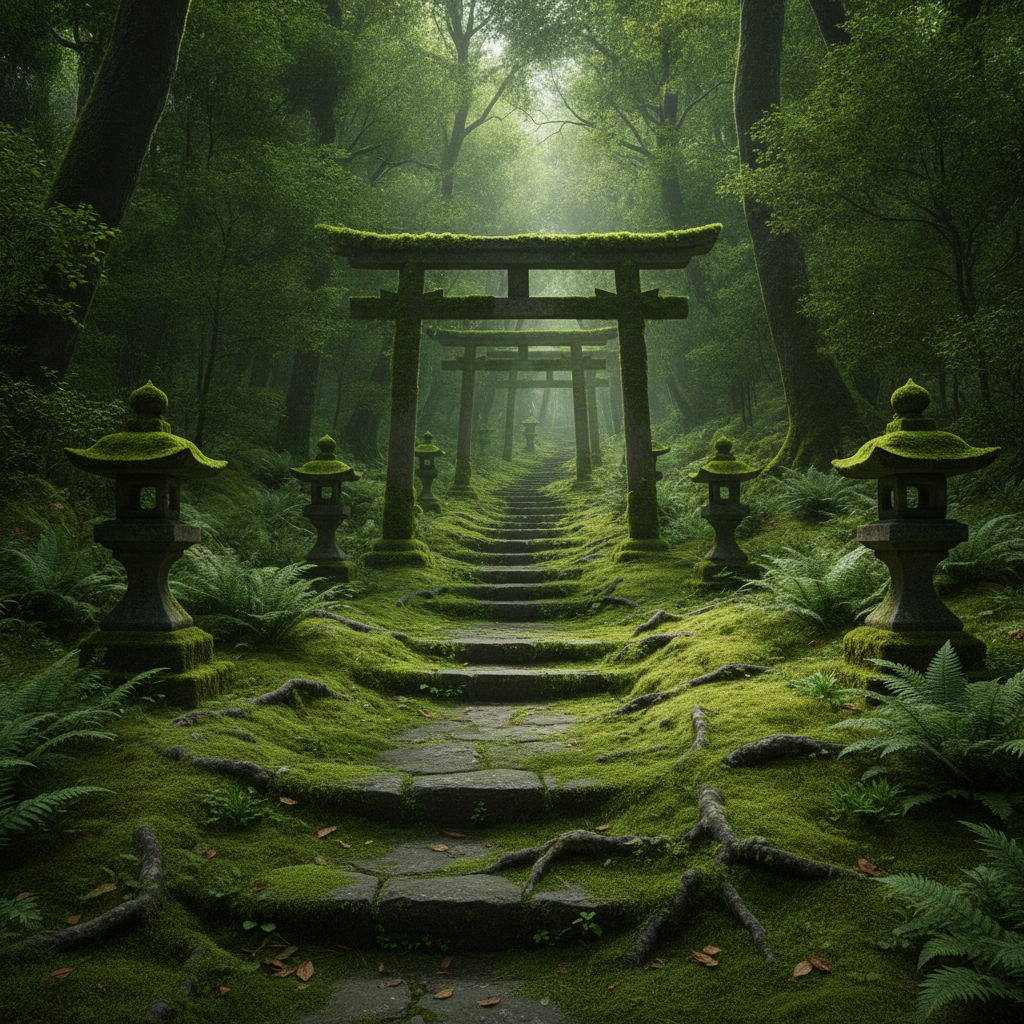
Forget what you think you know about Japanese travel. Forget the packed trains, the rushed schedules, the well-trodden paths that echo with the footsteps of a million other tourists. As a former Kintetsu train conductor, I spent years navigating the intricate ballet of rail lines, ensuring passengers reached their destinations with clockwork precision. And while Japan's public transport system is, without question, a marvel of engineering and efficiency, it hides a profound truth: the most breathtaking, soul-stirring, and truly authentic Japan lies beyond the reach of the turnstile.
Nara's Hidden Gems, Secret Spots, Photogenic - The Philosophy of Driving in Japan
There's a raw, visceral freedom that ignites the moment you slide into the low-slung bucket seat of a well-tuned machine like a Toyota 86 or a Subaru BRZ. It’s a feeling of absolute control, an intimate connection with the road that trains, for all their glory, can never replicate. When you drive, you dictate the pace, you choose the detours, and you unlock a dimension of Japan that remains utterly invisible to those peering out of a Shinkansen window. From Osaka, the vibrant heart of Kansai, the gateway to this 'Secret Japan' swings wide open. The city, a bustling nexus of culture and commerce, transforms not into a destination, but a launchpad for unparalleled adventure.
Why choose a car, you ask? Because the rhythmic clickety-clack of the rails, while comforting, is a linear experience. It funnels you from one major hub to another, skipping over the delicate tapestry of rural life, the forgotten hamlets, the ancient shrines tucked deep within verdant forests, and the dramatic mountain passes that carve through the very spine of the archipelago. These are the places where time seems to slow, where the air tastes different, and where the true spirit of Japan whispers its secrets only to those who dare to seek them out.
Driving isn't merely transportation; it's an exploration. It's the thrill of cresting a mountain pass to reveal a vista painted in hues you never knew existed. It's the spontaneity of pulling over to investigate a roadside stand selling obscure local delicacies. It's the profound satisfaction of navigating a challenging series of switchbacks, the engine of your 86 singing its mechanical symphony in perfect harmony with the changing landscape. Public transport, with its fixed routes and schedules, imposes a rhythm on your journey. A car, however, allows your journey to find its own rhythm – one dictated by curiosity, wonder, and the sheer joy of discovery.
This is not about checking off tourist boxes; it’s about immersion. It’s about experiencing the subtle transitions from bustling cityscapes to serene agricultural fields, from quaint villages clinging to riverbanks to the breathtaking solitude of alpine roads. It’s about understanding Japan not just through its grand monuments, but through its hidden veins, its quiet corners, and its enduring natural beauty. As a former conductor, I loved the precision of the railway. But as a driver, I fell in love with the boundless possibilities of the open road. And nowhere does this philosophy ring truer than in the ancient, mystical lands of Nara, a prefecture brimming with hidden treasures just waiting for the right set of wheels to uncover them.
Nara's Hidden Gems, Secret Spots, Photogenic - The 2-Day Itinerary: Deep Dive

Prepare to rewrite your definition of adventure. This isn't just a drive; it's a pilgrimage into the soul of Japan, a carefully curated expedition designed to ignite every one of your senses. We'll be doing this in a Toyota 86 or Subaru BRZ – a machine perfectly engineered to dance through Japan's intricate mountain roads, connecting you to the tarmac with an unparalleled intimacy. Fasten your seatbelt; the forgotten wonders of Nara await.
Day 1: From Osaka's Pulse to Nara's Mystical Heights
8:00 AM – Osaka Departure: The Ignition of Adventure
The morning air in Osaka still holds a hint of coolness as you settle into the driver's seat of your 86. The low growl of the Boxer engine stirs a primal excitement. The interior is purposeful, driver-focused. You adjust the mirrors, check the gear knob, and feel the tactile feedback of the steering wheel in your hands. This is not merely a car; it's your portal to a Japan few ever experience. Leaving the urban sprawl, the iconic skyline receding in your rearview mirror, you'll feel the gentle hum of the tires on the asphalt, a prelude to the symphony of the open road.
8:30 AM – Expressway Ascent: The Journey Begins in Earnest
Joining the expressway from Osaka, the urban rhythm slowly gives way to the open road. The 86/BRZ eagerly surges forward, its 2.0-liter engine responding with an eager linearity. The initial stretch provides a comfortable warm-up, allowing you to acclimate to the car's precise steering and responsive throttle. Watch as the city gives way to rolling hills, the concrete jungle gradually softening into shades of green. This transition is itself a meditative experience, a shedding of the urban skin as you prepare for the wild beauty ahead.
9:30 AM – First Glimpse of Green: Entering Nara Prefecture
As you cross into Nara Prefecture, the landscape truly begins its transformation. The roads become more sinuous, hinting at the mountain passes to come. The air smells cleaner, carrying the scent of pine and damp earth. This is where the magic begins. Instead of heading for the well-known tourist hubs, we veer south and east, aiming for the heart of Nara's mountainous spine.
10:30 AM – The Ancient Path to Murou-ji Temple (室生寺): A Feminine Sanctuary
Our first major stop is Murou-ji Temple, nestled deep within the Yoshino-Kumano National Park, a place often overshadowed by its more famous counterparts in the Nara basin. Murou-ji is unique in its history; unlike many temples of its era, it historically welcomed female worshippers, earning it the moniker 'Nyonin Koya' (Mount Koya for Women). The approach itself is a joy in the 86. The roads leading to it are a delightful mix of gentle curves and shaded straightaways, allowing you to feel the car's balanced chassis come alive. The engine note, a distinctive thrum from the Boxer, reverberates off the ancient trees lining the road, creating an auditory experience as rich as the visual one.
As you park the 86 in the quiet lot, the silence is profound, broken only by the chirping of cicadas in summer or the rustle of leaves in autumn. Walking towards the temple, you cross a vermillion bridge over a crystal-clear stream, the air immediately cooler and imbued with a sense of ancient spirituality. The temple grounds are a marvel of natural integration, with moss-covered stone steps leading up to magnificent wooden halls that blend seamlessly with the surrounding ancient cedar and cypress forests. The Five-Storied Pagoda, a designated National Treasure, stands gracefully amidst the trees, its slender form a testament to meticulous craftsmanship and resilience through centuries of earthquakes. Photographically, the play of light filtering through the dense canopy onto the mossy grounds, illuminating the vibrant reds and deep greens, is absolutely captivating. Every angle offers a postcard-perfect shot, a moment frozen in time that few tourists ever witness.
12:30 PM – Lunch in Murou: Local Flavors, Unforgettable Tastes
After immersing ourselves in the tranquility of Murou-ji, it’s time to savor the local cuisine. We'll find a small, unpretentious eatery in the nearby village. Here, the focus is on ingredients sourced directly from the surrounding mountains and rivers. Imagine a humble set meal (定食, teishoku) featuring freshly caught river fish, perhaps ayu (sweetfish) grilled to perfection, its delicate flesh flaking apart with a subtle sweetness. Or wild mountain vegetables (山菜, sansai) prepared simply, allowing their earthy flavors to shine. The taste is pure, authentic, a stark contrast to the standardized fare of urban restaurants. The conversations are soft, the pace unhurried – a true taste of rural Japan.
1:30 PM – Winding Towards Mt. Odaigahara (大台ヶ原山): The Apex of Nara's Wilderness
With bellies full and spirits refreshed, we embark on the most exhilarating part of Day 1: the ascent to Mt. Odaigahara. This is where the 86 truly comes into its own. The road to Odaigahara is legendary among drivers in Kansai – a serpentine ribbon of asphalt cutting through dense, primeval forests. It’s a road that demands respect and rewards skill. The 86’s responsive steering and perfectly balanced chassis allow you to carve through each turn with precision, feeling every nuance of the road surface through the steering wheel. The engine, while not brutally powerful, delivers its torque with a linear grace that makes mid-corner acceleration incredibly satisfying. The distinct sound of the Boxer engine echoes off the steep rock faces and through the dense forest, a mechanical melody accompanying your climb.
Geologically, Mt. Odaigahara is fascinating – part of the Omine mountain range, it's characterized by its deep valleys, numerous waterfalls, and a unique high-altitude wetland ecosystem. The changing elevation brings dramatic shifts in vegetation, from temperate forests to subalpine flora. The air grows noticeably cooler, crisper, as you climb, and the mist often clings to the peaks, creating an ethereal atmosphere.
3:00 PM – Mt. Odaigahara: Where Clouds Touch Earth
Reaching the main parking area of Odaigahara, you step out into an entirely different world. The views are expansive, breathtaking. On a clear day, you can see as far as the Pacific Ocean to the east and across the rugged peaks of the Kii Peninsula. But Odaigahara often embraces the mist, transforming the landscape into a painter's dream of shifting grays, greens, and browns. This is a land of ancient, weather-beaten trees, some standing as stark, bleached skeletons (立ち枯れ, tachigare), testament to the harsh beauty of this high-altitude environment. The dramatic vistas, the sheer scale of the wilderness, and the feeling of standing atop Japan's ancient spine are profoundly moving. The photogenic opportunities here are endless, from sweeping panoramas to intricate details of moss and lichen on ancient rocks, all bathed in an ever-changing light.
A short hike to the observation deck offers unparalleled views, and for the more adventurous, a walk along the ridge to the 'Daija-gura' observation point (a precipitous cliff offering dizzying views into a vast gorge) is a must. The sound is primarily wind, the rustle of leaves, and the distant calls of birds. It’s a place that recharges the soul and reminds you of the raw power of nature.
5:00 PM – Descent to Dorogawa Onsen: A Mountain Oasis
The descent from Odaigahara is as engaging as the climb. With the sun beginning its slow dip towards the western horizon, the quality of light changes, casting long shadows and painting the valleys in warm hues. The 86's precise braking and engine braking capabilities make the winding downhill sections a joy, allowing you to maintain a smooth, controlled flow. The engine burbles contentedly, a counterpoint to the rush of air past the windows.
Our destination for the night is Dorogawa Onsen, a secluded hot spring village nestled deep in the mountains, historically a gateway for pilgrims to the sacred Omine mountain range. This village, untouched by mass tourism, retains an incredibly authentic, old-world charm. The drive into the valley is itself stunning, following a gushing river through a narrow gorge.
6:30 PM – Check-in at a Traditional Ryokan in Dorogawa Onsen: Serenity Found
Arriving at our chosen ryokan in Dorogawa Onsen, you'll feel the immediate embrace of Japanese hospitality. Perhaps a traditional gassho-zukuri style inn, or a more modern but equally authentic establishment. The fatigue from the day's drive melts away with the offer of hot green tea and traditional sweets. The smell of tatami mats, the quiet efficiency of the staff, and the serene beauty of your room – often overlooking a small garden or the river – create an atmosphere of profound relaxation. Before dinner, a soak in the ryokan’s natural hot spring (onsen) is mandatory. The mineral-rich water soothes tired muscles, preparing you for the culinary delights to come.
7:30 PM – Dinner: Kaiseki in the Mountains
Dinner at the ryokan is a multi-course kaiseki meal, a true feast for the senses. Each dish is a work of art, meticulously prepared with seasonal ingredients, many sourced from the immediate surroundings. Think succulent local river fish, delicate tempura featuring mountain vegetables, perhaps wild boar (牡丹鍋, botan nabe) in the cooler months, and locally brewed sake or plum wine. The flavors are subtle yet profound, celebrating the natural essence of each ingredient. The setting is intimate, the service impeccable, allowing you to fully immerse yourself in the culinary traditions of this hidden mountain retreat. The conversations flow easily, reflecting on the day's discoveries, the engine notes still lingering faintly in your memory.
Day 2: From Ancient Paths to Panoramic Vistas and Back to Osaka
8:00 AM – Morning Rituals and Village Exploration
After a traditional Japanese breakfast – perhaps grilled fish, miso soup, rice, and an array of pickled vegetables – take some time to explore Dorogawa Onsen by foot. The village is incredibly photogenic, with its narrow streets, traditional wooden buildings, and the vibrant red of noren curtains fluttering in the breeze. Discover small shrines, traditional apothecary shops (this area is famous for traditional herbal medicine), and perhaps even a cave shrine where pilgrims still perform rituals. The quiet charm of the village, untouched by the rush of modern life, provides a stark and beautiful contrast to the driving exhilaration of yesterday. The morning light paints the village in soft, inviting hues, perfect for capturing those 'secret Japan' moments.
9:30 AM – The Ancient Allure of Gyoja-Minami: The Road Less Traveled
Our first drive of Day 2 takes us on a path less traveled, an alternative route towards the more northern reaches of Nara, aiming for scenic overlooks and forgotten historical sites. The 86 hums to life, its engine eager for the day's adventure. We'll navigate roads that twist and turn through deep valleys, offering glimpses of hidden waterfalls and ancient cedar forests that seem to touch the sky. These are the roads that reveal the true beauty of Nara's interior – challenging yet incredibly rewarding. The precision of the 86’s manual gearbox (if you’re driving one) makes these roads a dance between driver and machine, each downshift and heel-toe perfectly timed to carry you through the next sweeping bend. The sound of pebbles crunching under tire, the wind whistling past, the occasional glimpse of a wild deer – these are the sensory rewards of choosing the car.
11:00 AM – The Enigmatic Stone Stages of Asuka: Decoding Ancient Secrets
Our journey brings us to the vicinity of Asuka Village, the birthplace of Japan as a unified nation. While many visitors flock to the main archaeological parks, we’ll seek out some of its more enigmatic and less-visited stone structures that demand a keen eye and a curious spirit. Places like the Ishibutai Kofun (Stone Stage Tomb), while somewhat known, can be experienced in a different light when you approach it with the freedom a car allows, giving you time to appreciate its monumental scale and the mystery surrounding its construction without feeling rushed. But we'll delve deeper, perhaps searching for the lesser-known Kameishi (Turtle Stone) or the enigmatic Sakafuneishi (Wine Boat Stone), scattered across the undulating landscape, each imbued with ancient folklore and historical speculation.
These are not grand temples, but remnants of a bygone era, allowing your imagination to wander back to the dawn of Japanese civilization. The driving here is gentle, through picturesque rice paddies and small, charming villages, offering a serene contrast to the mountain roads of yesterday. The 86 glides effortlessly through these rural landscapes, its presence a subtle nod to modern engineering amidst ancient history. The photogenic allure here lies in the vast, open skies, the perfectly manicured fields, and the stark, intriguing shapes of these ancient stones, often framed against distant mountains.
1:00 PM – Lunch: Asuka's Farm-to-Table Delights
For lunch, we'll seek out a charming café or restaurant in Asuka that emphasizes local produce and traditional cooking techniques. Many establishments here pride themselves on using vegetables grown in the surrounding fields, offering fresh, healthy, and incredibly flavorful meals. Imagine a delicate hand-rolled sushi (手巻き寿司, temaki sushi) with seasonal ingredients, or a hearty bowl of udon noodles with a broth rich in local flavors. The atmosphere is typically relaxed and welcoming, reflecting the peaceful rhythm of rural life. This pause offers an excellent opportunity to reflect on the deep history that permeates every inch of this region, a history that feels more tangible when experienced outside the confines of guided tours.
2:00 PM – Panoramic Views from Yamato-Koriyama Castle Ruins (大和郡山城跡) / Takatori Castle Ruins (高取城跡): A Kingdom Below
As we begin our gradual return towards Osaka, we’ll make one final stop for a truly expansive, photogenic view. Instead of the typical Nara Park views, we'll head towards the ruins of an ancient castle, such as Yamato-Koriyama Castle or, for a more challenging and rewarding drive, the remote Takatori Castle Ruins. Takatori, in particular, offers a truly spectacular vantage point. Perched atop a mountain, it was once one of Japan's largest mountain castles. While only ruins remain, the drive up is exhilarating in the 86 – a narrow, winding road that truly tests your driving prowess, rewarding you with an unforgettable panoramic vista of the Nara basin stretching out below. On a clear day, the entire plain unfolds like a map, dotted with ancient kofun tombs and modern cities, all framed by distant mountain ranges. The feeling of conquest, of having driven to such a magnificent, quiet point, is immense. The subtle colors of the distant landscape, the interplay of light and shadow on the plains, and the historical weight of standing where ancient lords once surveyed their domain make for truly compelling photographs.
4:00 PM – The Homeward Journey: A Drive to Remember
From our final panoramic viewpoint, we begin the return journey to Osaka. The roads, initially winding through rural Nara, gradually merge onto the expressways. The 86, which so gracefully danced through mountain passes, now settles into a comfortable, confident rhythm on the highway. The sun begins its descent in the western sky, painting the clouds in fiery oranges, purples, and deep reds – a final, majestic farewell to your Nara adventure. The memories of winding roads, ancient temples, hidden villages, and breathtaking vistas replay in your mind, each one more vivid than the last. The distinct scent of the 86’s interior, the tactile feel of its controls, and the satisfying growl of its engine have become intrinsically linked to this unforgettable experience. This isn't just a drive back; it's a victory lap, a consolidation of the memories forged on the open road.
5:30 PM – Arrival in Osaka: The Adventure Concludes
As the Osaka skyline reappears, glittering with the promise of evening, you'll feel a sense of accomplishment. You haven't just visited Nara; you've experienced it, deeply and personally, from the driver's seat of a truly remarkable JDM machine. The city welcomes you back, but you carry with you the quiet power of Nara's hidden gems, etched into your memory, waiting for the next adventure.
Nara's Hidden Gems, Secret Spots, Photogenic - Expert Advice & Cultural Nuances
Driving in Japan is more than just navigating; it’s an immersion into a unique cultural landscape. To truly unlock the 'Secret Japan,' you need to understand its unwritten rules and embrace its hidden gems beyond the main attractions.
The Michi no Eki (道の駅) Culture: Your Roadside Sanctuaries
One of the greatest joys of a Japanese road trip is discovering the Michi no Eki – or 'Roadside Stations.' These aren't just gas stations or rest stops; they are community hubs, vital lifelines for local economies, and cultural showcases. Each Michi no Eki is unique, reflecting the specific character and produce of its region. Here, you'll find impeccably clean restrooms, often with heated seats, a given luxury in Japan. More importantly, you'll discover local farmers' markets selling incredibly fresh, seasonal produce at fantastic prices, and artisanal crafts made by local residents. The food courts often feature regional specialties – think unique ramen, local curries, or freshly baked goods infused with local ingredients. They are perfect for a quick, delicious, and authentic meal, or for stocking up on unique souvenirs that you won't find in urban department stores. Always keep an eye out for them; they are marked with a distinct green and white sign, and a quick stop often reveals unexpected delights, making them an integral part of the driving experience.
Uncovering Local Eateries: Where the Locals Go
To truly taste Japan, you must venture beyond the tourist traps. My time as a train conductor taught me to spot the places where locals gather, away from the glitz and glamour. When driving, look for small, unassuming restaurants that might not have English menus or flashy signs. Often, a handwritten sign or a queue of local patrons outside is the best indicator of authentic, delicious food. Don't be afraid to point or use simple phrases like 'osusume wa nan desu ka?' (What do you recommend?). These hidden gems offer a chance to interact with locals, experience genuine Japanese hospitality, and savor flavors that define a region. These are not about Michelin stars, but about honest, heartfelt cooking – the kind that leaves a lasting impression long after the meal is over. The vibrant atmosphere and genuine welcome at these establishments are an integral part of the 'Secret Japan' experience.
Driving Etiquette and Road Safety in Japan: The Path of Respect
Driving in Japan demands a blend of attentiveness and respect. The Japanese value order and politeness, and this extends to the roads. While speed limits are strictly enforced (and usually quite low on local roads, though expressways allow for a comfortable pace), the flow of traffic is generally smooth and predictable. Always adhere to speed limits, and never underestimate the effectiveness of speed cameras. Overtaking on solid lines is strictly prohibited and dangerous. Pay particular attention to cyclists and pedestrians, especially on narrower rural roads. On winding mountain roads, be mindful of blind corners and potential falling rocks, especially after heavy rain. Use your mirrors frequently, and be prepared for sudden changes in weather conditions, particularly in mountainous regions where fog can descend rapidly. The 86/BRZ's precise handling and excellent visibility are assets in these conditions, but always drive within your limits and the road conditions. Japanese drivers are generally courteous, and a quick flash of the hazard lights is a common way to say 'thank you' after being allowed to merge or pass.
Nara's Hidden Gems, Secret Spots, Photogenic - Detailed Logistics & Pre-Trip Tips
Embarking on a JDM road trip through Japan requires a little preparation, but the rewards far outweigh any minor complexities. Here’s what you need to know to ensure a seamless and exhilarating adventure by 2026.
Navigating Japan's Roads in 2026: The ETC Card Advantage
By 2026, Japan's expressway system continues to evolve towards greater efficiency. While cash payment at toll gates is still possible, an ETC (Electronic Toll Collection) card is an absolute necessity for any serious road trip. This small card, inserted into a reader in your rental car, allows you to pass through toll gates without stopping, automatically deducting the toll from a linked account. Not only does it save significant time, especially on busy routes, but some toll roads even offer ETC-specific discounts. When renting your 86 or BRZ, always ensure it comes equipped with an ETC card reader, and inquire about renting the card itself (often available for a small daily fee or included with certain rental packages). This small piece of plastic will dramatically smooth out your journey on Japan's extensive and well-maintained expressway network, allowing you to maintain your flow and focus on the driving experience.
Fueling Your JDM Dream: Gas Station Etiquette
Refueling in Japan is generally straightforward, but a few nuances are worth noting. Most gas stations offer Regular (レギュラー, regiyura) and Premium (ハイオク, haioku) gasoline, along with Diesel (軽油, keiyu). For your high-performance 86 or BRZ, Premium is almost always the recommended choice. When pulling up to a full-service station (which are still common outside major cities), simply tell the attendant 'Mantan onegaishimasu!' (満タンお願いします!), which means 'Full tank, please!' They will handle everything from pumping the gas to cleaning your windows. For self-service stations (セルフ, serufu), the pumps typically have touchscreens with English options. Choose your fuel type, quantity (often 'full' or '満タン'), and payment method. While most accept credit cards, it's always wise to carry some cash, especially in rural areas. The attendants are invariably polite and helpful, often guiding you into the pump with hand signals – a little nod of gratitude goes a long way.
Parking Prowess: Mastering Japanese Parking
Parking in Japan, especially in cities, is almost exclusively paid. Metered street parking is rare and usually only for short durations. Instead, look for multi-story parking garages (立体駐車場, rittai chushajo) or surface lots (コインパーキング, koin parkingu). These are clearly marked and generally operate on a pay-by-the-hour system, with many offering a maximum daily rate. Pay attention to signs indicating '満車' (mansha - full) or '空車' (kusha - empty). In rural areas and at Michi no Eki, parking is often free and ample. When visiting temples or attractions, dedicated parking lots are usually available for a nominal fee. Always park within designated lines, as fines for improper parking can be hefty. The compact size and excellent maneuverability of the 86/BRZ make navigating Japan's often tight parking spaces a breeze.
The Unmatched Thrill of a JDM (MT) Machine: Connecting to the Road
If you have the skill, choosing a manual transmission (MT) JDM car like the 86 or BRZ is not just a preference; it's an elevation of the entire driving experience. It’s a direct, unfiltered connection to the road that an automatic simply cannot provide. The precise, short throws of the Japanese gearbox, the perfectly weighted clutch, the instantaneous response of the naturally aspirated Boxer engine – these elements combine to create a symphony of mechanical feedback. Every downshift into a corner, every perfectly executed heel-toe, every precise upshift as you power out, is a moment of pure driving bliss. You don't just drive the road; you become part of it. The car communicates its limits, its grip, and its intentions through the steering wheel, the pedal box, and the seat of your pants. This intimate dialogue between driver and machine, especially on Japan’s legendary mountain passes, transforms a simple road trip into a high-performance ballet. It’s a feeling of absolute control, a joyous engagement that makes every kilometer an unforgettable experience. The thrill of mastering such a machine on these incredible roads is, in essence, the very heart of the 'Secret Japan' driving philosophy.
Nara's Hidden Gems, Secret Spots, Photogenic - Comprehensive FAQ
Q: Do I need an International Driving Permit (IDP) to drive in Japan?
A: Yes, absolutely. To drive in Japan, you will need an International Driving Permit (IDP) issued by a country party to the 1949 Geneva Convention, along with your original domestic license and passport. If your country is not a party to the 1949 Geneva Convention (e.g., Belgium, France, Germany, Switzerland, Monaco, Taiwan), you may need an official Japanese translation of your domestic license from the Japan Automobile Federation (JAF) instead. Always verify the specific requirements based on your nationality well in advance of your trip.
Q: What about car insurance?
A: All rental cars in Japan come with mandatory basic liability insurance. However, for complete peace of mind, especially on a longer road trip exploring winding mountain roads, we highly recommend opting for additional, comprehensive coverage. This often includes collision damage waiver (CDW) and non-operation charges (NOC) waiver, protecting you from significant out-of-pocket expenses in case of an accident or minor damage. Always clarify the insurance details with your rental provider before you depart.
Q: I'm worried about driving a manual transmission (MT) car in Japan. Should I be?
A: While Japan's roads can be busy, especially in urban areas, the 86/BRZ's MT is renowned for its user-friendliness. The clutch is light, the throws are precise, and the engine is tractable. If you're comfortable with MT, you'll find it an absolute joy. If you're less experienced but eager to try, the rewarding feeling of mastering these cars on Japan's scenic routes is unparalleled. However, if you're truly anxious or haven't driven MT in a long time, an automatic transmission (AT) variant is often available, ensuring you can still enjoy the journey with confidence.
Q: What are the road conditions like in winter, especially in mountainous Nara?
A: While Nara generally experiences milder winters compared to northern Japan, mountainous areas like Mt. Odaigahara and the roads leading to Dorogawa Onsen can see significant snowfall and icy conditions from late December to early March. During these months, it is absolutely essential to use studless winter tires (スタッドレスタイヤ, sutaddo-resu taiya) or even snow chains (タイヤチェーン, taiya cheen) when conditions demand. Always check local weather forecasts and road conditions before heading into higher elevations during winter. Rental companies can often provide winter tires for an additional fee; it's crucial to request them if you plan a winter trip.
Nara's Hidden Gems, Secret Spots, Photogenic - The Final Call: Your JDM Adventure Awaits!
You’ve seen it, haven’t you? The vision of ancient forests bathed in mist, the feel of a perfectly weighted steering wheel in your hands, the intoxicating aroma of local cuisine, and the symphony of a finely tuned JDM engine echoing through a remote mountain pass. This isn't just a trip; it's an awakening, a deep dive into the Japan that remains hidden to most, accessible only to those with the spirit of adventure and the right vehicle beneath them.
You’ve been to the major cities, you’ve ridden the bullet trains, and you’ve seen the iconic sights. Now, it’s time to truly drive Japan. It’s time to feel the tarmac beneath you, to explore the roads less traveled, and to uncover the photogenic wonders and secret spots of Nara that will forever etch themselves into your memory.
This ultimate 2-day JDM driving adventure isn't a dream; it's a meticulously crafted reality waiting for you. And there's only one place in Osaka where your journey into this 'Secret Japan' truly begins. For enthusiasts who demand precision, passion, and unparalleled expertise, look no further than Omoshiro Rent-A-Car Osaka Chuo branch. As a former Kintetsu conductor who now runs a JDM specialist rental shop, I understand the unique thrill you seek. We offer a meticulously maintained fleet of manual transmission (MT) JDM legends, including the very Toyota 86 and Subaru BRZ that will transform your trip from a simple holiday into an unforgettable driving saga. Stop dreaming of the open road, the winding passes, and the hidden gems. It's time to book your adventure, grab the keys, and experience Japan as it was meant to be discovered: from the driver's seat of a true JDM icon. Your ultimate Nara road trip starts here.
