
Few feelings in the world compare to the sharp click of a short-throw manual shifter engaging first gear as an atmospheric engine idles at a crisp 800 RPM. Beyond the bustling, neon-lit labyrinth of Osaka, the serene grid of Kyoto, and the bullet trains carving through the countryside at 300 kilometers per hour lies a entirely different realm of Japan. It is a world carved by mountain passes, ancient pilgrimage paths, volcanic ridge lines, and serene lakesides—a realm that remains totally invisible to the millions of tourists crammed into train cars.
If you truly want to feel the soul of Japan, you must step off the platform, grab a three-spoke steering wheel, and take to the road.
1. Beyond the Rails: The Philosophy of Driving in Kansai
For years, I viewed the Japanese landscape through a very specific frame: the cab of a Kintetsu Railway train. As a professional train conductor, my entire world was governed by unwavering schedules, the metallic rhythmic clatter of steel wheels on rails, and strict, predefined track paths. The Japanese railway system is undeniably a marvel of human engineering—punctual to the second, impeccably clean, and exceptionally efficient. Yet, as a conductor looking out from the cab, I constantly found myself staring at the distant, misty ridges rising beyond the catenary wires. I wondered about the narrow asphalt ribbons winding UP those peaks, the quiet lakeside hamlets where train whistles never echo, and the hidden lookout points where the horizon opens up to reveal the true topography of Kansai.
Public transportation in Japan is masterfully designed to carry large volumes of people between dense urban centers. It excels at getting you from Osaka Station to Kyoto Station, or from Namba to Nara. However, it operates on a grid of mass efficiency. It dictates when you leave, where you stop, and what you are allowed to see. The moment you step off the train platform, your perimeter is strictly limited by bus schedules that run once every two hours or local taxis that charge a small fortune to haul you up a mountain.
When you rely solely on trains, you experience a curated, sanitized version of Japan—the "Tourist Golden Route." You miss the unexpected roadside stalls roasting sweet potatoes over hot river stones. You miss the early morning fog hanging over silent mountain passes before the rest of the world wakes up. Most importantly, you miss the sheer joy of the journey itself.
When you rent a high-performance Japanese Domestic Market (JDM) car—specifically an analogue driver’s machine like the Subaru BRZ, the Toyota 86, or the pure, lightweight Mazda Roadster (ND MX-5)—the act of travel is transformed from passive transportation into an active, visceral sensory experience.
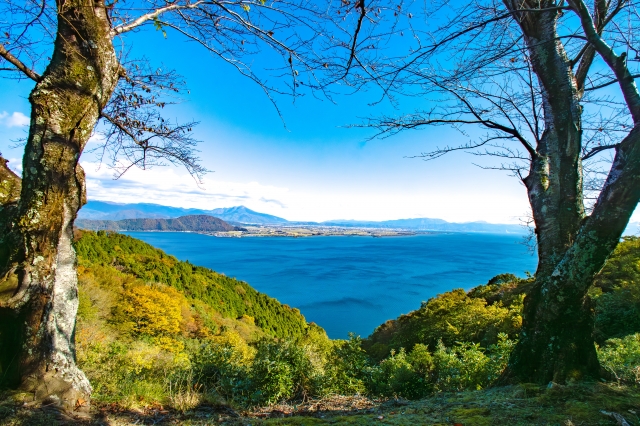
Starting your journey from Osaka and heading northeast toward Shiga Prefecture reveals a side of Kansai that standard tourists never get to experience. Osaka provides the energetic, raw urban departure point. Within less than an hour of leaving the highway network, the concrete cityscape dissolves into deep, pine-covered canyons, emerald valleys, and the vast, mirror-like expanse of Lake Biwa—Japan’s largest body of freshwater.
As you ascend toward Mt. Ibuki, Shiga's highest peak, the road evolves into an intoxicating sequence of hairpins, sweeping S-curves, and elevation changes that demand absolute driver engagement. In a Mazda Roadster or a Subaru BRZ, you are not merely observing the geography; you are actively dancing with it. You feel the weight transfer through the chassis as you trail-brake into a tight hairpin. You hear the crisp intake roar echo off ancient stone walls as you heel-and-toe downshift into second gear. You smell the crisp, pine-scented alpine air mixed with the faint, sweet warmth of sticky performance tires.
This is the philosophy of driving in Japan: it grants you access to "Secret Japan"—the unsung, breathtaking places hidden between the train stops. Driving allows you to dictate your own timeline, chasing sunrise over mountain ridges and discovering authentic culinary gems in tiny rural villages. It turns a standard holiday into an unforgettable automotive pilgrimage.

2. The 2-Day Itinerary: Deep Dive into Shiga & Mt. Ibuki

To truly appreciate the legendary Mt. Ibuki Driveway and the scenic marvels surrounding Lake Biwa, a multi-day driving route is essential. Below is a hour-by-hour itinerary engineered specifically for driving enthusiasts who crave breathtaking scenery, rich historical sites, immaculate winding roads, and authentic local cuisine.
Vehicle Recommendation for This Itinerary
For this mountain route, we recommend choosing between two iconic Japanese sports cars:
The Subaru BRZ / Toyota 86: Featuring a low center of gravity from its naturally aspirated Boxer engine, razor-sharp front-end turn-in, and a balanced rear-wheel-drive chassis that loves technical S-bends.
The Mazda Roadster (ND): The ultimate expression of Jinba Ittai (horse and rider as one). Lightweight, open-top, beautifully balanced, and engineered to make every mountain curve an absolute joy at legal speeds.
DAY 1: The Sky Highway & Mountain Crests
07:00 AM – Departure from Osaka
Your journey begins early in the morning in the heart of Osaka. As the city warms up, fire up the engine. Set your navigation system to avoid the morning rush hour traffic by taking the Meishin Expressway northbound toward Kyoto and Shiga.
Feel the firm suspension of your BRZ or Roadster settle into a confident stride on the smooth tarmac of the expressway. Pay close attention to how effortlessly Japanese expressways are engineered—smooth asphalt, clear lane markings, and well-designed gentle curves that give you a taste of the vehicle's high-speed stability.
08:30 AM – Pitstop at Otsu Service Area (Lake Biwa Gateway)
Location: Meishin Expressway (Otsu SA Northbound)
Experience: The Japanese Saabisuearia (Service Area) is a cultural phenomenon in itself, far exceeding the basic highway rest stops found in the West.
Park your car amongst local automotive enthusiasts who often gather here early on weekends. Walk up to the observation deck for your very first panoramic view of southern Lake Biwa. The morning mist often lingers over the water, creating an ethereal, ink-wash painting effect across the surrounding mountains. Grab a fresh, hot cup of black coffee and a freshly baked Matcha Melonpan from the bakery inside to fuel up for the technical driving ahead.
09:30 AM – Cruising the Eastern Shore (Sazanami Highway / Route 559)
Driving Experience: Exit the expressway at Otsu and transition onto Route 559, affectionately known to locals as the Sazanami Highway.
This magnificent road hugs the eastern shoreline of Lake Biwa. Lower the windows of your BRZ or drop the soft top of your ND Roadster. The cool, crisp breeze coming off the lake fills the cabin. To your left lies the tranquil, vast expanse of blue water; to your right, golden rice fields stretch out toward the backdrop of distant mountains. The road here is smooth and sweeping, allowing you to settle into a relaxing rhythm while enjoying the pure mechanical harmony of your vehicle.
11:30 AM – Historic Pitstop: Hikone Castle & Lakefront Lunch
Location: Hikone, Shiga Prefecture
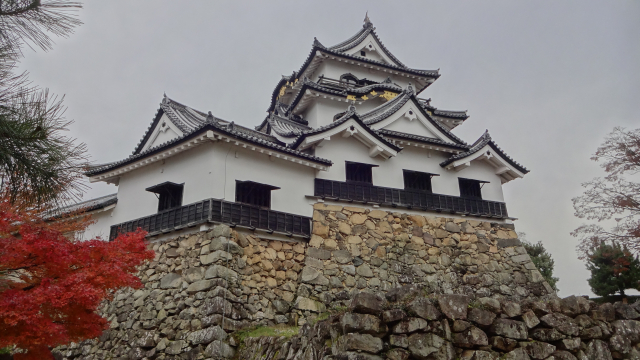
Historical Context: Before tackling the big climb, stop in the historic castle town of Hikone. Hikone Castle is one of only twelve original castles in Japan whose main keep has survived intact since the Edo Period (built in 1622).
Park near the moat, where the reflection of ancient white walls and cherry or maple trees ripples in the water. Take a brief walk through the castle grounds to stretch your legs and admire the feudal timber construction that served the powerful Ii Clan for centuries.
Lunch Specialty – Omi Beef (近江牛): Shiga is famous across Japan for Omi Beef, one of the top three wagyu brands alongside Kobe and Matsusaka, boasting a history that spans over 400 years. Stop at a local culinary spot near the castle gates for an Omi Beef Sukiyaki bowl or an Omi Wagyu Steak Donburi. The intricate marbling of the beef creates a melt-in-your-mouth texture rich in savory umami flavor—the perfect fuel for an afternoon of spirited mountain driving.
01:30 PM – The Main Event: The Mt. Ibuki Driveway (伊吹山ドライブウェイ)
Location: Maibara / Sekigahara, Gateway to Mt. Ibuki
Toll Gate: Enter the legendary toll road. (Note: The toll for passenger cars is approximately ¥3,140, payable in cash or credit card—a modest investment for 17 kilometers of pure driving perfection).
As you pass through the toll gate, the road immediately transforms. You are entering one of Japan's most famous skyline highways. The Mt. Ibuki Driveway snakes up the sides of Mt. Ibuki (1,377 meters high), climbing through dramatic geological shifts from lush deciduous timber into alpine tundra.
The Drive: Shift into second gear. The BRZ’s communicative steering wheel transmits every nuance of the tarmac directly to your palms. In the ND Roadster, the revs rise naturally as you balance throttle inputs through sweeping 180-degree hairpins. The road engineers sculpted this tarmac around the natural contours of the limestone mountain, providing an extraordinary sequence of technical corners, off-camber apexes, and short acceleration straights.
As you ascend, the trees thin out, giving way to dramatic drop-offs that reveal stunning views of the northern Shiga valleys below. The air temperature drops noticeably—roughly 0.6 degrees Celsius for every 100 meters of elevation—refreshing the cabin as you push higher toward the clouds.
03:00 PM – The Peak: Mt. Ibuki Sky Terrace & Alpine Walk
Location: Ibuki Peak Parking Lot (1,260m elevation)
Experience: Park your car in the spacious upper lot. Take a moment to stand back and watch the hot air wave off your brakes and exhaust pipe as the engine gently ticks down and cools in the alpine air. The view from here is breathtaking: a 360-degree panoramic vista taking in Lake Biwa to the west, the Japanese Alps to the east, and the plains of Sekigahara below.
Follow the well-maintained walking trail (approx. 20-30 minutes) to the absolute summit of Mt. Ibuki at 1,377 meters. Mt. Ibuki is legendary in Japanese folklore—it is mentioned in the ancient text Kojiki as the mountain where the mythical prince Yamato Takeru encountered a mountain deity. The peak is also famous for its unique alpine flora, hosting over 1,000 species of medicinal plants and wild alpine flowers that paint the landscape in rich colors throughout spring, summer, and autumn.
Grab a hot matcha soft-serve ice cream or a warm cup of Ibuki Herb Tea from the Sky Terrace shop while taking in the stunning mountain clouds.
05:00 PM – Sunset Descent & Lakefront Ryokan Check-in
The Descent Drive: Driving down the Mt. Ibuki Driveway as the afternoon light shifts into gold is an otherworldly experience. Use lower gears to let engine braking manage your speed through the hairpins, keeping foot brake temperatures controlled while listening to the refined exhaust note echo off the cliff faces.
Accommodation: Head toward the northern shores of Lake Biwa (Nagahama or Makino area) and check into a traditional Japanese Ryokan (inn) positioned directly on the water.
Evening Relaxation: Slip into a Yukata (cotton kimono) and soak your tired muscles in a thermal Onsen (hot spring) bath. Dinner will be a multi-course Kaiseki feast featuring local freshwater fish, seasonal mountain vegetables (sansai), cooked Omi beef, and crisp Shiga sake brewed with pure mountain spring water.

DAY 2: Hidden Mountain Passes, Ancient Torii & Historic Highways
08:00 AM – Early Breakfast & Morning Lake Fog
Enjoy a traditional Japanese breakfast featuring grilled local trout, dark miso soup, warm rice, and pickled mountain vegetables. Step outside into the cool lake air to inspect your car. Morning dew on the slick bodywork of your sports car makes for incredible photographic opportunities against the tranquil, glassy water of Lake Biwa.
09:00 AM – The Metasequoia Avenue (メタセコイア並木)
Location: Makino Town, Takashima City
Driving Experience: Set your route west around the northern tip of the lake to reach the famous Metasequoia Avenue.
This 2.4-kilometer stretch of straight road is lined with roughly 500 Dawn Redwood (Metasequoia) trees. As you drive beneath the towering leafy canopy, light filters through the foliage, creating a ethereal pattern of shadows across the tarmac.
Spring/Summer: A vibrant, emerald-green tunnel of foliage.
Autumn (Nov–Dec): A glowing tunnel of deep copper, fiery brick-red, and gold.
Winter: Bare branches dusted in crisp white snow, looking like a northern European landscape.
Park in the designated public parking area nearby to capture breathtaking photographs of your car framed by this iconic natural cathedral.
10:30 AM – Oku-Biwako Parkway (奥琵琶湖パークウェイ)
Driving Experience: From Makino, loop back south into the technical crown jewel of northern Shiga: the Oku-Biwako Parkway.
This 18.8-kilometer scenic ridge road snakes along the elevated peninsula jutting into the northern section of Lake Biwa. The road features dense forest sections, sudden sweeping openings over deep blue water, and a series of tight, rhythmic corners that highlight the nimble chassis of an ND Roadster or 86/BRZ.
Stop at the Tsuzurao-zaki Lookout Point. From this high vantage, you can look down over the quiet waters where traditional wooden fishing boats still haul in local freshwater delicacies.
01:00 PM – Shirahige Shrine (The Floating Torii of Lake Biwa)
Location: Takashima, Western Shore of Lake Biwa
Historical Significance: Shirahige Shrine is the oldest Shinto shrine in Shiga Prefecture, boasting over 1,900 years of history. Its most striking feature is its massive vermilion Torii gate standing directly inside the waters of Lake Biwa.
Park in the shrine lot and safely view the iconic gate from the elevated pedestrian observation platform (Lakeside Rocks). The bright red wood contrasting against the deep blue water of Lake Biwa creates an iconic Japanese image. Take a moment to pay your respects at the main shrine hall across the road, praying for safe driving travels (K交通安全 - Koutsu Anzen).
Lunch: Stop at a nearby traditional Soba noodle shop overlooking the water. Order cold Zaru Soba served on bamboo mats with crispy duck tempura and fresh grated real horseradish (wasabi).
03:00 PM – Biwako Valley Scenic Pass & Return Drive
Location: Otsu / Katata area
Experience: As you head south on the western lake road toward the return highway to Osaka, make a final mountain stop at Biwako Valley.
Take the high-speed ropeway cable car up to the Biwako Terrace at 1,100 meters. Here, multi-tiered wooden observation decks with stunning infinity water pools hang right over the mountainside, offering sweeping views across the entire expanse of Lake Biwa from north to south. Reflect on the incredible variety of roads you've navigated over the past 48 hours—from lake-level highways to high-alpine skyline driveways.
05:00 PM – The Scenic Highway Cruise Back to Osaka
Join the expressway network at Kyoto-Higashi IC and head southwest toward Osaka. As evening sets in and the urban neon lights begin to flicker on, enjoy the easy cruising capability of your vehicle, reflecting on a journey that very few international travelers ever get to experience.
3. Expert Advice & Cultural Nuances for Driving in Rural Japan
Driving through rural Japan is a deeply rewarding experience, but it comes with unique cultural norms, hidden gems, and road etiquette that every international driver should know.
The Magic of Michi-no-Eki (Roadside Stations)
Do not confuse a Japanese Michi-no-Eki with a standard highway rest stop or petrol station. Established by the government to support rural economies, these government-designated roadside stations are vibrant hubs of local culture, agriculture, and gastronomy.
Fresh Produce & Regional Snacks: Every Michi-no-Eki specializes exclusively in goods produced within a few miles. In Shiga, look out for Funazushi (an ancient, fermented form of sushi unique to Lake Biwa), local black soybean ice cream, and fresh seasonal fruits like sweet persimmons or white peaches.
Collector Stamps: Every station features a unique rubber ink stamp. Serious Japanese road-trippers carry dedicated stamp passports to log every Michi-no-Eki they visit across the country!
Japanese Road Etiquette & Mountain Safety
The "Thank You" Hazards: When a driver yields to let you merge onto a narrow road or pass on a single-lane stretch, flash your hazard lights twice briefy. This is the universal Japanese road sign for "Thank you" (Domo).
Narrow Mountain Passes (Kukusho): Many scenic mountain roads in rural Shiga narrow to a single lane without warning. Watch for convex safety mirrors posted on trees and pole tops around blind corners. If you see headlight reflections or motion in a mirror, slow down immediately and pull slightly to the left side into designated passing cutouts.
Yielding to Speedier Locals: If a local delivery truck or compact driver catches up to your tail on a winding mountain road, do not feel pressured to speed up. Simply flick on your left indicator, slow down on a straight stretch, and drift slightly left to allow them to pass safely.
4. Logistics, Tolls, Gas Stations & JDM Mechanics
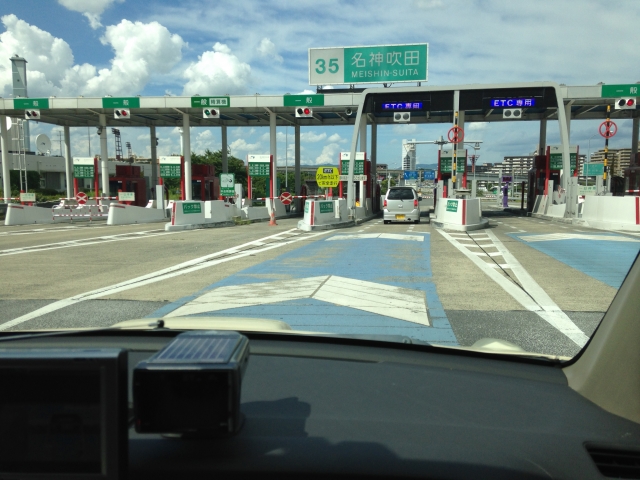
Navigating Japan’s modern highway infrastructure is remarkably intuitive once you master a few fundamental technical procedures.
1. The ETC (Electronic Toll Collection) System
Japan’s highway network relies heavily on toll roads. While cash lanes exist, they are increasingly inconvenient and often lack English-speaking staff.
How it Works: Rental vehicles can be equipped with an ETC Card inserted into an onboard card reader (usually hidden inside the glovebox or lower dash).
At the Toll Plaza: Approach toll gates marked with bright blue ETC signs at a maximum speed of 20 km/h. The wireless barrier gate will scan your card, sound a chime, and lift automatically. Upon returning your rental car, the shop reads the electronic card log and calculates your total toll balance for simple credit card payment.
2. Refueling Your JDM Sports Car
Gas stations in Japan (Gasorin Sutando) operate in two formats: Full-Service (Furu) and Self-Service (Serufu).
Gasoline Grades:
Red Handle: Regular Unleaded (Reguraa)
Yellow Handle: High-Octane Premium (Haioku) – REQUIRED for sports cars like the BRZ, 86, and Roadster (ND) to prevent engine knocking and maintain peak horsepower.
Green Handle: Diesel (Diizeru)
Essential Gas Station Japanese (Full Service): When you pull up to a full-service pump, an attendant in a uniform will greet you politely:
Say: "Haioku, Mantan, Kurejitto kaado de" (High-Octane, Full Tank, via Credit Card).
The attendant may offer a wet towel to wipe down your dashboard while the tank fills.
When exiting, the staff will often hold traffic to help guide you safely back onto the main road.
3. Precision Parking Culture
Japanese parking spaces are tightly standardized. Always reverse back-in into parking stalls. Drive past the space, angle your nose outward, check your mirrors, and back smoothly into the spot between the white lines. Folding in your side mirrors after parking is standard etiquette to preserve tight aisle space.
4. Mechanical Thrills: Operating an Analogue JDM Machine
Driving an atmospheric manual sports car like the Subaru BRZ, Toyota 86, or Mazda Roadster (ND) through technical Japanese mountain passes offers a pure, mechanical connection that modern automatic supercars simply cannot match.
The Mazda Roadster (ND): Weighing under 1,000 kilograms, its power-to-weight ratio relies on momentum, fluid steering inputs, and sweet-shifting gearbox control. Dropping the roof lets you experience mountain sights, scents, and exhaust notes directly.
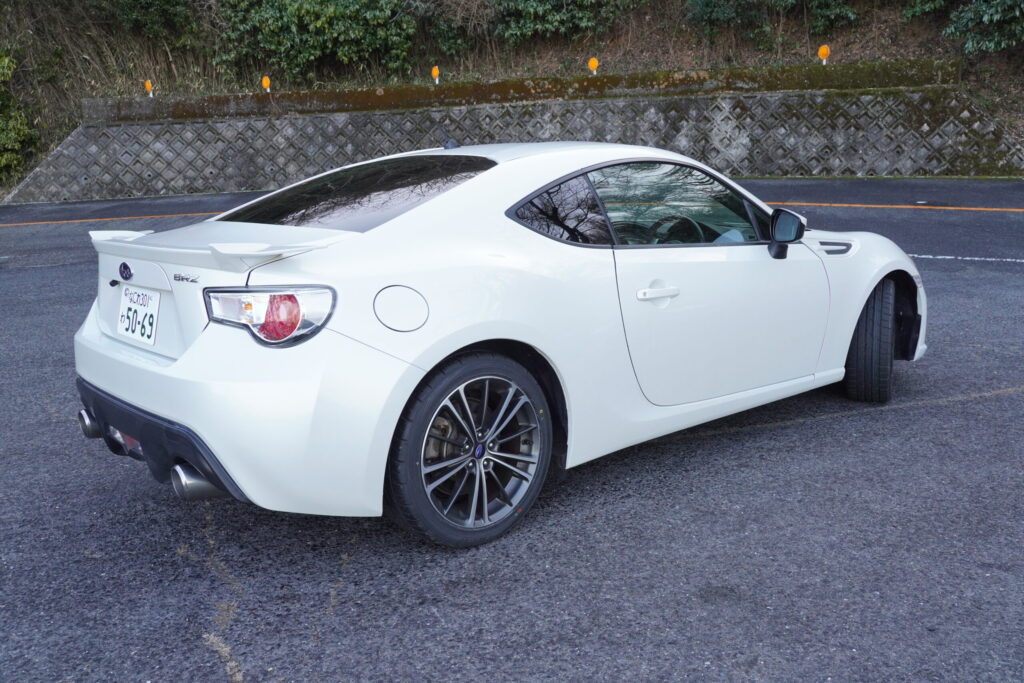
The Subaru BRZ / Toyota 86: Features an exceptionally low center of gravity from its flat-four Boxer engine. The pedals are positioned perfectly for heel-and-toe downshifting, allowing you to match engine revs effortlessly as you brake heavily into tight mountain hairpins.
5. Comprehensive Frequently Asked Questions (FAQ)
Q1: What driving license documentation do I need to legally drive in Japan?
Answer: To legally drive in Japan, you MUST possess and present three physical documents at the time of vehicle pickup:
Your Original Domestic Driver's License from your home country.
A valid International Driving Permit (IDP) issued strictly under the 1949 Geneva Convention.
Your physical Passport.
Important Warning: IDPs issued under the 1968 Vienna Convention or other international treaties are NOT legally recognized in Japan. Drivers holding passports from Switzerland, Germany, France, Taiwan, Belgium, or Monaco must present an official Japanese translation of their domestic license issued by the Japan Automobile Federation (JAF) or their respective embassy, rather than an IDP.
For a detailed breakdown of legal license requirements by country, please review the rules outlined on our OMOREN License Guide.
Q2: What insurance coverage is necessary when renting a high-performance car?
Answer: Basic insurance coverage is included in standard rentals, but full peace-of-mind coverage via a collision damage waiver (CDW) and Non-Operation Charge (NOC) waiver is highly recommended. High-performance sports cars feature custom body panels and specialized components; comprehensive insurance ensures that accidental scrapes on tight mountain passes do not result in unexpected out-of-pocket costs.
Q3: I haven't driven a manual (MT) transmission in a few years. Will I struggle on Japanese roads?
Answer: Driving on the left side of the road in a right-hand drive (RHD) Japanese sports car requires shifting gears with your left hand. However, models like the Mazda Roadster and Subaru BRZ feature wonderfully forgiving clutches, precise mechanical shifters, and hill-start assist technology. After 15 minutes of driving on smooth arterial streets, muscle memory takes over and shifting becomes second nature.
Q4: How are road conditions around Mt. Ibuki and Lake Biwa during winter?
Answer: The Mt. Ibuki Driveway is typically closed during the severe winter months (usually late November through early April) due to deep snowfall in the Ibuki mountain range. During early spring and late autumn, mountain pass temperatures can drop quickly. If travelling during seasonal shoulder months, check weather forecasts for frost warnings or rent a vehicle fitted with winter studless tires.
6. The Final Thoughts: Fire Up Your Dream Machine
The train platform will always be there. Millions of travelers will continue to queue in orderly lines, staring through glass windows at distant mountain peaks as they rush past at high speeds, bound for standard, predictable tourist destinations.
You have the power to choose a completely different journey.
Imagine sitting low in a supportive bucket seat. Your left hand rests comfortably on a leather-wrapped gear lever. Ahead of you, the morning fog clears over the glossy bonnet of a Toyota 86, Subaru BRZ, or Mazda Roadster. The open tarmac of the Mt. Ibuki Driveway rises into the clouds above Lake Biwa, offering 17 kilometers of pure driving perfection, untouched landscapes, and quiet roadside stops that no bullet train will ever reach.
Your ultimate Japanese driving adventure begins the moment you pick up the keys.
Located conveniently in the heart of Osaka, Omoshiro Rent-a-Car Osaka Central (おもしろレンタカー大阪中央店) is your ultimate gateway to driving high-performance, meticulously maintained Japanese sports cars and JDM icons. Whether you crave the pure lightweight balance of an ND Mazda Roadster, the sharp cornering dynamics of a Subaru BRZ, or the iconic feel of a tuned manual sports coupe, our passionate team ensures your vehicle is prepped, inspected, and ready to conquer Japan's greatest roads.
Stop simply visiting Japan—start driving it.
[Click here to reserve your JDM Machine at Omoshiro Rent-a-Car Osaka Central today and begin your ultimate mountain pass road trip!]