
1. Driving the Subaru BRZ Through the Pampas Grass of Soni Highlands—The Philosophy of Driving in Japan
For over a decade, I viewed the Japanese landscape through a narrow glass window—not as a traveler, but as a conductor for Kintetsu Railway. Day in and day out, I operated along the extensive iron veins connecting Osaka, Nara, Mie, and Kyoto. Rail travel in Japan is a marvel of precision, punctuality, and efficiency. Yet, standing on the platform in my uniform, watching the distant, mist-shrouded peaks of the Kii Peninsula roll past at fixed speeds, I always felt an underlying sense of restraint. Trains follow set tracks and rigid schedules. They carry you to a region, but they rarely let you feel the pulse of the geography itself.
When I stepped away from the railway and immersed myself in Japan’s automotive culture, my perspective transformed entirely. Kansai is universally celebrated for the neon-lit food havens of Osaka, the serene bamboo groves of Kyoto, and the historic temples of Nara. However, the true essence of Japan—what I call "Secret Japan"—remains hidden beyond the terminus of the last commuter train line.
To reach these places, you must trade the passenger carriage for the cockpit of a pure driver’s car.
[ OSAKA ] │ (Hanshin Expy / Meihan) ▼ [ Yamanobe-no-Michi ] │ (Route 165) ▼ [ Soni Highlands ] │ (Route 368 / Route 369) ▼ [ Murou-ji & Akame Falls ] │ ▼ [ OSAKA ] The Subaru BRZ is a lightweight, rear-wheel-drive sports machine engineered specifically to translate a road's texture directly into a driver's hands. With its low center of gravity, naturally aspirated engine, and communicative manual transmission, it is the ideal tool for exploring Japan’s interior.
+-----------------------------------------------------------------------+ | SUBARU BRZ SPECIFICATIONS | +-----------------------------------------------------------------------+ | Engine | 2.4L Naturally Aspirated Boxer-4 | | Power / Torque | 228 hp @ 7,000 RPM / 184 lb-ft @ 3,700 RPM | | Drivetrain | Rear-Wheel Drive (RWD) with Torsen LSD | | Transmission | 6-Speed Short-Throw Manual | | Curb Weight | ~1,270 kg (2,800 lbs) | | Suspension | MacPherson Strut (Front) / Double Wishbone (Rear)| +-----------------------------------------------------------------------+ When you pilot a BRZ along the narrow, curving mountain ribbons (touge) of the Kii Mountains, you engage with Japan on a tactile level. You feel the asphalt transition from ancient cedar-lined valleys to cresting mountain passes. You hear the boxer engine rev toward redline as you downshift before a hairpin, and you smell the damp forest earth and crisp alpine air flowing through open windows. Renting a classic JDM sports car in Osaka unlocks a dimension of Kansai that transit passes simply cannot reach.

2. Driving the Subaru BRZ Through the Pampas Grass of Soni Highlands—The 2-Day Itinerary: Deep Dive
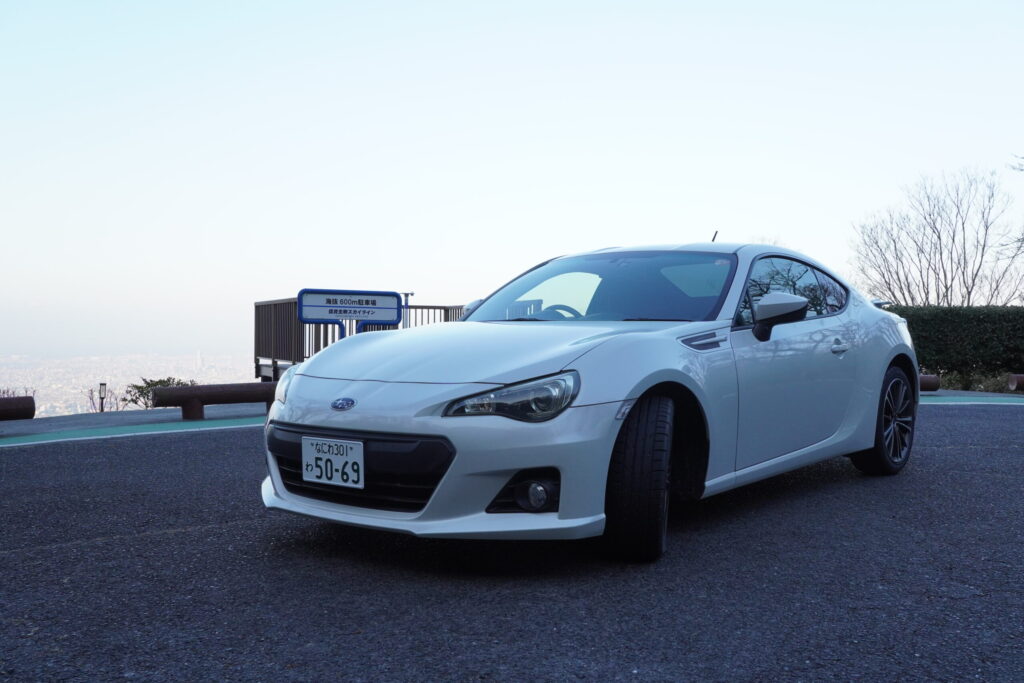
This detailed two-day driving route covers roughly 220 kilometers, starting from central Osaka, sweeping through the ancient highlands of Nara and Mie, and returning to the city lights.
Day 1: Escaping the Concrete to the Golden Slopes of Soni
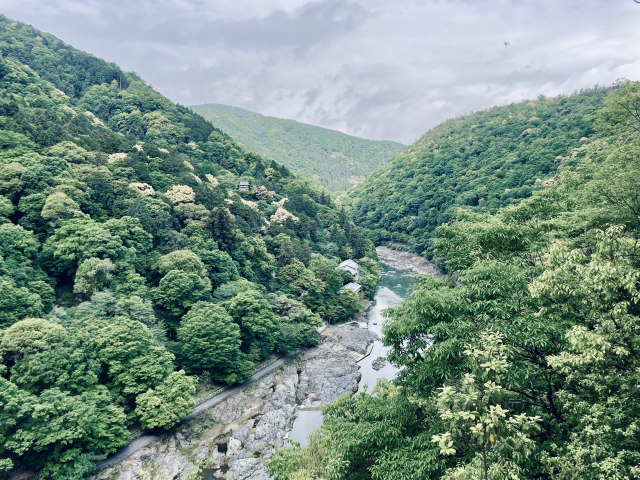
08:00 AM – Departure from Central Osaka: The Urban Transition
Your journey begins amid the towering concrete jungle of Osaka. After securing your Subaru BRZ, settle into the low-slung bucket seat, adjust the three pedals, and click the short-throw shifter into first gear. Merging onto the Hanshin Expressway, the rumble of the 2.4-liter boxer engine echoes off sound barriers. Negotiating the elevated urban highway grid demands focus, but as you pass through eastern Osaka and slide onto the Nishi-Meihan Expressway, the skyscrapers fade, giving way to rolling green foothills.
09:30 AM – Cruise along Yamanobe-no-Michi (Route 169)
Leaving the expressway at Tenri, hit Route 169 heading south along the base of the sacred Miwa mountains. This road skirts Yamanobe-no-Michi, recognized as the oldest recorded road in Japanese history (chronicled in the 8th-century Kojiki). As you thread through narrow passages framed by historic tile-roofed farmhouses and persimmon orchards, the BRZ’s compact footprint (~1,775 mm width) makes navigating these ancient routes effortless. The steering feels precise, providing clear feedback through the leather-wrapped wheel as the road gently twists along the hillside.
11:00 AM – The Ascent Begins: Route 165 to Route 369
Turning east onto Route 165 and quickly transitioning onto Route 369 toward Soni Village, the scenery changes dramatically. You enter deep river valleys framed by dense stands of Sugi (Japanese cedar) and Hinoki (cypress).
[Route 165 Valley] ──(Route 369 Ascent)──> [Soni Plateau Pass] │ │ Dense Forest Elevation: Low Elevation 849m Peak The road transforms into a continuous series of sweeping curves and elevation shifts. Here, the BRZ shines. Third gear provides strong midrange pull, while second gear snaps the tail into line through tight uphill turns. The Torsen limited-slip differential transfers power seamlessly, allowing you to corner with confidence on damp forest tarmac.
▲ 亀山 (Kameyama Peak - 849m) / \ / \ [亀山峠 Kameyama Pass] / \__________________________ / \ / [お亀の池 Okame-no-ike Pond] \ / \ /_______________________________________\ [曽爾高原 Soni Highlands] 12:30 PM – Arrival at Soni Highlands (曽爾高原)
Navigating the final climb up Prefectural Route 81, you arrive at the Soni Highlands parking area. Situated on the slopes of Mount Kameyama at an elevation of nearly 800 meters, Soni is a natural amphitheater draped in vast fields of Susuki (Japanese pampas grass).
Geological Origin: Soni Highlands sits on the remnants of a ancient volcanic caldera that erupted millions of years ago. The erosion of volcanic rock produced the dramatically sheared basalt cliffs nearby, including the famous Hyobu-iwa (屏風岩 or Folding Screen Rock).
- Sensory Experience: Step out of the BRZ into the cool mountain air. In autumn, the pampas grass spreads like a shimmering sea of silver and gold across the hillsides. As the wind sweeps across the bowl, the stalks sway in unison with a soft rustling sound.
Trek to Kameyama Pass (亀山峠): Lace up sturdy footwear and hike 20 minutes up the stone steps to Kameyama Pass. From this vantage point, you look down over Okame-no-Ike (a natural marshy pond rich with folklore) and out across the serrated mountain ridges of Nara and Mie.
+----------------------------------------------------------------------+ | SONI HIGHLANDS SEASONAL LOOK | +----------------------------------------------------------------------+ | Spring / Summer | Brilliant, velvet-green hillsides under blue skies| | Autumn (Peak) | Shimmering golden-silver pampas grass fields | | Winter | Crisp, snow-dusted quiet landscapes | +----------------------------------------------------------------------+ 02:30 PM – Mountain Gastronomy: Soni Kogen Farm Garden
After hiking, head down to the Soni Kogen Farm Garden. Sample local wild boar ramen (Botan Nabe style) or buckwheat Soba noodles crafted with pure mountain spring water. For dessert, try the handmade local yuzu citrus gelato while relaxing on the terrace overlooking the surrounding valley.
04:00 PM – Golden Hour Run: The Soni-Iga Winding Line (Route 11)
As late afternoon approaches, drive Route 11 toward Mie Prefecture. The low sun casts long shadows through the cedar canopy, illuminating the mountain mist. Route 11 features clean sightlines and well-banked corners. Light on its feet, the BRZ executes heel-toe downshifts with crisp rev-matches, filling the quiet forest with the sound of its boxer engine.
06:00 PM – Check-in at Okuyamato Onsen Ryokan
Settle into a traditional Ryokan near Soni or neighboring Mitsue Village. Slip into an open-air hot spring (rotenburo) surrounded by forest, letting the warm, mineral-rich waters soothe your muscles after a full day of driving and hiking. Dinner consists of Kaiseki (multi-course cuisine) featuring local Yamato beef, wild mushrooms, and sweet mountain river trout.

Day 2: Waterfalls, Sacred Temples, and Technical Passes
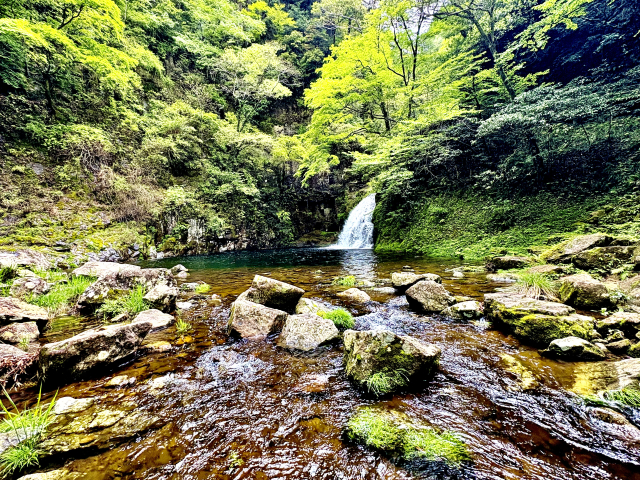
08:30 AM – Morning Mountain Run: Route 368
Start the morning with a drive along Route 368 heading toward Nabari. The cold morning air increases engine responsiveness. The road snakes along clear rivers, offering crisp pavement and rhythmic left-right transitions.
09:30 AM – Exploring Akame 48 Waterfalls (赤目四十八滝)
Cross into Mie Prefecture to reach the Akame 48 Waterfalls valley. Deep within a wooded gorge, this trail served as a historical training ground for the Iga-ryu Ninja during the 15th and 16th centuries.
[Valley Entrance] ──> [Fudo Falls] ──> [Senju Falls] ──> [Nunobiki Falls] │ │ │ (Heavy Cascade) (Fan-shaped) (Drape-like) Walking the 4-kilometer path takes you past moss-covered rocks, giant salamander sanctuaries, and cascading waterfalls. The cool mist and rich green canopy create a tranquil, timeless atmosphere.
12:00 PM – Local Specialty: Iga Beef and Ninja Senbei
Before heading back into the mountains, sample local Iga Beef—a rich, marbled regional beef variety often overlooked by international tourists in favor of Kobe. Enjoy it served over rice (Gyudon) or grilled on hot stone plates at a roadside restaurant.
01:30 PM – The Sacred Twisties to Murou-ji Temple (室生寺)
Head back west via Route 28, taking a winding, narrow access road to Murou-ji. Built in the late 8th century, Murou-ji is tucked deep into a dense forest. Historically, while the famous Koyasan monastery prohibited women from entering, Murou-ji welcomed female worshippers, earning it the endearing title Nyonin Koya (Women's Koyasan).
Architectural Marvel: Climb the flight of stone stairs framed by towering cedar trees to view the five-story pagoda—the smallest outdoor five-story pagoda in Japan, standing gracefully within the natural surroundings.
/\ /__\ Five-Story Pagoda (五重塔) /____\ Constructed late 8th century /______\ Smallest outdoor wooden pagoda in Japan /________\ || || Framed by ancient Sugi Cedars 03:30 PM – The Return Drive: Hase Highway and Nishi-Meihan
Leaving Murou-ji, follow Route 165 through the Hase Valley. As the sun drops toward the horizon, light filters through the trees, marking the transition back to urban roads. Rejoining the Nishi-Meihan Expressway at Hari Interchange, set the BRZ to a steady cruise.
05:30 PM – Return to Osaka
Descend back into the Osaka basin as city lights illuminate the skyline. Navigating back into the urban center, you finish the drive with a deep appreciation for the quiet, sacred mountain roads just an hour beyond the city's edge.
3. Driving the Subaru BRZ Through the Pampas Grass of Soni Highlands—Expert Advice & Cultural Nuances
Driving through rural Japan reveals a uniquely rewarding side of the country, provided you understand its local customs and road culture.
The Wonder of Michi-no-Eki (Roadside Stations)
Japan’s roadside station system (Michi-no-Eki) transformed rural highway travel. Far more than rest stops with restrooms, these centers showcase local agriculture, culture, and cuisine.
Michi-no-Eki Iitaka Station / Soni: Offers freshly picked local produce, regional sweets, and attached public hot springs (onsen).
Stamp Rallies: Many drivers participate in the official Michi-no-Eki stamp book challenge, collecting unique ink stamps at every station across the country.
+-----------------------------------------------------------------------+ | RULES OF THE ROAD: JAPANESE TOUGE | +-----------------------------------------------------------------------+ | Single-Lane Bridges | Yield to oncoming traffic; pull into cutouts | | Blind Corners | Sound horn gently at curved mirrors if marked | | Agricultural Vehicles| Pass only on designated broken white lines | | Speed Limits | Mountain roads often set to 40 km/h; drive safely| +-----------------------------------------------------------------------+ Navigating Narrow Passes (Koku-do Dynamics)
In Japan, national highways are designated as Koku-do (国道). While primary routes are smooth double-lane highways, some mountain sections narrow unexpectedly down to single lanes with blind hairpin turns.
Mirrors: Curve mirrors (Kabu-mira) are placed at nearly every blind corner. Look into them before turning to spot oncoming cars, farm trucks, or cyclists.
Passing Etiquette: If a local driver pulls slightly onto the shoulder, bow or flash your hazard lights twice as a polite thank-you after passing.
4. Driving the Subaru BRZ Through the Pampas Grass of Soni Highlands—Detailed Logistics & Pre-Trip Tips
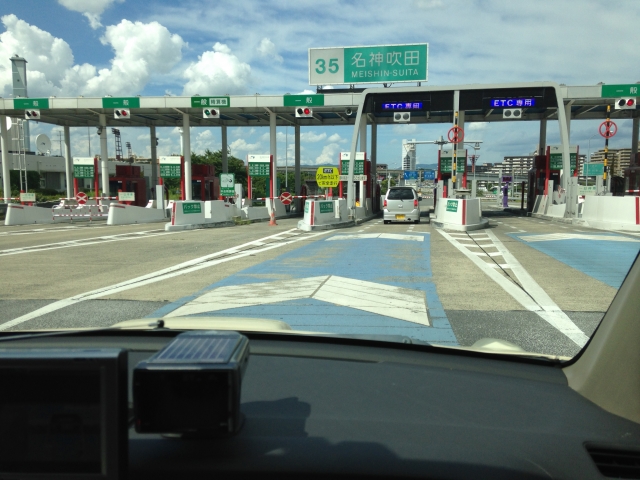
Preparing for a self-drive adventure in a JDM sports car requires a clear understanding of practical logistics.
+-----------------------------------------------------------------------+ | PRE-TRIP CHECKLIST | +-----------------------------------------------------------------------+ | Passport | Original document (must carry always) | | Home Driver's License | Valid license from home country | | International Driving Permit | IDP under 1949 Geneva Convention | | Credit Card | Primary card for security deposit/tolls| | ETC Card | Inserted into vehicle reader unit | +-----------------------------------------------------------------------+ Expressways & ETC Cards
Japan’s expressway network relies heavily on electronic toll collection.
ETC (Electronic Toll Collection): Ensure your rental car includes an ETC card inserted into the in-vehicle unit. When approaching toll gates, enter the green "ETC Only" lanes at speeds under 20 km/h. The gate will lift automatically, logging tolls to your rental account for easy settlement upon return.
Navigating Gas Stations (Gasorin Sutando)
Full-service gas stations remain common across rural Japan:
Drive up to the pump and an attendant will guide you in.
State the fuel type: The Subaru BRZ requires High-Octane Premium Gas (ハイオク, Hai-oku).
Say "Hai-oku Mantan" (ハイオク満タン), which translates to "Full tank of High-Octane."
Pay via cash or credit card. Attendants often wipe your windshield and offer to clear minor trash.
At self-service (Serufu) stations, select the Red Nozzle for Regular or Yellow Nozzle for High-Octane (Hai-oku).
+-----------------------------------------------------------------------+ | FUEL NOZZLE COLOR CODE GUIDE | +-----------------------------------------------------------------------+ | YELLOW NOZZLE | High-Octane Premium (ハイオク) ──> FOR SUBARU BRZ | | RED NOZZLE | Regular Gasoline (レギュラー) | | GREEN NOZZLE | Diesel Fuel (軽油 - Keiyu) | +-----------------------------------------------------------------------+ The Tactile Joy of JDM Manual Transmissions
Driving a lightweight, naturally aspirated manual sports car like the Subaru BRZ transforms the entire journey. The short pedal travel, mechanical clutch feel, and precise gear engagement create an active connection between driver, car, and mountain road.
5. Driving the Subaru BRZ Through the Pampas Grass of Soni Highlands—Comprehensive FAQ
Q1: What driving documentation is strictly required to rent and drive a car in Japan?
You must present your original valid domestic driver’s license, your physical passport, and an International Driving Permit (IDP) issued strictly under the 1949 Geneva Convention. Licenses/IDPs issued under the 1968 Vienna Convention or other formats are not accepted under Japanese law. Drivers holding licenses from specific nations (such as Switzerland, Germany, France, Taiwan, Belgium, and Monaco) must present an official Japanese translation of their domestic license issued by the JAF (Japan Automobile Federation) or their respective embassy alongside their original license and passport.
Q2: Is it difficult to drive a manual transmission (MT) car on Japanese mountain roads?
If you are comfortable operating a manual transmission, driving a modern sports car like the Subaru BRZ in Japan is straightforward. Hill-start assist features prevent rolling backward on steep inclines, and the clutch action is light and forgiving in urban traffic.
Q3: What is the winter road condition like around Soni Highlands?
From late December through February, elevation shifts mean mountain passes around Soni and Mie can experience freezing temperatures, icy patches, and occasional snowfall. Renting a vehicle equipped with winter/studless snow tires is essential during winter months.
Q4: How does parking work in rural areas versus Osaka city?
In rural locations like Soni Highlands, Akame, and Murou-ji, dedicated parking lots are readily available, usually charging a small flat day fee (300 to 800 yen). In central Osaka, use automated coin parking garages (Coin P), ensuring your low-clearance sports car comfortably clears ramp barriers.
6. Driving the Subaru BRZ Through the Pampas Grass of Soni Highlands—The Final Thoughts
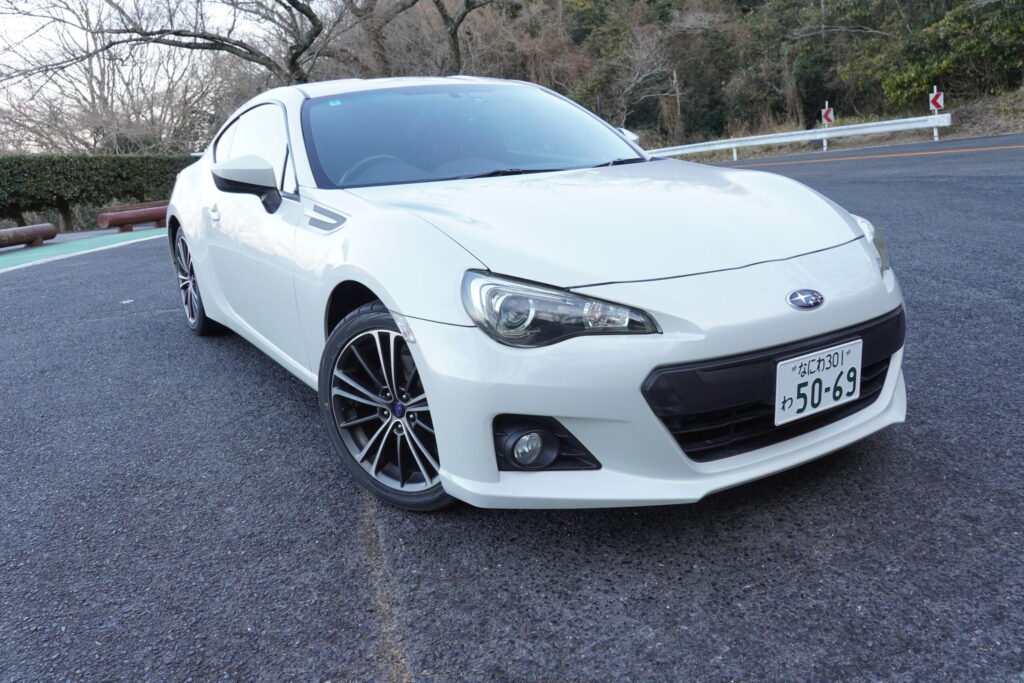
The true beauty of Japan does not reveal itself through a train window or from a crowded tour bus. It shows up in quiet moments: the deep mechanical growl of a boxer engine echoing off canyon walls, the rhythmic sweep of curves through ancient cedar forests, and the golden sunlight washing over the vast pampas grass of Soni Highlands.
To experience Kansai’s mountain winding roads as they were meant to be driven, you need a machine crafted for driver engagement.
When planning your Japanese automotive journey, Omoren Osaka Central (おもしろレンタカー大阪中央店) offers a meticulously maintained fleet of iconic Japanese driver’s cars—including the legendary Subaru BRZ and Toyota 86. Located conveniently in Osaka, it serves as the ultimate starting point for your Kansai driving adventure. Reserve your vehicle, turn the key, and discover the hidden roads of Japan.