
As a former conductor for the Kintetsu Railway, my life was once defined by the rhythmic clack-clack of steel wheels on parallel tracks. I spent years observing the landscape through a rectangular frame of tempered glass, watching passengers blur past, tethered to the iron veins of the country. Trains are marvels of efficiency, yes, but they are also voyeuristic. They dictate where you stop, when you leave, and how you see the world. You are an observer, never an inhabitant.
But to truly know Japan—to peel back the polished veneer of Kyoto’s Gion district and touch the raw, breathing soul of the old capital—you must abandon the tracks. You must take the wheel.
When you trade the train for a cockpit, the landscape shifts from a movie playing in the background to a tactile, living circuit. Driving in the Kansai region is an act of liberation. It is the only way to reach the "Secret Japan": the mist-shrouded cedar forests of the northern mountains, the forgotten thatched-roof villages of the highlands, and the winding, narrow passes where the scent of pine needles and damp earth hangs heavy in the air.
In a low-slung, rear-wheel-drive machine like the Subaru BRZ, you aren’t just traveling; you are communicating with the asphalt. The steering weight, the precise snick of the short-throw shifter, the mechanical symphony of the boxer engine as you downshift for a hairpin—these are the sensations that connect you to the geography. This is not about getting from A to B. It is about the elevation gain, the G-force in the corner, and the silence of a hidden valley that remains untouched by tour buses. If you’ve ever felt that Japan is "too crowded," it is only because you’ve been sticking to the rails. The real journey begins where the platform ends.

Kyoto Hidden Highlands: The 2-Day "Driver’s Sanctuary" Itinerary
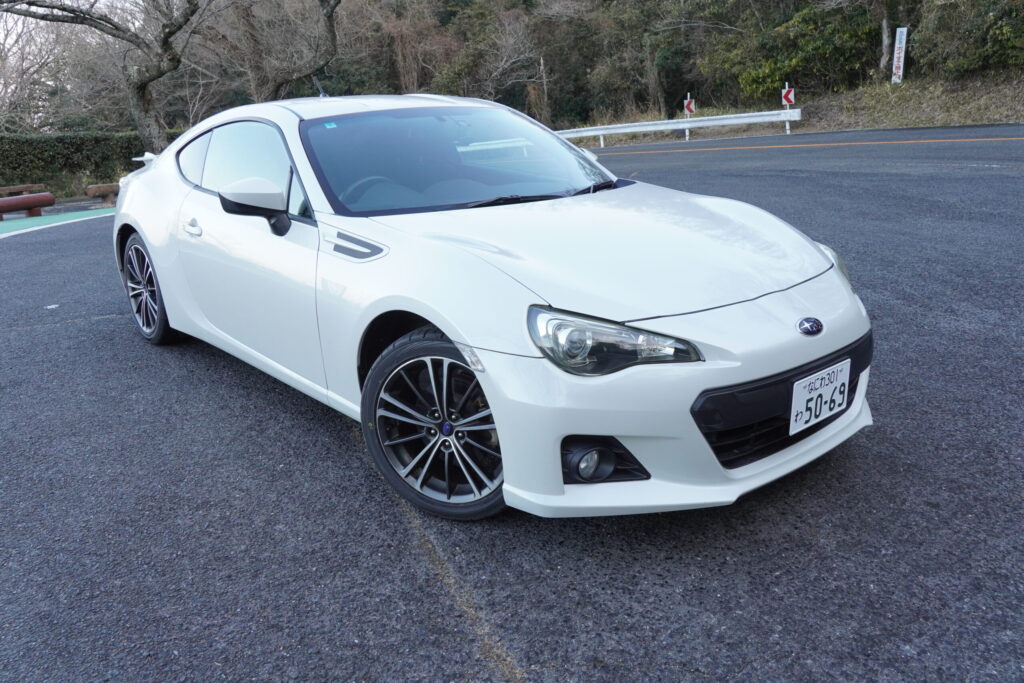
This route is designed for the purist. It bypasses the sensory overload of downtown Kyoto, heading straight into the heart of the northern mountains (Keihoku/Miyama) and the rugged coastline of the Sea of Japan.
Day 1: The Ascent to the Clouds
09:00 AM – The Departure from Osaka Leave the urban sprawl of Osaka behind. As you merge onto the Hanshin Expressway, your BRZ hums with anticipation. The target is the Keihoku region, a world of deep forests and ancient mountain passes.
11:00 AM – The Shuzan Highway (Route 162) – The Driver’s Rite of Passage The transition is abrupt. As you enter the mountains, the road begins to snake. Route 162, once a historic trade route for mackerel, is now your private playground. The BRZ feels at home here; the low center of gravity makes the chicanes feel effortless. The light filters through the dense canopy, dappling the road in alternating strokes of gold and shadow.
12:30 PM – Michi-no-Eki Woody Keihoku Stop here. This is the heartbeat of local travel. Grab a bowl of soba made from locally harvested buckwheat and chat with the elderly farmers selling shishito peppers and wild honey. There is a profound honesty here that you will never find in a city gift shop.
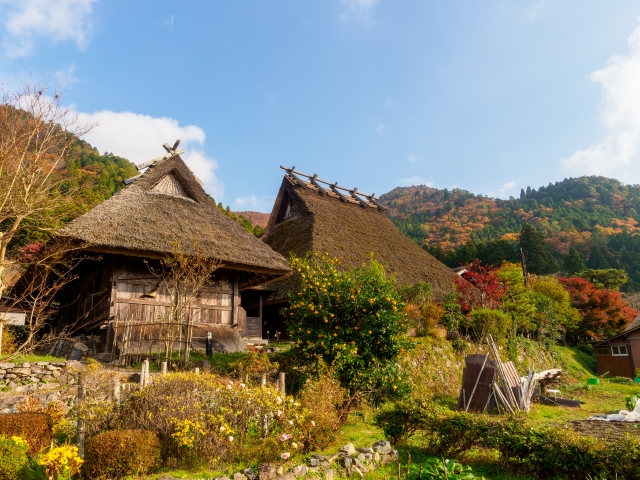
02:00 PM – Miyama Kayabuki-no-Sato As you descend into the valley of Miyama, you are greeted by rows of traditional thatched-roof farmhouses. It looks like a postcard from the Edo period. Park the car and walk. The silence is profound, broken only by the distant caw of a crow and the sound of the Yura River rushing over moss-covered stones.
04:30 PM – Winding Through the Tani Take the secondary forest roads toward the coast. The road narrows, the tarmac grows rougher, and the engine note grows louder as you climb the switchbacks. You are chasing the sunset.
06:30 PM – Coastal Sunset You hit the Sea of Japan. The wind here is salty and fierce, sculpting the gnarled pine trees into works of art. Park the BRZ near a lighthouse and watch the sun dip into the horizon, turning the water into molten copper.

Day 2: The Return Through the Pass
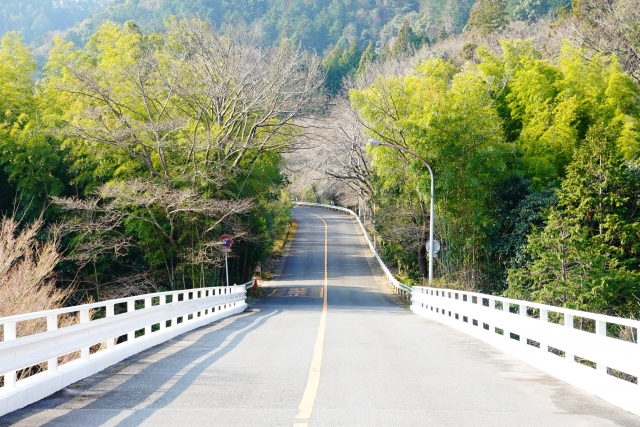
09:00 AM – Coastal Run Wake up to the sound of the surf. Today, we hug the coastline before cutting back through the mountains. The coast road is fast and sweeping, allowing you to stretch the BRZ’s legs in third and fourth gear.
11:30 AM – The Arashiyama-Takao Parkway On your way back toward the south, take this toll road. It is a legendary stretch for local enthusiasts. It is rhythmic, technical, and provides a series of high-speed corners that test your balance and focus.
01:00 PM – Takao Temple District Tucked away in the mountains just outside Kyoto city, the ancient temples here are draped in emerald moss. It is a place of introspection, the perfect contrast to the adrenaline of the morning's drive.
03:00 PM – The Final Stretch As you descend back into the Osaka plains, the air grows warmer and the traffic intensifies. The BRZ feels like a different animal now—a beast returning from the wild to the city kennel. You arrive back feeling changed, your senses recalibrated by the mountains.
Expert Advice & Cultural Nuances
Driving in Japan is governed by a set of unspoken rules that make the experience seamless if you pay attention.
- The "Michi-no-Eki" Code: These are not just gas stations; they are local hubs. They are the best places to buy seasonal produce or local crafts. When you park, always be mindful of your surroundings; do not block pedestrian paths or bus zones.
- The Passing Courtesy: On narrow mountain roads, local drivers may pull over to let you pass. A quick flash of your hazard lights is the universal Japanese "thank you."
- Mountain Etiquette: Always maintain your lane. The roads in the Kyoto highlands are often narrow, and corners are frequently blind. Never "apex" into the oncoming lane. Respect the sanctity of the road, and you will find that the local drivers will respect your pace.
- Hidden Culinary Gems: Look for the small wooden signs with hand-painted kanji. If you see a parking lot filled with mud-spattered Kei-trucks and local sedans, pull in. The food will be world-class, even if you can’t pronounce the menu.
Detailed Logistics & Pre-Trip Tips
Navigating 2026 Japan in a JDM manual transmission car is a visceral experience that requires preparation.
- The Fuel Ritual: When you pull into a gas station (especially a full-service one), say, "Mantan, onegaishimasu" (Full tank, please). If it’s a self-service station, be sure to touch the anti-static plate before handling the nozzle.
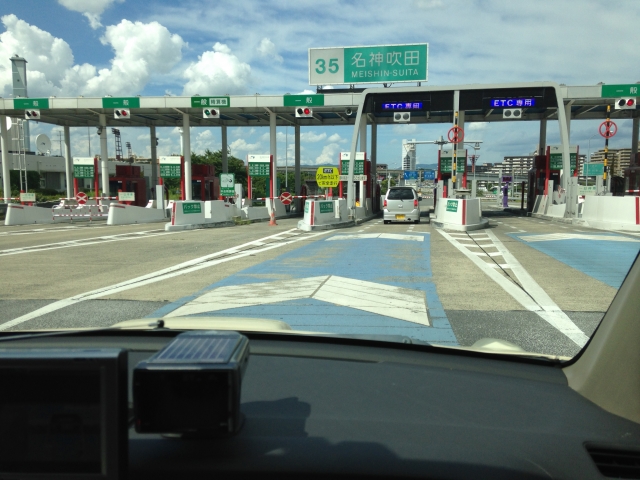
- ETC and Expressways: Ensure your rental has an ETC card reader. It makes paying tolls seamless—you simply slow down at the ETC gate, and the barrier lifts.
- Parking: In the mountains, parking is easy. In Kyoto city, it is a nightmare. Plan your parking using apps like "Times" or "Mitsui Repark" before you reach your destination.
- The JDM Experience: Driving a manual transmission (MT) car here is an act of communion with Japanese automotive history. The BRZ is perfectly geared for these roads. Remember to keep your RPMs in the power band, listen to the intake growl, and treat the clutch with respect—a smooth shift is the mark of a master.
Comprehensive FAQ
Do I need a special license? To drive in Japan, you must possess a valid driver’s license from your home country along with an International Driving Permit (IDP) issued under the 1949 Geneva Convention. You must carry your original passport, your home country's license, and the IDP at all times.
Is driving a manual car difficult in Japan? If you are comfortable with a clutch, you will love it. The traffic in rural areas is light, making it the perfect environment to learn or refine your skills. If you are nervous, our staff is happy to give you a quick "refresher" on the clutch bite point before you leave the lot.
How is the winter road situation? From late December to March, the northern mountains can see heavy snow. We equip our cars with appropriate tires, but always check the weather forecast. If you aren't experienced with snow driving, stick to the southern routes.
What if I get into an accident? Japan has a rigorous insurance system. Always call the police (dial 110) immediately if there is an incident, regardless of how minor it seems. Then, notify your rental agency.
The Final Thoughts
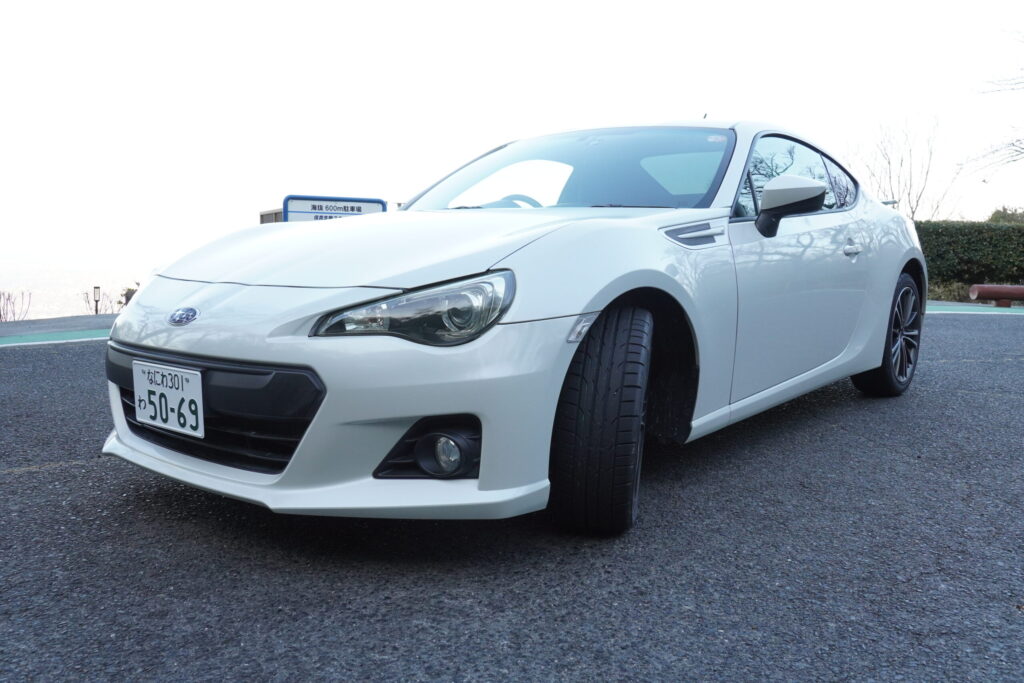
You have spent enough time behind glass, watching the world through a screen or a train window. You have felt the itch—the desire to command the machine, to chase the horizon, and to find the Japan that doesn’t appear in the brochures.
The mountains are waiting. The asphalt is cold and grippy. The boxer engine is idling, whispering for the open road. At Omoren (おもしろレンタカー大阪中央店), we don’t just rent cars; we provide the keys to your own adventure. Our fleet of meticulously maintained manual transmission machines—the 86s, the BRZs, the legends of JDM history—are ready to carry you into the heart of the Kyoto highlands.
Don't let another day pass tethered to the rails. The best routes in Japan are never on a map provided to tourists; they are waiting for you to find them. Book your drive with us today, and let the real journey begin.