
The rhythmic clack-clack of steel wheels on the Kintetsu tracks was once my heartbeat. For years, I stood in the conductor's cab, watching the Japanese landscape fold and unfold through a rectangular, tempered-glass frame. Passengers would board at Namba or Uehommachi, eyes glued to their phones or staring blankly as the countryside blurred into an anonymous green streak. As a conductor, I was a custodian of efficiency, a guardian of the schedule. But deep down, I knew the secret that the tracks tried to hide: you cannot truly possess a place if you only view it from a platform.
Railways are the arteries of Japan, efficient and necessary, but they are also voyeuristic. They dictate your beginning and your end, your pace and your view. To find the "Secret Japan"—the Hyogo Prefecture that hides behind the urban facade of Kobe and the historic weight of Himeji—you must cut the cord. You must abandon the train and take the wheel.
Driving in Hyogo is not a means of transportation; it is an act of rebellion. When you slip into the low-slung, cockpit-like interior of a Subaru BRZ, you are no longer a passenger of the infrastructure; you are the architect of your own journey. The BRZ, with its rear-wheel-drive architecture and a naturally aspirated boxer engine that sings in the high RPMs, is the ideal instrument for this terrain. Hyogo is a land of tectonic extremes—from the rugged, misty highlands of the north to the jagged, wave-battered coastlines of the Sea of Japan. To drive here is to engage in a visceral dialogue with asphalt, altitude, and history.
This isn't about reaching a destination. It is about the way the steering weight loads up in a third-gear hairpin, the smell of damp cedar and charcoal smoke as you climb through the mountains, and the profound silence of a village that time has genuinely forgotten. If you have ever felt that Japan is "too crowded," it is because you have been traveling on the rails. The real journey begins where the platform ends.

Hyogo’s Hidden Highlands: The 2-Day "Driver’s Sanctuary" Itinerary
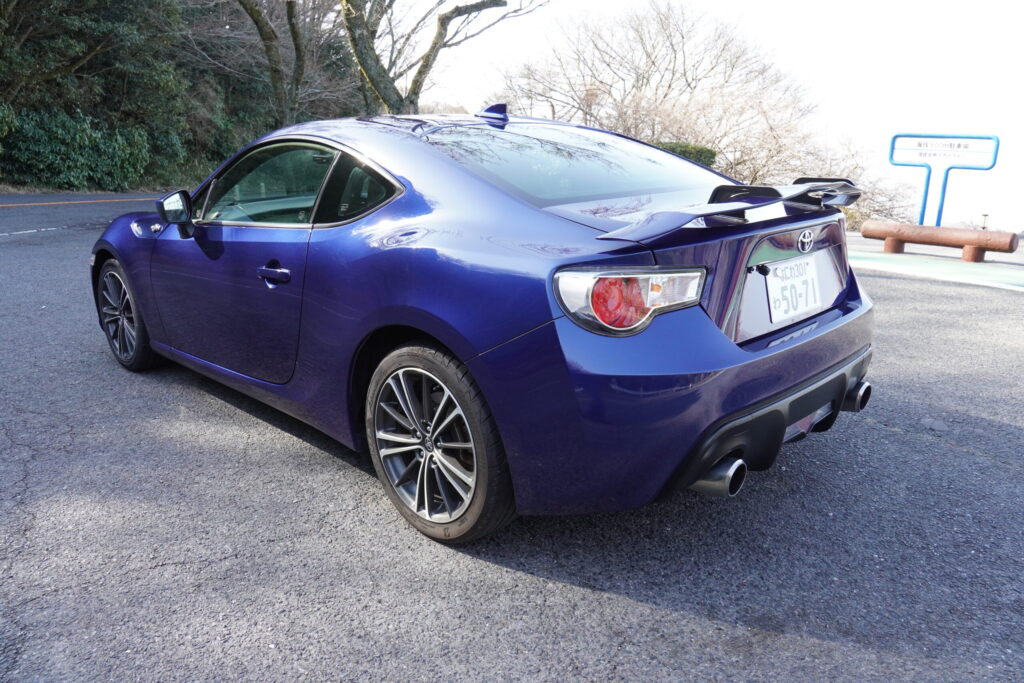
This itinerary is crafted for the driver who values mechanical engagement and geological wonder. We are bypassing the tourist traps of the Seto Inland Sea to plunge into the rugged north.
Day 1: The Ascent into the Cloud Forests
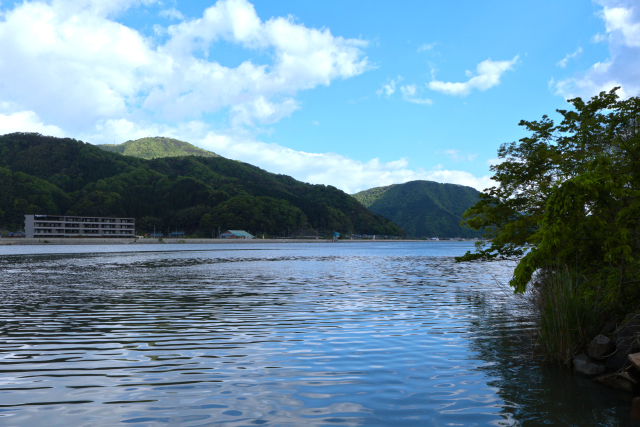
09:00 AM – The Departure from Osaka Leave the concrete labyrinth of the city. As you merge onto the Hanshin Expressway and head toward the mountain passes of the Tamba region, feel the shift in the BRZ’s character. The steering lightens as you leave the urban heat, and the engine begins to find its rhythm.
11:00 AM – The Shinsan-kaido Pass Welcome to your first real test. This is not a commuter road; it is a winding ribbon of technical perfection. The road carves through the mountains like a surgeon’s scalpel. In the BRZ, you focus on the fundamentals: braking points, the tactile feedback through the wheel, and the precision of the short-throw shifter. As you climb, the air cools, and the dense, dark green cedar forests press in against the roadside.
12:30 PM – Michi-no-Eki Tamba-Oren Stop here. This is where the local culture breathes. You aren’t here for a chain-store sandwich; you are here for Kuro-mame (black soybean) delicacies, a regional specialty of the Tamba area. Engage with the locals. There is an unspoken respect for those who drive manual, a recognition of someone who has chosen the harder, more rewarding path.
02:30 PM – The Rugged Cliffs of the San’in Coast Descending from the mountains toward the Sea of Japan, the terrain transforms. The lush forests give way to dramatic, jagged volcanic rock formations. This is the San’in Kaigan Geopark. The road here is fast and flowing, allowing you to let the BRZ stretch its legs. The color of the sea here is a deep, bruised indigo, contrasting sharply with the white foam of the waves crashing against the cliffs.
05:00 PM – Sunset at Kasumi Find a vantage point along the cliffside. As the sun dips toward the horizon, the water turns to liquid gold. The silence here is profound, save for the mechanical ticking of your car’s cooling engine—a satisfying sound, the applause of a machine well-driven.

Day 2: The Path of the Samurai and the Summit
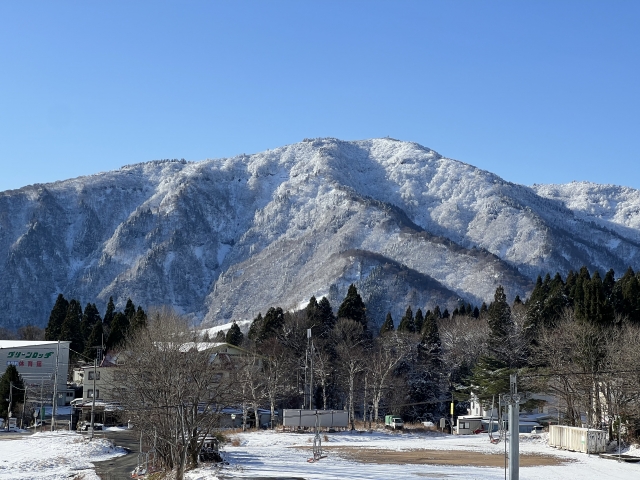
09:00 AM – The Coastal Sprint The morning air is crisp with salt. We hug the coastline, tracing the contours of the sea. The road follows every fold in the earth, creating a rhythmic, roller-coaster experience that feels custom-made for the BRZ’s chassis balance.
11:30 AM – Climbing Mount Hyonosen Today, we head for the roof of the prefecture. The ascent to Hyonosen is a drive of epic proportions. The road narrows, the elevation rises sharply, and the flora shifts from coastal pine to high-altitude beech forests. This is where the BRZ truly shines—its low center of gravity allows you to transition between switchbacks with a fluidity that makes the car feel like an extension of your own nervous system.
01:30 PM – The Mountain Temple of Ankokuji Tucked away in the folds of the mountains is this ancient temple, famous for its view of the changing seasons. The walk from the parking area is short but grounding. You are entering a space of total stillness. The architecture, with its dark, weathered timber and moss-covered foundations, speaks to the resilience of the people who chose to live in these isolated highlands.
03:30 PM – The Final Run As you descend back toward the southern plains, the road opens up into high-speed sweepers. This is where you appreciate the stability of the BRZ. It communicates every grain of texture on the road surface, giving you the confidence to maintain your pace while respecting the blind corners and the occasional local traffic.
06:00 PM – Returning to the Concrete The transition back to the Osaka megalopolis is jarring. But you are not the same traveler who left yesterday. You have the scent of mountain pine in your clothes and the memory of the engine’s snarl echoing in your head. You have seen the Hyogo that the trains can never reach.
Expert Advice & Cultural Nuances
Driving in Japan is governed by a set of unspoken rules that make the experience seamless if you pay attention.
- The "Michi-no-Eki" Code: These are not mere gas stations; they are local hubs. They are the best places to buy seasonal produce or local crafts. When you park, always be mindful of your surroundings; do not block pedestrian paths or bus zones.
- The Passing Courtesy: On narrow mountain roads, local drivers may pull over to let you pass. A quick flash of your hazard lights is the universal Japanese "thank you."
- Mountain Etiquette: Always maintain your lane. The roads in the Hyogo highlands are often narrow, and corners are frequently blind. Never "apex" into the oncoming lane. Respect the sanctity of the road, and you will find that the local drivers will respect your pace.
- Hidden Culinary Gems: Look for the small wooden signs with hand-painted kanji. If you see a parking lot filled with mud-spattered Kei-trucks and local sedans, pull in. The food will be world-class, even if you can’t pronounce the menu.
Detailed Logistics & Pre-Trip Tips
Navigating 2026 Japan in a JDM manual transmission car is a visceral experience that requires preparation.
- The Fuel Ritual: When you pull into a gas station (especially a full-service one), say, "Mantan, onegaishimasu" (Full tank, please). If it’s a self-service station, be sure to touch the anti-static plate before handling the nozzle.
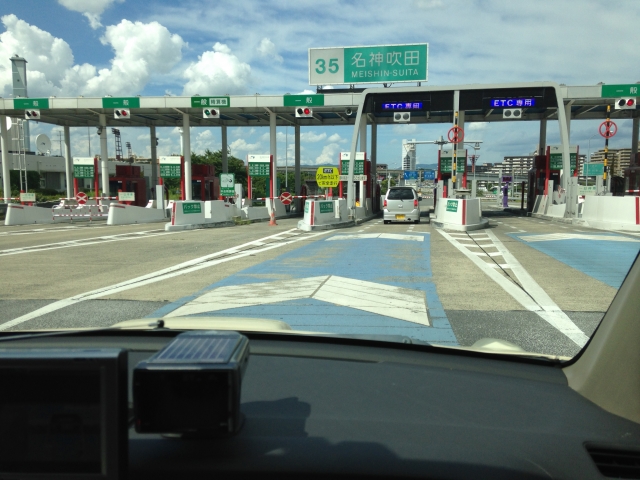
- ETC and Expressways: Ensure your rental has an ETC card reader. It makes paying tolls seamless—you simply slow down at the ETC gate, and the barrier lifts.
- Parking: In the mountains, parking is easy. In major cities like Kobe, it is a task. Plan your parking using apps before you reach your destination.
- The JDM Experience: Driving a manual transmission (MT) car here is an act of communion with Japanese automotive history. The BRZ is perfectly geared for these roads. Keep your RPMs in the power band, listen to the intake growl, and treat the clutch with respect—a smooth shift is the mark of a master.
Comprehensive FAQ
Do I need a special license? To drive in Japan, you must possess a valid driver’s license from your home country along with an International Driving Permit (IDP) issued under the 1949 Geneva Convention. You must carry your original passport, your home country's license, and the IDP at all times. Please ensure your IDP is the specific 1949 format, as other versions are not legally recognized.
Is driving a manual car difficult in Japan? If you are comfortable with a clutch, you will love it. The traffic in rural areas is light, making it the perfect environment to refine your skills. If you are nervous, our team can provide a quick refresher on the car's bite point before you depart.
How is the winter road situation? From late December to March, the northern mountains can see heavy snow. We equip our cars with appropriate tires, but always check the weather forecast. If you aren't experienced with snow driving, stick to the southern routes or coastal roads.
What if I get into an accident? Japan has a rigorous insurance system. Always call the police (dial 110) immediately if there is an incident, regardless of how minor it seems. Then, notify your rental agency.
The Final Thoughts
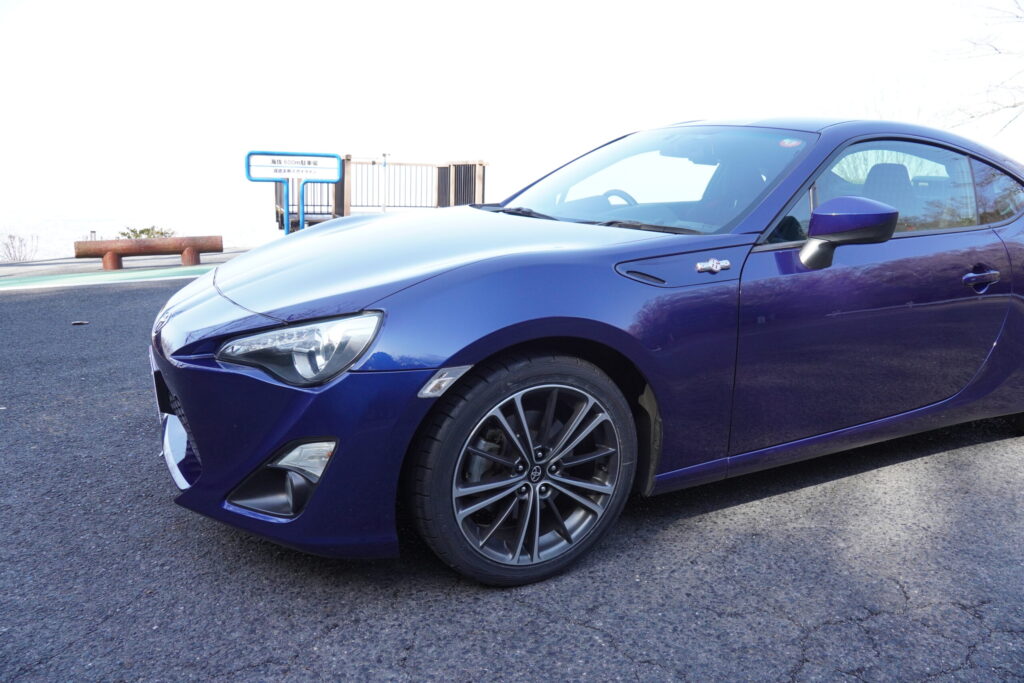
You have spent enough time behind glass, watching the world through a screen or a train window. You have felt the itch—the desire to command the machine, to chase the horizon, and to find the Japan that doesn’t appear in the brochures.
The mountains are waiting. The asphalt is cold and grippy. The boxer engine is idling, whispering for the open road. At Omoren (おもしろレンタカー大阪中央店), we don’t just rent cars; we provide the keys to your own adventure. Our fleet of meticulously maintained manual transmission machines—the 86s, the BRZs, the legends of JDM history—are ready to carry you into the heart of the Hyogo highlands.
Don't let another day pass tethered to the rails. The best routes in Japan are never on a map provided to tourists; they are waiting for you to find them. Book your drive with Omoren today, and let the real journey begin.